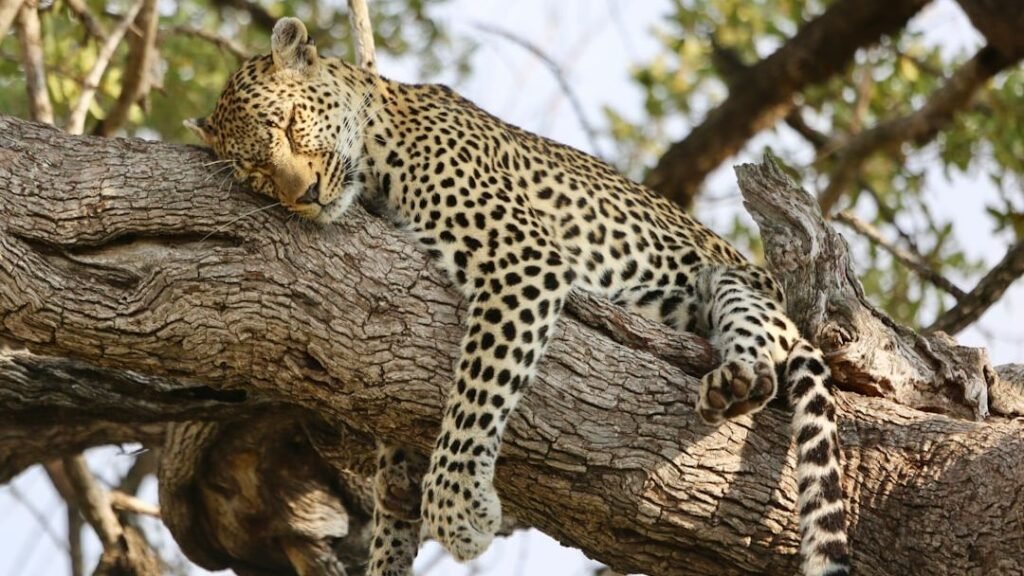
If you’ve ever watched a sleeping dog twitch its paws or heard a cat let out a tiny squeak in the middle of a nap, you’ve probably wondered the same thing I have: are they dreaming, and if so, about what? There’s something strangely moving about seeing another creature fully surrendered to sleep, eyes darting beneath closed lids as if chasing something we can’t see. It feels like a secret door into their inner life, one we can only glimpse but never fully open.
For a long time, scientists largely avoided questions like this because they sounded too philosophical, too close to guessing. But over the last few decades, brain imaging, sleep studies, and careful behavioral experiments have started to give us real clues. The picture that’s emerging is surprisingly rich: many animals don’t just sleep, they move through complex cycles that strongly suggest they have dreams, and those dreams might be doing important work for their survival.
Do Animals Actually Dream? The Brainwave Evidence
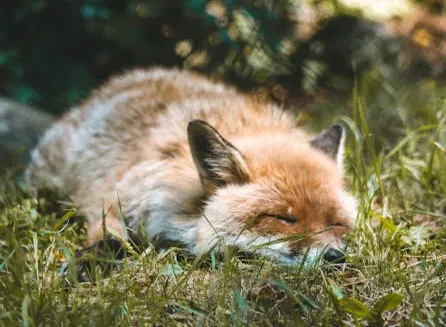
One of the most surprising findings in sleep science is that many mammals and birds show sleep patterns that look a lot like ours. In humans, dreaming is closely tied to a phase called REM sleep, when our brains are highly active even though our muscles are mostly paralyzed. When researchers put EEG caps or tiny electrodes on animals, they see a similar pattern: quiet, deep sleep phases followed by bursts of REM sleep with fast, waking-like brainwaves.
Rats, cats, dogs, monkeys, and even some birds all show this REM pattern, along with rapid eye movements and irregular breathing. That alone doesn’t prove they’re having dream experiences, but it makes it hard to argue that their brains just “go dark” during sleep. Some experiments with rats, for example, show that the same brain cells that fire when the rat runs a maze also fire in the same sequence later during REM sleep, almost like a replay. It’s not a stretch to see that as at least a rough version of dreaming, even if we’ll never know exactly how it feels from the inside.
Dogs, Cats, and the Little Clues We See at Home
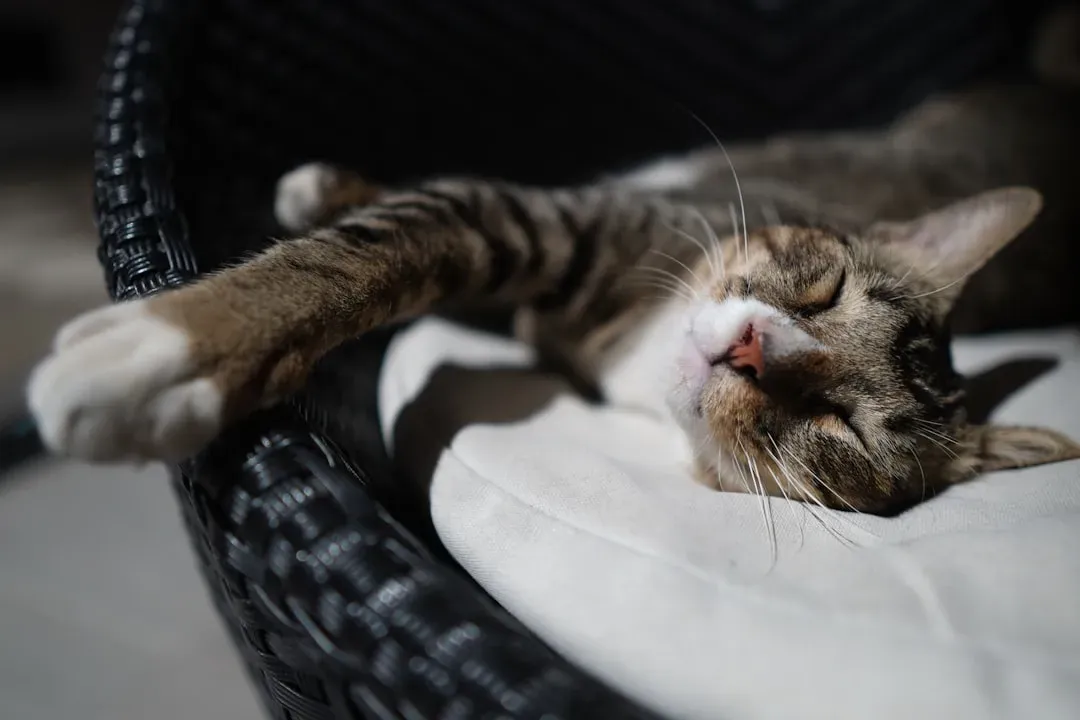
You don’t need a lab to suspect animals dream; your living room probably gives you hints every night. Dogs often whimper, wag their tails, paddle their legs, or let out muffled barks while fast asleep. Cats may twitch their whiskers, flick their tails, or make sudden, intense movements as if pouncing on an invisible target. These aren’t random spasms; they usually line up with REM phases where the brain is buzzing with activity.
Researchers have even found that when certain brain regions that control muscle paralysis during REM sleep are damaged (in humane, controlled experiments from decades ago), sleeping cats will fully act out behaviors like stalking, batting, or pouncing while remaining technically asleep. That suggests the brain is “running” a script, possibly a dream of some sort, and the body usually just isn’t allowed to follow. As someone who’s watched a dog “run” an entire race on the couch, it’s hard not to imagine that some of those nighttime adventures are emotional, vivid, and maybe even joyful or frightening to them.
Inside the Sleeping Brain: Memory, Maps, and Replay
One of the strongest scientific clues about animal dreams comes from studies on memory replay. In experiments with rats running mazes, specific neurons in their hippocampus light up in a unique sequence that reflects the path they take, almost like turning on a string of fairy lights in order. Later, during sleep, especially during REM, those same neurons fire again in almost the same order, as if the brain is replaying the experience at high speed.
This replay isn’t just a cute detail; it looks like the brain is strengthening memories and fine-tuning routes. Something similar has been seen in songbirds: brain activity linked to practicing songs during the day appears again in sleep, suggesting the birds might be “rehearsing” tunes overnight. Whether that feels to them like a vivid dream or more like background processing, we don’t know. But functionally, their sleeping brains are working with experiences, and that’s very close to what we think dreams do in humans – help us sort, store, and sometimes emotionally digest what happened when we were awake.
Fear, Survival, and the Dark Side of Animal Dreams
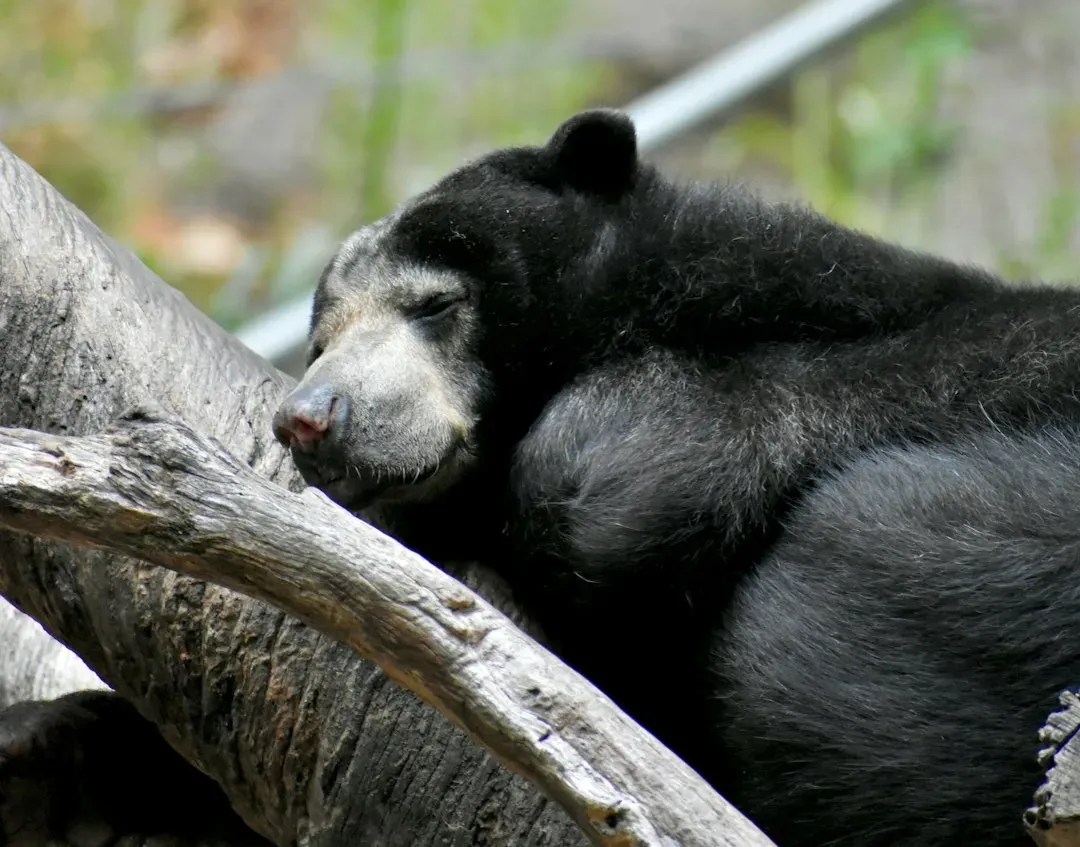
Dreams are not all cozy nostalgia and flying fantasies for humans, and there’s reason to believe that animals also process fear and danger in their sleep. When animals are exposed to stressful or threatening situations, changes show up in their sleep architecture: more REM in some cases, more fragmented sleep in others. Stress-related behaviors, like twitching or vocalizing during REM, can increase, hinting that their dreams might be reflecting recent emotional experiences.
Some people even report what looks eerily like nightmares in pets: dogs waking up yelping, cats bolting out of sleep in full panic, then needing comfort. While we can’t be certain these are nightmares in the human sense, the pattern is similar enough to take seriously. Evolutionarily, it might make sense: practicing threat responses in a safe, offline environment could sharpen instincts and help animals survive real danger. Nightmares, uncomfortable as they are, might be mental fire drills, and animals could be running those drills too.
Do Different Species Dream Differently?
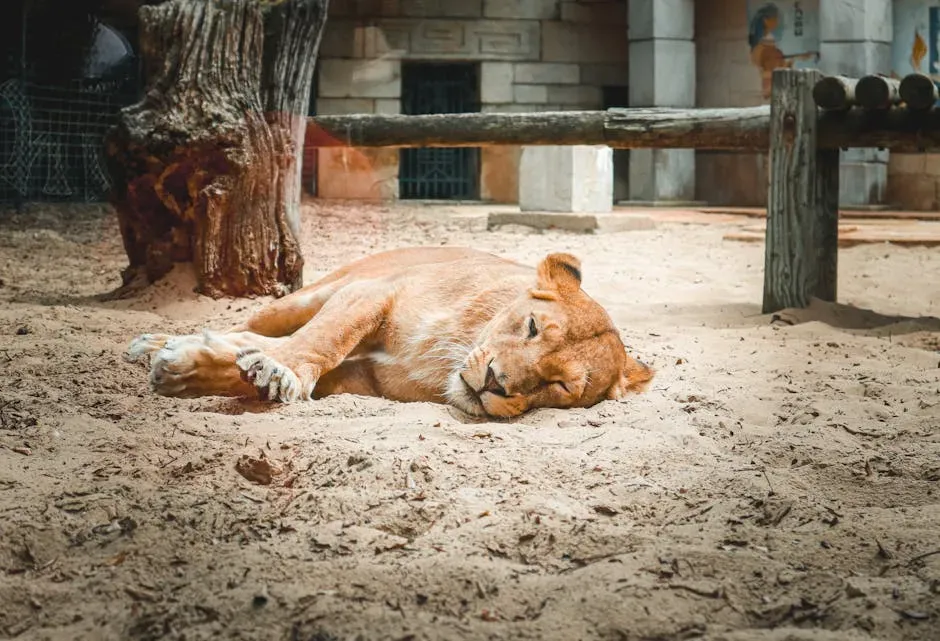
Not all animals sleep – or dream – alike. Mammals and birds, with complex brains and clear REM phases, are the main stars of dream research. But even within these groups, there are wild variations. Dolphins and some whales sleep with only one half of their brain at a time, so they can keep surfacing to breathe and stay partially alert. That split-brain sleep raises a fascinating question: do they dream with just half a brain, or is their dream life radically different from ours?
Birds, especially species that migrate long distances, show another twist: they can sometimes “sleep” in very short bursts, or even while keeping one eye open. Some studies suggest they still squeeze in REM-like phases, just in more fragmented ways. Reptiles and even some invertebrates show sleep-like states and neural patterns that hint at a primitive REM, although this is still being debated. It may be that dreaming, in some form, is not an exclusive human club but a sliding scale across species, growing more complex as brains become more layered and flexible.
What Are Animals Dreaming About? The Temptation to Anthropomorphize
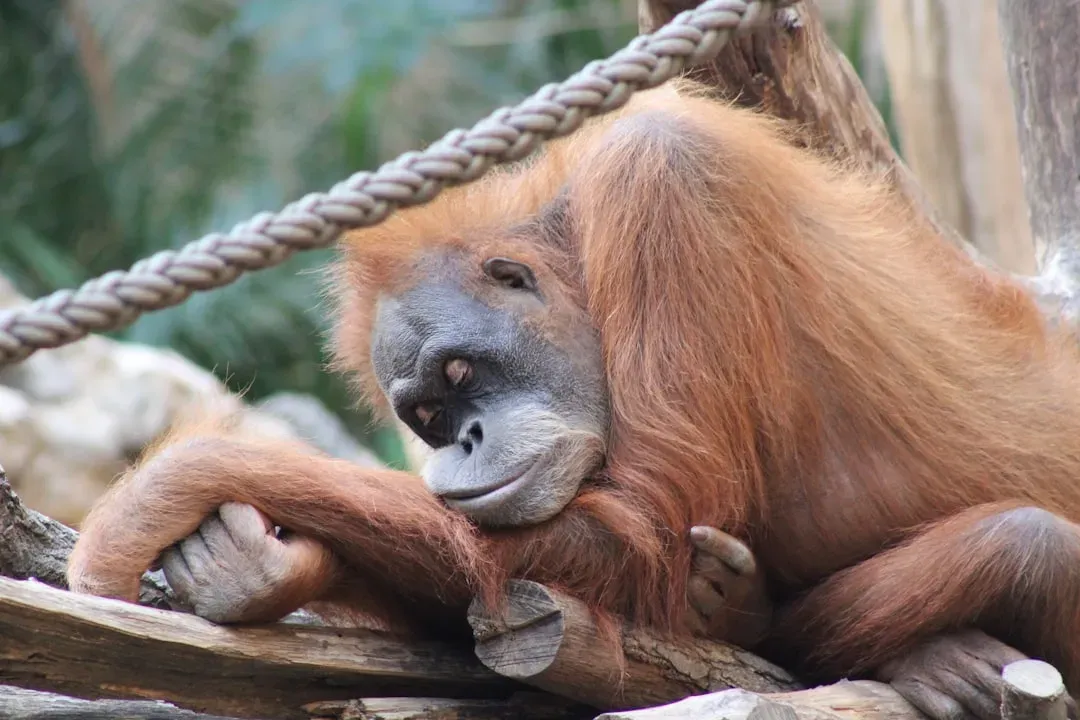
This is the part where our imaginations sprint way ahead of the science. It’s almost impossible not to picture your dog dreaming about chasing a ball or your cat reliving a dramatic showdown with the vacuum cleaner. The truth is, we have to be careful here. We know many animals replay experiences in sleep and that emotional centers in their brains are active during REM, but we don’t know how that feels to them or how rich their inner narratives are.
Still, it’s reasonable to think their dreams are anchored in what matters most during the day: hunting, escaping danger, finding food, social interactions, bonding, or conflict. A herding dog might “practice” chasing and guiding, while a prey animal might repeatedly simulate escape routes. It’s probably less about symbolic stories and more about direct scenes and sensations. To me, that’s actually more touching, not less: their dreams may be pure survival and emotion, stripped of all the extra layers of overthinking that humans drag into the night.
Why Animal Dreams Matter for Understanding Consciousness
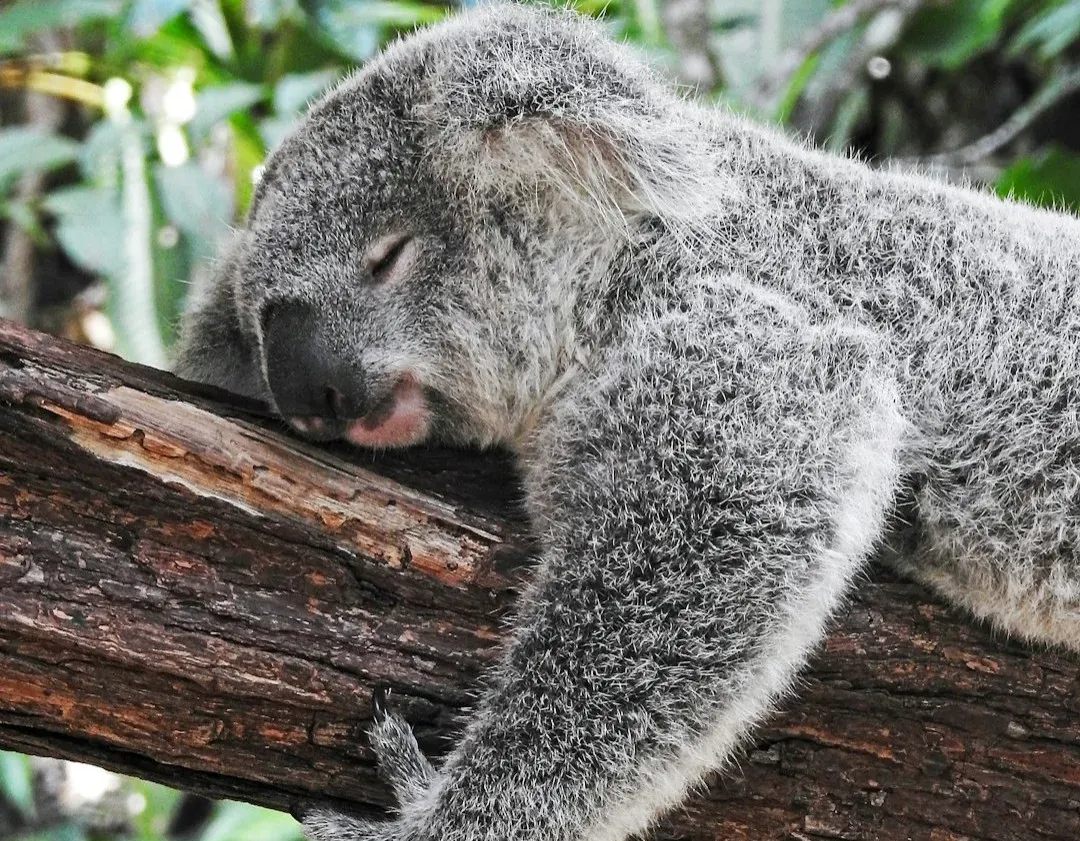
The idea that animals dream pushes us to confront a bigger, uncomfortable question: how deep does consciousness go in the animal kingdom? If other species re-experience their days in sleep, respond emotionally, and mentally rehearse future challenges, then their minds are not just simple stimulus-response machines. Their inner worlds might be smaller or less verbal than ours, but they’re still worlds, with feelings, fragments of memory, and maybe even expectations.
Studying animal dreams also forces us to update how we think about welfare. If animals can have distressing dreams or replay trauma at night, then chronic stress, pain, and fear might haunt them around the clock, not just when they’re awake. On the flip side, safe environments, strong social bonds, and enriching lives might shape their dreams in gentler, more positive directions. For me, realizing that a sleeping dog or bird might be reliving something emotional makes it a lot harder to dismiss their experiences as shallow or mechanical.
Conclusion: Sharing the Night With Other Minds
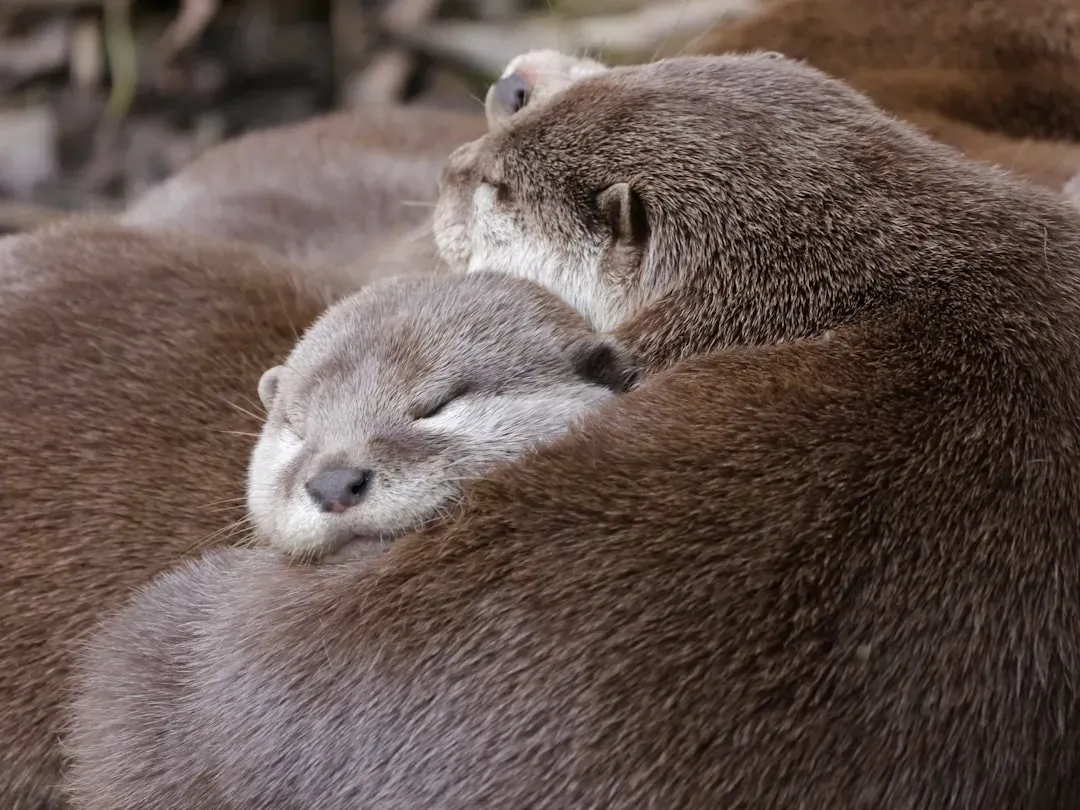
When you put all the evidence together – REM sleep in many species, replay of waking experiences in their brains, emotional changes reflected in sleep – it becomes hard to deny that animals have some form of dreaming. Their dreams are probably not filled with complex narratives or abstract symbols the way ours can be, but they seem to be meaningful, tied closely to survival, memory, and emotion. The gap between us and them at night is smaller than we once liked to pretend.
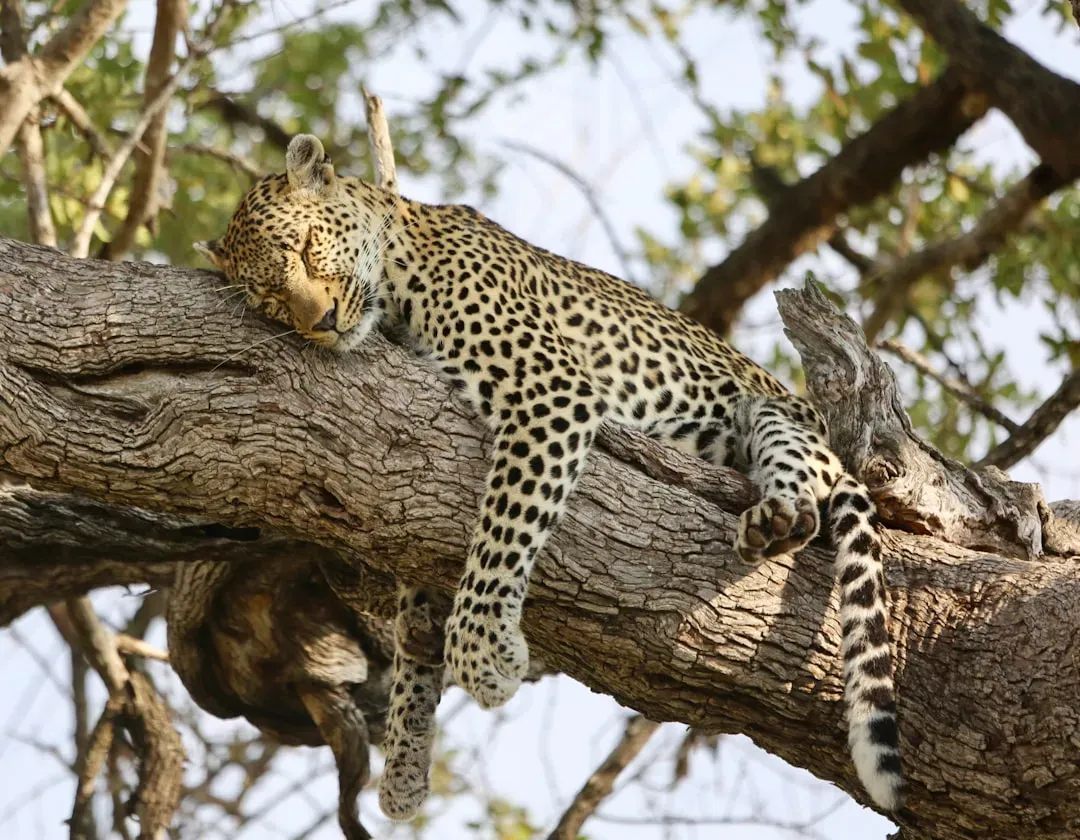
There’s something quietly profound in knowing that while we sleep, countless other creatures are also moving through private, invisible worlds of their own. They may be chasing, fleeing, bonding, rehearsing, or processing things we’ll never fully understand. Next time you see a pet twitch or a wild bird doze on a branch, it’s worth pausing for a second and remembering there’s more going on behind those closed eyes than just rest. What do you think might be playing behind their eyelids tonight?