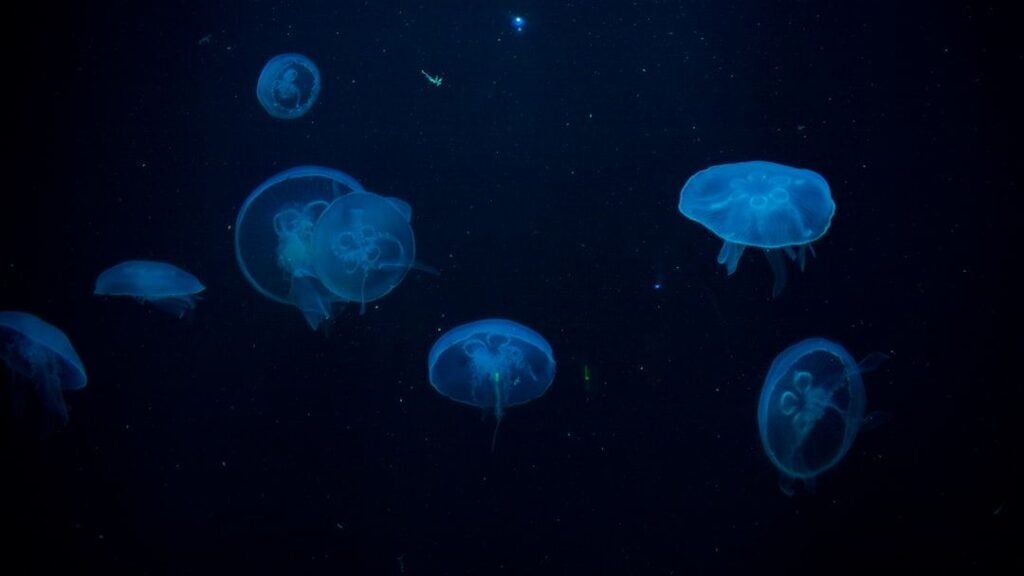
Imagine drifting hundreds of meters below the surface where sunlight never reaches, and yet, the darkness isn’t empty. Tiny sparks flicker, slow pulses glide past like living stars, and sudden flashes explode like underwater lightning. The deep ocean is not a black void; it’s a glowing conversation, carried out in light instead of sound.
Bioluminescence is that conversation. It’s the natural production of light by living organisms, and in the ocean, it’s everywhere. Once you start to understand how and why creatures glow, the deep sea stops feeling like an alien world and starts to look strangely organized, almost like a crowded city at night where every light has a purpose.
A Planet That Glows More Than We Think
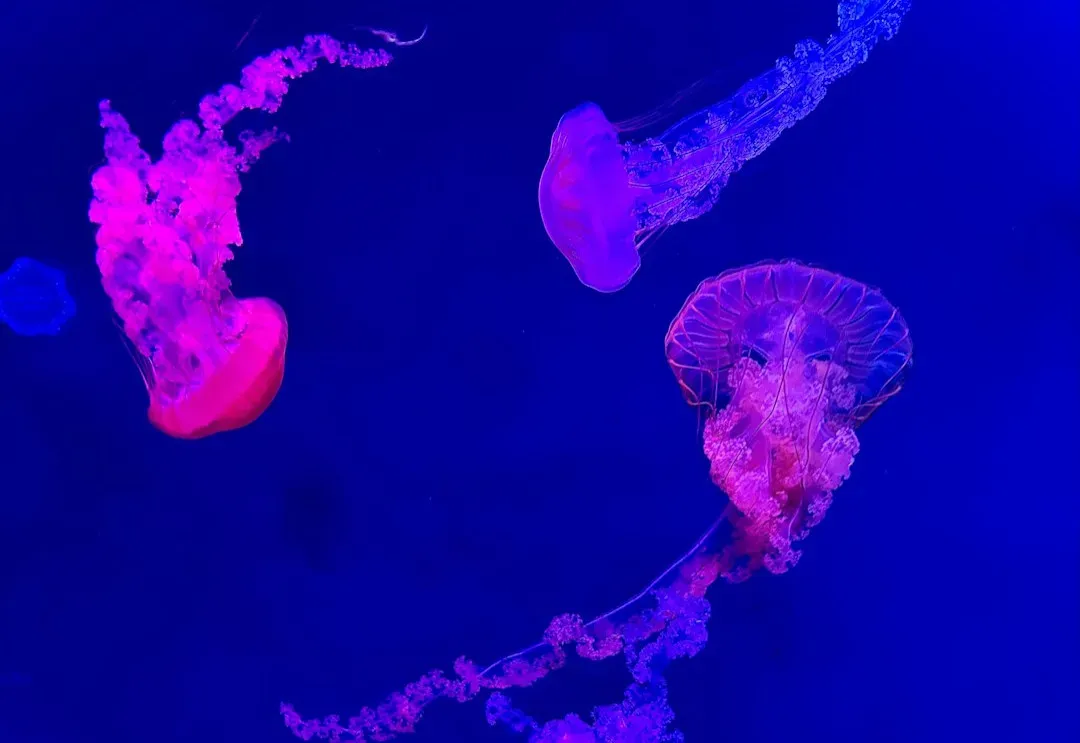
Most people imagine fireflies or maybe a glowing jellyfish when they think of bioluminescence, but the truth is far more surprising: most of the living space on Earth is dark ocean, and in that darkness, glowing life is the rule, not the exception. In the open ocean’s twilight and midnight zones, a huge proportion of animals can produce light in some form. If you could suddenly turn off all sunlight and city lights, the planet would still shimmer faintly from within the sea.
What makes this even more mind-bending is that humans barely see any of it. Satellites sometimes catch large areas of the ocean faintly glowing at night, likely from massive microbial or plankton blooms. Divers in some places report that a wave of the hand can look like stirring a galaxy of green sparks. For most of us, though, bioluminescence remains hidden, like a secret nightlife that starts only after we stop looking.
How Ocean Creatures Turn Chemistry Into Light
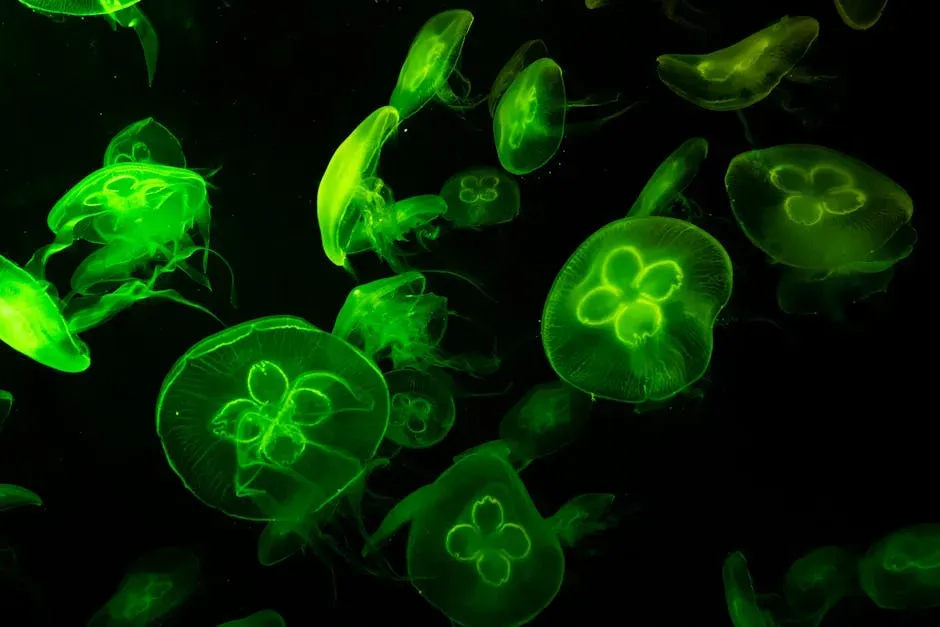
Bioluminescence might look like magic, but at its heart, it’s tightly controlled chemistry. In simple terms, a light-emitting molecule (often called luciferin) reacts with oxygen, usually helped by an enzyme (often called luciferase), and the energy released comes out as light instead of heat. That’s why bioluminescent light is sometimes called “cold light” and feels more like a tiny LED than a hot flame.
Different creatures use slightly different molecules and reactions, which is why some glow blue, others green, and some even emit reddish hues in rare cases. Many deep-sea animals carry specialized organs called photophores, like built-in light bulbs arranged in patterns on their bodies. Some species even outsource the job, hosting glowing bacteria in little pockets of skin, almost like wearing a permanent team of microscopic lantern-makers.
Why Blue Is the Favorite Color of the Deep
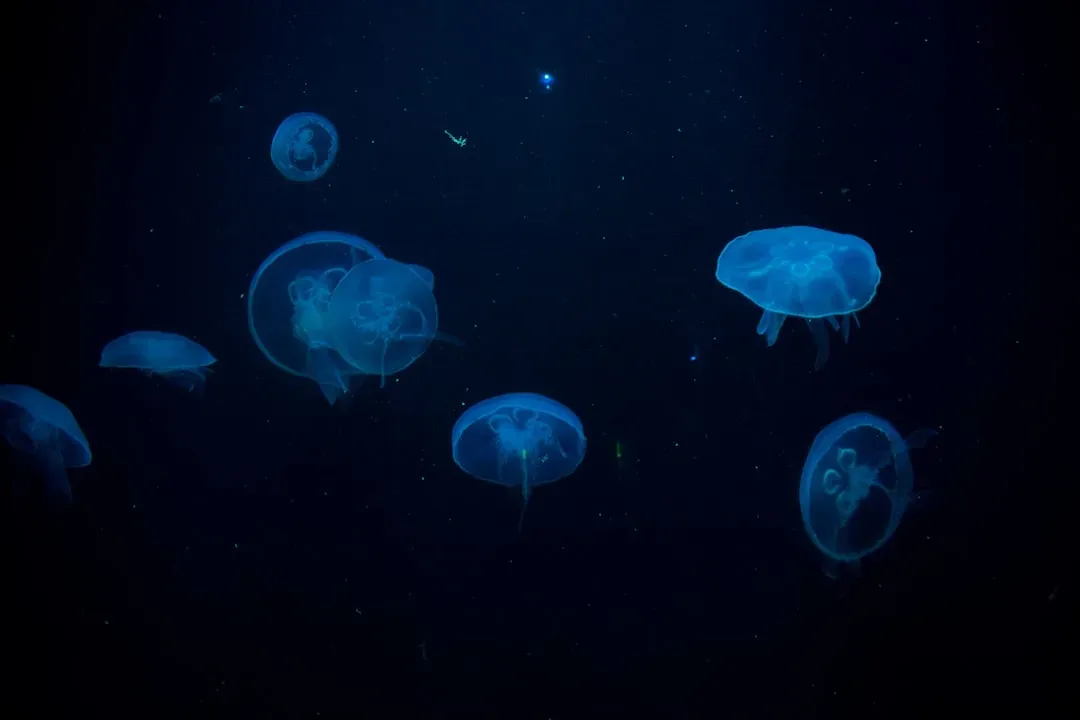
If you scroll through photos of glowing sea creatures, you’ll notice a pattern: nearly everything is blue. That’s not an accident. Blue light travels farther through seawater than red or yellow, so it’s the most efficient color for communication and camouflage in the deep. In a place where every bit of energy matters, wasting it on colors that get absorbed quickly just doesn’t pay off.
A few animals, though, break the rules. Some deep-sea dragonfish and other specialists can produce and see red light that many of their prey cannot detect, turning their glow into a kind of secret searchlight. Others mix blue and green, likely fine-tuning their signals for specific depths or species. It’s similar to different radio stations: everyone is broadcasting, but not always on the same wavelength.
Glowing to Survive: Confuse, Hide, Lure, and Alarm
In the deep sea, light is survival currency. Some animals flash brightly to startle predators, like throwing a sudden flare into someone’s face. Others release glowing clouds, a kind of shimmering smoke screen that lets them vanish while the attacker snaps at the wrong spot. It’s chaotic and strangely beautiful, the underwater equivalent of a frantic escape with fireworks.
Other strategies are more subtle. Many midwater fish use counterillumination: they glow on their bellies just enough to match the faint light filtering from above, erasing their silhouette when seen from below. Some animals use pinpoint patterns of light to recognize mates of their own species or to synchronize group behavior. In a world where voices don’t travel well and visibility is low, light becomes both the whisper and the shout.
The Deep Sea’s Most Iconic Glow: From Anglerfish to Comb Jellies
Certain bioluminescent animals have become icons of the deep. The anglerfish, with its eerie forehead lure, uses a glowing bait powered by symbiotic bacteria to attract curious prey straight into its jaws. It’s like walking toward what you think is a porch light and realizing, too late, that the house has teeth. That single bobbing light is enough to turn the pitch black into a deadly trap.
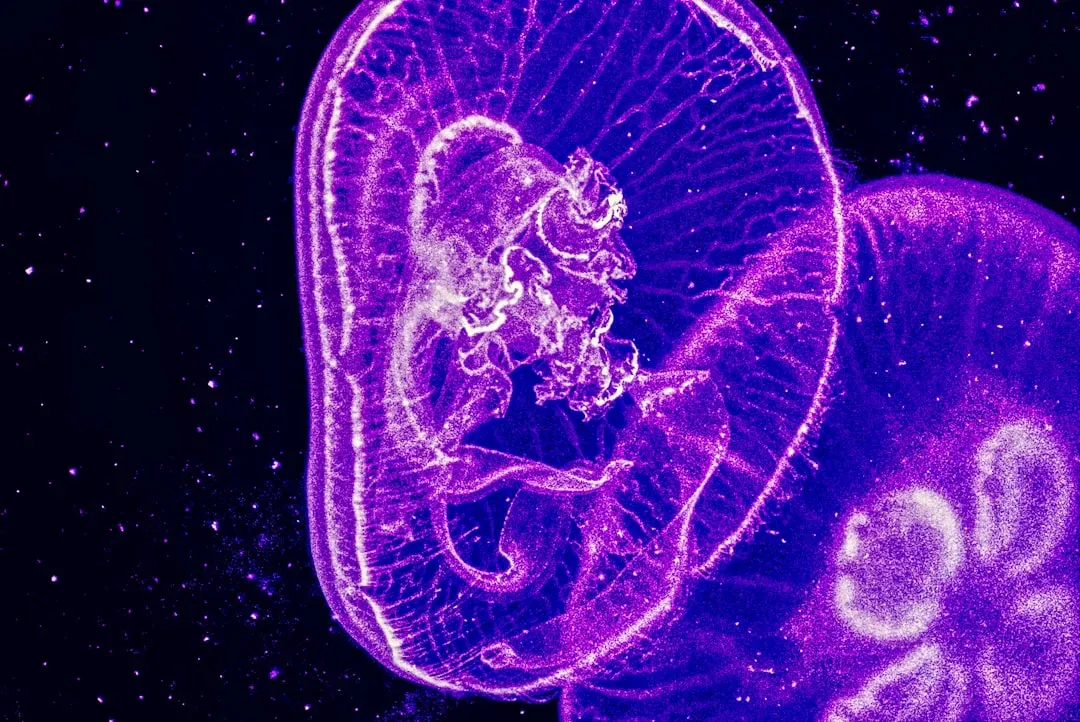
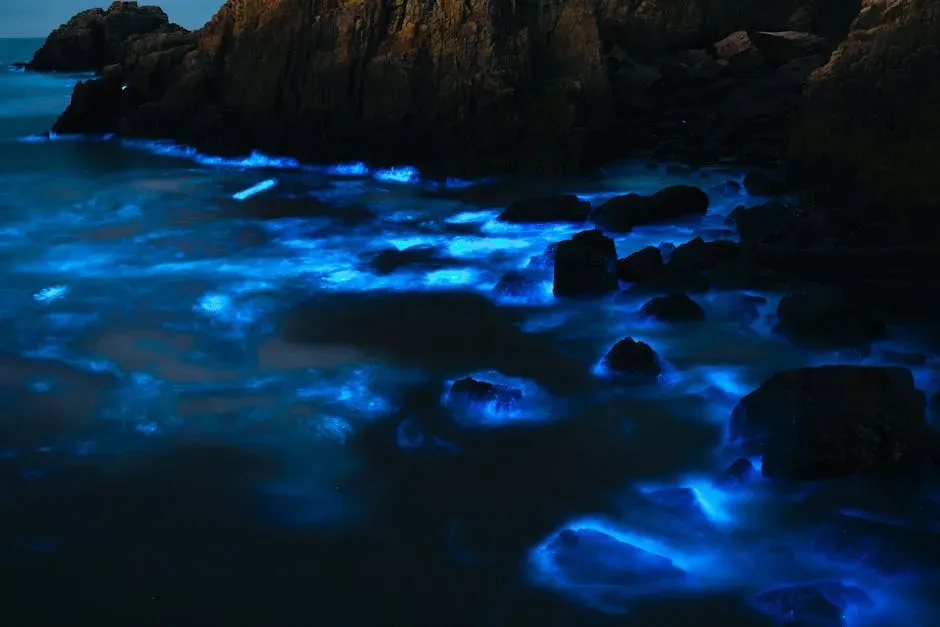
Then there are the shrimp that can spit glowing fluid, creating a burst of light in the water, and comb jellies whose shimmering, shifting colors look like rolling neon rainbows rather than simple blue dots. Tiny dinoflagellates near coasts can make every breaking wave glow when conditions are right, turning an ordinary beach into something that feels almost supernatural. These creatures remind us that bioluminescence isn’t just a survival trick; it can also be breathtakingly, unexpectedly beautiful.
Hidden Messages and Private Channels of Light
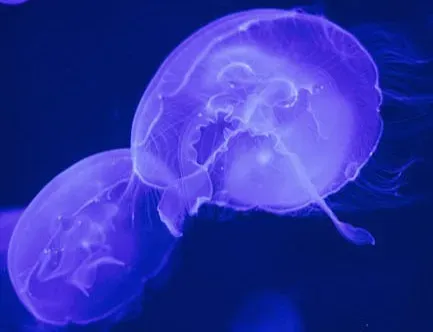
Bioluminescence is often described as a language, but it’s not a single shared one. It’s more like thousands of different dialects, each tuned to a specific purpose and audience. One species might flash in a precise rhythm to court mates, while another uses slow pulses as a general “here I am” beacon in a sparse, open world. To a predator or a rival species, these signals might look like random glitter, but to the right animal, they’re clear and specific messages.
Some scientists suspect that a lot of these light codes are so complex and species-specific that we may never fully decode them. The deep ocean could be full of ongoing conversations, arguments, warnings, and invitations, all conducted silently in patterns of light. It’s like standing in a foreign city at night, seeing neon signs and blinking billboards everywhere, but not quite knowing what any of them really say.
What Glowing Oceans Can Teach Us on Land
The fascination with bioluminescence isn’t just about wonder; it’s also about usefulness. The same type of light-producing proteins that make jellyfish or other marine organisms glow have revolutionized biological and medical research on land. Scientists have used them to track how cells move, how genes turn on and off, and how diseases spread inside the body, turning invisible processes into something we can actually see. It’s a rare case where the deep sea has quietly shaped the future of hospitals and labs.
There’s growing interest in developing low-energy lighting systems, sensors, and environmental monitors inspired by bioluminescent strategies. Nature has already spent millions of years figuring out how to make efficient, controlled light using minimal resources. Learning from that could push us toward technologies that are gentler on the planet. The glow of a tiny deep-sea creature might end up influencing how our cities and devices are lit in the decades ahead.
The Future of Exploring Earth’s Glowing Abyss
Even today, with advanced submersibles and sensitive cameras, most of the deep ocean is still unexplored, and much of its bioluminescent life remains unseen. Every expedition seems to turn up something unexpected: a new pattern of lights, a strange glowing structure, or a creature that bends our idea of what’s possible. It feels a bit like exploring a forest at night with only a weak flashlight, catching brief, tantalizing glimpses between the trees.
As tools improve and more people become curious about the deep, we’ll likely discover entire new “dialects” of light, new survival tricks, and perhaps new molecules that change how we do science and technology on land. The silent language of the deep has been flashing and pulsing for far longer than humans have existed. The real question now is not whether it will keep speaking, but how much of it we’ll manage to finally understand.