Stand on a beach during a bright full moon and it feels like the world is holding its breath. For many animals, that silvery glow is not just romantic scenery; it’s a powerful signal that says move, feed, hide, or fly. Lunar cycles quietly choreograph epic journeys, from tiny plankton drifting in the sea to birds crossing entire oceans in the dark.
I remember camping once on a moonless night and being stunned by how different the forest felt compared to a full moon hike a week later. The sounds, the movement, even the air seemed to shift. Scientists are now uncovering just how deeply the moon’s rhythm is wired into the lives of migrating creatures, and the story is far more surprising than just “animals see better when it’s bright out.”
Moonlit Highways in the Sky: Birds Using Lunar Cues
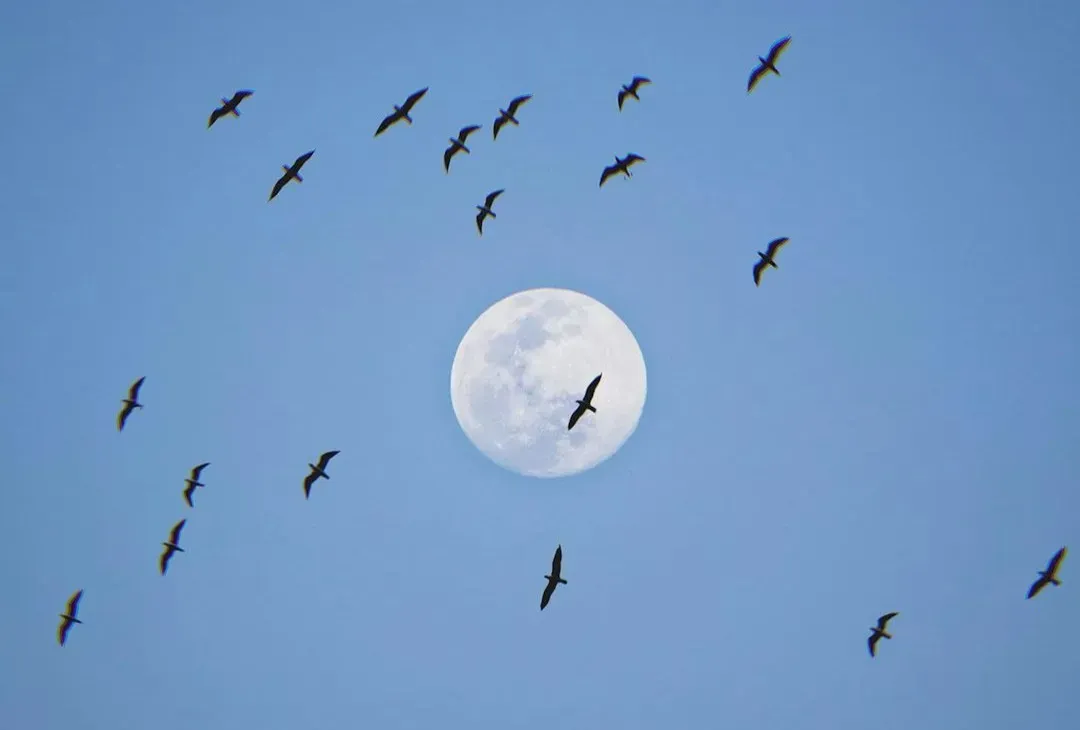
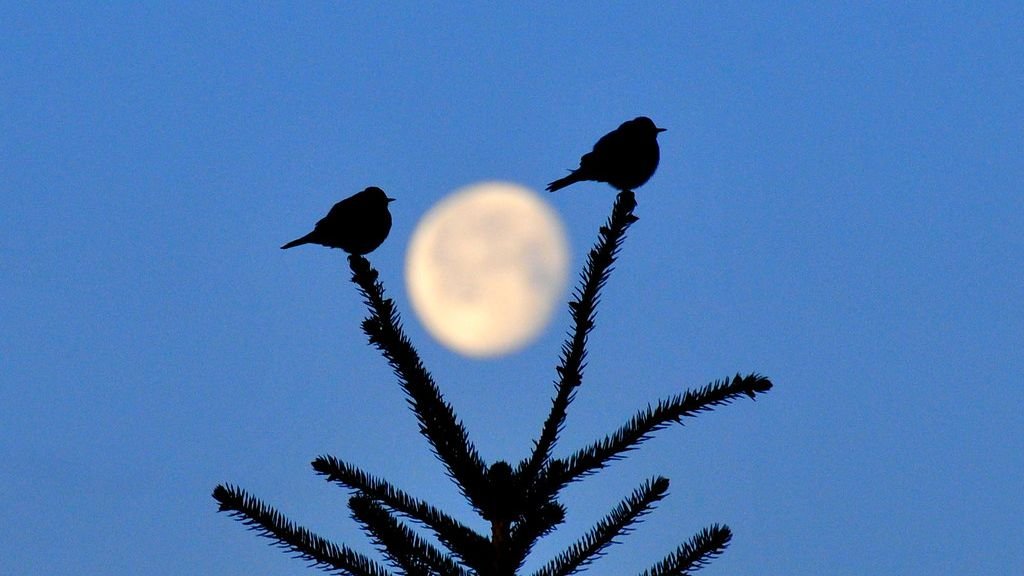
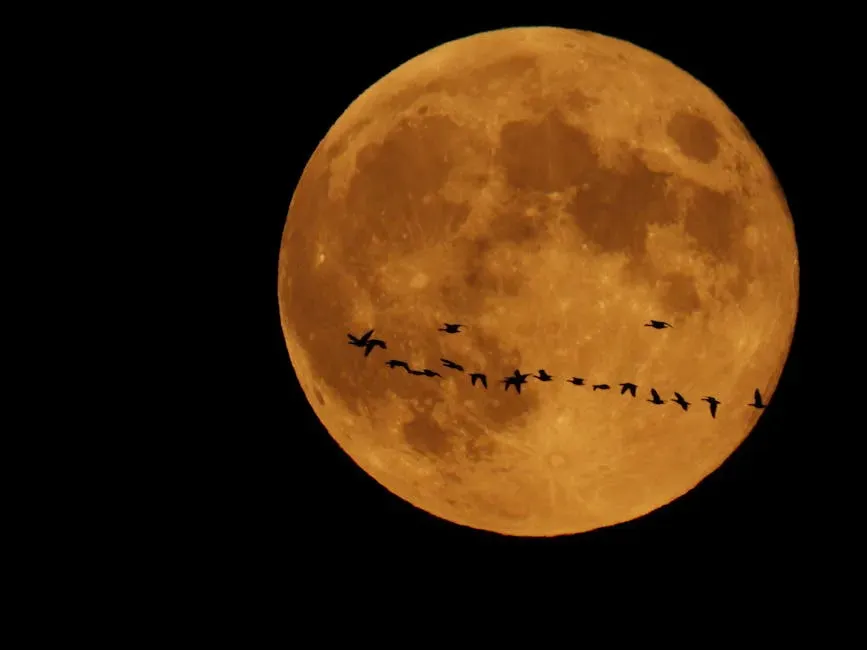
Imagine flying thousands of miles in the dark with no GPS, no streetlights, and no map, yet arriving at the same patch of land year after year. Many migratory birds do exactly this, and the moon quietly helps guide them. While birds rely heavily on the sun, stars, Earth’s magnetic field, and even smells, researchers have found that the moon phase and its changing light levels can influence when they take off and how long they travel at night.
During brighter moon phases, some nocturnal migrants show more intense movement, as the extra light likely helps them see landmarks, avoid predators, and coordinate their flights. On darker, new moon nights, other species seem to fly higher or alter their routes, perhaps to stay safer in the shadows. It’s not a simple on-off switch but more like a dimmer dial: the moon tweaks timing, altitude, and even rest stops, turning the night sky into a shifting, moonlit highway system.
Tides, Gravity, and the Great Ocean Commute
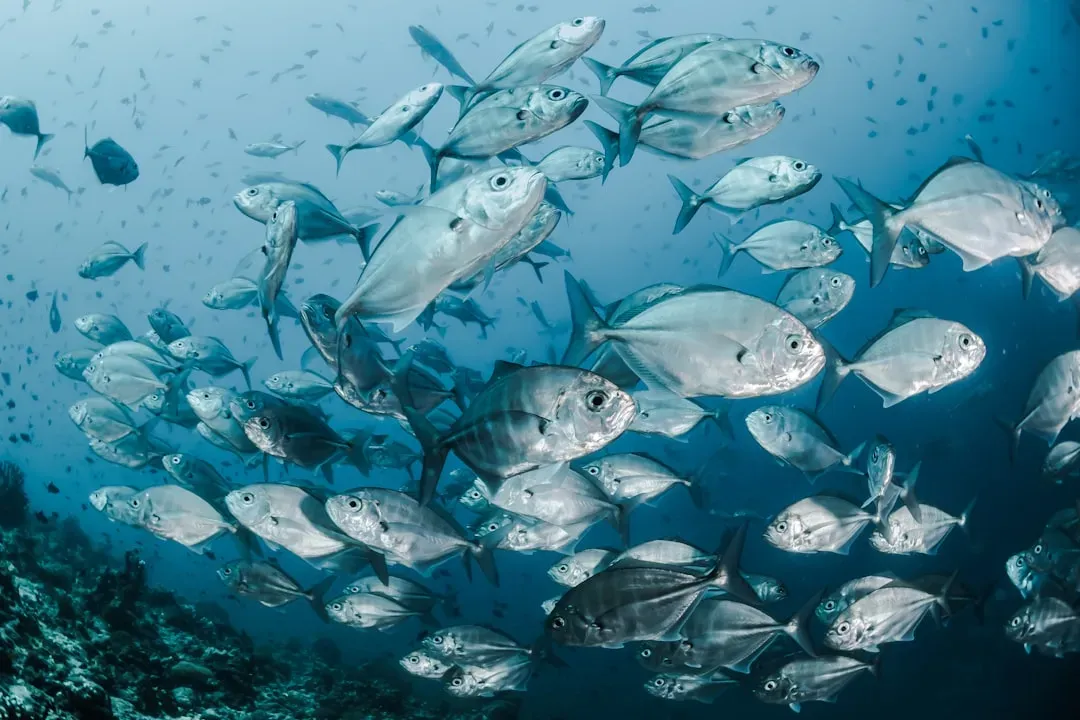
The moon doesn’t just provide light; its gravity literally moves oceans, and countless marine migrants ride those invisible waves. Coastal fish, crabs, and shellfish time their movements with rising and falling tides, many of which are strongest around new and full moons. These animals use the changing water levels to slip in and out of estuaries, reefs, and seagrass beds with less effort and less risk.
Even larger species, like some sharks and rays, have been observed shifting their activity patterns with the lunar-tidal cycle, changing where and when they hunt or travel. Picture a busy subway system that speeds up every two weeks when lunar gravity cranks the tides higher. For marine animals, missing that timing doesn’t just mean inconvenience; it can mean wasted energy, missed feeding windows, or increased exposure to predators waiting in shallow waters.
Silvery Trap or Safe Spotlight? Predation and Lunar Light
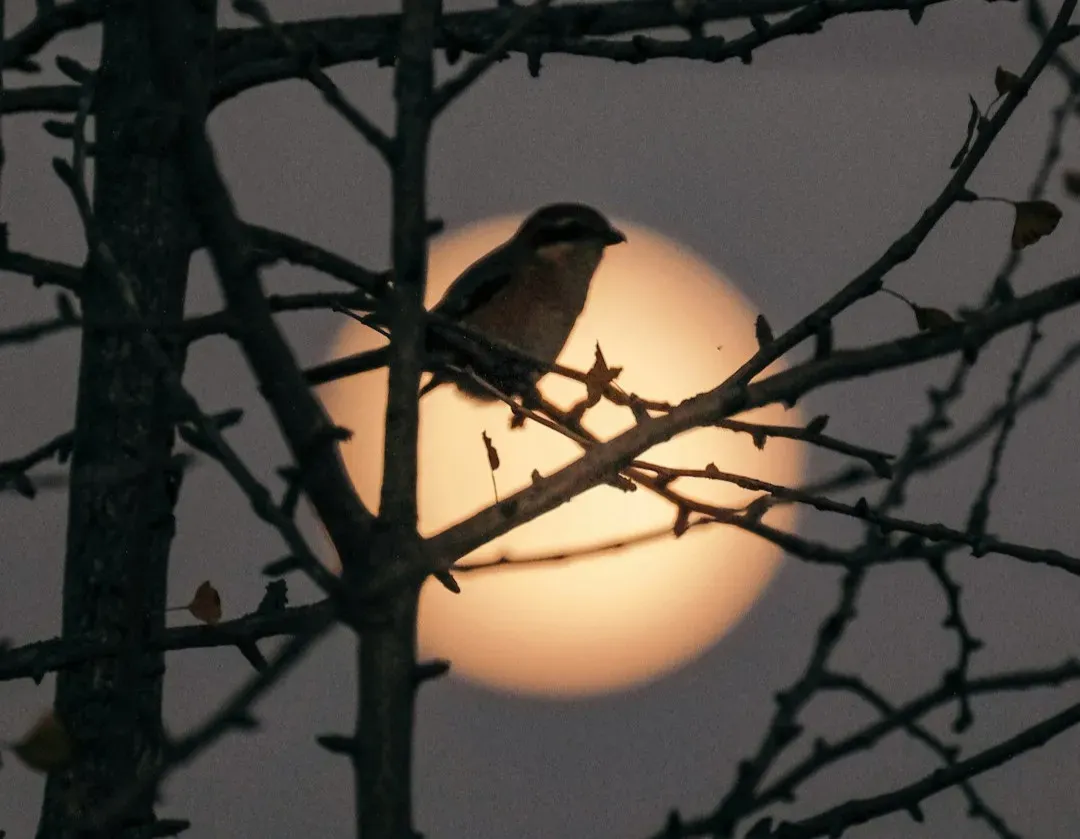
A bright full moon can feel like standing under a giant streetlamp with nowhere to hide, and migrating animals face that trade-off constantly. Prey species often adjust their movements depending on how risky the moonlight feels. Some rodents and small mammals move less on bright nights to avoid becoming easy targets, and similar patterns show up in insects and fish that would rather stay hidden in the dark.
On the flip side, predators like owls, foxes, and certain fish often step up their game when the moon is bright, using the extra light to spot moving silhouettes or shimmer in the water. Migrating animals walking, swimming, or flying through these landscapes have to read that risk like a weather forecast. Moonlight can be a blessing when it reveals food or safe paths, but it can also turn the open road into a glowing, dangerous stage where every movement is visible.
Lunar Calendars in the Sea: Coral, Crabs, and Fish on the Move
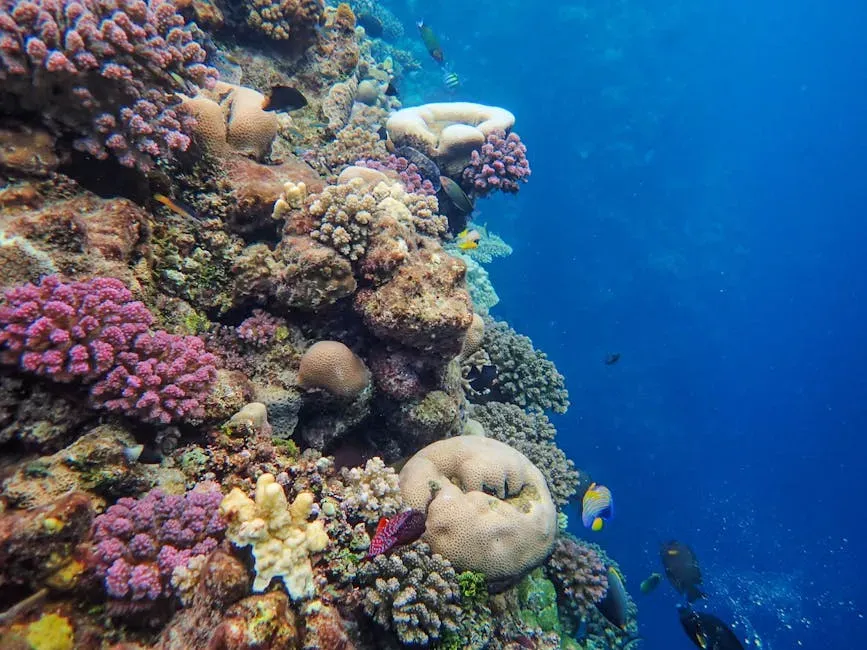
Some of the most dramatic lunar-timed migrations are not across continents, but across reefs and shorelines. Many coral species release their reproductive cells in mass events that are tightly synchronized with specific lunar phases, often shortly after a full moon. This triggers swarms of plankton and attracts fish and other animals that move in to feed, turning a quiet reef into a bustling, moon-timed festival.
In coastal zones, certain crabs, worms, and small fish migrate in and out with predictable lunar and tidal cycles related to breeding. They may swarm beaches, mangroves, or shallow flats right after a full or new moon, using the high tides to help spread eggs or reach sheltered nursery areas. These movements are so punctual that, in some places, local communities have long used the moon as a natural calendar to predict when the shoreline will suddenly come alive under the night sky.
Night Flyers and the “Dark Moon” Advantage
Not every migrant loves a glowing sky. Some bats, insects, and even a few bird species prefer to move under a new moon, when the world is at its darkest. For these animals, less light can mean less chance of being spotted by owls, hawks, or other predators that rely on vision. Instead of following the bright path, they choose the stealth route, using sound, smell, or internal magnetic senses to stay on course.
Certain migratory moths and other insects appear to reduce flight during bright moon phases, then ramp up their long-distance movements when the moon is thin or absent. This dark-moon strategy can feel counterintuitive to us because we’re so visual, but for them, the safest road is the one no one else can see. Their migrations are more like secret night-train routes, running on schedules guided by the absence of moonlight rather than its glow.
Human Lights vs. Lunar Logic: A Confusing Night Sky
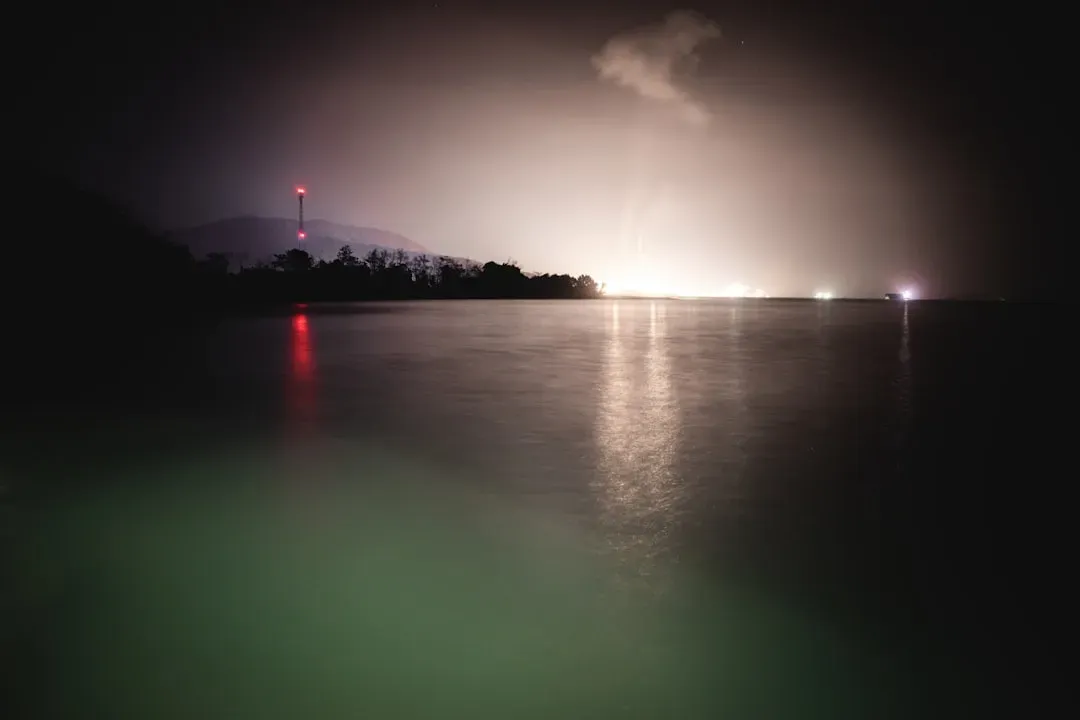
For animals that evolved listening to the moon for millions of years, modern cities are like someone suddenly blasting random signals into a quiet radio. Artificial light at night can drown out the natural contrast between new and full moons, flattening the delicate rhythm that migrants rely on. Birds may launch at the wrong times, get drawn into brightly lit urban areas, or circle confused by illuminated buildings that outshine the moon and stars.
Sea turtles and seabirds, which historically used the moonlit horizon to find the ocean, can now be pulled inland by hotel lights, roads, or ports. Even aquatic species that follow reflections and brightness on the water surface can become disoriented by artificial lighting from ships and coastal developments. When our lights rewrite the night, they muddy the lunar instructions that once acted like a quiet, reliable whisper in the background of every migration decision.
Why Lunar Literacy Matters for Conservation
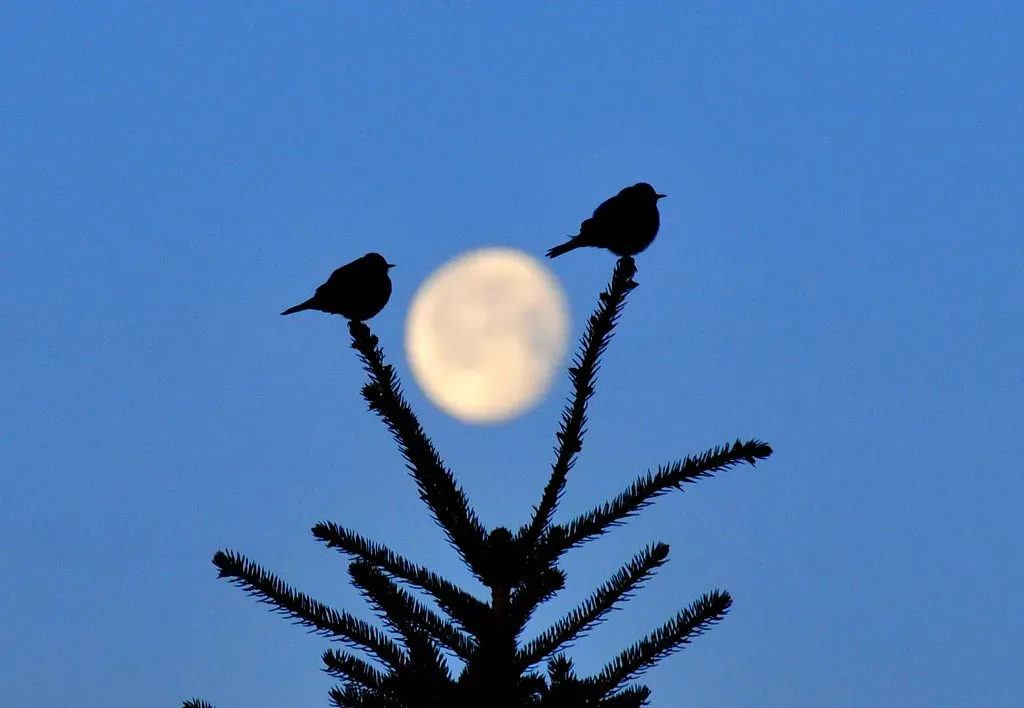
Understanding how deeply animals rely on lunar cycles changes how we think about protecting them. It’s not enough to just preserve a habitat on a map if we ignore when and how animals actually move through it. If a key migration or breeding event always happens a few nights after a full moon, mistiming a fishing ban, shipping route, or coastal construction project by even a week could do real damage.
Some conservation projects are now starting to plan around lunar calendars, such as adjusting artificial lighting, closing beaches, or limiting noise during sensitive moon phases. It’s a shift from thinking of the moon as pretty background scenery to recognizing it as a critical part of wildlife infrastructure. As we keep uncovering more of these moon-tied patterns, it becomes clear that the night sky is not just decoration; it’s part of the map animals use to cross the planet.
Conclusion: Listening to the Quiet Pull of the Moon
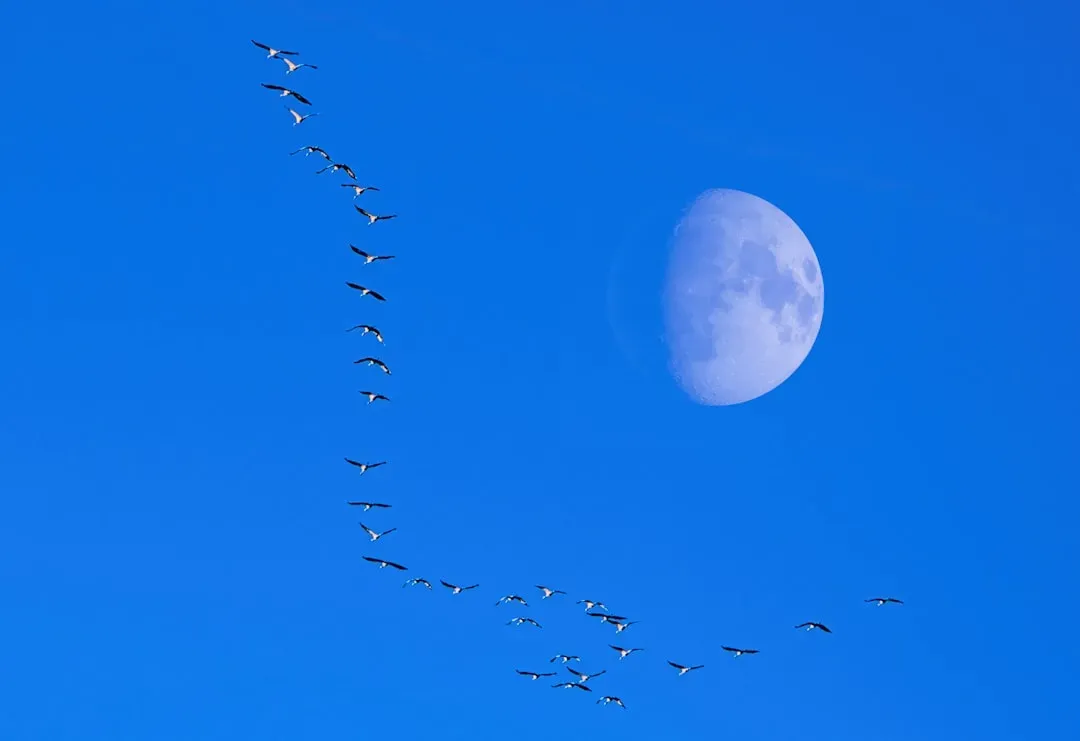
When you zoom out, the story of migration is not just about straight lines on a map; it’s about timing, light, gravity, and instinct all woven together, with the moon as a constant, silent partner. From birds skimming through moonlit clouds to crabs pouring across beaches in sync with hidden tides, lunar cycles shape where and when life moves in ways we’re only beginning to understand.
The next time you glance up at a bright full moon or barely visible new moon, it’s worth remembering that countless animals are adjusting their routes, risks, and routines based on that same view. Our challenge is to let the moon keep whispering its ancient signals without drowning them in noise and glare. Knowing that so many migrations are tuned to this distant, glowing rock, doesn’t it make the night sky feel a little more alive?