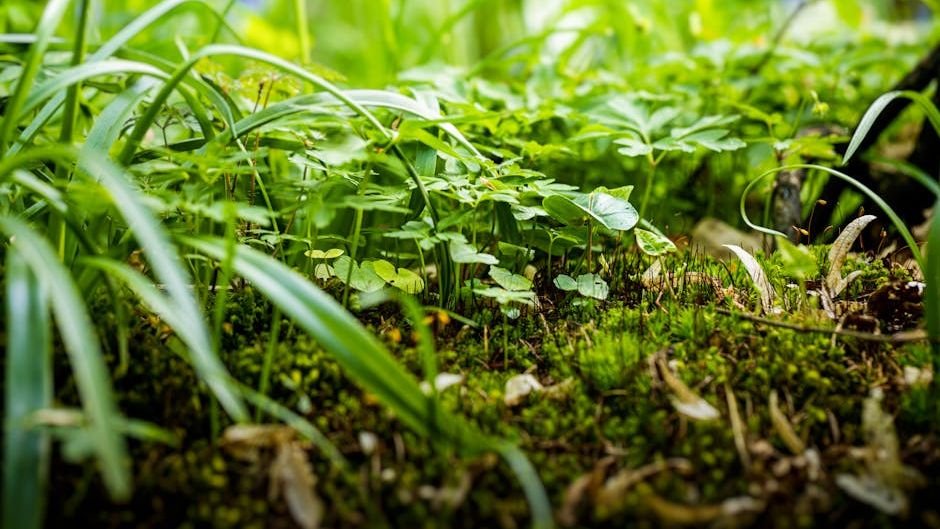
You walk through a quiet forest, sunlight filtering through the canopy, everything seemingly still. Peaceful. Silent. Yet beneath your feet and all around you, an extraordinary conversation is happening. Plants are sending warnings, sharing food, and responding to danger in ways that would make any social network jealous.
For centuries, science treated plants as passive organisms, rooted and reactive, simply growing toward the light. Honestly, the reality turns out to be far more astonishing. The science of plant communication has exploded in recent years, revealing a world of chemical whispers, underground internet cables made of fungus, and even something that sounds suspiciously like hearing. So let’s dive in.
The Revolutionary Idea That Plants “Talk”

Here’s the thing: most of us were never taught that plants could communicate. They were just there, green backdrops to the real drama of life. The discovery of plant communication is significant because it challenges the traditional view of plants as passive organisms and reveals their ability to interact with their environment in complex ways. That single idea is enough to reshape how you think about every tree, shrub, or blade of grass you’ve ever walked past.
While they lack mouths and ears, plants have developed a way of communicating with one another through chemical signals, electrical impulses, and underground networks. Their communications warn each other about pests, adapt to environmental changes, and share resources. Think of it less like a conversation at a dinner table and more like an ancient, invisible internet that has been running for hundreds of millions of years, long before humans invented anything remotely comparable.
The Wood Wide Web: Nature’s Underground Internet
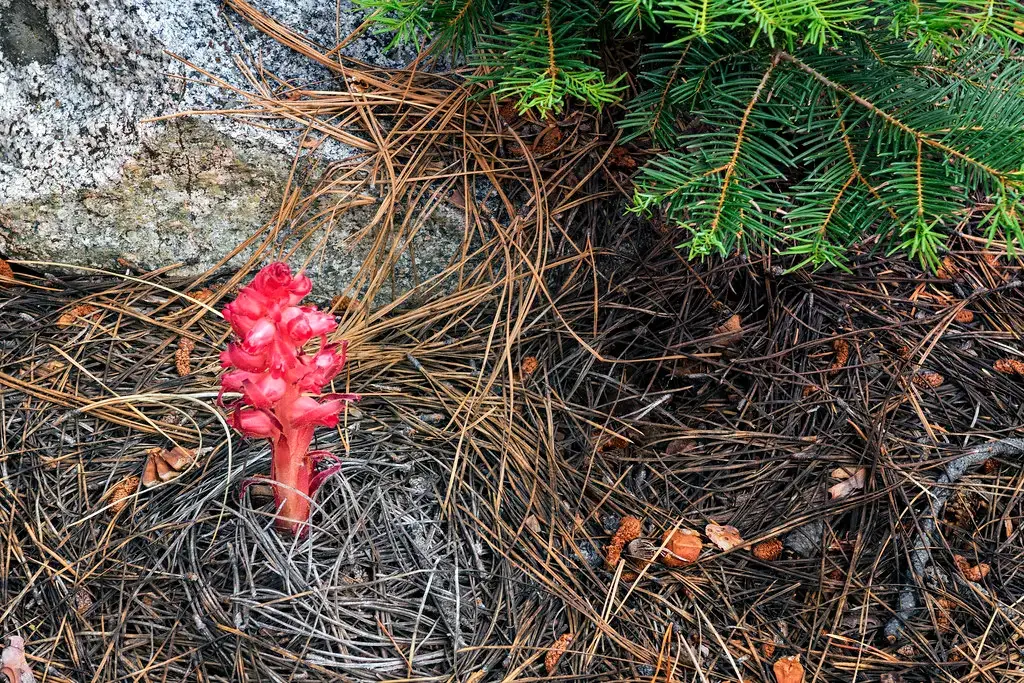
A mycorrhizal network, also known as a common mycorrhizal network or CMN, is an underground network found in forests and other plant communities, created by the hyphae of mycorrhizal fungi joining with plant roots. This network connects individual plants together. The comparison to the internet is not just poetic. It is surprisingly accurate. Information flows, resources transfer, and warnings travel across the web in ways that genuinely mirror digital data exchange.
Studies have shown that the hyphae of a single fungal individual can connect dozens, or even hundreds, of plants of various species, forming a continuous underground network through which both resources and signals can be exchanged. These mycorrhizal networks are effectively an information highway, with recent studies demonstrating the exchange of nutritional resources, defence signals and allelochemicals. Sensing and responding to networked signals elicits complex behavioural responses in plants. It’s like a living, breathing broadband cable buried under every forest floor on Earth.
Chemical Signals: The Language of Volatile Compounds
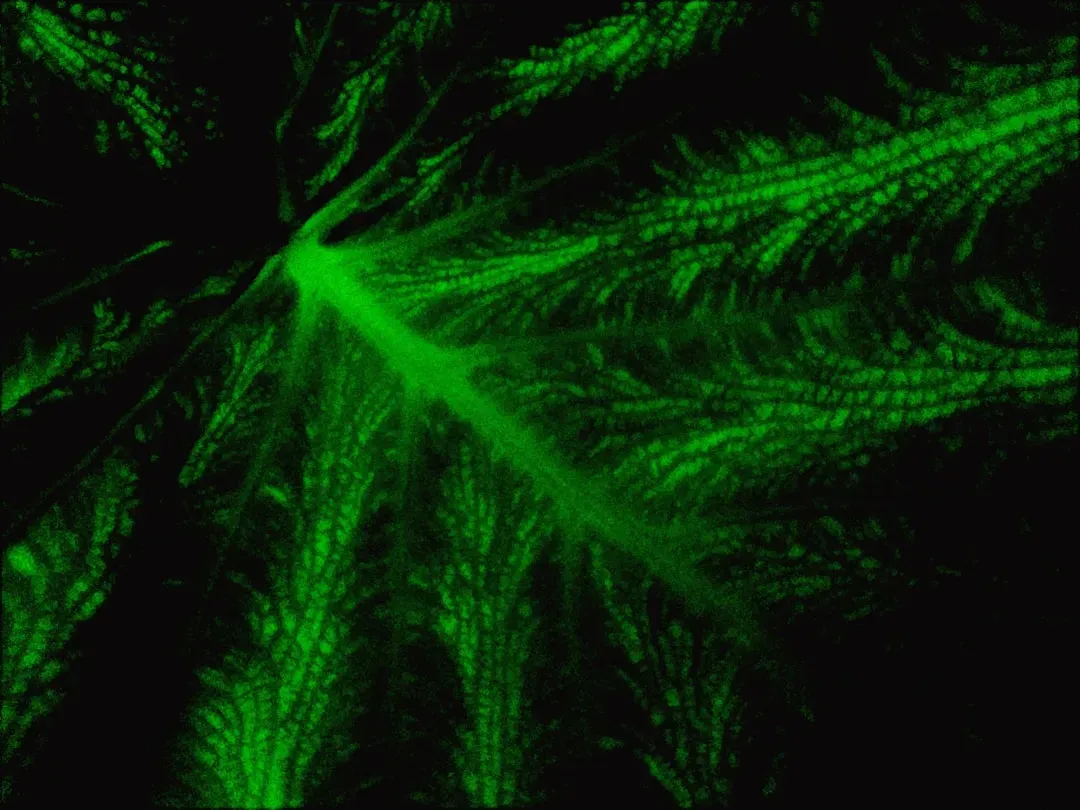
Plant communication encompasses communication using volatile organic compounds, electrical signaling, and common mycorrhizal networks between plants and a host of other organisms such as soil microbes, other plants, animals, insects, and fungi. Plants communicate through a host of volatile organic compounds, or VOCs, that can be separated into four broad categories, each the product of distinct chemical pathways: fatty acid derivatives, phenylpropanoids and benzenoids, amino acid derivatives, and terpenoids. These are not random byproducts. They are purposeful molecular messages.
Imagine this scene: a caterpillar munches on a young tomato plant. The beleaguered plant releases a specific VOC cocktail, alerting its neighbors of the impending herbivore threat. In response, the neighboring plants beef up their defenses, producing chemicals that make them less palatable to hungry insects. For example, sagebrush emits VOCs that prime neighboring tomatoes, triggering chemical defenses within minutes. If that doesn’t qualify as communication, I’m not sure what does.
Electrical Signals: The Plant Nervous System

Although plants do not possess a nervous system, they have evolved complex signaling networks involving hormones, ions, and other molecular messengers to cope with environmental stressors. The parallel to animal biology here is striking and a little unsettling. Plants essentially run their own version of a nervous system, just using a completely different toolkit.
Plants can generate and transmit electrical signals, similar to how nerve impulses travel in animals, albeit at a much slower pace. A classic example is the Venus flytrap, which uses electrical signals to rapidly close its trap when sensory hairs are stimulated by an insect. In other plants, an electrical signal initiated by damage to one leaf can quickly travel throughout the entire plant, triggering a systemic defensive response in undamaged leaves. This allows the plant to prepare its defenses broadly. It’s a whole-body alarm system, running silently and invisibly every single day.
Stress Signals and the Art of Advance Warning
Recent work has shown that mycorrhizal networks can transport signals produced by plants in response to herbivore and pathogen infestation to neighbouring plants before they are themselves attacked. Let that sink in. Plants are essentially sending out warnings to their neighbors before the attack even arrives. That is not instinct alone. That is a form of community defense that rivals many animal behaviors.
In an experiment published in Ecology Letters in 2013, pines receiving signals through a mycorrhizal network “anticipated” pest attacks and activated their defence mechanisms faster than trees disconnected from the fungal web. In one study, a broad bean plant responded to aphid attack by swiftly transferring defense signals via the mycorrhizal network to neighboring bean plants, which responded in turn by producing aphid-repellent chemicals and aphid-predator attractants. The sheer precision of this response is breathtaking.
Nutrient Sharing: When Plants Take Care of Each Other
The mycorrhizal system helps plants share nutrients like carbon, nitrogen, and phosphorus, helping weaker or younger plants survive. This is not just cooperation in the abstract philosophical sense. It is measurable, documented resource redistribution, where stronger plants essentially subsidize weaker ones through underground channels. Think of it as nature’s version of community food sharing.
One study reported a three-fold increase in photosynthesis in a paper birch transferring carbon to a Douglas fir, indicating a physiological change in the tree which produced the signal. More carbon has been found to be exchanged between the roots of more closely related Douglas firs sharing a network than more distantly related roots. Evidence is also mounting that micronutrients transferred via mycorrhizal networks can communicate relatedness between plants. In other words, plants appear to favor their relatives, which brings us to the next fascinating point.
Kin Recognition: Plants Know Their Family

I know it sounds crazy, but plants appear to recognize their own relatives and behave differently toward them. Plants can also detect kin versus non-kin using volatiles and change their behavior accordingly. For example, plants will detect their offspring and help them grow instead of competing with them for resources. This is not just a biological curiosity. It has real implications for how entire plant communities organize themselves over time.
Cut grass prompts wheat to enhance defenses, but isolated plants remain unresponsive. Kin recognition further reduces competition for resources, showing selective signaling based on relationships. Research suggests that plants can recognize and preferentially allocate resources to their own kin through these underground connections, indicating familial support within plant communities. The more you look at it, the more the forest starts to look a lot less like a competition and more like a community.
Acoustic Communication: Can Plants Actually Hear?

Studies have shown that plants can respond to airborne sounds at audible frequencies and that they also produce airborne sounds at the ultrasonic range, presumably audible to multiple organisms including bats, mice, moths and other insects. The idea that plants both produce and respond to sound is one of the more startling revelations in recent botanical science. It challenges everything you thought you knew about what it means to hear.
Experiments show tomato roots grow toward recorded caterpillar chewing sounds, highlighting that plants respond to specific vibrational cues as part of their communication network. It has been discovered that beach evening primrose flowers produce significantly sweeter nectar within three minutes when exposed to bee wingbeats and artificial sounds containing similar frequencies. A possibility for this behavior is the fact that if the plant can sense when a pollinator is nearby, there is a high probability another pollinator will be in the area momentarily. In order to increase the chance of pollination, nectar with a higher sugar concentration is produced. That is not just a passive response. That is strategic adaptation in real time.
What This Means for Agriculture, Ecology, and Our Future
Improved plant-to-plant and plant-to-microbiome signaling, achieved via research, intervention, and altered practices, can be used to form resilient plant communities that will help us shape our environment and successfully address some of our current and future anthropogenically generated critical challenges. The practical stakes here could not be higher. As climate change puts ecosystems under increasing pressure, understanding how plants coordinate their responses may become one of our most valuable scientific tools.
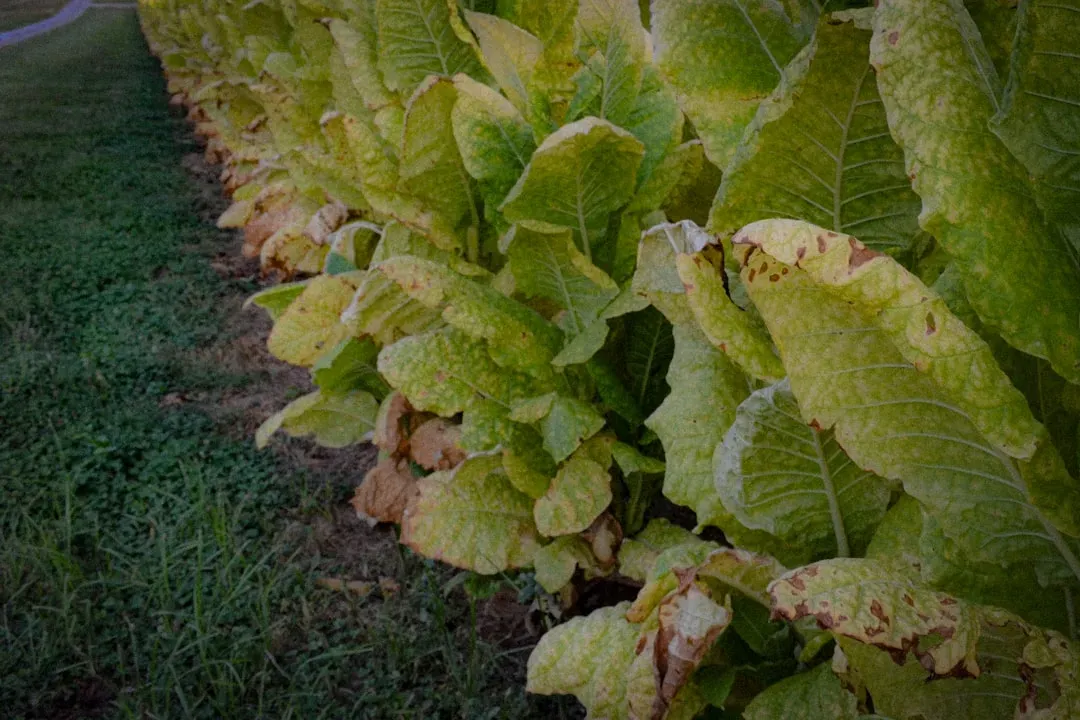
Understanding plant signaling helps optimize crop spacing and intercropping. Farmers can reduce pesticide use by enhancing natural defense signaling. Plants may have lost some of their communication abilities during domestication and plant breeding programs. Therefore, plant breeders and genetic engineers should have a holistic view of plants as members of the holobiome. Otherwise, small changes in genes related to inter-plant and inter-kingdom signals may substantially affect plant performance. We have, in some ways, been quietly dismantling the very communication systems that make crops resilient, without even realizing it.
Conclusion: The World Beneath the Leaves
The science of plant communication is not science fiction. It is one of the most active, rapidly evolving fields in modern biology. Plant communication is a growing field in botanical research, uncovering airborne signals, underground fungal exchanges, and even vibrations that influence development. Understanding these hidden networks changes how we view plant intelligence and ecosystem dynamics, with implications for agriculture, forestry, and conservation. The forest floor is not quiet. It never was.
What makes all of this genuinely exciting is that we are still only scratching the surface. In the future, tools being developed now could help us plan forestry and rewilding in a way that respects the communicative functions of ecosystems. Every tree you pass, every hedgerow lining a country road, every patch of wildflowers, is part of something ancient and deeply interconnected. We just didn’t know how to listen.
The next time you step outside, take a moment. Something extraordinary is happening all around you, just beneath the soil and just above it. The plants are talking. The real question is whether we’re wise enough to pay attention. What part of plant communication surprised you the most? Share your thoughts in the comments below.