
There is a question that has haunted humanity since the first person looked up at the night sky and felt impossibly small. It is not a question born in laboratories or textbooks. It is older than science itself, carried in the chest like a quiet ache. Are we it? Are we the only living, breathing, thinking, feeling beings in this incomprehensibly massive cosmos?
What makes this question so fascinating right now, in 2026, is that it is no longer purely philosophical. Scientists are genuinely closing in on answers, molecule by molecule, crater by crater, light-year by light-year. The clues are piling up in ways nobody expected. So buckle up, because what follows might genuinely change the way you see the night sky forever. Let’s dive in.
The Scale of the Universe Makes “Alone” Sound Almost Absurd
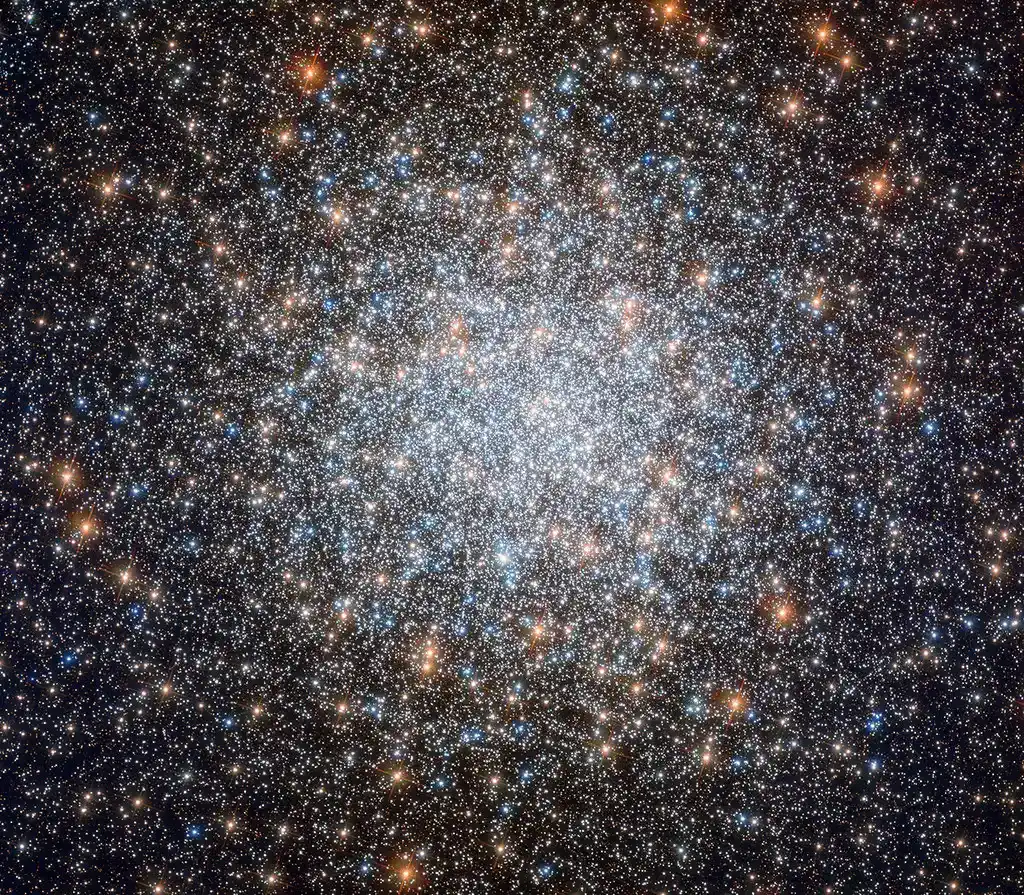
Here’s the thing: when you start thinking about the sheer size of the universe, the idea that life only exists on one small, watery rock starts to feel almost laughably improbable. The observable universe contains an estimated two trillion galaxies, and each of those galaxies holds hundreds of billions of stars. That is a number so large it loses all meaning the moment you say it out loud.
Earlier this decade, astronomers celebrated the 30th anniversary of detecting the first planet outside our solar system orbiting a Sun-like star. That discovery triggered the birth of a field in astronomy that hasn’t stopped growing or producing surprises. Think of it like discovering that your street isn’t the only street in the city. Every revelation since has only widened the map. The universe, it turns out, is absolutely teeming with planets.
Thousands of Exoplanets, and the Hunt Is Just Warming Up
NASA’s Kepler and TESS missions have revolutionized exoplanet detection, enabling the discovery of over 5,500 confirmed exoplanets via the transit method, with around 10,000 additional candidates still awaiting validation. When you put that in perspective, consider that we have only been looking seriously for a few decades. The exoplanet field is still, in cosmic terms, a teenager.
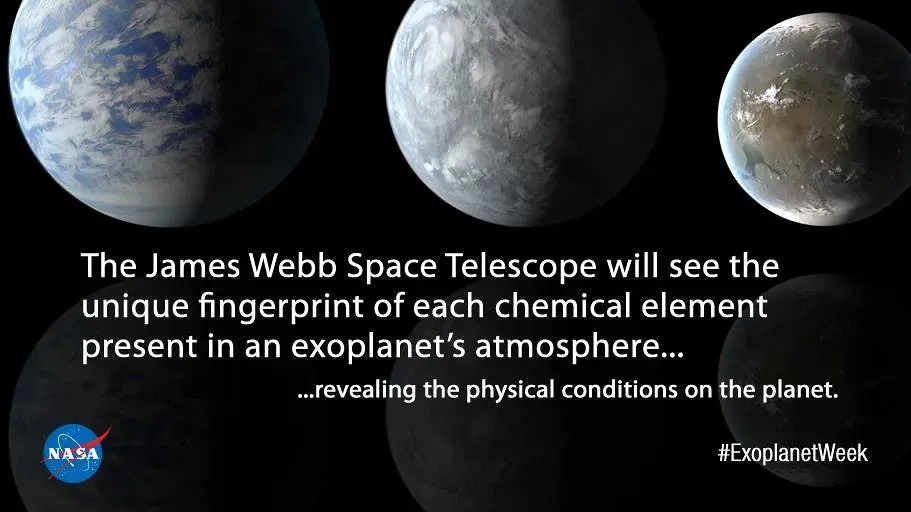
The TRAPPIST-1 system, which hosts seven Earth-sized worlds around a tiny star, reshaped exoplanet science and proved that faint, low-mass stars are prime targets in the search for habitable planets and life beyond Earth. Three of those seven worlds sit squarely in what scientists call the habitable zone. That is three potential Earths around a single star, not in some distant galaxy, but roughly 40 light-years away. That is practically next door, cosmically speaking.
The “Goldilocks Zone” Just Got a Lot More Crowded
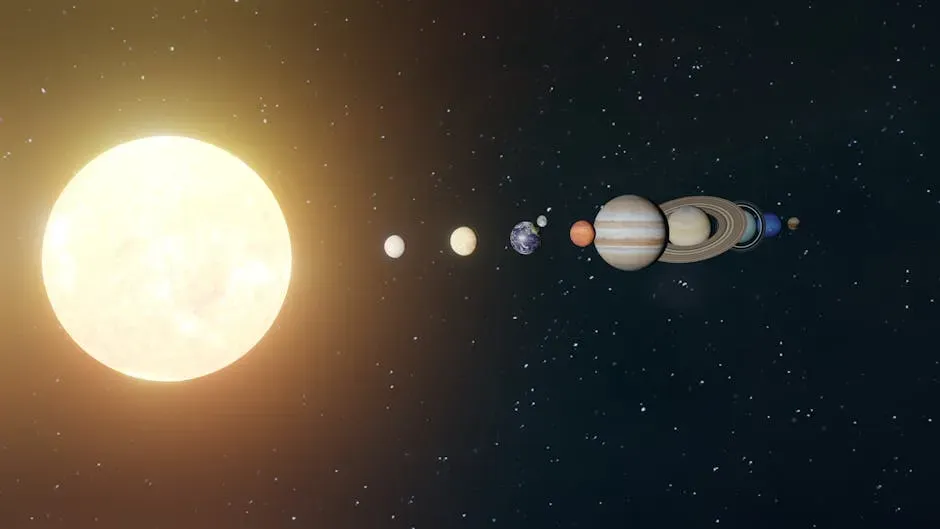
You have probably heard the term “habitable zone” before, but let’s be real about what it means in practice. It is the region around a star where temperatures are just right for liquid water to exist on a planet’s surface. Not too hot, not too cold. Scientists sometimes call it the Goldilocks Zone, and discoveries of late suggest it is far more crowded than anyone imagined.
An international team confirmed the discovery of a super-Earth orbiting in the habitable zone of a nearby Sun-like star. The planet was originally detected by Oxford University scientist Dr. Michael Cretignier, and this result, drawing on over two decades of observations, opens a window to future studies of Earth-like exoplanets that may have conditions suitable for life. Even more exciting, a newly detected super-Earth just under 20 light-years away is giving scientists one of the most promising chances yet to search for life beyond our solar system. The discovery was made possible by advanced spectrographs and decades of observations, and an international team described the exoplanet as a “super-Earth” with data suggesting a rocky composition similar to Earth, almost four times as massive. The Goldilocks Zone, it seems, is getting very crowded indeed.
Mars: Our Closest Shot at Finding Ancient Life
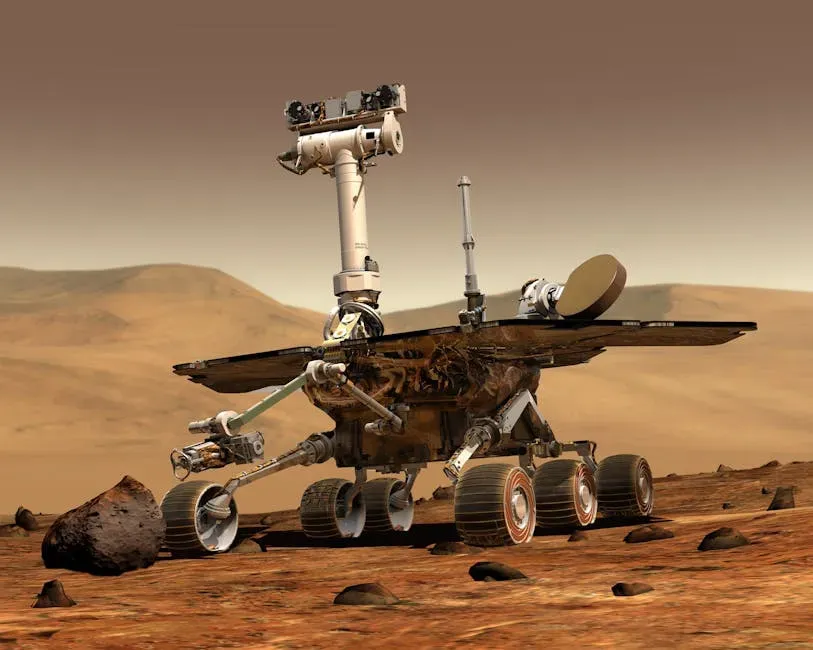
If you want to talk about a story that has kept space enthusiasts on the edge of their seats, look no further than Mars. For decades, scientists suspected the Red Planet might have once been habitable. Now, that suspicion has transformed into something far more tantalizing. In 2025, NASA dropped findings that sent the scientific community into a quiet frenzy.
On September 10, 2025, NASA reported that the Perseverance rover had identified a “potential biosignature” in a Jezero Crater rock core called “Sapphire Canyon” from the Bright Angel formation; the features were consistent with possible ancient microbial activity. Perseverance’s survey revealed organic-carbon-bearing mudstones with mineral signatures from low-temperature redox reactions. Honestly, think about what that means. The discovery was particularly surprising because it involves some of the youngest sedimentary rocks the mission has investigated. An earlier hypothesis assumed signs of ancient life would only be found in older rock formations. This finding suggests that Mars could have been habitable for a longer period, or later in the planet’s history, than previously thought.
Ocean Worlds in Our Own Solar System Could Harbor Life Right Now
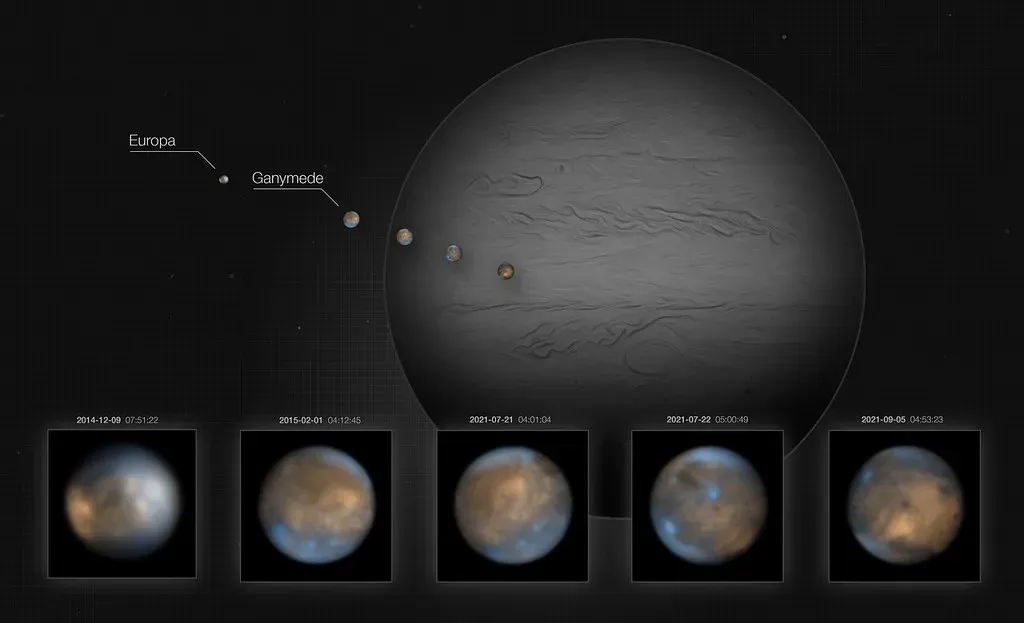
Here is where things get genuinely wild. You do not need to travel to another star to find a potential ocean. Right here, tucked beneath the icy shells of moons in our own solar system, there are entire seas of liquid water. And where there is liquid water and energy, life, as we know from Earth’s most extreme environments, has a remarkable habit of showing up uninvited.
In 2005, the Cassini mission spotted salty oceanic plumes erupting from the southern polar region of Enceladus’s icy shell. On multiple occasions, the spacecraft flew through the plumes and found a range of chemicals, including molecular hydrogen, a potential energy source for life, as well as carbon compounds that are precursors to amino acids. Grains of rocky silica in the plumes suggested the mixtures were created in and around hot seafloor vents, structures that on Earth provide a home to hardy microbes. Meanwhile, ocean worlds such as Jupiter’s icy moon Europa and Saturn’s counterpart Enceladus could be among the most favorable places to discover life beyond Earth, and perhaps even a second, independent origin of life. A second, independent origin. Let that sink in for a moment.
The Search for Extraterrestrial Intelligence Has a New, Powerful Ally
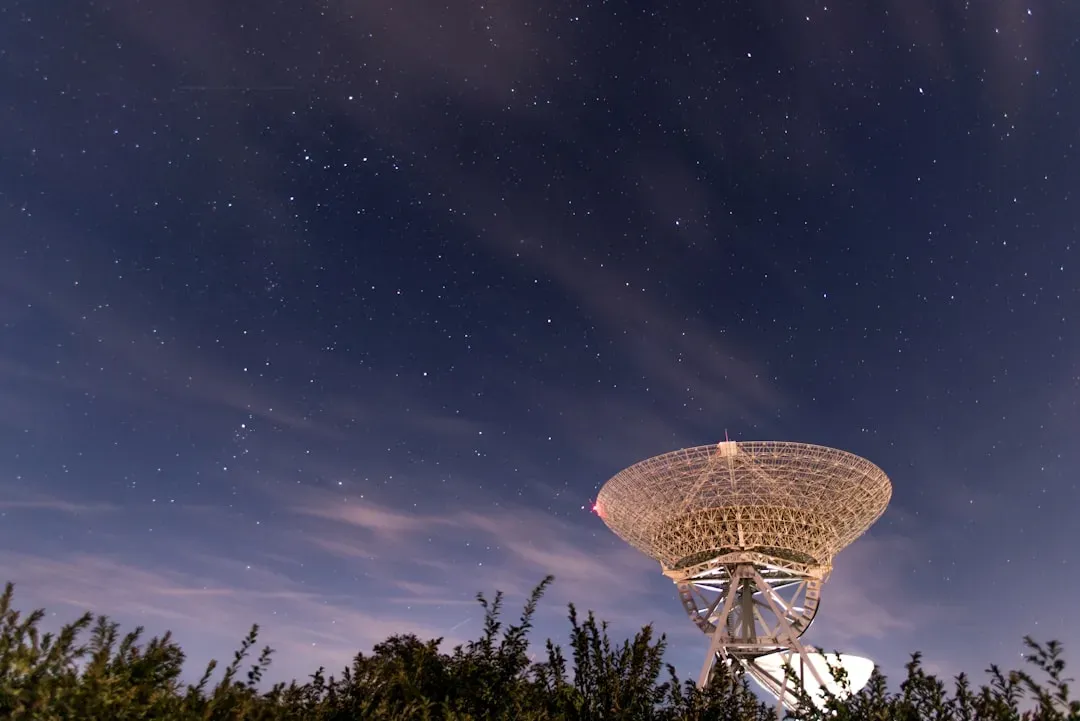
If microbial life seems too small to satisfy your curiosity, you are probably wondering about the big question: intelligent life. The Search for Extraterrestrial Intelligence, or SETI, has been scanning the skies for decades with radio telescopes, listening for signals that could only come from a civilization capable of broadcasting them. The challenge, until recently, has been an almost impossible mountain of data to sift through.
Researchers at the Breakthrough Listen initiative, in partnership with NVIDIA, have achieved a groundbreaking advancement in the search for Fast Radio Bursts, developing an artificial intelligence system that dramatically outperforms existing detection methods while operating at unprecedented speeds. The new technology promises to revolutionize not only FRB astronomy but also the search for technosignatures, which are potential signals from extraterrestrial civilizations. Breakthrough Listen is the world’s most comprehensive search for technosignatures, or signs of intelligent life in the universe. It collaborates with facilities around the globe, including some of the most powerful radio telescopes, and aims to survey one million nearby stars, the entire galactic plane, and 100 nearby galaxies. That is an almost unimaginable scope, and AI is now doing the listening at superhuman speed.
What Comes Next: The Future of Humanity’s Biggest Question
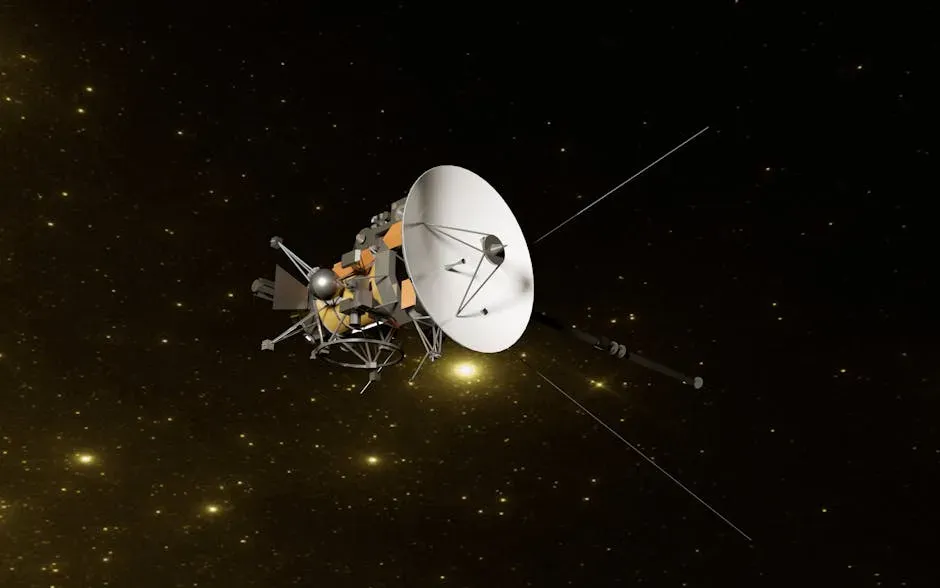
It is hard to say for sure when the breakthrough moment will arrive. But the pace of discovery has accelerated so dramatically that it no longer feels like a distant dream. The question of whether 2026 will be the year we detect life elsewhere in the universe faces long odds, barring a spectacular find on Mars or a definitive SETI detection. However, this year will continue to see scientists refining large telescopes, working on next-generation space observatories, and tuning up methods for biosignature detection.
NASA’s upcoming Dragonfly mission, a rotorcraft lander set to launch in 2028, will be critical for advancing science on Saturn’s moon Titan. Designed as a multipurpose platform, Dragonfly will analyze Titan’s atmospheric chemistry, surface organics, and geological processes. While not a dedicated life-detection mission, it will establish a foundation for understanding how surface and subsurface environments interact, a key factor for assessing habitability. Meanwhile, the Origins 2026 conference will bring together experts from diverse fields including chemistry, biology, planetary science, and astrophysics to explore the origins of life and habitability on Earth and beyond, with interdisciplinary research focused on the transition from non-living to living systems and the search for biosignatures in the universe. The momentum is undeniable.
Conclusion: The Most Important Question Has Never Been Closer to an Answer
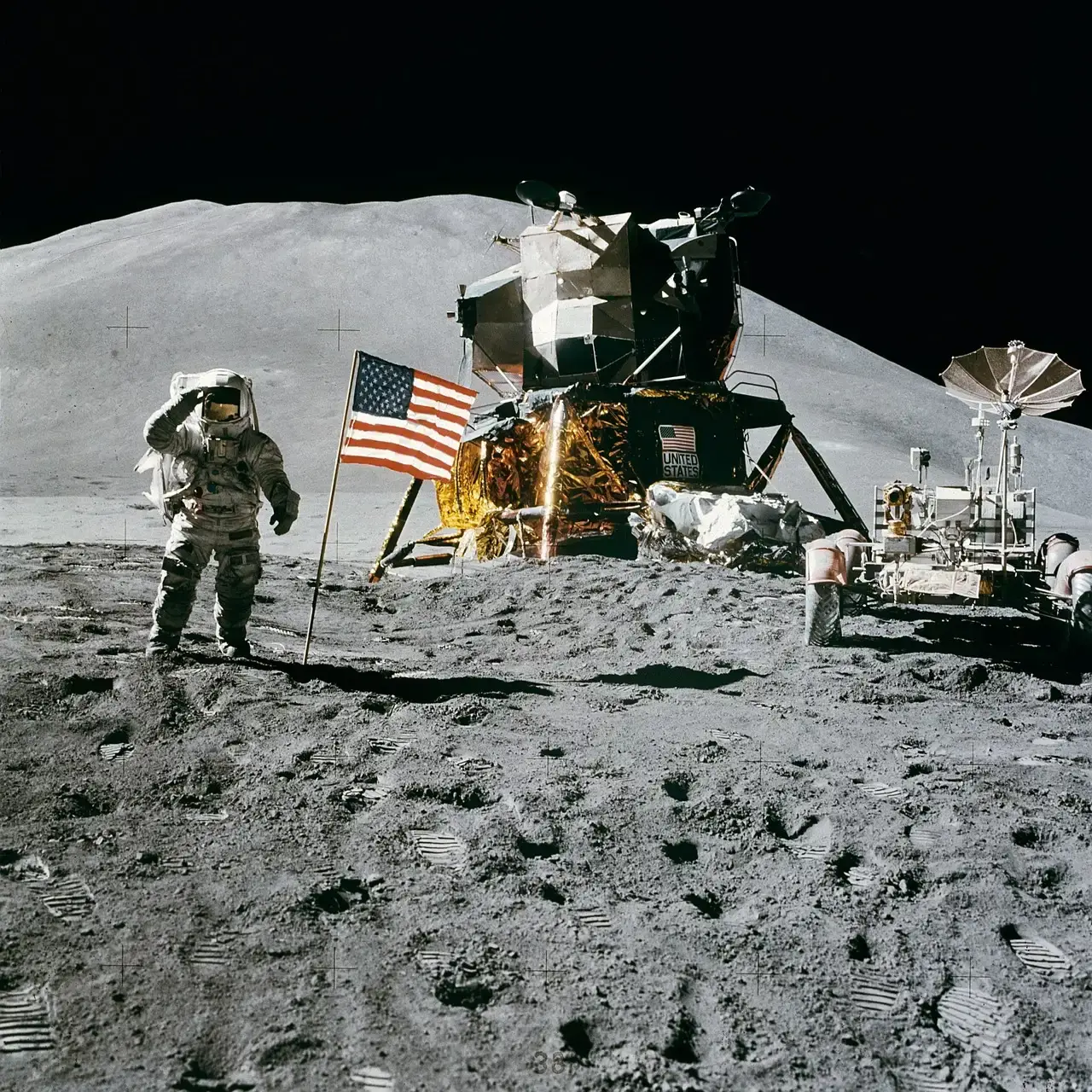
Let’s be real. We do not have the answer yet. Nobody can tell you with certainty whether alien microbes are quietly thriving under Europa’s ice, or whether ancient Martian life left fingerprints in a rock that a rover is currently studying. But what we can say, with genuine conviction, is that science has never been better equipped to find out.
The sheer number of discoveries arriving every year, from super-Earths orbiting nearby stars to potential biosignatures on Mars, paints a picture of a universe that does not feel particularly designed for emptiness. As one researcher put it, if you are alive today, you are part of the first generation for whom the question of whether there is life elsewhere in the universe could actually be answered in your lifetime. Previously, this was an abstract, intellectual, and philosophical question. We now know enough to say that it is entirely plausible that life exists out there, within humanity’s reach. The universe is vast, ancient, and overwhelmingly full of the right ingredients. The idea that we are the only result seems, against all those odds, almost impossible. What do you think? Are we truly alone, or just the first ones to ask the question? Share your thoughts in the comments below.