Imagine a place on this planet so remote, so crushingly dark, and so utterly alien that more human beings have walked on the surface of the Moon than have descended into it. The ocean trenches that scar the floor of our seas have mystified scientists for generations. Every time we manage to send something down there, it comes back with findings that completely rewrite what we thought we knew.
The truth is, you are living on a planet where the most extreme and mysterious environment is not in outer space. It is right here, beneath the waves, hiding in plain sight. Be prepared to have your assumptions shattered by what lies beneath.
A World That Makes Mount Everest Look Small
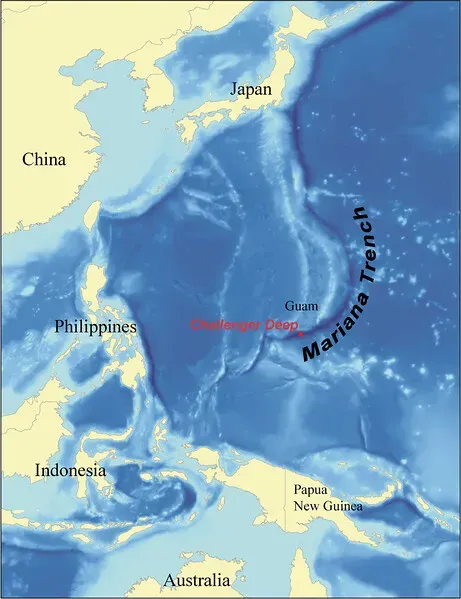
Let’s start with something that will stop you in your tracks. The Mariana Trench is so deep that if our planet’s tallest mountain were placed inside it upside down, it would be completely swallowed up. That’s not a metaphor, that’s just straight-up geology doing things that should feel impossible.
The deepest point, known as the Challenger Deep, reaches approximately 10,984 meters, or 36,037 feet, below sea level, making it the deepest known point on Earth. This oceanic trench was created by a dramatic geological process called subduction, where one massive slab of Earth’s crust, the Pacific Plate, slid under a smaller one, the Mariana Plate.
The trench is about 2,550 kilometers long and averages 69 kilometers in width, forming a crescent-shaped scar in the Earth’s crust, located to the east of the Mariana Islands, a chain of volcanic islands, where it gets its name. Honestly, the sheer scale of it is enough to make your brain short-circuit a little.
The weight of the ocean above it creates pressure around 15,750 pounds per square inch, more than 1,000 times what you experience on land, and the alien world is devoid of light. You could think of it like placing the entire weight of the Eiffel Tower on a postage stamp – except this is happening across miles of hidden seafloor.
Life Where Life Has No Business Being
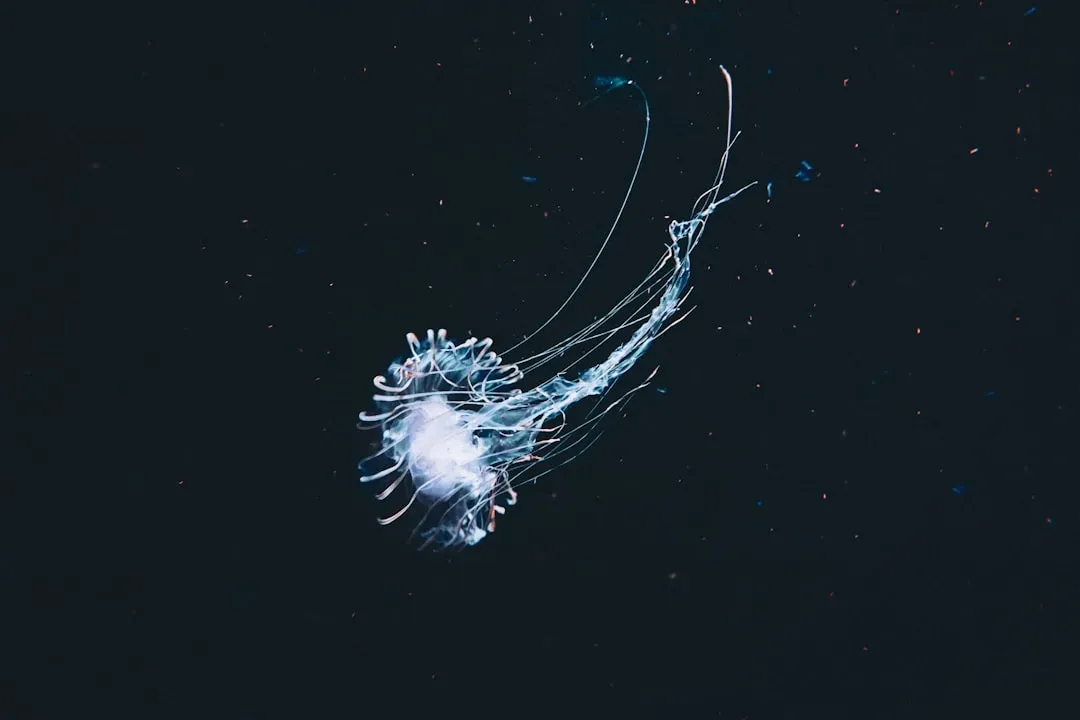
Here’s the thing that truly breaks the brain. At depths where sunlight has never reached and pressure could crush a submarine like a soda can, life was long thought to exist only in the form of tiny microbes – until now. The trenches have just blown that assumption wide open.
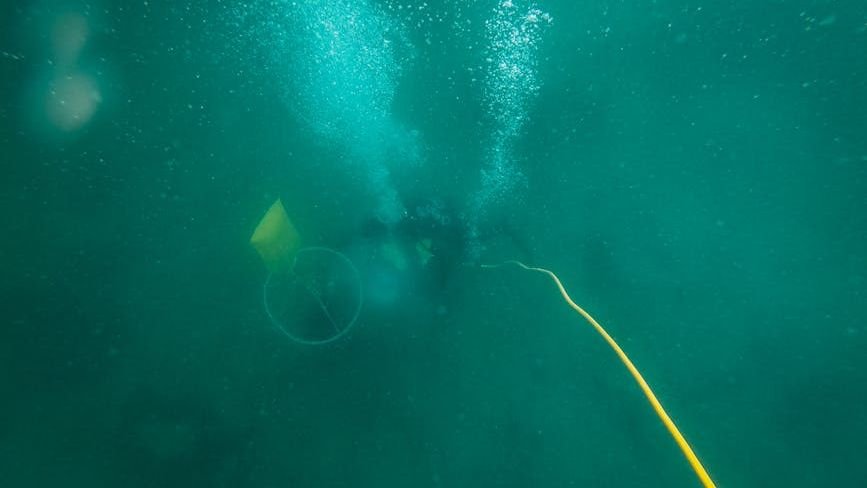
In video collected by the Chinese submersible Fendouzhe, the ocean floor is shown teeming with 12-inch-long tubeworms, alongside clusters of mollusks and clams. Other life forms recorded include sea lilies, sea cucumbers, crustaceans, and various types of worms, forming communities that stretch for approximately 1,500 miles. Wrap your head around that for a second.
Many of these creatures are adapted to the darkness and pressure by losing pigmentation and sight, relying instead on bioluminescence or chemical cues. Common animals include amphipods, tiny shrimp-like crustaceans that withstand extreme pressure, and xenophyophores, giant single-celled organisms that grow several inches wide.
An unidentified species of snailfish, which likely belongs to the genus Pseudoliparis, was spotted by marine biologists controlling a remotely operated vehicle in the Izu-Ogasawara Trench near Japan at a depth of 27,349 feet, which is more than 500 feet deeper than any fish had been seen before. I think that one finding alone deserves to be headline news around the world – but somehow it barely made a ripple on land.
The Invisible Army: Thousands of Unknown Microbes
Let’s be real: when most people picture deep-sea discoveries, they imagine big toothy creatures drifting through the blackness. The truly staggering finds, however, are often microscopic. Chinese scientists using the Fendouzhe submersible identified 7,564 species of hadal prokaryotic microorganisms in the deepest part of the ocean, and remarkably, nearly 90 percent of these species were previously unknown.
Some microbes have small, highly specialized genomes optimized for the scarcity of light and nutrients, while others boast larger, more flexible genomes for coping with change. Many also possess genes that break down hard-to-digest compounds such as carbon monoxide, which is key to surviving in a realm with limited food sources.
In the absence of sunlight, deep-sea organisms rely on chemosynthesis, a process by which lifeforms metabolize methane and hydrogen sulfide from hydrothermal vents and seafloor faults. Microbes at the base of the ecosystem produce methane, which then sustains higher organisms. It’s essentially an entirely separate food web, running on chemistry instead of sunlight. Nature really does find a way.
Other genes wipe out metabolic waste products called reactive oxygen species, which in large amounts damage DNA and lead to aging and disease. The creatures also have a fortified DNA repair system, which helps them adapt to intense pressure and frigid temperatures, both of which increase the chances of these damaging chemicals wreaking havoc. You have to admire the sheer ingenuity of evolution.
The Geological Forces Shaping These Hidden Chasms
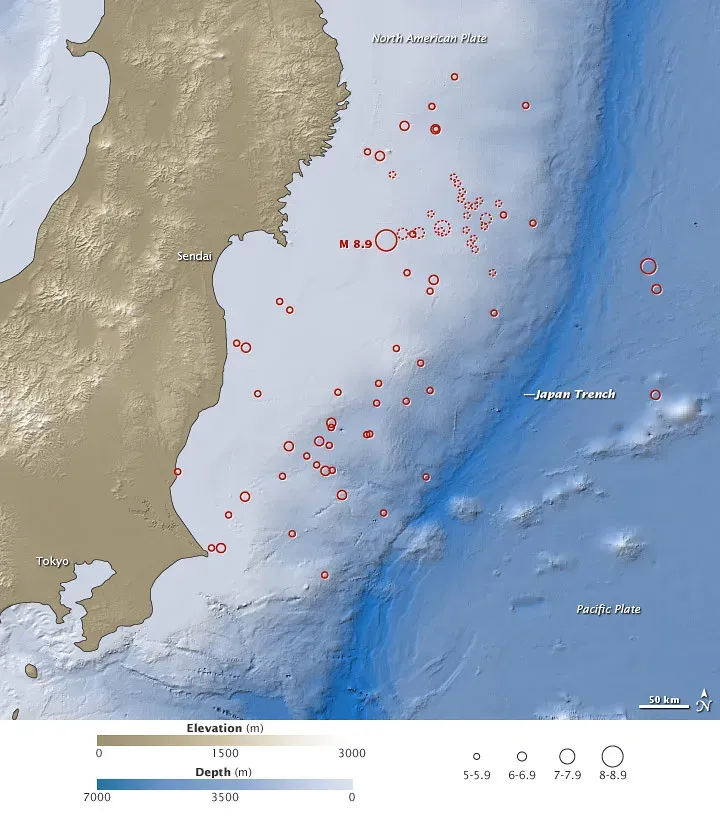
The trenches aren’t just biologically wild, they’re geological marvels too. The Mariana Trench spans 2,550 km in length and 69 km in width, formed by the collision of the Pacific and Mariana Plates about 180 million years ago, and geologic processes like serpentinization produce hydrogen, potentially fueling microbial life.
The deepest rock samples ever obtained from the inner slope of the trench represent some of the earliest volcanic eruptions of the Mariana island arc. These rocks can provide significant information on the geology of the trench system. Think of them like geological time capsules, sitting undisturbed on the ocean floor while everything above them changed beyond recognition.
One expedition also achieved the first-ever manned dive to the bottom of the Yap Trench, a nearly 9,000-meter-deep abyss in the western Pacific. This region, where major ocean currents converge, plays a crucial role in Earth’s climate and marine ecosystems. The trenches, it turns out, aren’t passive features of our planet. They are active participants in how the Earth functions.
Mysterious phenomena such as the 1997 Bloop sound, initially attributed to unknown creatures, were later linked to ice calving, but the trench continues to conceal acoustic and biological secrets awaiting further investigation. It’s hard to say for sure what else is still hiding down there, but you can bet it’s extraordinary.
The Shocking Truth About Human Pollution in the Abyss
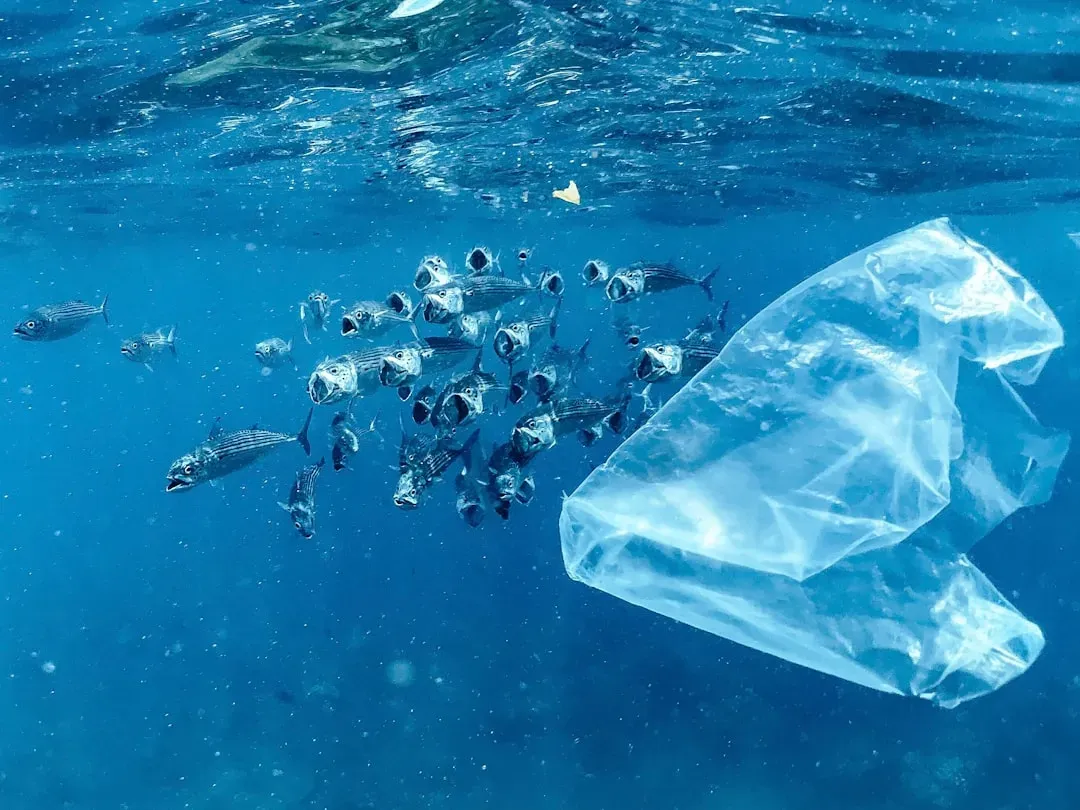
Now for the part that should genuinely shake you. You might think that a location more than six miles beneath the ocean’s surface would be untouched by human activity. You would be completely wrong. In 1998, operators of a Japanese remotely operated vehicle named KAIKO were surveying the depths of the Mariana Trench when they spotted something shocking: a single-use plastic bag floating idly some 6.7 miles down at the Earth’s deepest point.
Microplastic abundances in hadal bottom waters range from 2.06 to 13.51 pieces per litre, several times higher than those in open ocean subsurface water. Microplastic abundances in hadal sediments of the Mariana Trench vary from 200 to 2,200 pieces per litre, distinctly higher than those in most deep sea sediments. Those numbers are almost too alarming to process.
A newfound species was discovered in 2020 in the Mariana Trench named Eurythenes plasticus for the microplastic fibers detected in its gut. A species named after plastic contamination. If that’s not a wake-up call delivered by the ocean itself, I don’t know what is.
Plastics that aren’t consumed will eventually land on the seafloor, where deep-sea currents, called thermohaline currents, can sweep them into trenches, where they accumulate. This process is so efficient at funneling debris that researchers have detected plastics in nearly all of the world’s deepest trenches, including the Mariana, Philippine, Cayman, and Java Trenches. The deepest places on Earth have effectively become the planet’s most remote garbage dump.
Why the Trenches May Hold the Key to Life Beyond Earth
Here is where things get genuinely mind-bending. Scientists aren’t just excited about what the trenches reveal about Earth. They are using these findings as a roadmap for finding life elsewhere in the universe. The Mariana Trench has revealed discoveries that are reshaping our understanding of life in extreme environments, with scientists studying thousands of microbial species and uncovering unique adaptations that survive crushing pressures and complete darkness. These findings provide insights not only into Earth’s ecosystems but also into potential life in extraterrestrial oceans.
The MEER project is exploring how life adapts to extreme environments and hopes to inspire new drugs or even treatments to aid space travel. Think about that, the bottom of your own ocean could hold the biological toolkit that one day helps humans survive in space.
Chinese ocean explorers have discovered the deepest known life on Earth, thriving at extreme depths of approximately 3.5 to 6 miles below the surface. These lifeforms were found in the Kuril-Kamchatka Trench and the western Aleutian Trench, with extremophile discoveries continuing to expand the boundaries of where scientists expect to find life.
The MEER project plans to study other trenches worldwide, noting that roughly four-fifths of the global hadal zone remains unexplored. Researchers suggest these remote areas could hide clues about the origins of life, as well as even more extraordinary life forms adapted to severe conditions. Still, every dive brings us a little closer to understanding just how tenacious life truly is.
Conclusion: The Deep Is Still Talking. Are You Listening?
The ocean trenches remain one of the last truly wild frontiers on this planet. They are geological giants, biological treasure troves, and sobering mirrors that reflect our own impact on the natural world right back at us. Research on deep-sea ecosystems is only a few decades old, and the technology for new discoveries is improving. The pace of discovery is accelerating, and what comes next could upend everything we thought we understood about life, geology, and even the cosmos.
Every single dive into these lightless, crushing depths returns with something new, something surprising, and something that reminds us just how little we truly know about our own world. The trenches are not empty. They are full of secrets, full of life, and full of warnings we would be wise to heed. The real question is not what the ocean is hiding from you. The question is whether we’ll take care of it well enough for future generations to keep discovering its wonders. What would you have guessed was down there?