
Stand outside on a clear night, look up at the stars, and realize this: you are standing inside an invisible shield that never turns off, never sleeps, and quietly decides whether our modern world keeps working. Earth’s magnetic field is not just some abstract physics concept from school; it’s a global force field that shapes the sky, protects our technology, and may even help life itself survive and evolve. You don’t see it, you don’t feel it, but without it, your phone, the power grid, and maybe even your DNA would be in serious trouble.
For something so crucial, it’s surprisingly unstable, full of quirks and long-running mysteries scientists are still trying to decode. It drifts, wobbles, reverses itself, and sometimes weakens in alarming ways, like an old house with creaking beams that still somehow stands. The more researchers learn, the less it looks like a simple bar magnet and the more it looks like a wild, churning, planetary engine. Once you see how weird and vital this field really is, it’s hard to walk outside and not feel a tiny bit more awe about standing on this particular rock in space.
The Hidden Shield You Live Inside Every Day
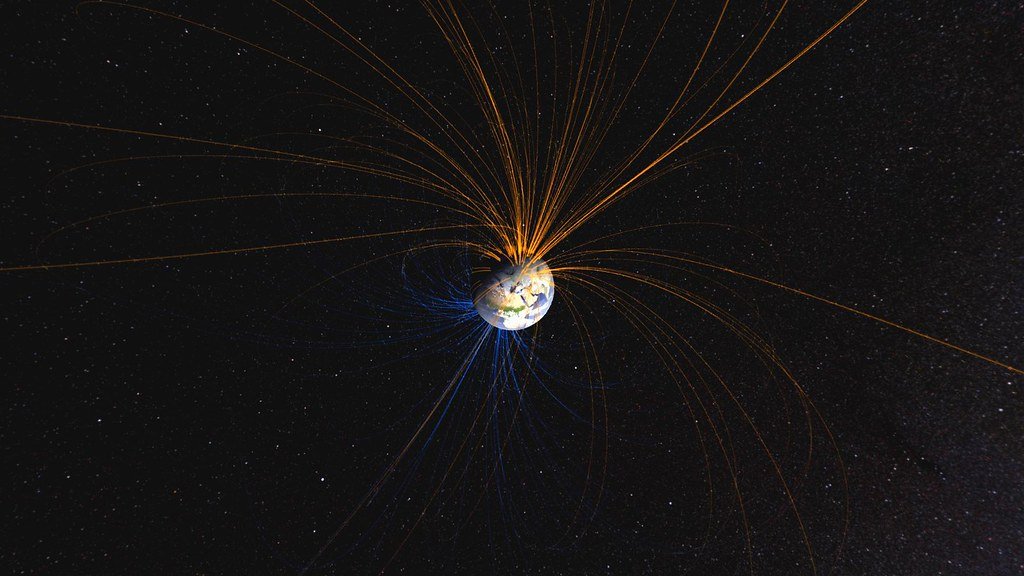
Imagine Earth stripped of its magnetic field: solar particles slamming straight into the atmosphere, satellites failing, radio communication shredded, and the upper layers of air eroding away over millions of years. That invisible field around our planet deflects charged particles from the Sun and from deep space, guiding many of them into long spiraling paths instead of letting them smash directly into us. Scientists call that protective bubble the magnetosphere, and without it, space weather would feel a lot less like a science headline and a lot more like a daily problem.
The magnetic field does more than just deflect storms; it shapes the boundary between our atmosphere and the harsh plasma wind screaming past at hundreds of kilometers per second. When big solar eruptions happen, the magnetosphere flexes, compresses, and rings like a bell. Those changes ripple down along invisible magnetic lines, influencing currents high above the ground. It’s a quiet protection most of us forget, like sturdy walls and a roof you never think about until the storm really hits.
A Turbulent Dynamo Spinning Deep Below Your Feet
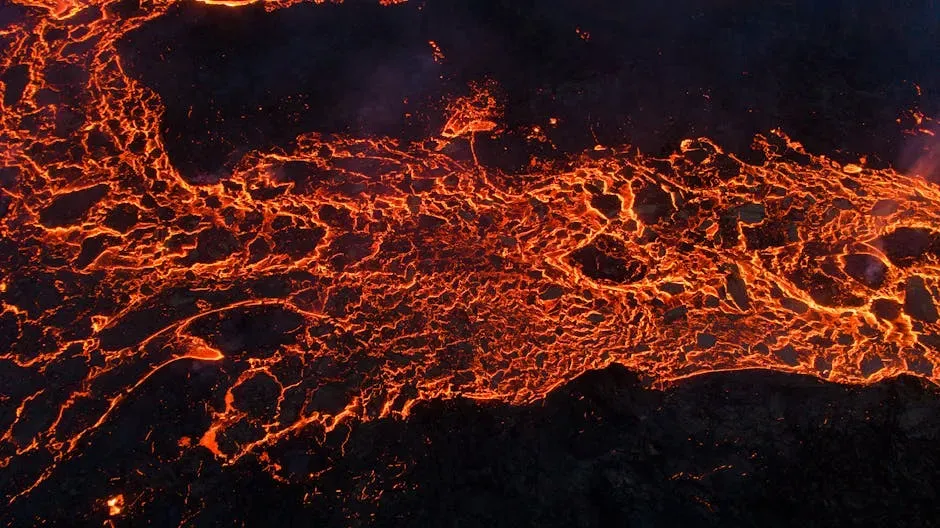
It’s tempting to picture Earth’s field like a big bar magnet stuck through the planet, but that’s more children’s science kit than reality. The real source is a roiling ocean of liquid iron and nickel more than two thousand kilometers down in the outer core, moving and swirling as Earth rotates and cools. Those flows generate electric currents, and those currents create the magnetic field in a self-sustaining loop called the geodynamo. It’s closer to a boiling metal storm than a neat diagram.
What makes it mysterious is that we can’t just go there and check; no drill can reach the core, and temperatures and pressures are brutal beyond imagination. Instead, scientists infer this hidden engine using earthquakes, satellites, lab experiments with liquid metals, and massive computer simulations. Those models show a restless system with jets, vortices, and strange patches, like weather inside a metal ocean. To me, it feels a bit like trying to understand the behavior of an entire city by watching only the shadows moving behind closed curtains.
Auroras: The Gorgeous Side Effect of Space Storms
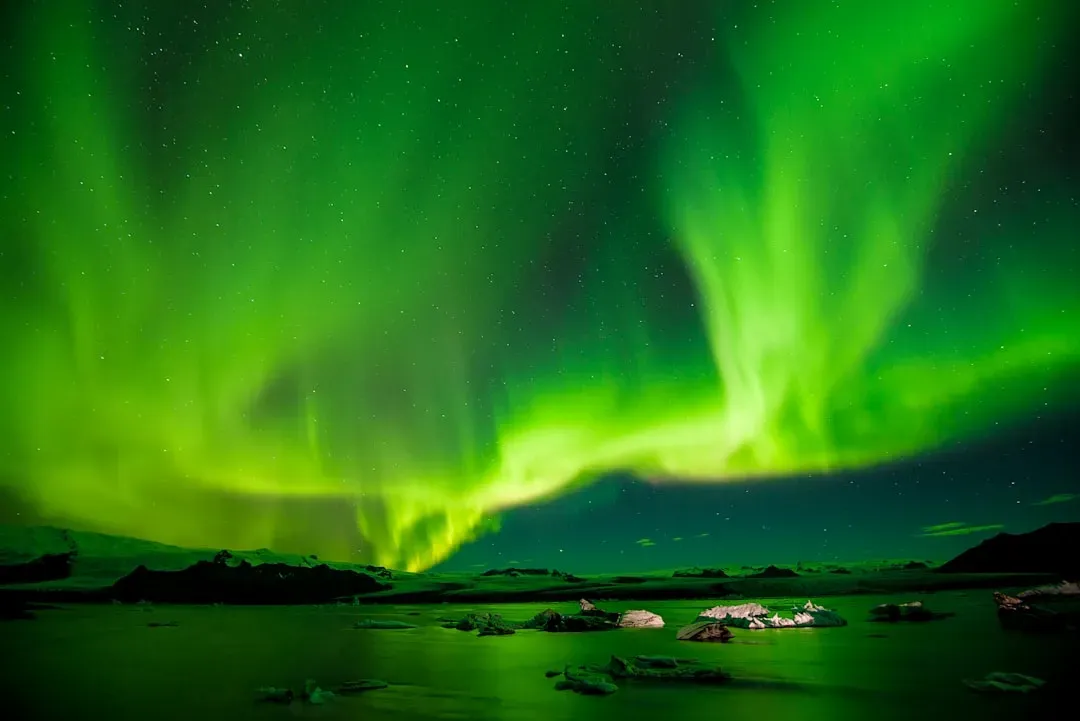
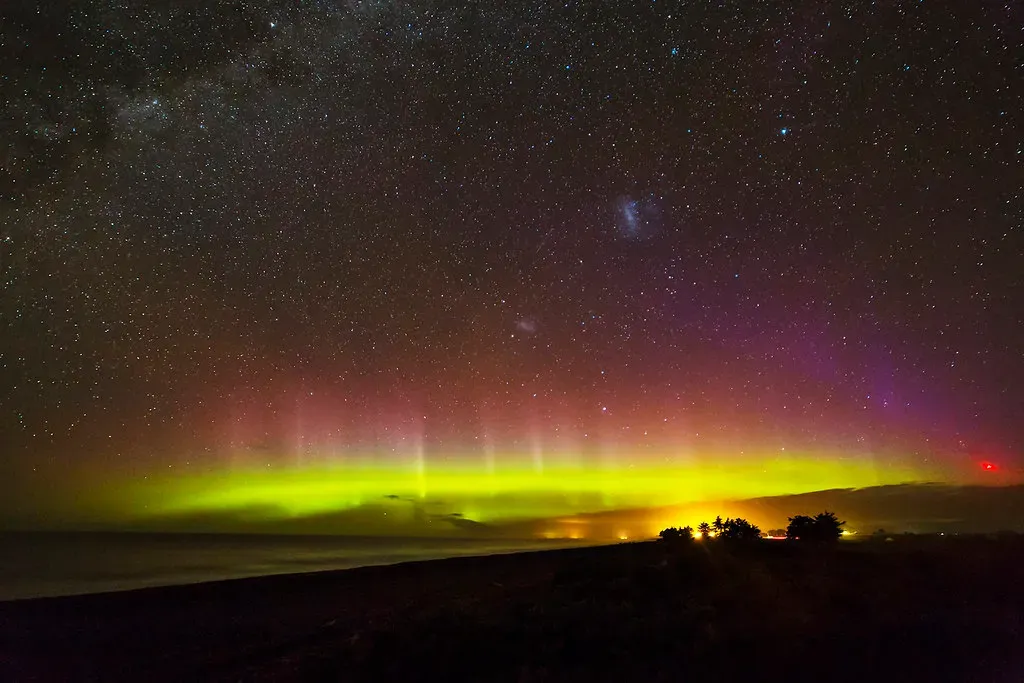
If the magnetic field is our shield, the auroras are the scratches and sparks where the shield takes a hit. When energetic particles from the Sun are corralled down along Earth’s magnetic lines toward the poles, they slam into atoms high in the atmosphere and make them glow. That’s what creates those shimmering curtains of green, pink, and sometimes deep red that dance across polar skies. It’s stunning, but also a reminder that invisible particle streams are constantly trying to reach us.
Over the last few years, strong solar storms have pushed the aurora far closer to the equator than usual, letting people in places that rarely see them get a sudden, almost otherworldly light show. What feels romantic from the ground is actually high-energy physics playing out hundreds of kilometers overhead. Each display tells us the magnetic field is actively funneling and redirecting particles, like a set of cosmic railroad tracks guiding an invisible train. There’s something humbling about realizing that those pretty lights are basically the battle scars of our planet’s ongoing skirmish with the Sun.
A Quiet Guardian of Technology and Power Grids
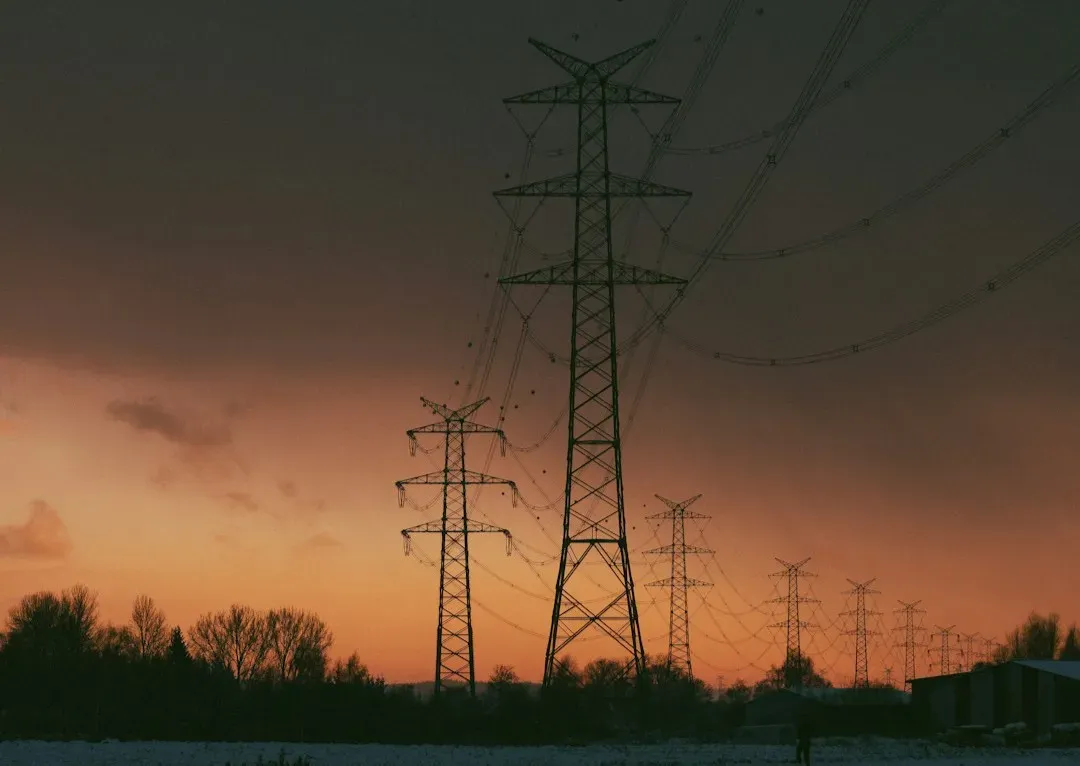
In a world that runs on electricity and data, Earth’s magnetic field suddenly feels a lot less abstract. When big solar eruptions reach us, they can distort the field and trigger powerful currents in the upper atmosphere. Those currents can in turn induce extra currents in long power lines and pipelines on the ground, stressing transformers and fragile infrastructure. There have been real events where parts of a power grid went offline during geomagnetic storms, proving this isn’t just a sci‑fi scenario.
Satellites are even more exposed, sitting right inside the regions where energized particles can surge. A disturbed magnetic field can mess with GPS accuracy, satellite electronics, and radio signals we depend on every day. Aviation routes that cross polar regions sometimes have to be changed during strong storms because communication and radiation levels can both become problematic. It’s a strange feeling to realize that a flicker on your navigation app or a glitchy signal might be connected to magnetic chaos starting hundreds of thousands of kilometers away on the Sun.
Clues Written in Ancient Rocks and Flipped Poles
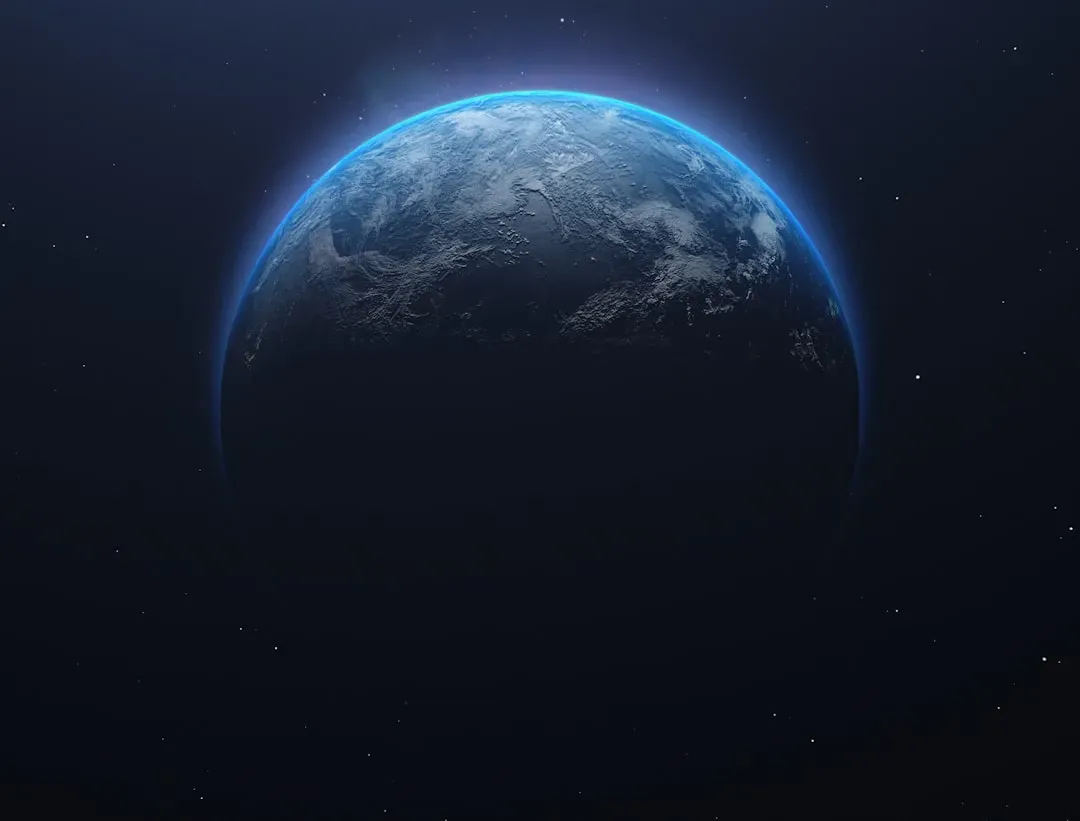
One of the wildest things about Earth’s magnetic field is that it doesn’t stay put. Over long stretches of time, the field has actually reversed so that the north and south magnetic poles swap places. This isn’t a theory; it’s written like a barcode in volcanic rocks and seafloor crust that cooled in different eras. As molten rock solidifies, tiny magnetic minerals freeze in the direction of the field at that time, capturing a snapshot of which way “north” really pointed.
Those rock records show that flips have happened many times, with irregular timing: sometimes tens of millions of years apart, sometimes much more frequently. Right now, scientists are watching the field because its strength has been slowly decreasing over the last couple of centuries, and the magnetic north pole has been wandering faster than usual. That doesn’t prove a flip is coming soon, but it makes geophysicists pay close attention. It’s like discovering your house has a history of occasionally turning itself around while you were asleep and then trying to guess when it might do it again.
A Shifting, Weakening Field and the South Atlantic Anomaly
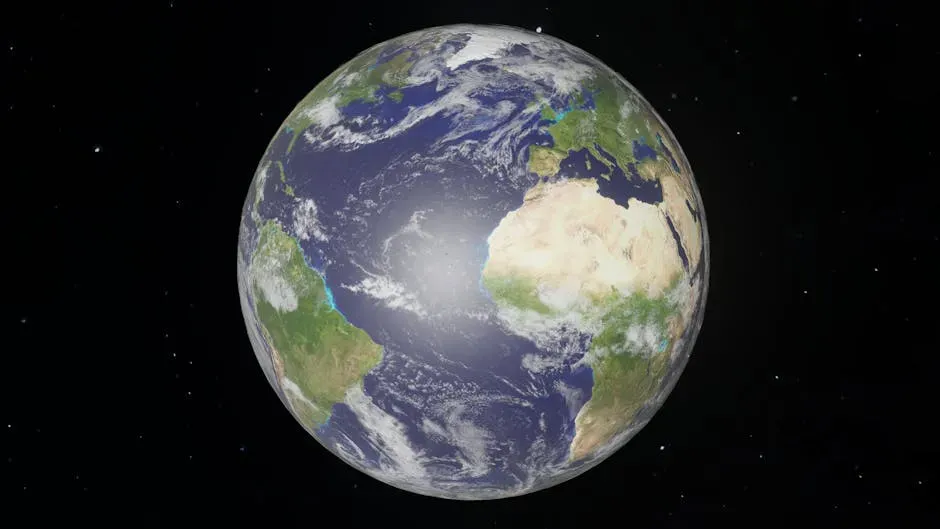
The magnetic field isn’t evenly strong everywhere, and one region in particular has become a bit of a celebrity among scientists: the South Atlantic Anomaly. Over parts of South America and the South Atlantic Ocean, the field is weaker than in most other places at similar latitudes. For satellites passing over that region, it can feel like flying through a pothole in the magnetic shield, exposing them to more energetic particles from space. That can lead to more glitches, instrument resets, and in some cases, long-term damage.
Researchers think this anomaly is linked to unusual structures deep in the mantle and complex flows in the core, but the full story is still being pieced together. What’s striking is that the anomaly appears to be evolving over time, slowly stretching and changing shape. Combined with the overall weakening trend of the global field, it adds to a sense that our magnetic environment is a living, shifting thing, not a fixed background. Personally, it feels a bit like watching a crack form in a windshield and wondering how far it will spread, even while experts keep saying the glass is tougher than it looks.
Magnetism, Life, and Our Place Among the Planets
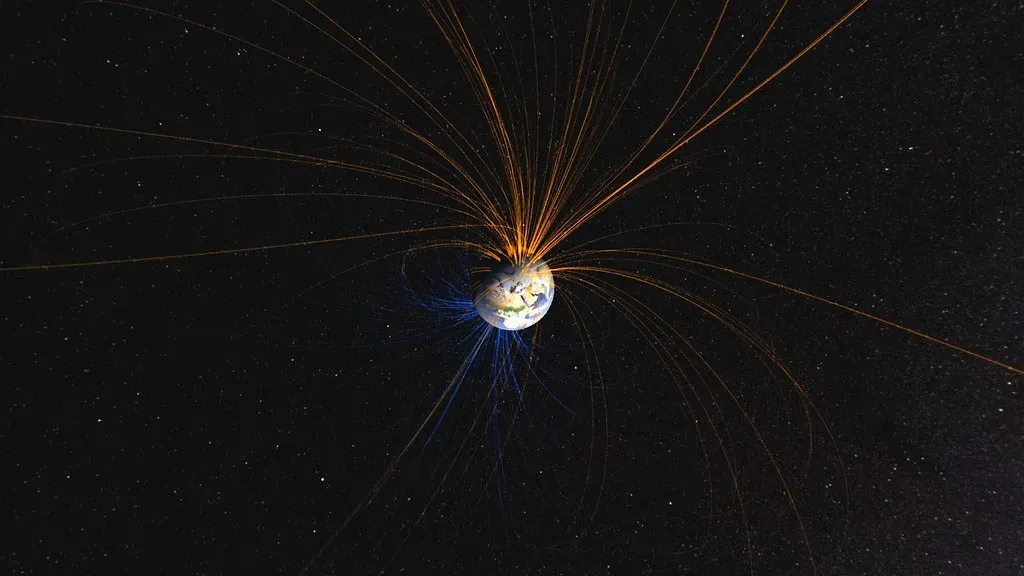
There’s a growing sense that Earth’s magnetic field may have been one of the quiet heroes in the story of life on this planet. By shielding the atmosphere and surface from much of the incoming charged particle bombardment, it may have helped our air and water survive over billions of years. Other worlds, like Mars, appear to have lost most of their global magnetic fields early on, and they now have thin atmospheres and exposed surfaces. That comparison has pushed many scientists to see magnetism as a possible factor in whether a planet stays habitable for the long haul.
Even today, some animals, from birds to sea turtles, seem to sense the magnetic field and use it for navigation, tapping into an invisible GPS humans can’t directly feel. At the same time, space missions orbiting other planets are looking for magnetic signatures to judge how protected or vulnerable those worlds might be. As we search for habitable exoplanets around distant stars, the question of whether they have strong, long-lasting magnetic fields is increasingly part of the conversation. It’s a quiet reminder that our own magnetic cocoon is not just a curiosity, but one of the deep reasons Earth is such a surprisingly good place to live.
Conclusion: Living With a Restless, Essential Force Field
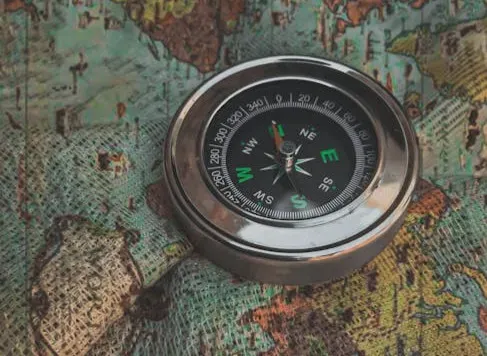
Earth’s magnetic field turns out to be far more than a simple compass trick; it’s a restless, powerful system that links the churning deep interior of our planet to the raging surface of the Sun. It sculpts auroras, steers deadly particles away from us, and sometimes lashes out at the very technologies we rely on. It stores a geological memory of past flips in ancient rocks and hints at future changes we may have to live through. At the same time, it quietly helps keep our atmosphere in place and may be one of the reasons life had the time and stability to flourish here.
For all our satellites, sensors, and simulations, this force field is still partly an enigma, flickering and shifting in ways we’re only just beginning to predict. We live inside it every second, mostly unaware, like fish that have never thought about water. Yet the more we learn, the more it feels like understanding the magnetic field is really about understanding what it means to call this planet home. When you think about how much depends on something you can’t see or touch, does Earth suddenly feel a little more astonishing to you?