Every year, something extraordinary unfolds across the skies, oceans, and landscapes of our planet. Billions of creatures, from paper-thin butterflies to massive humpback whales, embark on journeys that stretch across entire hemispheres. No phones, no satellites, no road signs. Yet they arrive at precisely the right destination, season after season, with an accuracy that would humble even the most advanced human technology.
The sheer scale of it is almost unbelievable. How does a tiny bird weighing just a few ounces find its way from the Arctic to Antarctica and back again? How does a salmon, after years at sea, locate the exact stream where it hatched? The answers lie in a suite of biological tools so sophisticated, they’re still not fully understood. Let’s dive in.
The Earth’s Magnetic Field: Nature’s Built-In GPS
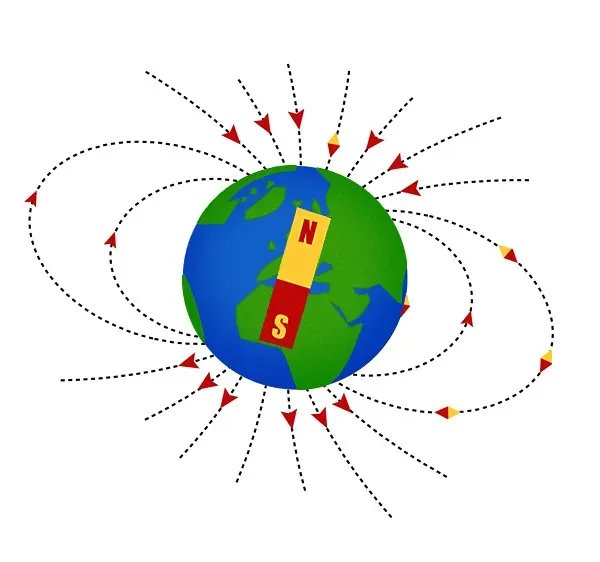
Earth’s magnetic field, also known as the geomagnetic field, provides animals with different sorts of information, which can be used for different purposes in navigation, as compasses and as maps. Think of it like an invisible coordinate system wrapping the entire planet, and many animals have evolved the biological hardware to read it. It’s honestly one of the most stunning discoveries in all of modern science.
The discovery of the magnetic map sense has revolutionized studies of animal navigation and transformed our understanding of how animals guide themselves, especially over long distances. In little more than two decades, the concept of magnetic maps has gone from a speculative and controversial idea to a widely accepted phenomenon. Diverse animals ranging from lobsters to birds are now known to use magnetic positional information for a variety of purposes, including staying on track along migratory pathways, adjusting food intake at appropriate points in a migration, remaining within a suitable oceanic region, and navigating toward specific goals.
Magnetite: The Microscopic Compass Needle Inside Animal Bodies
Here’s the thing: the physics of how animals actually sense magnetic fields is mind-blowing. Creatures from bats and mole rats to butterflies and bacteria carry within them bits of a crystalline iron oxide, called magnetite, that helps them orient in relation to the Earth’s magnetic force lines. Magnetite is essentially a biological compass needle, embedded directly inside the body. It’s like carrying a tiny bar magnet in your skull.
Light-sensitive proteins, called cryptochromes, inside the retina have so-called quantum spin states that respond to magnetic fields, revealing the direction of a field and giving the animals a visual indication of which way is north or south. Tiny iron-rich crystals, comprised of the mineral magnetite, rotate in the magnetic fields in ways that could stimulate cellular receptors, providing a signal to nerves that could be interpreted to understand the direction of magnetic field lines. The discovery provides the first direct evidence that animals have been navigating using the Earth’s magnetic field for at least 97 million years.
The Arctic Tern: Earth’s Ultimate Long-Distance Traveler
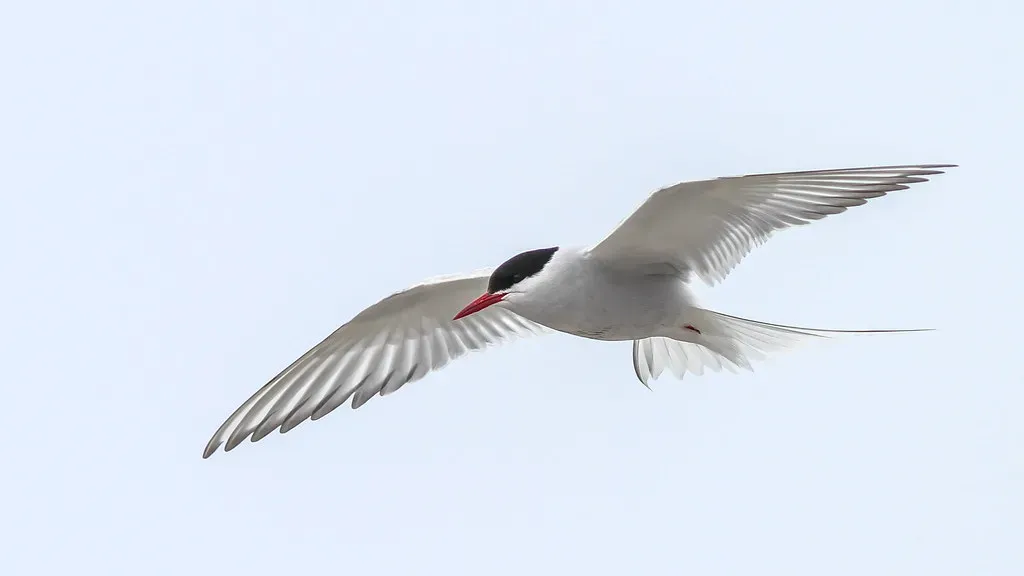
If you want a true sense of what animal navigation can look like at its most extreme, look no further than the Arctic tern. The species is strongly migratory, seeing two summers each year as it migrates along a convoluted route from its northern breeding grounds to the Antarctic coast for the southern summer and back again about six months later. Recent studies have shown average annual round-trip lengths of about 70,900 km for birds nesting in Iceland and Greenland, while an individual from the Farne Islands covered a staggering 96,000 km in ten months.
The Arctic tern undergoes the longest migration of any animal species on Earth. These superlative birds can travel a distance equivalent to the moon and back three times during the course of their lives. Scientists believe these birds use a combination of navigational tools, including the position of the sun, star patterns, Earth’s magnetic field, olfactory cues, and possibly even infrasound from ocean waves. I think that last part, infrasound from waves, doesn’t get nearly enough attention. It’s wild.
The Monarch Butterfly’s Sun Compass and Internal Clock
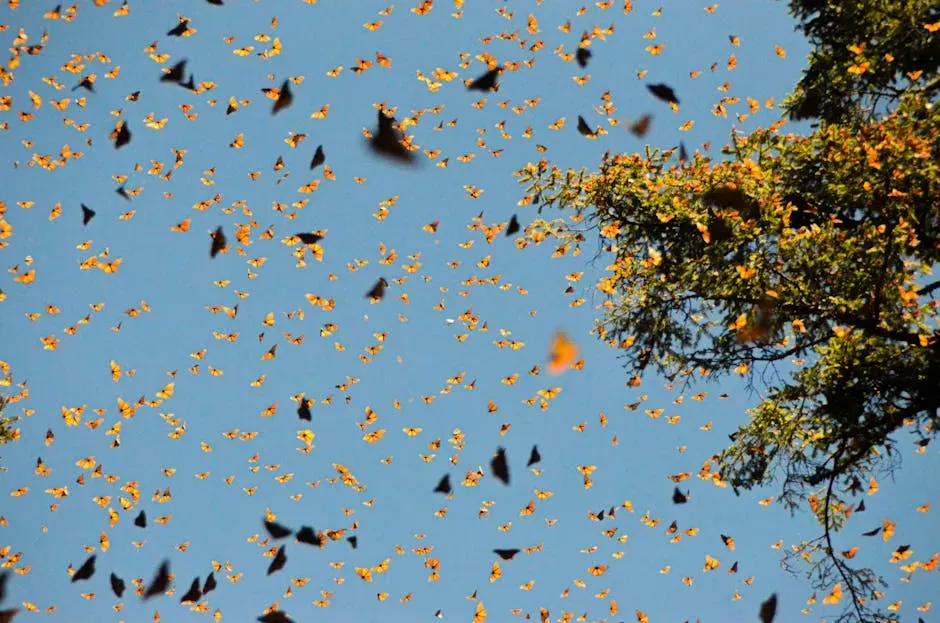
If a tiny butterfly accomplishing a multi-thousand-mile migration doesn’t fill you with awe, I’m not sure what will. As autumn rolls around each year, millions of monarch butterflies in the United States and Canada set off on a journey southwards, travelling up to 3,000 miles to reach their overwintering grounds in south-west Mexico. It’s a journey fraught with danger, but despite each butterfly weighing less than a gram, many of the individuals that set off arrive safe and sound. They do it without the aid of a map or GPS.
Previous research found that the insects use the position of the sun in the sky combined with an internal clock to determine which way is south, in what’s called a time-compensated sun compass. Time compensation is provided by circadian clocks that have a distinctive molecular mechanism and that reside in the antennae. Monarchs might also use a magnetic compass because they possess two cryptochromes that have the molecular capability for light-dependent magnetoreception. Essentially, a butterfly has a clock in its antennae that it cross-references with the sun’s position to know exactly where it’s headed. That’s extraordinary for any creature, let alone one with a brain the size of a pinhead.
Birds and the Celestial Compass: Reading the Stars
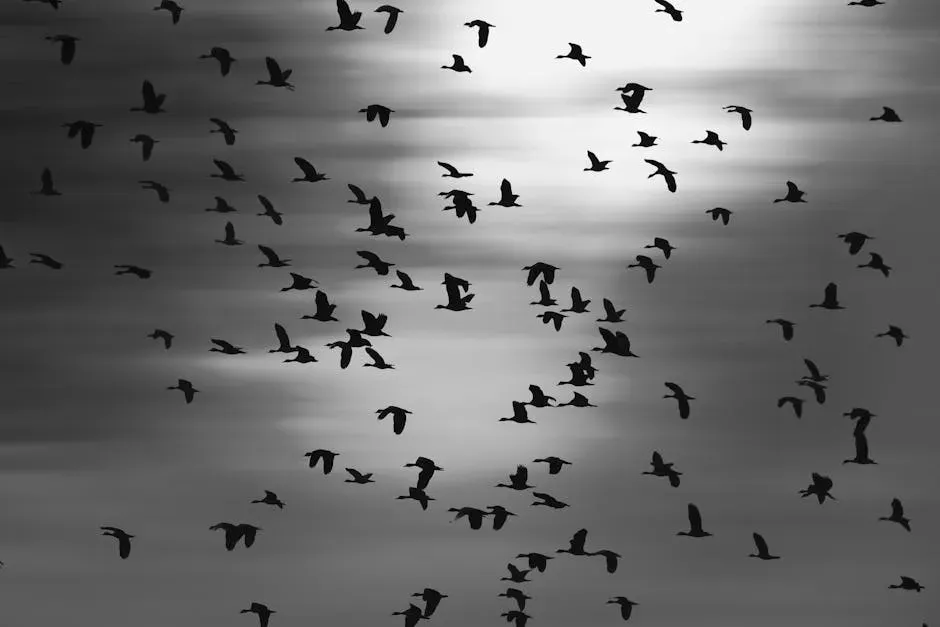
Not all navigation happens under the sun. Many birds migrate at night, and they’ve evolved an entirely different toolkit for the darkness. Each spring, billions of Bogong moths escape hot conditions across southeast Australia by migrating up to 1,000 km to a place that they have never previously visited, a limited number of cool caves in the Australian Alps. At the beginning of autumn, the same individuals make a return migration to their breeding grounds to reproduce and die. Research shows that Bogong moths use the starry night sky as a compass to distinguish between specific geographical directions, thereby navigating in their inherited migratory direction towards their distant goal.
In migratory birds, the innate program consists of directions and distances to the wintering area of their species or population. The direction is genetically encoded with respect to the magnetic compass and celestial rotation: birds hand-raised without ever seeing the sky, tested during autumn migration in cages in the geomagnetic field, headed into their migratory direction. Let that settle in for a moment. You don’t have to learn how to read the stars. For some animals, it’s simply born into the genetic code. That’s honestly more impressive than any technology humans have ever invented.
The Salmon’s Incredible Olfactory Memory
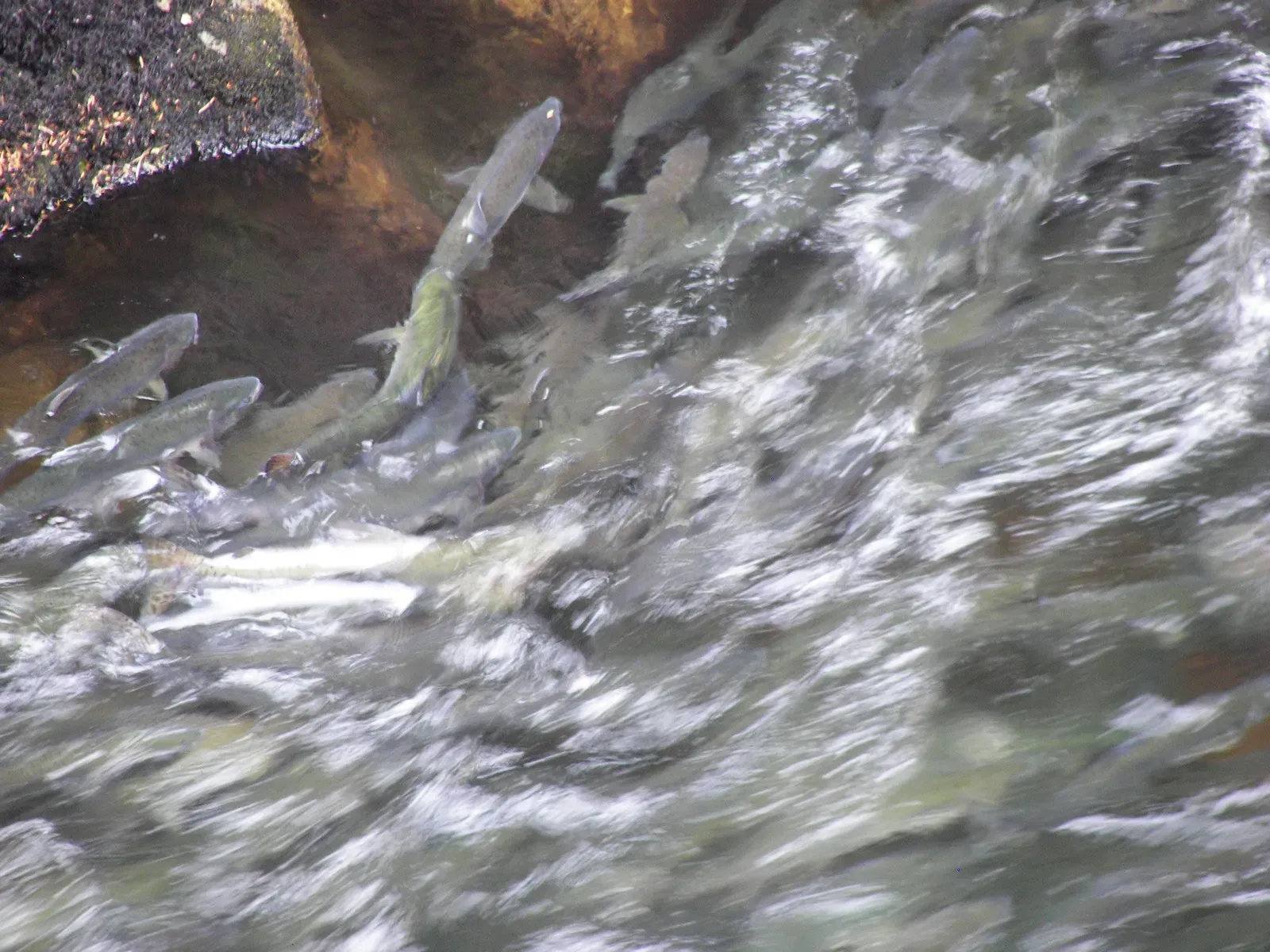
Now here’s a story about navigation that’s deeply personal, almost emotional, when you think about it. Salmon leave their birthplace streams as juveniles, spend years roaming the open ocean, and then return, as adults, to the exact same stream where they were born. Salmon make a very long journey in their lifetime, migrating thousands of kilometers from the freshwater streams where they hatch to feeding grounds in the ocean and back again to spawn in the same stream, sometimes even in the same section of the stream in which they were born.
Prior to their seaward migration, juvenile salmon learn, or imprint, odors associated with their natal site and later, as adults, use these odor memories for homing in on the site. A series of experiments have demonstrated that young salmon become particularly sensitive to the unique chemical odors of their locale when they enter their smolt period and start their downstream migration to the ocean. Odors that the young fish experience during this time of heightened sensitivity are stored in the brain and become important direction-finding cues years later. It’s like imprinting the smell of your childhood home so deeply that you can sniff your way back from hundreds of miles away. Scientists believe that salmon navigate by using the Earth’s magnetic field like a compass. When they find the river they came from, they start using smell to find their way back to their home stream.
Whales and the Power of Sound and Landmarks
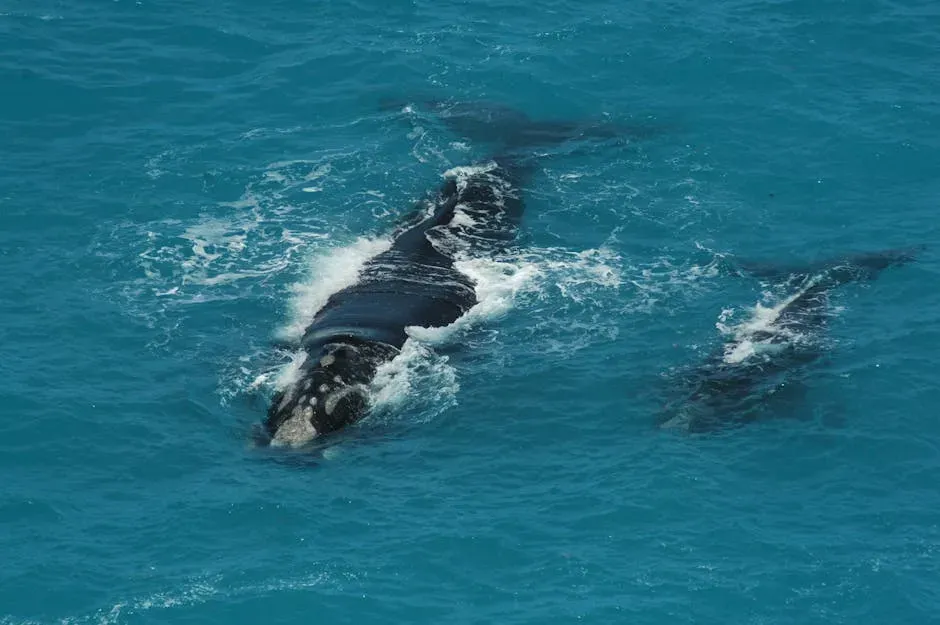
Whales face a navigation challenge that’s almost impossible to wrap your head around. Humpback whales undergo long journeys, up to 6,500 km, through currents, storms, and waves. Whales feed in nutrient-rich, polar waters during the summers and then migrate towards the warm tropics during the winter to mate and give birth. The open ocean offers essentially zero visual landmarks, zero street signs, and near-total featurelessness. Yet these giants navigate it with stunning precision.
Whales seem to use a combination of senses to find their path during migration. Gray whales use landmarks, and some whales may be able to follow the Earth’s magnetic field to navigate during their migrations. For example, gray whales follow the California coast, bobbing upright from time to time to keep track of the nearby headlands. However, the most important technique that whales use for navigating and locating food is acoustic echolocation. Sound, in the vast underwater world, is everything. Low-frequency whale calls can travel extraordinary distances, essentially allowing these animals to “hear” the shape of the ocean around them.
Sea Turtles: Geomagnetic Imprinting Across Decades
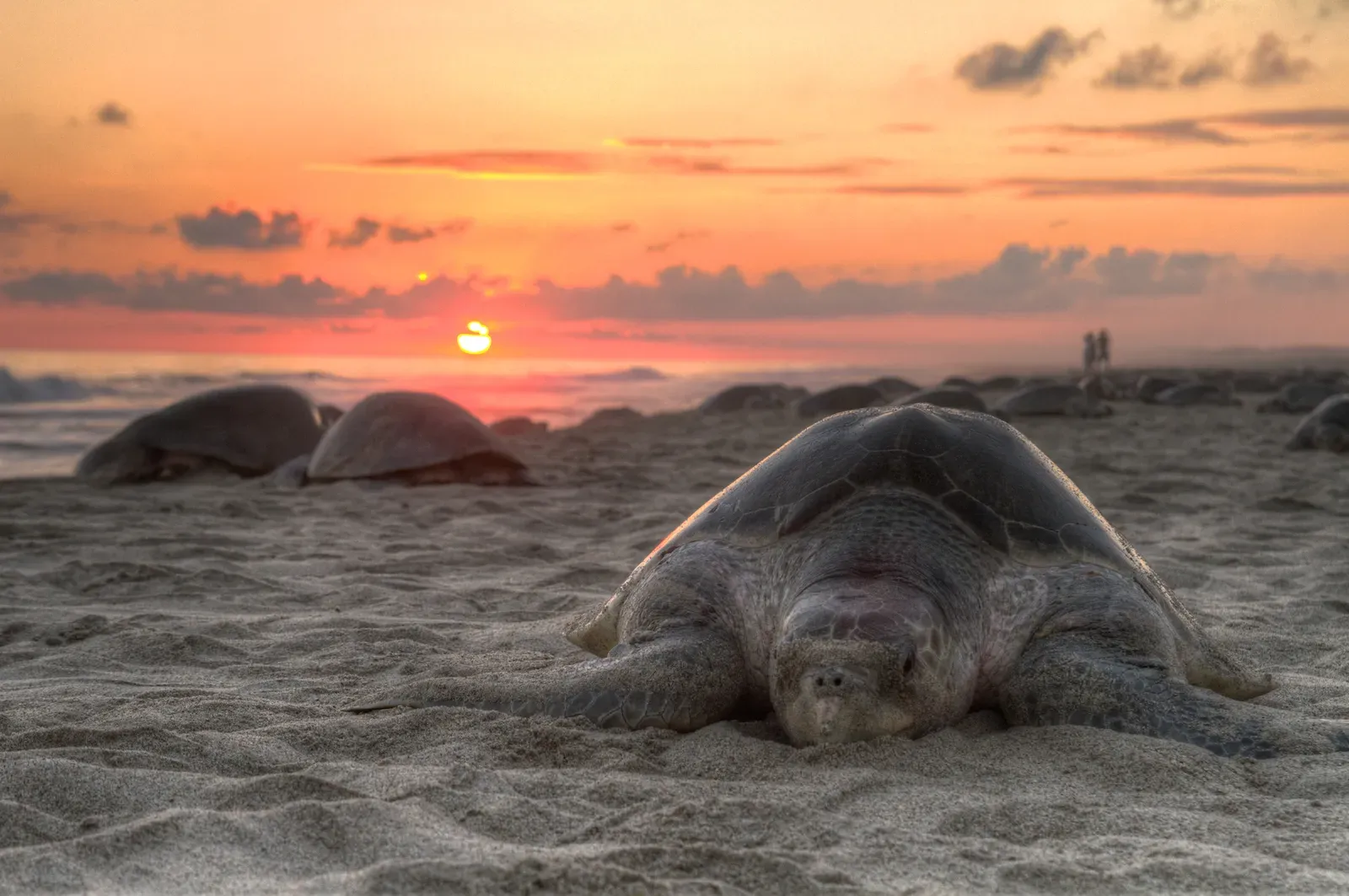
Sea turtles may be the most poignant example of all. They hatch on a beach, scramble into the ocean, spend decades wandering the open sea, and then return to that same beach to lay their own eggs. Sea turtles can move thousands of kilometres in the ocean before returning with pinpoint accuracy to specific locations. How animals accomplish this feat continues to puzzle scientists.
In the case of sea turtles, magnetic map information can be used either to guide a turtle toward a particular area or to help it assess its approximate location along a transoceanic migratory route. In effect, sea turtles have a low-resolution biological equivalent of a global positioning system, but one that is based on geomagnetic information instead of on satellite signals. Recent findings also indicate that sea turtles, salmon, and at least some birds imprint on the magnetic field of their natal area when young and use this information to facilitate return as adults, a process that may underlie long-distance natal homing. The turtle essentially memorizes the unique magnetic “fingerprint” of its birth beach as a hatchling, and carries that memory for an entire lifetime.
Path Integration: The Animal Dead Reckoning System
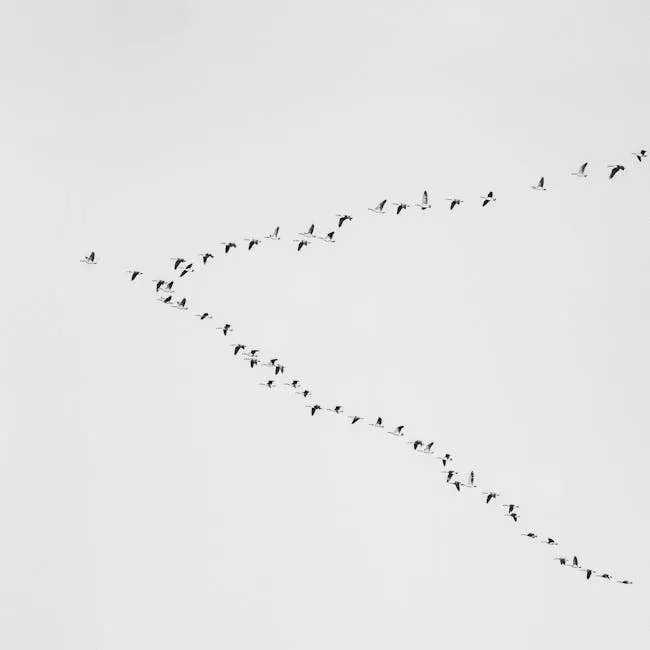
There’s one more navigational tool that deserves serious respect, and it’s one of the oldest in the animal kingdom. Dead reckoning, navigating from a known position using only information about one’s own speed and direction, was suggested by Charles Darwin in 1873 as a possible mechanism. Animals essentially run a continuous internal calculation of where they are relative to where they started, like a biological odometer combined with a compass.
Dead reckoning, in animals usually known as path integration, means the putting together of cues from different sensory sources within the body, without reference to visual or other external landmarks, to estimate position relative to a known starting point continuously while travelling on a path that is not necessarily straight. Seen as a problem in geometry, the task is to compute the vector to a starting point by adding the vectors for each leg of the journey from that point. Since Darwin’s work in 1873, path integration has been shown to be important to navigation in animals including ants, rodents and birds. When vision and the use of remembered landmarks is not available, such as when animals are navigating on a cloudy night, in the open ocean, or in relatively featureless areas such as sandy deserts, path integration must rely on idiothetic cues from within the body. It’s a backup system, a primary system, and sometimes the only system, all rolled into one.
Conclusion
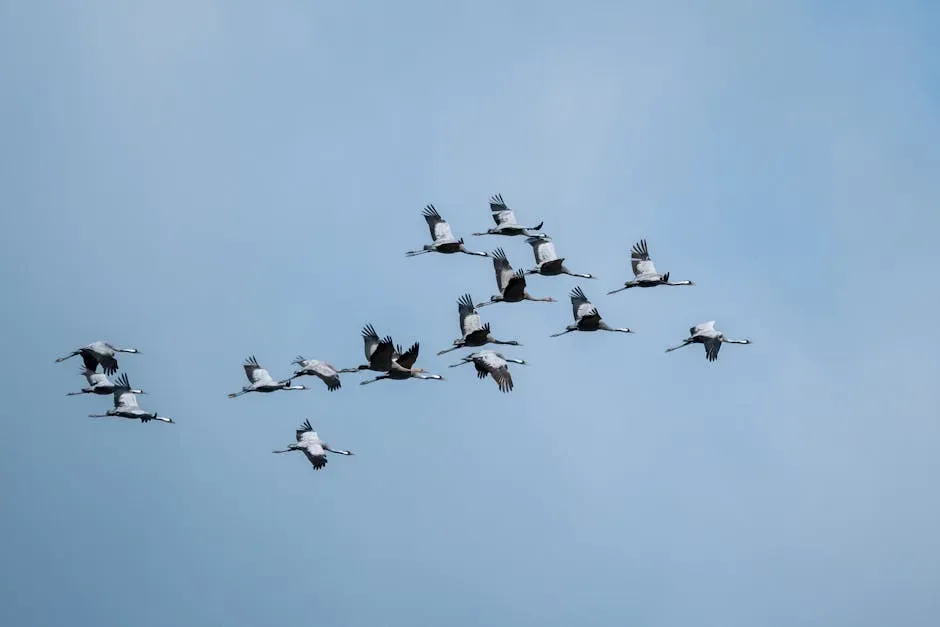
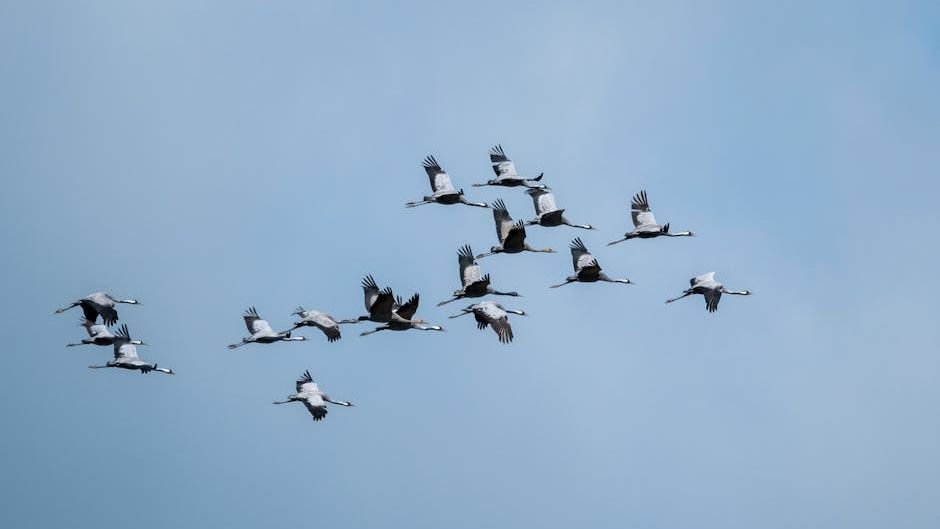
What you’re seeing when you watch a flock of birds sweep across an autumn sky or a massive whale breach the ocean surface isn’t just biology. It’s one of the most sophisticated navigation systems ever developed, refined across millions of years of evolution, calibrated to the magnetic pulse of the planet itself. Animal navigation is the ability of many animals to find their way accurately without maps or instruments. It sounds simple. It is anything but.
The more science uncovers about how animals navigate, the more humbling it becomes. We built satellites and GPS networks to do what a butterfly or sea turtle does with nothing more than its own body. Understanding how animals use cues to navigate can provide crucial information for the successful conservation management of many threatened and endangered species. Every time a new study reveals another layer of this biological genius, it’s a reminder that the natural world operates at a level of engineering we’re still struggling to fully comprehend.
The next time you’re lost without your phone, maybe spare a thought for the monarch butterfly navigating by the sun. It’s been doing this for millions of years without a single software update. What do you think is the most astonishing animal navigation feat? Tell us in the comments below.