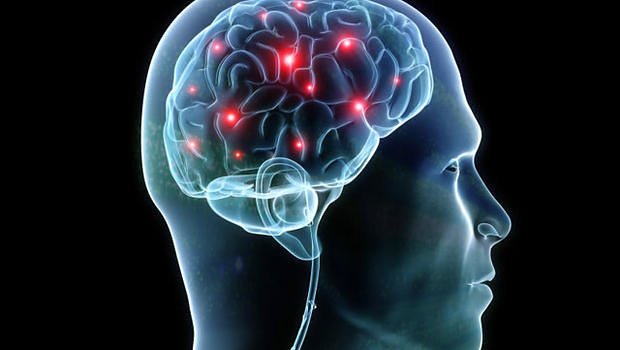

Here’s something most people never quite grasp until it stops them cold: your brain is not fixed. Not at thirty. Not at sixty. Not even when you feel like you’ve run out of room to grow. The idea that you were handed a brain at birth and simply spend the rest of your life using it up is, frankly, one of the most misleading stories science has ever walked back.
There is a force working quietly inside your skull every single time you read a sentence, pick up a new hobby, or navigate a street you’ve never walked before. That force is neuroplasticity, and understanding it might change everything about how you approach learning, aging, and the very concept of human potential. Be surprised by what the latest neuroscience has to say.
What Neuroplasticity Actually Means (And Why Most People Get It Wrong)
Neuroplasticity refers to the brain’s ability to reorganize and rewire its neural connections, enabling it to adapt and function in ways that differ from its prior state. Think of it less like a fixed machine and more like a living city constantly under construction, always rerouting roads, building new bridges, tearing down unused overpasses.
According to the theories of neuroplasticity, thinking and learning change both the brain’s physical structure and functional organization. That’s not a metaphor. Your brain is physically, structurally different after you learn something new. The implications of that are almost dizzying when you sit with it for a moment.
Neuroplasticity was once thought by neuroscientists to manifest only during childhood, but research in the later half of the 20th century showed that many aspects of the brain exhibit plasticity through adulthood. Honestly, that shift in understanding is one of the biggest scientific reversals of the modern era. Everything we assumed about the adult brain being “done” turned out to be wrong.
Neuroplasticity, the brain’s capacity to reorganize itself by forming new neural connections, is central to modern neuroscience. Once believed to occur only during early development, research now shows that plasticity continues throughout every stage of life.
How Your Brain Physically Changes When You Learn Something New
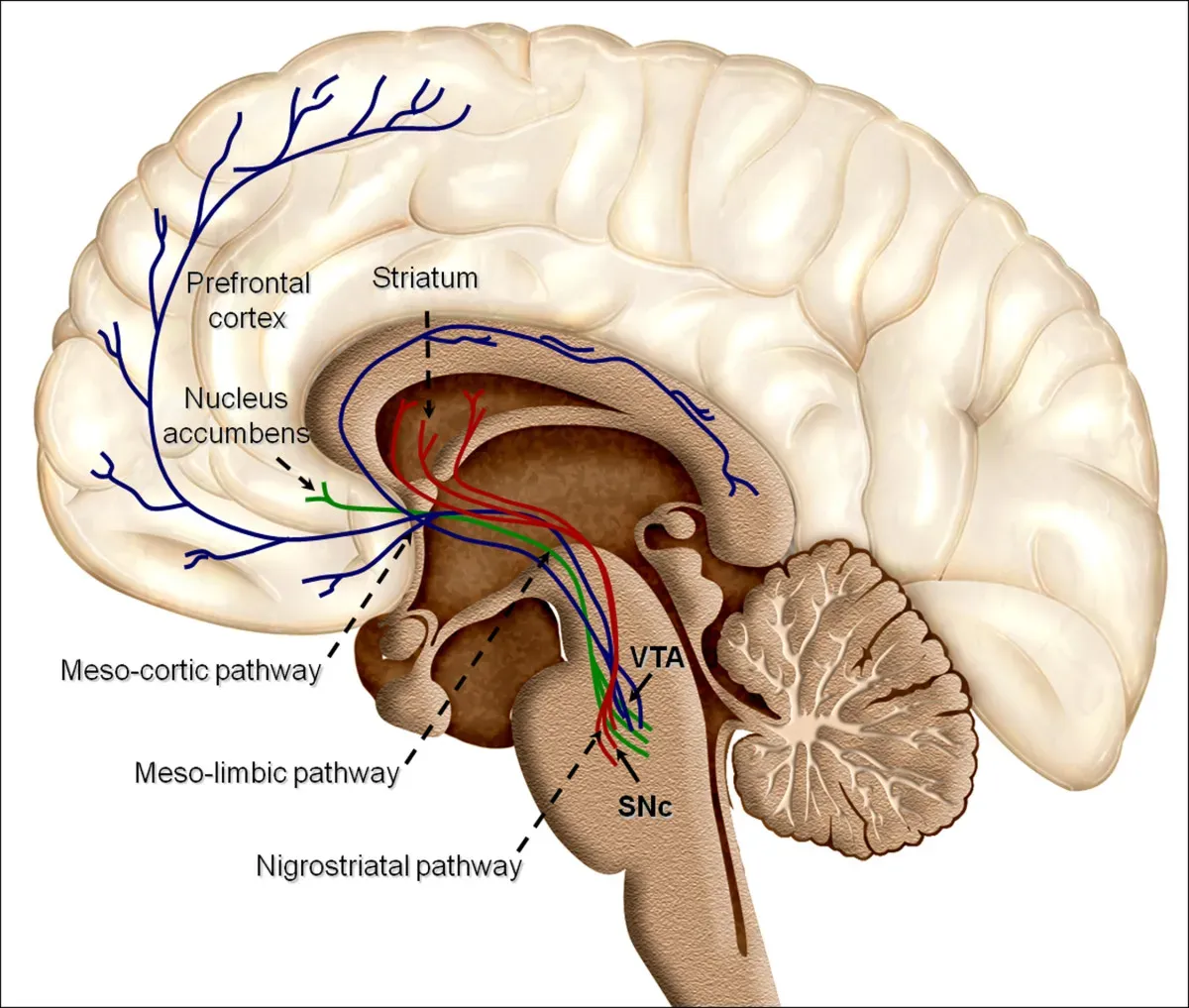
From neuroscience, we know that memories are encoded by physical changes in the brain. Your brain therefore changes physically whenever anything is learnt, and so your experiences and learning throughout all of life change and mould your brain. Wrap your head around that. Every experience leaves a mark, quite literally.
In one study, when a group of young adults were taught to juggle and practiced for three months, a particular part of the grey matter of their brain increased in size, in an area important for the perception of moving objects. When they stopped juggling and were examined after another three months, that area had returned back to its original size. Use it or lose it, as they say, and the brain agrees completely.
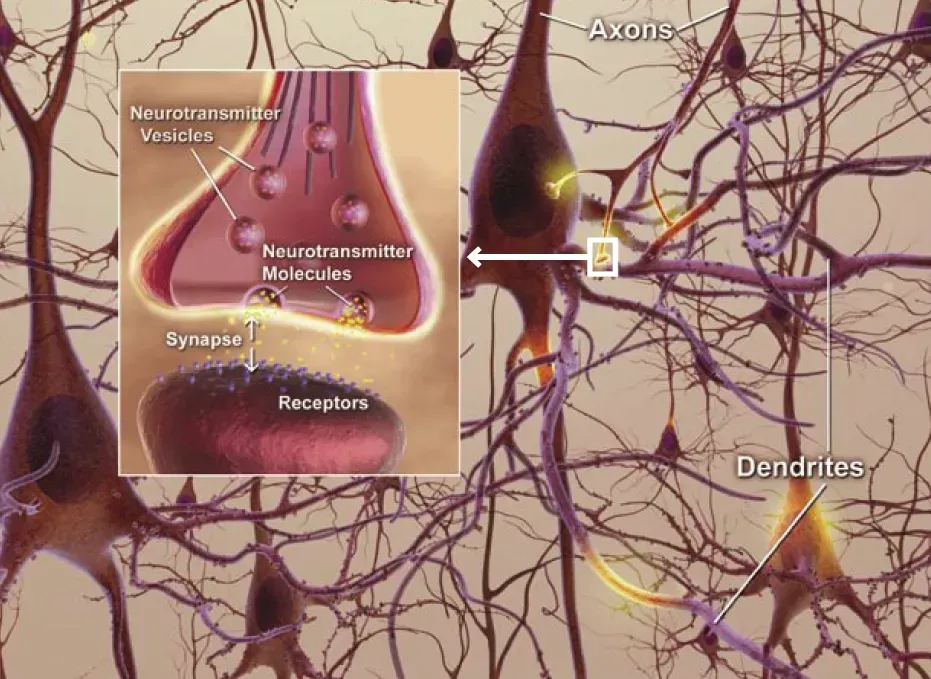
Basic mechanisms that are involved in plasticity include neurogenesis, programmed cell death, and activity-dependent synaptic plasticity. Repetitive stimulation of synapses can cause long-term potentiation or long-term depression of neurotransmission. Together, these changes are associated with physical changes in dendritic spines and neuronal circuits that eventually influence behavior.
When people repeatedly practice an activity or access a memory, their neural networks, groups of neurons that fire together, creating electrochemical pathways, shape themselves according to that activity or memory. When people stop practicing new things, the brain will eventually eliminate, or “prune,” the connecting cells that formed the pathways. It’s a remarkably efficient system, perhaps brutally so.
The Childhood Brain vs. the Adult Brain: A Tale of Two Plasticities

When children are young, their brains are highly adaptable, making it easier for them to be able to recover from brain-related injuries at a far more efficient rate in comparison to adults. This concept of plasticity being at its peak goes on to support the formation of even more different neural connections that provide us with the ability to retain information through memory and learning.
Understanding brain development enhances teaching strategies: Different stages of brain development necessitate tailored teaching approaches. Aligning strategies with these “developmental windows” can significantly improve academic success. For example, in early childhood, brain plasticity is at its peak, making it an ideal period for language acquisition and foundational cognitive skills.
It’s often assumed that as we age, the brain’s plasticity diminishes, making learning and skill acquisition more challenging. However, recent research has challenged this misconception. While the rate of plasticity may slow with age, the brain remains malleable and capable of adapting throughout life. This realization shatters the notion that significant skill acquisition is limited to youth.
Though the number of neurons may decline with age, emerging research has shown that neuroplasticity helps the brain retain its ability to adapt both structurally and functionally throughout life. In short, neuroplasticity means you can retrain your brain, tap into new skills and maybe even learn a new language, no matter your age. Let that land. No matter your age.
The Role of Repetition, Challenge, and the “Use It or Lose It” Principle
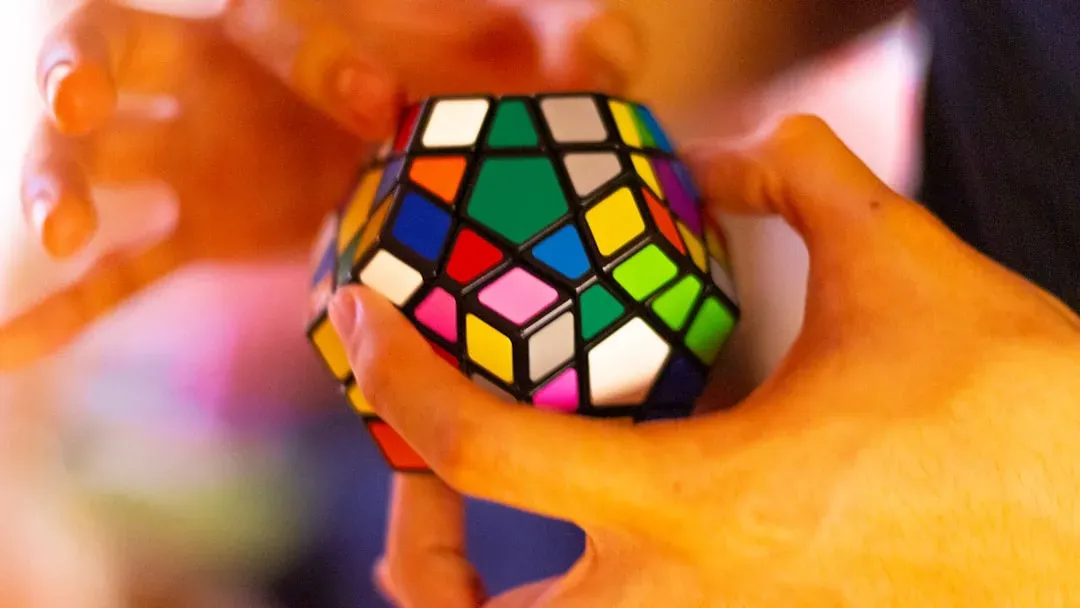
The phrase “in response to input” speaks directly to the fact that the brain doesn’t really change unless you challenge it. Any task that is familiar, automatic, or easy does not challenge your brain, but activities that are difficult and challenging for your brain elicit changes in the neural network. Comfort zones, it turns out, are bad news for the brain.
The activity needs to be challenging, somewhat agitating to the brain, something you have to work hard on. This is critical. Think of it like lifting weights. You don’t build muscle by curling something that feels like a feather. Your brain works exactly the same way.
Learning something once doesn’t mean you’ll know it forever. If you don’t use a skill, odds are it will deteriorate and weaken over time. That’s the difficult truth about the brain’s efficiency. It is constantly pruning what isn’t being used to make space for what is.
Repeating an activity, retrieving a memory, and reviewing material in a variety of ways helps build thicker, stronger, more hard-wired connections in the brain. Repetition is not boring when you understand what it’s actually doing inside your head. It’s architecture. You’re building something real.
How Exercise Supercharges Your Brain’s Capacity to Change
Neuroplasticity is closely linked to the production of neurotrophins, a group of proteins that play a vital role in brain cell growth and function. Among the key neurotrophins involved in neuroplasticity is brain-derived neurotrophic factor (BDNF). BDNF is sometimes called “fertilizer for the brain,” and honestly, that description is perfect.
Research in humans has demonstrated that consistent aerobic exercise may induce improvements in certain cognitive functions, neuroplasticity and behavioral plasticity; some of these long-term effects may include increased neuron growth, increased neurological activity, improved stress coping, enhanced cognitive control of behavior, improved declarative, spatial, and working memory.
Consistent aerobic exercise over a period of several months induces clinically significant improvements in executive functions and increased gray matter volume in nearly all regions of the brain, with the most marked increases occurring in brain regions that give rise to executive functions. That’s not a small deal. That’s your brain growing stronger in the areas that matter most for decision-making and self-control.
Exercise can help us maintain and even improve our thinking skills as we age. These studies show that regular physical exercise can promote a healthy, sharp brain in two essential ways: exercise leads to faster processing of mental tasks. Add in the mood benefits, and it’s hard to argue there’s any single habit more powerful for your brain.
Sleep, Stress, and the Surprising Lifestyle Factors That Shape Plasticity

The brain’s propensity for neuroplasticity is influenced by lifestyle factors including exercise, diet and sleep. This review gathers evidence from molecular, systems and behavioral neuroscience to explain how these three key lifestyle factors influence neuroplasticity alone and in combination with one another. They don’t just help in isolation. They interact and amplify each other.
After days or weeks of practicing a skill, deep restorative sleep is when it suddenly kicks in, when the brain consolidates all that practice. Without good sleep, neuroplasticity can’t fully happen. Sleep isn’t downtime. It’s when the brain does its most important construction work.
Chronic stress can take a toll on brain function by increasing levels of cortisol, a hormone that can damage neurons and inhibit neuroplasticity. Here’s the thing: you cannot grind your way to a better brain. Unmanaged chronic stress is actively working against the very changes you’re trying to make.
A scientific review shows that diets focused on whole foods and healthy fats, like the Mediterranean diet, are associated with better cognitive function and slower cognitive decline in older adults. You truly are, in a very real neurological sense, what you eat. Your brain’s plasticity is on the menu every single day.
Neuroplasticity and Brain Injury Recovery: An Inspiring Frontier
Neuroplasticity enhances cognitive abilities, such as learning and memory, by forming and strengthening new neural connections. This adaptability is especially valuable after brain injuries, enabling the brain to reorganize and develop new pathways to recover lost functions. What was once considered permanent damage is now understood as something the brain can actively work around, given the right conditions.
Functional plasticity includes compensatory plasticity, whereby one brain region takes over the function of another that has been impaired; and structural changes in the brain, such as the growth of dendrites to support the formation of new synapses. This is, I think, one of the most breathtaking things about the human brain. It finds a way.
Neuroplasticity can play a key role in helping people bounce back from serious conditions like stroke and even COVID-19. The research on post-stroke recovery through targeted neuroplastic rehabilitation is expanding rapidly, offering real hope where once there was very little.
Synaptic plasticity, functional reorganization, and diaschisis demonstrate unique processes that the brain utilizes in response to damage and the restoration of function. As research continues exploring the functional connections in the brain and what influences those connections, we will be able to develop more targeted therapies to help the brain regain function more quickly and more completely.
Practical Ways You Can Actively Stimulate Your Own Neuroplasticity
Every time you learn a new skill, your brain is rewiring itself to make new neural connections. That’s neuroplasticity in action. The more complex the new skill you take on, the greater the benefit. So pick up that guitar. Sign up for that pottery class. Learn Spanish. Your brain will thank you in ways you can literally measure.
Research suggests that you can build up your cognitive reserve, or how your brain copes with certain changes or even cognitive decline, through moderately challenging activities like reading, playing an instrument or learning a new skill. In fact, people who spend more time learning tend to have neural networks better equipped to adapt to the changes brought on by brain disorders.
Engaging in continuous learning and deliberate practice can trigger neuroplasticity, even in adults. The brain’s adaptability responds to the demands placed upon it, forming new connections and strengthening existing ones. This process isn’t confined to specific ages; rather, it’s fueled by the consistent engagement of neural pathways through learning and practice. Consistency beats intensity every time, especially over the long run.
The results from translational studies have shown that modifiable lifestyle factors, including physical activity, cognitive engagement, and diet, are a key strategy for maintaining brain health during aging. The beautiful part? Most of these strategies cost nothing. They just cost commitment. And that might be the most empowering thing neuroscience has ever told us.
Conclusion: Your Brain Is Still Writing Its Story
Here’s what it all comes down to: the brain you have today is not the brain you are stuck with. Your brain is never fixed but continues to change with learning and experience throughout your life. That simple sentence, backed by decades of neuroscience, is quietly radical.
The old story was that intelligence was fixed, learning was for the young, and the adult brain was essentially done. That story is over. Over the past few decades, neuroscience has steadily revised that assumption. Researchers now speak of brain plasticity, the capacity of the brain to alter its structure and function in response to experience. This has transformed our view on the ways in which we perceive development, learning, injury and aging.
You don’t have to wait for a crisis to take your brain’s potential seriously. Every new challenge you accept, every night of quality sleep you prioritize, every run you lace up for, and every unfamiliar skill you pursue, all of it is building a more resilient, more capable, more adaptable brain. The only question worth asking now is: what are you going to teach your brain next?