Few stories in modern science carry the weight of Chernobyl. Decades after the 1986 nuclear disaster, the Exclusion Zone remains one of the most contaminated places on Earth – and yet, life has not only survived there, it has done something far stranger.
The wolves living inside this radioactive wilderness have been quietly changing at a biological level that researchers are only beginning to understand. What they’ve found challenges long-held assumptions about radiation, evolution, and the raw resilience of nature. Let’s dive in.
A Nuclear Wasteland That Became a Wildlife Sanctuary
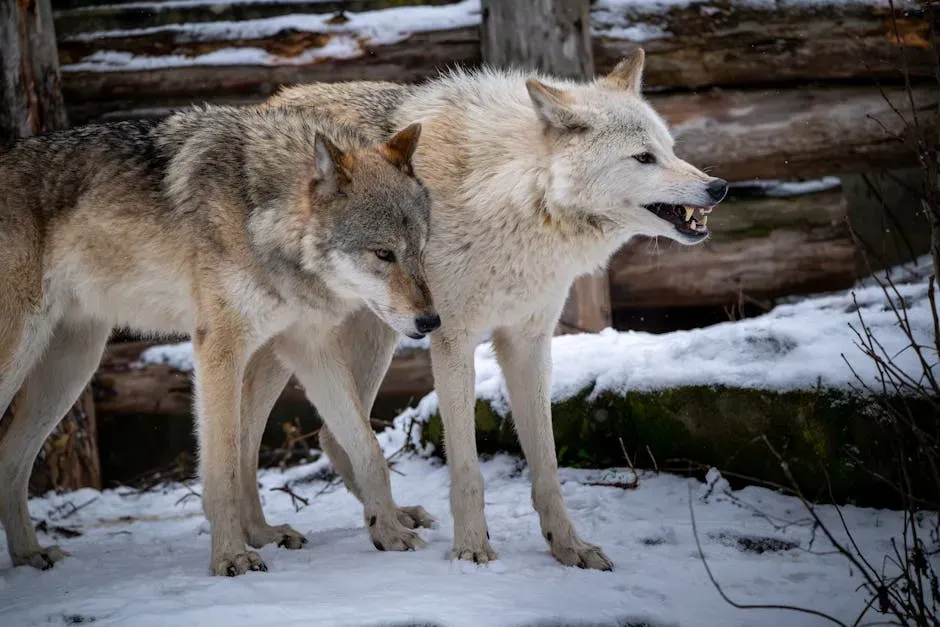
It sounds almost paradoxical, doesn’t it? The land surrounding Chernobyl’s destroyed reactor is, by most human standards, uninhabitable. Yet in the absence of people, the Exclusion Zone has transformed into one of Europe’s most unusual and surprisingly thriving wildlife refuges.
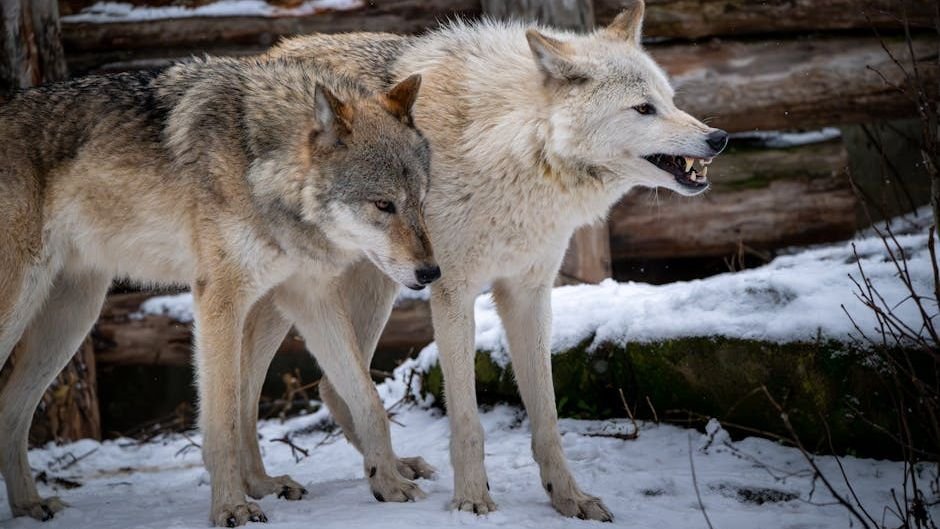
Wolves, boars, lynxes, and bears have reclaimed the land. The wolves in particular have flourished in remarkable numbers, roaming freely across roughly 1,000 square miles of abandoned forest and farmland. Honestly, the idea that radiation-soaked wilderness could double as a haven for apex predators still blows my mind every time I think about it.
Scientists began paying serious attention to these animals not just out of curiosity, but because the Exclusion Zone offers something genuinely rare: a long-term, real-world experiment in how chronic radiation exposure reshapes living organisms over many generations.
How Researchers Actually Study These Wolves
Getting scientific data from Chernobyl is not exactly a walk in the park. Researchers have had to physically enter the Exclusion Zone, trap wolves, attach GPS radio collars, and collect blood samples – all while managing their own radiation exposure carefully.
The data collected has been extraordinary. Scientists tracked the movements of these wolves and discovered that some individuals regularly cross the boundary of the Exclusion Zone, potentially carrying whatever biological changes they’ve developed into surrounding wolf populations outside the contaminated area. That detail alone sent ripples through the scientific community.
The work largely grew from the Chernobyl Dog Project, which later expanded its focus to wolves. These efforts have allowed researchers to monitor not just behavior but the actual genetic and immune profiles of animals living under persistent low-dose radiation.
The Immune System Changes That Stunned Scientists
Here’s the thing that really grabs you. The Chernobyl wolves appear to have altered immune systems compared to wolves living outside the zone. Specifically, researchers found that their immune profiles resemble those of cancer patients undergoing radiation therapy – a comparison that is equal parts fascinating and unsettling.
Rather than being destroyed by radiation, these wolves seem to have developed some form of biological resilience. Their immune systems show modifications that, under normal circumstances, would be considered signs of damage. Yet the wolves are surviving, breeding, and in some cases thriving.
It’s hard to say for sure exactly what mechanism is driving this, but the leading hypothesis is that natural selection has been operating at an accelerated pace. Animals without some degree of radiation tolerance simply didn’t survive long enough to reproduce, leaving behind a population increasingly shaped by that brutal filter.
Genetic Mutations and What They Actually Mean
Radiation causes DNA damage. That’s not up for debate. What is surprising is how the Chernobyl wolves appear to be managing that damage in ways that suggest genuine evolutionary adaptation rather than simple genetic destruction.
Researchers identified specific regions of the wolf genome that appear to be under positive selection pressure within the Exclusion Zone population. Think of it like a city that keeps getting hit by storms – eventually, the buildings that survive are the ones designed, intentionally or not, to withstand the weather. The wolves still standing in Chernobyl may represent a living library of radiation-resistant genetics.
This is not science fiction. The mutations are real, measurable, and in some cases point toward pathways that are also relevant to human cancer research. That connection to human medicine is one of the biggest reasons this study has attracted such wide scientific attention.
What This Could Mean for Human Cancer Treatment
Let’s be real – this is where it gets genuinely exciting. If scientists can understand exactly which genetic adaptations are allowing Chernobyl wolves to tolerate radiation exposure, those insights could eventually inform how we approach cancer therapy in humans.
Radiation therapy is one of the most widely used cancer treatments in the world, yet one of its persistent problems is that healthy cells get damaged alongside cancerous ones. Understanding how an organism can develop resistance to that kind of cellular damage opens a potential new door in treatment research.
I think it’s worth being cautious here. The leap from wolf genetics to human clinical applications is enormous, and the research is still in relatively early stages. Still, the parallel is too compelling to ignore, and multiple research teams are now looking at these biological pathways with fresh urgency.
The Broader Ecological Picture of Chernobyl’s Wildlife
The wolves don’t exist in isolation. The entire ecosystem of the Exclusion Zone has been quietly evolving under radiation pressure for nearly four decades now, and the results across species are varied and complex.
Some studies have found reduced populations of certain insects and birds near the most heavily contaminated areas. Others have shown that larger mammals, including wolves and boars, appear to be managing surprisingly well at a population level. The ecosystem is not pristine or unaffected – it’s something altogether different, a new kind of wilderness shaped by an event humanity caused and then largely abandoned.
What the wolves represent, in a way, is nature’s stubborn refusal to simply give up. Even in the shadow of one of history’s greatest industrial disasters, evolution keeps moving forward, indifferent and relentless.
Why the Chernobyl Wolves Matter Beyond the Science
There’s something deeply philosophical about what’s happening inside the Exclusion Zone. A catastrophic human failure created a landscape that nature has since colonized and, in its own messy way, adapted to. The wolves are both survivors and symbols.
From a purely scientific standpoint, the Chernobyl Exclusion Zone is one of the most valuable unintentional research sites on the planet. The long-term data being gathered there on radiation biology, wildlife adaptation, and ecosystem dynamics is genuinely irreplaceable.
What strikes me most, though, is what this says about resilience – not just biological resilience, but the stubborn persistence of living systems under pressure. These wolves weren’t designed to survive Chernobyl. Nobody planned for them. Yet here they are, decades later, quietly rewriting the rulebook on what radiation can and cannot do to a species over time.
A Closing Thought Worth Sitting With
The mutant wolves of Chernobyl aren’t monsters from a science fiction film. They’re something more interesting and more complicated than that. They’re evidence that life finds ways to adapt even to disasters that humans assumed were simply incompatible with survival.
The science here is still unfolding. Researchers are continuing to study these animals, sequence their genomes more deeply, and trace which adaptations are being passed on to offspring. The answers coming out of that radioactive forest could eventually touch fields from oncology to evolutionary biology to conservation science.
Nature, it turns out, doesn’t read our rulebooks. The wolves of Chernobyl are proving that in the most unexpected way imaginable. What do you think – does it change the way you see the relationship between disaster and adaptation? Drop your thoughts in the comments.