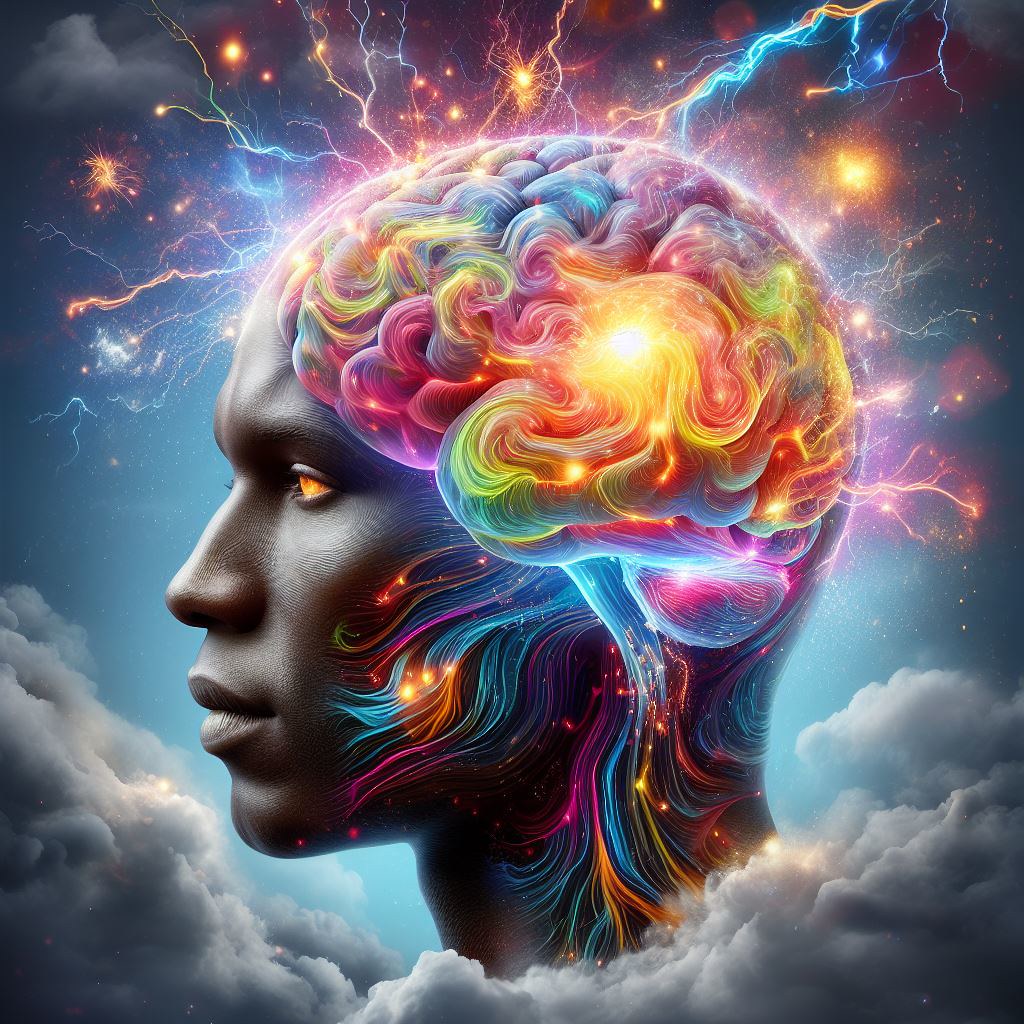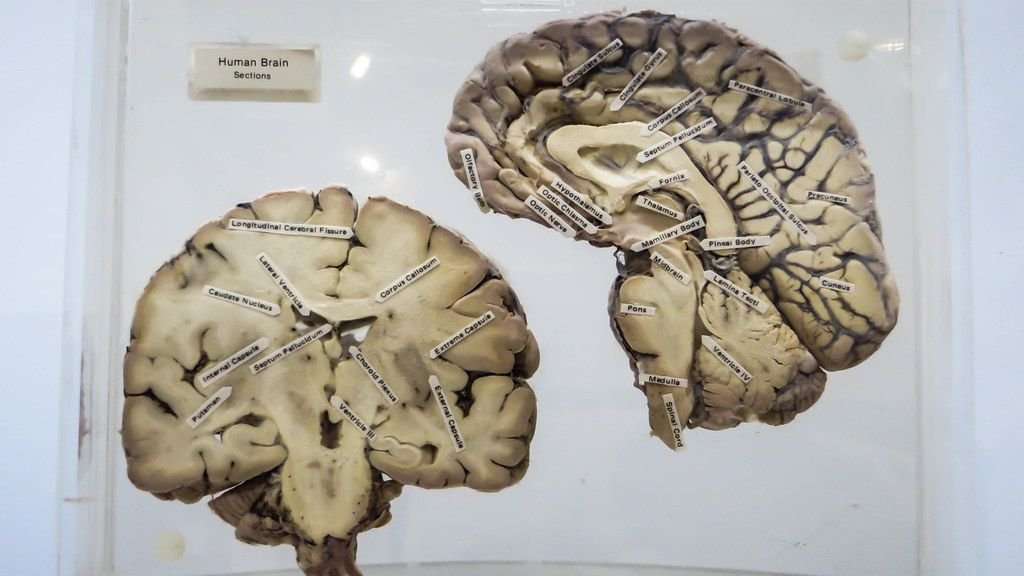

You carry it around every single day, tucked inside your skull, and yet you probably haven’t spent a single moment thinking about just how staggeringly bizarre and powerful it truly is. It weighs roughly three pounds. It looks, honestly, like a wrinkled grey lump. Nothing about its appearance hints at what it actually does.
Yet right now, as your eyes scan these words, that three-pound organ is simultaneously regulating your heartbeat, interpreting light into meaning, retrieving memories, filtering emotions, and predicting what comes next in this sentence. Nothing we have ever built, discovered, or even imagined in the entire known universe comes close to matching it. Let’s dive in.
The Numbers That Will Make Your Head Spin
Let’s be real – numbers can be boring. But when it comes to the brain, they’re genuinely jaw-dropping. The human brain has 86 billion neurons connected by roughly 100 trillion synapses, making it one of the most complex objects in the known universe. Imagine a city with 86 billion people, each of them connected to thousands of other people simultaneously. That’s your brain – except the connections fire in fractions of a second.
Here’s where it gets even wilder. In a human, there are more than 125 trillion synapses just in the cerebral cortex alone – roughly equal to the number of stars in 1,500 Milky Way galaxies. Think about that for a moment. The entire cosmos is actually echoed inside your own head. And yet somehow, the brain manages all of this on a remarkably tiny energy budget. These connections allow signals to travel between neurons and give the brain a computing power of one exaflop, meaning one quintillion mathematical operations per second – and it does all of this using only 20 watts of power. In comparison, one of the most advanced supercomputers in the world requires about a million times more power to reach anything near a similar computing capacity.
Why Scientists Say It Defies All Comparison
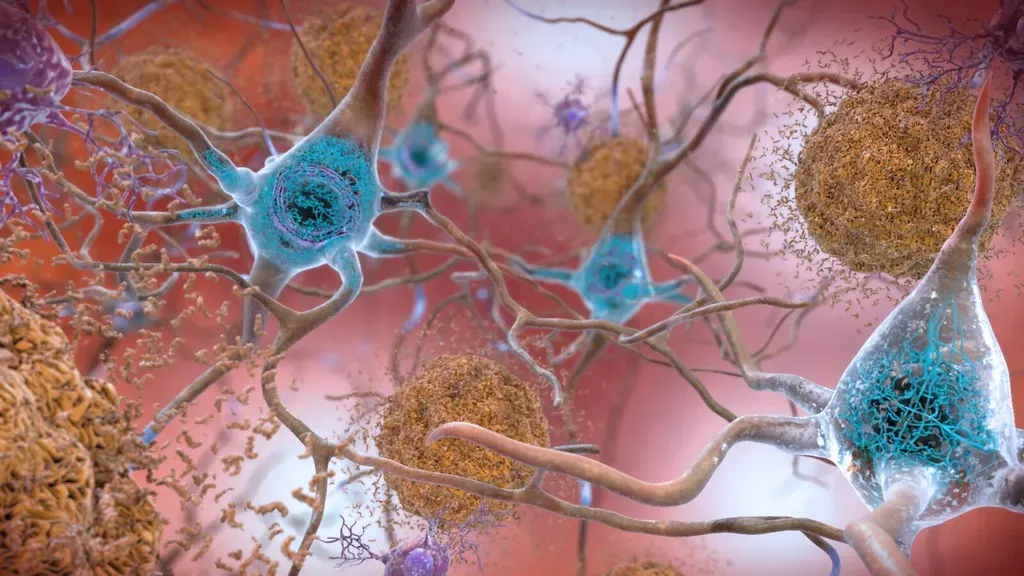
Many leading experts, from physicist Michio Kaku, who described it as the most complex object in the solar system, to neuroscientist Christof Koch and neurobiologist Gerald Fischbach, have all described the brain as the most complex structure in the known universe. That’s not just poetic language. It reflects a genuine scientific consensus that is hard to argue with once you understand the numbers behind it.
The complexity is much greater than the number of cells themselves: the many complex connections and the myriad interactions give the brain not only structural complexity but turn it into an intricately functioning whole. While stars and galaxies interact, they cannot rival the complicated interplay, signaling, and computation going on between neurons. Think of it this way: a galaxy might look more dramatic, but it’s essentially just gravity and gas. Your brain is something altogether different – it generates thoughts, feelings, and consciousness itself.
A Tiny Object With a Cosmic-Scale Architecture
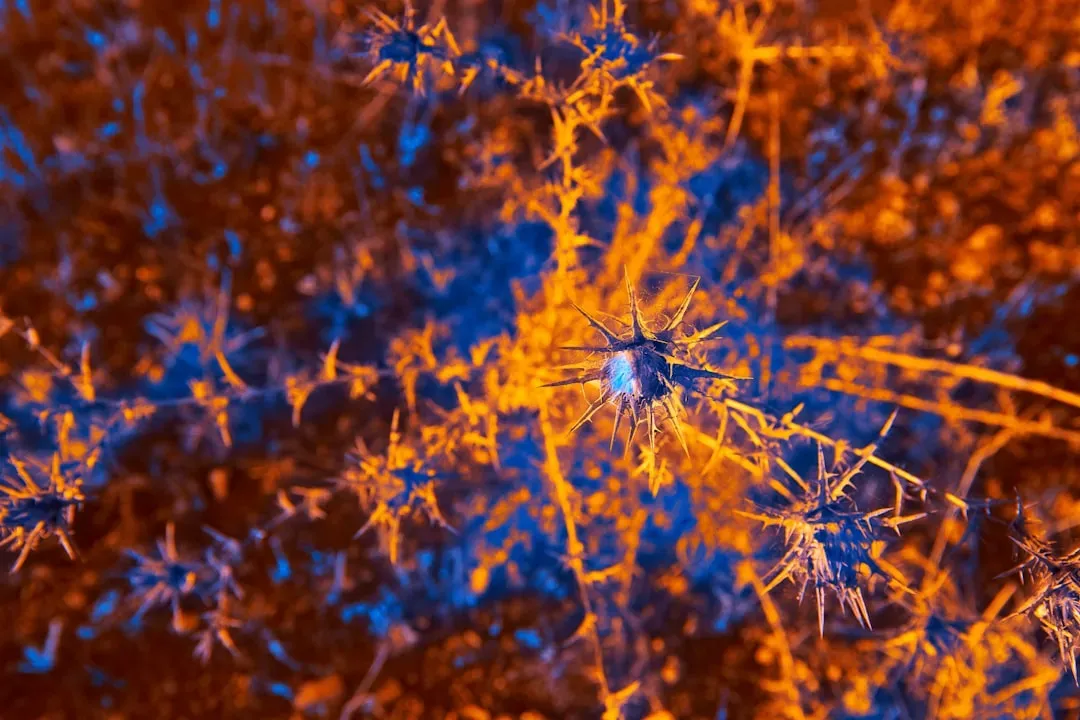
Researchers have investigated the similarities between two of the most challenging and complex systems in nature: the network of neuronal cells in the human brain, and the cosmic network of galaxies. What they found was genuinely startling. The structural similarities between neurons and galaxies are so striking that physicists and neuroscientists have started crossing disciplinary boundaries to study them together.
In the cosmos, galaxies cluster into colossal supergalactic clusters, each stretching over hundreds of millions of parsecs. These mammoth structures exhibit dendritic networks, much like neurons in the human brain. Long filaments connect these galactic nodes, while vast voids punctuate the spaces between them, creating an awe-inspiring celestial web. It’s as if nature has a signature pattern it applies at every scale – from the microscopic connections in your mind all the way out to the large-scale structure of the universe itself.
What Each Single Synapse Actually Does
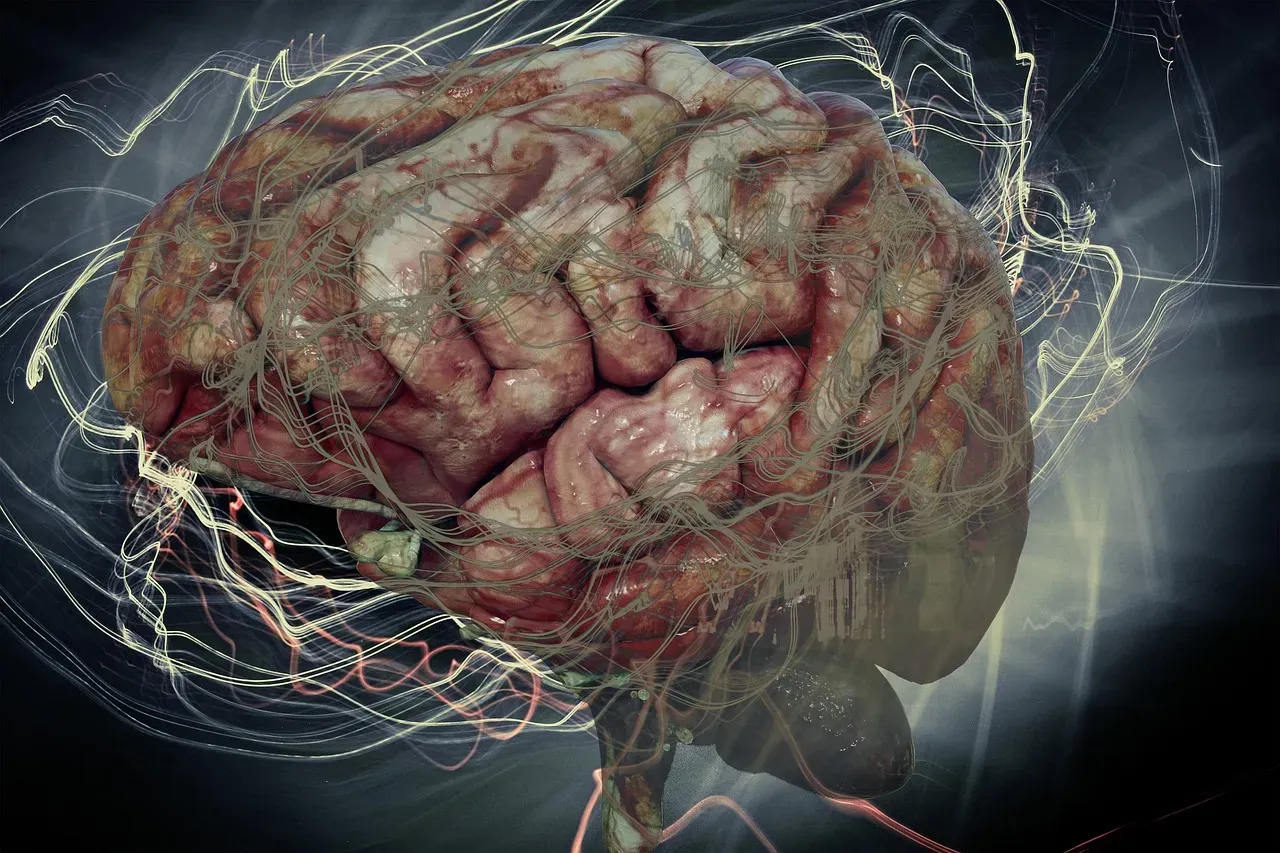
Here’s something most people don’t realize. When you picture a synapse, you might imagine a simple on-off switch. That’s completely wrong. One synapse, by itself, is more like a microprocessor – with both memory-storage and information-processing elements – than a mere on/off switch. In fact, one synapse may contain on the order of 1,000 molecular-scale switches. That’s an enormous amount of computing power packed into something you couldn’t see with the naked eye.
Synapses are the spaces over which neurons send and receive electrical and chemical signals. The brain’s magical ability to learn, and to recall information already learned, depends on synapses. Researchers at the Max Planck Institute have gone even deeper into this. The research team identified more than 1,800 unique synapse type-enriched proteins, revealing a stunning diversity of molecules that underlie synaptic connections. So not only are there an almost incomprehensible number of synapses – each one is itself a universe of molecular complexity.
Your Brain Never Stops Rewiring Itself
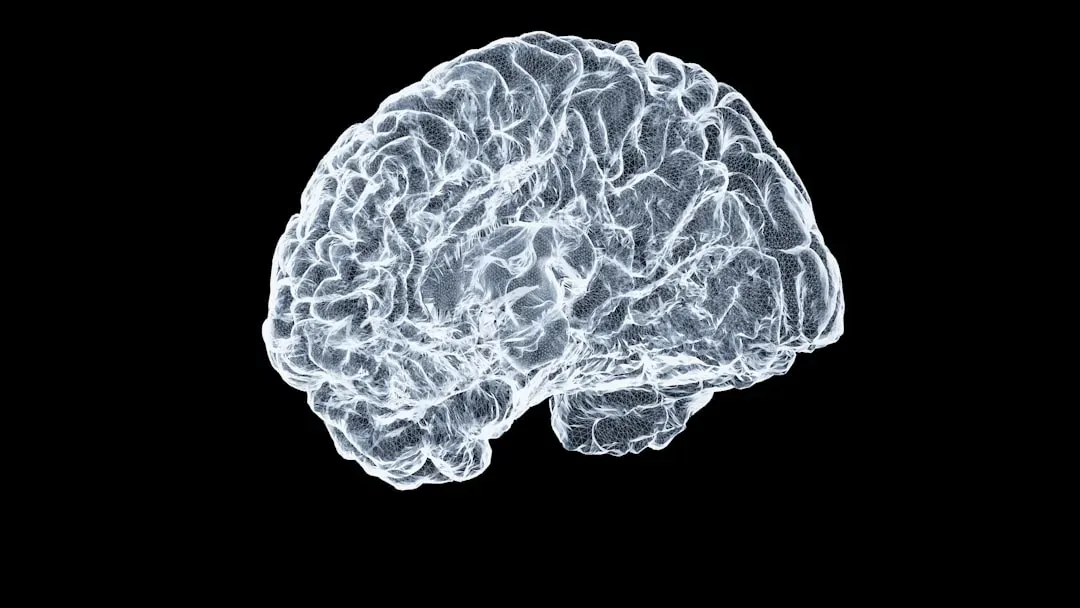
One of the most surprising things about the brain is that it doesn’t stay the same. Neuroplasticity, the brain’s capacity to reorganize itself by forming new neural connections, is central to modern neuroscience. Once believed to occur only during early development, research now shows that plasticity continues throughout the lifespan, supporting learning, memory, and recovery from injury or disease. This is honestly one of the most hopeful facts in all of biology. Your brain is never truly finished.
The evidence goes well beyond simple theory. In a longitudinal study involving London taxi drivers, the acquisition of an internal spatial representation of London was associated with a selective increase in gray matter in the posterior hippocampus. This shows that structural changes in the brain can be induced by biologically relevant behaviors that involve cognitive functions, such as spatial memory. In other words, what you do with your brain physically reshapes it. That’s not a metaphor – it’s measurable anatomy.
The Brain’s Surprising Development Stages Across Your Lifetime
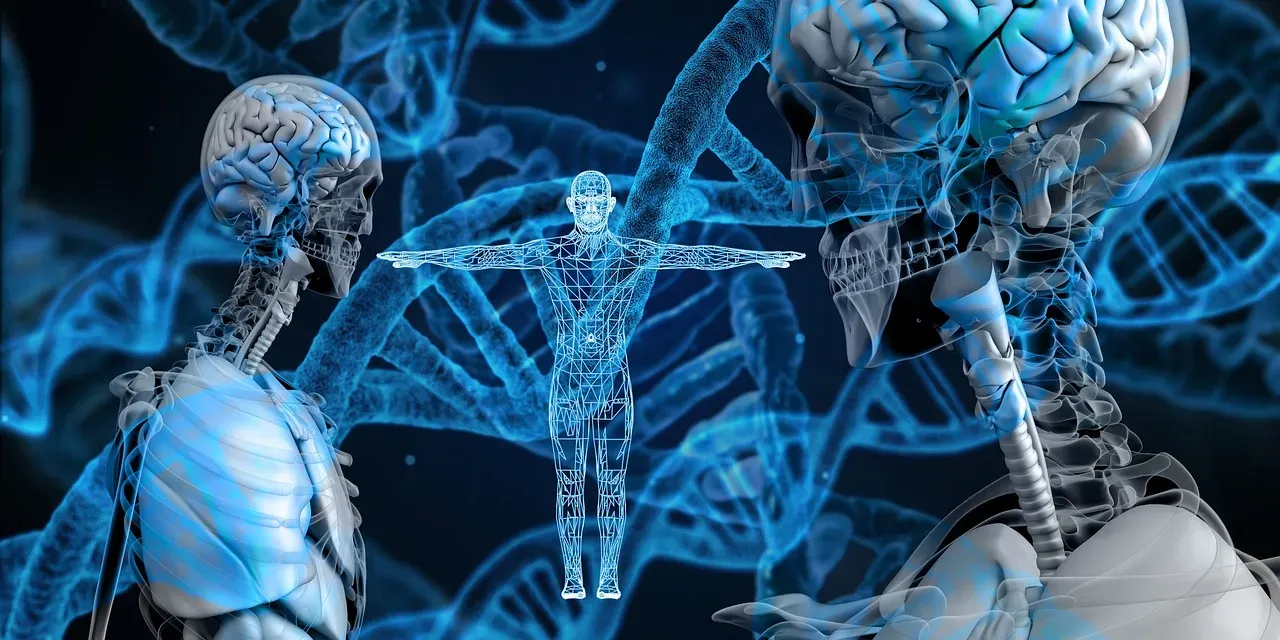
You’ve probably heard that the brain peaks in your mid-twenties. Well, turns out that idea is far too simple. A massive lifespan study rewrote one of the most persistent myths in neuroscience: that the brain “peaks in your mid-20s.” Instead, researchers identified five major stages of brain-network organization, with transitions around ages 9, 32, 66, and 83. The brain doesn’t simply rise and fall – it continuously transforms, adapts, and reorganizes in ways that are actually quite remarkable.
Recent human brain studies reveal a structure that is not fixed but constantly changing, rewiring itself in response to learning, injury, and age. This reframing has huge implications. Neuroscience research now shows that intelligence, memory, and emotional regulation are not fixed traits but dynamic processes influenced by sleep, nutrition, learning, and environment. Every time you sleep well, exercise, or engage in a challenging mental task, you’re literally participating in the reshaping of the most complex object in the known universe.
The Consciousness Problem: Science’s Biggest Open Question
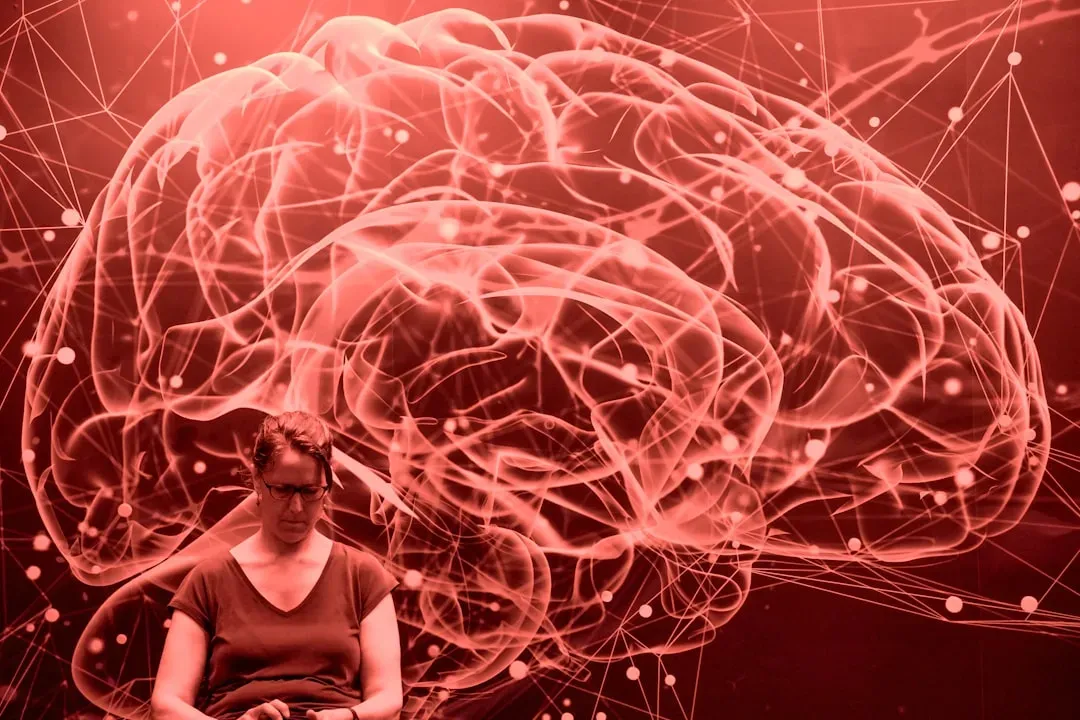
Honestly, this is where things get almost uncomfortably mysterious. The greatest mystery about the brain is how it creates consciousness. How does the activity of tens of billions of neurons create your experience of the world? This is the question that has tormented philosophers and scientists for centuries – and despite all our technological progress, we’re still nowhere near a satisfying answer.
Scientists have many theories of consciousness, and two recently went head-to-head in a scientific face-off. The results were extremely mixed, challenging some of the central tenets of both theories and highlighting just how much mystery remains in the quest to understand our mind. It’s hard to say for sure, but I think there’s something almost poetic about the fact that the brain is trying to understand itself – and keeps running into its own limits. The brain can be understood as a complex system or network, in which mental states emerge from the interaction between multiple physical and functional levels. Yet the exact mechanism of that emergence remains tantalizingly out of reach.
The Brain Outpaces Every Supercomputer Humanity Has Built
We live in an era of extraordinary artificial intelligence. Supercomputers fill entire warehouses. AI systems can generate art, write code, and hold conversations. Yet none of it compares to what’s sitting in your head. The human brain is estimated to perform around one exaFLOP of computations per second. This rivals the fastest supercomputers but at a fraction of the energy cost. That energy efficiency gap is staggering – the kind of thing that keeps engineers up at night.
The connections, or synapses, among neurons in the human brain are not only more numerous but also more intricately patterned than anything that has ever been constructed to process information, including the most sophisticated supercomputer. Researchers at Stanford have tried to build artificial versions of the synapse precisely because replicating even that one tiny component opens enormous possibilities. This work can help develop brain-inspired, or “neuromorphic,” computers, brain-machine interfaces, medical devices, and new research tools for neuroscience. We’re essentially trying to build a pale imitation of something we still barely understand.
The Brain Is Still Full of Discoveries Waiting to Happen
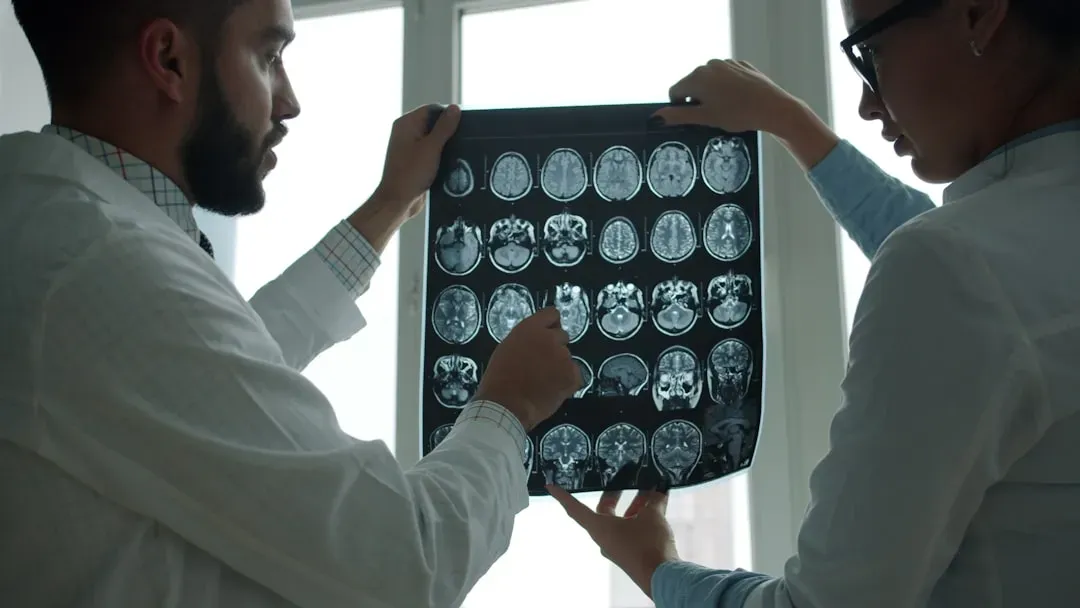
Even with everything we know, we’re still just scratching the surface. Advances in imaging, genetics, and artificial intelligence have pushed brain science forward at a pace unseen before. These discoveries offer a deeper look into how the brain develops, adapts, and sometimes fails – reshaping medicine, psychology, and everyday understanding of the mind. Just recently, scientists detected something no one had anticipated. Did you know that your brain glows? Living tissues emit light called biophotons as a byproduct of consuming energy – and the brain consumes a whole lot of energy. In a recent experiment, scientists detected biophotons emitted by the human brain from outside the skull for the first time.
New research published in Science in 2026 identified a new cell type that drove human brain complexity. Scientists are also making breakthroughs in how the brain evolved in the first place. Research shows that two specific genes act in a finely tuned interplay: one ensures that the progenitor cells of the brain multiply more, while the other causes these cells to transform into a different type of progenitor cell – the cells that later form the nerve cells of the brain. In the course of evolution, this interplay has led to the human brain being unique in its size and complexity. Every year, we seem to discover a new layer of complexity that we hadn’t even thought to look for before.
Conclusion: The Universe Has Never Produced Anything Quite Like This
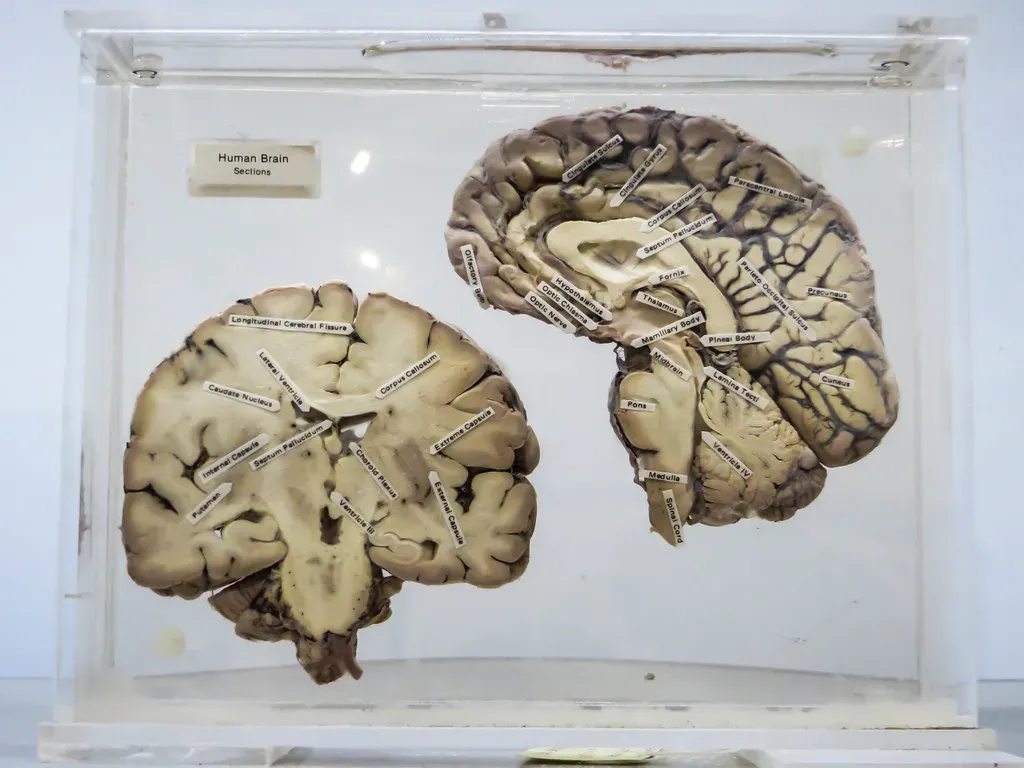
When you step back and consider everything – the trillion-plus synapses, the exaflop of computing power, the biophotons, the lifelong rewiring, the consciousness that still baffles scientists – the conclusion is almost overwhelming. You are carrying the most complex, adaptive, and mysterious object ever discovered in the cosmos. Not a galaxy. Not a nebula. Not a quantum computer. Your brain.
What’s most inspiring, to me at least, is that we’re still in the early chapters of understanding it. The discoveries of 2025 highlight a major shift in neuroscience: from static models of the brain to a dynamic, lifespan-aware understanding. As we move into 2026, these breakthroughs will shape research priorities, clinical pipelines, and long-term strategies across healthcare and life sciences. The brain that wonders about itself is the very same brain still discovering what it is.
So here’s the thought to leave you with: every single question you’ve ever asked, every emotion you’ve ever felt, every dream you’ve ever had – all of it emerged from three pounds of tissue that science still cannot fully explain. Doesn’t that make you want to take better care of it? What aspect of the brain’s complexity surprised you most? Let us know in the comments below.