
There is something quietly humbling about standing under a night sky and realizing that people did this thousands of years ago, with no telescopes, no satellites, no electric light polluting the horizon, and somehow still managed to map the stars with extraordinary accuracy. The cosmos was not just a backdrop for these ancient cultures. It was their calendar, their compass, their religion, and their clock, all rolled into one brilliant, boundless ceiling.
What makes this even more remarkable is how much of what they figured out still holds up today. Scholars, engineers, and astronomers continue to study ancient structures and artifacts with growing amazement, often finding precision they simply did not expect to find. So, if you thought ancient peoples just looked up and made up stories about constellations, prepare to have that assumption shattered. Let’s dive in.
The Babylonians: The World’s First Mathematical Astronomers
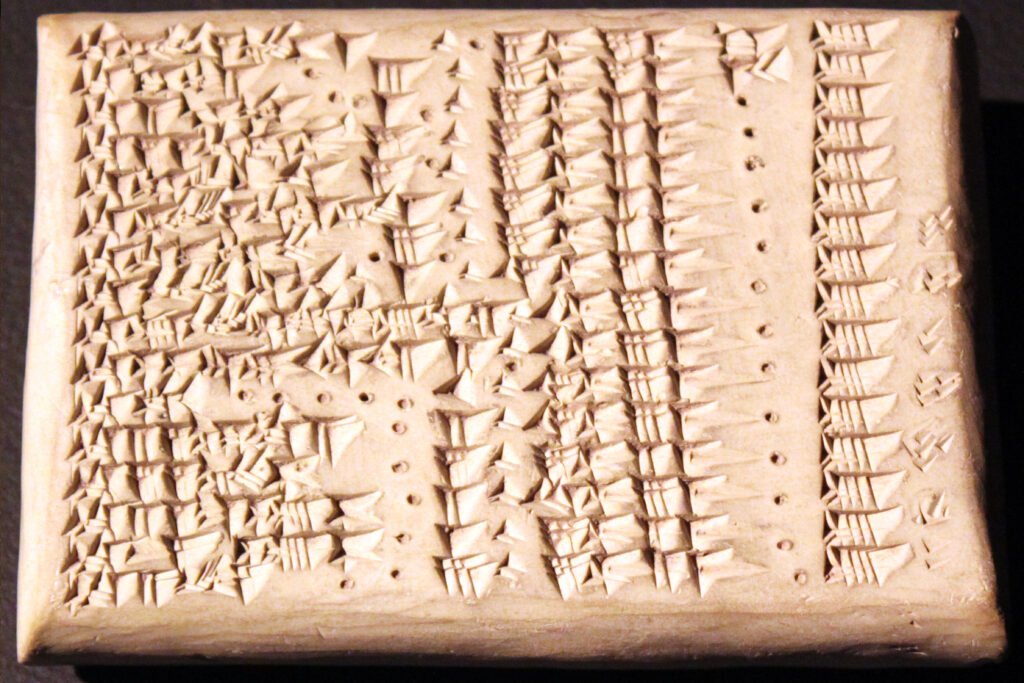
You might be surprised to learn that much of the astronomical foundation used by later Greek scholars was not originally Greek at all. Dating back to around 1800 B.C., the Babylonians were among the first civilizations to document the movements of the sun and the moon, maintaining very detailed records including the daily, monthly, and yearly positions of celestial bodies. This wasn’t casual stargazing. It was disciplined, generational scientific observation on a scale that still impresses researchers today.
Perhaps the most remarkable contribution of Babylonian astronomy is the concept of mathematical models for predicting celestial events. Their ability to forecast planetary movements, lunar phases, and eclipses using arithmetic progressions set a precedent for later scientific developments, and the idea that celestial motion follows predictable patterns can be traced back to Babylonian star mapping techniques. Here’s the thing that really gets me: the division of an hour into 60 minutes, and a minute into 60 seconds, that everyday system you use without thinking, derives directly from the Babylonians’ careful observations and their base-60 numerical system, which also contributed to the development of the lunisolar calendar still used in many traditional calendars today.
The Antikythera Mechanism: An Ancient Computer That Defies Belief
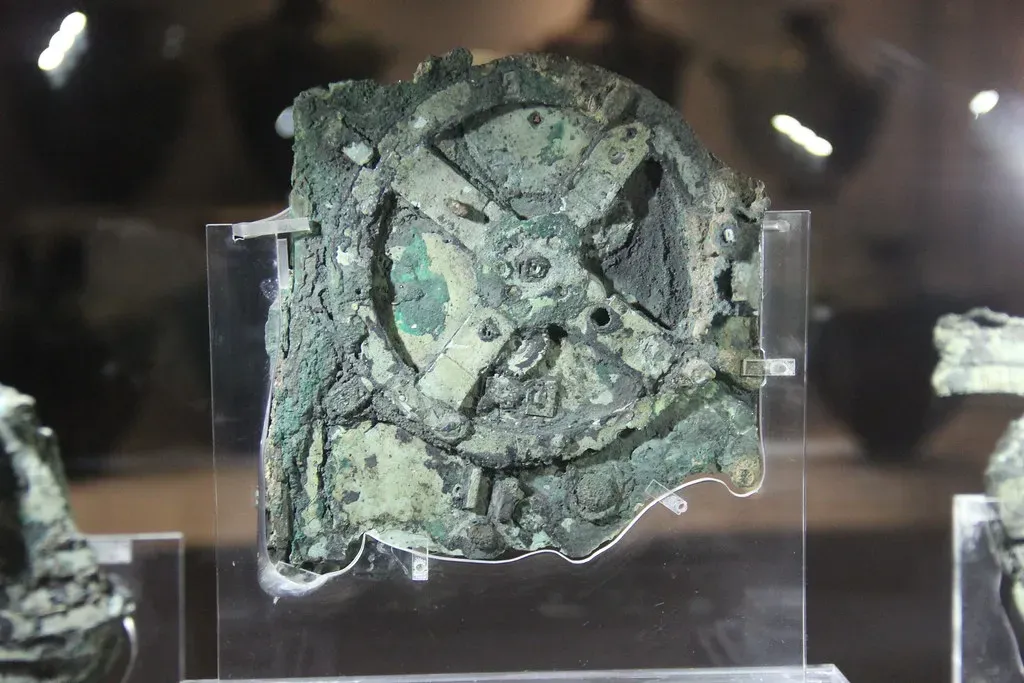
Honestly, nothing in the history of ancient astronomy is more jaw-dropping than this. The Antikythera mechanism is an ancient Greek mechanical device used to calculate and display information about astronomical phenomena. The remains of this ancient “computer,” now on display in the National Archaeological Museum in Athens, were recovered in 1901 from the wreck of a trading ship that sank near the island of Antikythera, and its manufacture is currently dated to around 100 B.C. Think about that. A fully functional mechanical computer, over two thousand years old, sitting on the seafloor waiting to be found.
The Antikythera mechanism had the first known set of scientific dials or scales, and radiographic images showed that the remaining fragments contained 30 gear wheels. No other geared mechanism of such complexity is known from the ancient world, or indeed until medieval cathedral clocks were built a millennium later. It is the oldest known example of an analogue computer, and it could be used to predict astronomical positions and eclipses decades in advance, as well as track the four-year cycle of the ancient Olympic Games. A device that would not be matched in sophistication for well over a thousand years after it was built. Let that sink in.
Ancient Egypt: Aligning Stone with Stars
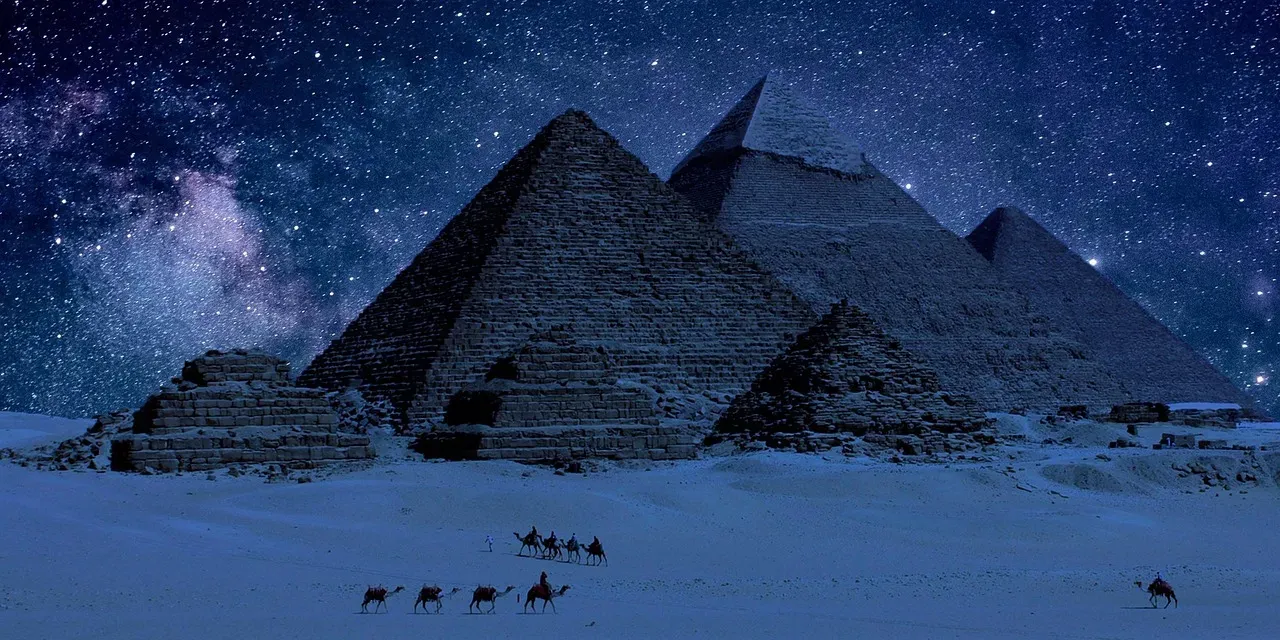
In ancient Egypt, astronomy was intimately linked with religion, timekeeping, and the agricultural calendar. The Egyptians were skilled astronomers who mapped the constellations visible in the night sky, developed a 365-day calendar based on the heliacal rising of the star Sirius, and aligned their monuments with celestial bodies. You have to picture what this means in practice: enormous stone structures built to face specific stars, across generations, with no modern surveying tools. The precision is almost offensive to common sense.
The Pyramids of Giza, constructed around 2580 to 2560 B.C.E., are among the most enduring symbols of ancient Egypt. The Great Pyramid of Khufu, in particular, exhibits remarkable astronomical alignments, with its sides closely aligned with the four cardinal directions. This precise orientation suggests that the ancient Egyptians had advanced knowledge of astronomy and surveying techniques. Ancient Egyptians used a solar calendar based on the annual rising of the star Sirius, which signaled the impending flooding of the Nile, a crucial event for agriculture. Astronomy was not just symbolic for them. It was survival.
Stonehenge and the Neolithic Sky Watchers
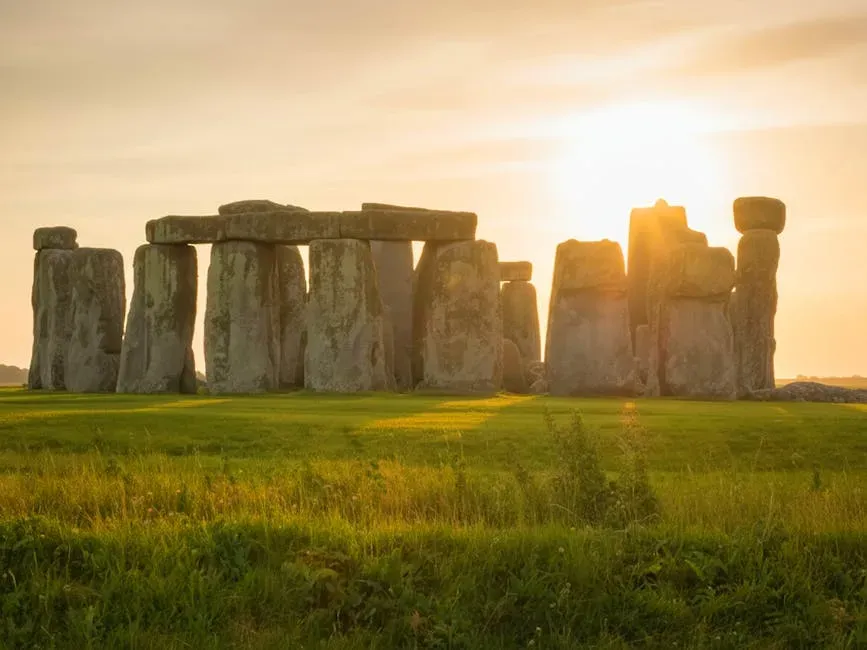
Stonehenge, located on the Salisbury Plain in England, is one of the most iconic prehistoric monuments. Constructed in several phases between 3000 and 2000 B.C.E., its purpose has been the subject of much speculation, but its alignment with celestial events suggests a strong astronomical significance. It is easy to dismiss Stonehenge as mysterious folklore, but the engineering reality behind it is staggering. Those stones did not end up aligned by accident.
These precise alignments indicate that the builders of Stonehenge had an understanding of the solar cycle and may have used the monument to mark seasonal changes, aiding in agricultural planning or spiritual rituals tied to the sun’s power. On the dawning of the summer solstice, the sun rises directly above the Heel Stone, a mysterious prehistoric monument whose origins, depending on interpretation, were an ancient burial ground, an astrological observatory, or even a supernatural phenomenon. Still want to call these people primitive? I think not.
The Maya: Builders of the Most Sophisticated Calendar in the Ancient World
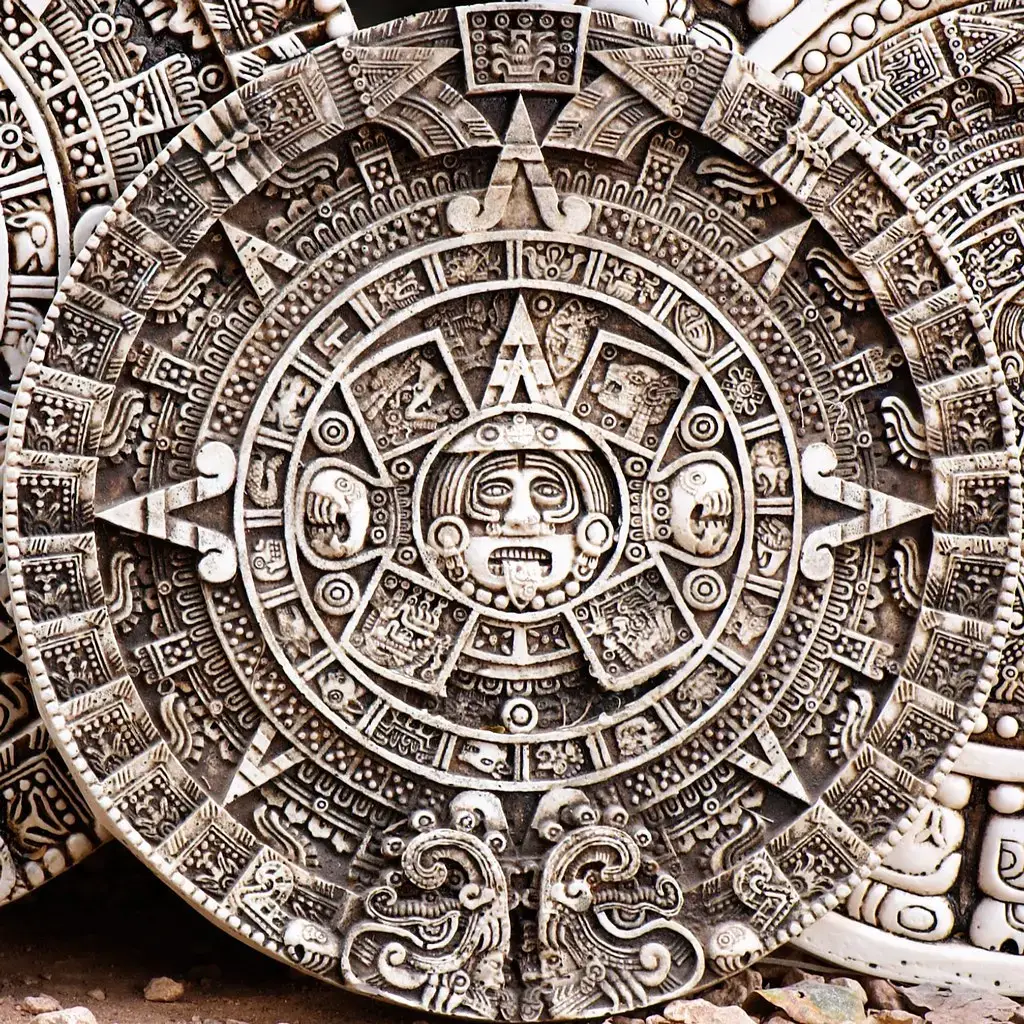
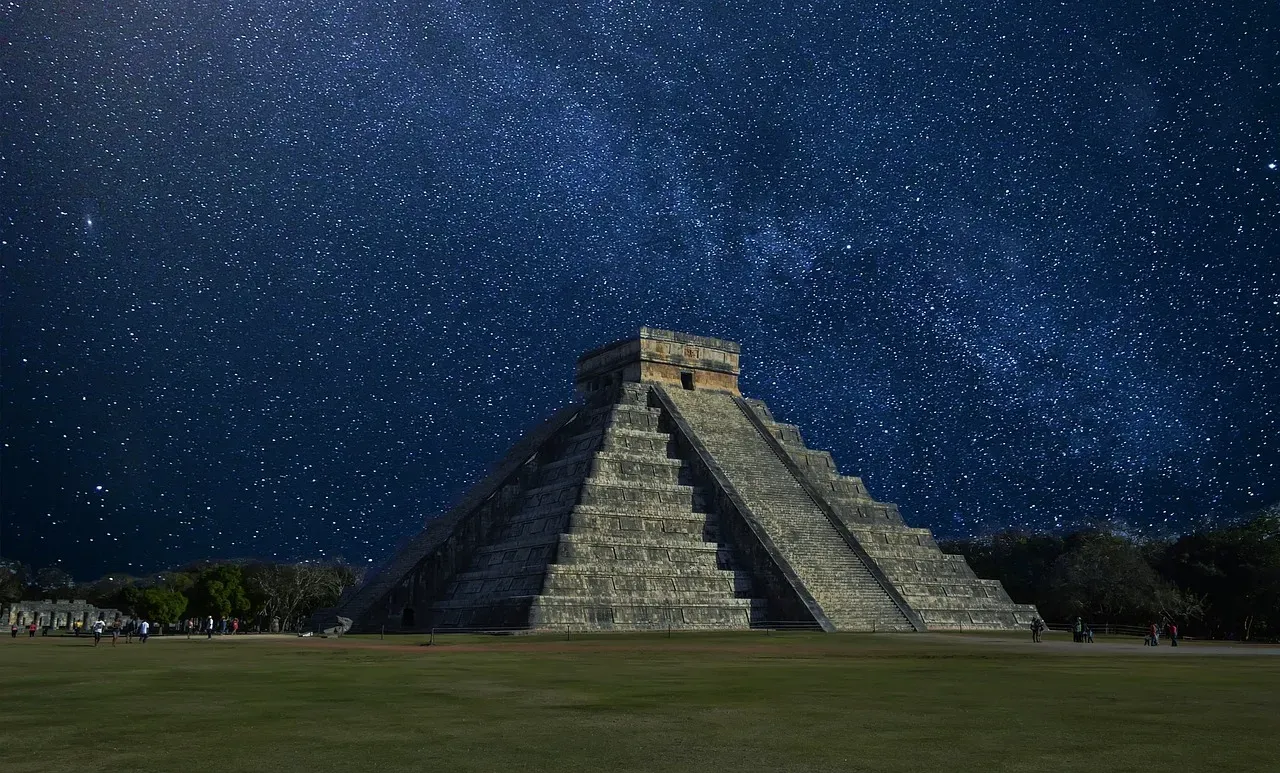
The Mayans, one of the most advanced ancient civilizations of Mesoamerica, had a profound understanding of astronomy. This knowledge was not merely for curiosity or scientific exploration; instead, it was deeply intertwined with their religion, calendar system, and everyday life. They built sophisticated observatories, such as El Caracol at Chichen Itza, to accurately observe celestial bodies, and these observatories were architecturally aligned with the movements of the sun, moon, Venus, and other planets. This is not guesswork. Every building angle was intentional.
The Mayan Long Count calendar, one of the most famous and studied Mesoamerican timekeeping systems, tracked vast cycles of time by combining solar and lunar observations with mathematical calculations. It helped the Maya predict celestial events and plan agricultural activities, ensuring the timely planting and harvesting of crops. Their astronomical observations were recorded in codices, folding books written on bark paper. Though many were destroyed during the Spanish conquest, some, like the Dresden Codex, survived. It contains detailed tables for predicting solar and lunar eclipses and the cycles of Venus and Mars, and it is famous for its Venus Table, remarkably accurate in predicting this planet’s appearances and disappearances.
Babylonian Eclipse Prediction: Centuries Ahead of Their Time

Let’s be real: predicting an eclipse today requires computers and orbital mechanics. So how do you wrap your head around the fact that ancient Babylonians were doing it with clay tablets? They pioneered mathematical predictions of celestial events, culminating in the development of the Saros cycles, a sophisticated eclipse prediction system still referenced today. The Saros cycle, spanning roughly 18 years, served as the cornerstone of eclipse prediction, with Babylonian astronomers deducing this cyclical phenomenon by observing that eclipses recur every 223 synodic months. Eighteen years of patient sky watching, and they cracked the code.
Building on this, Babylonian astronomers went on to develop even more sophisticated tables for predicting eclipses and eclipse possibilities. They further expanded their ability to predict heavenly phenomena to the point that their knowledge of lunar, solar and even planetary motions became legendary, and their predictive methods and observational records travelled as far as ancient Greece, Rome and India, providing the foundation for the powerful development of astronomy in those countries. The famous Antikythera mechanism, an ancient computer from the Hellenistic period, actually has settings enabling the prediction of solar and lunar eclipses based on these Babylonian models. The entire ancient world built on their work.
Archaeoastronomy: How Modern Science Is Rediscovering Ancient Genius
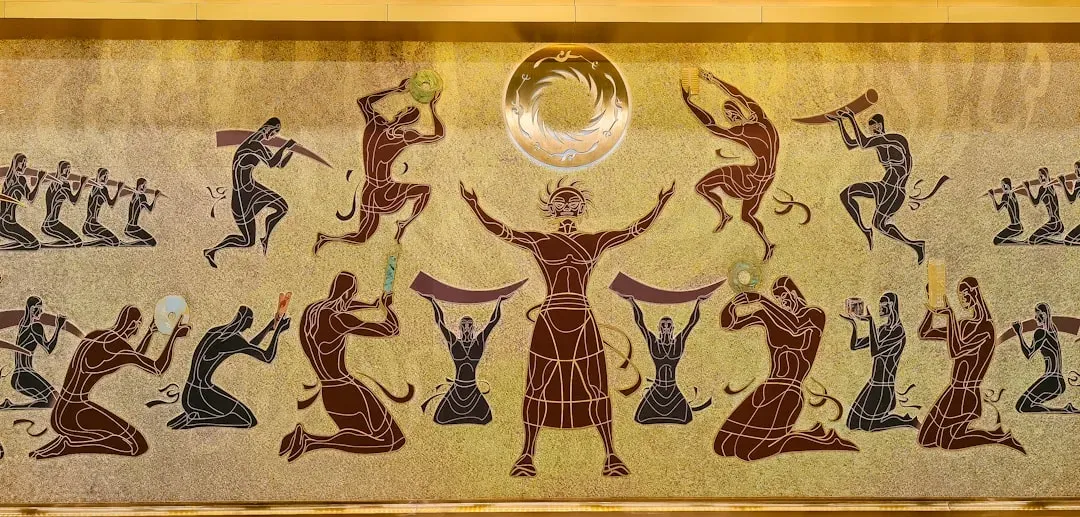
Archaeoastronomy is the study of how ancient civilizations observed and utilized celestial phenomena in their cultures. Many historic structures were designed by ancient civilizations to align with astronomical events like solstices and equinoxes, offering insights into how early civilizations understood, tracked, and utilized celestial cycles. It’s hard to say for sure how long scholars underestimated these societies, but we know the recalibration is now in full swing. It wasn’t until the late 19th century that prominent British astronomer Sir Norman Lockyer first seriously began to look at ancient temples around the world and noted many astronomical alignments, yet even then most archaeologists downplayed such observations as coincidence or merely structural aspects of primitive religious beliefs.
Today, a surge of interest in archaeoastronomy is reemerging among scholars and stargazers alike. Advances in satellite imaging, drone technology, and computational modeling allow researchers to construct celestial alignments of ancient sites with precision, revealing insights into how early civilizations observed and interpreted the night sky. This renewed focus has led to discoveries of previously unnoticed alignments in ancient structures, shedding light on their astronomical significance. Indigenous communities around the world are also actively working to preserve and utilize their traditional sky knowledge, which has been passed down through generations. By integrating this ancestral information with modern scientific methods, researchers are gaining a more comprehensive and holistic understanding of how ancient peoples perceived and interacted with the cosmos.
Conclusion: The Stars Were Never Just Pretty Lights
What ties all of this together is a simple, powerful truth: ancient peoples were not fumbling in the dark. They were observing, recording, calculating, and building with a level of cosmic awareness that honestly puts our distracted, screen-lit modern habits to shame. The astronomical knowledge amassed by these ancient civilizations helped shape their identities, their histories, and their philosophies, and these early contributions continue to echo through time, underpinning modern astronomy’s foundations.
The legacy of archaeoastronomy reminds us that the stars have been more than just distant lights; they were guides, calendars, deities, and storytellers. The careful alignment of ancient structures with celestial events speaks to a universal human desire to find meaning and order in the cosmos. Every pyramid shaft, every stone circle, every clay tablet scratched with celestial data is a message from people who looked up with curiosity, intelligence, and remarkable purpose. The real question worth sitting with is this: what would today’s scientists discover tomorrow, if they just kept looking a little harder at what these ancient minds left behind?