
Imagine standing in a meadow on a sunny afternoon. You see green grass, bright flowers, a blue sky. It’s beautiful, right? Now imagine that same meadow, but suddenly every single flower blazes with intricate ultraviolet patterns, invisible highways of light guiding you toward hidden nectar. A snake nearby glows with heat. The sky pulses with frequencies you’ve never seen. That’s the meadow another animal might experience – and honestly, it makes your version look like a rough draft.
The animal kingdom operates on entirely different sensory frequencies than we do. Some creatures detect heat, read polarized light, hear sounds that travel for kilometers underground, or see colors that don’t even have a human name. The gap between what you perceive and what they perceive is staggering. Ready to have your mind completely rearranged? Let’s dive in.
Your Eyes Are Actually Quite Limited – Here’s the Hard Truth
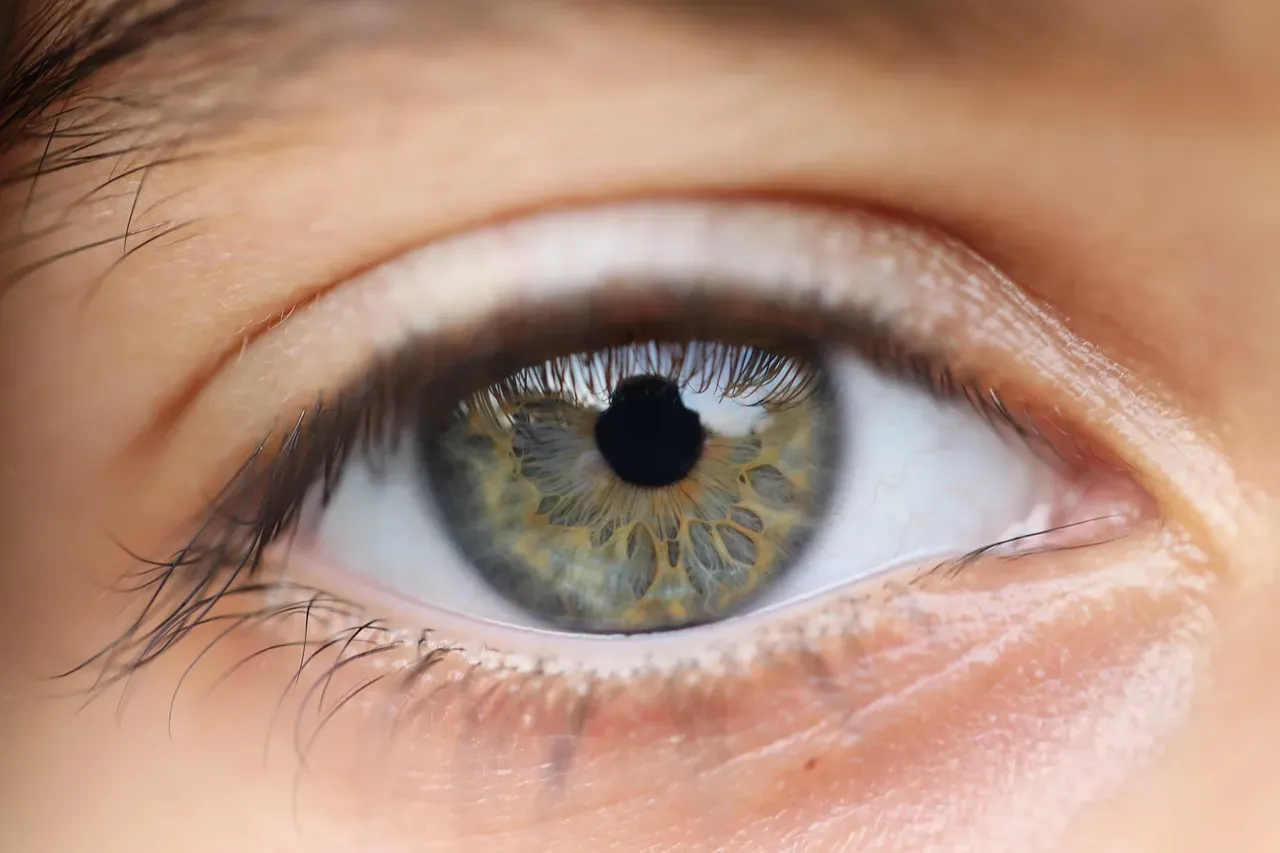
You walk through the world thinking you’re taking it all in, but here’s the thing: your eyes perceive only three colors – red, green, and blue – while some animals see a fourth: ultraviolet. That’s not a small upgrade. That’s like living your whole life watching standard definition television and discovering that other creatures have been watching something entirely beyond your screen’s capability.
Some animals can see other parts of the spectrum, including infrared and ultraviolet, which helps them perceive all sorts of things that are invisible to humans. The world you call “visible” is really just a tiny, narrow slice of what’s out there. The lack of UV sensitivity in humans is more of an exception than the rule. Let that sink in for a moment.
The Mantis Shrimp – Nature’s Most Outrageous Visual System
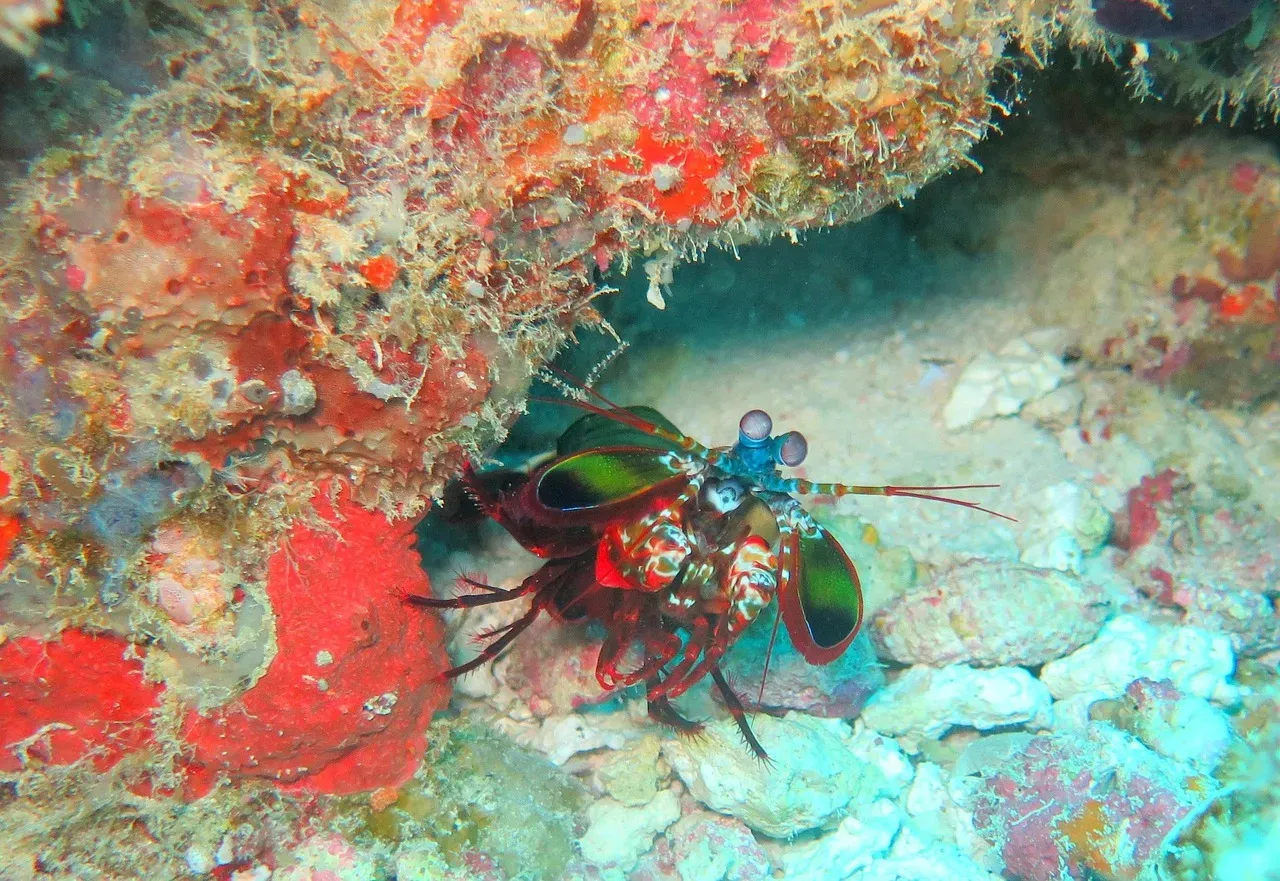
If there’s one creature that makes human eyesight look embarrassingly basic, it’s the mantis shrimp. The mantis shrimp has up to 16 separate photoreceptors, each one doing a different visual task, including polarization. Compare that to your three photoreceptors and you start to feel a little humble. These creatures also pack a punch that accelerates as fast as a bullet, and they possess what are widely regarded as the most complex eyes of any animal.
Here’s where it gets genuinely fascinating, though. Using their scanning technique coupled with 12 photoreceptor types, mantis shrimp vision allows for rapid color recognition without the need to discriminate between wavelengths within a spectrum. It’s less like seeing a rainbow and more like running a biological barcode scanner. The polarization element of mantis shrimp vision has even inspired cancer detection methods that utilize this form of light in early detection of a variety of cancers invisible to the human eye. Their eyes are literally changing medicine.
Birds See a World Splashed With Ultraviolet Colors
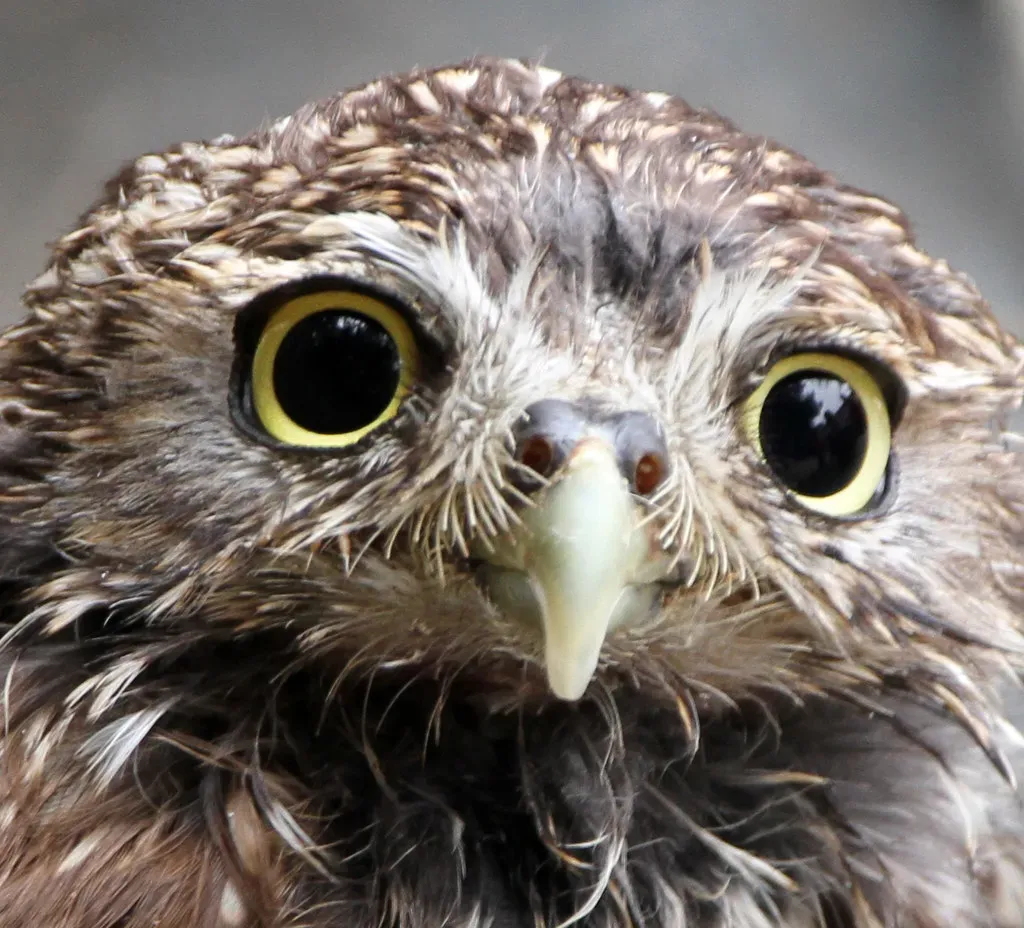
Birds of prey such as eagles and hawks have excellent color vision, with four types of cone cells, allowing them to see the visible spectrum plus ultraviolet light. This ability helps these birds locate prey from great distances. It’s like having a built-in heat map layered on top of everything they see. For a hawk circling high above a field, you and a mouse look very different indeed.
While humans perceive just one kind of nonspectral color – purple – birds can theoretically see up to five: purple, ultraviolet plus red, ultraviolet plus green, ultraviolet plus yellow, and ultraviolet plus purple. That’s not just more colors. That’s an entirely different visual language. For birds, ultraviolet perception is a survival trait – it helps them distinguish fruitful berries from harmful ones and decipher signals in plumage that indicate fitness and compatibility.
Bees Navigate a Floral World You Can’t Even Imagine
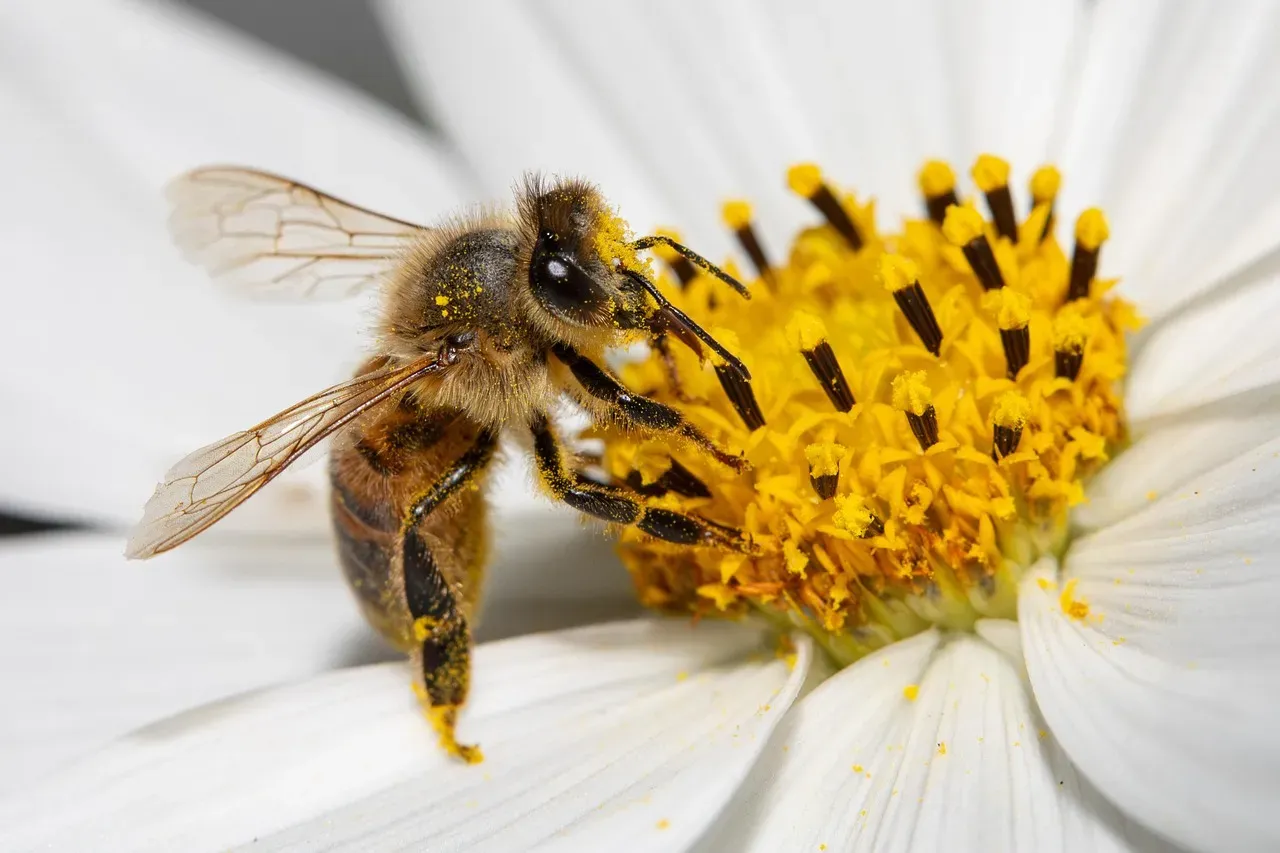
You look at a flower and you see color, shape, maybe a pleasant fragrance in the air. A bee looks at that same flower and sees something completely different. Bees rely on UV perception to track lines on flower petals that point directly toward their prized nectar. Think of it as runway lighting at an airport, except the runway is invisible to you and brilliantly lit for the bee.
When flowers are examined in UV light, patterns of light and dark are visible. These patterns guide bees to the part of the flower where they will find nectar. These patterned calling cards also benefit the plant by directing a bee to portions of the flower where it will pick up pollen that can then be spread to other flowers. Every garden you’ve ever admired is, to a bee, a full sensory symphony. It’s humbling to realize you’ve only ever heard one instrument in the orchestra.
Snakes Hunt by Reading the Heat of Your Body
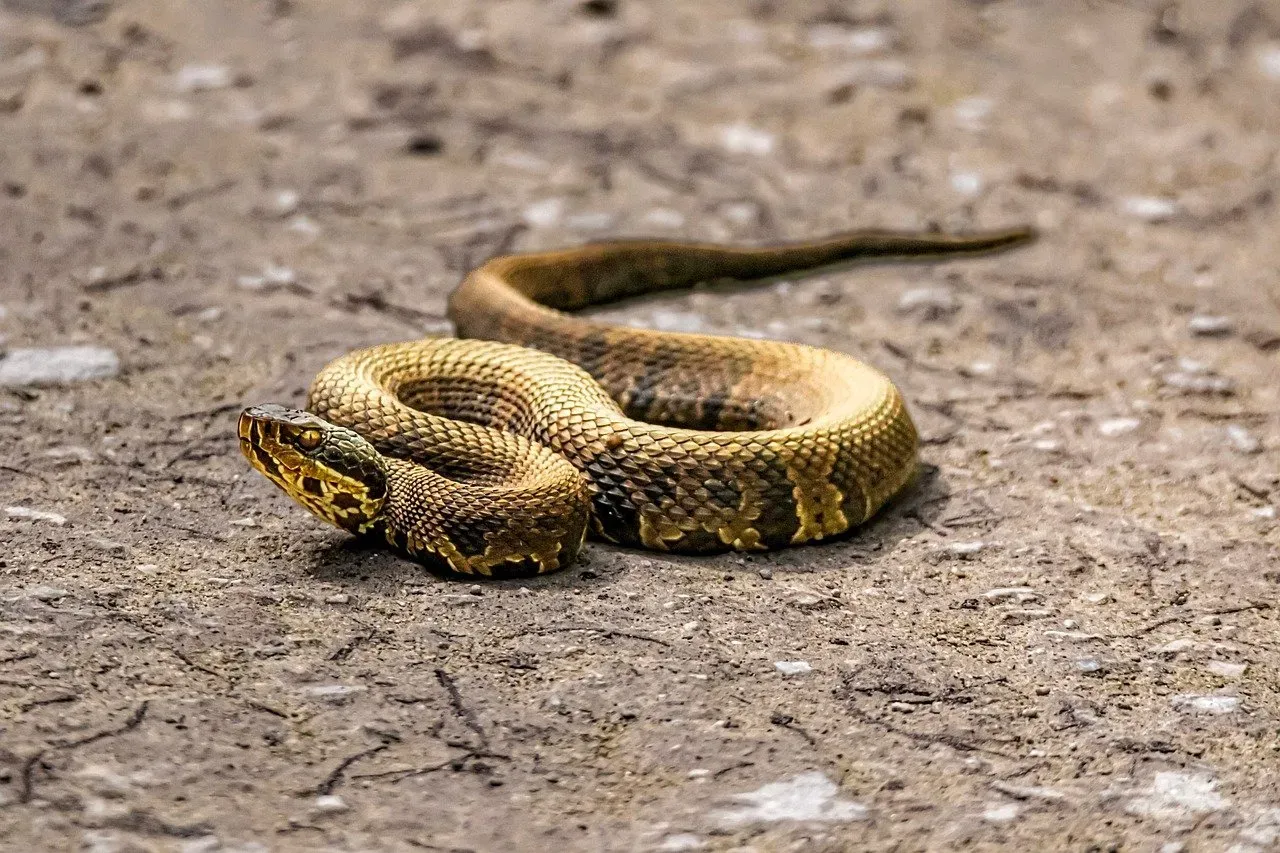
Snakes don’t just see the world. Some of them sense the warmth radiating off every living thing around them. Some snake species have sense organs in their noses that detect warmth-emitting infrared rays coming from prey like mice and other rodents. Imagine walking through a dark room and being able to detect every warm-blooded creature by the faint heat they radiate. That’s a Friday night for a pit viper.
Their pit organs, located between the eyes and nostrils, facilitate this infrared perception, granting them a sixth sense that transforms their understanding of the world around them. Through this unique adaptation, pit vipers inherit a versatile and effective hunting strategy. Honestly, it’s one of the most elegant evolutionary solutions in all of nature. When you can’t always see your prey clearly, you just detect its heat signature instead. Problem solved.
Dogs Live in a World of Blue, Yellow – and Extraordinary Smell
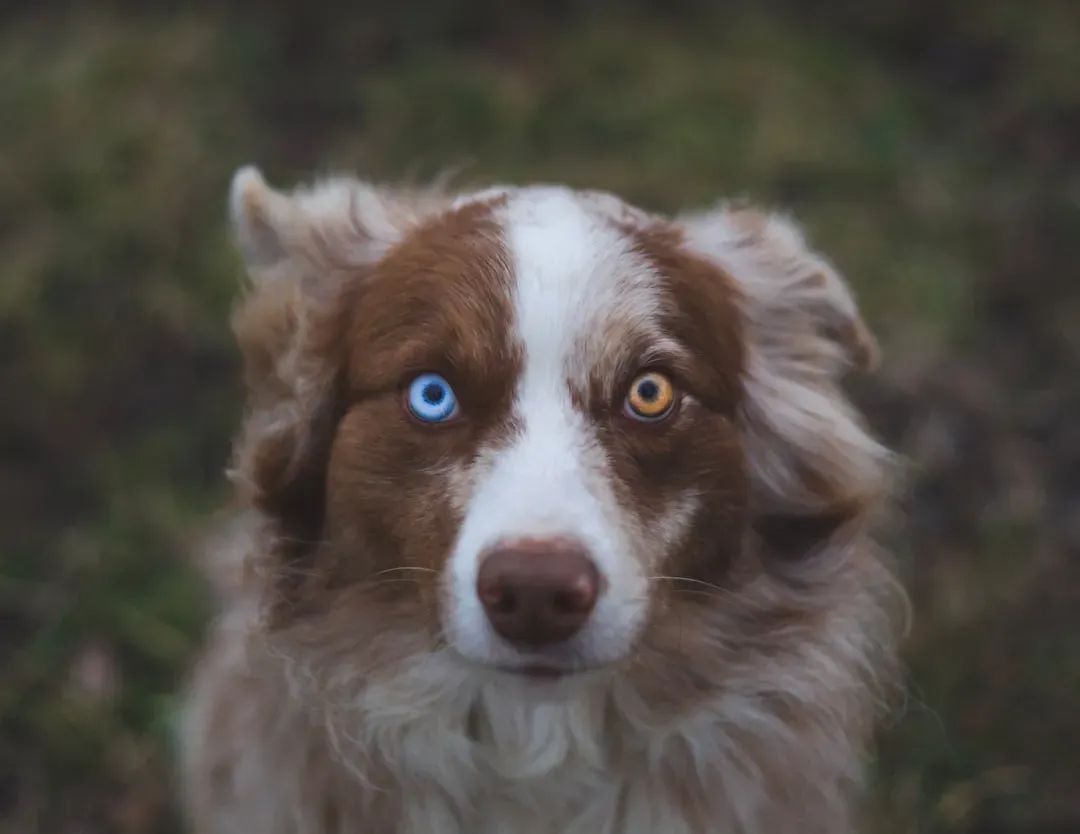
You’ve probably heard that dogs are colorblind, but the real story is a little more nuanced than that. Dog color vision is described as dichromatic, or “two-colored.” Dogs are good at distinguishing between variations of blues and yellows, but they can’t see red and green well. That brilliant red ball you throw across the green lawn? Dogs see red and green as shades of gray, so if you throw a red ball onto your lawn, it will blend in with the green grass, making it hard for your dog to spot.
Still, let’s be real – dogs are not missing out on life. They are much better at detecting motion and can also see more clearly in dim light. Dogs also have an exceptional sense of smell – studies indicate that a dog’s sense of smell is 1,000 to 10,000 times better than ours. So while your dog might see the world in muted yellows and blues, they’re reading a novel’s worth of olfactory information that you’re completely missing. In the grand trade-off of senses, they may have gotten the better deal.
Butterflies and Their Astonishing Rainbow of Receptors
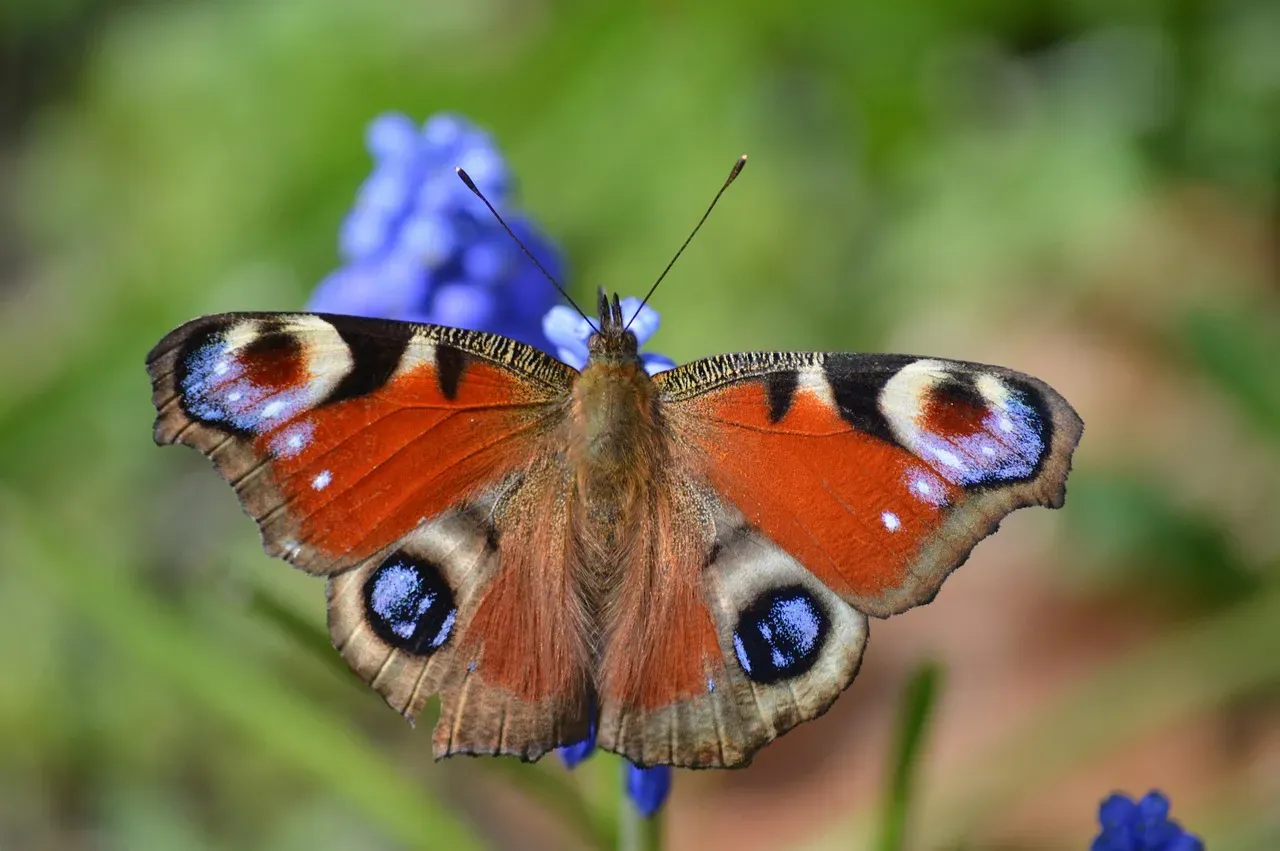
If you thought having three types of color receptors made humans sophisticated, wait until you meet a butterfly. With one type of cone stimulated by ultraviolet, another by violet, three by varying shades of blue, one blue-green, four by green, and five by red light, the common bluebottle butterfly has five times as many color photoreceptors as we do. Five times. That’s not evolution being modest.
What’s even more interesting is that butterflies don’t seem to use all of these receptors all the time. Researchers believe the butterflies only use four of their photoreceptors for day-to-day color vision, while the other 11 are used in specific environments, such as picking out objects hidden in vegetation. It’s like having a luxury car with ten modes but only using sport mode when you really need it. Butterflies such as the swallowtail have up to 15 color receptors, allowing them to discern a wide range of colors vital for foraging and mating choices.
Elephants Communicate Across Kilometers in Complete Silence
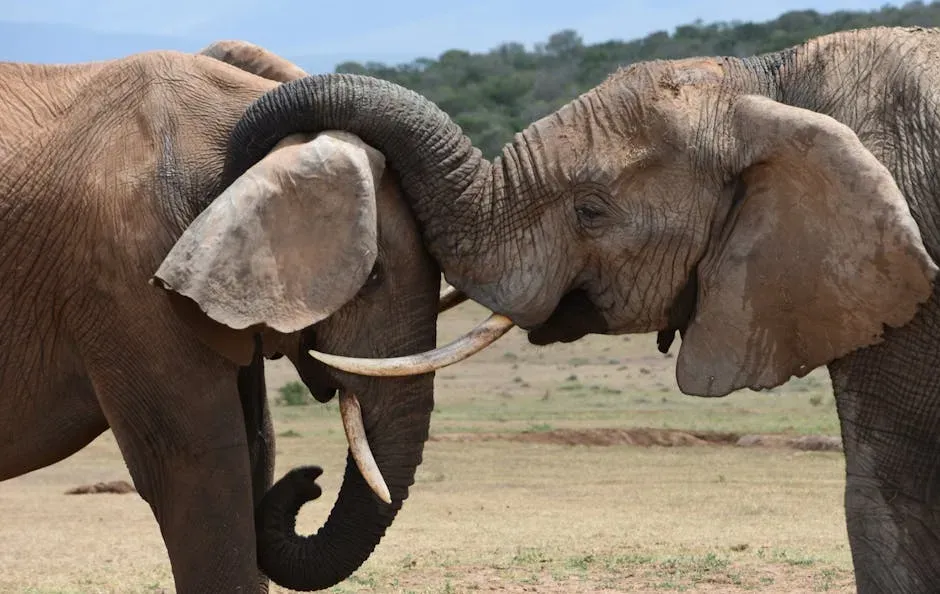
Picture this: two elephant herds, several kilometers apart, separated by thick forest. No visible contact. No sounds that you can hear. Yet they’re communicating in real time. African elephants can detect sounds as low as 5 Hz, well below the human hearing threshold of 20 Hz. This infrasound communication capability allows elephants to communicate over several kilometers, using low-frequency rumbles that travel efficiently through both air and ground.
Elephants use infrasound to communicate over long distances, sometimes spanning several kilometers. These low-frequency sounds are less susceptible to atmospheric interference and can travel through dense vegetation. Infrasound allows elephants to maintain social bonds, warn of danger, and coordinate movements. It’s hard not to be moved by the idea that these animals have a whole conversation happening at frequencies we’ll never access. They’re having a private dialogue in a language built out of sound waves our ears simply weren’t designed to catch.
Bats Navigate an Invisible Sonic World in Complete Darkness
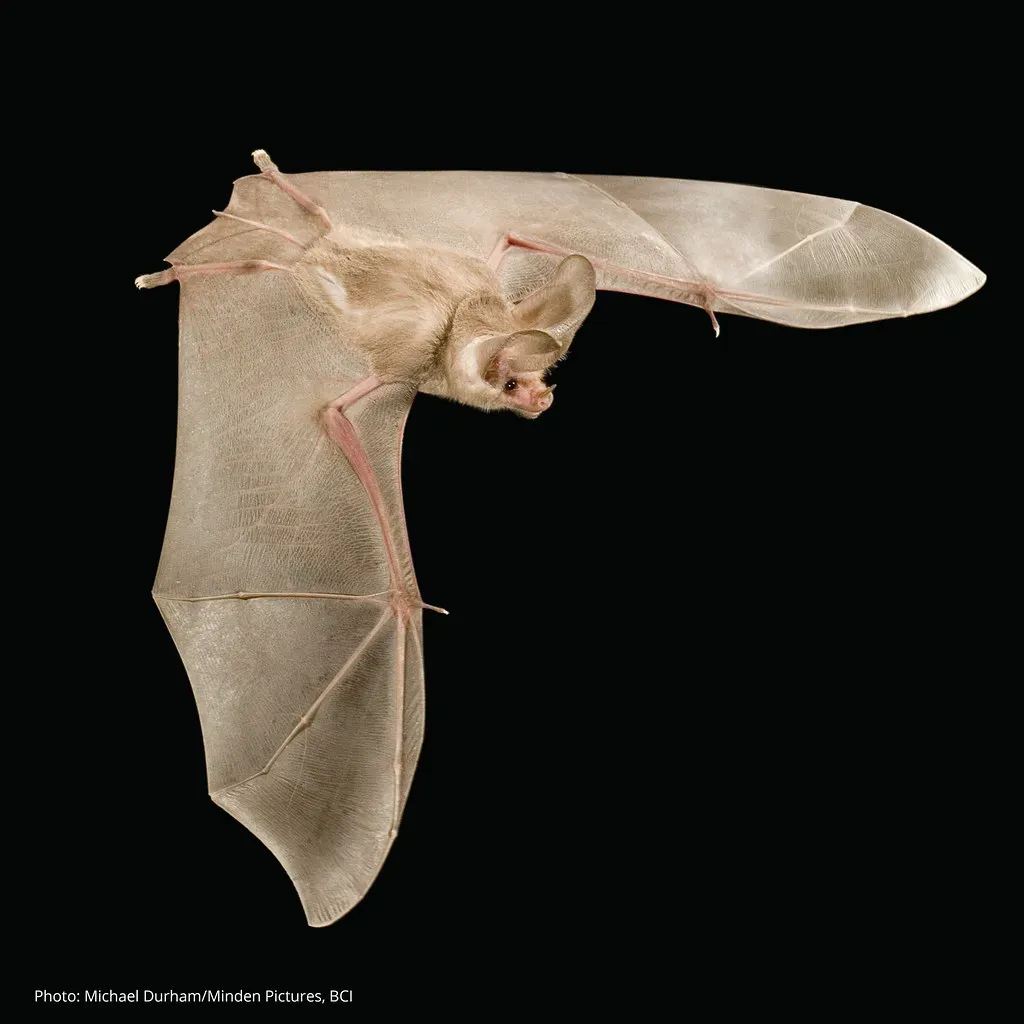
Echolocation, also called biosonar, is a biological active sonar used by several animal groups, both in the air and underwater. Echolocating animals emit calls and listen to the echoes of those calls that return from various objects near them, using these echoes to locate and identify the objects. It sounds almost impossibly sophisticated, but it’s just a Tuesday night for a bat hunting moths in a pitch-black forest.
With echolocation, a bat or other animal can tell not only where it is going, but also how big another animal is, what kind of animal it is, and other features. That’s a complete picture of the environment, built entirely from sound bouncing off objects. Bat call frequencies range from as low as 11 kHz to as high as 212 kHz – most of which you’ll never hear. I think that’s one of the most quietly mind-bending facts in all of biology: an animal drawing a detailed map of the world in total darkness, entirely through sound.
Conclusion: The World Is Far Richer Than You’ll Ever Experience
Every time you step outside and look at the world around you, you’re really only catching a fraction of what’s actually there. Even when it comes to blues and greens, the precise wavelength of light an animal experiences as “pure blue” is specific to each species. As a result, no two species see the world in the same colors. That thought, more than any specific fact in this article, is the one that stays with you.
The animal kingdom is packed with creatures that hear frequencies you’ll never detect, see light your eyes filter out, feel vibrations through the earth, and navigate invisible heat landscapes. We can study the anatomy of different eyes and how they detect light and color, but we don’t exactly know how each animal’s brain interprets the information from photoreceptor cells like rods and cones. There’s still so much we’re working to understand. The deeper science digs, the more extraordinary the animal world becomes – and the more you realize how much your own senses leave out.
You’ve been walking through a world bursting with ultraviolet flowers, infrared heat maps, and infrasonic conversations – completely unaware. What do you think about that? Drop your thoughts in the comments below.