
You probably think you know your own memory pretty well. After all, you’ve been using it your entire life, right? You trust it like an old friend. You rely on it to recognize faces, recall names, replay embarrassing moments at 2 a.m., and navigate every single decision you make. But here’s the wild part – science keeps revealing that almost everything we assume about how memory works is spectacularly wrong.
Memory is not a camera. It’s not a hard drive. It’s something far stranger, far more creative, and honestly, a little frightening. From memories that form before you’re even born to the fact that your body outside your brain can hold memories too, the rabbit hole goes very, very deep. Let’s dive in.
Your Brain’s Memory Storage Capacity Is Almost Incomprehensibly Vast
Most people walk around quietly assuming their brains are kind of full. You forget someone’s name or miss a birthday and think, “Okay, I’m running low on space.” Let’s be real – that’s not how it works at all. There’s virtually no limit to what your brain can remember, and the brain’s storage capacity is actually pretty astounding. It can store about 2.5 petabytes of data. To make that click, think of it this way: a rough calculation suggests that 2.5 petabytes equals 2,500,000 gigabytes, or roughly 300 years worth of TV.
The human brain has about one billion neurons inside it, with each one capable of creating 1,000 connections to other neurons. Each neuron forms about 1,000 connections to other neurons, amounting to more than a trillion connections, and neurons combine so that each one helps with many memories at a time, exponentially increasing the brain’s memory storage capacity. So if you keep forgetting where you put your keys, the problem isn’t storage space. The problem is something else entirely – and that’s what makes memory so fascinating.
Your Memories Actually Begin Before You Are Born
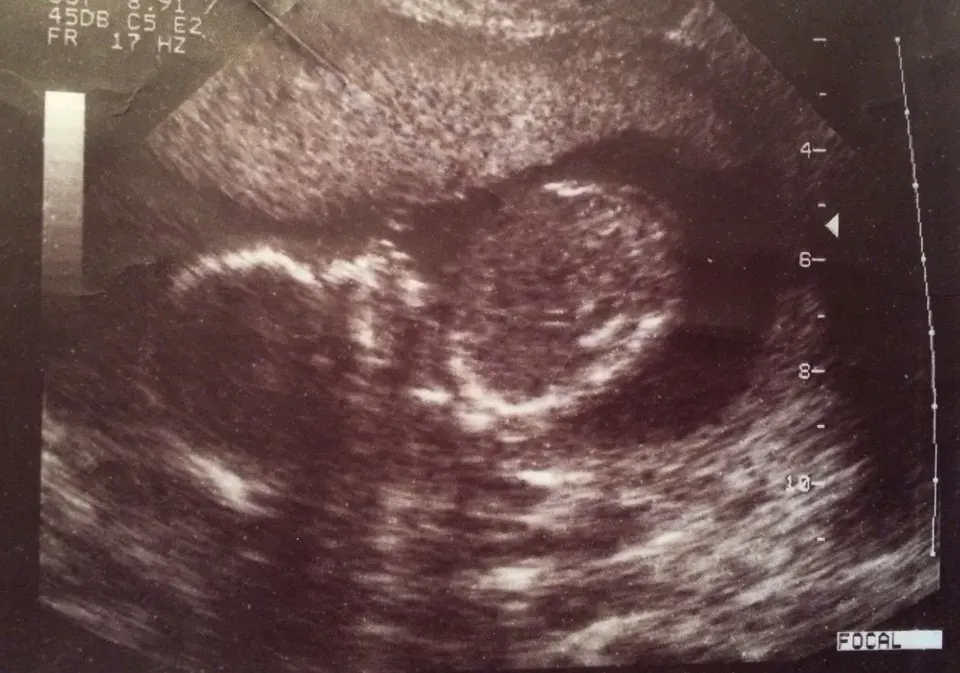
This one genuinely stops people in their tracks. You’d think memory kicks in once you’re old enough to string a sentence together. Nope. Recent studies have found that a fetus has the brain capabilities required for memory just 20 weeks after conception. This isn’t to say people can actually retain memories formed inside the womb; however, the language babies hear during pregnancy is the one they find easiest to learn during childhood. That’s extraordinary when you think about it.
Scientists came to this conclusion from testing in which acoustic signals were sent through a mother’s abdomen, and the fetus’ reaction was monitored using an ultrasonic scanner. When this process was applied an hour or a day later, the fetus reacted, which suggests some form of retention. Known as prenatal or fetal memory, experiments have shown that fetuses can remember sounds played to them, and scientists now believe that prenatal memory is crucial in the development of attachment for an infant to its mother. Your memory, in other words, has a longer head start than your first breath.
Memory Is Not Just Stored in Your Brain
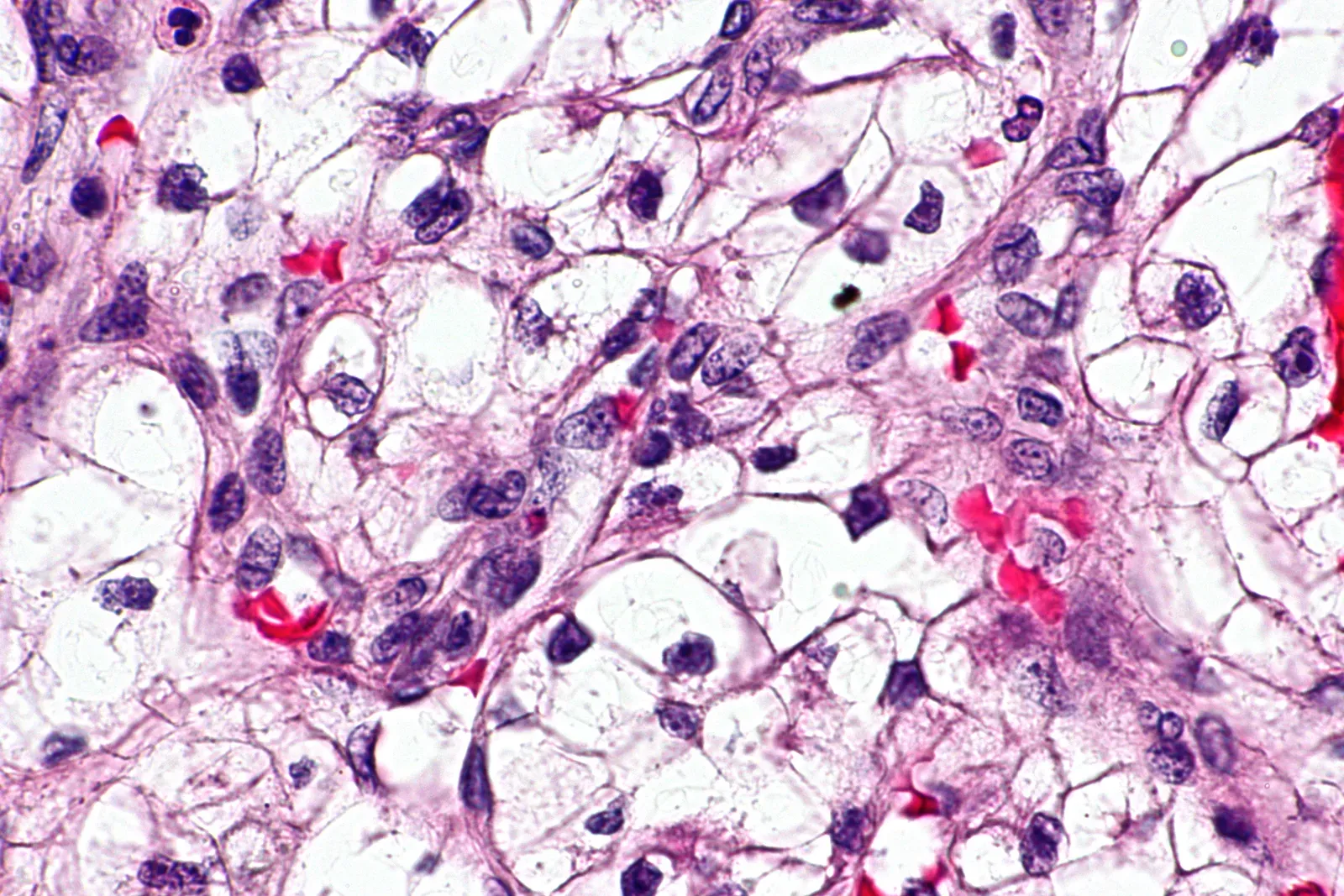
Here’s the thing – this might be the most mind-blowing discovery to come out of memory research in recent years, and it’s still not widely known. It turns out your brain might not be the only part of your body that remembers. Scientists at NYU have found that cells outside the brain, like those from your kidneys, can actually “learn” and form memories. By mimicking how the brain processes information using spaced repetition, researchers showed that even non-brain cells can activate a key memory gene in response to patterns.
This suggests memory isn’t just a brain thing – it might be a basic feature of many cells in the body. Researchers discovered that even kidney and nerve tissue cells can detect learning patterns and activate a memory gene, just like neurons do. This opens new possibilities for enhancing learning and treating memory conditions. Think of it as your whole body quietly taking notes, even when your brain isn’t paying attention. The implications for medicine and our understanding of intelligence are still being untangled.
Your Memory Rewrites Itself Every Time You Remember Something
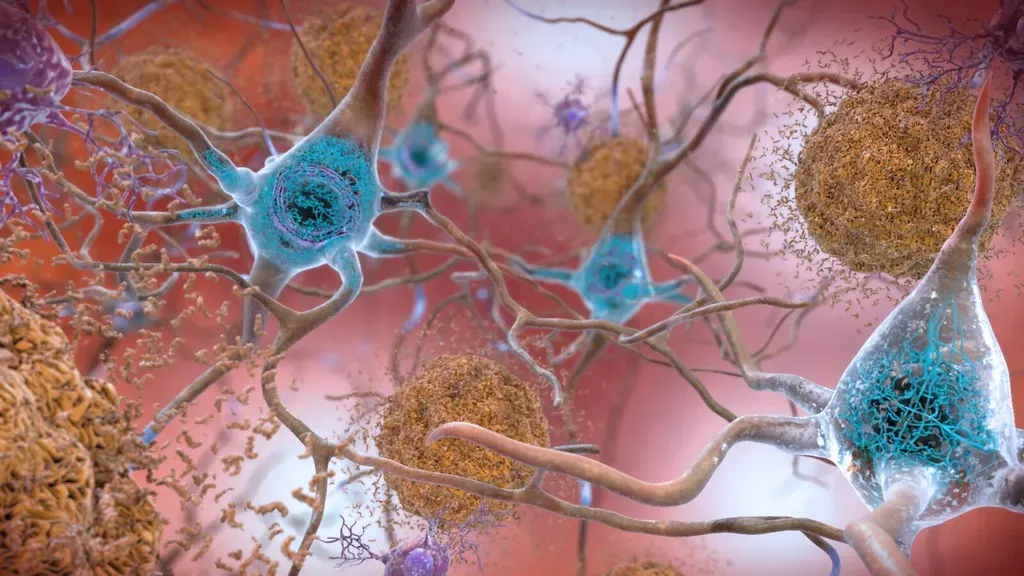
This one is a little unsettling, honestly. You might picture yourself replaying a memory like watching a saved video file. Clean, accurate, unchanged. But science tells a very different story. Every time you revisit a cherished memory, you aren’t just recalling it, but actively rewriting it, subtly altering its details, adding new layers, or even blurring the edges. The truth about human memory is far more complex, dynamic, and astonishingly unreliable than most of us dare to imagine. It’s not a static vault of perfect records; it’s a living, breathing, constantly evolving narrative, pieced together and reconstructed anew with each recall.
Researchers are starting to understand that the human mind can re-invent, distort, exaggerate, or create a memory after any traumatic experience or event. Memory is not a recording, like a saved file on a computer. Instead, recollection is a creative act. This makes it very difficult to distinguish false memories from accurate ones. Imagine editing a document every time you open it, without realizing you’re making changes. That’s closer to what your brain is actually doing with every memory you revisit.
Sleep Is Your Brain’s Secret Memory Consolidation Machine
You’ve probably been told to “sleep on it” when you can’t figure something out. Turns out, that advice is backed up by serious science. The prevailing theory of active systems consolidation suggests that during sleep, newly acquired memories initially stored in the hippocampus are gradually transferred and integrated into cortical networks, where they become more permanent and resistant to interference. In other words, every night of good sleep is essentially a memory upgrade.
Memory consolidation is closely tied to sleep, especially during REM cycles. During sleep, the hippocampus repeatedly replays daily experiences, strengthening neural connections in the cortex by up to 300%. During sleep, recent memories are replayed by the hippocampus, leading to their consolidation, with a higher priority given to salient experiences. So the next time someone judges you for sleeping in, you can tell them with complete scientific confidence that you were consolidating neural pathways. You were, essentially, doing brain maintenance.
False Memories Can Feel Exactly as Real as True Ones

I know it sounds crazy, but you may be carrying memories of things that never actually happened, and you’d never know the difference. When a witness takes the stand and confidently identifies a defendant, jurors interpret that confidence as proof of accuracy, unaware that the human brain routinely generates false memories with the same neural signatures as true ones. This isn’t about lying – it’s about the deeply reconstructive nature of memory itself.
Eyewitnesses can provide very compelling legal testimony, but rather than recording experiences flawlessly, their memories are susceptible to a variety of errors and biases. They can make errors in remembering specific details and can even remember whole events that did not actually happen. Faulty eyewitness testimony has been implicated in at least 75% of DNA exoneration cases, more than any other cause. The justice system has been dealing with the consequences of false memory for decades, and the sobering truth is that absolute certainty in your own memory is not necessarily a sign of accuracy.
Emotional Events Can Reach Back in Time to Save Weak Memories
Here’s something that sounds almost cinematic: your brain can travel backward in time to rescue a fading memory, but only if it decides the memory is connected to something emotionally meaningful. Boston University researchers found that ordinary moments can gain staying power if they’re connected to significant emotional events. Using studies with hundreds of participants, they showed that the brain prioritizes fragile memories when they overlap with meaningful experiences.
A new Boston University study suggests that memories of mundane moments are given extra sticking power if they become connected to a significant event, something surprising, rewarding, or carrying an emotional punch. Watch your lottery numbers cash in, for example, and you’re likely to remember what you were doing in the moments before, however unremarkable and unmemorable they might have otherwise been. The findings could potentially lead to improved treatments for people with memory problems or even help students retain tricky concepts. Your brain, it turns out, has an emotional sorting system that decides which boring moments are worth keeping.
Long-Term Memory Can Form Without Short-Term Memory as a Middleman
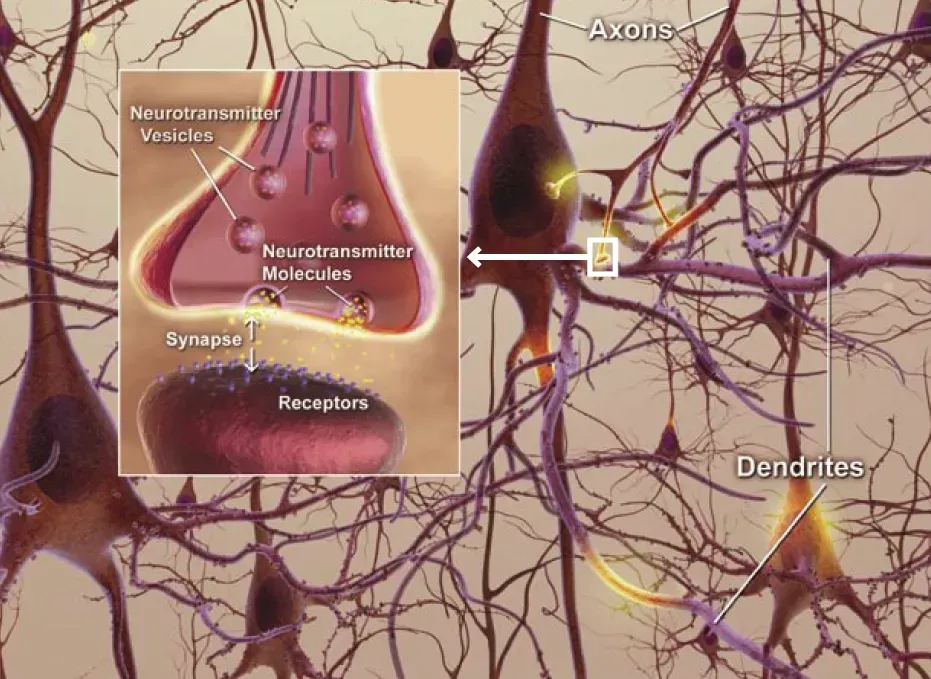
For years, the scientific consensus was relatively clear: a memory had to pass through short-term memory before it could settle into long-term storage. It was like a waiting room you couldn’t skip. Well, that model has now been turned on its head. Researchers have discovered a new pathway to forming long-term memories in the brain. Their work suggests that long-term memory can form independently of short-term memory, a finding that opens exciting possibilities for understanding memory-related conditions.
Researchers from Max Planck Florida Institute for Neuroscience discovered a new pathway to forming long-term memories in the brain. Their work suggests that long-term memory can form independently of short-term memory, a finding that opens exciting possibilities for understanding memory-related conditions. This study has changed the model of how memories are formed in the brain. Significant scientific advances often come after previous models of understanding are overturned. It’s a reminder that just when we think we’ve got the brain figured out, it goes ahead and rewrites the rulebook entirely.
Memory Athletes Aren’t Born – They’re Built Through Technique

You might assume that people with astonishing memory abilities are just wired differently from birth. Some kind of genetic lottery win. But the science says otherwise, and that’s actually the most empowering fact of all. There are actual memory athletes who compete globally, performing astonishing feats of recall. These individuals aren’t born with superhuman brains; they train rigorously using sophisticated mnemonic techniques.
The most famous is the “memory palace” (or method of loci), where competitors mentally associate items to be remembered with specific locations in a familiar imagined place. Other techniques include chunking, creating vivid mental images, and associating numbers with specific sounds or images. These competitions demonstrate the incredible potential of the human mind when trained with effective strategies, pushing the boundaries of what’s considered possible for human memory. This means your memory is more like a muscle than a fixed trait – something you can genuinely train, strengthen, and push beyond what you ever thought possible. That’s worth sitting with for a moment.
Conclusion
Your memory is not the passive, neutral recorder you might have always assumed it to be. It is creative, dynamic, surprisingly unreliable in some ways, and breathtakingly powerful in others. It starts working before you take your first breath, it rewrites itself every time you use it, it stores information across your entire body, and it secretly works hardest while you sleep. The more science digs into it, the more mysterious and astonishing it becomes.
Understanding how your memory actually works isn’t just an intellectual curiosity. It changes how you learn, how you sleep, how you handle emotional experiences, and how much trust you place in your own recollections. The brain you walk around with every day is doing things that still genuinely surprise the scientists who study it full time. Honestly, that says everything.
So here’s a thought to leave you with: if you could redesign your memory from scratch, knowing everything you now know about how it truly works, what would you change first? Tell us in the comments.