There is something deeply unsettling about watching a species disappear in real time. Not in the abstract, textbook sense – but in the very real, documented, GPS-tracked, photograph-verified sense that we are living through right now in 2026. America, a country that invented the modern conservation movement, is still losing creatures at a pace that should make all of us pause.
There are currently 1,677 species protected under federal law in the United States, and behind every number on that list is a story of shrinking habitat, climate pressure, disease, and sometimes heartbreaking human carelessness. Some of these species are clinging on with just a few hundred individuals left. Others have populations so thin that one bad season could tip the whole thing over the edge. So who are they, and what’s being done? Let’s dive in.
The Red Wolf: America’s Most Endangered Wolf
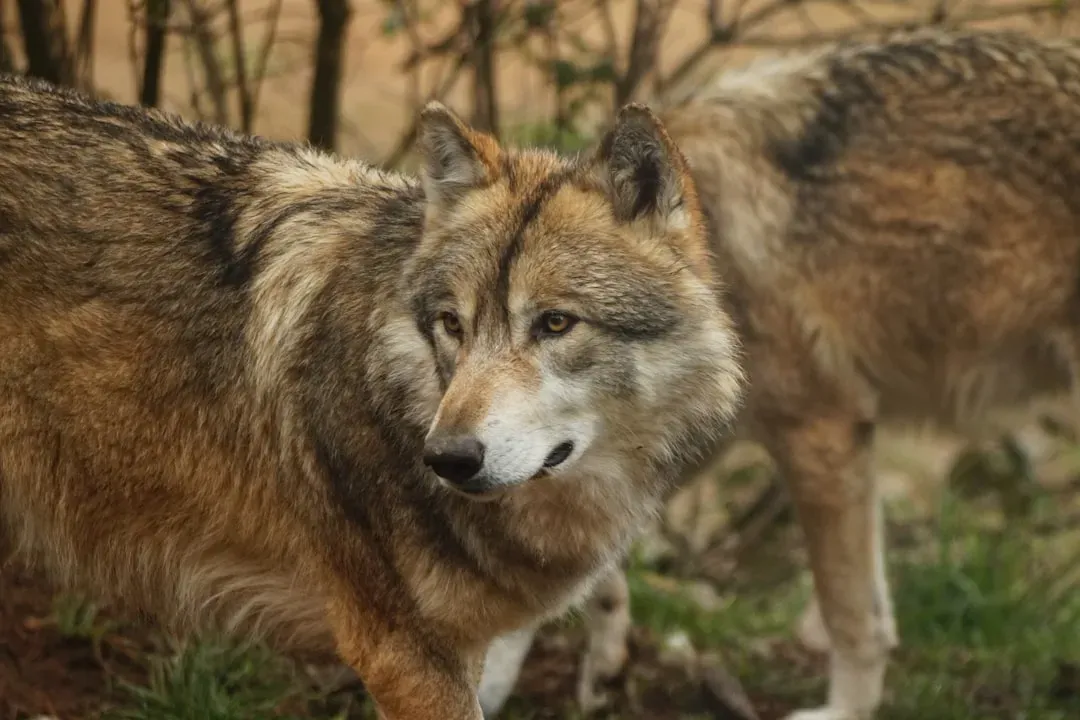
Here’s a fact that honestly floors me every time I think about it: the rarest wolf on Earth isn’t in some remote rainforest. It lives in North Carolina. The red wolf is identifiable by its reddish fur behind its ears, neck and legs, and holds the title of the world’s most endangered wolf. It once roamed across much of the southeastern United States, but habitat loss, hunting, and hybridization with coyotes drove it to the very edge of oblivion.
The red wolf was the featured animal in a major national awareness campaign in early 2025, with the North Carolina Wildlife Federation actively supporting red wolf recovery efforts in the Albemarle Peninsula of North Carolina. The U.S. Fish and Wildlife Service has also announced informational meetings to update the public on the Red Wolf Recovery Program, including revitalized recovery efforts and coyote management in the eastern North Carolina recovery area. The stakes are extraordinarily high. Lose this animal and you lose one of the most distinct wolf lineages in the world.
The Florida Manatee: A Recovery Story With a Troubling Twist
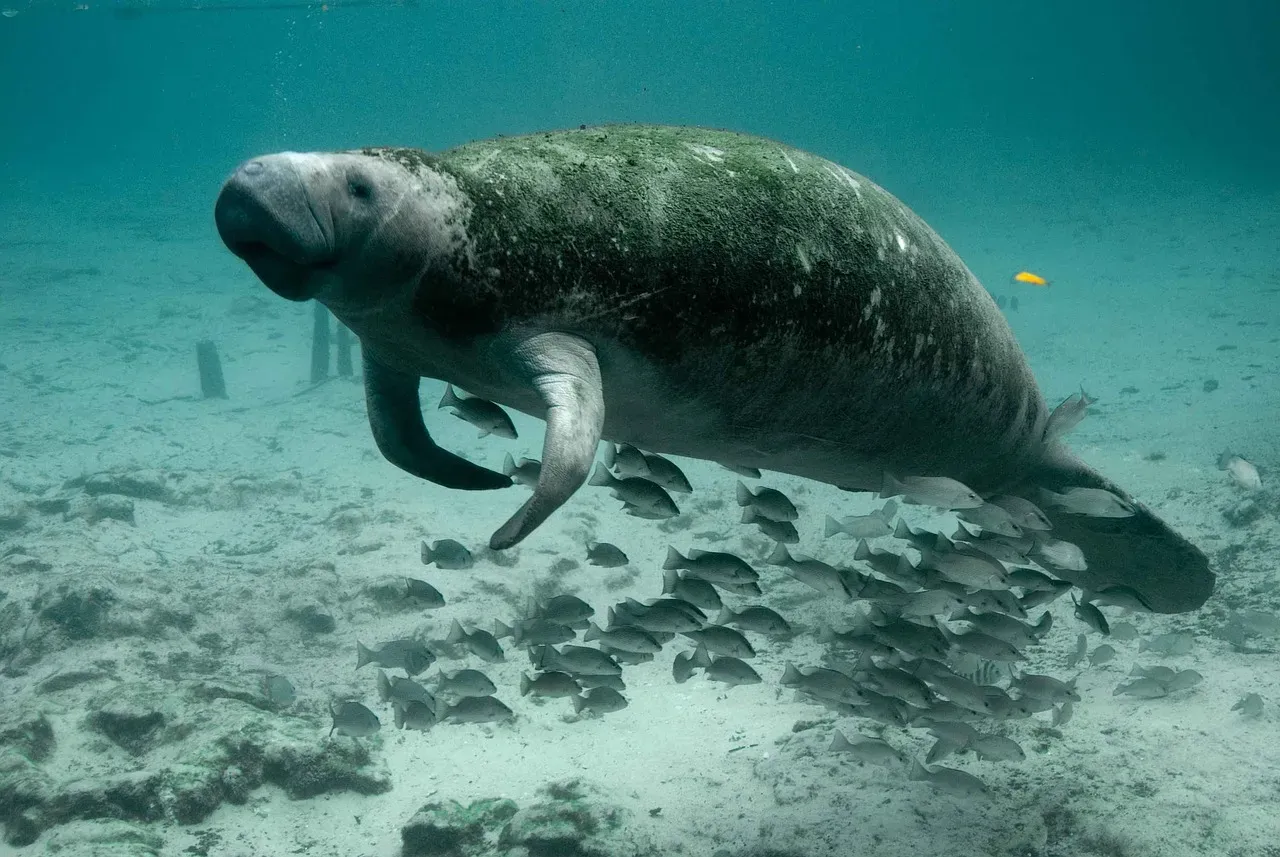
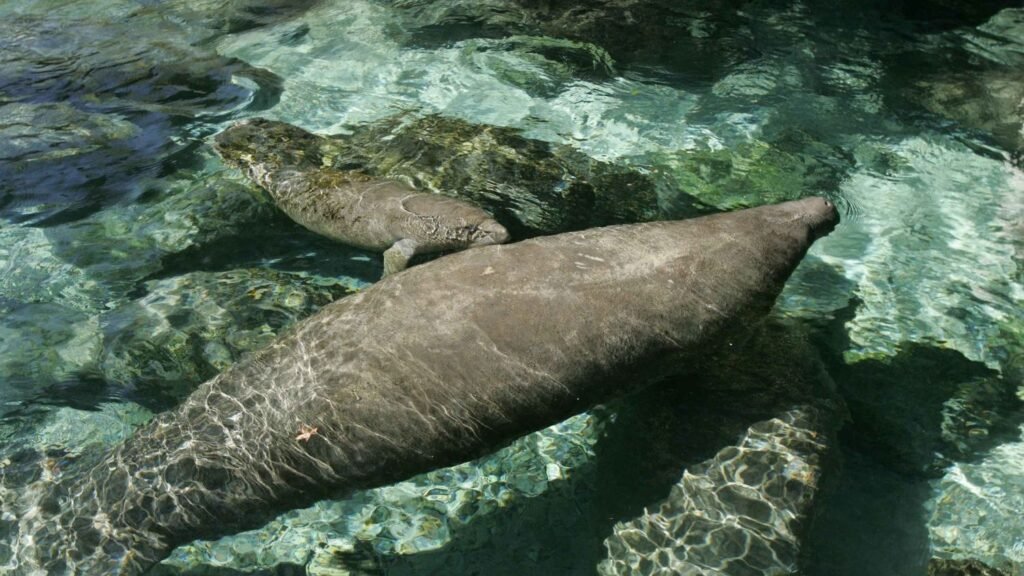
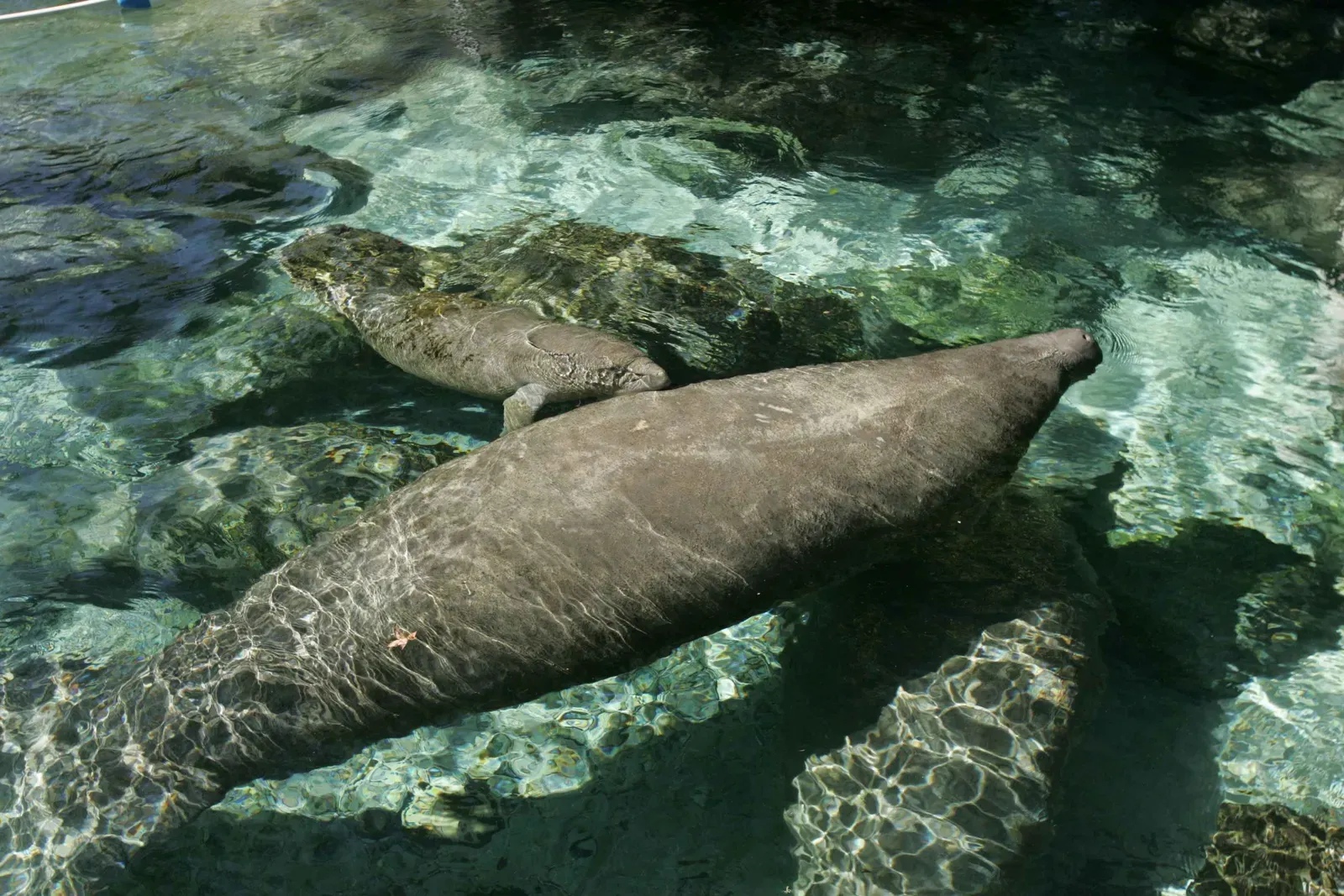
The Florida manatee is one of those species that feels like a conservation success story – until you look at the recent numbers. The manatee was among the first wildlife species to be protected under the newly-created Endangered Species Preservation Act in 1967, and thanks to decades of conservation efforts, its numbers recovered enough that the US Fish and Wildlife Service downlisted the species from “endangered” to “threatened” in 2017. That felt like a win. Then came a brutal wake-up call.
Between 2021 and 2022, nearly 2,000 manatees died in Florida, far exceeding the annual average of 578 deaths between 2015 and 2020, in what NOAA described as an “unusual mortality event.” Recent water pollution has led to seagrass die-offs, which are their primary food source, and this has led to mass mortality events since 2021, raising calls to re-list them as endangered. It’s a sobering reminder that “recovered” does not mean “safe.”
The California Condor: Pulled Back From Six Individuals
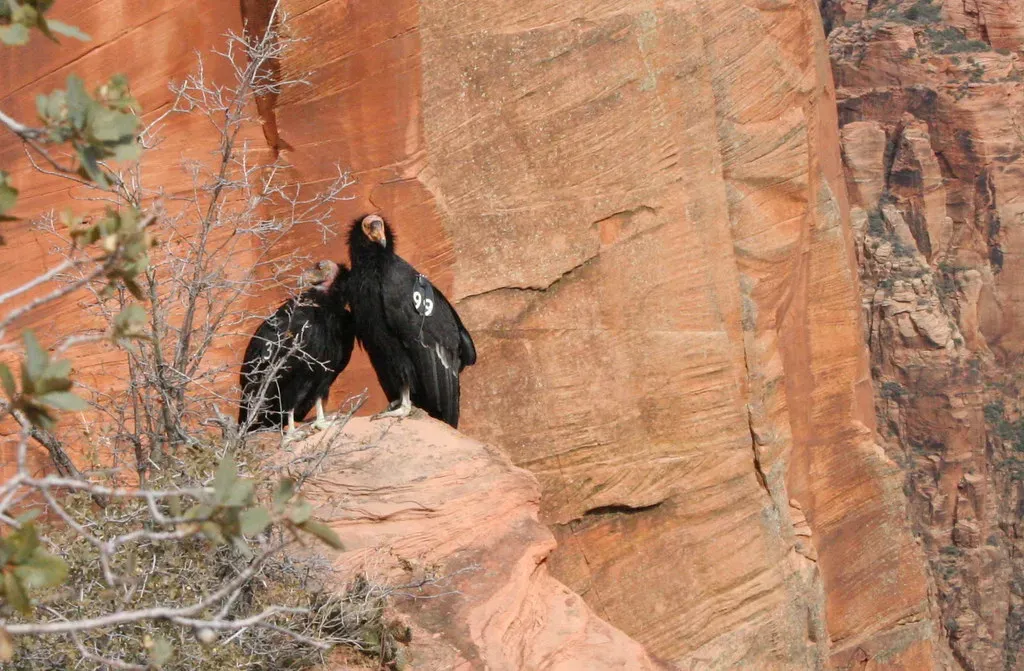
I know it sounds crazy, but there was a point in the 1980s when the entire California condor population could have fit inside a single school bus. Though the bald eagle is the most recognizable bird of prey in the US, the California condor is the largest known wild bird in North America – and by the 1980s, only about six individuals were left in the wild, a result of lead poisoning from ingesting bullet fragments in animal carcasses and reduced eggshell thickness from the pesticide DDT. That is about as close to gone as a species can get.
The remaining six condors were then captured for an intensive breeding recovery program, which helped boost population numbers up to 223 by 2003. The California condor population has since grown from those 27 individuals recorded in 1987 to over 500 birds today through captive breeding and careful reintroduction programs. Yet the threats haven’t gone away. Legislation like the “Protecting Access for Hunters and Anglers Act” could prohibit the regulation of lead ammunition on certain federal lands, leading to potential lead poisoning of wildlife, including the critically endangered California condor.
The Northern Long-Eared Bat: Taken Down by a Fungus
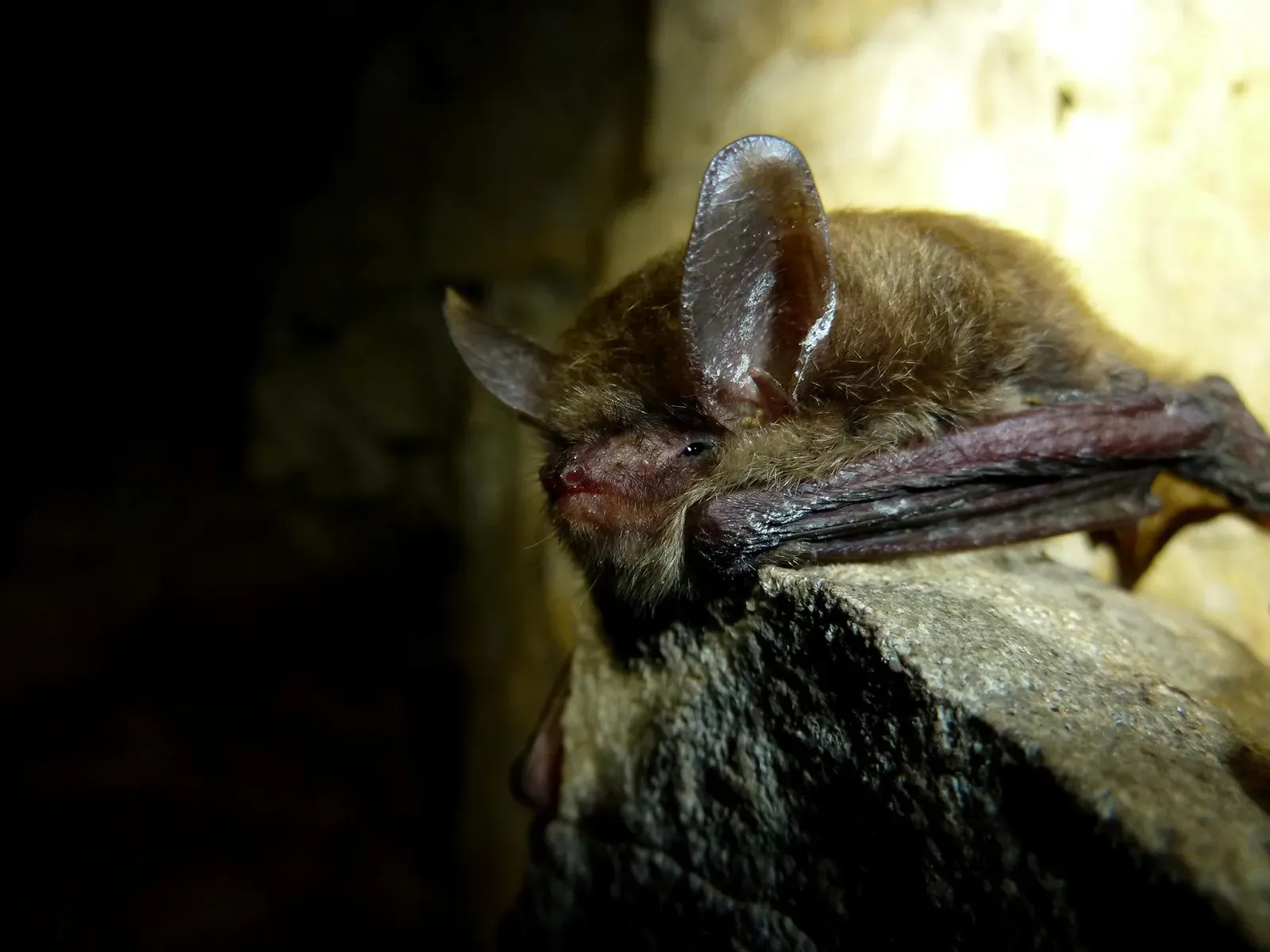
Uploaded by Dolovis, Public domain)
When people think about endangered animals, bats rarely top the list. They probably should. The northern long-eared bat is one of Montana’s 15 bat species, and populations across North America have suffered declines greater than 90 percent due to impacts from white-nose syndrome, a disease caused by a cold-adapted fungus that primarily affects hibernating bats. The species was listed as Threatened under the Endangered Species Act in 2015 and upgraded to Endangered in 2023. That escalation in status happened fast, which tells you everything you need to know.
White-nose syndrome, caused by the fungus Pseudogymnoascus destructans, has killed millions of bats across North America since 2006, with mortality rates often exceeding 90% in affected colonies. The disease disrupts bats’ hibernation patterns, causing them to deplete essential fat reserves and often leading to death. Bats are critical to healthy, functioning ecosystems and contribute at least $3 billion annually to the U.S. agriculture economy through pest control and pollination. In other words, losing them isn’t just a wildlife tragedy. It’s an economic one too.
The Whooping Crane: A Towering Symbol of Fragile Hope
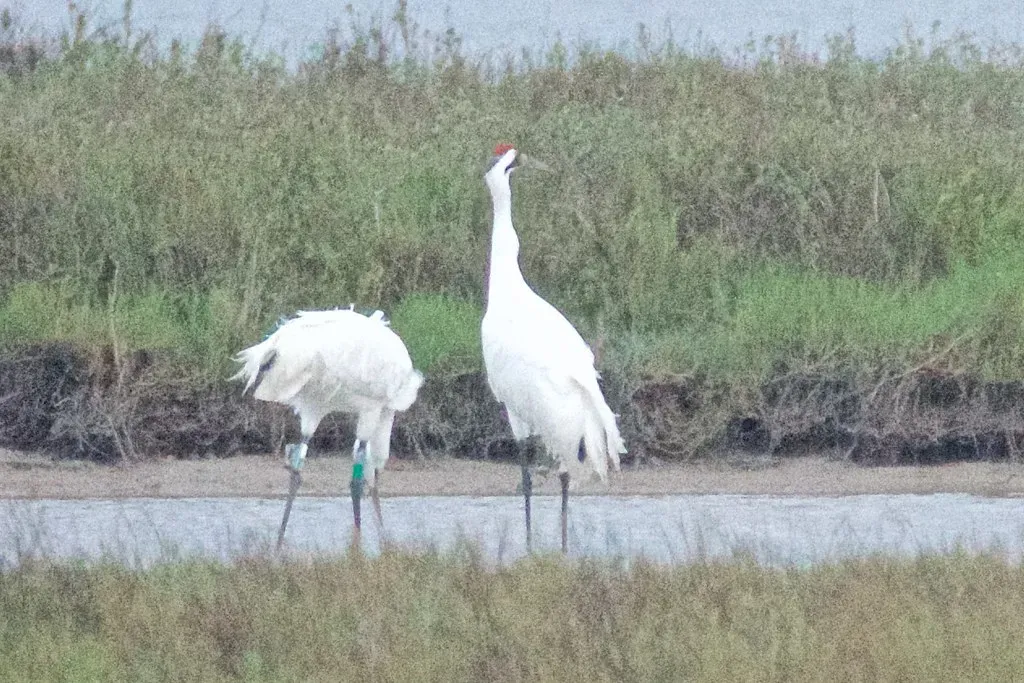
Standing nearly five feet tall with a wingspan approaching seven and a half feet, the whooping crane is North America’s tallest bird and one of its most electrically beautiful. It is also one of the most closely watched animals on the continent. The world whooping crane population now stands at 319, the highest level of the century, with the only self-sustaining wild population wintering at Aransas National Wildlife Refuge on the Texas coast. That number sounds promising, but let’s be real – nearly 320 individuals is still razor-thin for an entire species.
Whooping cranes face ongoing threats from habitat loss and power line collisions, and you’ll find them resting in wetlands and grasslands during their migration between Canada and Texas. Montana wildlife officials track crane movements with GPS collars, and the data helps identify important stopover sites along their demanding migratory route. Every single nest, every chick that survives to fledgling, is celebrated by conservationists almost like a birth announcement.
The Hawaiian Monk Seal: The Last Wild Seal of the Pacific Islands
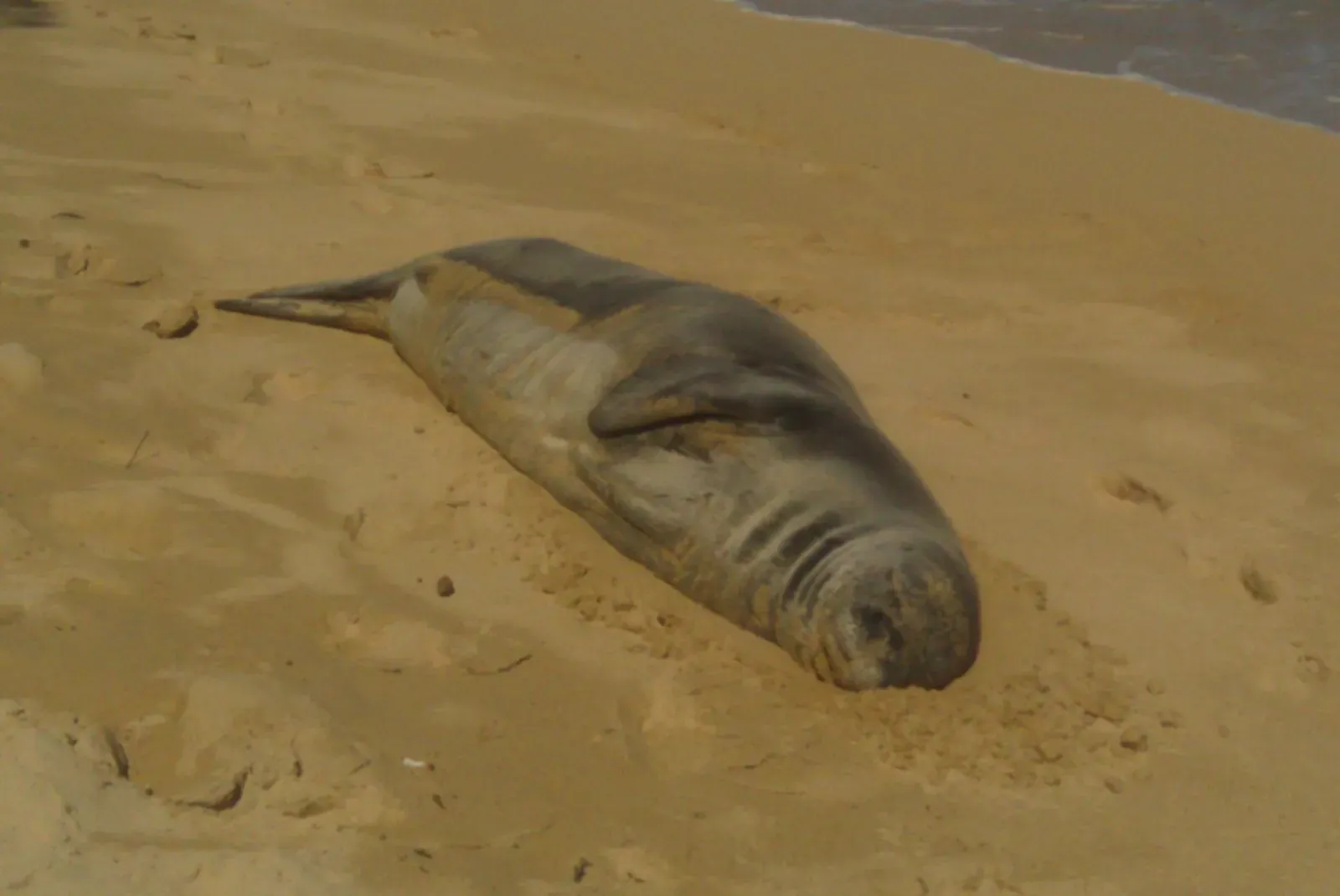
The Hawaiian monk seal is endemic to the Hawaiian Islands, making it one of the most geographically isolated marine mammals in the world. Think of it as the biological equivalent of a small island nation with no allies nearby. The small population of about 1,400 individuals is threatened by human encroachment, very low levels of genetic variation, entanglement in fishing nets, marine debris, disease, and past commercial hunting for skins. That is a remarkably long list of pressures for a single species to carry.
In Papahānaumokuākea, low juvenile survival – likely related to limited food availability – led to further decline from the late 1990s through the early 2010s, but the Hawaiian monk seal population began to increase gradually in 2013 in both Papahānaumokuākea and the main Hawaiian Islands thanks to monitoring and recovery efforts, and it continues to grow at a slow, steady rate. The population surpassed 1,500 seals in 2021 for the first time in more than two decades, a milestone researchers did not take for granted.
The Rusty Patched Bumble Bee: An Insect on the Brink
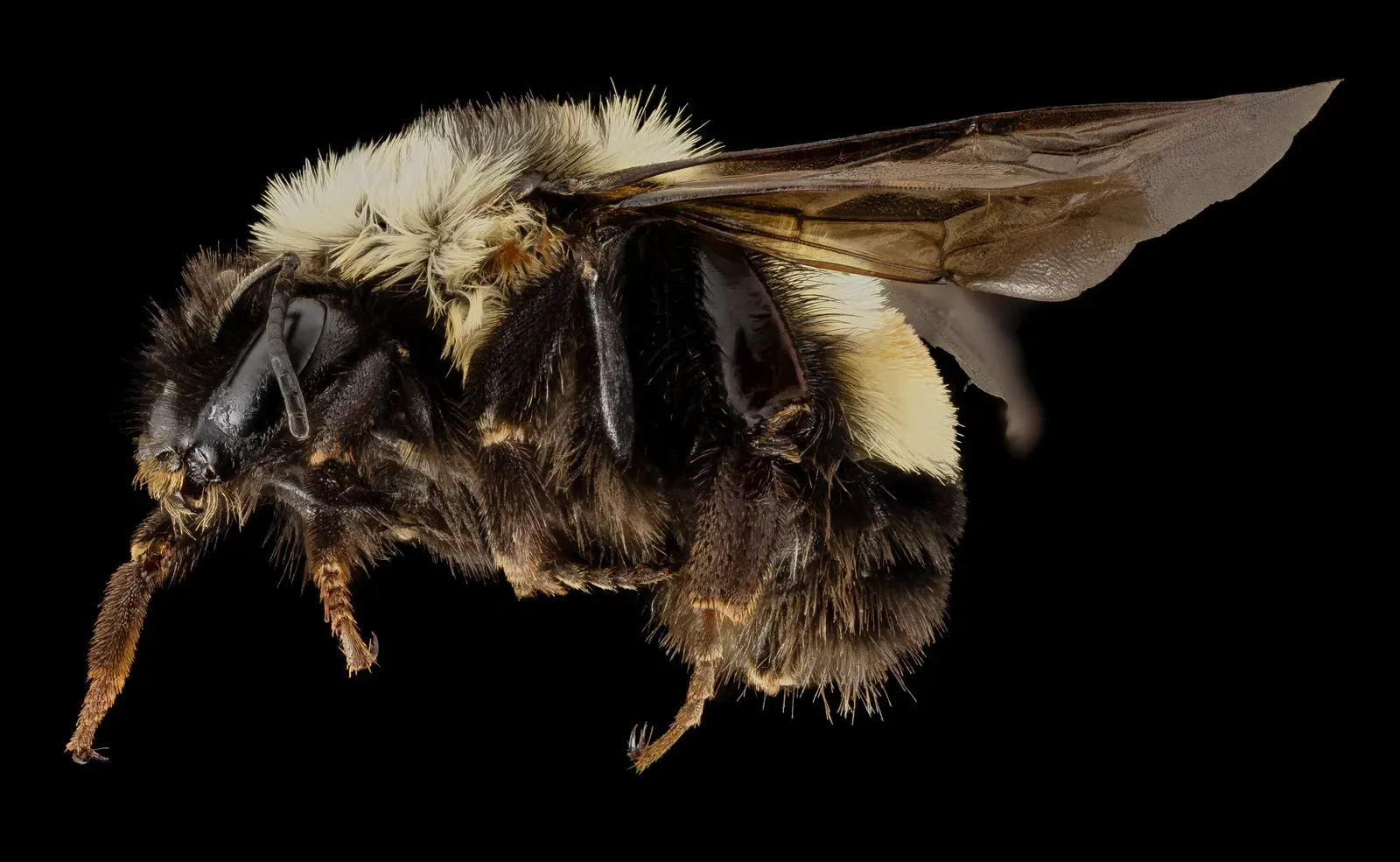
You might wonder why a bee makes this list. Here’s the thing – this particular bee is the first wild bee to be listed as federally endangered in the continental United States, and its disappearance would send shockwaves through ecosystems far beyond what most people realize. Historically, the rusty patched bumble bee was broadly distributed across the eastern United States, Upper Midwest, and southern Quebec and Ontario in Canada, but since 2000 has been reported from only 13 states and one Canadian province. That’s a collapse covering most of its original range.
The U.S. Fish and Wildlife Service is proposing to designate 1,635,746 acres of occupied critical habitat across 33 counties in Illinois, Iowa, Minnesota, Virginia, West Virginia and Wisconsin for the endangered rusty patched bumble bee under the Endangered Species Act. It’s a significant effort, but the bee faces ongoing threats from pesticides, habitat fragmentation, and disease. The rapid decline of this once-widespread species is driven by climate change, ongoing habitat loss and fragmentation, and the unnecessary and excessive use of pesticides.
The Black-Footed Ferret: America’s Own Phoenix
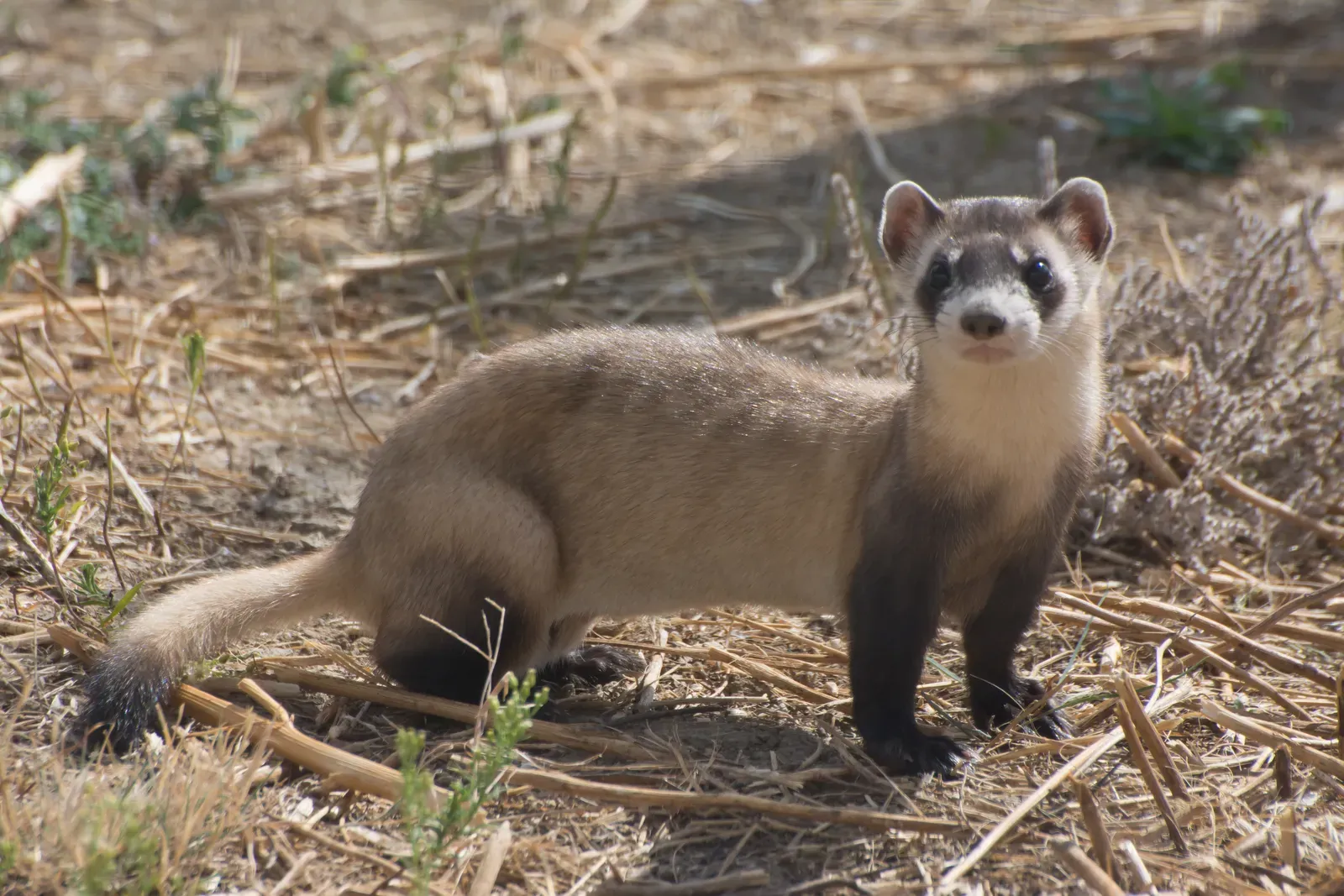
The black-footed ferret has one of the most dramatic comeback stories in American conservation history, though the chapter isn’t finished yet. Once common throughout the Great Plains, from southern Canada to northern Mexico, the species became extinct in the wild in the 1980s, though conservation efforts successfully reintroduced populations in eight western US states and in Chihuahua, Mexico. Honestly, the fact that it came back from wild extinction at all is something close to miraculous.
The black-footed ferret relies on prairie dog colonies to survive but has faced near extinction due to habitat conversion and disease outbreaks. Endangered since 1967, captive breeding programs have bolstered their numbers to nearly 340 individuals left in the wild today. Many also need active management of their habitats, such as removing invasive species or restoring damaged areas – and for ferrets, that means protecting the vast prairie dog towns that are their hunting grounds, their nurseries, and their home.
The Kootenai River White Sturgeon: An Ancient Fish Losing Its Future
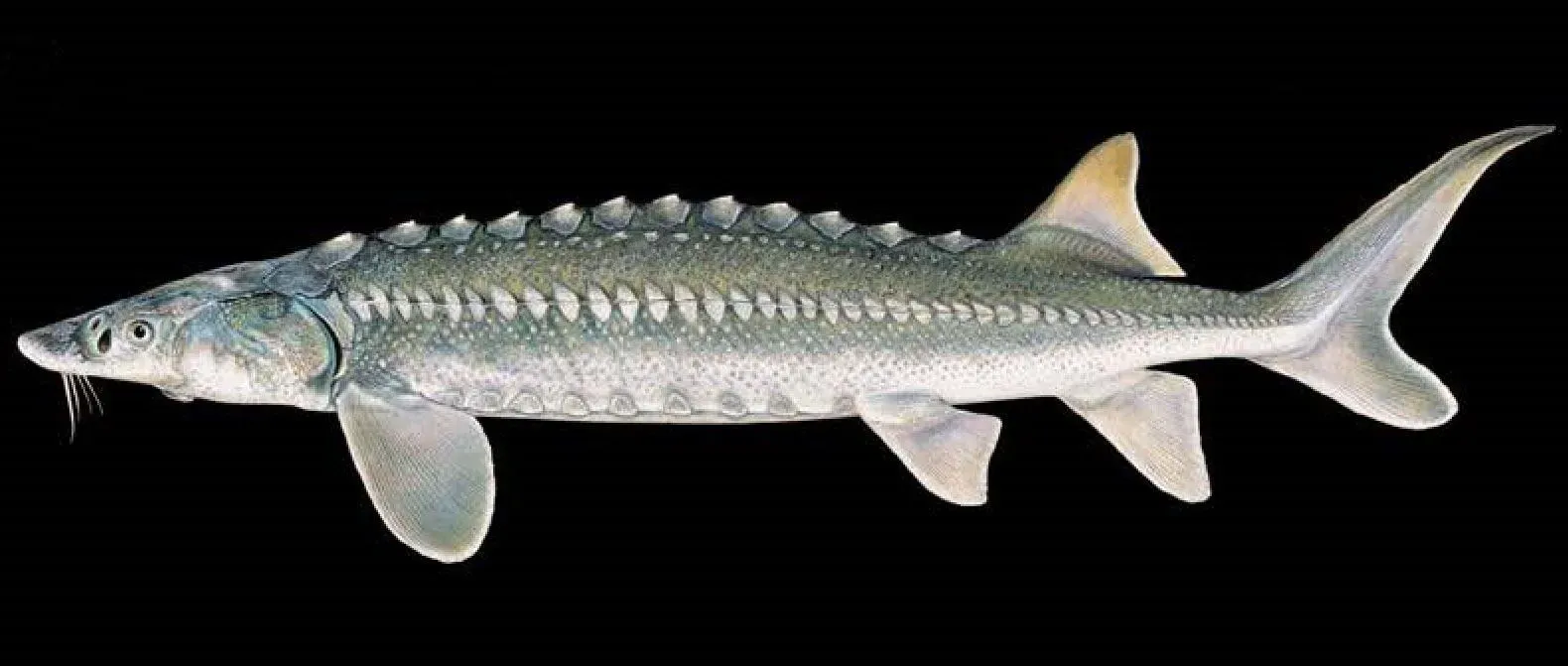
There is something almost mythological about sturgeon. These fish are older than dinosaurs in terms of their evolutionary lineage, and yet in a single century, human activity has pushed some populations to the very edge of extinction. The Kootenai River white sturgeon was listed as endangered in 1994, and this population had been declining for at least forty years, with natural reproduction insignificant since 1974. Natural reproduction essentially stopped before most people alive today were even born.
Current estimates suggest fewer than 800 wild Kootenai River White Sturgeon remain, with most being older individuals, and natural reproduction has been virtually non-existent since the 1970s, placing this population on the brink of extinction. The Kootenai Tribe of Idaho and Montana Fish, Wildlife and Parks operate conservation hatchery programs that collect eggs from wild adults, raise juvenile sturgeon in captivity, and release them back into the river, with habitat restoration projects aiming to recreate spawning conditions by adding rocky substrate and modifying dam operations. It’s painstaking, costly work – but it may be the only thing keeping this ancient fish alive.
The North Atlantic Right Whale: Racing Against Extinction in Open Water
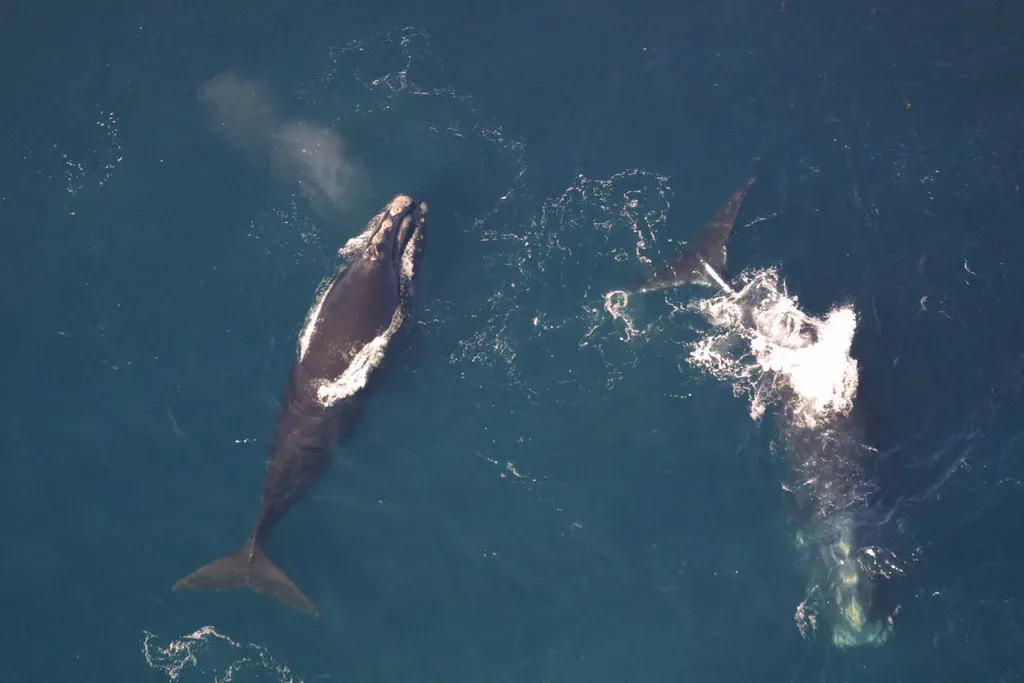
Of all the species on this list, the North Atlantic right whale may be the one where time feels most brutally compressed. North Atlantic right whales are among the most endangered whales in the world, with only about 400 individuals and likely fewer than 100 breeding females remaining today, and in 2020 the species was moved from “endangered” to “critically endangered” on the IUCN Red List. Fewer than 100 breeding females. That number is staggering.
In the US, the North Atlantic Right Whale is considered the most critically endangered marine mammal with fewer than 340 individuals. Ship strikes and fishing gear entanglement are the leading killers, and these are entirely preventable human-caused deaths. NOAA Fisheries is responsible for the protection, conservation, and recovery of endangered and threatened marine and anadromous species under the Endangered Species Act, managing more than 160 such species – but the right whale demands urgency above almost all others. Every vessel speed reduction, every modified fishing line, could literally be the difference between survival and extinction for this species.
The Fight Isn’t Over – But It Is Urgent
What ties all ten of these species together isn’t just their precarious numbers. It’s the fact that each one is still here, still fighting, still being fought for by scientists, conservationists, and local communities who refuse to give up. The Endangered Species Act has been the backbone of wildlife conservation for more than 50 years, preventing the extinction of 99% of listed species and guiding them toward recovery. That is an extraordinary record – one worth defending fiercely.
Habitat destruction remains the single greatest threat to wildlife worldwide, and as human populations expand and development accelerates, natural habitats are converted to agriculture, urban areas, and infrastructure. Yet there is genuine reason for hope. About half of the critically endangered species need direct help through specialized programs, including breeding programs in zoos and aquariums, translocation to safer areas, or medical care for wild populations – and those programs do work, as the condor, the ferret, and the monk seal all prove. The tools exist. The science is there. What remains is the collective will to use them before the window closes for good.
What strikes you most – the species closest to the edge, or the ones that have already defied the odds? Share your thoughts in the comments below.