Somewhere in the roots of a forest, in the chatter of birds at sunrise, and even in the silent glow of plankton at night, messages are being sent and received that we’re only just beginning to understand. For most of our history, humans have treated nature like background noise: pretty, sometimes dangerous, but basically mute. Now, that assumption is falling apart.
With better sensors, powerful algorithms, and a shift in how we see other species, scientists are realizing that the natural world is full of languages – chemical, acoustic, electrical, and maybe even emotional in a way we don’t yet have words for. It’s like discovering you’ve been living in a crowded, bustling city your whole life with noise-cancelling headphones on. Take them off, and suddenly you hear everything: alarm calls, love songs, warnings, gossip, and negotiation.
The Forest Internet: How Trees Talk Underground
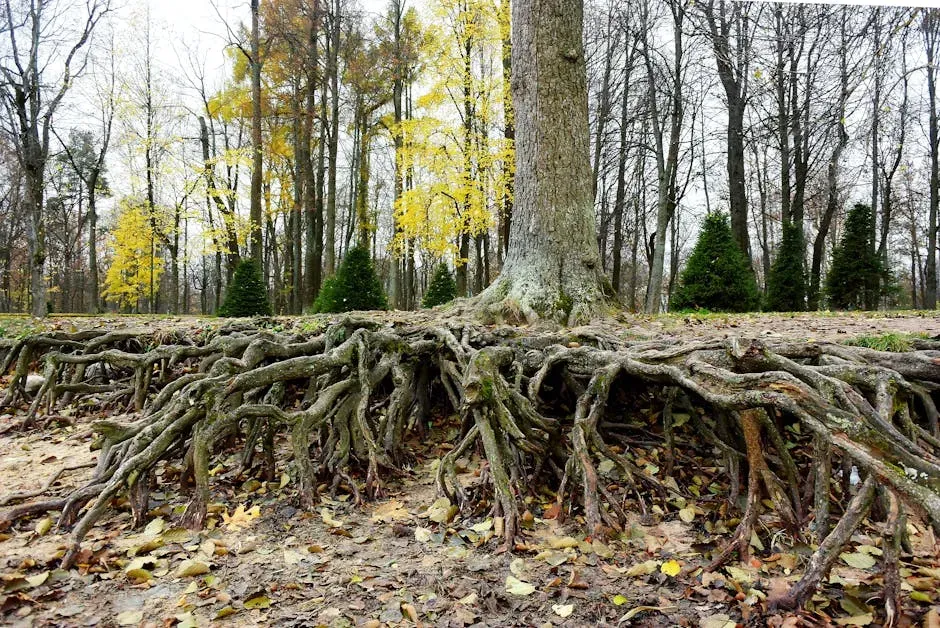
Imagine walking through a forest and knowing that under your feet, trees are passing messages like notes in a classroom. That’s essentially what’s happening through vast fungal networks that connect roots, sometimes called the “wood wide web.” Trees use these networks to exchange nutrients, chemical signals, and what look a lot like distress messages when they’re under attack by insects or disease.
Researchers have found that older, more established trees often behave like hubs, sending extra carbon to shaded or younger trees and throttling back support to those that are thriving. It’s not some fairy-tale version of kindness, but it is coordinated behavior that looks remarkably like a shared communication system. Once you know this, a forest stops feeling like a random bunch of trees and starts looking like a community with an invisible postal service.
Plants That Smell in Sentences: Chemical Messages in the Air
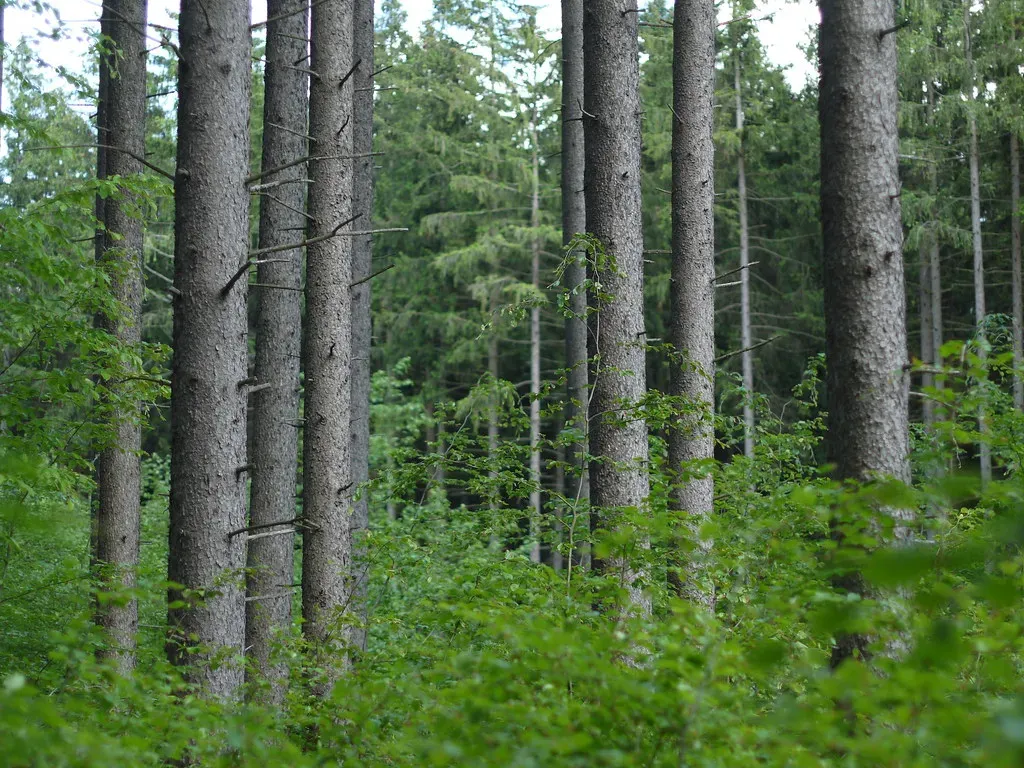
Plants may seem passive, but they’re constantly “talking” in chemicals you and I can’t smell. When a caterpillar chews a leaf, many plants instantly release specific volatile compounds into the air, and neighboring plants pick up that message and boost their own defenses before they’re attacked. It’s a bit like a neighborhood watch text chain: one plant gets hit, everyone else locks their doors.
Some plants even call in reinforcements, emitting scents that attract predators or parasites of the insects eating them. These airborne signals are precise enough that different attackers can trigger different blends of chemicals, almost like a vocabulary of odors. We usually call it smell, but in the plant world it functions much more like a sentence: who’s attacking, where, and how serious it is.
Bird Dialects, Whale Songs, and the Soundtrack of Wild Communication
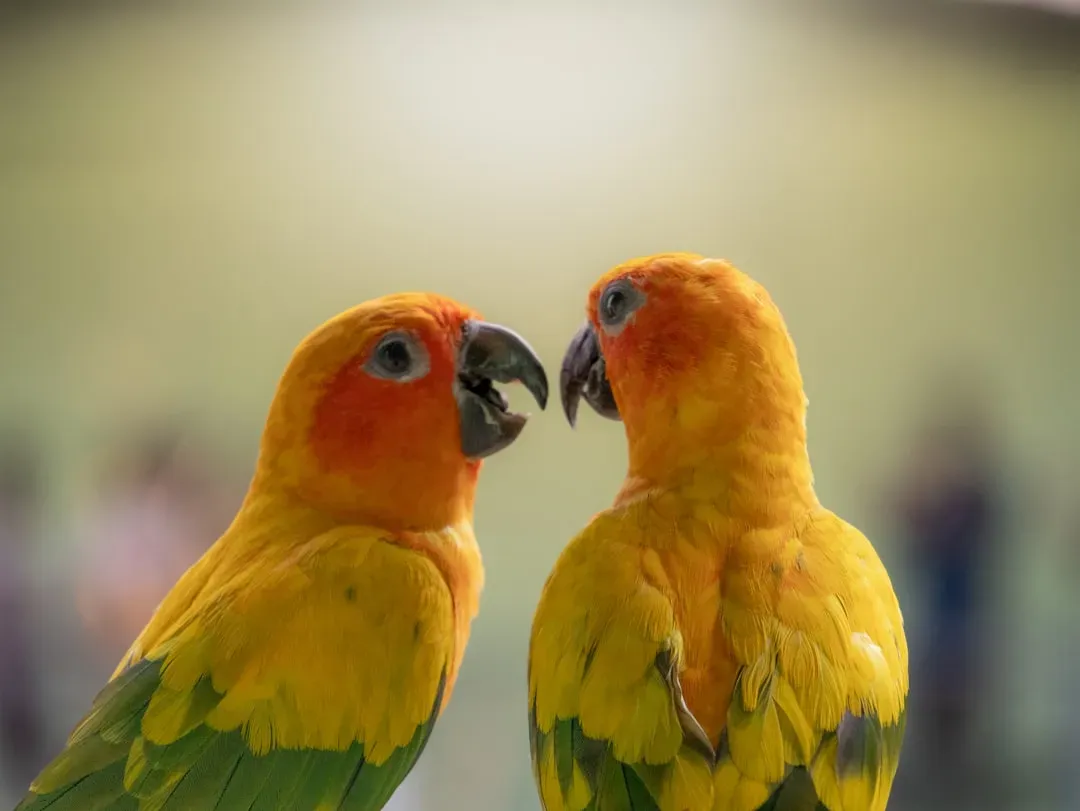
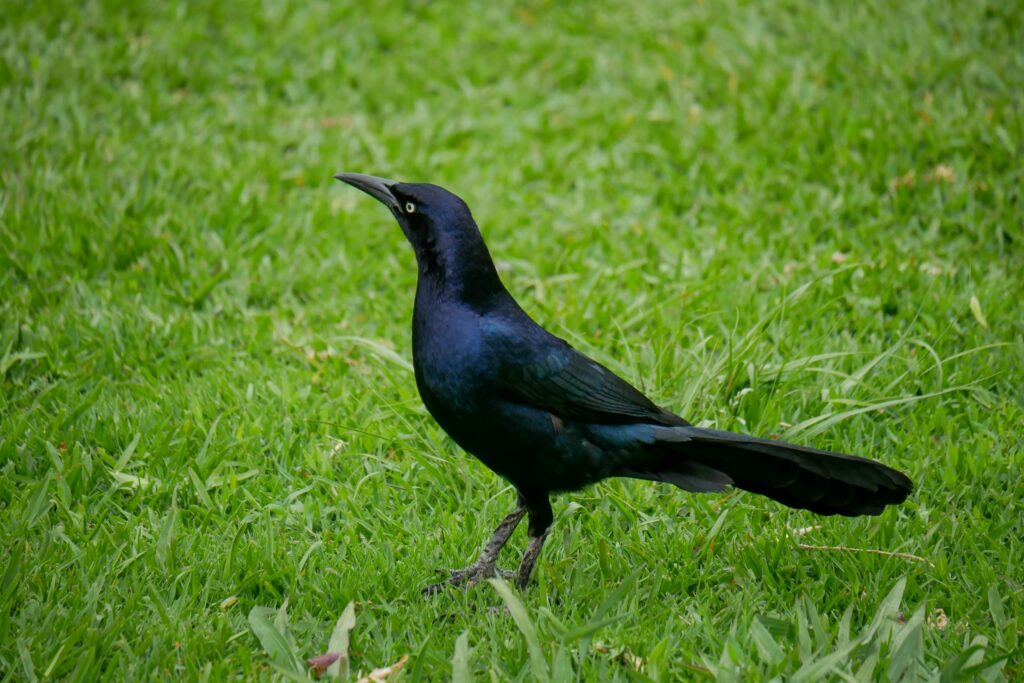
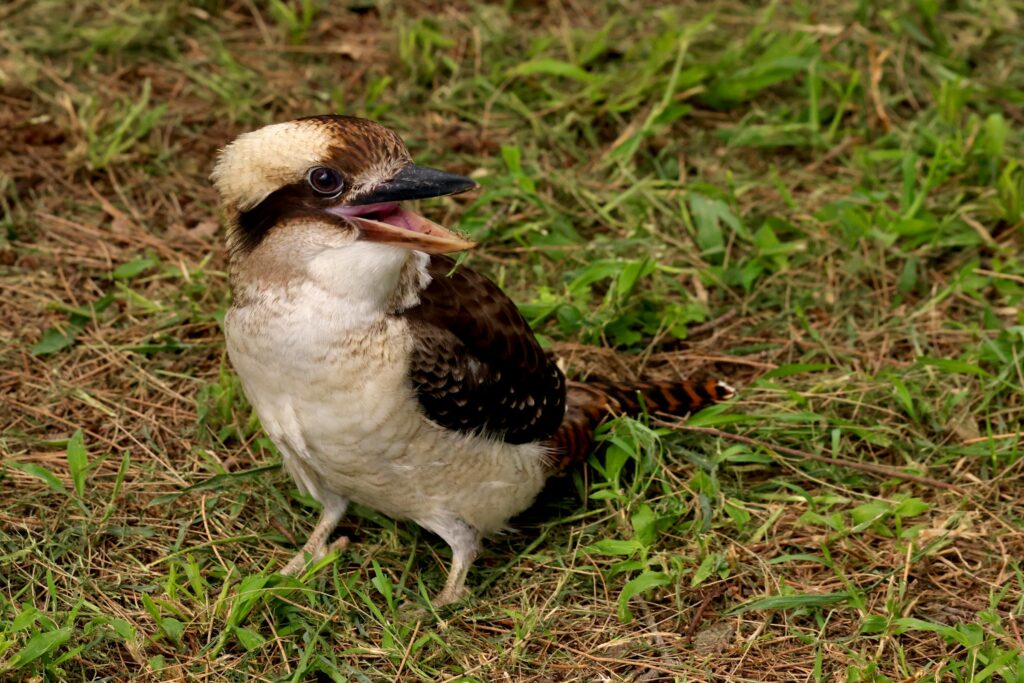
Animals have been “talking” around us all along; we just treated most of it as noise or charming background audio. Now, with massive audio databases and machine learning, scientists are analyzing patterns in bird calls, whale songs, and even bat squeaks at a scale that would’ve been impossible a decade ago. They’ve found that some bird populations develop distinct local dialects, and whales can shift parts of their songs over time like cultural fads spreading through the ocean.
For me, the moment it really hit was hearing that certain birds change their calls in noisy cities, adjusting pitch and rhythm so they can be heard over traffic. That’s not random sound; that’s adaptive communication. When computers begin to cluster calls into categories like alarm, mating, or coordination, it starts to look uncannily like we’re slowly building dictionaries for nonhuman sound languages.
AI and the New Rosetta Stones of the Wild
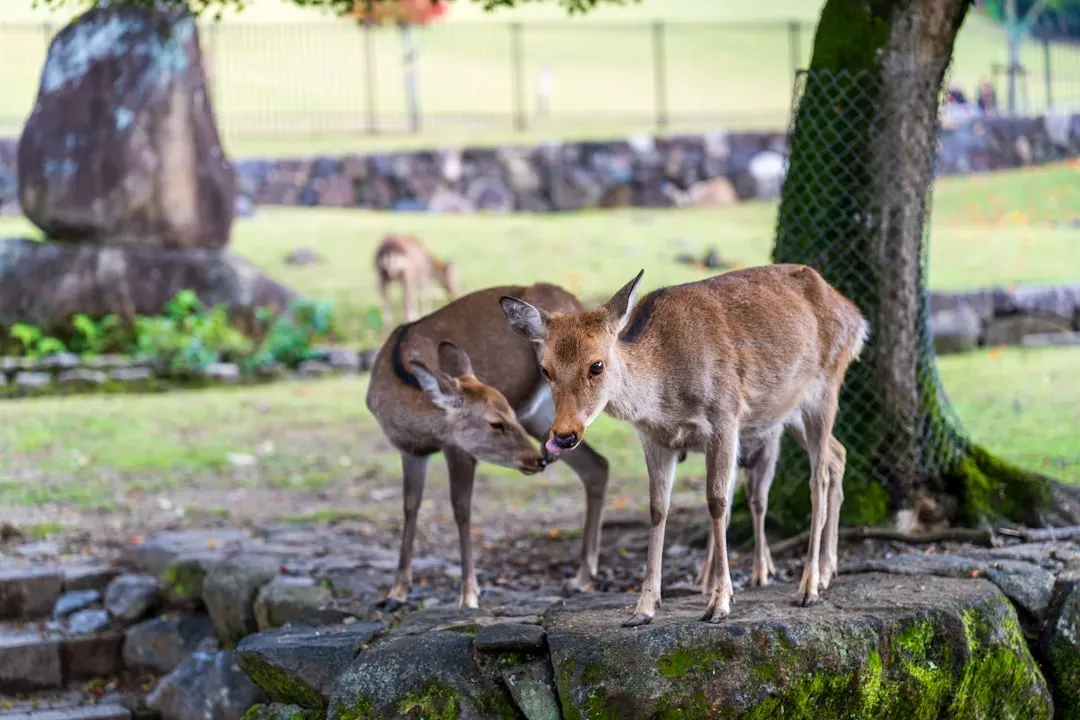
We’ve reached a strange turning point where the key to decoding the natural world might be tools we built for decoding ourselves. The same types of algorithms used for translating human languages are now being turned on elephant rumbles, sperm whale clicks, and the complex duets of songbirds. Instead of translating French to English, they’re looking for structure and meaning in vocalizations we can’t hear well or easily recognize.
What’s emerging isn’t a human-style dictionary, but patterns: repeated combinations linked to particular behaviors or contexts, like gathering, fleeing, or caring for young. These tools can sift through thousands of hours of recordings and spot regularities that human ears would miss. It doesn’t mean we’ll be chatting casually with whales anytime soon, but it does suggest that what they’re doing is much closer to real language – with rules, variation, and maybe even culture – than we used to think.
Electric Whispers and Light Signals: The Languages We Never Suspected
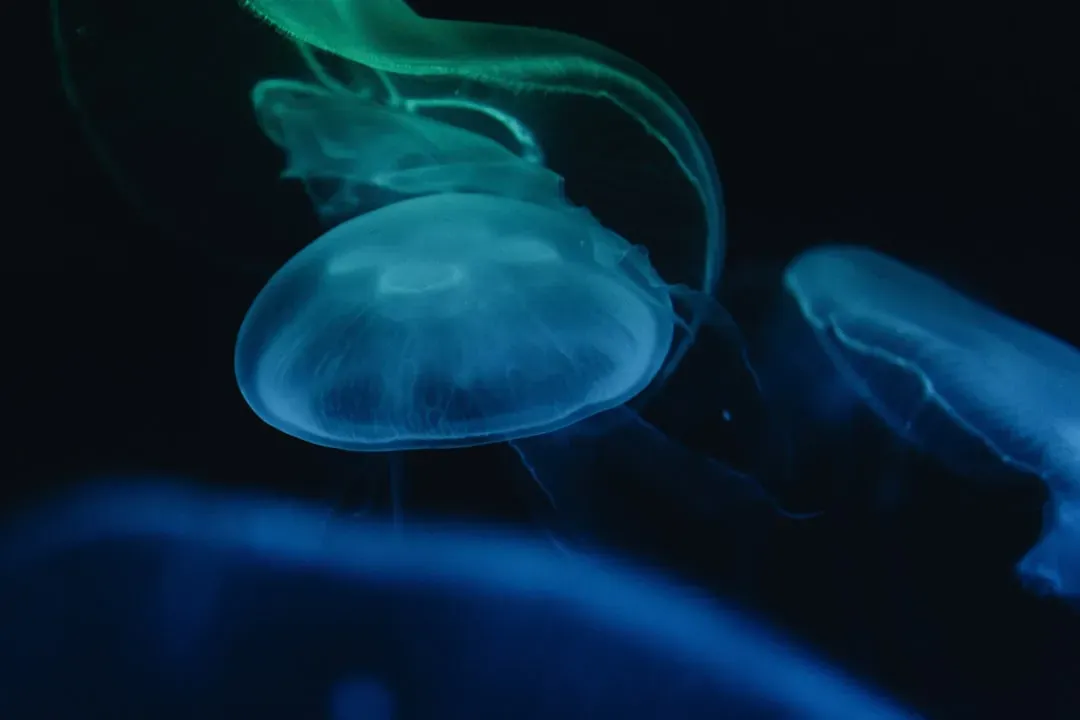
Not all communication in nature is sound or scent. Some fish and other aquatic animals generate tiny electric fields, modulating them in patterns that send information about identity, aggression, or courtship. To us it’s completely invisible, but to them it’s a constant stream of electrical “whispers” in the dark water. It’s as if they’re living in a world where social media is literally buzzing through their skin.
On land and sea, light is another hidden channel. Fireflies flash in species-specific rhythms to find mates, and some deep-sea creatures use bioluminescence as lures, warnings, or camouflage. Corals release glowing clouds of gametes during mass spawning events timed with lunar cycles, turning reproduction into a synchronized light show. When you start seeing these signals as a language, night-time nature goes from quiet to overwhelmingly busy.
What This Means for Ethics, Conservation, and How We Treat Other Species
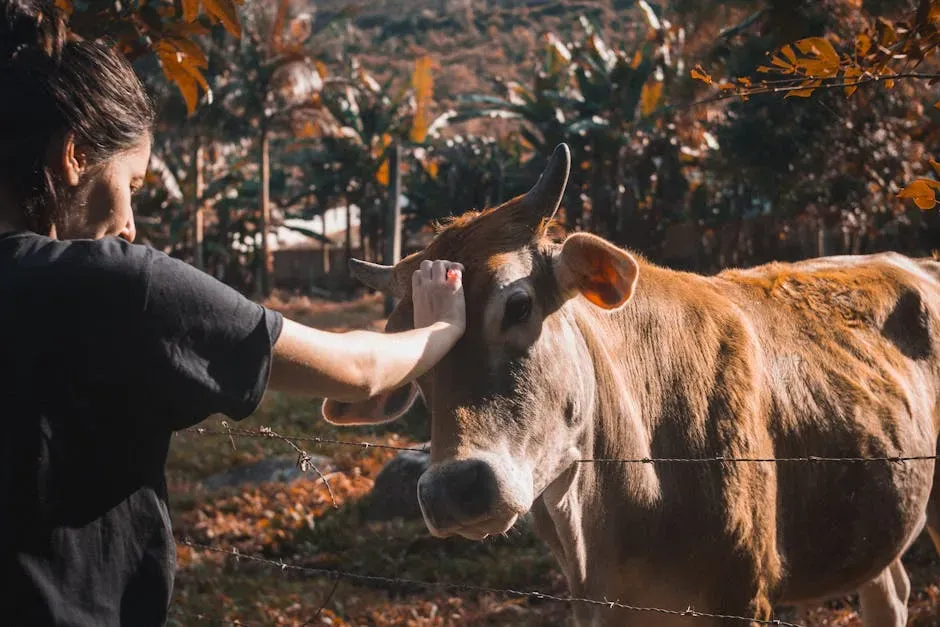
Once you accept that many animals – and even plants and fungi – are communicating in sophisticated ways, it becomes harder to treat them like mute objects or scenery. If a whale is not just emitting noise but exchanging meaningful information with its group, our shipping lanes and sonar tests start to look less like neutral activity and more like blasting interference into their conversations. It raises uncomfortable questions about what we disrupt every time we clear a forest or light up the night sky.
On the flip side, understanding these hidden languages can make conservation a lot more effective. If we know how stress, hunger, or habitat loss changes communication patterns, we can detect trouble earlier and act before populations crash. It also shifts the emotional frame: instead of “saving resources,” we’re intervening in the lives of communities that have their own histories, cultures, and ways of experiencing the world.
The Humbling Possibility: We’re Not the Only Storytellers
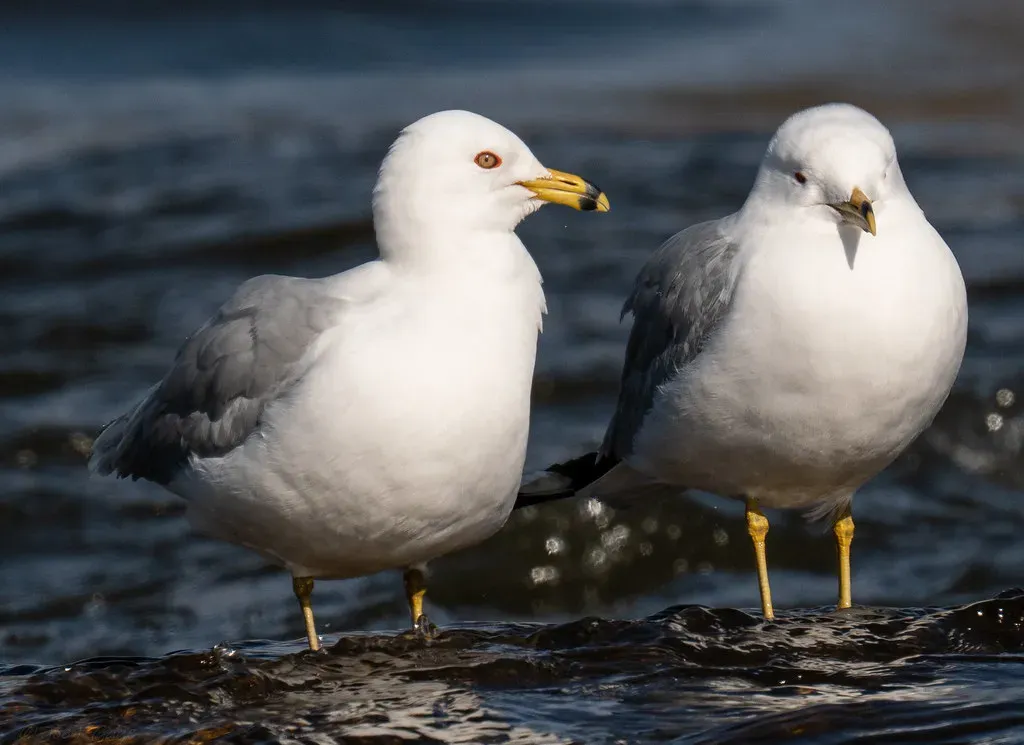
The idea that humans are the only real storytellers on Earth has been baked into philosophy, religion, and culture for centuries. But as we uncover the hidden languages of the natural world, that belief starts to feel more like comforting fiction than fact. Other species may not be recounting novels, but they clearly share information about danger, opportunity, kinship, and maybe things we don’t even have categories for yet.
Personally, I find that both unsettling and oddly relieving. It means that our species is not sitting alone on a silent rock, but sharing the planet with countless other voices that have been speaking all along. Learning to listen won’t just give us better science; it might give us a different kind of humility, a sense that intelligence and meaning are not rare sparks but part of the fabric of life. What changes in us when we finally admit we’ve never been the only ones talking?