
Every so often, you stumble across a picture of an ancient structure that just doesn’t fit. It looks too precise, too heavy, too perfectly aligned for the tools and knowledge we’re told people had at the time. That tiny crack between what we can explain and what we actually see is where the real fascination lives – and, honestly, where a lot of our assumptions about history start to wobble.
Some of these places have become legends: massive stone blocks cut like butter, cities planned with eerie astronomical precision, underground complexes carved in secret. Historians and archaeologists have plausible theories for many of them, but “plausible” and “proven” are not the same thing. The gaps are where your imagination starts filling in wild possibilities. Are we underestimating ancient engineers, missing lost technologies, or just looking at the past with the wrong lens?
The Great Pyramid of Giza: Geometry on a Baffling Scale
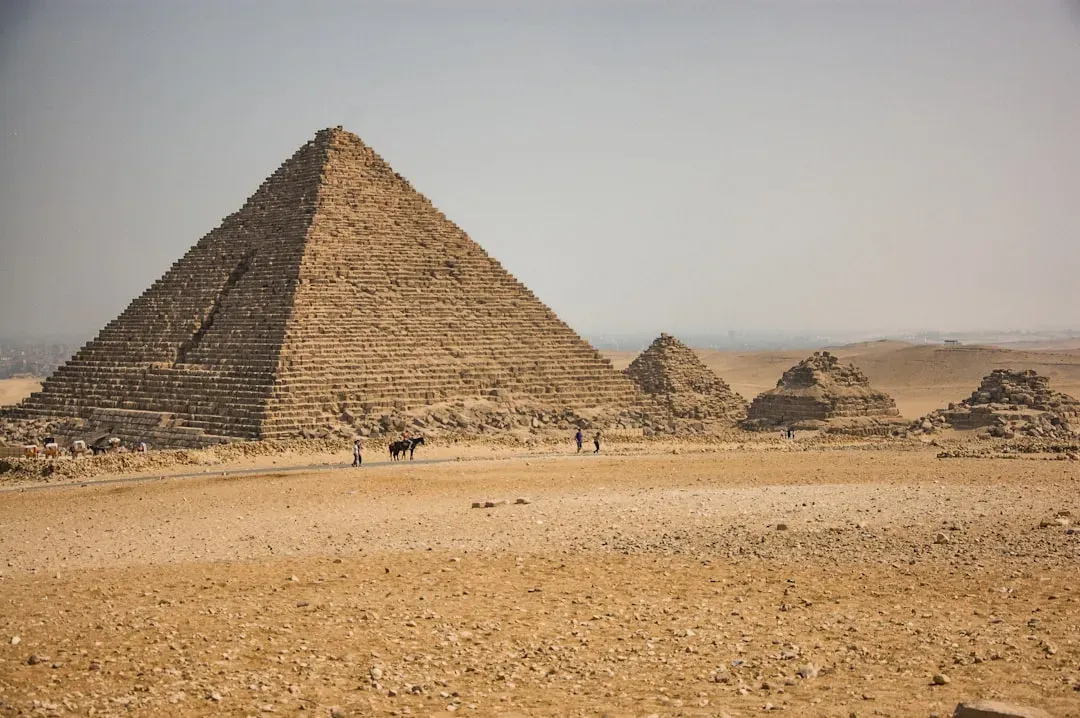
The Great Pyramid is so famous it almost feels boring – until you really look at the numbers. This thing lines up almost perfectly with the cardinal directions, with a tiny margin of error that would challenge modern builders using GPS. Its base is nearly level across a huge footprint, and the ratio of its height to the perimeter has odd mathematical relations that people still argue about. You don’t have to buy any wild theories to admit that, for something more than four thousand years old, its precision is shocking.
What really messes with the mind is the logistics: millions of limestone blocks, some weighing more than a family car, stacked with an accuracy that feels more like fine carpentry than brute-force masonry. How exactly those stones were moved, lifted, and set remains debated, from straight ramps to spiral systems to lever-and-counterweight setups. I remember standing at the base once, staring at a single block almost as tall as me, and feeling my mental model of “ancient people” snap. These were not primitive villagers piling rocks; this was industrial-scale engineering with planning horizons that spanned lifetimes.
Puma Punku: Stonework That Seems Almost Machine-Cut
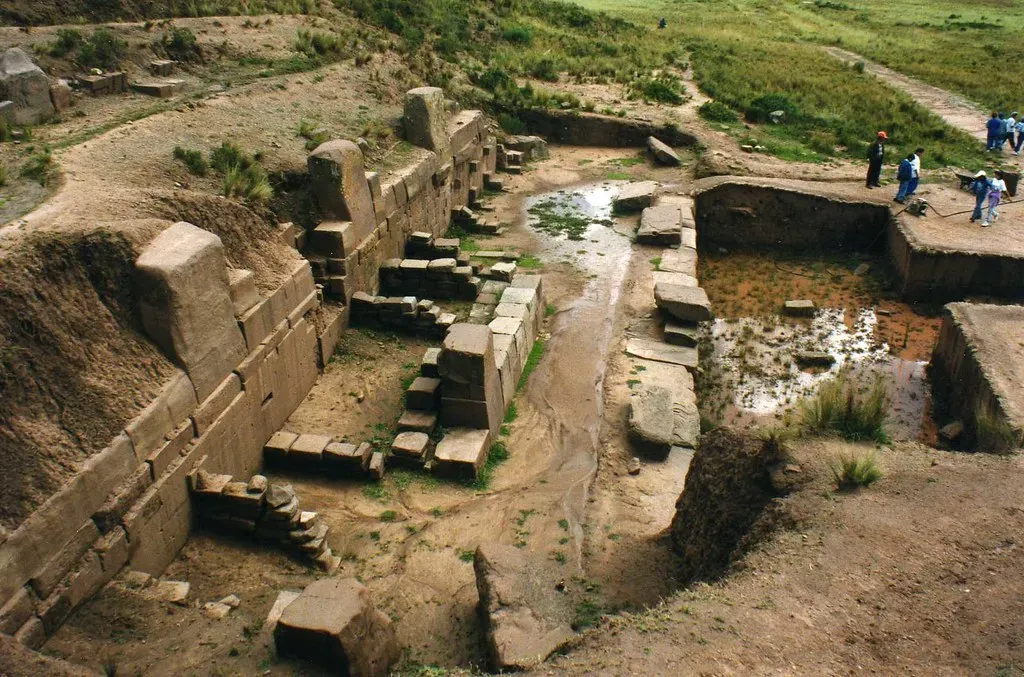
High on the Andean plateau in Bolivia, Puma Punku looks like a construction site abandoned mid-project by some unknown contractor with impossible tools. The stone blocks – especially the famous H-shaped ones – fit together with interlocking grooves and right angles so sharp they look like they were cut with modern machining equipment. Some faces are so flat that a straightedge fits with barely any light coming through, and the repeated shapes suggest a kind of modular system.
Archaeologists generally date Puma Punku to around the first millennium CE and attribute it to the Tiwanaku culture, who were undoubtedly skilled builders. But the exact methods they used to cut, transport, and join these massive andesite and sandstone blocks aren’t fully understood. No surviving tools have been found that neatly explain the level of finish you see there. Walking through photos of the site, you get this weird sense of déjà vu, like you’re looking at the ruins of a stone LEGO factory, then remembering it’s more than a thousand years old and sitting over three thousand meters above sea level.
Göbekli Tepe: A Temple Older Than Cities
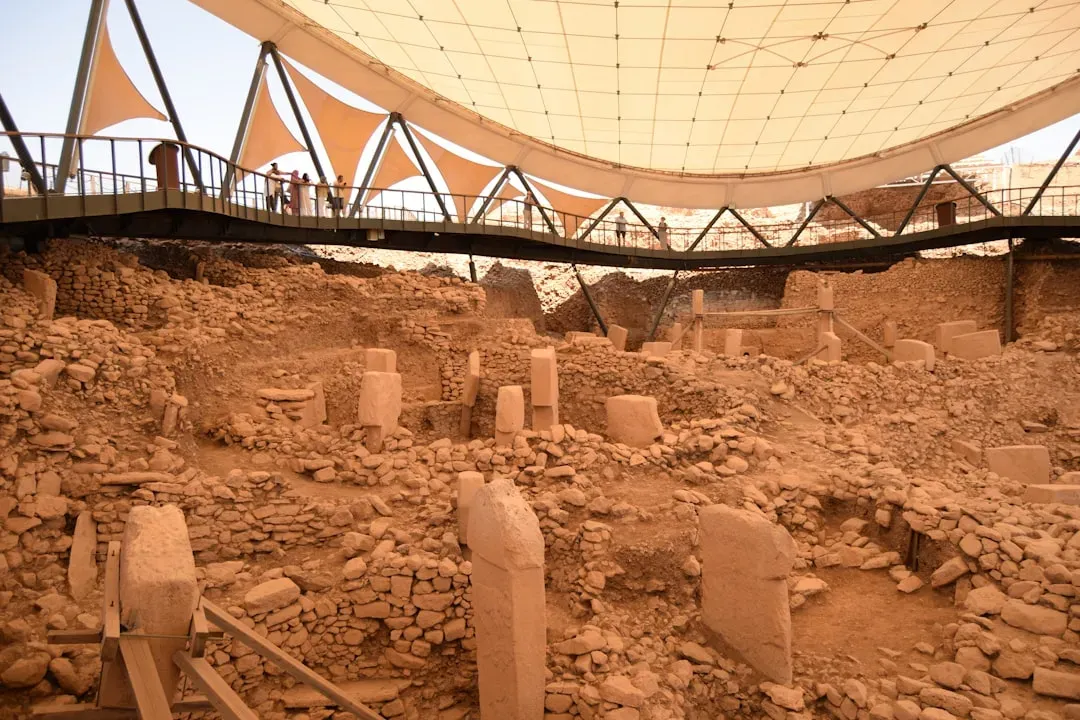
Göbekli Tepe in southeastern Turkey exploded onto the archaeological scene because it broke one of the neatest narratives in history: first we farm, then we build temples. Instead, here’s a monumental ritual complex dating back roughly eleven thousand years, long before formal cities or widespread settled agriculture. Massive T-shaped pillars, some weighing many tons, stand in circular enclosures, many carved with animals and abstract symbols. It’s like discovering a cathedral that predates the idea of a village.
The really unsettling question is organizational: how did small, supposedly simple hunter-gatherer groups mobilize the workforce, planning, and food surplus to build something this ambitious? It hints that religion or shared myth may have been powerful enough to pull people together even before farming locked them into a place. Every time new layers are uncovered, the timeline of “complex society” seems to creep further back. It makes our usual story of slow, linear progress look more like a messy experiment with sudden, brilliant spikes of creativity.
Saksaywaman: Cyclopean Walls That Laugh at Earthquakes
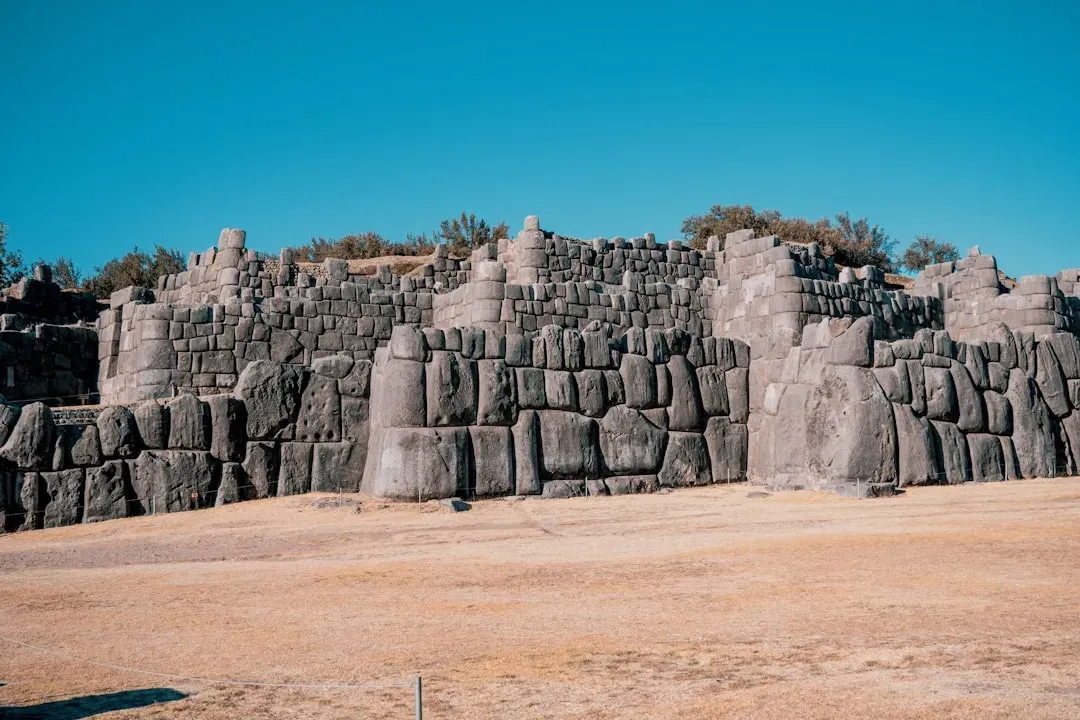
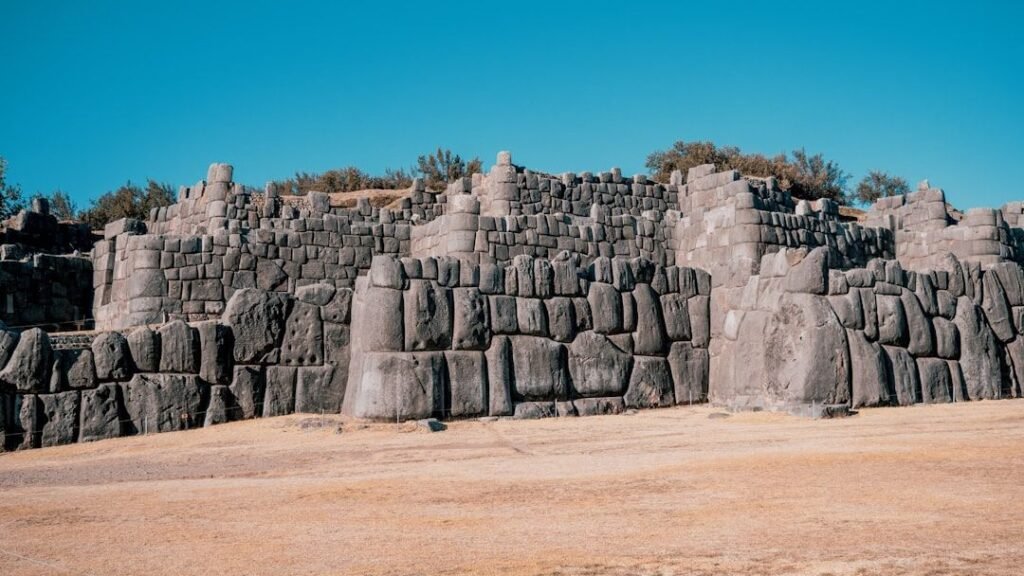
Above the city of Cusco in Peru, the fortress-like complex of Saksaywaman looks less like it was built and more like the mountain itself decided to grow in geometric patterns. Huge limestone blocks, some as tall as a person or more, are fitted so tightly that it’s hard to slide a knife blade between them. There’s no mortar, just perfectly shaped stones locking together, turning the walls into a kind of three-dimensional puzzle. In a region that regularly shakes with earthquakes, these walls have held up better than many modern concrete buildings.
We know the Inca were masters of stonework, but Saksaywaman pushes that mastery into something that still raises eyebrows. Exactly how they shaped and moved such enormous stones across steep terrain isn’t fully clear, even though experiments have shown some techniques are at least possible with ropes, ramps, and teams of workers. I remember seeing a photo of one block with something like twelve different interlocking angles, and it genuinely felt over-engineered, like they were building for millennia, not decades. It challenges the lazy idea that “older” automatically means “cruder.”
Derinkuyu: The Underground City That Shouldn’t Exist
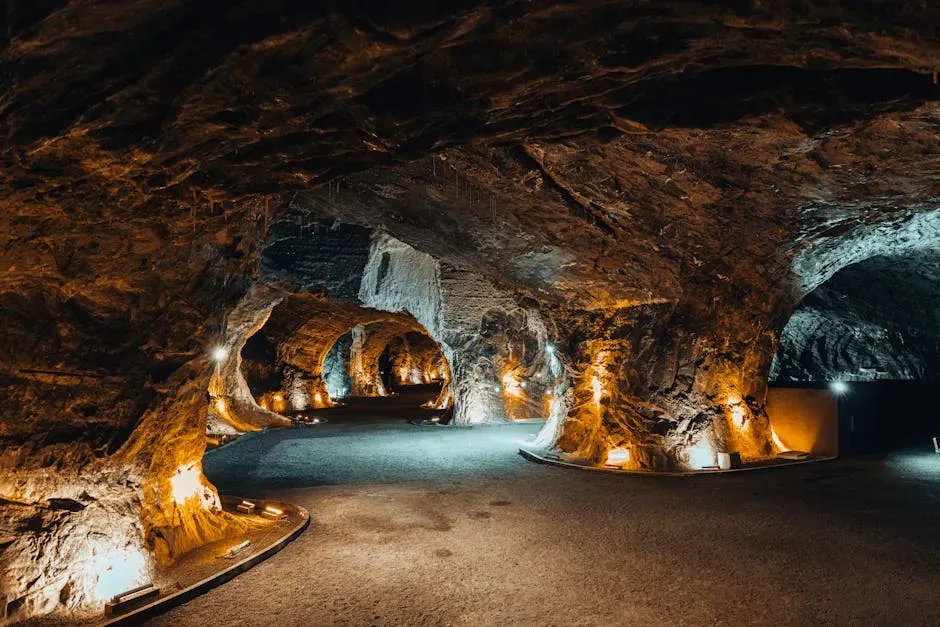
Beneath the soft volcanic landscape of Cappadocia in Turkey lies something that feels like a twist in a thriller: an entire multi-level underground city at Derinkuyu. Tunnels, ventilation shafts, communal rooms, stables, and storage chambers plunge down through the rock, with some estimates suggesting space for thousands of people in times of crisis. Massive rolling stone doors could seal passages from the inside, turning the city into a hidden fortress. It’s like someone took the idea of a basement and dialed it up to eleven.
People likely started carving these spaces as early as the first millennium BCE, expanding and modifying them through the Byzantine era as different groups sought refuge from invasions and persecution. But the sheer scale, planning, and airflow management of Derinkuyu remain hard to wrap your head around, especially when you remember they were working with hand tools in the dark. How communities coordinated such a project across generations – without modern surveying equipment – is still not fully mapped out. It raises a quiet, unsettling point: how many other enormous structures might be hidden in plain sight, simply because they’re underground or re-used beyond recognition?
Nan Madol: A Lost City on the Sea
Off the coast of Pohnpei in Micronesia, Nan Madol feels like something out of myth: a ruined city built on a network of artificial islets, crisscrossed by canals and surrounded by the ocean. Its builders stacked long basalt columns, some weighing as much as small cars, into walls and platforms that created temples, burial sites, and residential areas. From the air, the whole complex looks like a stone circuit board floating on the water. Nobody knows the exact population, but it clearly served as a powerful ceremonial and political center centuries ago.
Constructing Nan Madol between roughly the twelfth and seventeenth centuries would have meant quarrying, transporting, and assembling massive logs of stone across water without the benefit of heavy machinery. Local oral traditions speak of supernatural help, which is probably how you’d describe a project that big if you watched it as a regular villager. Modern researchers have suggested rafts, rollers, and careful tidal timing, but the specifics are still debated. Something about a city so exposed to storms yet built with such commitment hints at a very different relationship to the sea than most of us have now.
Teotihuacan: The City with No Named Builders
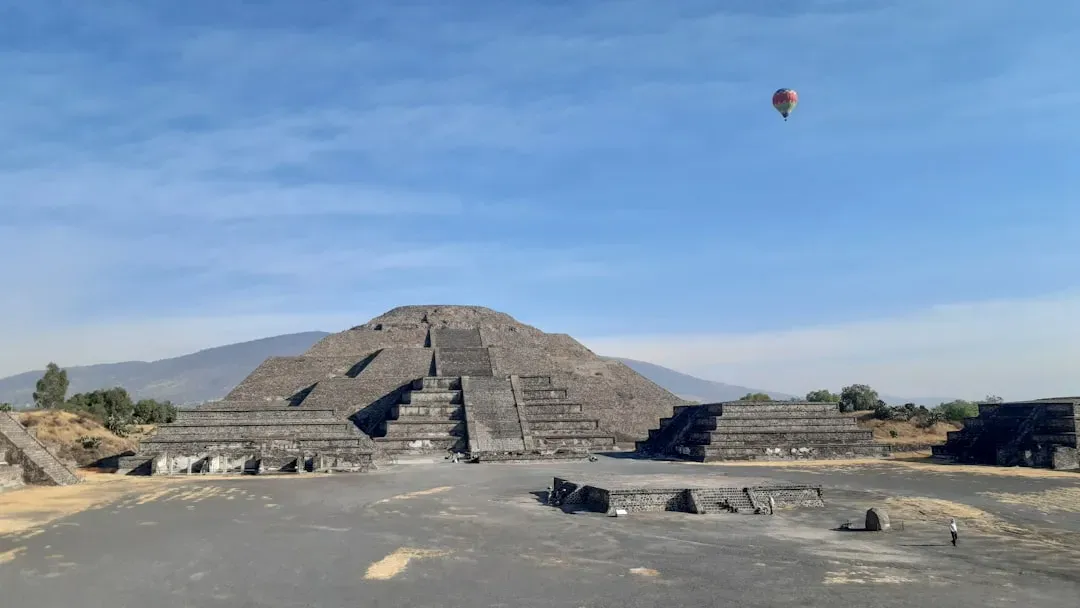
Teotihuacan, not far from modern Mexico City, was once one of the largest cities in the world, with broad avenues, massive pyramids, apartment compounds, and carefully oriented structures. The Avenue of the Dead runs through the center, pointing toward distant mountains, and the Pyramid of the Sun and Pyramid of the Moon anchor an urban plan that seems to encode astronomy, ritual, and power. At its peak, the city may have held tens of thousands, with varied neighborhoods and complex trade networks reaching far across Mesoamerica.
And yet, we still don’t know who founded it or what they called themselves. The name “Teotihuacan” is from the later Aztecs, centuries after the city had already declined. Writing, if it existed, hasn’t been clearly deciphered, and the political system that ran such a vast urban experiment is still mostly inferred from murals, burials, and architecture. Standing at the base of the pyramids, you can feel that mix of awe and frustration: we’re looking at the bones of a giant with no clear biography. It quietly wrecks the neat idea that “advanced” automatically means “well documented.”
Rewriting the Story: What These Sites Really Challenge
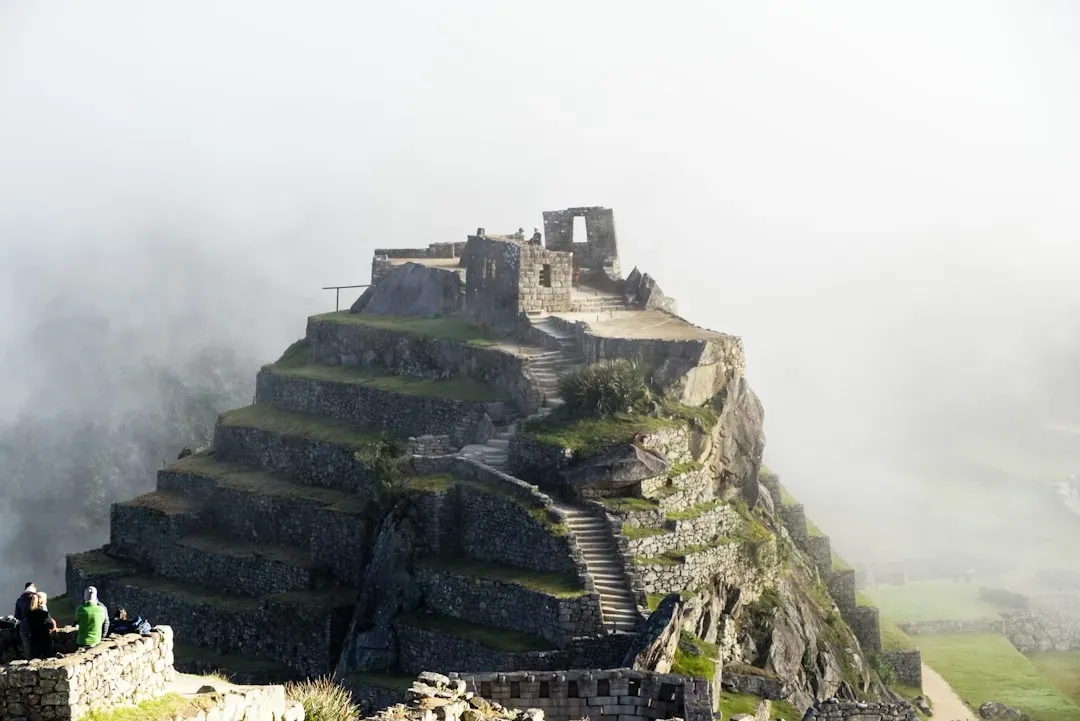
When you put all these places side by side – Giza, Puma Punku, Göbekli Tepe, Saksaywaman, Derinkuyu, Nan Madol, Teotihuacan – a pattern emerges that’s more interesting than any single mystery. It’s not that they prove some dramatic lost civilization or secret alien intervention; it’s that they reveal how much human ingenuity we tend to forget or underestimate. Each site represents a point where ordinary tools and known methods feel just barely sufficient to explain what we see, leaving a lot of room for debate. That discomfort is exactly where history gets exciting instead of static.
To me, the most radical thing these structures suggest is not that our ancestors were impossibly advanced, but that they were relentlessly creative problem-solvers, just like us, facing different constraints and inventing wild solutions. They upend the comforting story that progress is smooth and linear, showing instead a past full of bursts of brilliance, dead ends, and experiments too ambitious to fully understand now. Maybe the real challenge they pose isn’t about aliens or lost technologies but about our own arrogance in assuming we already know the outline of the human story. How many other puzzles are still out there, quietly buried under sand, jungle, or concrete, waiting to force us to rethink everything again?