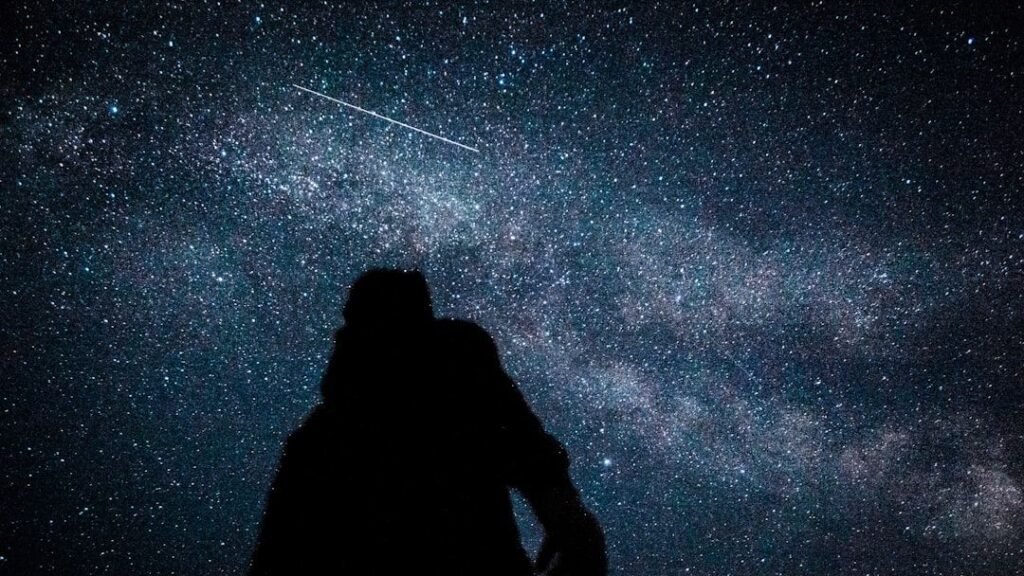

Every time you look up at the night sky, you’re staring at the same universe that forged the atoms in your blood, bones, and brain. That sounds poetic, but it’s also literally true: the iron in your blood, the calcium in your teeth, the carbon in your neurons all came from ancient stars that exploded long before Earth existed. The more science learns about the brain, the more it starts to look less like a separate, private world and more like a local expression of cosmic processes.
That doesn’t mean any mystical shortcuts or secret star-powered hacks for happiness. It does mean that the old story many of us grew up with – a tiny mind trapped in a skull, in a random corner of a meaningless universe – is starting to look scientifically outdated. Instead, a new picture is emerging: your mind is built from the cosmos, shaped by it, and constantly in conversation with it, in ways that are subtle, profound, and sometimes downright eerie.
The Stardust Brain: How Your Mind Is Literally Made of Stars
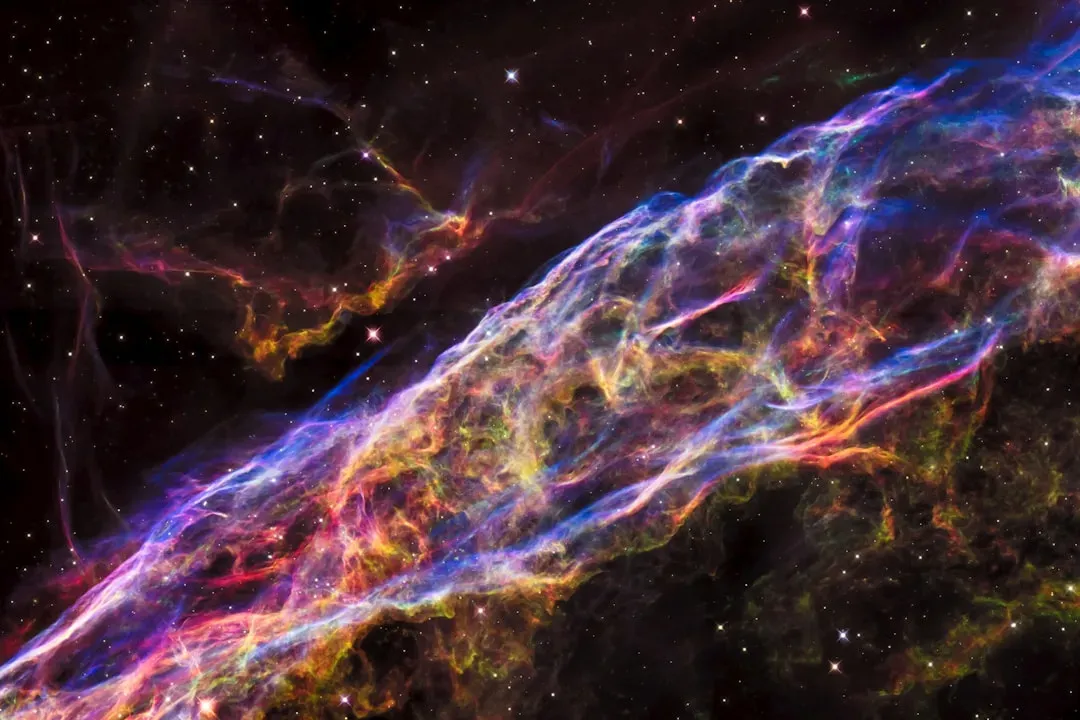
It’s easy to hear “we’re made of stardust” and roll your eyes like it’s just a pretty slogan, but your brain is a very direct example of it. The hydrogen in the water in your brain is ancient, but the heavier elements your neurons depend on – like carbon, nitrogen, oxygen, and phosphorus – were created in the hearts of massive stars and in their violent deaths. Long before there was a nervous system, there were supernovae scattering the ingredients of future thoughts across space.
When you have a memory, solve a problem, or feel a wave of joy, it’s those star-forged atoms rearranging themselves in wildly complex patterns. Neurons fire because electrons move, ions flow, and molecules bump into each other in ways dictated by the same physical laws that shape galaxies and black holes. That doesn’t take away your uniqueness; it does the opposite. It means your weirdest daydreams and most private worries are part of the same physical story as collapsing stars and spinning planets, not some detached add‑on sitting outside the universe.
Cosmic Rhythms: How Sun, Moon, and Space Weather Shape Our Minds
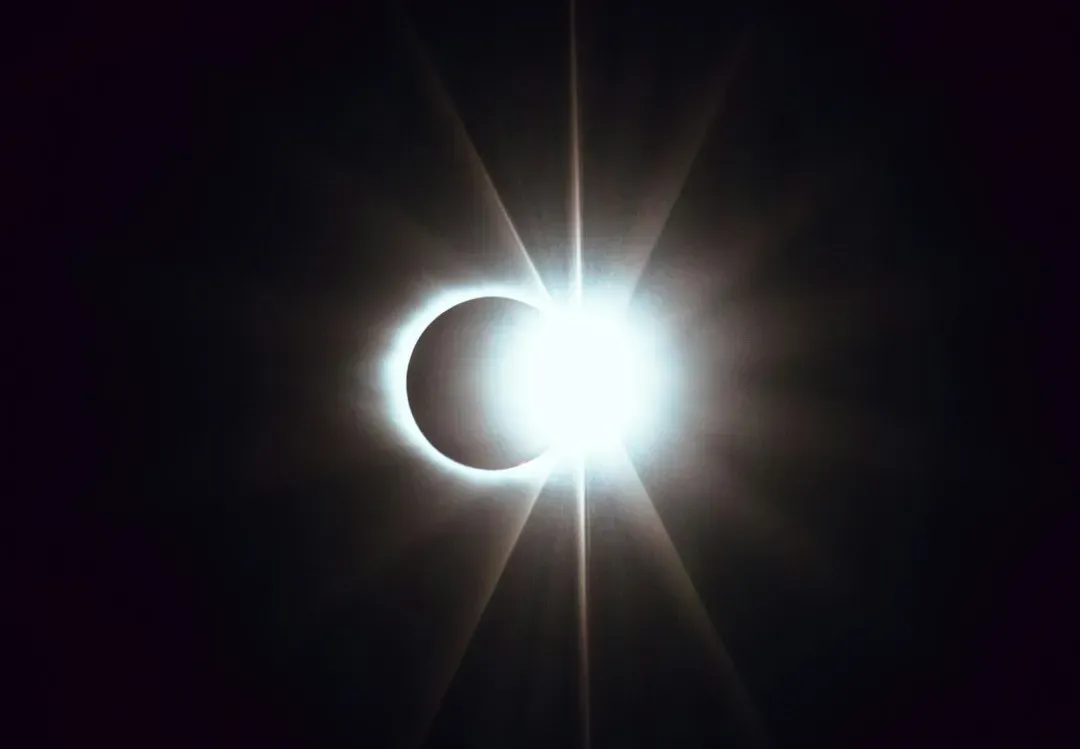
Your brain isn’t just made of the cosmos; it runs on its rhythms, whether you like it or not. The most obvious one is the day–night cycle: your circadian clock is synchronized to sunlight, affecting your mood, attention, and even how fast you heal. When you travel across time zones or stare at bright screens late at night, you’re fighting against a pattern that has been sculpted by billions of sunrises and sunsets over evolutionary time.
Beyond sunlight, there are quieter, stranger influences. The Moon subtly tugs on Earth’s oceans and, indirectly, on our behavior through tides, light levels, and cultural cycles, even if many “full moon myths” don’t hold up when studied carefully. Solar activity and geomagnetic storms seem to have small but measurable correlations with things like sleep quality and heart rate variability. None of this means space weather can control your choices, but it does mean your mental life is not sealed off; it’s riding on cycles written into the planet’s orbit, rotation, and place in space.
The Brain That Looks Weirdly Like the Universe
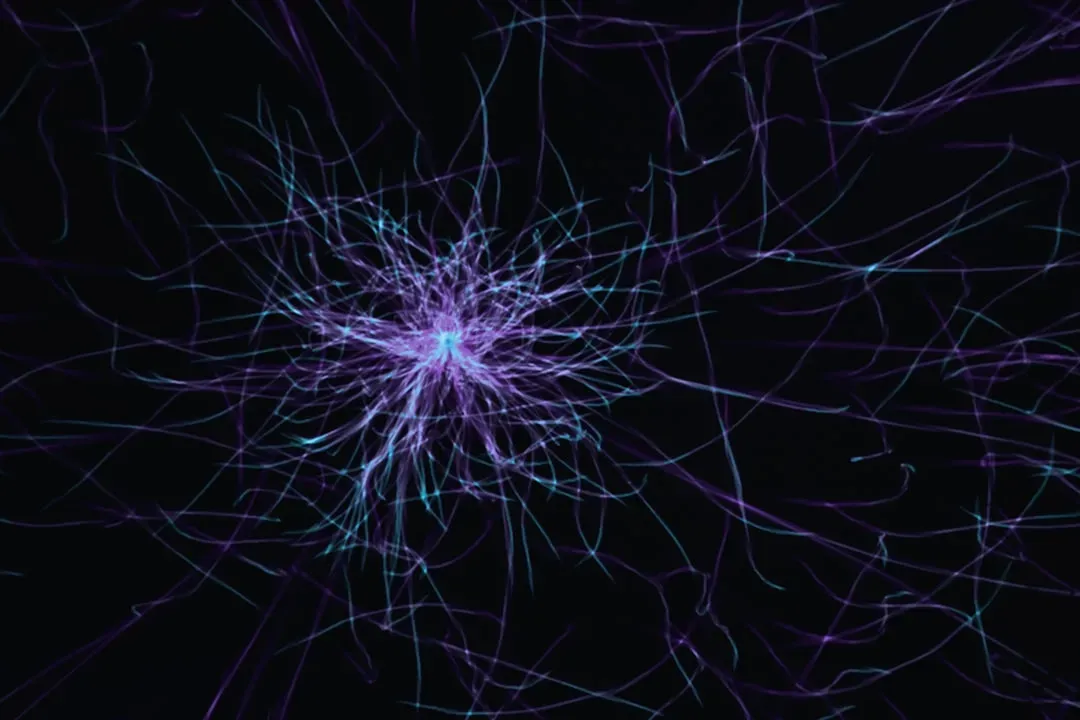
When scientists compare maps of galaxy clusters with models of brain networks, the similarity is honestly a little unnerving. On one side, you have hundreds of billions of stars connected by filaments of dark matter. On the other, you have billions of neurons connected by axons and dendrites, forming hubs and long-range highways of information. The scales are unimaginably different, but the patterns – clusters, networks, sparse long links – show up in both.
This doesn’t mean the universe is literally a giant brain thinking thoughts about you, and it definitely doesn’t prove any mystical theory on its own. But it suggests that certain network structures are simply very good at moving information and energy around, whether you’re talking about neurons or galaxies. The same mathematics that describes how your brain balances order and chaos also helps describe how matter organizes itself on cosmic scales. In a quiet way, that’s wild: the architecture of your thoughts echoes patterns in the large-scale universe.
Consciousness as a Cosmic Process, Not a Private Quirk
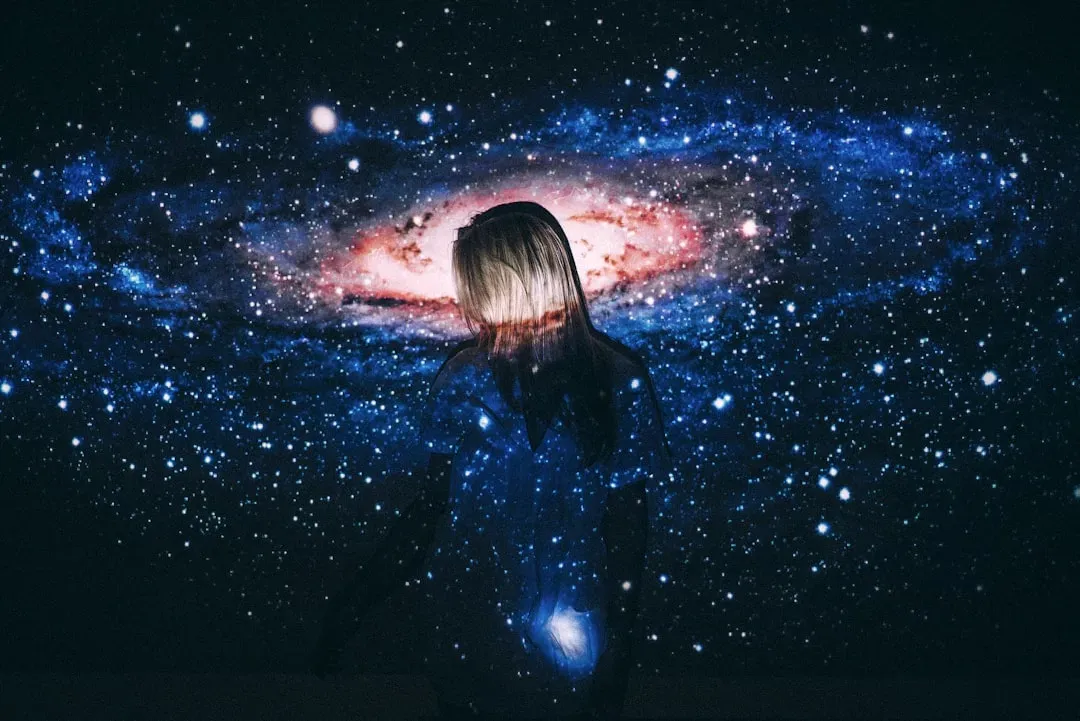
For a long time, consciousness was treated as an awkward side effect, like an error message that popped up when brains got too complicated. Now, more researchers are exploring the idea that consciousness could be a kind of process the universe naturally supports when matter is organized in certain ways. That doesn’t mean everything is conscious in any normal sense, but it does suggest that awareness might not be as freakishly rare or separate as we once assumed.
Your conscious experience depends on physical rules the cosmos has always had: how energy flows, how systems remain stable yet flexible, how information can be stored and transformed. When your mind “lights up” with a thought, it’s following deep rules of organization that don’t belong only to biology. Whether or not you buy more speculative theories, there’s a clear shift: the mind is being framed less as a ghost in the machine and more as a particular way the universe can temporarily arrange itself to know itself.
Time, Memory, and the Arrow of the Universe
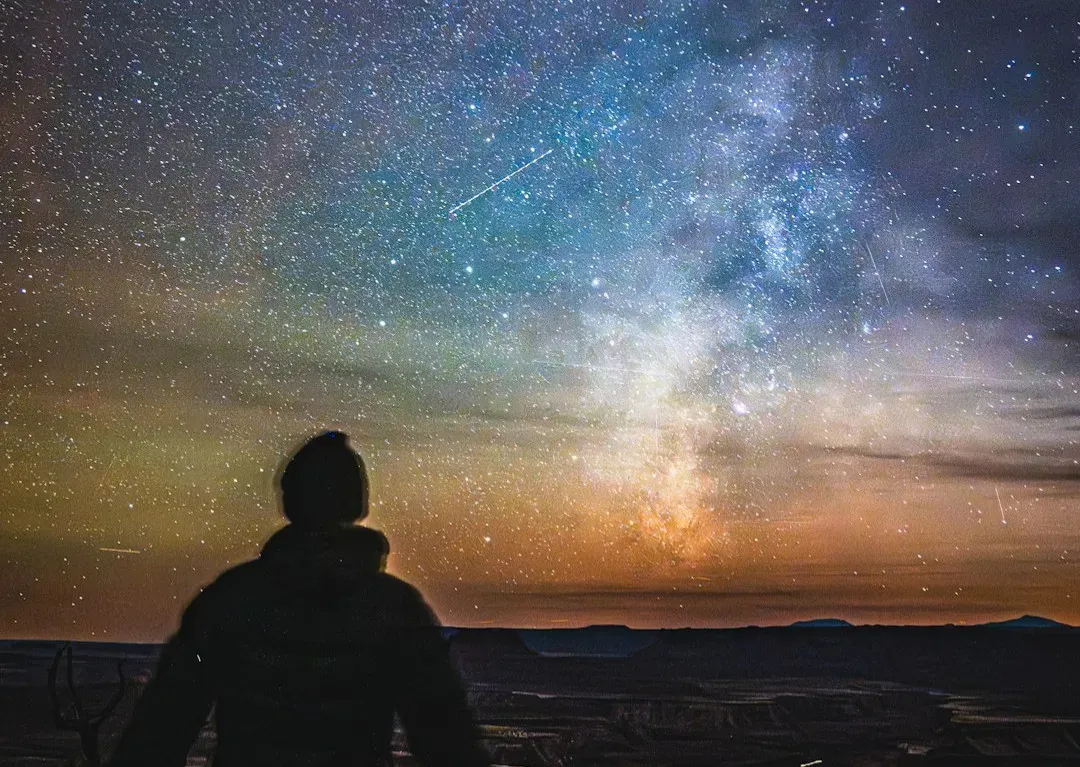
One of the strangest connections between your mind and the cosmos shows up in how both treat time. Physically, the “arrow of time” largely comes from entropy: the tendency for order to break down, for eggs to scramble, for stars to burn fuel and fade. Your brain is deeply wired into that same one-way street. You remember the past but not the future, your memories age, and your sense of self depends on a narrative that moves in a single direction.
Every memory you form is a little local victory against entropy, a pocket of increased structure maintained by burning fuel and expelling waste heat into the environment. That’s exactly what stars do on a different scale: they create structure and light by consuming fuel in a way that increases overall disorder in the wider universe. In that sense, remembering your first heartbreak and a star shining in a distant galaxy are both parts of the same cosmic story about energy flowing from order to chaos, leaving islands of meaning along the way.
The Cosmic Perspective and Mental Health
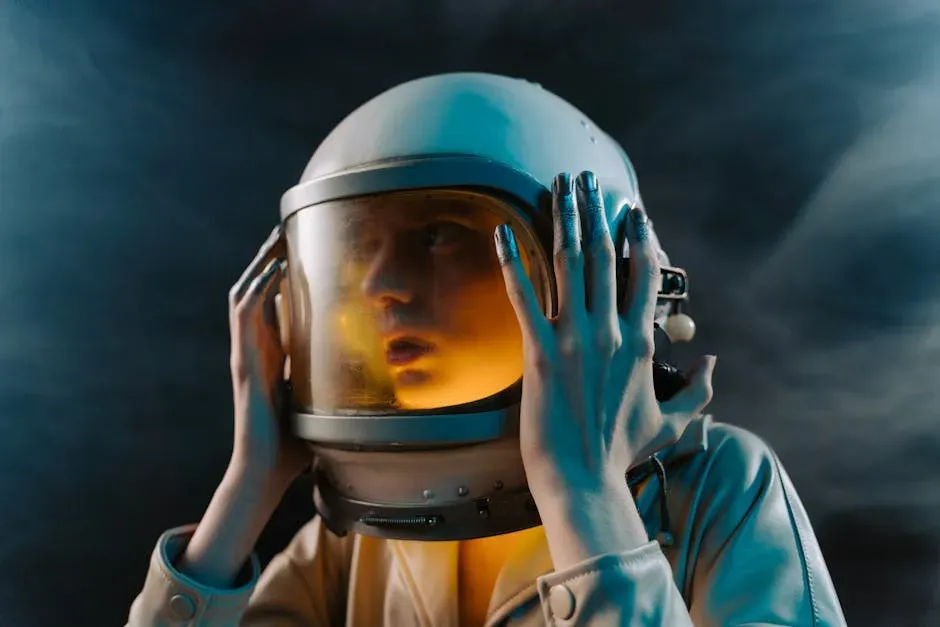
Thinking about our connection to the universe isn’t just a late-night stoner topic; it can genuinely shift how people feel about their own problems. When astronauts describe looking back at Earth from orbit, they often talk about a deep emotional sense of unity and fragility. You don’t need a rocket to get a softer version of that effect. Remembering that your worries are happening on a small, blue planet orbiting an ordinary star can make your stress feel both humbling and strangely manageable.
There’s a risk here, of course: taken the wrong way, “you’re just dust in space” can feel nihilistic and harsh. But framed differently, it can be freeing. If your mind is a temporary, precious arrangement of stardust, then meaning isn’t handed down from the outside; it’s something you actively create in the tiny slice of time you’re given. For some people, that realization feels cold. For others, it’s a powerful antidote to perfectionism and isolation, a reminder that being here at all is already astronomically unlikely and quietly miraculous.
Are We Alone, or Part of a Larger Web of Minds?

If minds can arise wherever matter gets complex enough under the right conditions, then the universe might be more mentally crowded than it looks from your living room. Right now, we have no confirmed evidence of other intelligent civilizations, and caution is crucial when people make bold claims. Still, the sheer number of planets we’re discovering – many of them in zones where liquid water and complex chemistry could exist – keeps pushing scientists to take the possibility of other minds more seriously.
Even if we never make contact, the idea that consciousness might not be unique to Earth changes how we see ourselves. Instead of being the lone fluke, we might be one expression of a general cosmic tendency for matter to wake up and wonder about itself. That thought can be both comforting and unsettling: comforting, because it suggests we’re part of a larger pattern; unsettling, because it hints that our story is one thread in a fabric far bigger than anything we can currently imagine.
Conclusion: Living as a Small Piece of a Vast Mindlike Universe
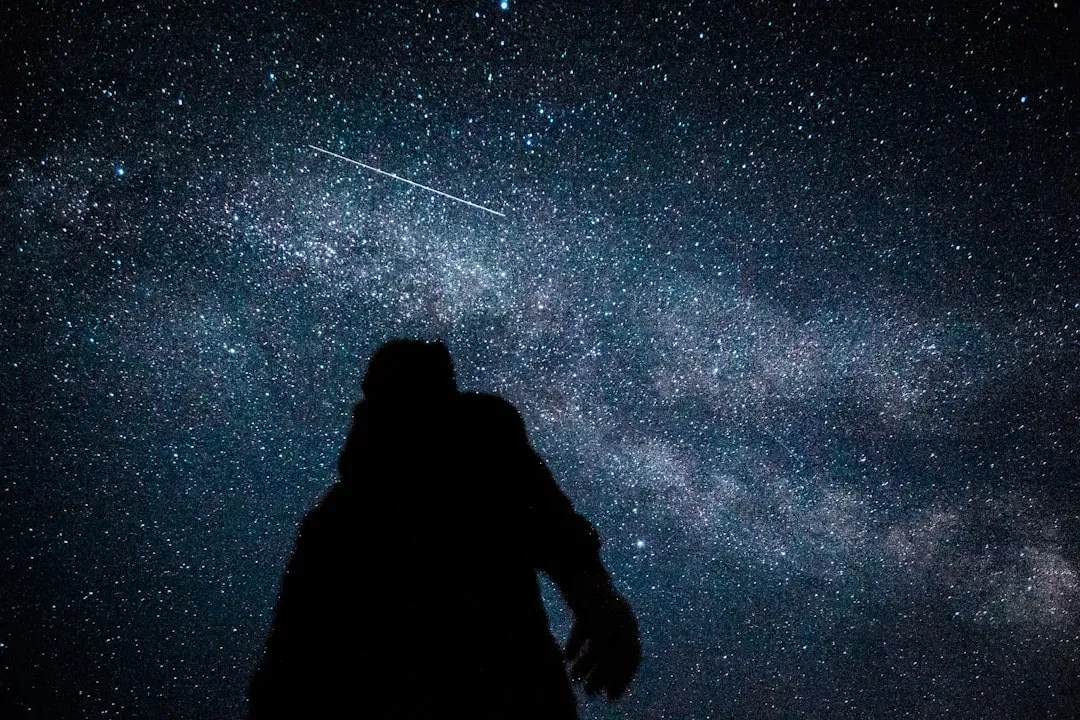
The more we learn, the harder it is to see our minds as isolated bubbles floating in a meaningless void. Your brain is built from stardust, tuned by cosmic rhythms, organized in patterns that echo the large-scale structure of the universe, and driven by the same arrow of time that shapes galaxies and black holes. You’re not standing outside the cosmos, looking in; you’re a local expression of it, thinking and feeling from the inside out.
That doesn’t answer every big question or magically solve everyday struggles, but it does change the backdrop of your life. You’re not just a brain in a skull trying to survive Monday; you’re a brief, bright configuration of the universe, aware of itself for a moment. The next time you look up at the night sky and feel something you can’t quite put into words, maybe that’s the point: a tiny piece of the cosmos quietly recognizing its own reflection. What does it change for you if your thoughts are not separate from the stars, but made of them?