Every generation has its list of things that “will never happen” – until someone stubborn, brilliant, or just plain curious decides not to listen. Yesterday’s impossibilities have a funny habit of becoming today’s headlines, and sometimes they do it so quietly that we barely notice how wild it really is. Think about it: a century ago, talking in real time with someone on the other side of the world would’ve sounded like magic. Now we get annoyed if the video lags for two seconds.
What follows isn’t just a list of cool inventions. It’s a tour of moments when science walked right up to the edge of what we thought was absolutely off-limits and stepped over anyway. Some of these breakthroughs are now boringly normal, others are still unfolding in laboratories, and a few sound like plot points from a sci‑fi movie. But they’re all real, they’re all happening, and they all quietly prove the same thing: our definition of “impossible” is usually just “not yet.”
1. The First Heavier-Than-Air Flight

For centuries, serious thinkers argued that a machine heavier than air could never fly under its own power. The idea wasn’t just doubted; it was ridiculed as a kind of mechanical fantasy, like trying to teach a stone to swim. Birds could fly, sure, but they had muscles, hollow bones, and evolution on their side. Humans, with our clumsy contraptions of wood and cloth, were supposedly pushing against the laws of nature themselves.
Then came the Wright brothers and that wobbly, fragile flyer that hauled itself into the air for less than a minute. On paper, it was unimpressive – it didn’t go very high or far, and the flight barely counted as more than a controlled hop. Yet that “hop” was a door being kicked open. Within a few decades, people were crossing oceans in the time it once took to ride a horse to the next town. What had been mocked as impossible became so common that we now complain about middle seats and airline food instead of marveling that we’re casually cruising above the clouds.
2. Cracking the Human Genome Code
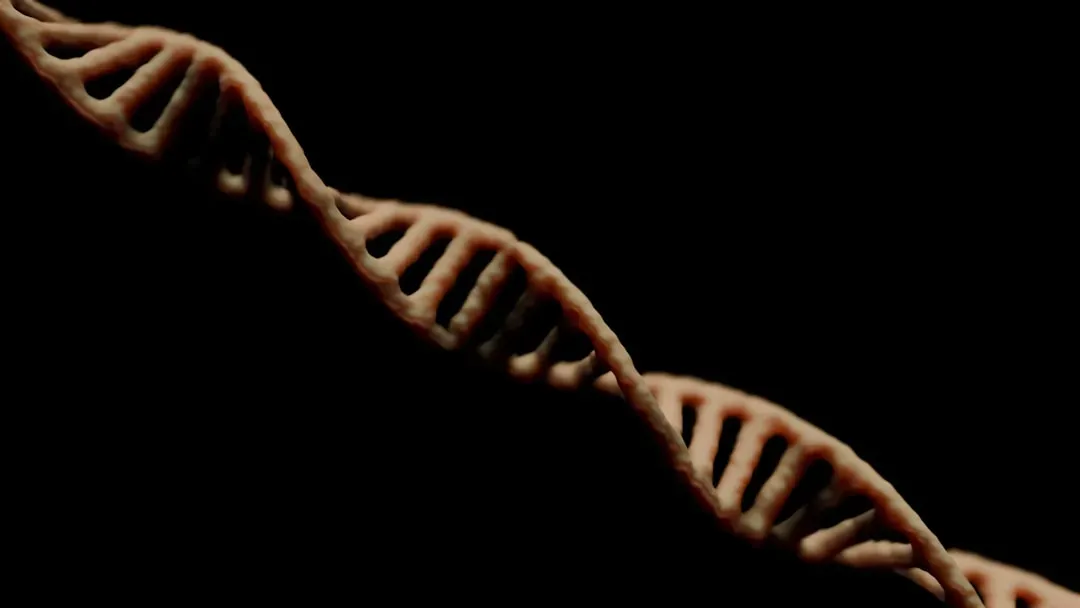
For most of human history, heredity was a mystery wrapped in superstition and guesswork. Families saw traits move through generations – eye color, temper, diseases – but the rules behind it all were invisible and untouchable. When scientists first proposed reading the entire human genetic instruction book, many people thought it was almost laughable in scale, like trying to read every grain of sand on a beach, one by one.
Yet over the span of just a few intense years, teams across the world did exactly what had sounded impossible: they sequenced essentially the entire human genome. Today, reading large chunks of DNA is faster and cheaper than anyone in the 1990s would have believed. What was once a moonshot-level project is now a medical tool used to diagnose rare disorders, guide cancer treatments, and trace outbreaks of infectious diseases. The “book of life” that seemed too dense to read is now something doctors and researchers flip through every day.
3. Turning Light Into the World’s Fastest Messenger
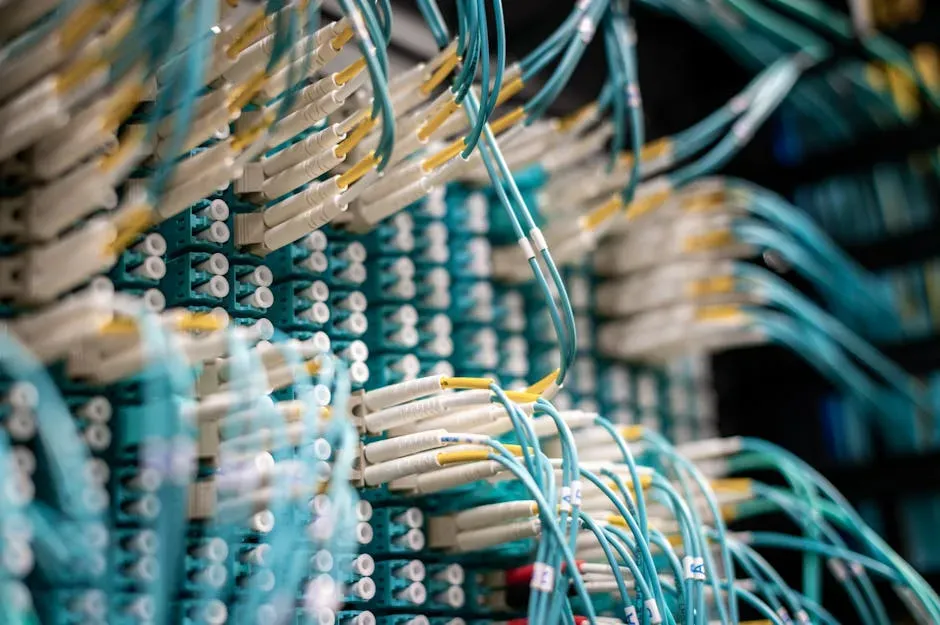
There was a time when sending a message across a continent meant waiting days or weeks, and even the electric telegraph felt like an outrageous stretch. To many people, the idea of instantly sharing words, images, or full conversations between continents seemed closer to fantasy than engineering. The speed of light itself sounded like a hard, unreachable limit, not something we could harness for streaming movies and video calls.
Fiber‑optic communication flipped that intuition on its head by turning beams of light into information highways. Hair‑thin glass cables now shoot pulses of light beneath oceans and through cities, carrying staggering amounts of data in fractions of a second. We hardly think about it as we scroll, swipe, and complain about Wi‑Fi, but our daily lives depend on information literally racing at light speed. The old dream of near‑instant global communication didn’t just come true; it became so normal that we get frustrated if a message takes more than a heartbeat to send.
4. Editing Life With CRISPR
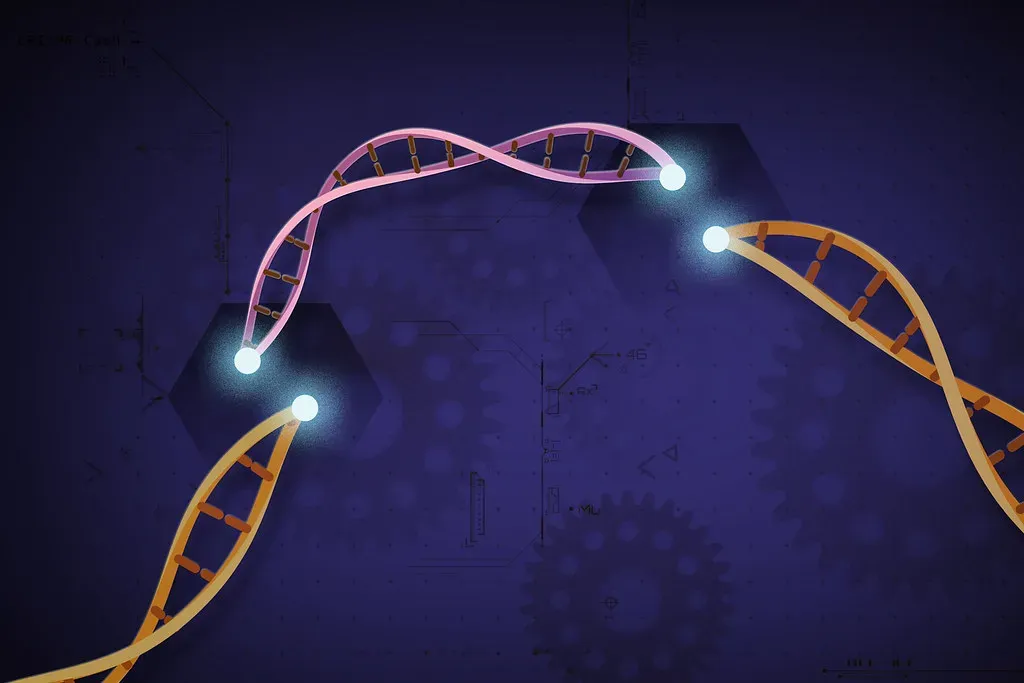
If you’d told someone a few decades ago that scientists would one day be able to “edit” DNA almost as easily as editing a paragraph of text, they’d probably have smiled politely and changed the subject. DNA was seen as something sacred and unreachable, locked away deep inside cells with machinery too delicate to touch. You could study it, maybe manipulate it a bit, but rewriting it with precision sounded like pure science fiction.
CRISPR changed that narrative in a shockingly short time. Suddenly, labs went from clumsy, expensive genetic tweaks to a relatively cheap, targeted, and versatile system that could snip and modify genes in plants, animals, and human cells. Trials are now exploring gene-editing therapies for diseases that once felt like life sentences, from certain blood disorders to inherited blindness. It’s not without serious ethical questions, and those debates are necessary, but the core fact remains: humanity went from reading the code of life to actively revising it, almost as if we’d found the “edit” button on existence itself.
5. Landing Machines on Other Worlds
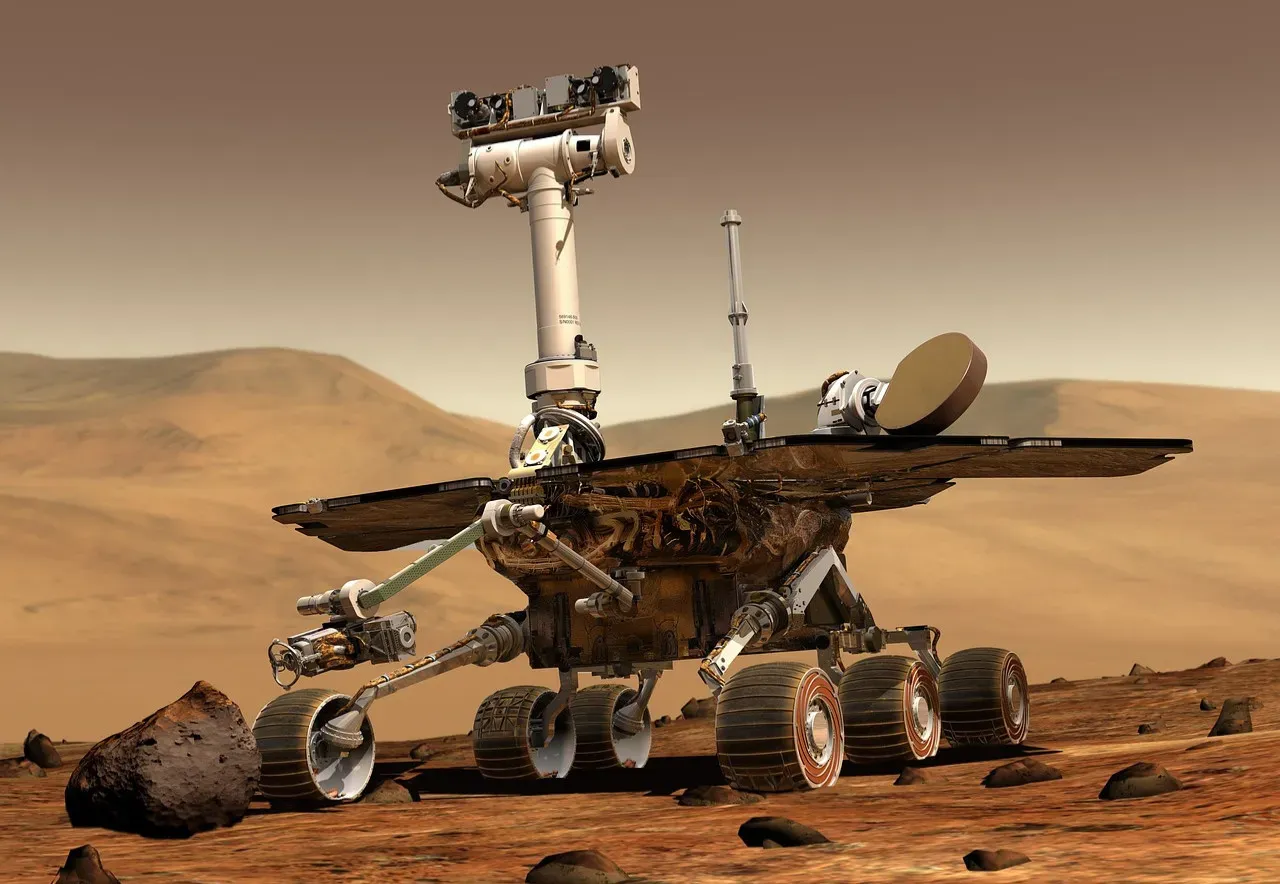
Standing outside on a clear night, it’s easy to feel that the other planets are untouchable, more like decorations than destinations. For a long time, that was more or less the consensus: space was beautiful to look at but permanently out of reach. The thought of sending anything across tens of millions or even billions of kilometers, then landing softly on some distant rock, felt absurdly ambitious, like trying to throw a paper airplane and make it land on a specific balcony in another city.
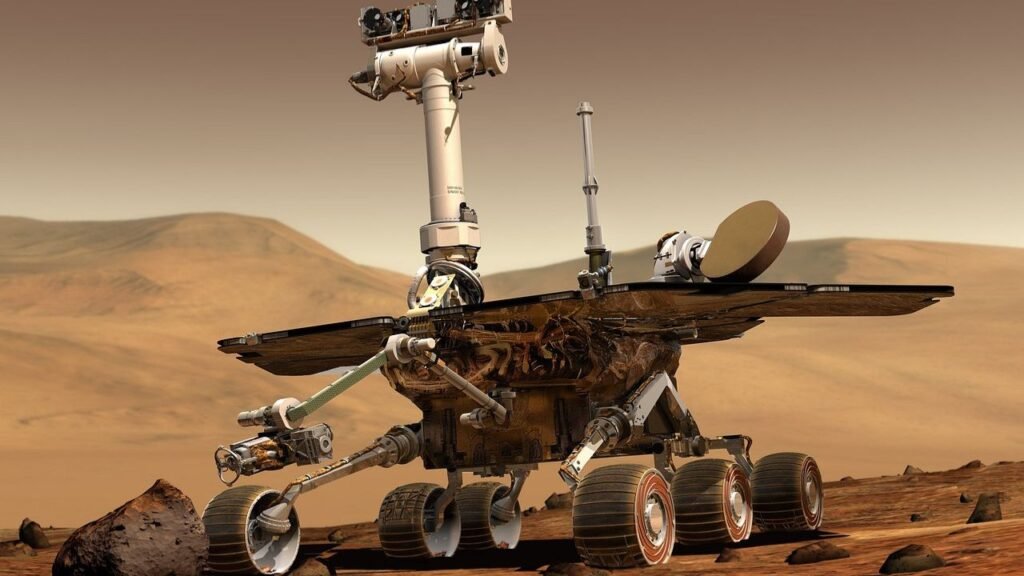
And yet that’s pretty much what space agencies have learned to do. We’ve dropped rovers onto Mars, set probes on comets, and soft‑landed hardware on the Moon again after long gaps in exploration. Each landing involves insane levels of math, timing, and blind trust in automated systems, all carried out across terrifying distances with no real‑time control. The first time I watched footage of a Mars rover’s “seven minutes of terror” descent, it struck me that humanity had basically learned to thread a cosmic needle. The universe did not come with directions, but we’re landing on it anyway.
6. Quantum Weirdness Turned Into Real Technology
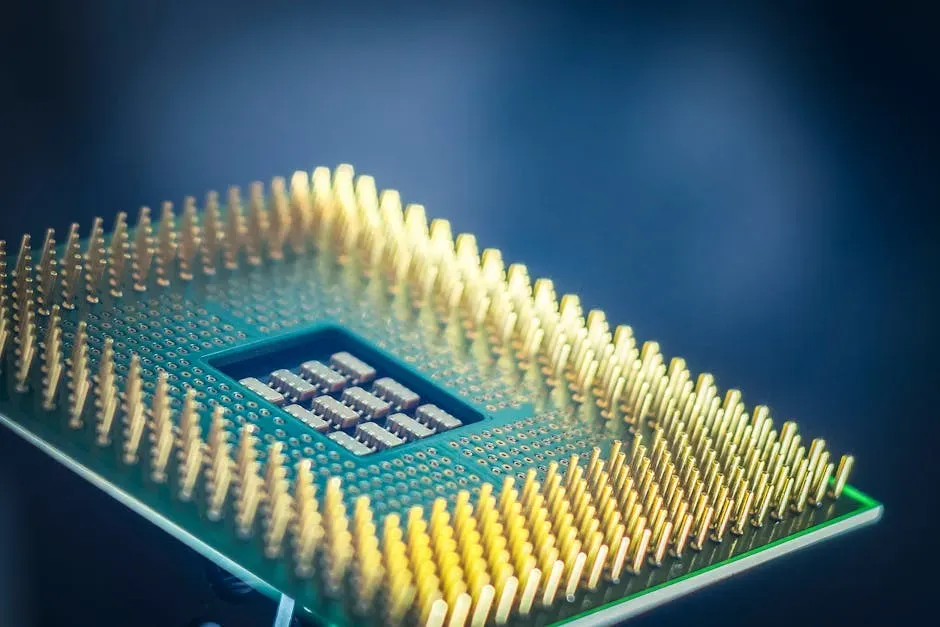
Quantum physics started as the kind of theory that made even professional scientists uncomfortable. Particles that behaved like waves, objects that could exist in multiple states at once, and spooky connections across distance all sounded less like reality and more like surreal poetry. Many people, including some of the pioneers of the field, believed it would never have practical uses beyond explaining strange lab experiments.
Fast‑forward to now, and we’re building devices that rely directly on those once‑baffling rules. Quantum bits, or qubits, can hold overlapping states that classical bits never could, opening doors to new forms of computing that might one day crack problems traditional machines would take eons to solve. Quantum sensors and communication systems are inching toward real‑world deployment, taking advantage of fragile states that used to exist only on blackboards. The weirdest corner of physics is slowly morphing from philosophical headache to engineering toolkit, proving that even the most counterintuitive ideas can turn into hardware.
7. Growing Organs in the Lab
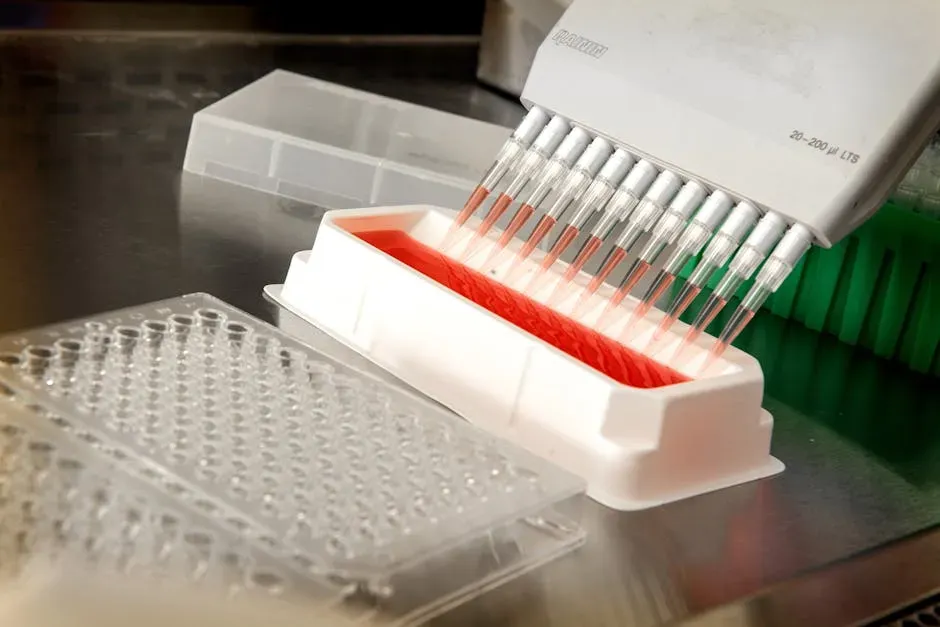
The idea of replacing a failing organ with a lab‑grown version used to live safely in the realm of speculative fiction. Real organs are intricate, full of different cell types, twisting blood vessels, and complex chemical signals that develop over months or years. Trying to recreate that structure outside a body sounded like building an entire forest from scratch, leaf by leaf, without sunlight or soil.
Yet scientists have managed to take stem cells and coax them into forming mini‑organs, called organoids, that mimic aspects of brains, livers, kidneys, and more. While these lab‑grown structures aren’t fully formed replacements, they already help researchers study diseases, test drugs, and understand development in ways that were simply impossible before. At the same time, tissue‑engineering advances are creating lab-made patches for damaged hearts, skin, and even parts of windpipes. The dream of growing transplantable organs is still in progress, but the leap from impossible fantasy to “we’re genuinely getting there” has already happened.
8. Detecting Ripples in Space and Time
For a long stretch of the twentieth century, the idea of measuring tiny ripples in the fabric of space itself sounded basically hopeless. These gravitational waves, predicted by relativity, were expected to be so faint by the time they reached Earth that detecting them felt like trying to hear a whisper from across a galaxy during a hurricane. Even some experts doubted the technology would ever be sensitive enough to confirm their existence directly.
Then came the moment when detectors actually picked up the shudder from colliding black holes, and that theoretical whisper turned into a clear, measurable signal. Giant interferometers, with laser beams spanning kilometers, managed to register distortions smaller than a fraction of a proton’s width. It’s an almost obscene level of precision, the kind that makes you rethink what “measurement” even means. Overnight, a new kind of astronomy was born, one that listens to the universe’s most violent events by literally feeling space ring like a cosmic bell.
9. Restoring Lost Senses With Brain–Machine Interfaces
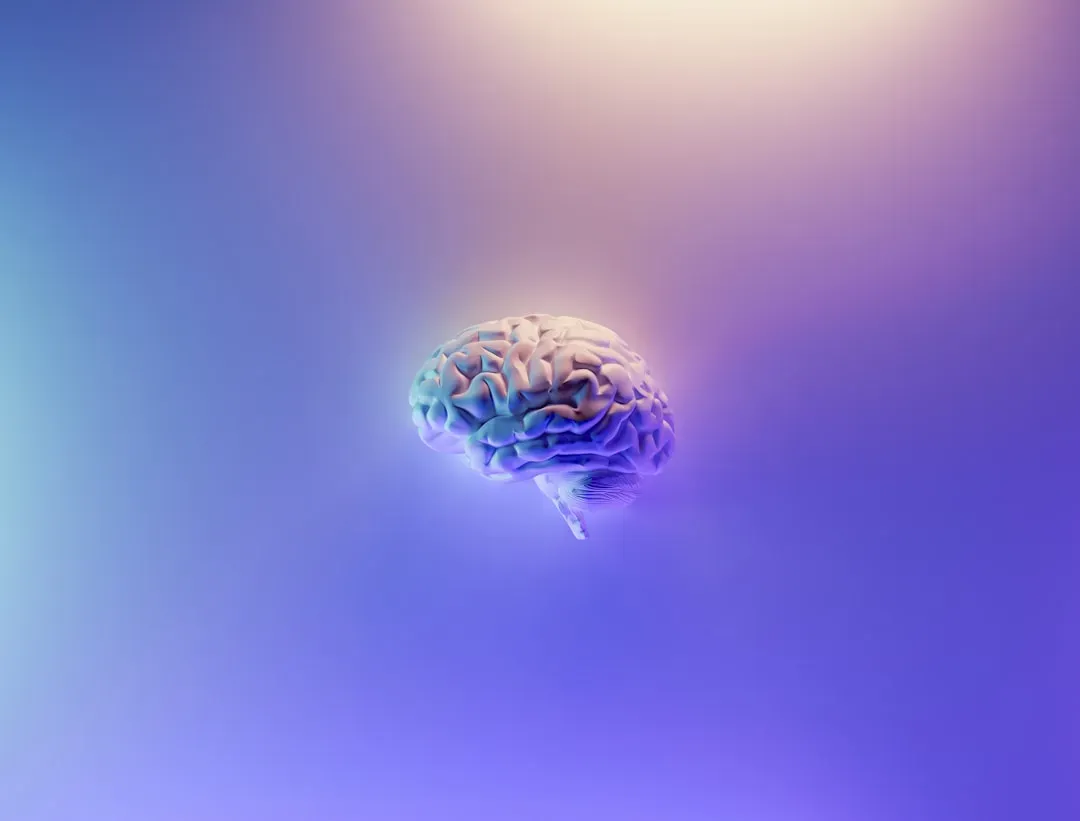
The brain used to be treated like an untouchable black box: vital, mysterious, and far too delicate to interface with directly. The idea of plugging electronics into it and getting something coherent out – let alone sending information back in – seemed borderline reckless. Many people assumed that once a sense like vision or hearing was lost, that was the end of the story, with no realistic path to restoration.
Today, brain–machine interfaces and neuroprosthetics have started to rewrite that script. Cochlear implants turn sound into electrical signals the brain can interpret, allowing many people with profound hearing loss to perceive speech and environmental noise again. Researchers are working on visual prosthetics, motor implants that let paralyzed people move robotic arms by thought, and even systems that let someone “feel” pressure from a prosthetic limb. The first time I saw a patient drink from a bottle using only a mind‑controlled robotic arm, it was hard not to feel that science had stepped into territory that would have looked impossible even a generation ago.
10. Creating Energy From “Nothing”: Vacuum Fluctuations and Fusion Progress
At a gut level, empty space feels like…nothing. The idea that a vacuum could have structure or energy baked into it sounded bizarre, like discovering that silence has hidden music. Meanwhile, harnessing the power of nuclear fusion – the same process that fuels the Sun – long carried a reputation as a perpetual mirage, always promised to be a few decades away, then pushed back again.
Modern physics has revealed that so‑called empty space seethes with activity, with tiny fluctuations influencing phenomena like particle behavior and even the large‑scale structure of the universe. At the same time, fusion researchers have achieved record-breaking energy yields and confinement times in experimental reactors, edging closer to a point where fusion could produce more energy than it consumes. We’re not there yet in a practical, plug‑it‑into‑the‑grid sense, but the steady march of progress has shifted fusion from a punchline to a serious, near‑term prospect. What used to sound like extracting power from nothing now looks like one of the most promising ways to power a future that desperately needs clean energy.
Conclusion: Redefining the Edge of Possible
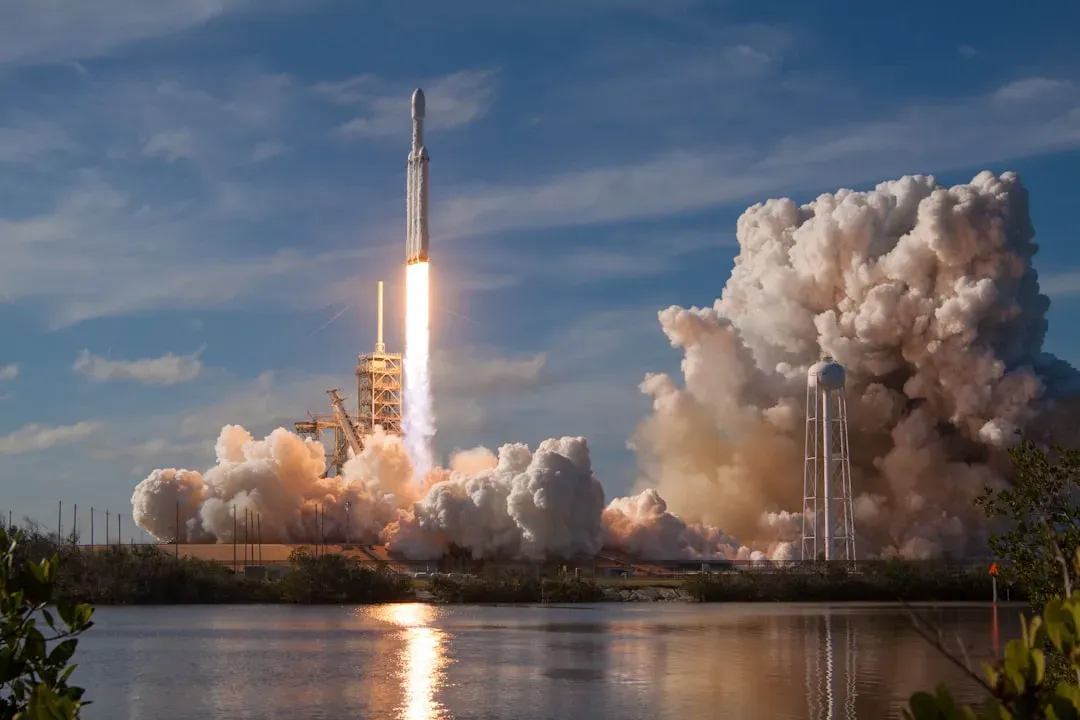
Looking back at these breakthroughs, a pattern jumps out: we’re not as good at predicting the limits of reality as we like to think. Again and again, the border between “impossible” and “possible” has turned out to be more like a foggy coastline than a solid wall. You only see new land when someone is willing to sail into the mist and risk looking foolish for a while. From flying machines and gene editors to rovers on other worlds and quantum computers, the real constant isn’t the technology – it’s the refusal to accept that today’s limits are final.
On a personal level, I’ve stopped taking the word “impossible” too seriously, at least when it comes from someone who’s really saying “I can’t currently imagine how.” The future will almost certainly bring its own list of wild ideas that feel out of reach until they quietly become normal parts of daily life. Maybe that’s the most important lesson science gives us: reality is bigger, stranger, and more flexible than our imagination on its laziest day. When you hear someone say something can never be done, do you find yourself wondering how long it will be before they’re proven wrong?