Right beneath your feet, in the dark and silent world of soil, one of nature’s most extraordinary conversations is happening continuously. It is not spoken in words or sounds, yet it carries urgent warnings, generous gifts of nutrients, and even what some scientists call familial recognition. Plants, long dismissed as passive and solitary organisms, are now understood to be something far more complex and connected than anyone imagined just a few decades ago.
The story of how plants communicate underground reads like science fiction written by nature itself. You are about to discover a hidden universe of fungal threads, chemical signals, electrical pulses, and forest-wide cooperative networks that challenge almost everything you thought you knew about the plant world. Prepare to look at every tree, shrub, and blade of grass with completely different eyes. Let’s dive in.
The Wood Wide Web: Nature’s Original Internet
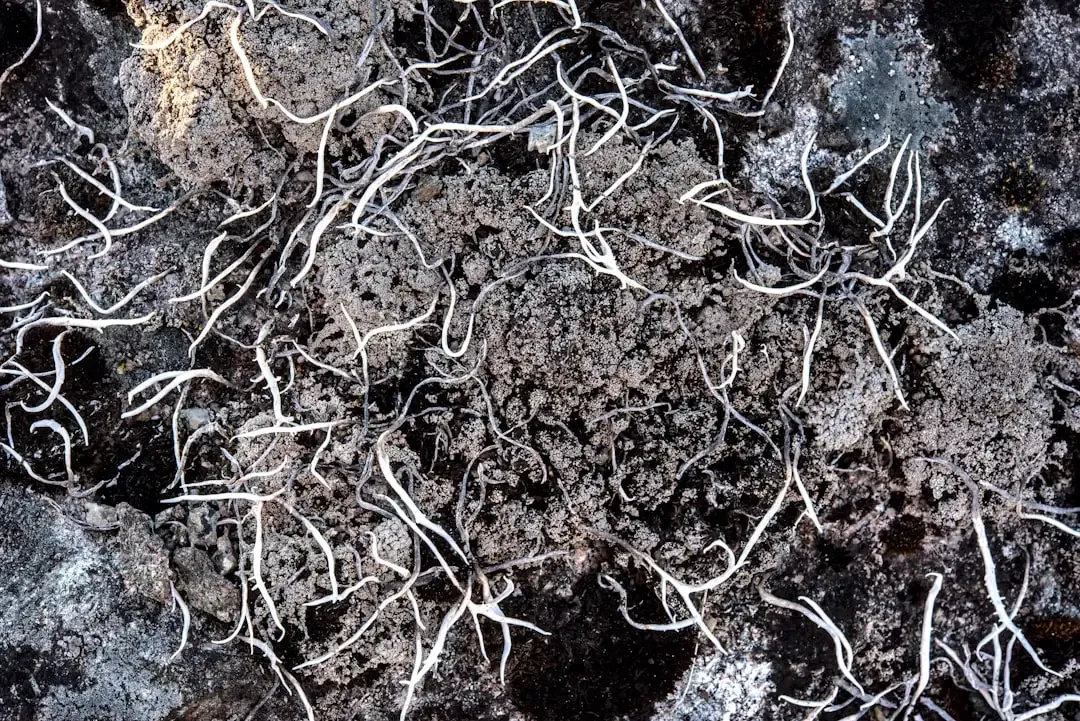
Here’s the thing – long before human beings invented the internet, forests were already running their own version of it. Underground, a network found in forests and other plant communities is created by the hyphae of mycorrhizal fungi joining with plant roots. Scientists and science enthusiasts alike have given this remarkable system a catchy nickname: the Wood Wide Web.
Mycelium composes what is called a mycorrhizal network, which connects individual plants together to transfer water, nitrogen, carbon, and other minerals. German forester Peter Wohlleben dubbed this network the “Wood Wide Web,” as it is through the mycelium that trees communicate. Think of it like a living broadband cable buried in the earth, except instead of fiber optics, you have threadlike fungal filaments millions of times thinner than a human hair.
Much like social networks or neural networks, the fungal mycelia of mycorrhizas allow signals to be sent between trees in a forest. These mycorrhizal networks are effectively an information highway, with recent studies demonstrating the exchange of nutritional resources, defense signals, and allelochemicals. When you walk through a dense old-growth forest, you are essentially strolling over a living telecommunications system of staggering complexity.
How the Fungal Network Actually Works
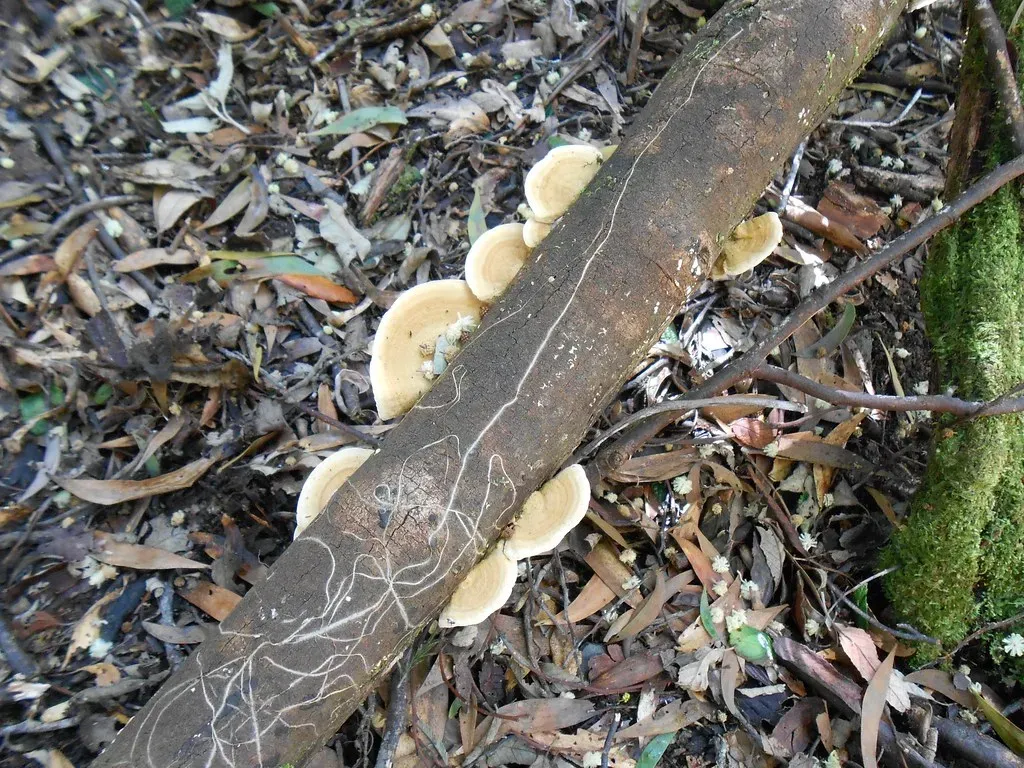
At the heart of this underground communication system lies mycorrhizal fungi, which form symbiotic relationships with plant roots. These fungi attach themselves to the roots of plants, extending their hyphae – thread-like structures – into the soil. This relationship benefits both parties: the fungi receive carbohydrates produced by the plants through photosynthesis, while the plants gain access to essential nutrients and water that the fungi help to absorb. Honestly, it is one of the most elegant deals in all of nature.
Endomycorrhiza, also called arbuscular mycorrhiza, involves hyphae that penetrate the interior of root cells. This is the most common form, found in over four fifths of plant species. Mycorrhizal hyphae are microscopic, thread-like structures that can penetrate soil much deeper and wider than plant roots, connect individuals of the same species as well as entirely different plants, and transport water, phosphorus, nitrogen, zinc, manganese, and other micronutrients. If you scaled up a single fungal network to the size of a road map, it would look more like the wiring diagram of a supercomputer than anything you would expect from soil.
The Language of Chemical Signals
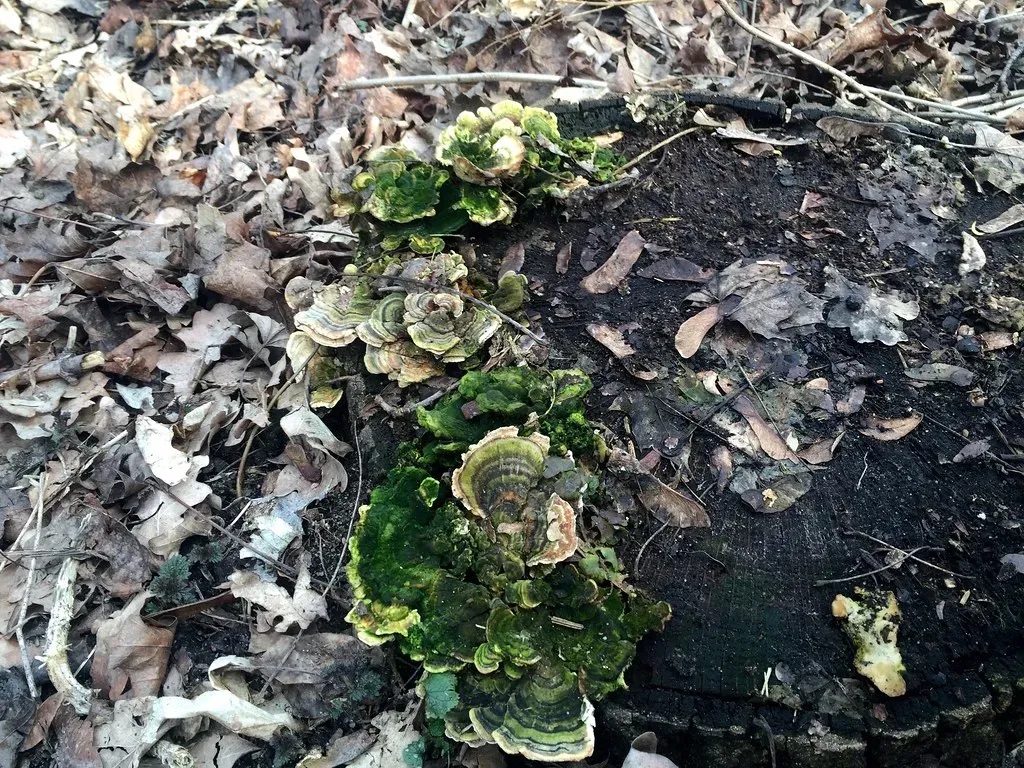
This underground conversation does not take the form of words or sounds. It relies on complex chemical and electrical signals that spread through the mycelium much like impulses in a neural network. One of the best-documented forms of plant communication is the warning system. When a plant comes under attack, it does not just sit there and suffer. It broadcasts an alarm.
Mycorrhizal fungi act as biological wires that carry chemical signals from one plant to another. When a plant suffers an attack by pathogens or herbivores, it can send signals through the mycorrhizal network to warn its neighbors. These recipient plants can then activate their own defense mechanisms in a preemptive manner. Plant communication also occurs through a variety of phytohormones such as jasmonic acid, methyl jasmonate, and zeatin riboside. These molecular messages are invisible to the naked eye but carry life-or-death instructions that neighboring plants can actually read and act upon.
Networks function as a communication line between plants, which send stress-induced amino acids to neighboring plants when damaged or infected, giving other plants notice to ramp up their defenses. In one study, a broad bean plant responded to aphid attack by swiftly transferring defense signals via the mycorrhizal network to neighboring bean plants, which responded in turn by producing aphid-repellent chemicals and aphid-predator attractants. If that does not amaze you, I genuinely do not know what will.
Electrical Signals: The Faster Underground Language
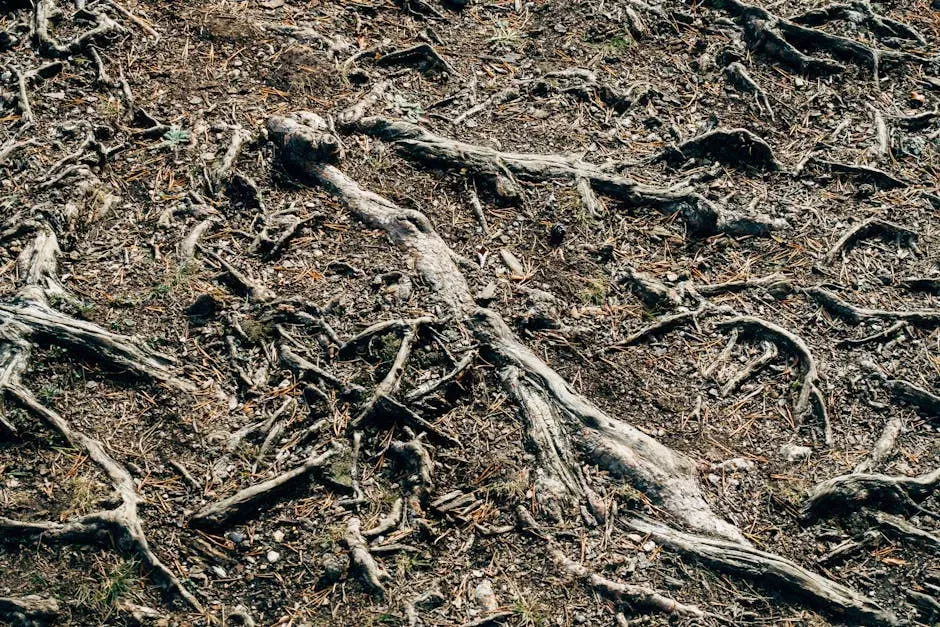
Chemical signaling is impressive, but it has a speed limit. Nature, resourceful as always, developed a supplementary channel for faster communication. Often, the fungal mycelia attach to each other to form continuous connections between plant roots. Data can be exchanged on these links through biochemical signaling and action-potential driven electrical signals. It is surprisingly similar to the way neurons fire signals in animal brains.
Plants have developed complex systems of communication. Electrical, mechanical, and chemical signals induced by above-ground stresses in plants can affect below-ground communication between roots of neighboring plants. There are different electrical, chemical, and electrochemical pathways for underground signaling between plants. Electrical signal transmission is fast in comparison with chemical signaling, which is controlled by slow diffusion. Think of chemical signals as sending a letter and electrical signals as making a phone call. Both communicate, but one gets there much faster.
Mother Trees: The Forest’s Most Generous Elders
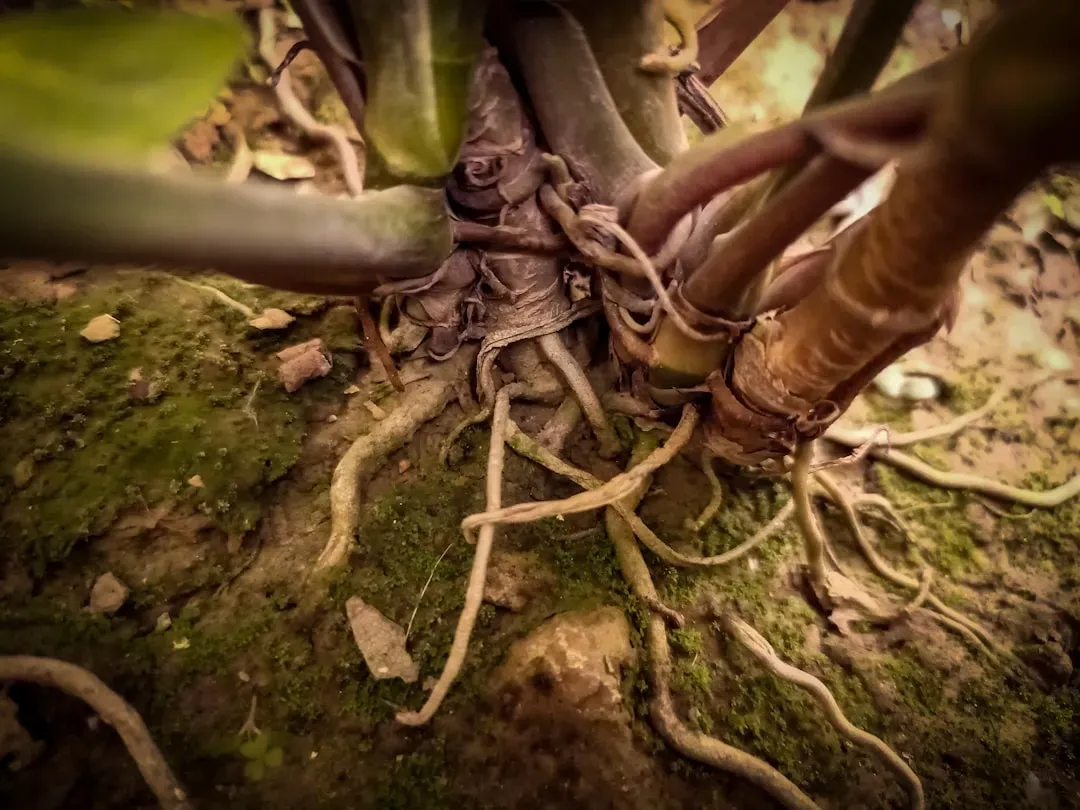
Walk into any ancient forest and you will likely be standing near what scientists call a mother tree, though that term is not without controversy. Research has shown that the biggest and oldest trees are the most connected nodes in the forest. These highly-connected hub trees, also known as Mother Trees, share their excess carbon and nitrogen through the mycorrhizal network with the understory seedlings, which can increase seedling survival. These Mother Trees act as central hubs, communicating with the young seedlings around them.
As a sort of payment for their services, the mycorrhizal network retains roughly a third of the sugar that the connected trees generate through photosynthesis. The sugar fuels the fungi, which in turn collect phosphorus and other mineral nutrients into the mycelium, which are then transferred to and used by the trees. It is worth noting, however, that the idea of outright altruistic sharing between mother trees and seedlings is debated in the scientific community. A study led by researchers at the Swedish University of Agricultural Sciences found that empirical evidence for the mother tree hypothesis is actually very limited. While big trees and their interconnections with their neighbors are still essential for the forest ecosystem, the fungal network does not work as a simple pipeline for resource sharing. Apparent resource sharing among trees is more likely to be a result of trading between fungi and trees rather than directed transfer from one tree to another. The truth, as always with science, is beautifully complicated.
Kin Recognition: Do Plants Actually Favor Their Own Relatives?
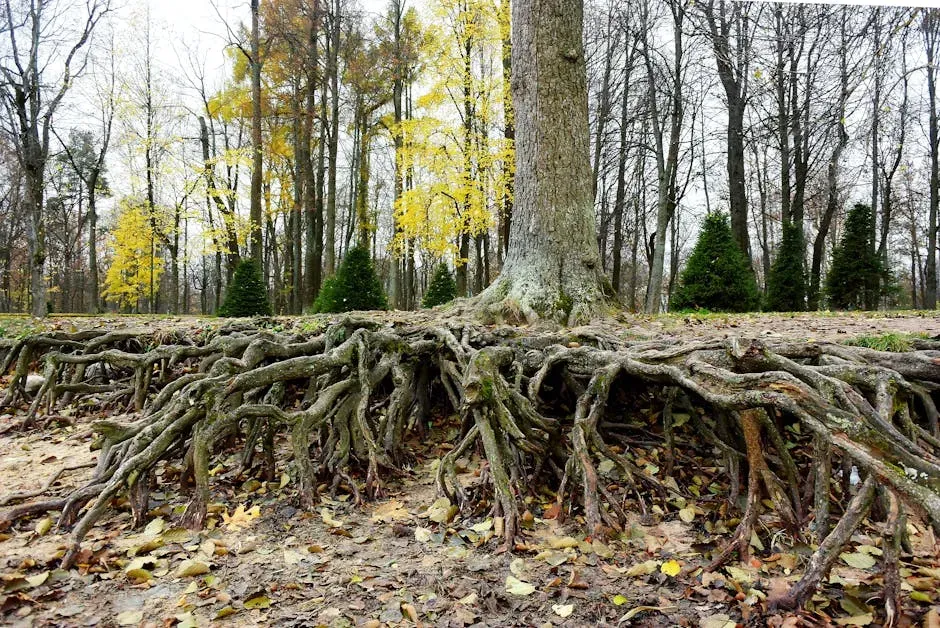
Here is something that might genuinely surprise you. Plants appear to recognize their own genetic relatives underground. A study on Douglas-fir trees indicates that trees recognize the root tips of their relatives and favor them when sending carbon and nutrients through the fungal network. That is not a metaphor. Plants appear to distinguish between strangers and kin in the dark of the soil.
Kinship can act as another transfer mechanism. More carbon has been found to be exchanged between the roots of more closely related Douglas firs sharing a network than more distantly related roots. Evidence is also mounting that micronutrients transferred via mycorrhizal networks can communicate relatedness between plants. Recent research has shown that genetically related plants respond more effectively to chemical signals from their relatives, suggesting a specific level of recognition within the plant community. I think this is one of the most philosophically disorienting findings in modern biology – the notion that plants practice something akin to nepotism.
Threats to the Network and What You Can Do
Although mycorrhizal networks are invisible and may seem resilient due to their underground nature, they are actually extremely sensitive to mechanical, chemical, and ecological disruption. Their restoration, if possible at all, takes decades. This is sobering, particularly in an era of intensive agriculture and rapid land-use change.
The use of mineral fertilisers, pesticides, and herbicides destroys mycorrhiza in several ways: it acidifies or salinises soil, altering fungal habitat conditions, reduces the plant’s need for symbiosis since nutrients are provided externally, and directly kills the fungal network and associated microorganisms. By promoting healthy mycorrhizal networks in agricultural soils, farmers can enhance nutrient availability and reduce reliance on synthetic fertilizers. Practices such as cover cropping, reduced tillage, and organic amendments can support the development of these beneficial fungi. The good news? You do not need to be a farmer to make a difference. Even gardeners who avoid excessive tilling and synthetic chemicals are playing a part in protecting these underground highways.
Findings reveal that less than one tenth of mycorrhizal fungi biodiversity hotspots fall within existing protected areas, leaving vast underground ecosystems vulnerable to destruction from agriculture and development. Plants transfer an estimated thirteen billion metric tons of carbon dioxide to these underground fungi annually, roughly equivalent to a third of global fossil fuel emissions. Much of this carbon becomes locked in soil, making fungal networks critical for climate stability. The stakes, it turns out, could not be higher.
Conclusion
The underground communication system of plants is one of the most humbling discoveries that modern science has given us. What was once considered a passive, inert backdrop to the drama of animal life is now understood to be a dynamic, chemically rich, electrically charged web of relationship and exchange. You are never quite alone in a forest – you are walking over millions of ongoing conversations.
The more you learn about how plants talk to one another, the more the conventional boundaries between individuals and communities begin to blur. A forest is not a collection of separate trees any more than a human city is a collection of separate brains. The discovery of mycorrhizal networks revolutionizes how we perceive plant life, from isolated individuals competing for resources to members of complex cooperative communities intertwined beneath our feet. Through intricate fungal connections, plants share nutrients, warn each other about threats, and collectively adapt to changing environments. Next time you step outside, take a moment. The ground beneath you is not silent. It never was. What do you think – will knowing this change the way you see the natural world around you?