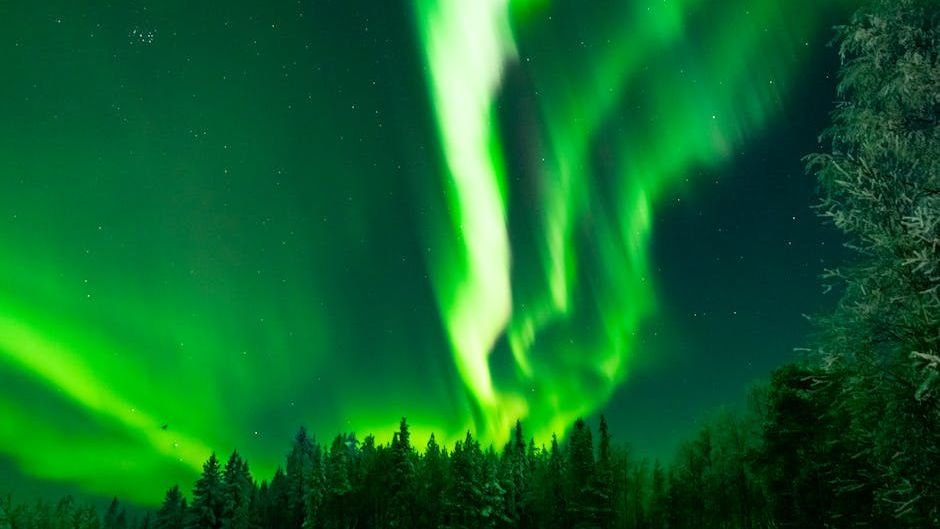
If you’ve ever seen photos of the northern lights, you might think you already understand them: pretty green waves across a dark sky and a bunch of people in parkas pointing their phones up. But the real story behind the aurora is stranger, more dramatic, and honestly way more awe‑inspiring than most people realize. These lights are the visible fingerprints of storms on the Sun, invisible currents in space, and a magnetic shield silently protecting our planet.
The first time I saw them in person, I was shocked by how alive they looked. They weren’t just hanging there like a picture; they twisted, pulsed, and raced across the sky so fast it made my heart pound. What looks like pure magic is actually physics turned up to eleven, with a bit of mystery still left unsolved. Let’s dig into some of the wildest, most surprising things about the northern lights you’ve probably never heard.
They’re Caused by a Stormy, Explosive Sun
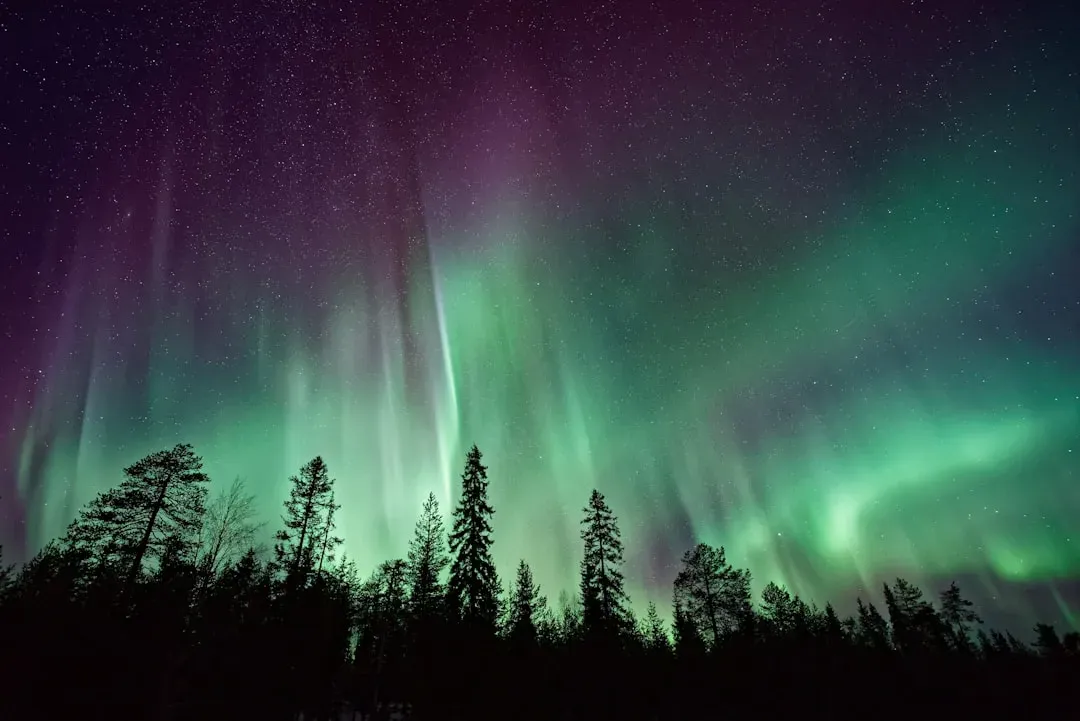
The northern lights begin nearly one hundred fifty million kilometers away, on the surface of the Sun. Our star constantly throws off a stream of charged particles called the solar wind, but during solar flares and coronal mass ejections it blasts out huge clouds of these particles at extreme speeds. When these streams and clouds slam into Earth’s magnetic field, they rattle it like a bell, sending energy and particles spiraling toward the polar regions.
As these energized particles crash into atoms and molecules high in our atmosphere, they excite them, a bit like ringing tiny invisible doorbells. When those atoms calm back down, they release light – that glowing curtain we see as the aurora. In a way, the aurora is Earth’s neon sign, powered not by electricity from a wall socket, but by the fury of the Sun. Every single ripple of light is a conversation between our planet and its star.
They Come in Colors You Rarely See in Photos
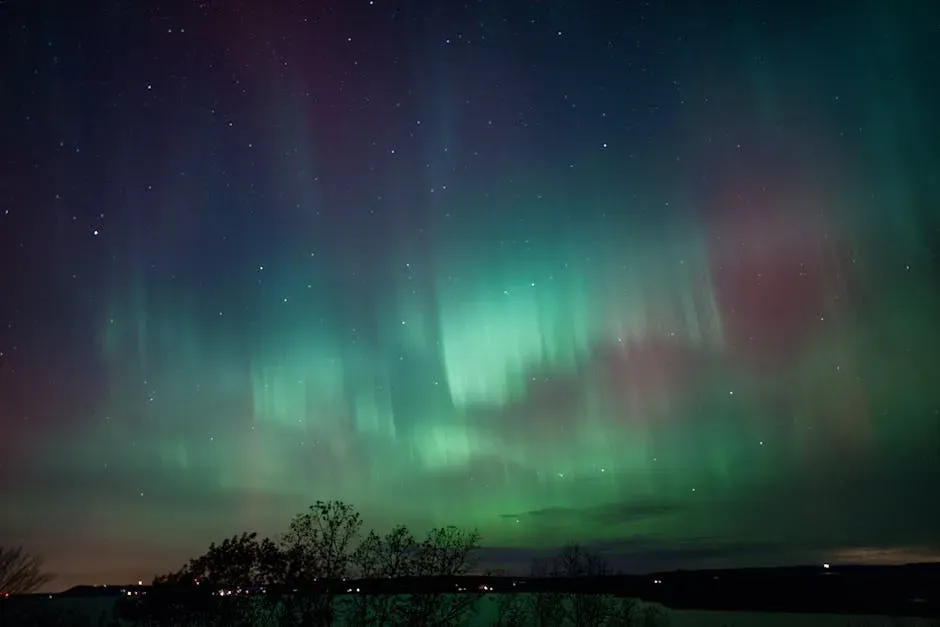
Most photos show the aurora as bright green, and yes, green is the most common color, thanks to oxygen atoms about one hundred kilometers up. But the northern lights can also glow deep red, soft pink, purple, bluish, and even a kind of ghostly white that’s hard to capture properly on camera. Different gases and different altitudes create different colors, a bit like layers in a glowing cake.
Oxygen high in the atmosphere can produce intense red auroras, while nitrogen can add pink and purple edges or pillars. Human eyes at night aren’t great at picking up color, so many people are surprised that their camera shows more shades than they felt they saw. It’s not that the photos are faked; our eyes just switch to night mode and lose some color sensitivity, so the true rainbow of the aurora often shows up better in the image than in the moment.
They Have a Southern Twin You’ve Probably Never Heard Of
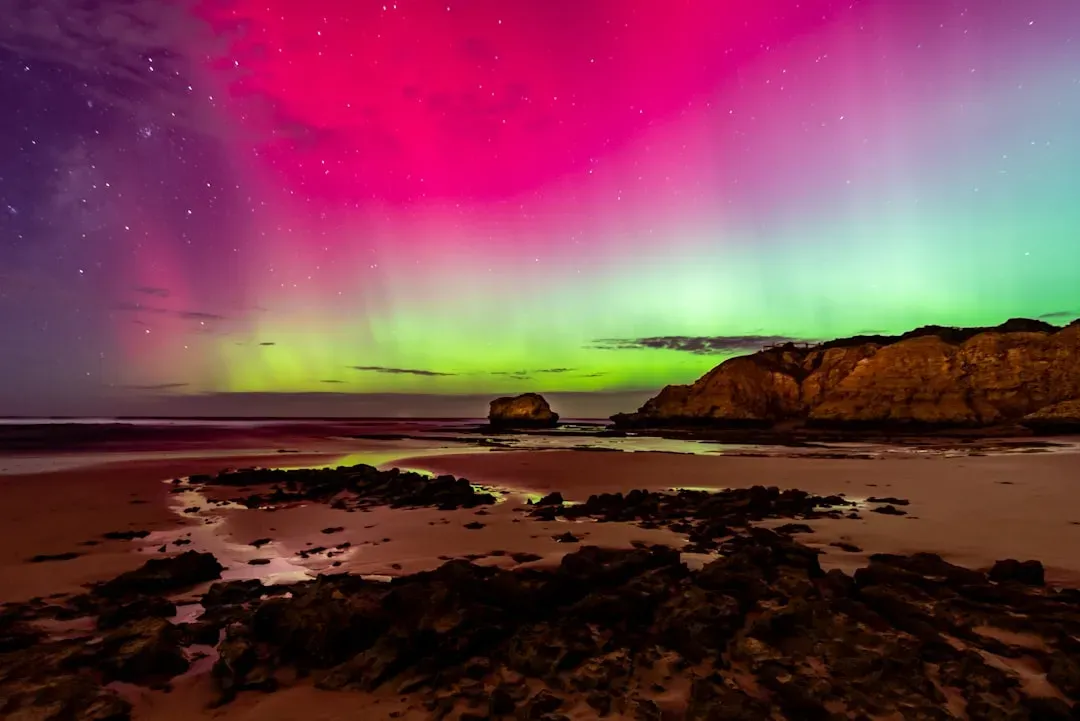
Everyone talks about the northern lights, but they have a less famous sibling: the southern lights, or aurora australis. These appear over Antarctica and the southern parts of countries like New Zealand, Australia, and Chile. From space, scientists sometimes see that northern and southern auroras can mirror each other, flaring up at roughly the same time because both are shaped by Earth’s global magnetic field.
The reason we hear so much more about the northern lights is simple: there are far more people living in high northern latitudes than near the frozen southern polar regions. It’s a bit like having two equally spectacular firework shows, but almost everyone is standing closer to just one of them. Still, during strong solar storms, observers in the southern hemisphere get their own stunning displays that can be just as dramatic and colorful as anything in the Arctic sky.
They Can Mess With GPS, Radio, and Even Power Grids
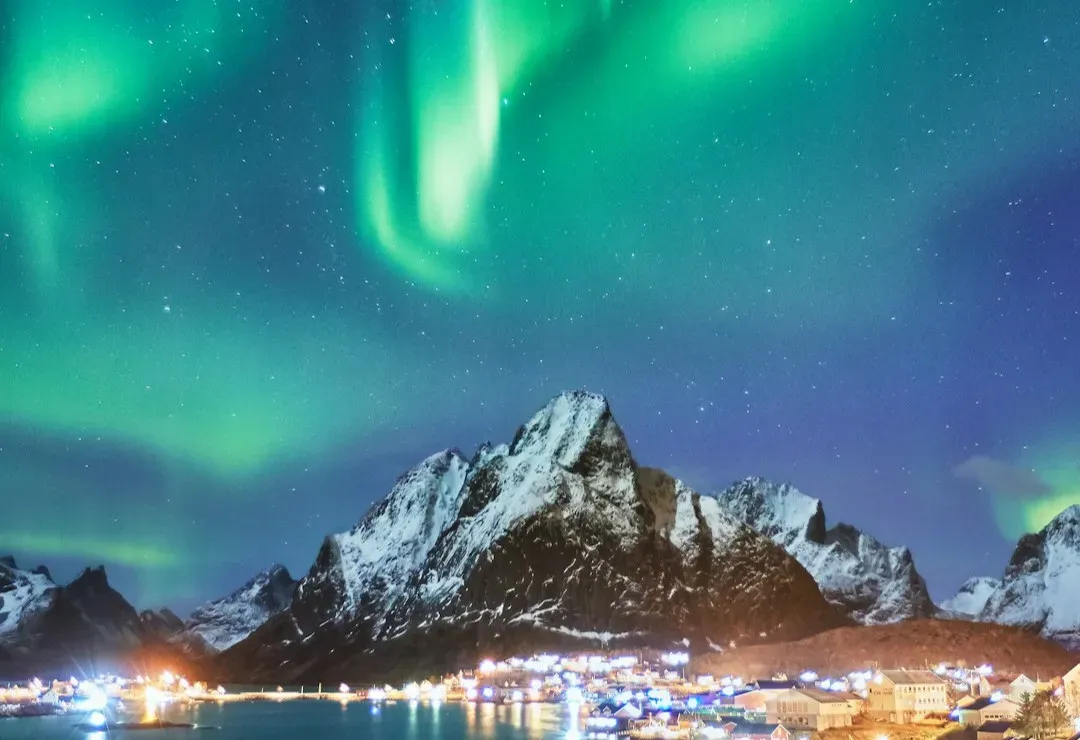
As beautiful as they are, the northern lights are also a visible warning sign that space weather is active. When the Sun launches a big burst of plasma toward Earth, the resulting magnetic chaos in our upper atmosphere can disrupt high‑frequency radio signals, confuse GPS accuracy, and in extreme cases induce currents in long power lines. This isn’t science fiction: a strong geomagnetic storm in the late twentieth century knocked out power in parts of Canada for hours.
Today, space weather forecasts are taken seriously by satellite operators, airlines on polar routes, and electrical grid managers. They watch for alerts that a big solar eruption is heading our way, sometimes adjusting routes or equipment settings to lower the risk of damage. So when you see a sky blazing with wild curtains of light, it’s not just a pretty show – it’s also a sign that our planet’s invisible protective systems are working overtime.
They Make Strange, Elusive Sounds People Still Debate
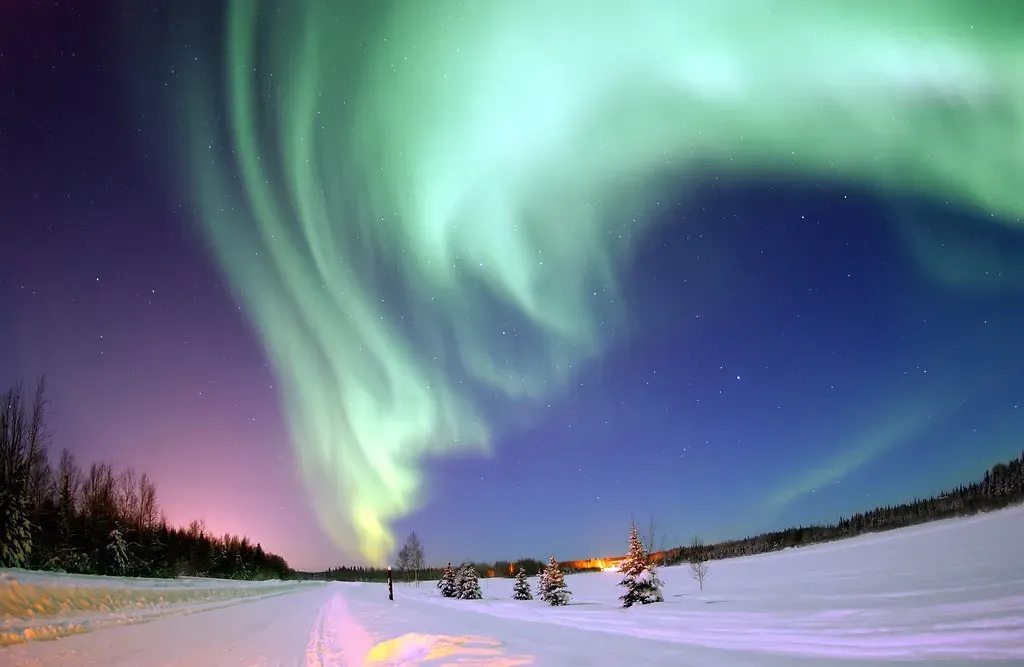
For centuries, some people living under the auroral oval have insisted they heard the northern lights: faint crackles, gentle rustling, or soft whooshing sounds. Scientists were skeptical for a long time because the aurora happens very high above the ground, and sound travels far too slowly to match the timing of what people were reporting. It seemed impossible that light so high could create sound we hear almost instantly.
In the last couple of decades, researchers have recorded mysterious sounds during strong auroras, possibly caused by electrical discharges closer to the ground triggered by the same geomagnetic disturbances. The recordings suggest that under certain conditions, the air near Earth’s surface can build up electric charge and then release it in tiny, audible snaps and pops. Not everyone will hear this in their lifetime, but it adds an eerie layer: sometimes, the night sky might not just be glowing above you – it might be quietly crackling, too.
Animals and Ancient Cultures Used Them as Sky Signals
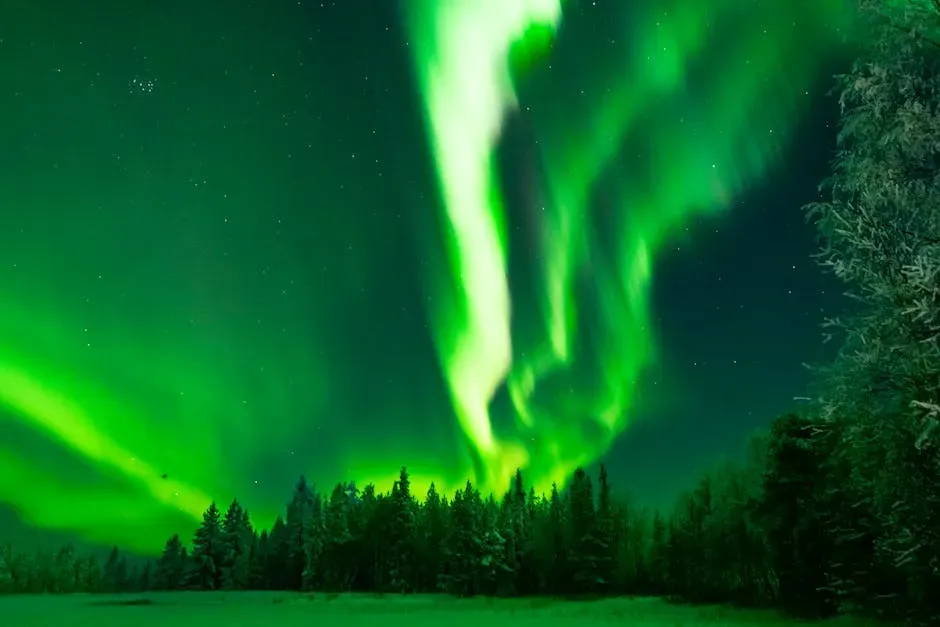
Long before anyone knew about solar winds and magnetic fields, people and animals were reacting to the lights in their own ways. Some Indigenous cultures in the Arctic linked the aurora to spirits, ancestors, or omens, building stories that helped explain an unpredictable and powerful natural phenomenon. These stories weren’t just myths; they were also ways of teaching respect for the land, the sky, and the unknown forces that shape them.
There’s also evidence that some animals may notice auroras in ways we don’t fully understand. Migratory animals like birds, sea turtles, and even some insects are known to sense Earth’s magnetic field for navigation. When geomagnetic storms intensify during auroras, those cues can be disturbed, potentially affecting migration paths. It’s like someone suddenly twisting the compass needle while they are in the middle of a long journey guided by an invisible map.
You Don’t Have to Go to the Arctic to See Them
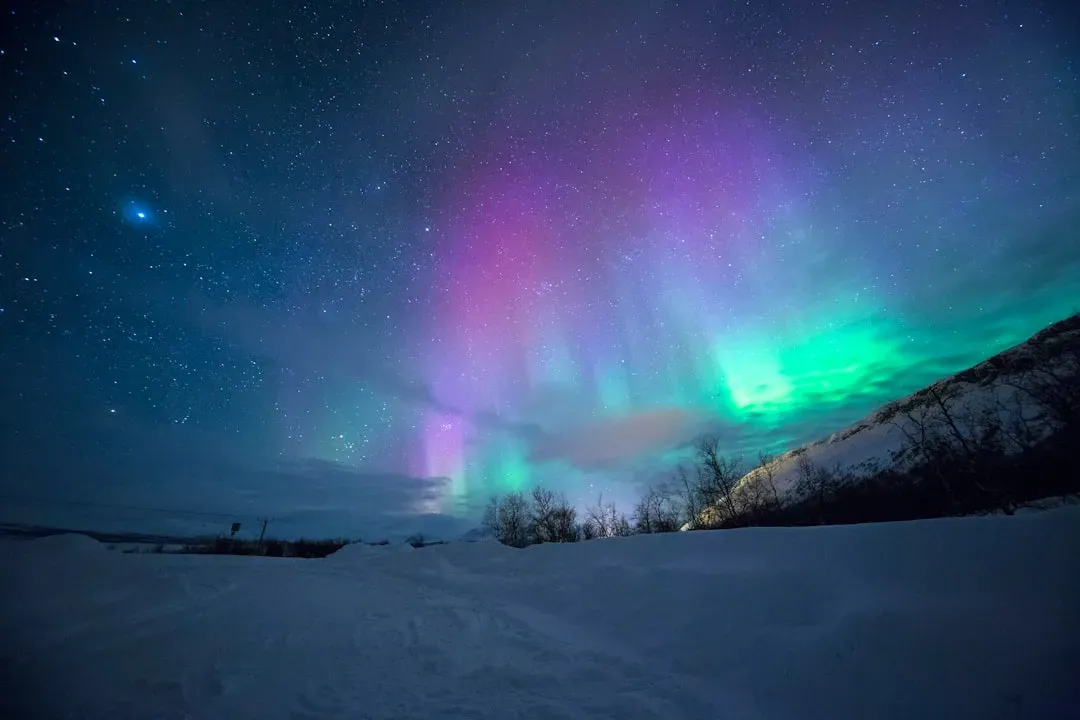
Many people assume you have to stand in some remote village above the Arctic Circle to have any chance of seeing the northern lights. While that’s a great place to go, strong solar storms can push the auroral oval much farther south. During particularly active periods in the roughly eleven‑year solar cycle, people at surprisingly low latitudes get rare auroral shows that light up social media with photos from places that almost never see them.
Even within the usual auroral zones, timing and conditions matter more than your exact spot on the map. Clear, dark skies, minimal light pollution, and patience can make the difference between going home disappointed and watching a full‑sky performance. A person taking a last‑minute walk at midnight in a small town far from city lights can sometimes have a better experience than someone who flew halfway across the world but stayed inside when the show began.
They Have New Cousins With Names Like STEVE
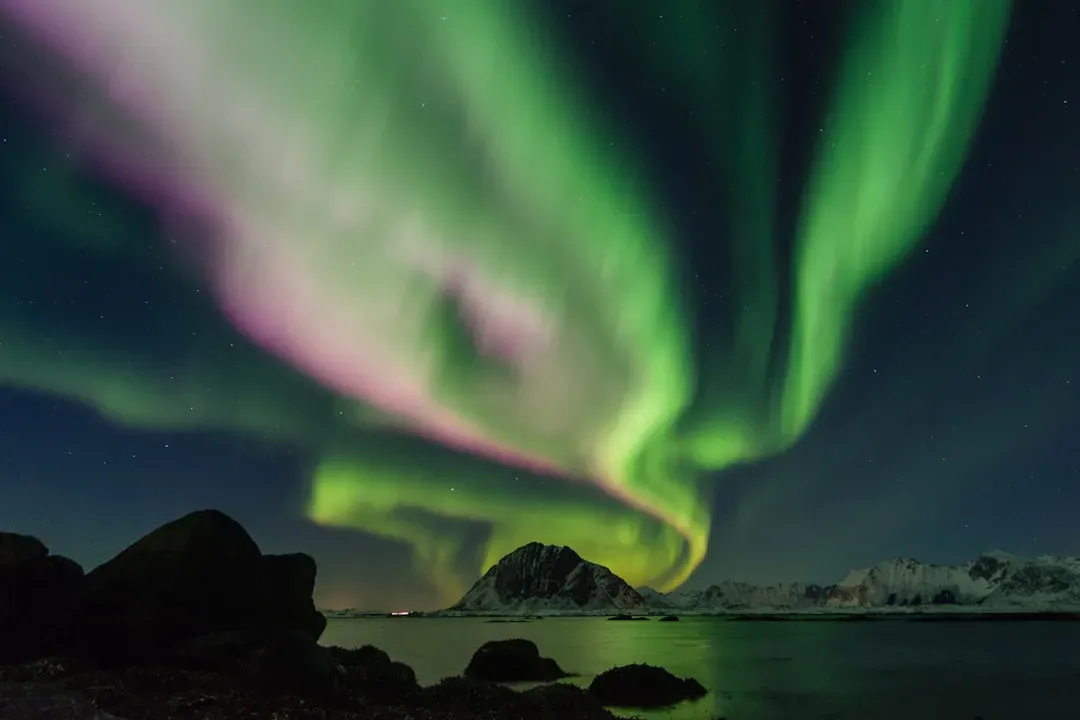
In the last decade, citizen scientists and professional researchers together have stumbled onto new, weird forms of aurora‑like phenomena. One of the most famous is nicknamed STEVE, a narrow ribbon of purple or white light that can stretch across the sky, sometimes with a green, picket‑fence structure beneath it. It looks like an aurora, but it behaves differently, and scientists are still untangling what exactly causes it in the upper atmosphere.
STEVE and other newly recognized structures show how the sky still has surprises for us, even in an age of satellites and high‑tech telescopes. People armed with smartphones and curiosity have helped spot and document these events, turning casual sky‑watchers into genuine contributors to science. It’s a reminder that the universe is not a finished book; it’s more like a series that’s still getting new chapters, and anyone who looks up often enough can help write them.
They’re Getting a Boost From the Solar Cycle Right Now
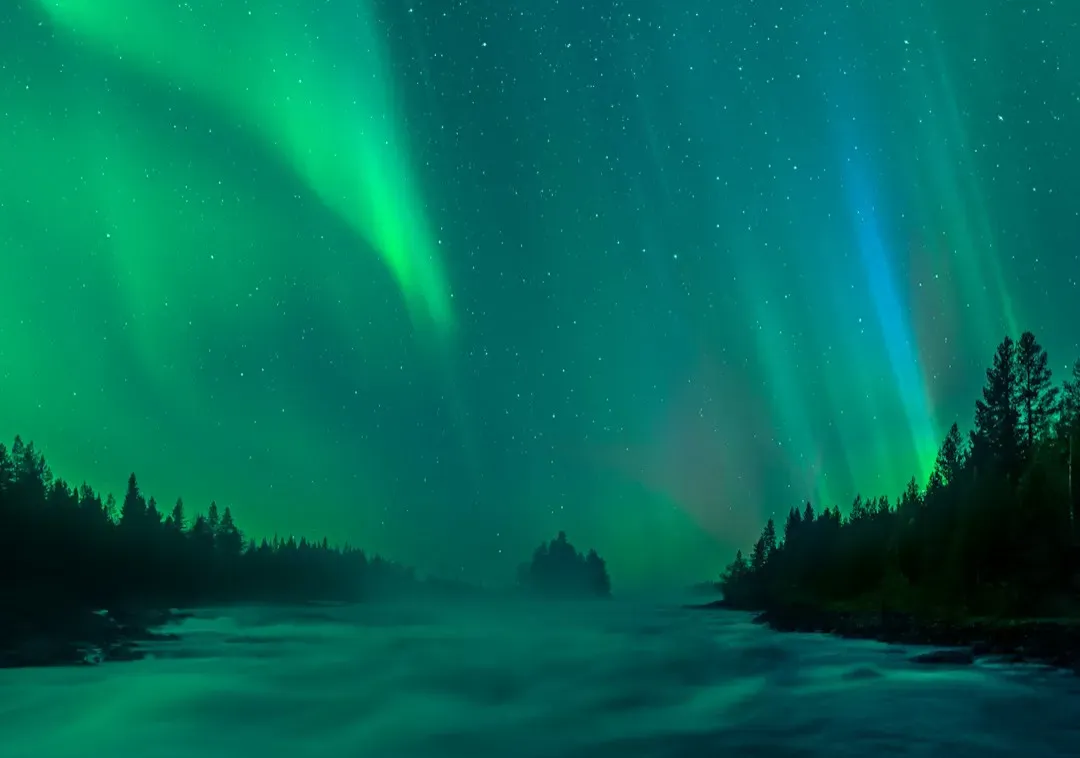
The northern lights are not the same every year; they wax and wane with the Sun’s roughly eleven‑year activity cycle. When the Sun is near solar maximum, it produces more sunspots, flares, and coronal mass ejections, which in turn means more frequent and more intense auroras for us. Around the mid‑2020s, solar activity has ramped up, giving sky‑watchers across the northern and southern hemispheres some of the best chances in years to catch an unforgettable display.
This cycle means that right now is an unusually good time to pay attention to aurora alerts and space weather reports if you’ve always wanted to see the lights. I’ve caught myself checking aurora forecasts the way some people check the surf report, hoping for that perfect storm of dark skies and solar fireworks. The lights may feel otherworldly, but their rhythm is tied directly to our star’s heartbeat, and we’re living through one of its louder moments.
Conclusion: A Silent Storm Painted Across the Sky
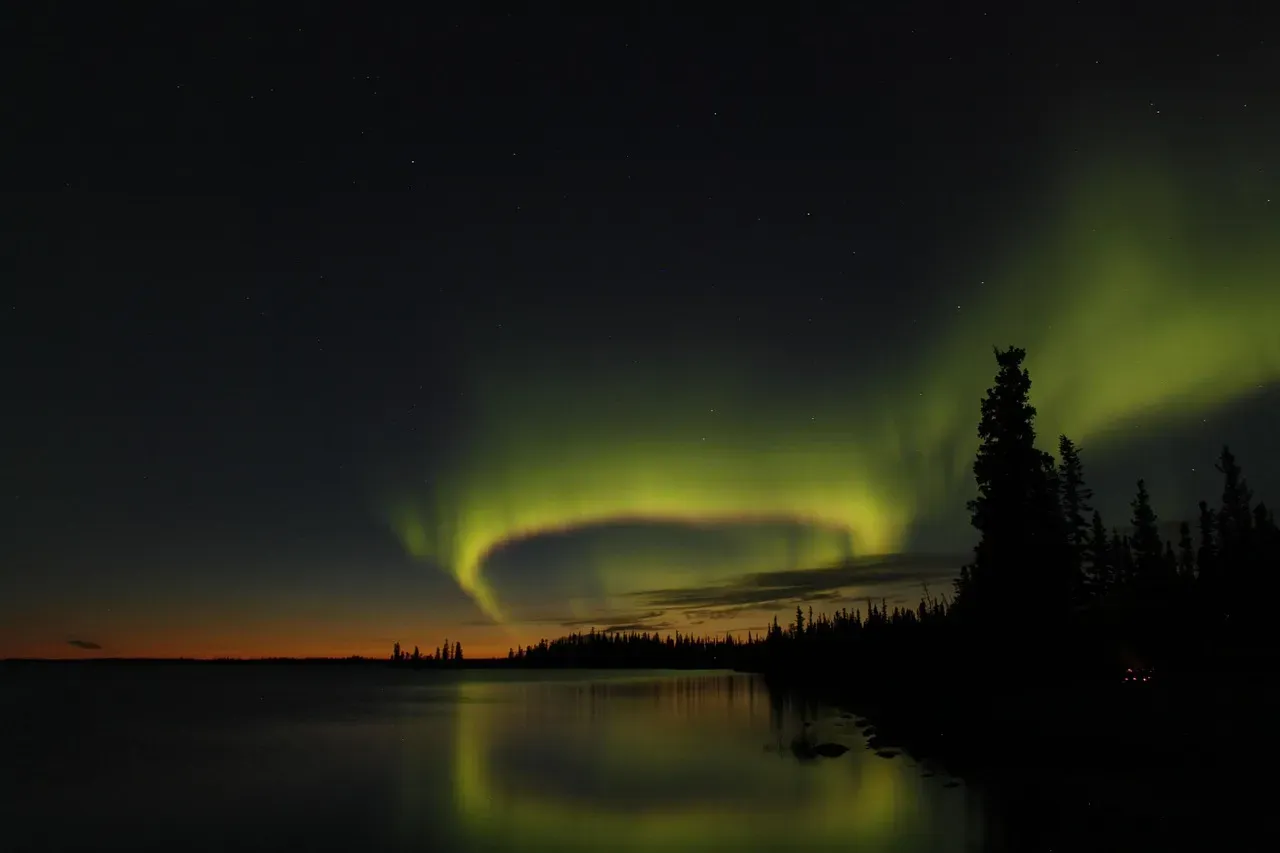
The northern lights might look gentle, like soft curtains drifting above you, but they’re really the visible tip of a massive, silent storm connecting Earth and Sun. Every color, ripple, and flicker is a sign that energy from a distant explosion on our star has traveled through space and collided with our atmosphere. What seems like a calm night’s show is actually a high‑energy drama unfolding overhead while most people sleep or stare down at their screens.
Once you know that, it’s hard to see the aurora as just another pretty travel photo or bucket‑list item. It becomes proof that we live on a small, magnetic, electrically alive planet orbiting a restless star, and that even our quietest nights are charged with invisible power. Next time you look up at a glowing sky, will you think of it as a simple light show, or as the universe tapping gently on our window?