Most of our planet is a place we’ve never really seen. We look up to space with rockets and telescopes, but nearly all of Earth’s deep ocean is still dark, unmapped, and almost completely unknown. It’s a bit unsettling to realize that we understand distant galaxies better than the water that covers most of our own world.
Yet down there, in that black, crushing cold, are clues that could rewrite what we think we know about life, climate, medicine, and even our future survival as a species. The deep ocean isn’t just a mysterious backdrop for documentaries; it’s an engine that quietly shapes almost everything about the world we live in, from the air we breathe to the storms that hit our coasts.
Life Thriving Without Sunlight Challenges Our Idea Of What “Habitable” Means
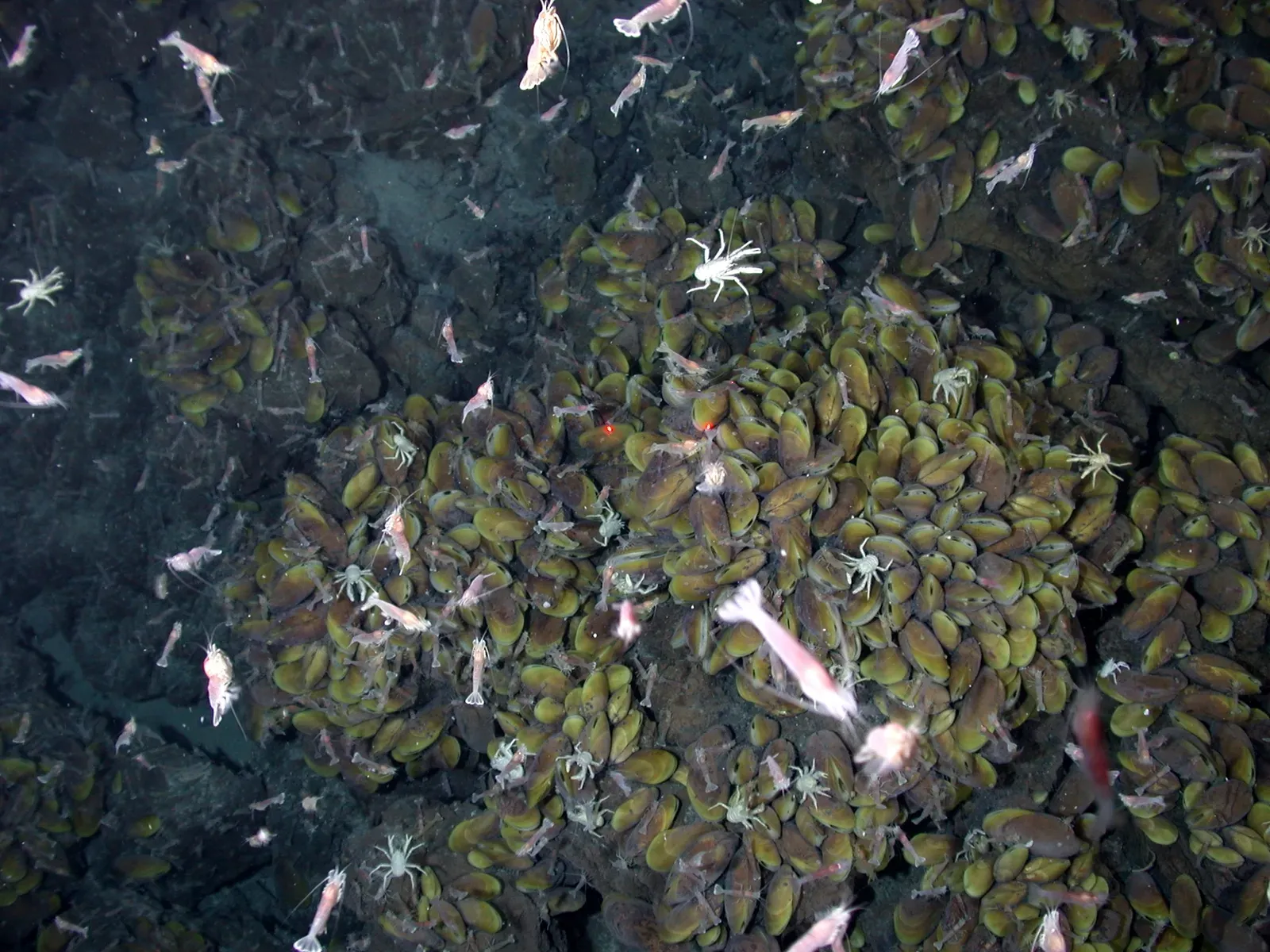
Imagine an ecosystem where the sun never rises, the pressure would crush a car like a soda can, and the water is filled with toxic chemicals boiling out of the seafloor. That sounds like a place where nothing should survive, yet around deep-sea hydrothermal vents, there are lush communities of life: giant tube worms, ghostly crabs, strange snails armored with iron-like scales, and dense mats of bacteria. Instead of sunlight, these organisms run on chemical energy from the Earth itself, using processes like chemosynthesis to turn substances like hydrogen sulfide into fuel for life.
This flips one of our oldest assumptions on its head: that life needs sunlight and a gentle, surface-friendly environment to thrive. If complex ecosystems can blossom in scalding, toxic fluid at the bottom of the ocean, then maybe “habitable” is a much bigger category than we thought. That idea spills straight into how we think about other worlds, like the subsurface oceans of Europa or Enceladus, where similar conditions might exist. The deep ocean is quietly telling us that life is tougher, stranger, and more adaptable than our textbooks ever suggested.
Alien Worlds On Earth Are Rewriting How We Define “Life” Itself
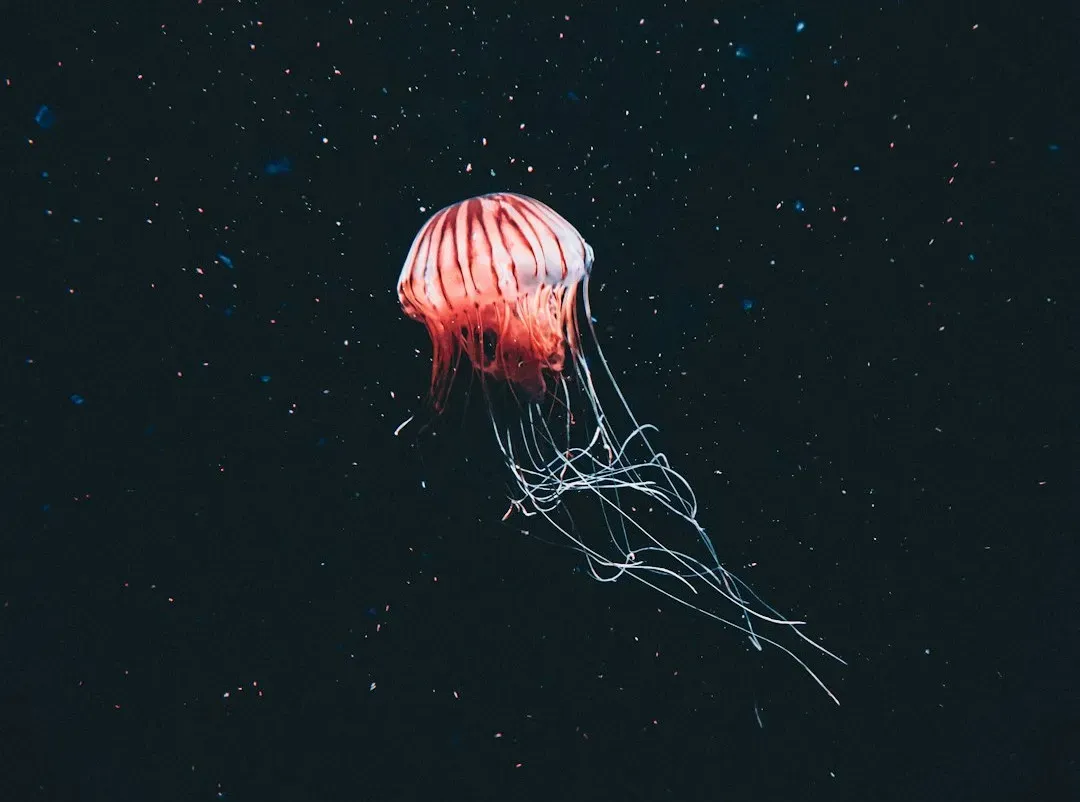
The more we explore the deep, the more bizarre it gets. We’ve found transparent-headed fish that can see upward through their own skulls, shrimp that sense heat instead of light, and creatures that can go decades without obvious food sources. Some deep-sea microbes survive in temperatures just above freezing, in almost absolute darkness, under pressures so intense they would crush steel, yet they repair their DNA, keep metabolizing, and just… keep going. They don’t just survive hardship; hardship is their normal.
Scientists have also discovered microbes that eat things we usually think of as lifeless, like methane and even certain metals, turning them into energy. These life forms stretch our definition of what counts as “normal biology” and where we should look for it. When you realize life can cling to existence in places that seem completely impossible, it changes how we think about evolution, resilience, and the thin line between living and non-living. In a very real way, the creatures crawling along the seafloor are forcing us to redraw the boundaries of biology.
The Deep Ocean Is A Massive Climate Engine We Barely Understand
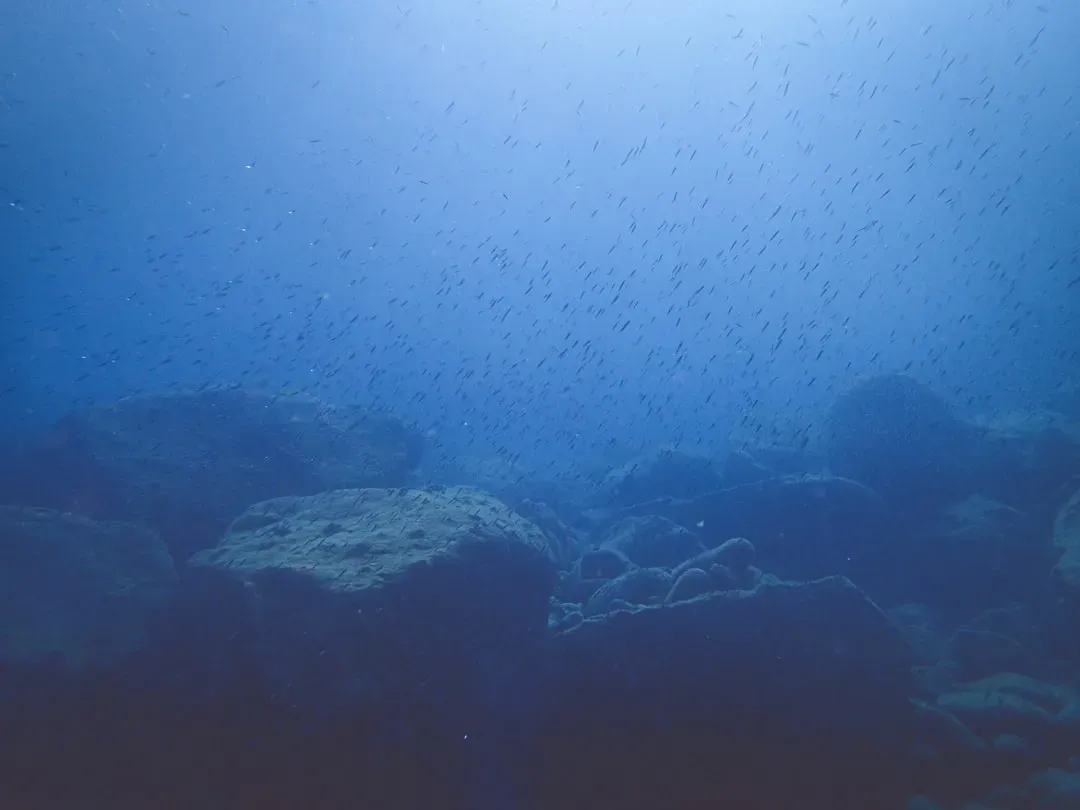
Every breath you take is shaped by the ocean, especially the darker parts you never see. The deep ocean acts like an enormous lung and storage reservoir for the planet, pulling carbon dioxide from the surface, locking some of it away in the depths, and slowly releasing or transporting heat across the globe. Ocean currents, including deep conveyor-belt-like flows, quietly redistribute warmth and carbon between hemispheres and across centuries. When those patterns shift, the consequences ripple into weather, rainfall, storm intensity, and long-term climate trends.
The unsettling truth is that we don’t fully understand how this deep machinery works, especially as the climate warms. We know that warming surface waters, melting ice, and changing salinity are already affecting how water sinks, mixes, and circulates at depth, but we’re still trying to predict how dramatic those changes could be. If the deep ocean slows its carbon storage or alters key currents, the climate system could respond in ways we’re not prepared for. In that sense, the deep sea is like the hidden wiring behind the walls of our house: mostly invisible, but if something goes wrong, everything can change very fast.
Hidden Carbon Stores And Methane Reservoirs Could Tip The Balance
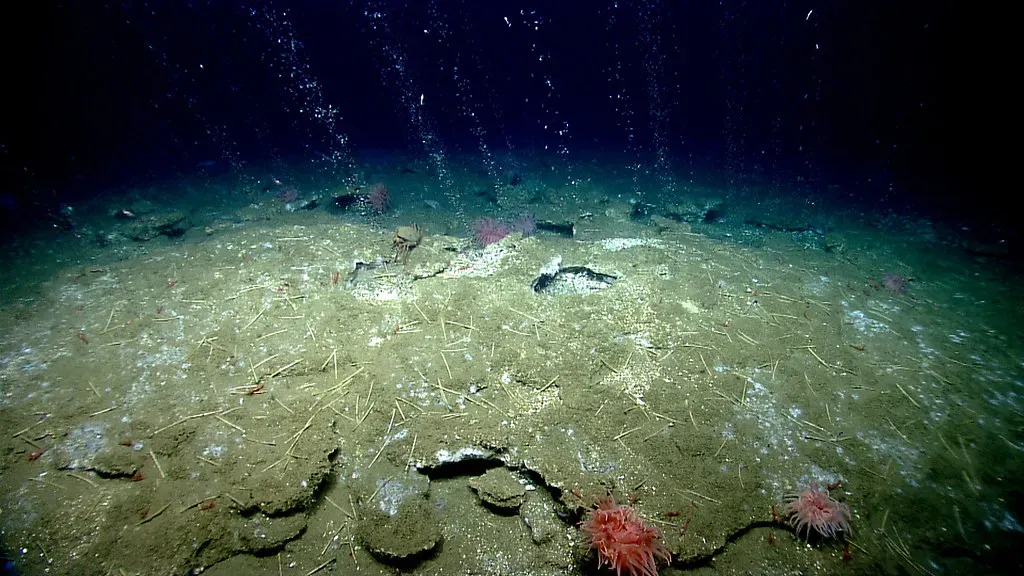
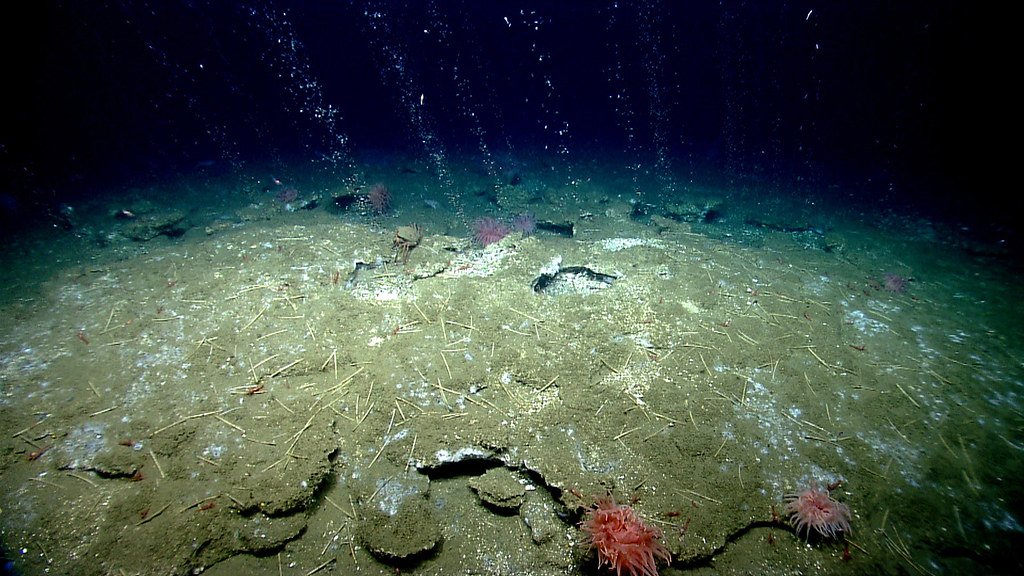
Beneath the ocean floor lie enormous stores of carbon in the form of methane hydrates – ice-like structures that trap methane gas in cold, high-pressure sediments. These deposits have built up over long stretches of geological time, sitting quietly on continental slopes and deep basins. As long as the pressure and temperature stay in the right range, they remain stable. The concern is what happens if those conditions begin to change as the ocean warms from the top down.
If large amounts of methane were to be released suddenly, it could intensify warming, since methane is a more powerful heat-trapping gas than carbon dioxide over shorter timescales. We already have signs of methane seeping from the seafloor in some regions, though how much is escaping into the atmosphere is still being studied carefully. The deep ocean also plays a role in locking carbon into sediments and burial processes that last thousands of years. Understanding those hidden stores – and how sensitive they are – is crucial if we want an honest picture of our climate future.
Deep-Sea Organisms Could Inspire The Next Generation Of Medicine And Materials
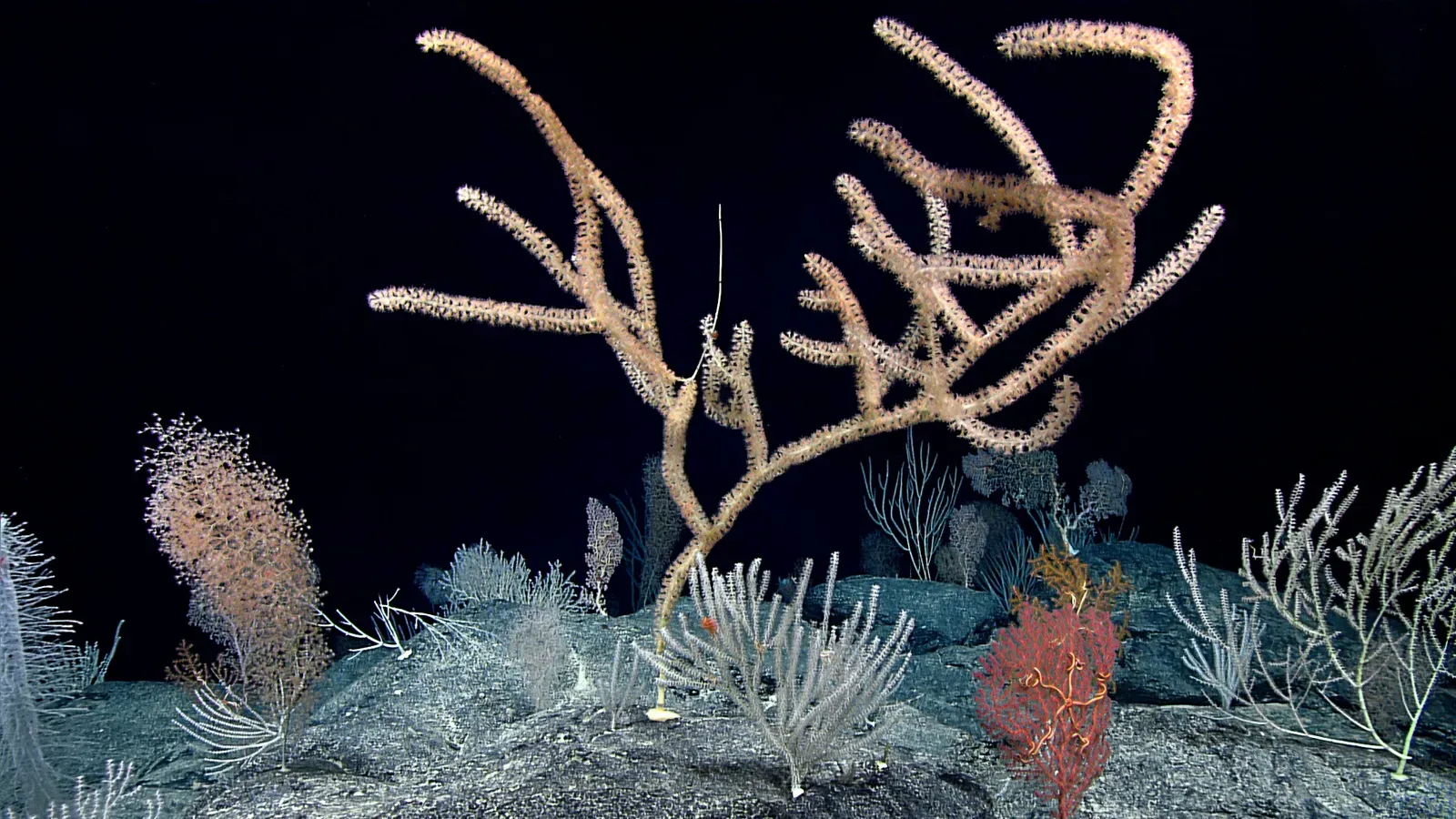
In the dark ocean, survival is brutal and unforgiving, and evolution has had an absurdly long time to tinker with solutions. Some deep-sea corals and sponges produce potent chemical compounds to defend themselves from predators or microbes. Those same chemicals are now being investigated as potential leads for new drugs, including treatments for cancer, inflammation, and infectious diseases. When a creature is stuck on a rock in the pitch black for centuries, it either becomes very good at chemical warfare… or it disappears.
There are also deep-sea organisms with pressure-resistant proteins, flexible yet incredibly tough skeletons, and efficient bioluminescent systems that work like living LEDs. Engineers and material scientists are studying these biological tricks to design better sensors, stronger materials, and more efficient light sources. Even the way some deep-dwelling fish manage to keep their cell membranes functional under crushing pressure offers clues for preserving biological samples or designing new industrial processes. Buried in those alien bodies might be the seeds of technologies we haven’t even imagined yet.
Mining The Abyss Could Trade Short-Term Gain For Long-Term Damage
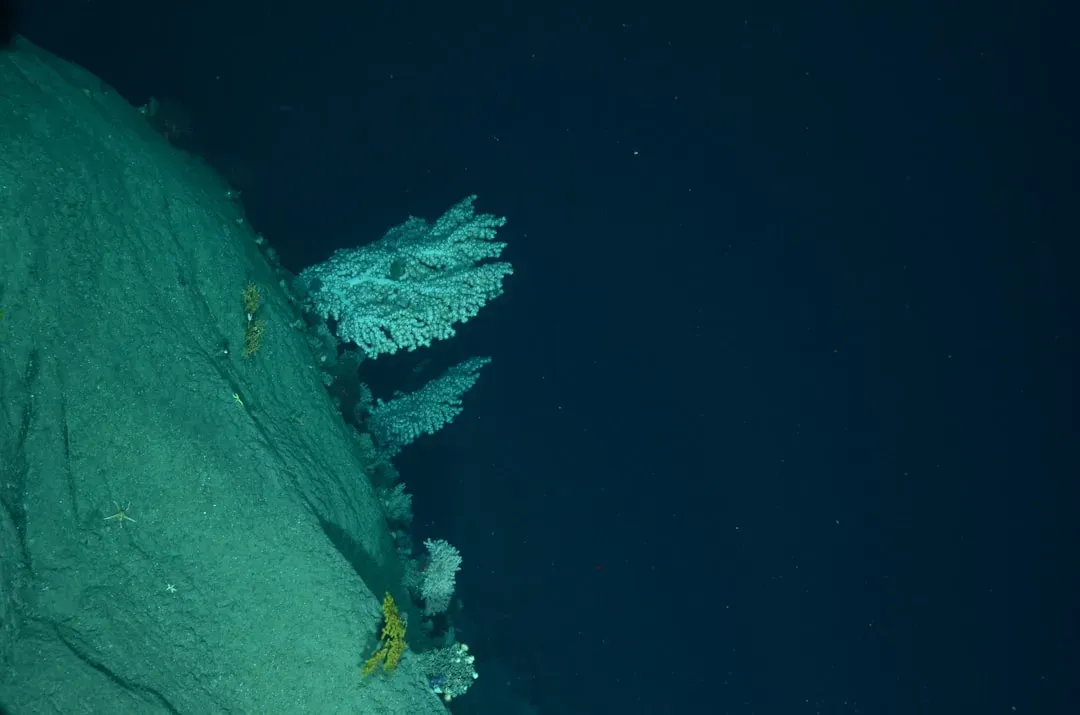
There’s a harsh reality to all this wonder: the deep ocean is already being sized up as the next frontier for extraction. The seafloor hosts fields of polymetallic nodules, manganese crusts, and metal-rich deposits that contain cobalt, nickel, rare earth elements, and other minerals that modern technologies crave. As demand for batteries, electronics, and clean-energy infrastructure keeps climbing, companies and some governments see deep-sea mining as a tempting solution. But tearing up habitats we barely understand could mean wiping out unique species before we even record their existence.
The problem is that deep-sea ecosystems recover on timescales that make human lifetimes look like a blink. Some corals are older than many countries, and sediment disturbed by mining can cloud the water and smother life far beyond the extraction zone. Noise, light pollution, and chemical leaks add yet more stress. We’re at a crossroads where policy and ethics need to catch up with technology, deciding whether we treat the deep as a disposable resource or a shared, irreplaceable part of Earth’s life-support system.
New Technology Is Finally Cracking Open The Darkness
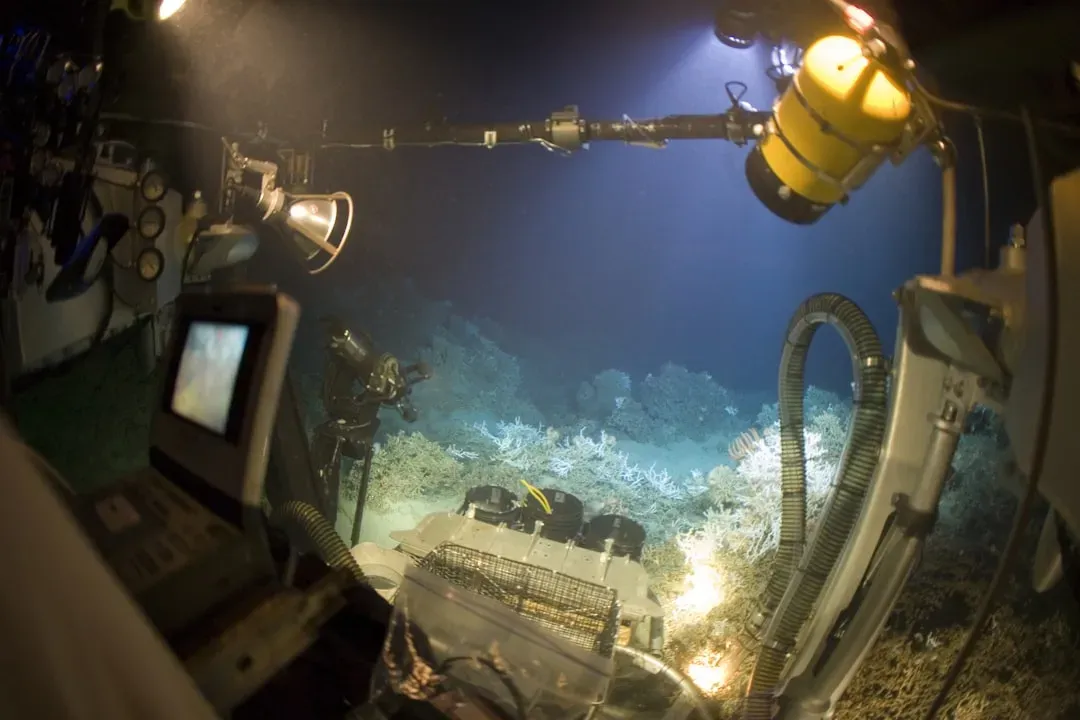
For most of history, the deep ocean was simply out of reach, a black void beneath wooden ships and later steel hulls. Now, advanced submersibles, remotely operated vehicles, autonomous underwater drones, and improved sonar have started to light up that darkness. High-resolution mapping is revealing previously unknown seamounts, canyons, and entire ecosystems clinging to vents and cold seeps. Where we once had blank spots on charts, we’re slowly getting detailed, living maps instead. It feels a bit like upgrading from a rough sketch to a full-color photograph.
At the same time, powerful sensors and genetic sampling tools let researchers detect life without always seeing it directly, using traces of DNA in the water to figure out who’s there. Long-term observatories are being placed on the seafloor to monitor temperature, chemistry, and seismic activity in real time. The more we look, the more surprises we find, which is both thrilling and humbling. It’s becoming clear that whatever picture we had of the ocean before was painfully incomplete.
The Deep Ocean Forces Us To Rethink Our Place On This Planet
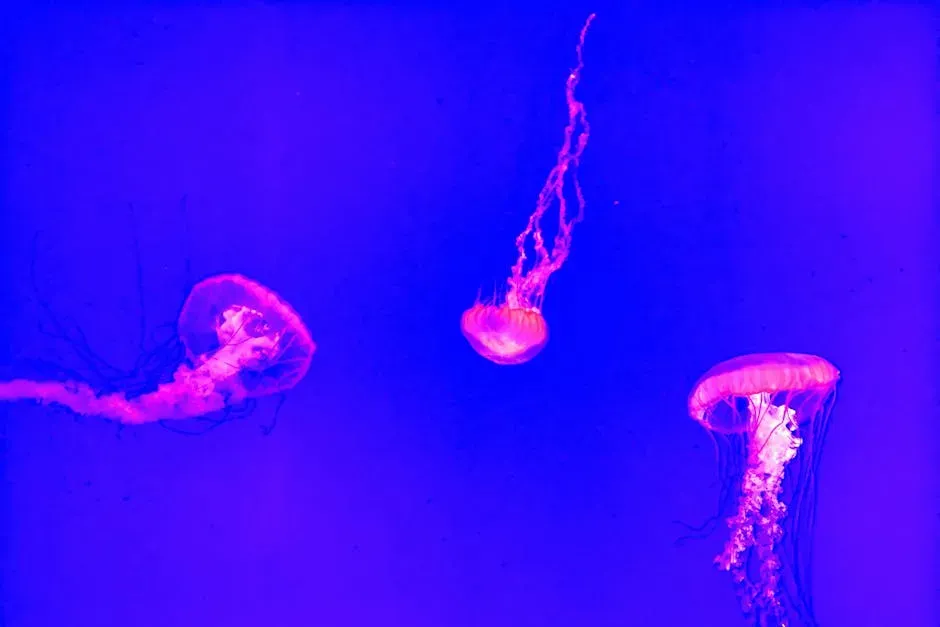
Spending time learning about the deep sea has a strange side effect: it makes everyday life feel both smaller and more connected. Knowing that there are animals quietly glowing in the dark thousands of meters below you while you’re scrolling on your phone is oddly grounding. It’s a reminder that the world is not just cities, roads, and notifications, but also silent drifting snow of organic matter falling through water columns and ancient currents looping through the abyss. The deep ocean is like Earth’s subconscious – hidden, powerful, and constantly influencing what happens on the surface.
Personally, the more I read about deep-sea discoveries, the more I feel we’re living with a kind of planetary blindfold on. We argue about policies, economies, and futures without really understanding the system that underpins our food, our climate, and even many of our medicines. Lifting that blindfold will take time, money, and political will, but the payoff is immense: clearer climate predictions, new scientific insights, and maybe technologies and treatments we desperately need. The deep ocean holds secrets that could reshape our understanding of life, stability, and survival. How much longer can we afford to ignore what’s hiding in the dark?