Imagine waking up tomorrow and suddenly seeing a brand-new color. Not a shade of blue you’d somehow missed, not a slightly greener green, but a color your brain literally has no word for. That’s more or less what life is like for many animals every single day. While we stumble around in our familiar rainbow, countless creatures are swimming, flying, and crawling through worlds painted in hues we can’t even begin to visualize.
Humans tend to assume our way of seeing is the default, but it’s really just one local setting in a universe of visual possibilities. Some animals see fewer colors than we do, others see many more, and some see into completely different parts of the spectrum – like ultraviolet and polarized light. Once you start looking at the science of animal vision, it becomes weirdly humbling; our proud, clever brains are stuck inside eyes that are, frankly, just okay.
The Limits Of Human Color Vision
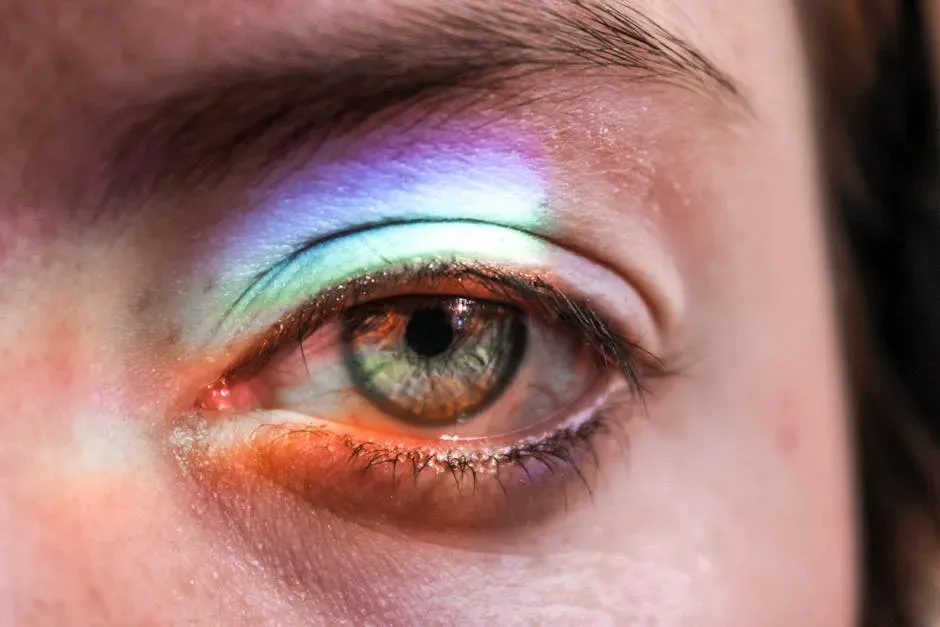
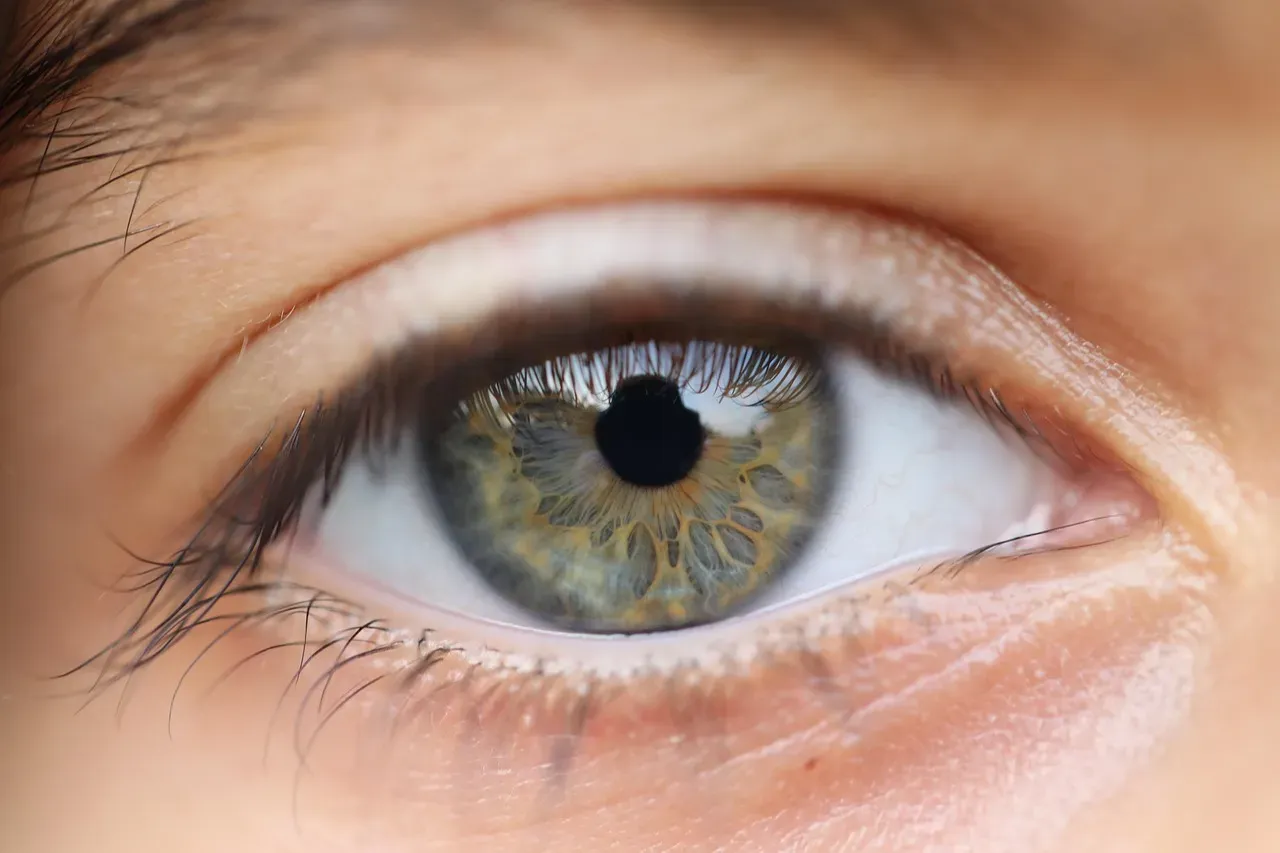
The uncomfortable truth is that, biologically speaking, human color vision is nothing special. We’re trichromats, which means we have three types of color receptors in our eyes, called cone cells. Each cone type is tuned to a different band of wavelengths – roughly corresponding to red, green, and blue – and our brain mixes those signals to create every color we perceive. To us, that feels rich and complete, like we’re seeing everything there is to see.
But if you zoom out and look across the animal kingdom, three cones is just one option among many. Some mammals, like dogs, have only two cone types and live in a much flatter color world than we do. Other animals, like many birds and insects, have four or even more cones, which lets them distinguish subtle differences that, to us, would all look like the same shade. We walk around confident we see “the whole picture” when, for many species, our rainbow is just a low-resolution preview.
Birds: Ultraviolet Super-Viewers In Plain Sight
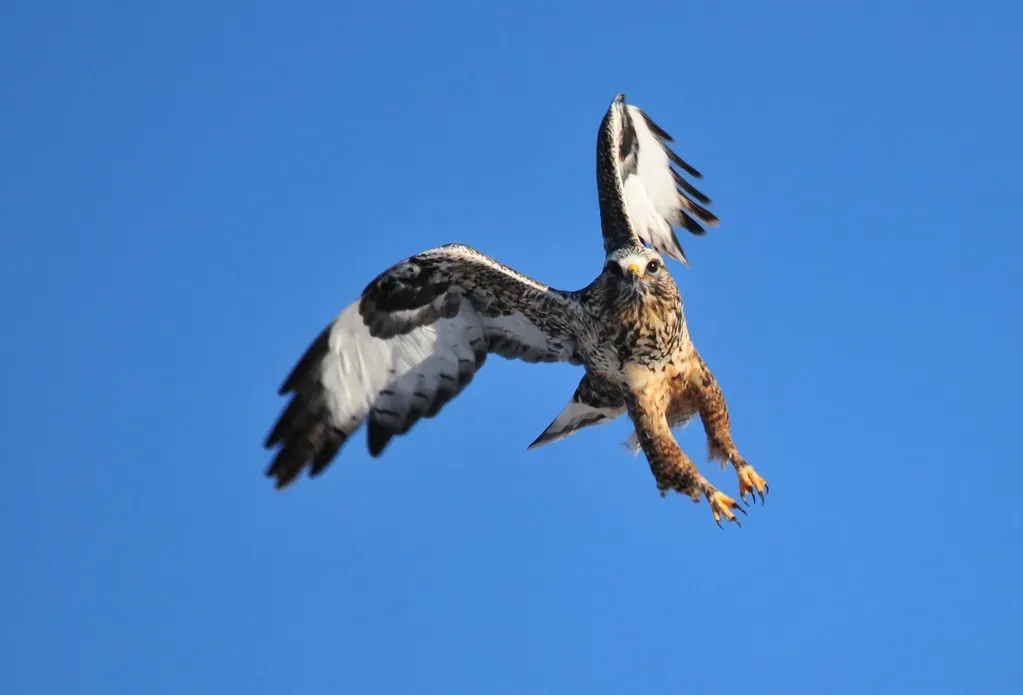
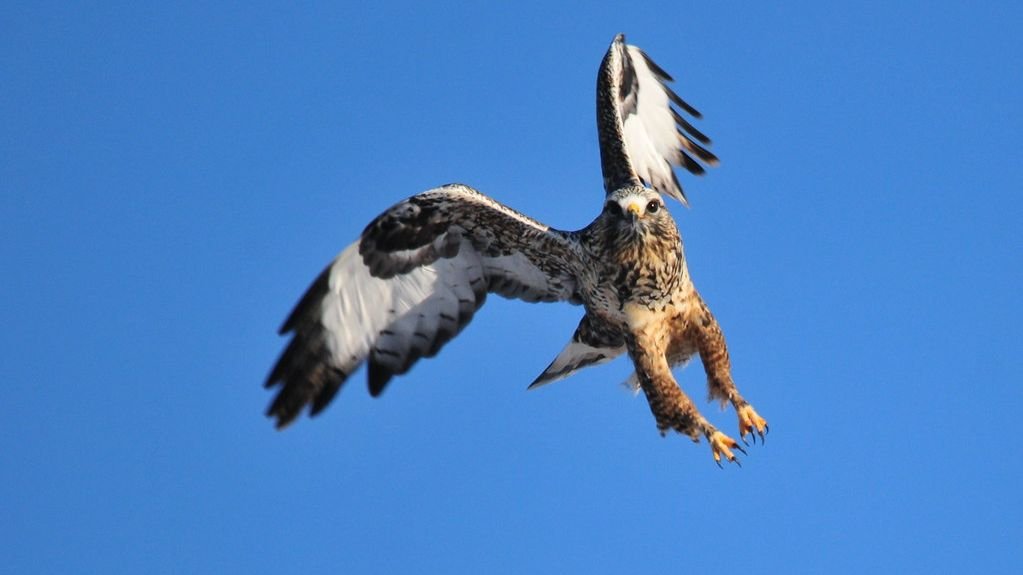
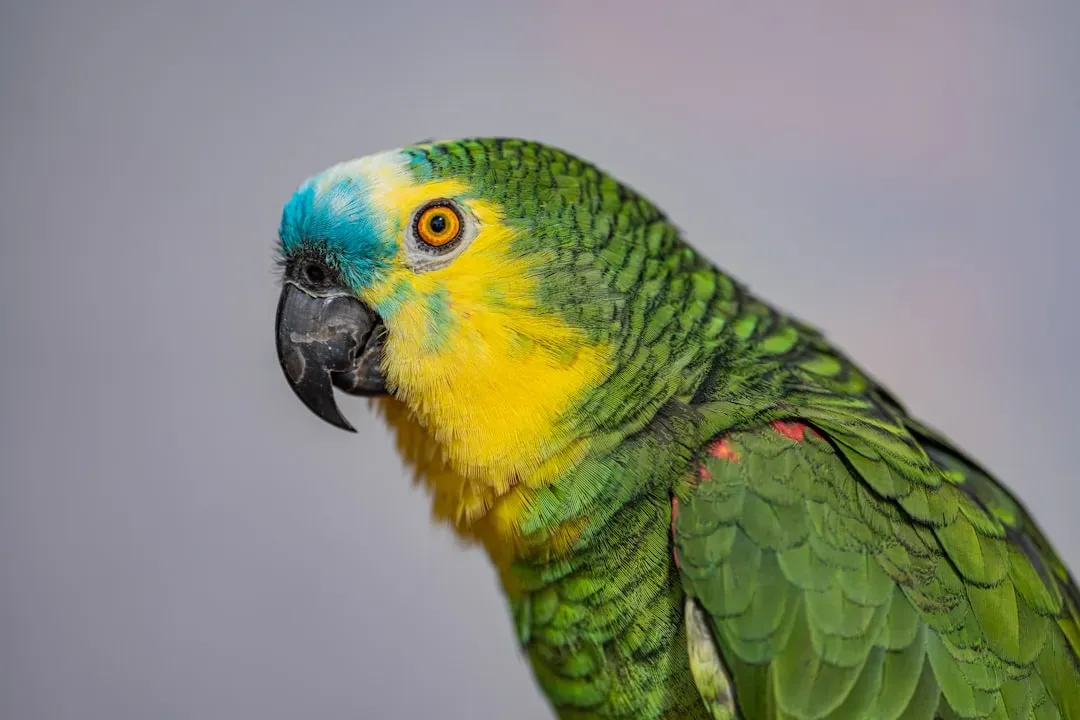
If you could borrow a bird’s eyes for a day, your neighborhood would suddenly look like someone turned on a hidden layer in a design app. Most birds are tetrachromats, with four types of cones instead of three, and one of those cones is sensitive to ultraviolet light. This means they don’t just see a richer palette of reds, greens, and blues – they see an entire extra dimension of color that’s completely invisible to us. A plain white flower, for example, might glow with striking ultraviolet patterns to a bird flying overhead.
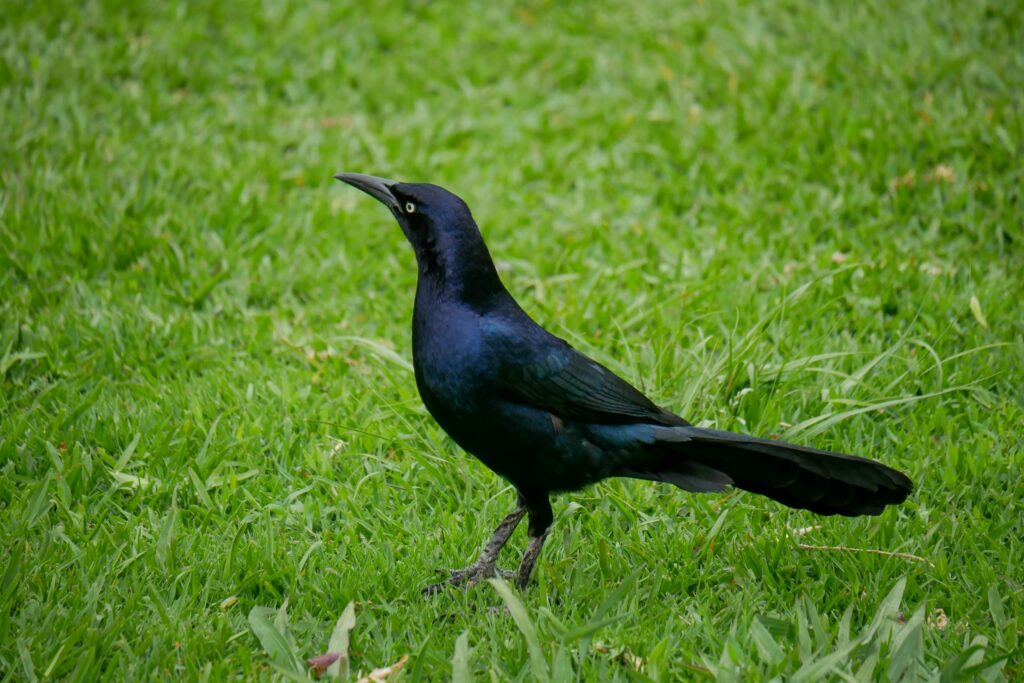
Take something as ordinary as a pigeon or a starling pecking at crumbs on the sidewalk. To us, they look somewhat dull, maybe with a hint of iridescence. To other birds, those same feathers can be glowing with UV-reflective patches, stripes, or spots that shout out age, health, or mating status. Even the way fruit ripens can be more obvious in UV, making it easier for birds to find the best snacks. We think of birdsong as the big language in the sky, but a huge chunk of what they’re “saying” is written in colors our eyes can’t read.
Bees And Butterflies: Reading Hidden Messages In Flowers
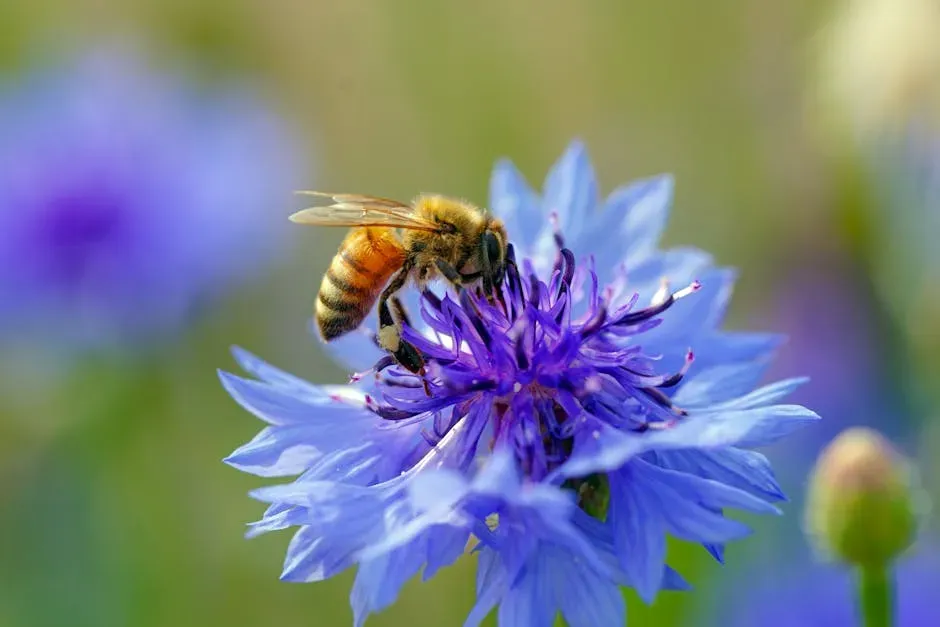
Watch a bee hovering over a garden and it can seem like pure chaos: zigzagging flight paths, sudden changes of direction, quick landings on random flowers. But from the bee’s point of view, those flowers aren’t random at all. Bees can see ultraviolet light, and many flowers have evolved UV “nectar guides” – patterns that look like glowing landing strips, pointing insects straight toward the good stuff. To us, a daisy looks simple and symmetric; to a bee, it’s a high-contrast target practically screaming “this way in.”
Butterflies push this even further. Some species have more color receptors than we do and can see both UV and a much broader range of hues in the visible spectrum. That makes sense when you think about their lifestyle: they rely heavily on visual signals to find mates, locate specific host plants, and avoid predators. Their wings, which already look colorful to us, are often covered in patterns that only make full sense under ultraviolet light. It’s like the whole garden is running a secret VIP color club, and we’re stuck outside peeking through a tiny window.
Mantis Shrimp: The Strange Case Of Too Many Colors
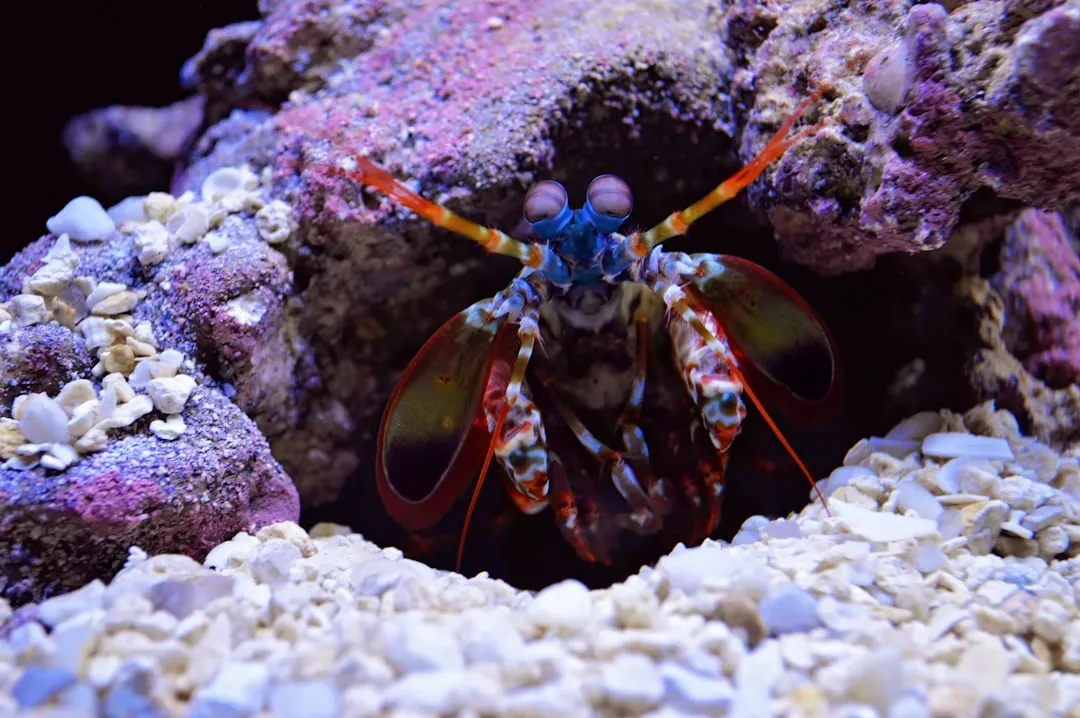
One way to picture it is to think of mantis shrimp as carrying a giant built-in color scanner rather than a painter’s palette. Each receptor type seems tuned to a narrow range of wavelengths, which may let them rapidly recognize specific colors without much processing. That might sound less glamorous than a cosmic rainbow, but for a fast, aggressive hunter living in shallow, bright water, speed probably matters more than beauty. Either way, their visual world is organized so differently from ours that “imagine their colors” is almost a meaningless request; our brains just don’t work that way.
Reptiles And Fish: Polarization And Hidden Patterns
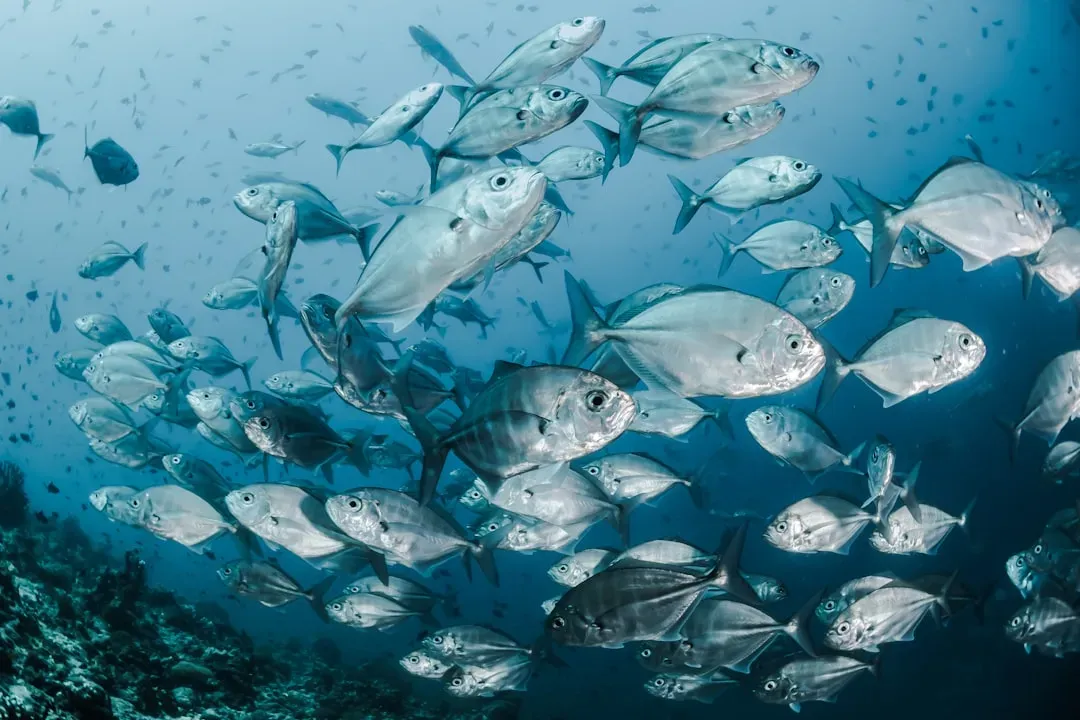
Some animals don’t just see colors we can’t – they see patterns in light itself that are totally invisible to us. Many fish, reptiles, and invertebrates can detect polarized light, which is light vibrating in a particular direction. To us, a patch of water might just look like a bright reflection; to a polarization-sensitive animal, that same patch can show subtle textures and directions that help them navigate, hunt, or avoid being hunted. It’s a bit like living with built-in polarized sunglasses, except much more precise.
Certain fish, for example, have body patterns that only really stand out when viewed through polarized light. This creates a kind of private visual channel: other fish of the same species can spot these markings easily, while predators without polarization vision just see a bland, silvery shape. Some lizards show polarization patterns on their skin that may help with communication or mate choice. We think of “color” as just hue and brightness, but for these animals, how the light is organized in space is part of the picture too.
Mammals: Why Most Of Them See Less Than We Do
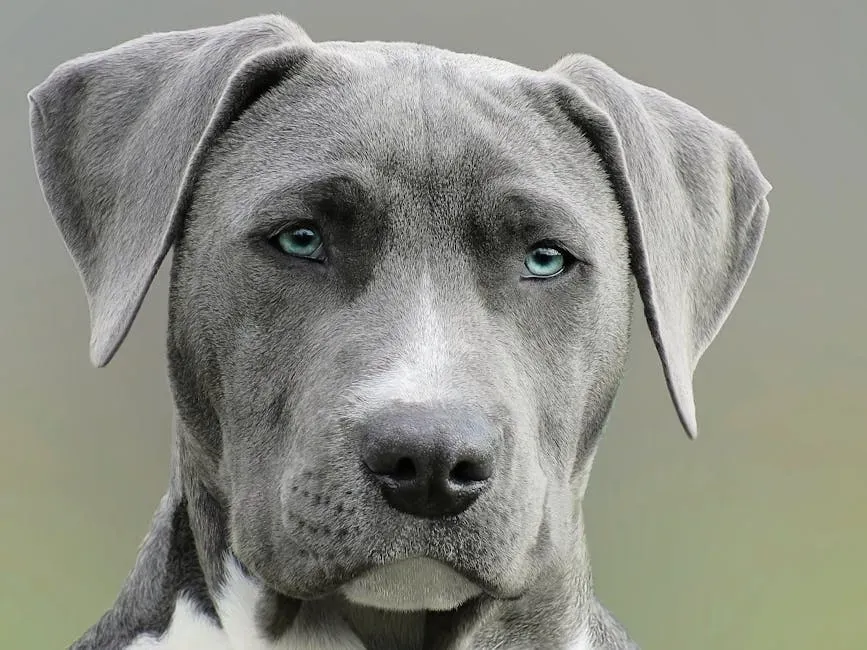
Here’s the twist: while birds, insects, and crustaceans often outshine us in the color department, most mammals are actually worse off than humans. A lot of mammal species are dichromats, with only two functioning cone types. Dogs, for instance, mainly see shades of blue and yellow, with reds and greens blending together. To them, a bright red toy in a green lawn probably looks like a vague darkish object in some kind of mid-tone background. Their worlds are more about contrast and movement than rich rainbows.
This downgrade in color vision seems to trace back to early mammals living a mostly nocturnal lifestyle alongside dinosaurs, where seeing well in dim light mattered more than seeing lots of colors. Rod cells, which detect light intensity but not color, became more important than cones. Humans and some other primates later regained a richer color sense when our ancestors shifted back into daylight and started relying heavily on vision to find ripe fruits and young leaves. So our trichromatic vision isn’t top-tier; it’s more like a partial recovery from a long, dimly lit past.
Why Evolution Built So Many Different Color Worlds
Once you realize how varied animal vision is, a big question pops up: why all the different solutions? Part of the answer is just trade-offs. Eyes are expensive to build and run, biologically speaking. If an animal hunts at night, it makes more sense to pour energy into sensitivity rather than color diversity. If a species uses bright markings to attract mates or warn rivals, extra color channels suddenly become valuable. Evolution doesn’t aim for maximum beauty or complexity; it aims for “good enough to survive and reproduce” under specific conditions.
There’s also a feedback loop between how animals see and how they look. Birds that can see UV end up with plumage that reflects UV. Flowers that attract UV-seeing pollinators evolve UV patterns. Fish that communicate in polarized patterns develop polarization-sensitive eyes. Over millions of years, vision systems and visual signals co-evolve, shaping entire ecosystems in ways we literally can’t fully see. Our human color world feels solid and complete, but it’s really just one local dialect in a huge, ongoing conversation written in light.
Conclusion: Living In Our Tiny Slice Of The Spectrum
Standing in a park or looking out a window, it’s tempting to think we’re all sharing the same view. In reality, every species is walking through its own version of reality, filtered through different sets of eyes and brains. Bees follow ultraviolet maps on petals, birds read secret signals in feathers, mantis shrimp scan the reef with bizarre precision, and many mammals shuffle along in a far duller color world than ours. We’re all in the same physical space, but we’re not seeing the same thing at all.
I remember the first time I saw images of flowers taken in ultraviolet; they looked alien and strangely beautiful, and it hit me that this hidden layer was there all along, I’d just never had the tools to notice. In a way, that’s what animal vision research keeps reminding us: reality is bigger than whatever our senses happen to catch. Our eyes are not the measure of the universe, just one small way of making sense of it. When you look at a simple flower, a bird in the sky, or a dog chasing a ball, it’s worth pausing for a second and wondering: what colors are passing right through me that I’ll never see?