Beneath the rolling waves of the ocean lies something most of us never think about. Not just rock and sediment, but something far more surprising. Something that could genuinely change the way we think about water on this planet.
A recent discovery has sent ripples through the scientific community, and honestly, it’s one of those findings that makes you stop and rethink everything you assumed was settled. Let’s dive in.
A Find That Defied Expectations
Here’s the thing about groundbreaking discoveries – they rarely happen where you expect them. Scientists have now confirmed the existence of a vast , hidden from human awareness for who knows how long. It’s the kind of find that makes you realize how much of our own planet remains genuinely unknown to us.
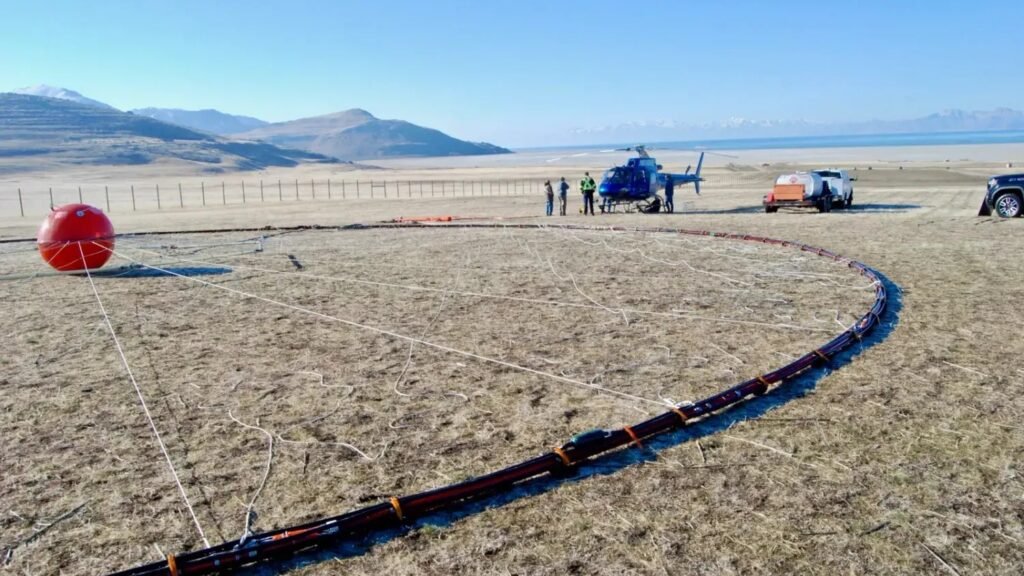
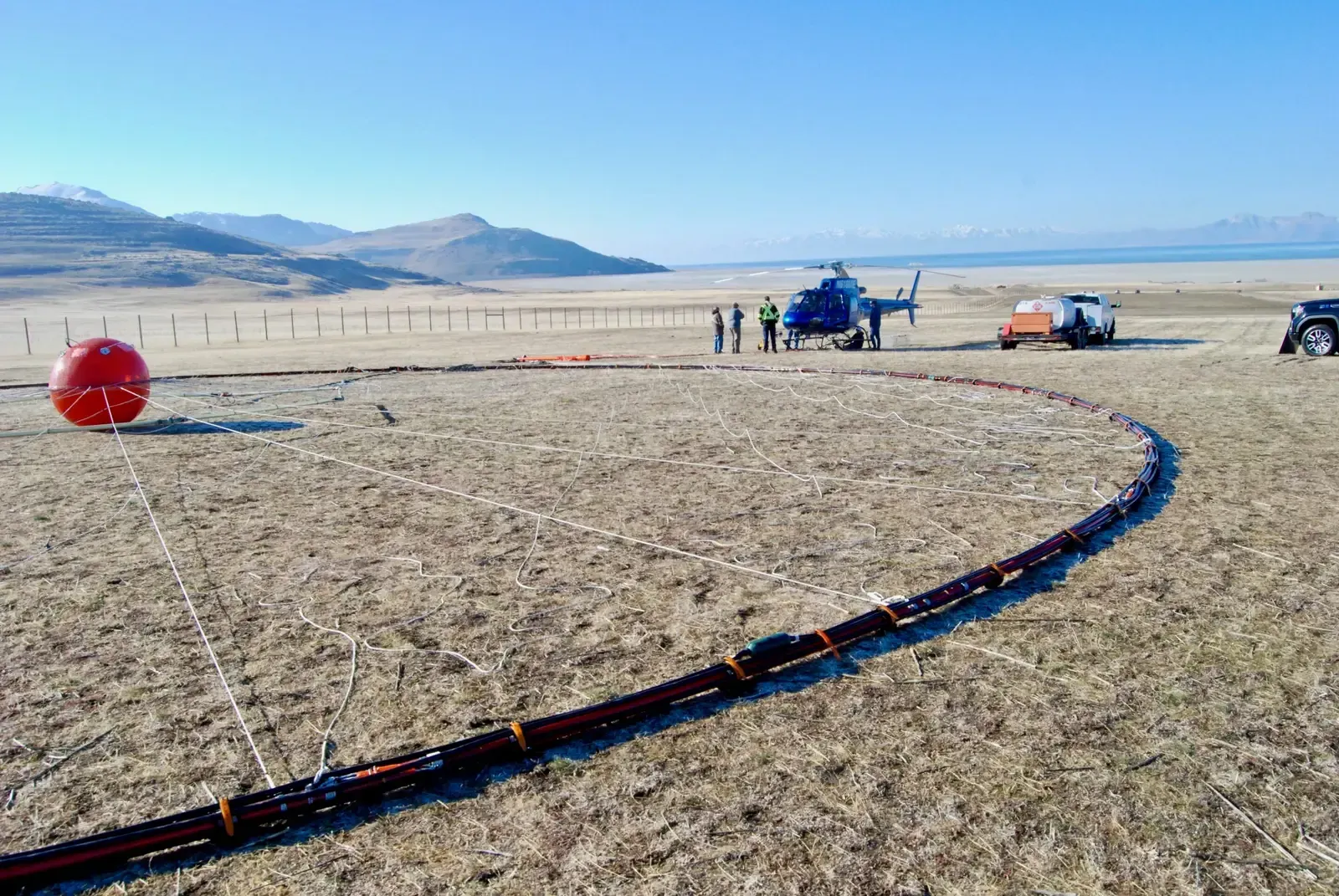
The reservoir was identified using advanced seismic survey technology, the same kind of technique used to hunt for oil and gas beneath the seabed. Researchers detected unusually low-salinity water locked within the sediment layers far below the ocean’s bottom. This wasn’t a small pocket of water either. The scale of what they found was, by any measure, remarkable.
What makes this discovery especially fascinating is that it challenges the long-held assumption that the ocean floor is essentially a boundary between saltwater above and solid geological material below. Turns out, that picture was far too simple.
Where Exactly Is This Water Hiding?
The reservoir sits beneath the continental shelf, tucked away in layers of porous sediment that have been accumulating for millions of years. Think of it like a giant sponge that got saturated over geological time and then got sealed off from the surface world. It’s been sitting there quietly while civilizations rose and fell above it.
The location is not some remote corner of the deep ocean. It lies in a zone that humans have actually surveyed many times before, which makes the fact that this water went undetected for so long even more striking. The freshwater is believed to be ancient, likely dating back to periods when sea levels were dramatically lower than they are today.
How Did Freshwater End Up Under the Saltwater Ocean?
This is the part that genuinely surprised me when I read about it. During past ice ages, when sea levels dropped significantly, what is now the ocean floor was actually exposed land. Rain fell on it, rivers flowed across it, and freshwater seeped deep into the sediments, just as it does on land today.
When sea levels eventually rose again, that freshwater became trapped beneath layers of marine sediment. Over thousands of years, it remained there, sealed in, slowly becoming isolated from the surface hydrological cycle. It’s a bit like finding an ancient lake frozen in time, except instead of ice, it’s encased in kilometers of ocean and rock.
The low salinity of the water confirms its terrestrial origin. It simply doesn’t behave the way seawater does, and that chemical signature is what tipped researchers off in the first place.
The Sheer Scale of the Discovery
Let’s be real – the word “vast” gets thrown around a lot in science reporting, but in this case it actually earns its place. The volume of freshwater potentially stored in reservoirs like this one, globally, could be enormous. Researchers suggest that similar formations might exist along continental shelves all around the world, making this a potentially widespread geological phenomenon rather than an isolated curiosity.
To put it in some kind of perspective, imagine the world’s largest lakes combined and then buried beneath the sea. Honestly, it’s hard to fully picture. The density of freshwater stored within ocean sediment globally may rival or even exceed some of the large aquifer systems we rely on for drinking water and agriculture on land.
What This Means for the Freshwater Crisis
Access to clean freshwater is already one of the defining challenges of the 21st century. Roughly a third of the global population lives under conditions of water stress for at least part of the year, and that number is only expected to grow. So when a discovery like this surfaces, people naturally start asking whether it could be part of the solution.
The honest answer is complicated. Accessing water buried beneath the ocean floor is not remotely straightforward. The technological and financial barriers are significant, and there are serious environmental risks involved in disturbing ancient sediment systems. Still, understanding that these reserves exist is the first step toward determining whether they could ever be used responsibly.
It’s also worth noting that this discovery could inform climate modeling and hydrological research in ways that go beyond direct human use. Knowing where the world’s water actually is matters enormously for understanding how planetary systems function.
The Science Behind Detecting Invisible Water
Seismic reflection surveys were the key tool here. By sending acoustic waves into the seafloor and analyzing how they bounce back through different materials, scientists can build a picture of what’s happening deep below. Freshwater-saturated sediment reflects those waves differently than saltwater-saturated or dry rock does.
It’s similar in principle to how a doctor uses ultrasound to see inside the human body. The medium changes how sound travels, and those changes reveal structure. In this case, the structure turned out to be something nobody quite expected to find in that location.
Researchers also used electromagnetic methods to map the extent of the low-salinity zones. Combining both approaches gave a much clearer and more confident picture of what exactly is sitting beneath the seafloor. Science at its collaborative best, really.
This Changes Our Understanding of Earth’s Water Cycle
The traditional model of the water cycle – evaporation, precipitation, runoff, infiltration, repeat – doesn’t really account for vast amounts of ancient freshwater locked away in submarine sediment. This discovery forces scientists to consider a more layered and complex version of that cycle, one that stretches across geological timescales rather than just years or decades.
It’s a humbling reminder that Earth is still teaching us things about itself. We’ve mapped the surface of Mars in remarkable detail, yet something this significant was hiding beneath our own oceans. The discovery also raises questions about other coastal regions where similar geological conditions exist, potentially opening up a whole new area of hydrogeological research.
Understanding these hidden reserves more fully could reshape how we model long-term water availability, how we approach groundwater management, and even how we think about the resilience of freshwater systems in a warming world. For a planet under mounting environmental pressure, every new piece of that puzzle matters deeply.
Discoveries like this one are rare. Finding a massive, ancient freshwater reservoir buried beneath the ocean floor isn’t just a scientific footnote. It’s a reminder that our planet is still holding secrets. The oceans cover roughly seven tenths of Earth’s surface, and we’ve explored only a small fraction of what lies beneath them. What else might be down there, waiting to be found? Tell us your thoughts in the comments – we’d love to know what surprises you most about this discovery.