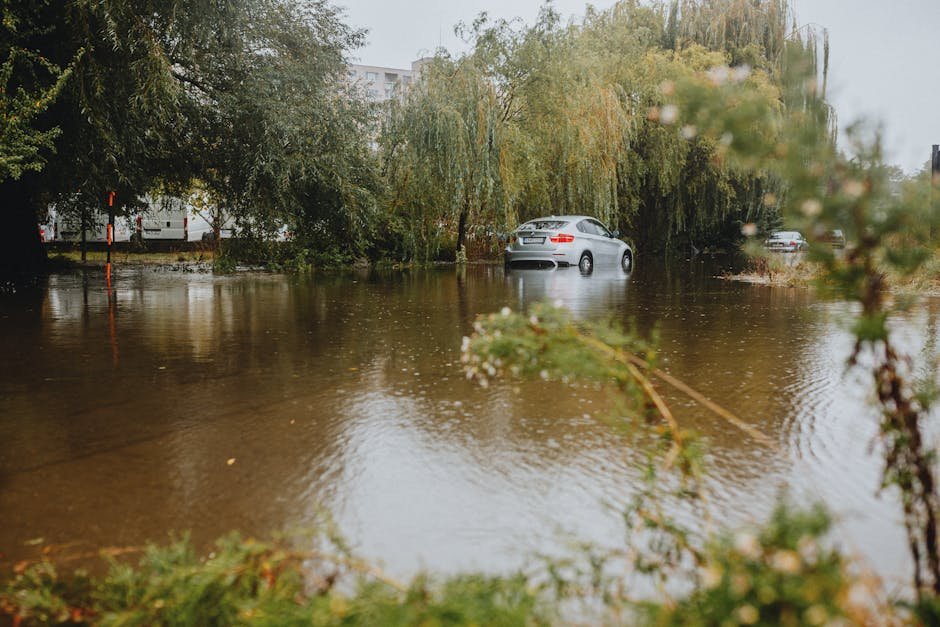
Kona Lows Unleash Unprecedented Deluge (Image Credits: Pexels)
Oahu – Relentless Kona low storms battered Hawaii for more than a week, delivering the most severe flooding in over 20 years. Residents on the island’s North Shore sifted through mud-clogged homes and debris-strewn streets after 10 to 14 inches of rain fell Thursday into Friday.[1][2] The system then shifted eastward, prompting flash flood warnings across Maui on Saturday as saturated soils heightened risks statewide. Officials reported no deaths but tallied more than 200 rescues amid threats to aging infrastructure like the Wahiawa dam.
Kona Lows Unleash Unprecedented Deluge
Two rounds of powerful Kona low pressure systems fueled the crisis. The first struck from March 10 to 16, dumping over four feet of rain in isolated spots and saturating the ground.[3] A second wave hit March 19 and 20, with rain rates reaching two to four inches per hour in bursts.[3]
These winter storms, characterized by southerly winds hauling moisture from the tropics, overwhelmed streams and urban areas. Oahu recorded up to 20 inches in places over the weekend, surpassing benchmarks from the 2004 Manoa flood.[3] Flash flood watches extended across the state through Sunday, with scattered thunderstorms adding to the peril.
Oahu’s North Shore Bears the Brunt
Water surged into neighborhoods like Waialua and Haleiwa, reaching knee-deep or higher in homes by late Thursday. One residence on Kaihulo Drive in Mokuleia broke apart and washed onto the beach.[3] Evacuation orders covered about 5,500 people north of Honolulu after the 120-year-old Wahiawa dam neared failure, endangering thousands downstream.[4]
Rescuers pulled more than 200 individuals from floodwaters, including operations with bulldozers east of Waialua where a foot of water submerged roads and vehicles.[5][3] A road in Makaha Valley collapsed, plunging cars over the edge. Power outages lingered for over 2,000 customers into Sunday, while mud choked streets and inundated farms and stores.[6]
- Thousands evacuated from North Shore communities including Waialua, Haleiwa, and Mokuleia.
- Homes lifted off foundations; yards filled with branches and debris.
- Roads closed island-wide, with some requiring heavy equipment for clearance.
- No fatalities, though 10 people treated for hypothermia.
- Dam threat subsided as levels dropped, averting catastrophe.
Maui on High Alert Amid Shifting Storms
As Oahu lifted most evacuation orders Saturday afternoon, Maui County activated warnings for flash flooding through Monday.[1] Parts of the island saw similar inundation, with waters sweeping through businesses and agriculture. Damage extended to schools, an airport, and a hospital.[3]
Governor Josh Green highlighted risks to Maui, noting saturated ground would trigger slides with minimal additional rain. Some areas logged 40 to 50 inches over 10 days, with forecasts adding four to 12 inches more.[4] Evacuations cleared low-lying zones, and road closures disrupted travel.
Officials Tackle Steep Recovery Costs
Governor Josh Green pegged total damages at least $1 billion during a Friday briefing, citing hits to homes, roads, and public facilities. “Don’t take this storm lightly,” he urged, emphasizing threats to life and economy.[4] About 200 rescues occurred statewide, with assembly points for the displaced.
Meteorologist Matthew Foster indicated the intense phase ended Sunday, shifting to scattered showers. Drier conditions should arrive by midweek. Emergency management urged damage reports via online forms for Oahu, Maui, and other islands to speed aid.[7]
Key Takeaways
- Worst flooding since early 2000s, driven by back-to-back Kona lows.
- Over 5,500 evacuated; 200+ rescued; $1B+ in estimated losses.
- No deaths reported; focus now on cleanup and infrastructure repairs.
Hawaii stands at a crossroads after these floods exposed vulnerabilities in aging dams and drainage. Residents and leaders alike ponder bolstered resilience against intensifying storms linked to climate shifts. What steps should the islands take next? Share your views in the comments.