
There is something quietly haunting about the idea that thousands of years before smartphones and city lights, human beings stood barefoot under the open sky and felt genuinely, completely connected to everything around them. No barrier. No glass screen. Just the wind, the soil, the fire, and the stars above. They did not simply observe nature. They spoke to it, bargained with it, thanked it, and feared it.
What you’re about to explore is not a collection of quaint old customs. These are powerful, emotionally layered rituals that reveal just how deeply your ancestors understood the natural world and their place within it. Some of them will surprise you. A few might even move you. Let’s dive in.
The Solstice Gatherings at Stonehenge: When Humanity Aligned With the Sky
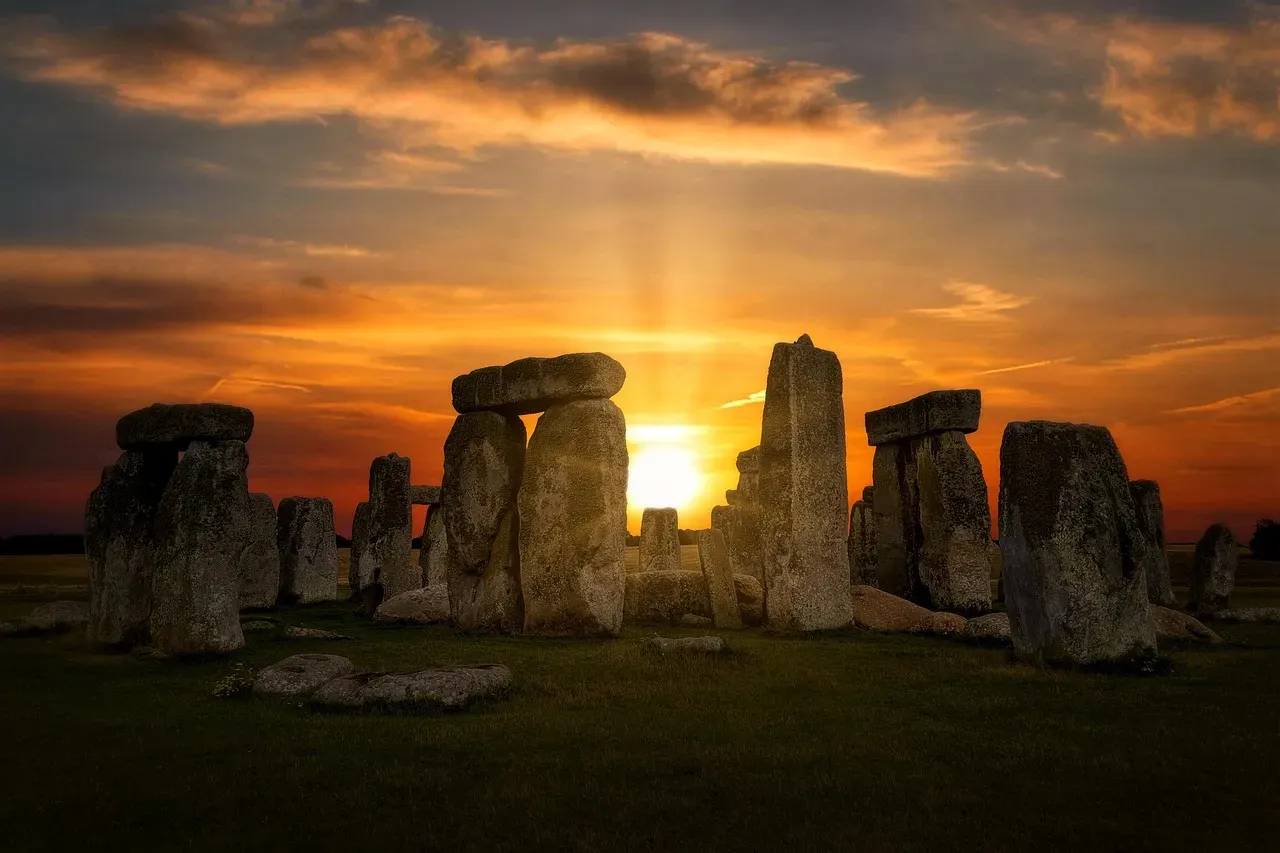
Stonehenge in England, constructed between 3000 and 1600 B.C., was where Neolithic and Bronze Age people gathered. The winter solstice sunset aligns with the central axis, suggesting rituals to honor the sun’s rebirth and ensure fertility. Think about what that means for a moment. These people moved colossal stones across vast distances, precisely calibrated to the angle of light on one specific day of the year. That is not casual reverence. That is devotion.
Arguably the best-known monuments to the solstice are also the best preserved, those Neolithic sites made of stone, including Stonehenge in England and Newgrange in Ireland. Roughly 5,000 years ago when these monuments were built, people were settling down on the landscape and relying more heavily on agriculture. If you were farming for survival, understanding the sun’s cycle was not spiritual curiosity. It was everything. You needed to know when to plant, when to harvest, and when to prepare for winter’s grip.
Inti Raymi: The Inca Festival That Literally Begged the Sun to Return
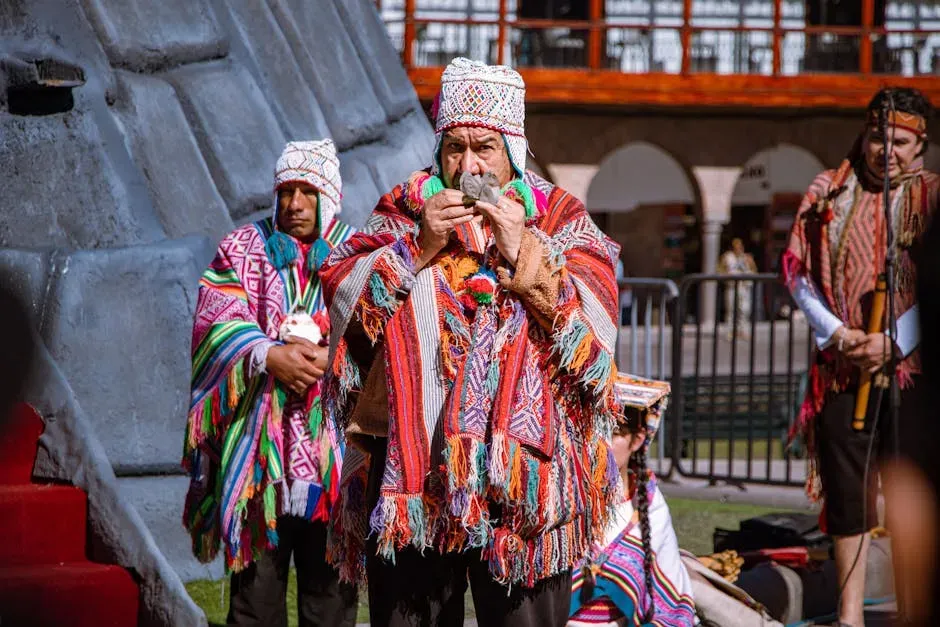
For the Incas, this was a critical moment: the sun appeared to be dying or abandoning them. Inti Raymi was performed to strengthen the sun, ensure its return, and guarantee the coming agricultural season’s success. Honestly, when you picture that collective fear, that communal act of reaching up toward the sky and pleading for warmth and light, it becomes something far more than a ceremony. It becomes a mirror of what it means to be deeply, desperately human.
Quechuan for “Festival of the Sun,” the ancient celebration of Inti Raymi dates back to Pachacutec, a leader of the Incan Dynasty who lived from 1,438 to 1,471. The ceremony originally spanned nine days during the winter solstice and venerated the most important god, Inti. The ancient rituals included three days of purification and fasting by the Sapa Inca and the Kuracas, the ruler and the principal governors of Cusco. Only water, uncooked corn and chucam were eaten. Nine days of ceremony. Three days of fasting. The sun wasn’t taken for granted, not even for a moment.
The Native American Sweat Lodge Ceremony: Purification Through Earth’s Embrace
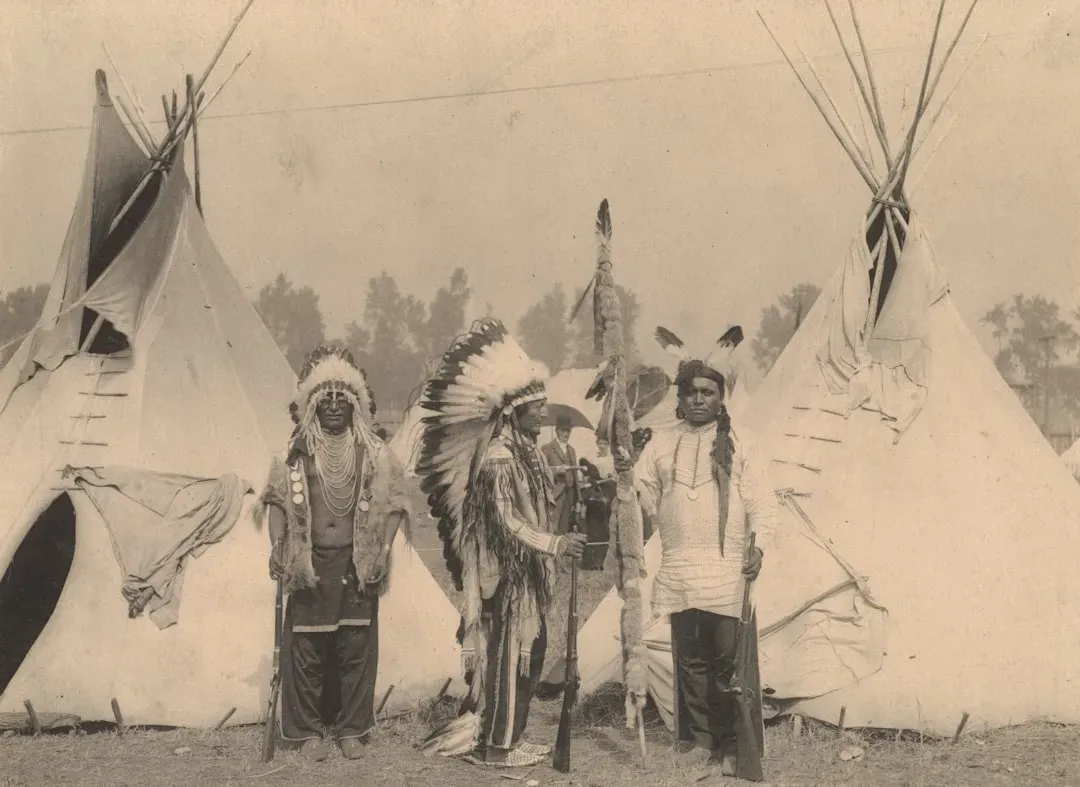
The Sweat Lodge Ceremony is a deeply spiritual and physical experience that has been practiced by many Native American tribes for centuries. The sweat lodge itself is typically constructed from natural materials such as willow branches, saplings, and animal hides. The structure is then covered with blankets or tarps to create an enclosed space. You crawl into something small, dark, and steaming hot, made entirely from the materials of the earth around you. It is deliberate. It is intimate. It is the opposite of how modern people tend to encounter nature, which is usually through a window.
The rhythmic sounds of drums and maracas resonate within the lodge, supporting prayers and connecting participants to the heartbeat of Mother Earth. The sweat lodge helps us to remember things we forgot we knew and where we fit into the natural order of the world. After several rounds of sweating, participants emerge from the lodge feeling cleansed and energized. Many describe feeling a deep sense of spiritual renewal and connection with nature. There’s something almost poetically perfect about that. You go in carrying everything that weighs you down, and you come out lighter.
Shamanic Drumming and the Trance State: Speaking the Language of Nature’s Spirits
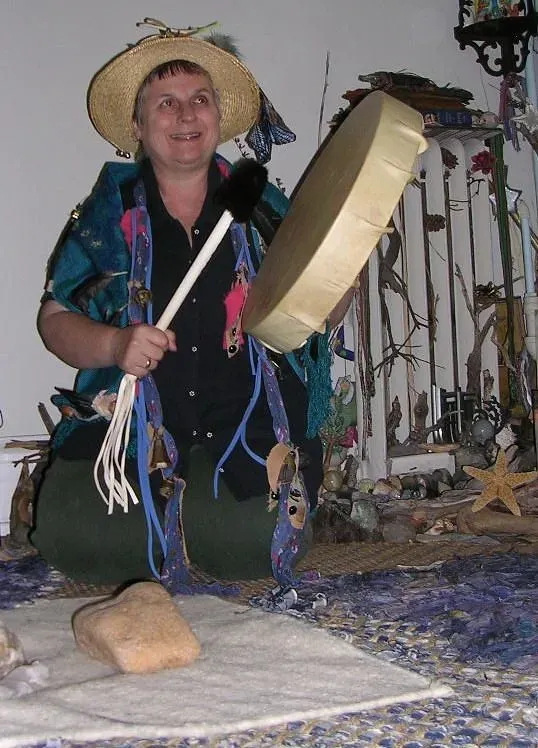
A shaman is a spiritual practitioner who mediates between the spirit realm and the physical world. He or she interacts directly with the spirit world through altered states of consciousness. The shaman enters a trance to communicate with and direct spiritual energies for healing, information, or other influence in the physical world. This was not performance. For these communities, the shaman held a role more critical than any doctor or advisor in the modern sense, because the shaman’s domain covered not just the body but also the spirit, the harvest, the hunt, and the health of the whole community.
Shamanic rituals include drumming, chanting, and the use of entheogens, or psychoactive substances, to induce trance states. Some researchers suggest that certain cave paintings may depict shamanic experiences or rituals. They believed that everything in the natural world was connected and that spirits could influence human lives. Shamans acted as intermediaries by communicating with these spirits on behalf of their community members. When you look at cave paintings in Lascaux or Altamira, you may actually be looking at spiritual reports from someone who crossed between worlds and came back with something to show.
Ancient Rain Dances: Nature Was Not a Backdrop, It Was a Conversation Partner
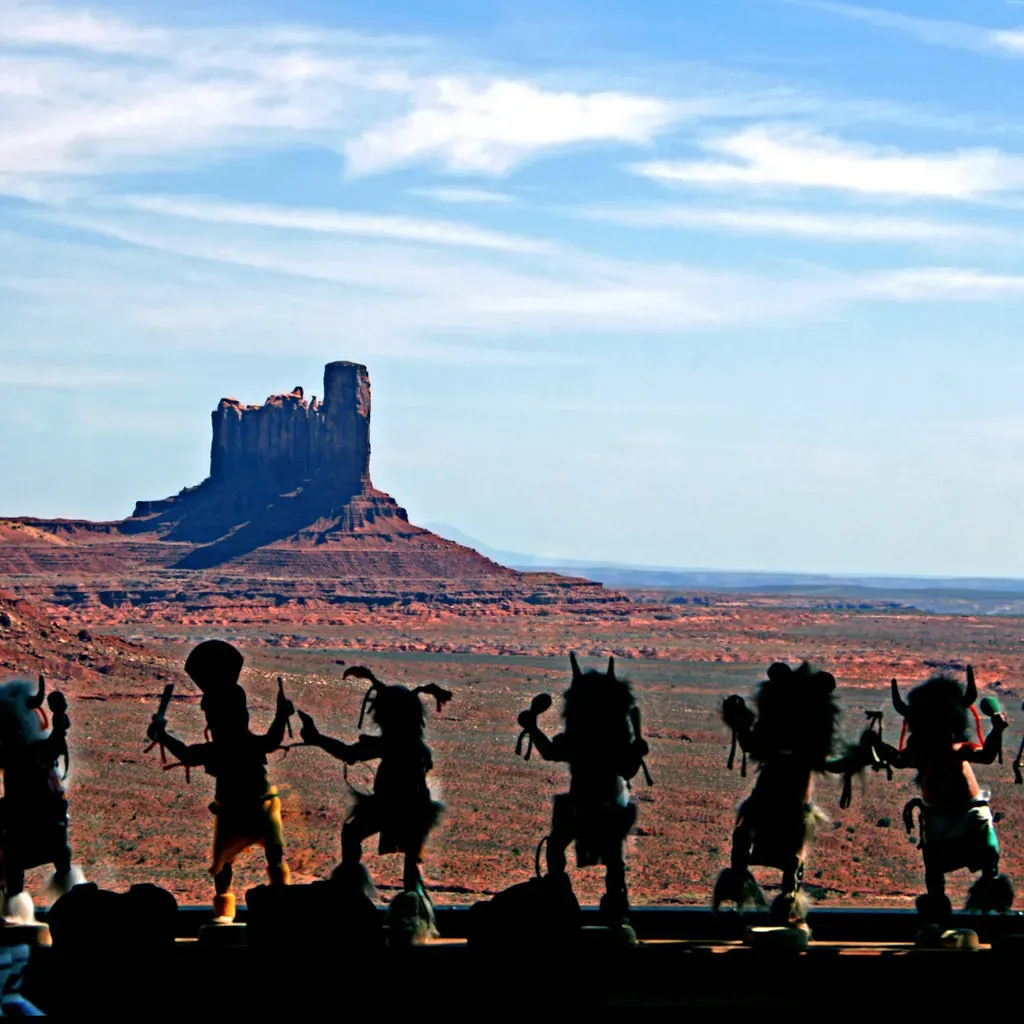
Rainmaking is a weather modification ritual that attempts to invoke rain. It is based on the belief that humans can influence nature, spirits, or the ancestors who withhold or bring rain. Among the best known examples of weather modification rituals are North American rain dances, historically performed by many Native American tribes, particularly in the Southwestern United States. Let’s be real. From a modern standpoint, this might seem puzzling. Yet consider that these communities had no irrigation systems, no weather forecasts, no reserves. Rain meant life. No rain meant death.
Feathers and turquoise, or other blue items, are worn during the ceremony to symbolize wind and rain respectively. Details on how best to perform the Rain Dance have been passed down by oral tradition. The cycle of summer corn ceremonies and continuous prayers for rain form the core of their ceremonialism. Every color worn, every movement danced, every sound made was a deliberate signal to the natural world. Your ancestors weren’t passive. They believed the earth was listening.
The Shinto Misogi Ritual: Water as a Sacred Living Force
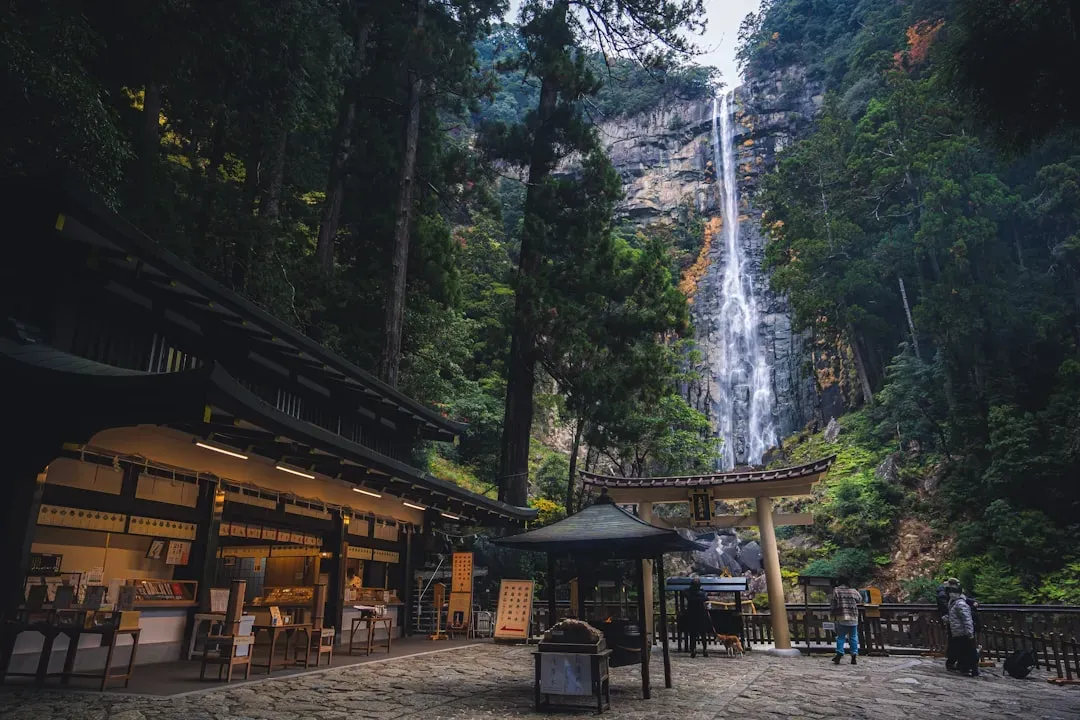
The Shinto religion enjoys close ties to the natural world and so, Misogi is usually performed in natural settings, such as rivers, waterfalls, or the sea, as water is considered a sacred and purifying element in Shinto beliefs. It is believed that by immersing oneself in running water physical and spiritual impurities are washed away. This allows believers to establish a deeper connection with the kami, minor spirits and deities that inhabit nature. Imagine standing under a freezing waterfall in the mountains of Japan, not as a tourist challenge or a wellness stunt, but as a sincere act of spiritual surrender.
Participants enter the freezing water, often under a waterfall, and use the shock to help them begin focusing on their breathing. They then begin to meditate, the icy water helping them to achieve a heightened state of awareness. It is hard to say for sure whether the healing is physiological or spiritual, though perhaps the Shinto tradition would argue there is no real difference. Water symbolises the flow of life and the depths of the subconscious, connected to emotions, intuition, and healing. When you immerse yourself in water rituals, you metaphorically cleanse your emotional wounds, access your intuition, and reconnect with your innate ability to heal.
Sacred Forest Rituals: The Trees Are Your Ancestors
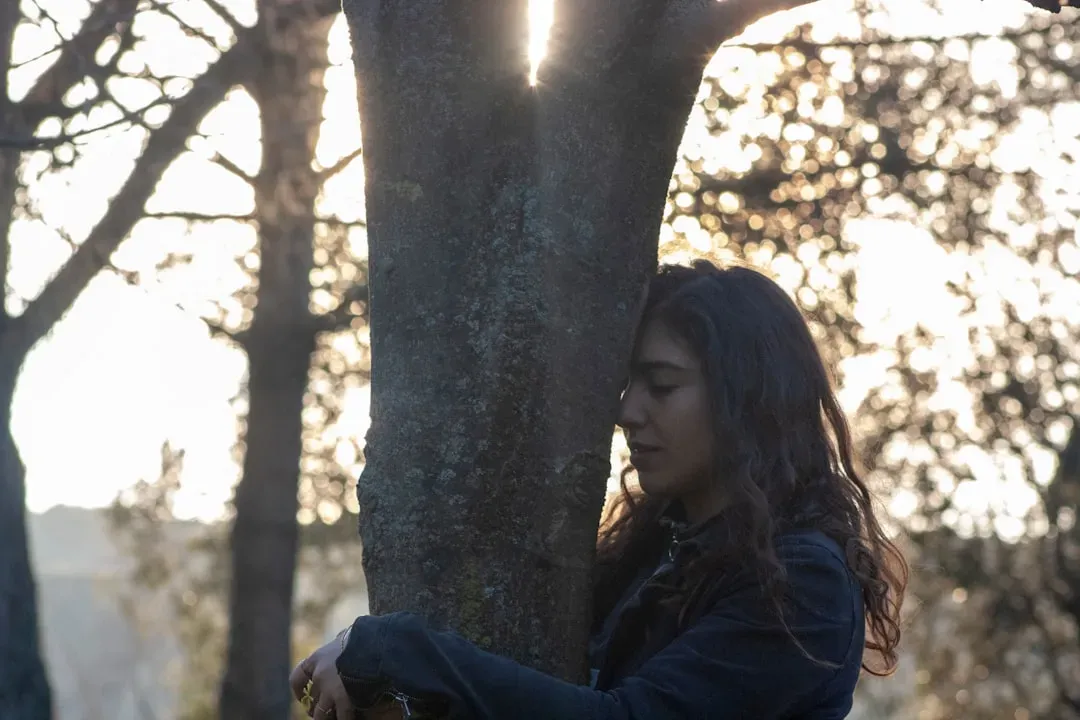
Across these traditions, forests are more than just settings. They are living archives of ancestral knowledge, where natural elements like trees, stones, and water hold spiritual significance. Within these sacred spaces, elements of nature serve as profound symbols of ancestral energy and wisdom. Here’s the thing. Most of us walk through a forest today and see scenery. Your ancestors walked through that same forest and saw family. Teachers. Spirits. Story.
For many Indigenous cultures, trees are seen as ancestors themselves, guardians and keepers of collective knowledge. The reverence for trees was so strong that ancient Irish laws imposed severe penalties for harming them. In 1099 C.E., the Cenél nEógain cut down the Ulaid’s sacred tree, the Craeb Telcha, as an act of conquest. In retaliation, the Ulaid destroyed the sacred trees of Telach Óc in 1111, underscoring how deeply these natural elements were tied to cultural identity and power. When you destroy a sacred tree, you’ve essentially declared war on a people’s entire worldview. That tells you everything about how seriously these relationships were taken.
Pachamama Rituals: When the Earth Was Not a Resource but a Mother
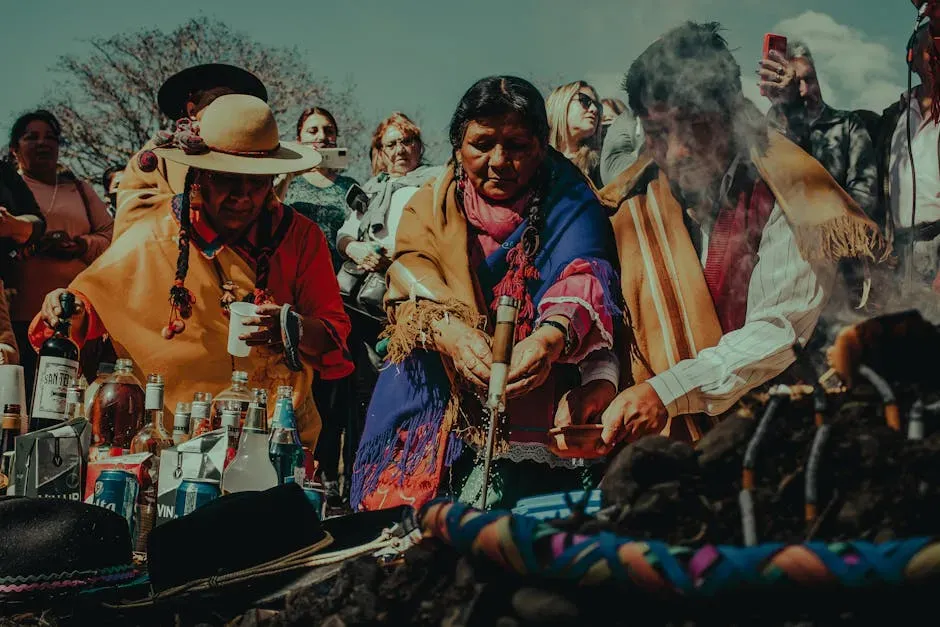
The Andean view sees the earth, sky, and stars as sacred and connected. At the center of these beliefs is Pachamama, or Mother Earth. Rituals in Peru show great respect for nature. The difference between viewing the earth as a resource to extract from and viewing it as a mother to care for is not a small philosophical distinction. It’s a completely different civilization. The Andean people built their entire spiritual calendar around the cycles of Pachamama.
Ceremonies for Pachamama happen at important times like planting and harvesting. In ancient Peru, coca leaves were used in spiritual offerings. These leaves held significant value as a sacred plant. Rituals involving coca were performed to communicate with gods and ancestors. The leaves were chewed or burned, with prayers asking for protection or good harvests. These offerings symbolized respect for the earth and its spirits. You gave before you received. You thanked before you took. That was not just a ritual, that was a philosophy of ecological balance that many modern societies are only now beginning to rediscover.
Fire Ceremonies: The Oldest Ritual of All Humankind
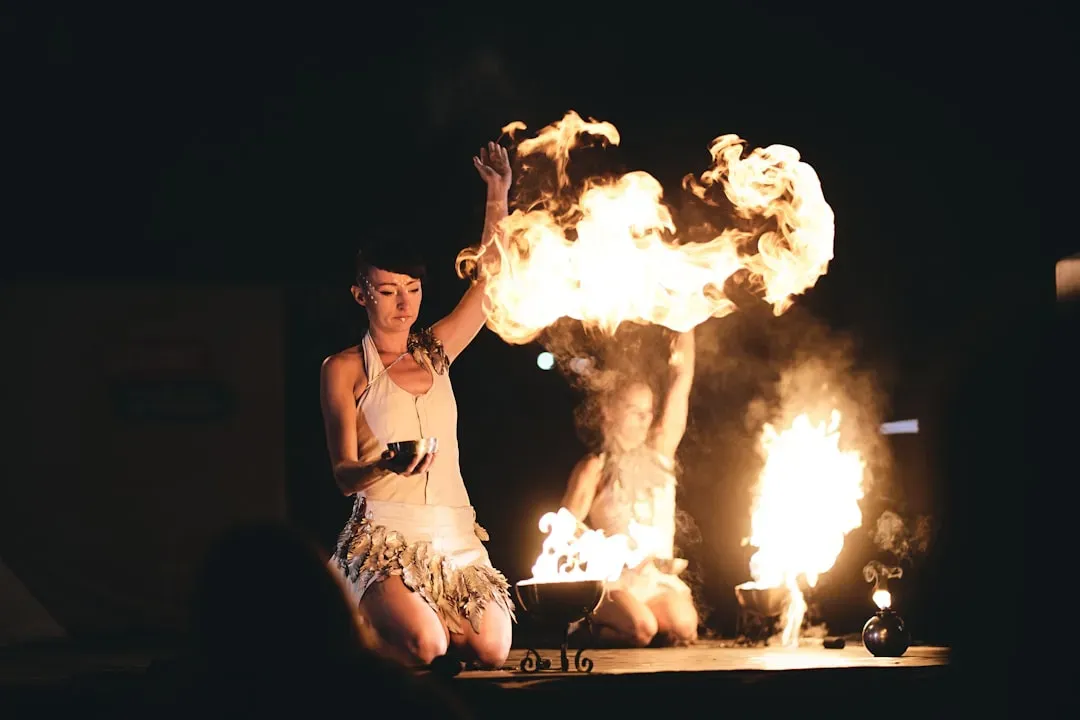
Thousands of years ago, your ancestors worshipped the elements of nature, the sun, the moon, the earth, the water, the flames, the air. They gathered on ancient mounds in the mist at night, or by the shores of the sea to sacrifice food and precious metals. Fire was not just warmth and light. It was the heartbeat of the camp, the voice of the ritual, and the bridge between the human world and the divine.
Fire ceremonies often symbolize purification and transformation. Fire makes the plants it has devoured suitable for fertilizing the earth. Its chief functions are similar to those of its main adversary, water: to purify and to ward off evil, especially from home and hearth. When you engage in fire rituals such as bonfires or candle ceremonies, you ignite your inner fire, release what no longer serves you, and embrace the transformative power of fire. Think of it this way. Fire is the one element that demands your full presence. You cannot multitask around a fire. You stare into it, and it stares back. Your ancestors understood that completely.
Conclusion: What Your Ancestors Knew That You May Have Forgotten
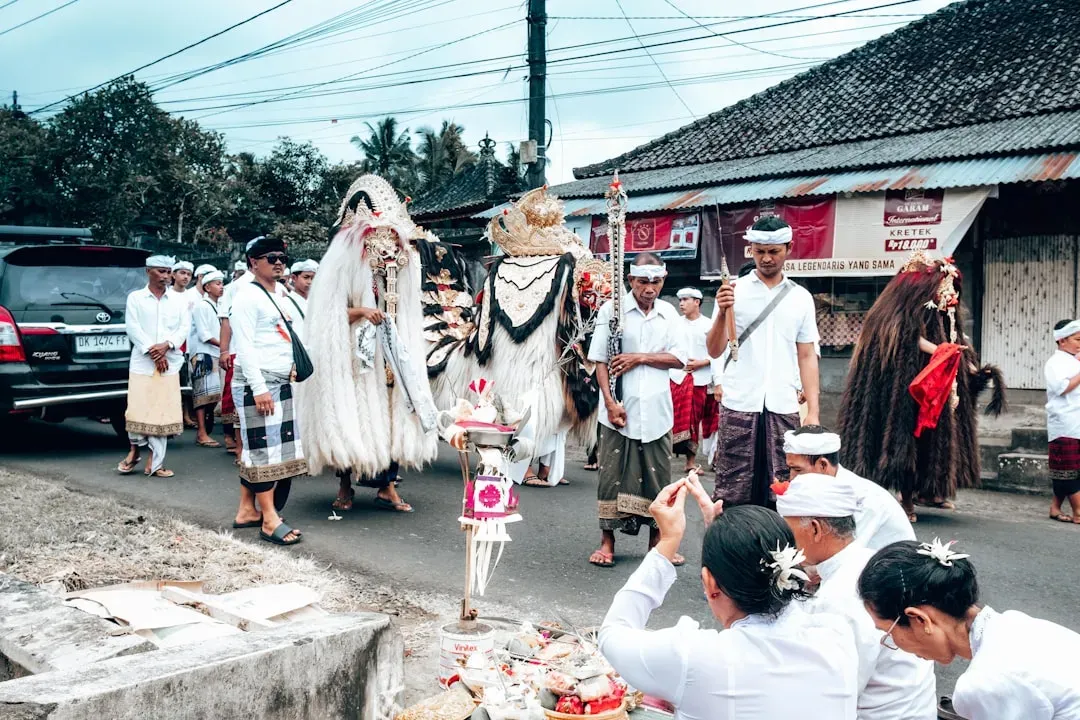
These rituals, carried out by tribal communities across the world, are meant to celebrate life, the changing of the seasons and the balance of the ecosystems. What is remarkable is not how strange these rituals seem to modern eyes. What is remarkable is how familiar they feel, somewhere deep down, beneath all the noise of contemporary life.
From the Zuni’s Shalako in New Mexico to China’s Dongzhi festival, and from the Iranian Yalda festival to Peru’s Inti Raymi, numerous cultures continue to carve time out to acknowledge the inextricable tie between humans and nature. This relationship persists today, in an era of electricity and smartphones, yet traces its roots back to a time when everyday people were astronomers, paying careful attention to the changes in the sky.
The perception of nature as a living entity fosters a sense of responsibility towards the environment, encouraging a more respectful, sustainable and holistic approach to our interaction with the environment. Being more aware of the cycles and rhythms of nature through rituals allows you to honor your own rhythms and cycles. This makes you remember that you are not a static being, but that you are held by the wisdom of the circularity of life.
Your ancestors did not need a wellness trend to tell them that standing barefoot on the earth, watching a fire burn, or walking silently through a forest was good for them. They simply knew it. The real question is not what they believed. The real question is what you might rediscover if you slowed down long enough to listen. What would nature say back to you?