Every year, something extraordinary unfolds across the planet. Billions of creatures, from the tiniest monarch butterfly to the largest humpback whale, abandon their homes and embark on journeys that seem almost impossibly ambitious. You watch a flock of birds disappear over the horizon at dusk, and you might wonder: where on Earth are they going, and why would they risk everything to get there?
What science has confirmed is that long-distance travel is not random behavior but a finely tuned survival strategy shaped by millions of years of evolution. The mechanics behind it, however, are far stranger and more wonderful than most people realize. Migration touches every corner of the animal kingdom, plays out on every continent, and holds ecosystems together in ways you might never have imagined. Let’s dive in.
What Migration Actually Is – And What It Isn’t
You might think migration simply means “animals moving around,” but the definition is actually more specific than that. Migration is a pattern of behavior in which animals travel from one habitat to another in search of food, better conditions, or reproductive needs, and what makes it distinct from other animal movement is that it happens seasonally and involves a return journey – setting it apart from emigration, when animals travel to find a new, permanent place to live.
Migration can be either obligate, meaning individuals must migrate, or facultative, meaning individuals can effectively “choose” to migrate or not. Within a migratory species or even within a single population, often not all individuals migrate. Think of it like some people in a town always heading to a warmer country for winter while others stay put and tough it out. Same species, very different strategies.
The Staggering Scale: Who Migrates and How Far
Migration is found in all major animal groups, including birds, mammals, fish, reptiles, amphibians, insects, and crustaceans. That’s honestly remarkable when you stop to think about it. You’re not just talking about birds flying south. You’re talking about crabs marching to the ocean, whales crossing entire ocean basins, and tiny butterflies crossing nations.
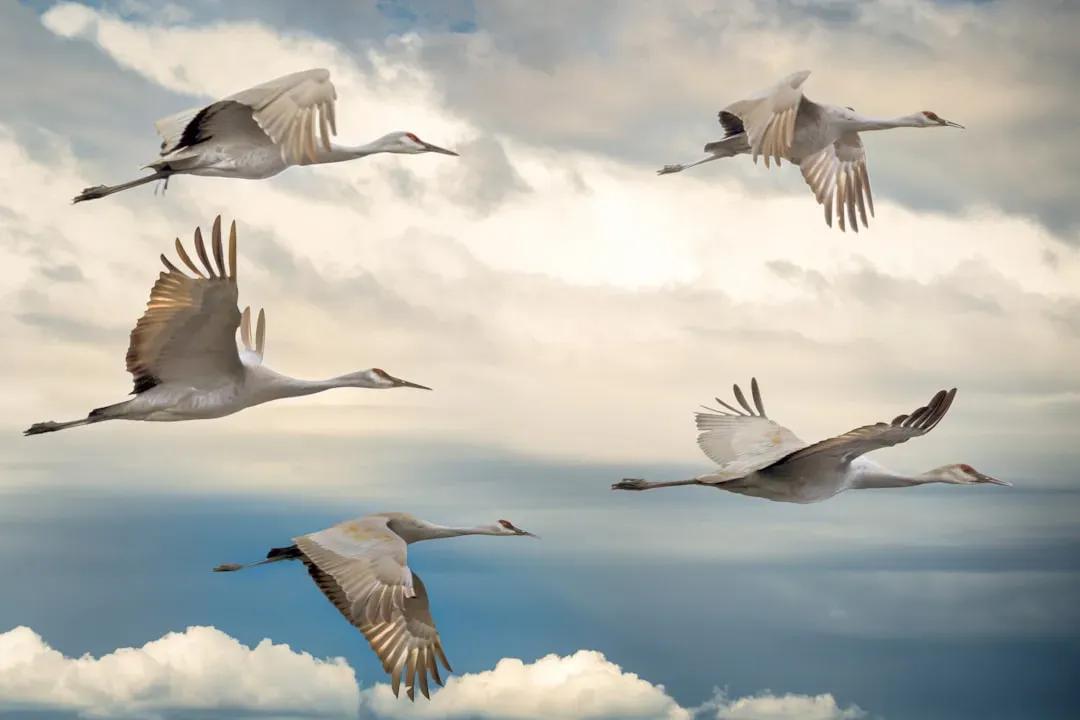
Approximately 1,800 of the world’s 10,000 bird species migrate long distances each year in response to the seasons. Many of these migrations are north to south, with species feeding and breeding in high northern latitudes in the summer and moving hundreds of kilometres south for the winter. Then there’s the absolute champion of distance: the Arctic tern, which flies from its Arctic breeding grounds to the Antarctic and back again each year, a distance of at least 19,000 km, giving it two summers every year.
The Primary Drivers: Food, Climate, and Survival
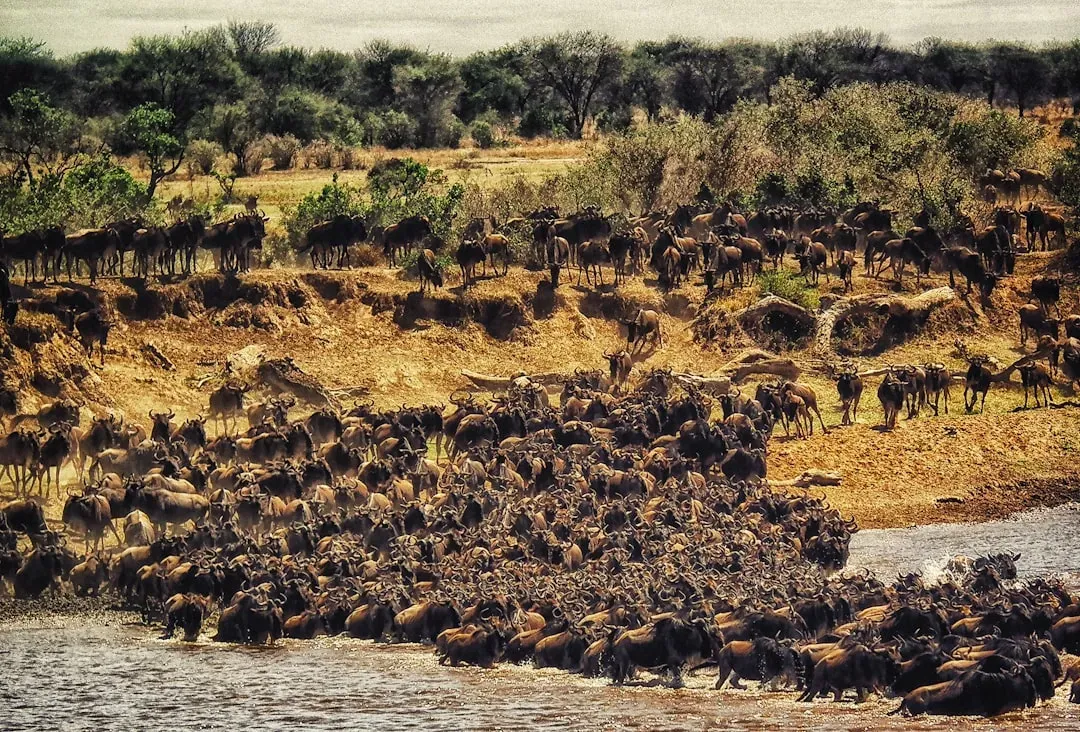
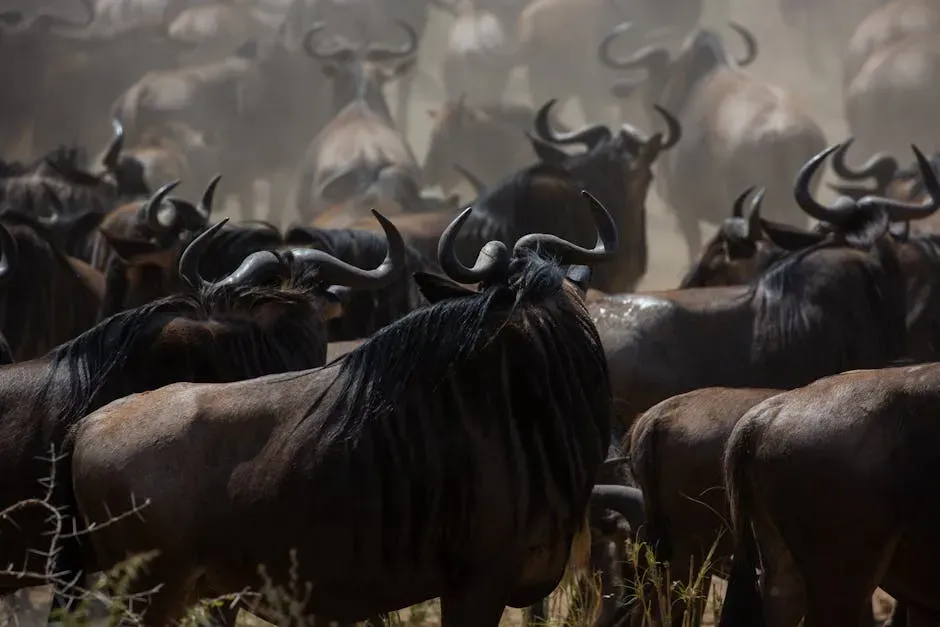
Food is the main reason for migration. It sounds almost too simple, doesn’t it? Yet that straightforward truth drives some of the most breathtaking journeys on the planet. One of the most famous examples is the wildebeest migration in the Serengeti, where massive herds follow the seasonal rains that nourish the grasses on which they graze. They’re essentially chasing a moving dinner table across an entire continent.
Ecological behavior also explains migration as an energy-optimization process. By synchronizing movement with wind patterns, ocean currents, and plant growth cycles, animals reduce energy costs while maximizing reproductive success. So it’s not just about going where the food is – it’s about doing it in the most efficient way possible. Nature, in this sense, is relentlessly clever.
The Great Mammal Migrations: From Serengeti to the Arctic
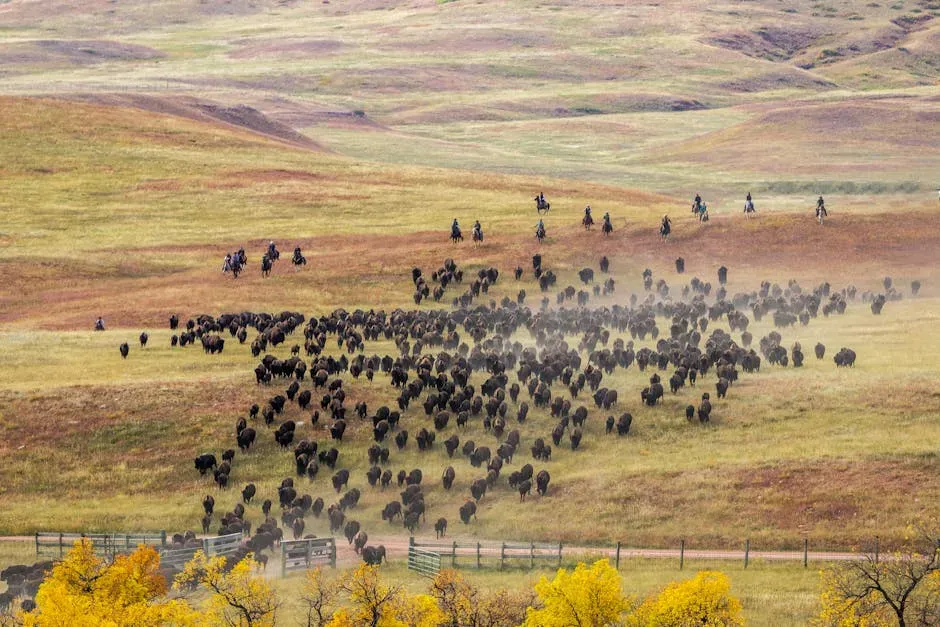
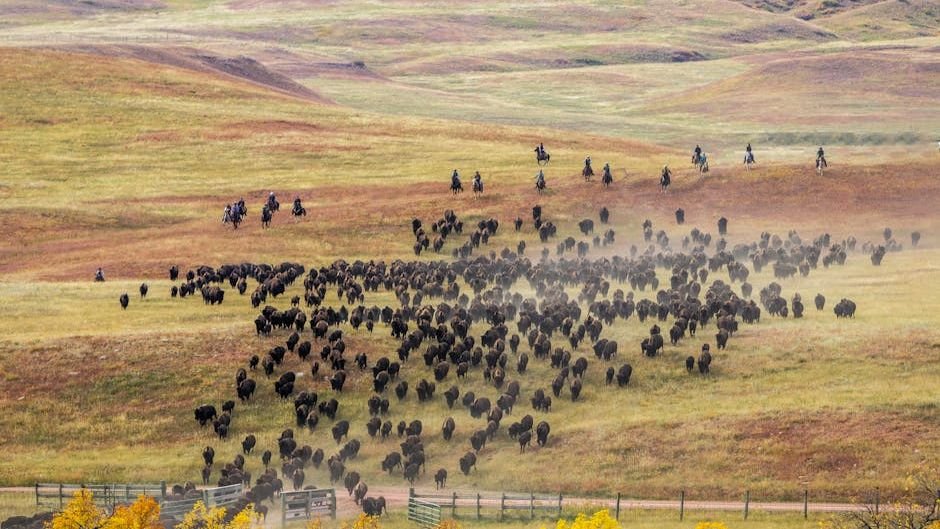
Mass migration occurs in mammals such as the Serengeti’s “great migration,” an annual circular pattern of movement involving some 1.7 million wildebeest and hundreds of thousands of other large game animals, including gazelles and zebra. Standing on the edge of the Mara River watching that crossing is one of those experiences that genuinely changes how you see the world. Honestly, few things on Earth match it for raw, primal drama.
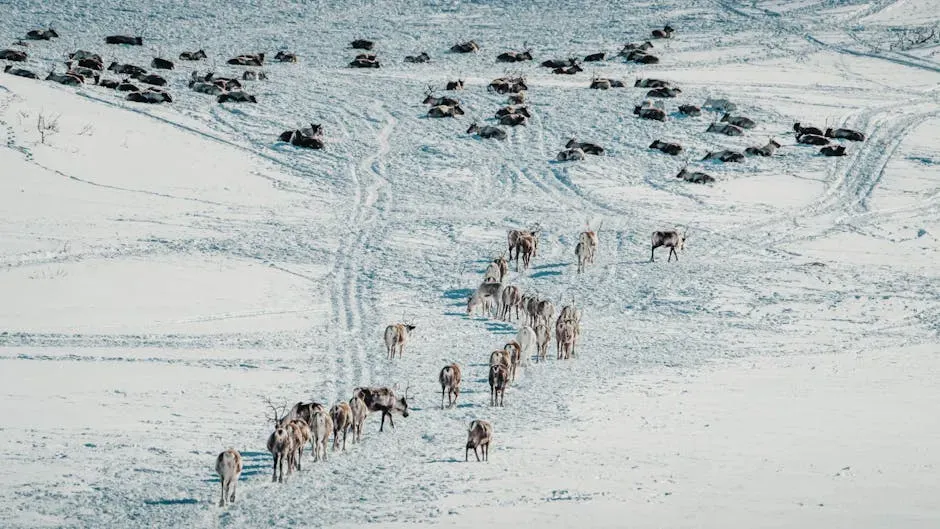
Caribou have the longest overland migration. Each year, roughly 3 million caribou make seasonal journeys across the Arctic tundra – literally seeking greener pastures, always traveling to find fresh grazing grounds. These animals travel through brutal terrain, across frozen rivers, and through relentless insect swarms. The determination baked into their biology is extraordinary.
Bird Migration: Nature’s Most Watched Annual Event
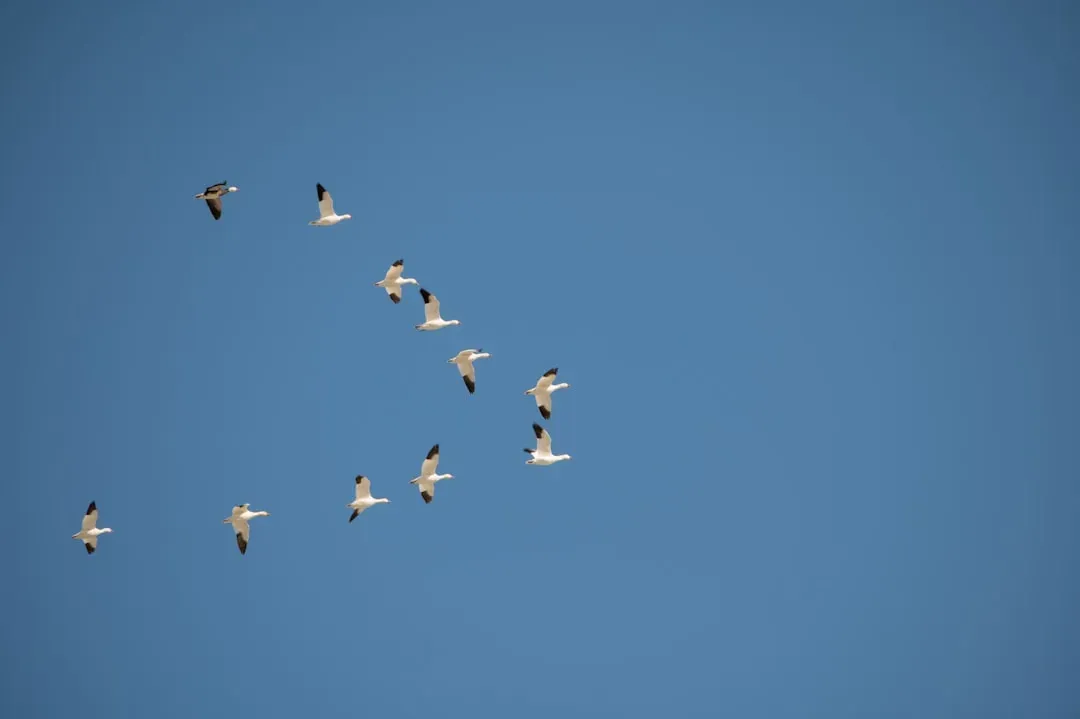
Animal migration science identifies photoperiod changes as a primary trigger for movement. As daylight hours shorten or lengthen, hormonal shifts initiate fat storage, muscle changes, and restlessness in migratory species. It’s as if a biological alarm clock goes off inside the animal – no external prompt needed. You don’t need to remind a swallow that autumn is coming.
European swallows migrate south every winter to Africa or Asia where the climate is warmer and food is more plentiful. Flying up to 320 kilometers a day, they use fat reserves to avoid starvation on their long journey. That’s roughly the distance from London to Paris, covered daily, by a creature weighing about as much as two tablespoons of sugar. If that doesn’t stop you in your tracks, I don’t know what will.
How Animals Navigate: The Science of Finding Your Way
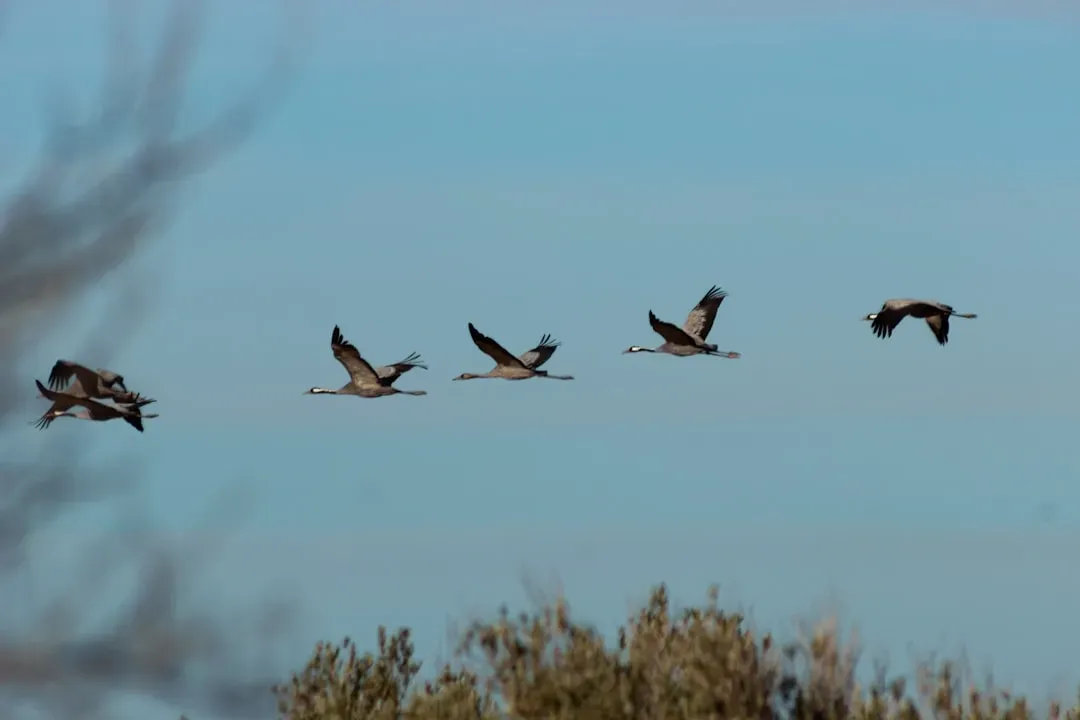
Birds rely on a combination of magnetic fields, sun positioning, star patterns, and olfactory cues to chart precise routes across continents and oceans. The integration of multiple sensory systems ensures that even over vast, featureless landscapes, birds can reach their breeding and feeding grounds with remarkable accuracy. Think of it like a GPS that uses four different satellite systems at once, with each as a backup for the others.
Birds possess innate magnetic compasses, cryptochrome proteins, and quantum-sensitive systems capable of detecting Earth’s geomagnetic field. Alongside learned landmarks, visual cues, and olfactory maps, these systems allow bird migration navigation to function reliably year after year, highlighting the complex interaction between genetics and experience. Salmon, remarkably, can smell their home river from hundreds of miles away in the ocean, since each river has a unique chemical signature they remember from when they were young.
Migration as Learned Behavior: Experience Shapes the Journey
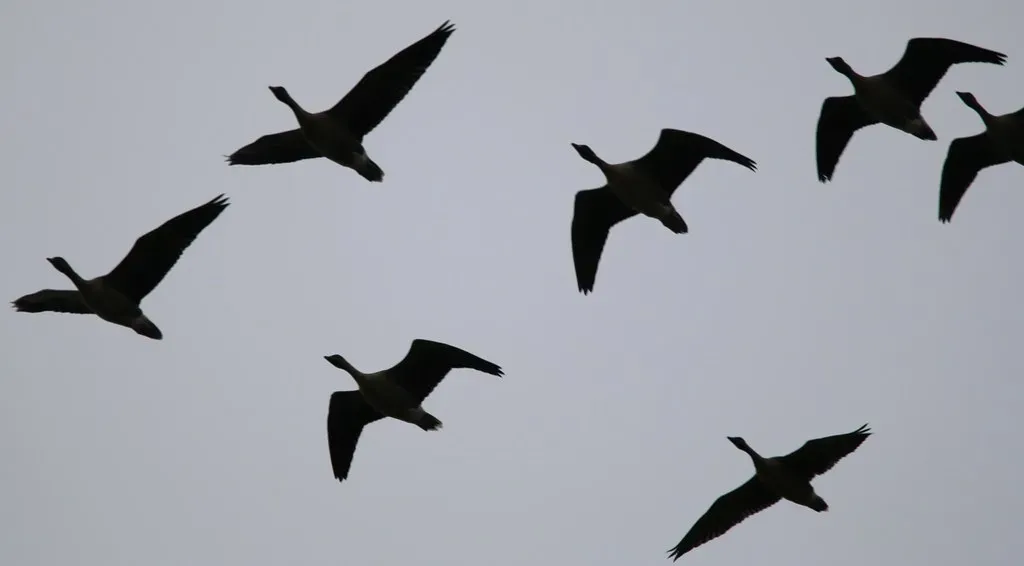
Here’s the thing – migration isn’t purely robotic, preprogrammed behavior. While genetics and social behavior are important factors shaping animal migrations, information gained through individual experience also appears to help shape migratory movements. That’s a significant finding, and it shifts the way scientists think about how these journeys are passed on through generations.
Individual storks, for example, incrementally straightened their migration routes to find more direct ways to move between destinations during the spring migration to summer breeding and nesting grounds. Younger animals often learn the route by following older, more experienced individuals. It’s essentially a cultural tradition, not unlike the way a seasoned traveler passes on tips to someone making a journey for the first time. Generations of knowledge, built into behavior.
Marine Migration: The Ocean’s Hidden Highways
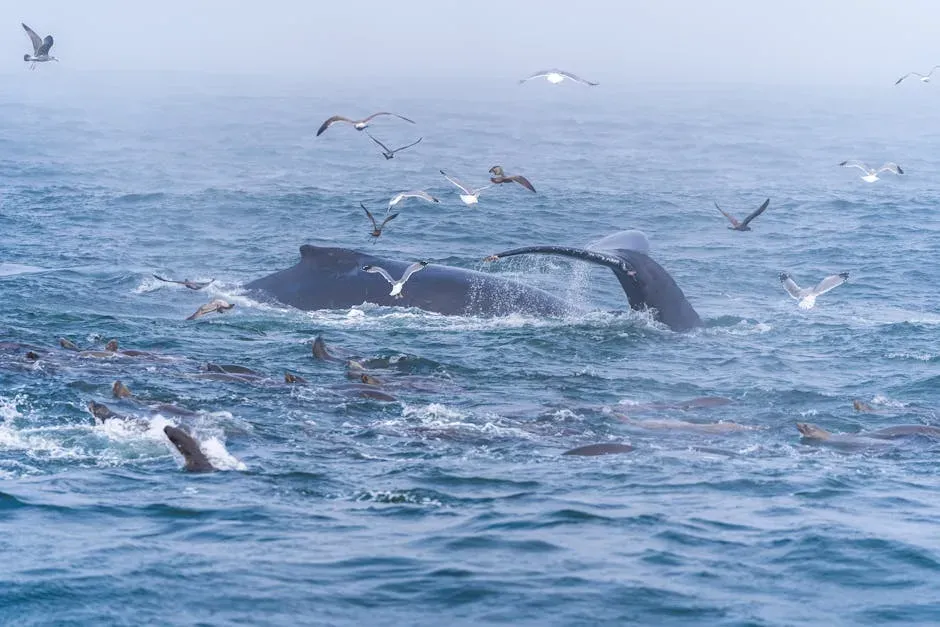
Baleen whales, like humpbacks and gray whales, migrate to northern latitudes during the spring and summer to feed in cold arctic waters rich in krill and shrimp-like crustaceans. The long, tiresome journey from the south is made worthwhile by the extraordinary feast that awaits them there. It’s a bit like driving eight hours for the world’s greatest buffet – except the stakes are survival, not just appetite.
Many whale species follow magnetic highways during migration, seemingly preferring routes along certain magnetic field lines, which act like underwater motorways. Sea turtles take this even further, returning to the exact same beach where they hatched to lay their own eggs – a behavior known as natal homing. The loyalty these animals show to a specific patch of sand, after years wandering entire ocean basins, is almost incomprehensible.
Climate Change: The Threat Rewriting Ancient Routes
Climate change is altering the timing and geography of traditional routes. Satellite tracking reveals that many species now migrate earlier, travel farther, or abandon historical pathways entirely as droughts, melting ice, and shifting vegetation patterns reshape ecosystems. These changes strain energy reserves and reduce breeding success, particularly for birds and marine mammals.
Animals with rigid migration calendars, such as long-distance songbirds, face unique challenges as seasonal cues grow unreliable. Species like the pied flycatcher continue to migrate based on fixed triggers like day length, but when they arrive at their breeding grounds, they often find that food sources have already peaked, leading to mismatches that impact survival and reproduction. Conservation efforts focused on protecting critical habitats, reducing carbon emissions, and establishing wildlife corridors can help facilitate safer, uninterrupted migrations. The path forward, though difficult, is clear – the real question is whether you and I will act on it quickly enough.
Conclusion: The Journey That Connects Everything
Animal migration is not a side story of the natural world. It is one of its central chapters. Preserving migration pathways is essential for maintaining biodiversity, regulating food webs, and supporting fisheries and agriculture that depend on migratory species for ecosystem balance. When a migratory species disappears or falters, the ripple effects spread far wider than most people expect.
Migration is a natural phenomenon that is vital to the survival of species and the health of entire ecosystems, and it can be integral to an animal’s entire lifecycle. You might live far from the Serengeti or the Arctic tundra, but the migrations happening across this planet quietly hold the world you live in together. Every flock of birds you see overhead is part of something ancient, vast, and breathtakingly connected.
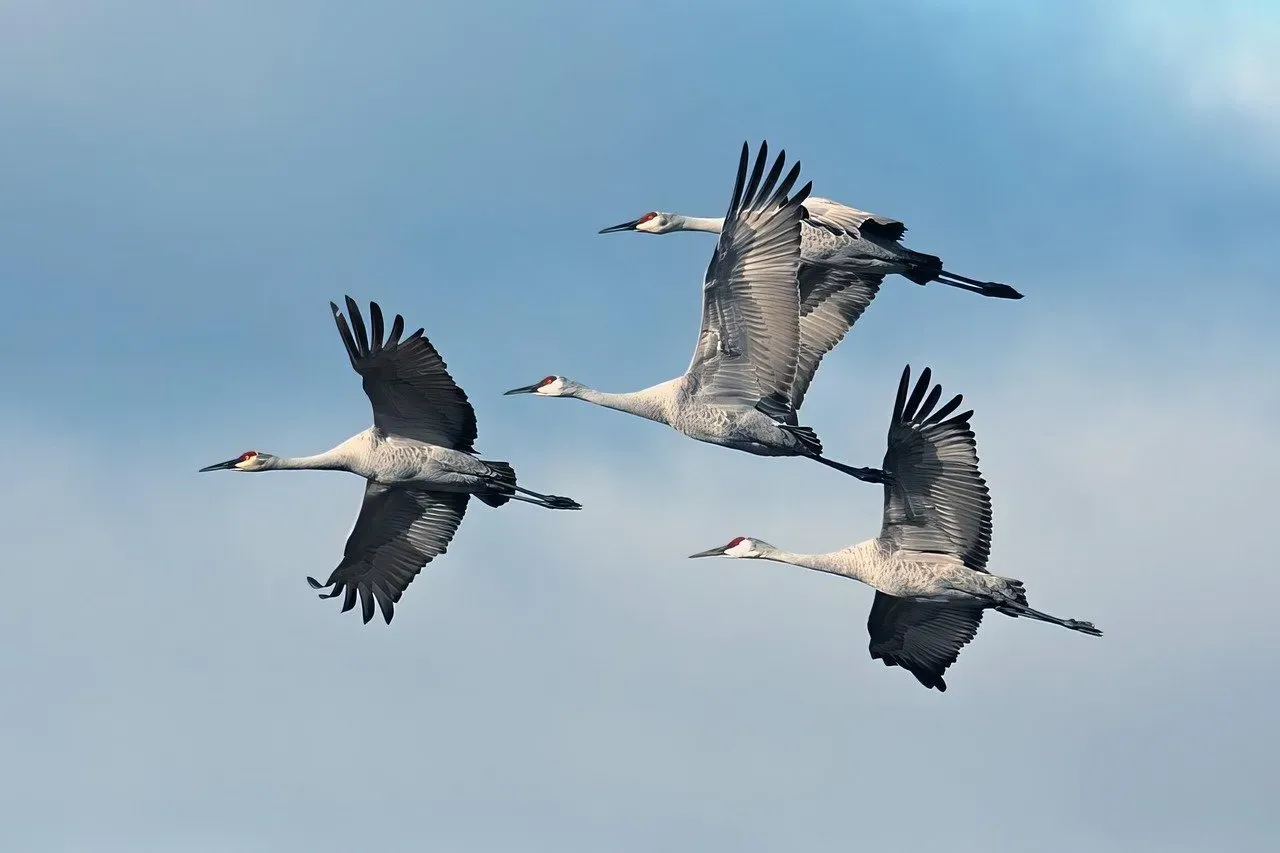
The next time you spot birds in formation crossing the sky, take a moment. They’re not just flying – they’re doing what billions of creatures have done for millions of years: trusting the planet and their own biology to guide them home. What do you think we owe them in return? Share your thoughts in the comments below.