Across the United States, there are places that once pulsed with life, noise, and ambition… and now are nearly impossible to find on a map. Some were wiped away by water, others by corporate deals or shifting borders, and a few simply faded as if someone turned down the volume on reality. You drive past where they used to be and see only trees, a reservoir, or a stretch of anonymous highway – yet entire lives unfolded there.
What shocked me when I first dug into these stories is how quickly a city can be erased, not just physically but from memory. In school we learn about big events and famous places, but no one tells you about the town that was drowned so a distant city could have more tap water, or the once-bustling community that vanished into a mine fire. These seven lost American cities are like ghost fingerprints on the country’s landscape – faint, but still there if you know where to look.
Centralia, Pennsylvania – The Town That Burned From Below
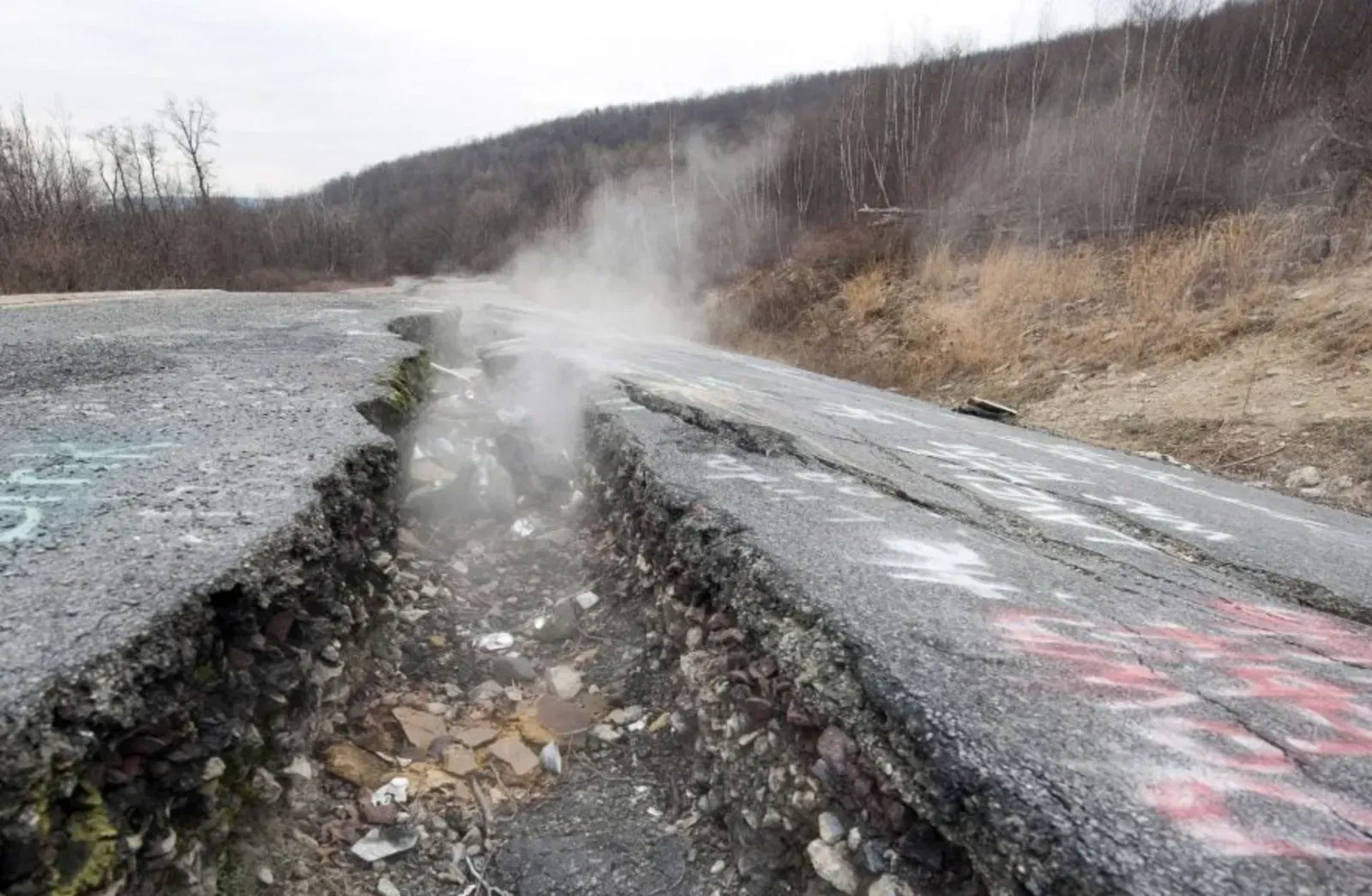
Imagine living in a town where the ground itself might open up beneath your feet. That was Centralia, a coal-mining community in Pennsylvania, where an underground mine fire that started in the early 1960s eventually turned the entire place into a slow-motion disaster. What began as a routine trash fire near an old mine opening slipped into the coal seams and never stopped burning.
Over the years, residents watched their home shift from normal small town to something out of a nightmare, with smoke seeping from cracks in the pavement and sinkholes breathing hot air. Carbon monoxide levels rose, homes were condemned, and the federal government eventually bought out most properties and demolished them. Today, streets still exist, and a handful of houses remain, but the city itself is officially gone, its zip code erased while the fire continues under the hills.
Isabella, Minnesota – Erased by the Power of a Dam
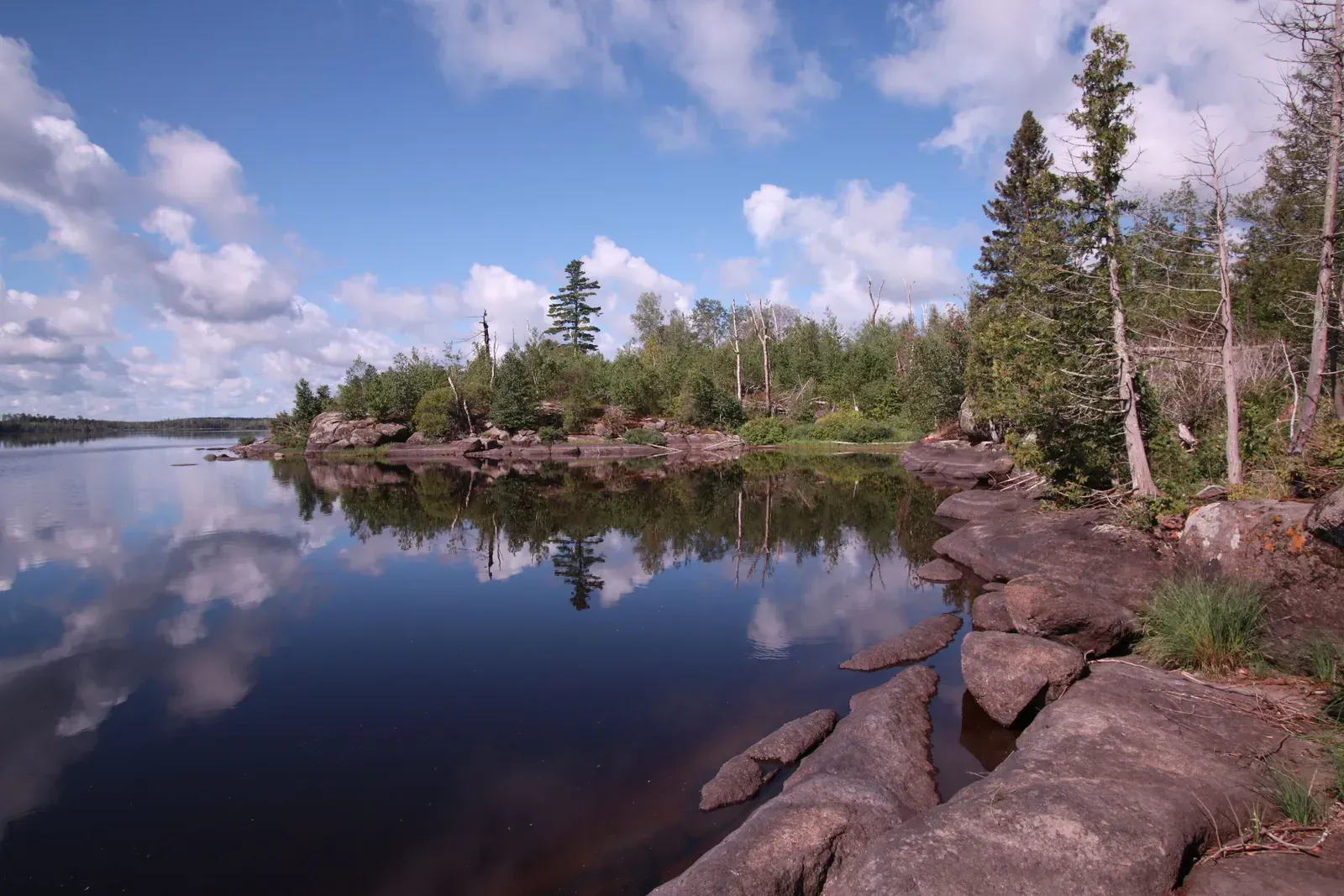
In northern Minnesota, the town of Isabella once sat quietly along the Kawishiwi River, a modest settlement tied to logging and the wilderness. It never had the fame of big lumber towns, but it had a post office, families, and a small web of daily routines that made it feel complete to the people who lived there. Then came the familiar American story: a dam project and a rising reservoir.
When the nearby power dam was built and waters were redirected and controlled, land around the area was reshaped and some settlements, including Isabella’s original location, were abandoned or shifted. Over time, roads were rerouted, buildings removed, and nature moved back in so thoroughly that most visitors would never guess a town had been there. The name survived in a different spot and in local references, but the original community as it once existed effectively disappeared into the woods and water.
Kennecott, Alaska – A Copper Empire Turned Frozen Shell
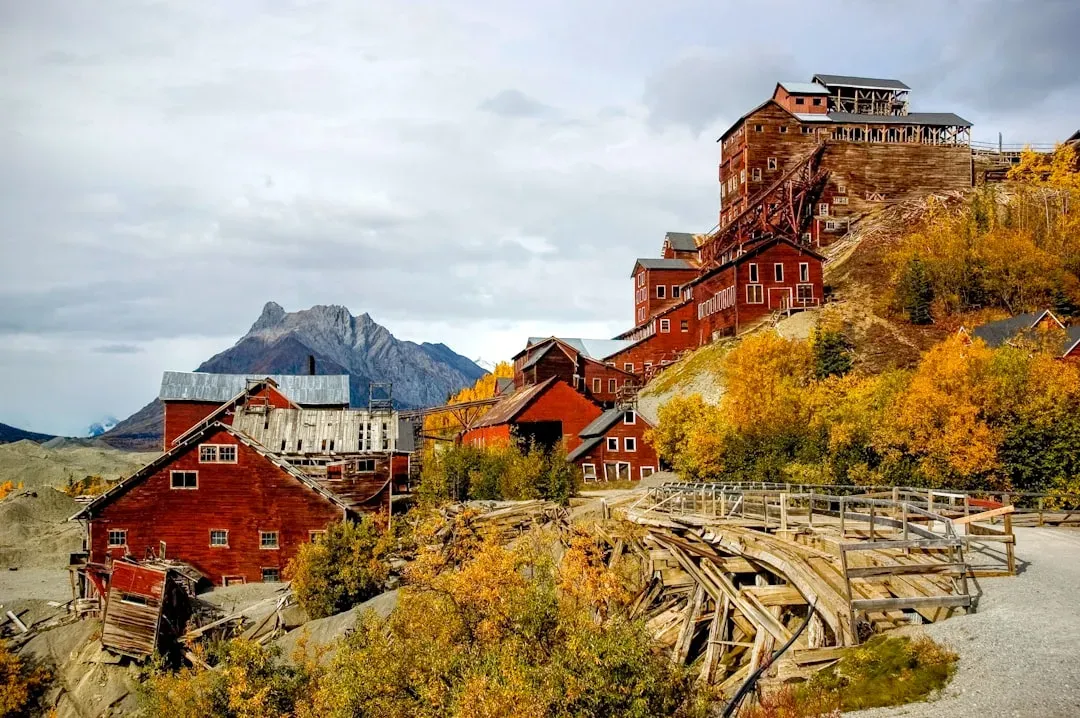
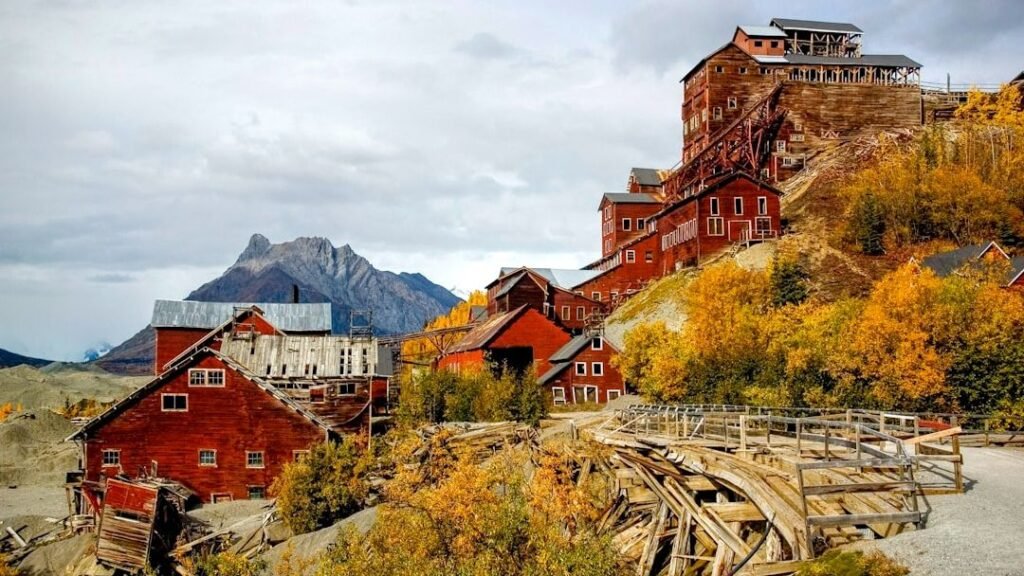
High in Alaska’s Wrangell Mountains, Kennecott was once the beating heart of one of the richest copper mines in the world. In the early twentieth century, mining companies built a self-contained industrial city in the wilderness, complete with a hospital, school, and elaborate mill structures clinging to the slope like a wooden staircase to nowhere. At its peak, you could hear the constant grind of machinery and the rattle of ore carts echoing across the valley.
Then, when the copper deposits were deemed tapped out in the late 1930s, the owners walked away with astonishing speed. Trains stopped running, workers left, and Kennecott froze in time, literally, as the harsh climate preserved its buildings but stripped away its population. For decades it was nearly forgotten, reachable only by those willing to tackle rough roads and wild terrain. Today, some buildings have been stabilized as part of a national park unit, but the city that once powered an industrial fortune remains a hollowed-out ghost of itself.
Mannahatta’s Lost Collect Pond Neighborhood – Swallowed by New York’s Growth
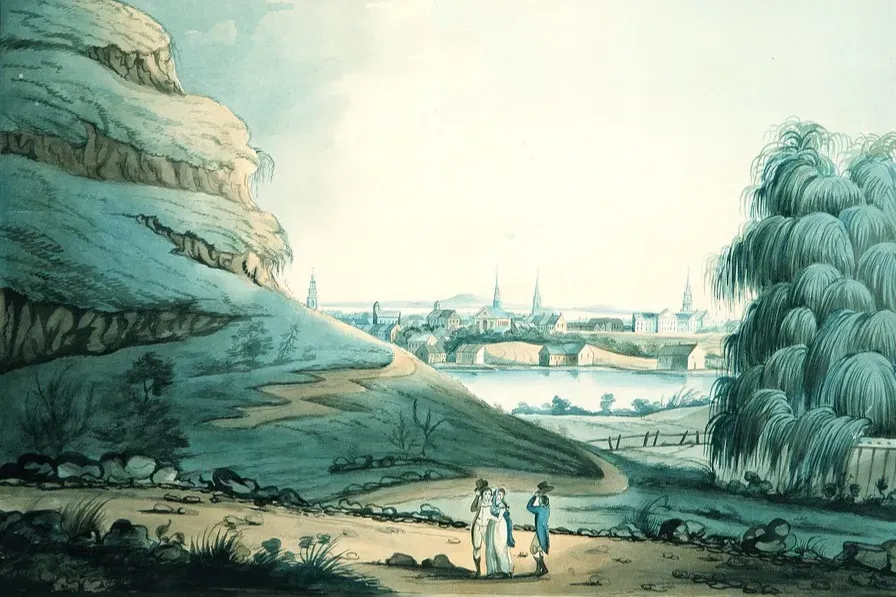
Long before Manhattan became a forest of skyscrapers, there was a freshwater lake called Collect Pond near what is now lower Manhattan. Around it grew a small but real neighborhood of workshops, homes, and early industrial activity, a kind of proto-city wedged into the island’s natural contours. People drew water there, children played along the shore, and the early city leaned on it like a vital organ.
As New York expanded in the late eighteenth and early nineteenth centuries, pollution from tanneries and industry poisoned the pond. The city decided to fill it in, level the land, and reshape the street grid, burying both the water and the small community that had clustered around it. Today, the area is part of the dense civic and Chinatown districts, with barely a hint that a whole micro-city of early New Yorkers once lived around a vanished lake. The disappearance here is quiet but absolute, hidden under asphalt and courthouses rather than water or wildfire.
Bodie, California – The Boomtown That Went Silent Overnight
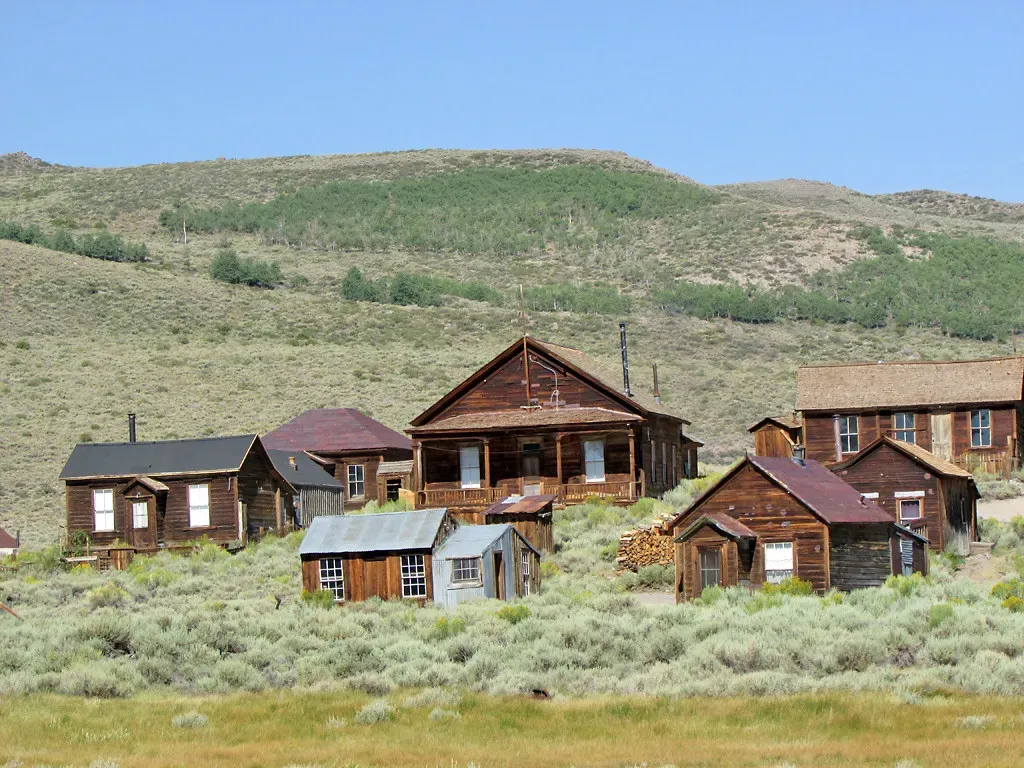
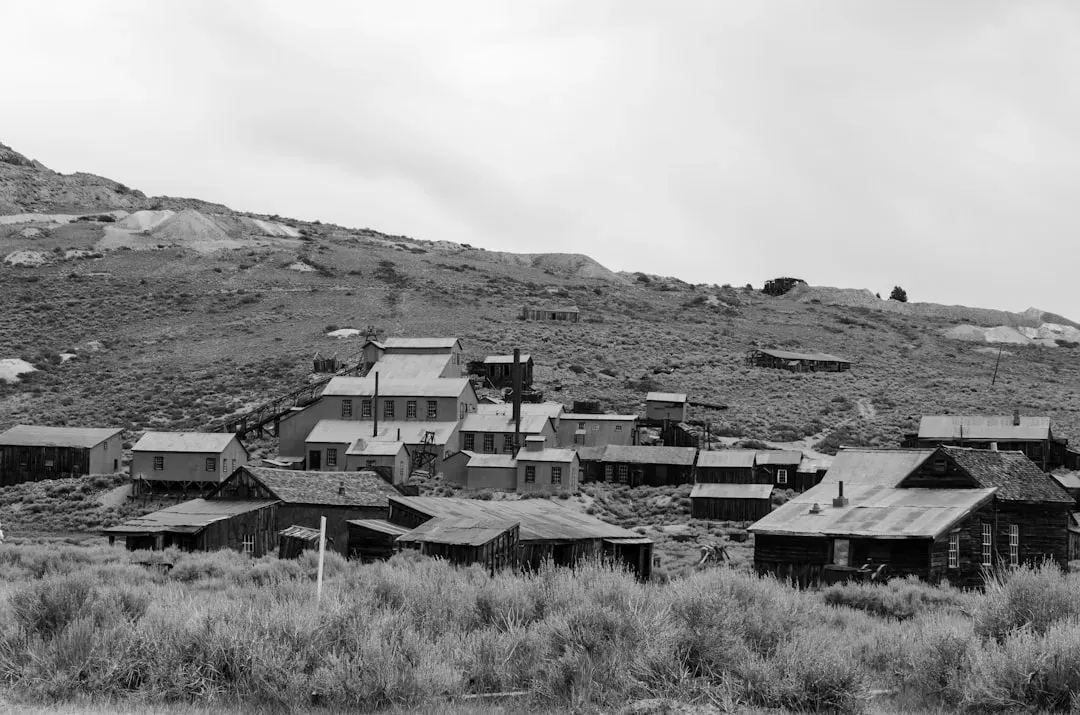
Out on the high desert plateau of eastern California, Bodie was once one of the rowdiest gold-mining towns in the West. In the late 1800s, its population surged into the thousands, and the streets were packed with saloons, boarding houses, and the kind of rough-edged businesses that follow fast money. People moved there on rumors and hope, convinced they were about to strike the vein that would change everything.
But just like a fire that burns too bright, Bodie’s prosperity burned out quickly when the gold dwindled and deeper, more expensive mining made less sense. Within a few decades, residents drifted away, leaving furniture in place and dishes on tables as if they intended to come back later. Winds and winters tore at what remained, and by the mid-twentieth century it was a dead town whose name barely appeared in conversations outside the region. Preservation efforts turned it into a state historic park, but the living city is gone, preserved in what people often describe as a state of arrested decay.
Glen Canyon’s Hidden Towns – Flooded for a Reservoir
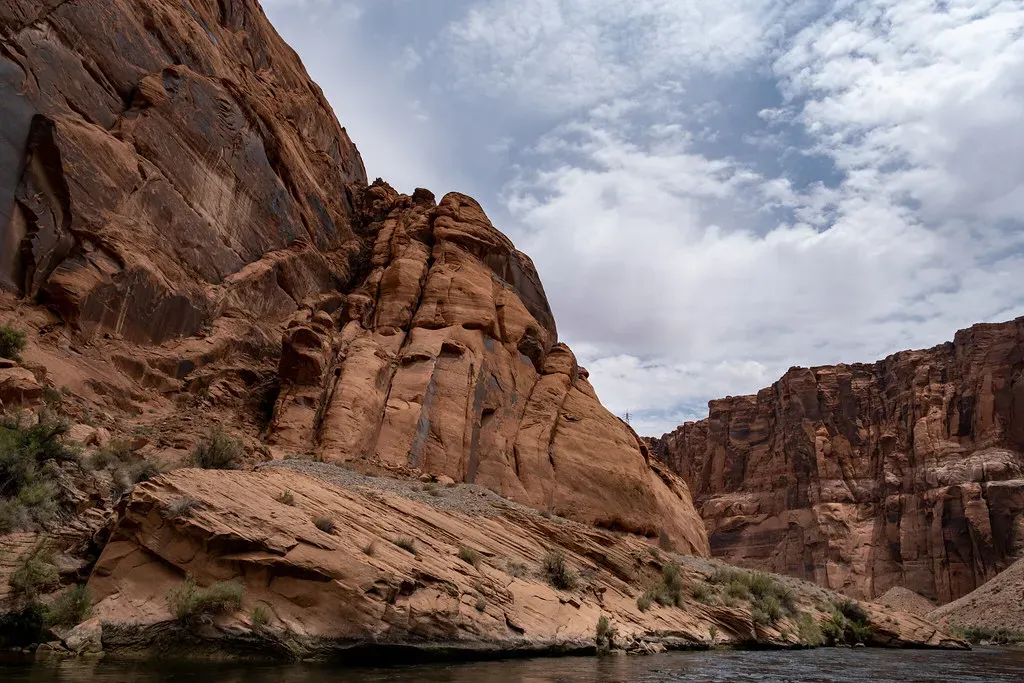
Along the Colorado River, before the construction of Glen Canyon Dam, there were small communities, trading posts, and Navajo and other Indigenous settlements that relied on river routes and canyon trails. These places were never huge cities, but they were rooted, with schools, mission structures, ranches, and generations of memory etched into the rock and sand. When the dam project ramped up in the mid-twentieth century, that entire way of life was placed under rising water.
As Lake Powell filled, it swallowed not only stunning canyon landscapes but also the remnants of towns and riverside hubs that had quietly existed there. Some buildings were dismantled or moved, others were left to disappear beneath the reservoir, their foundations now visited only by divers or glimpsed in rare low-water years. For many families, it was not just a physical loss but an emotional one, as ancestral homes, grazing lands, and sacred sites vanished from the visible world. On modern maps, you see only a blue shape and a marina where once there were scattered but real communities.
Times Beach, Missouri – Poisoned Into Oblivion
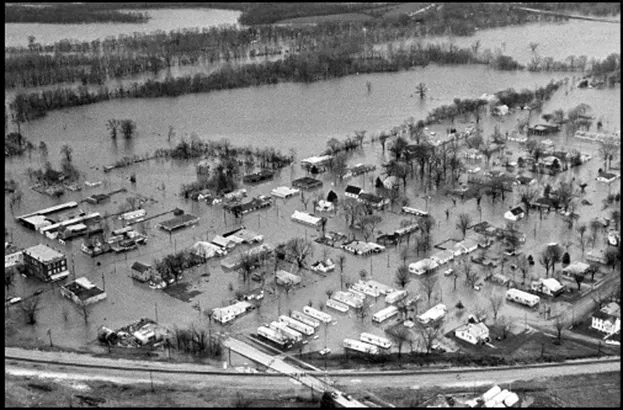
Times Beach started as a quirky Depression-era promotion near St. Louis, a place where people bought cheap land through a newspaper offer and built modest houses along the Meramec River. For decades, it was just another small American town, nothing fancy, but with enough churches, diners, and routines to feel grounded. Then a toxic disaster rewrote its fate in one of the most chilling ways imaginable.
In the 1970s, oil used to spray dust on the town’s unpaved roads was later found to be contaminated with dioxin, a highly toxic compound linked to serious health risks. Flooding in the early 1980s spread the contamination further, and federal authorities stepped in, ordering buyouts and a full evacuation. Nearly every building was demolished, and the site was eventually transformed into a state park, with interpretive signs where homes and shops once stood. The legal boundaries of the town disappeared, and with them, the very name “Times Beach” faded from everyday talk, as if the place had been scrubbed from the country’s memory along with the poisoned soil.
Conclusion – How Do Cities Disappear So Easily?
Looking at these vanished cities side by side, a pattern jumps out: it doesn’t actually take much for a place to be erased. A hidden mine fire, a dam, a polluted pond, a toxic miscalculation, or a drained ore body can push a town right off the map, often in a single generation. What remains are scars in the landscape, a few crumbling foundations, or a line in an old document that most people will never read.
What lingers far longer, though, are the invisible pieces: stories carried in families, photos in dusty boxes, and the odd feeling you get when you realize you’re standing where a bustling street once ran. These lost American cities remind us that permanence is more fragile than we like to believe, and that today’s thriving suburb or industrial hub could be tomorrow’s footnote. Next time you pass a quiet stretch of road or shoreline and feel that strange déjà vu, will you wonder what might have been there before it ?