Every so often, nature looks at the rulebook of biology, shrugs… and sets it on fire. Most animals age, get sick, and die on a predictable schedule. Most need oxygen, have a fixed number of limbs, and follow patterns we can chart in neat little graphs. But a few creatures out there don’t just bend the rules; they rip them up and rewrite them in their favor.
These three species are living contradictions: animals that seem almost unfairly good at survival. They can regrow their bodies, live without oxygen, or avoid aging in a way that would make any human jealous. They’re not magic, of course, but they’re close enough to make scientists rethink what life can be. Let’s dive into the weird, the unsettling, and the strangely inspiring side of biology.
The Immortal Jellyfish That Rewinds Its Own Life
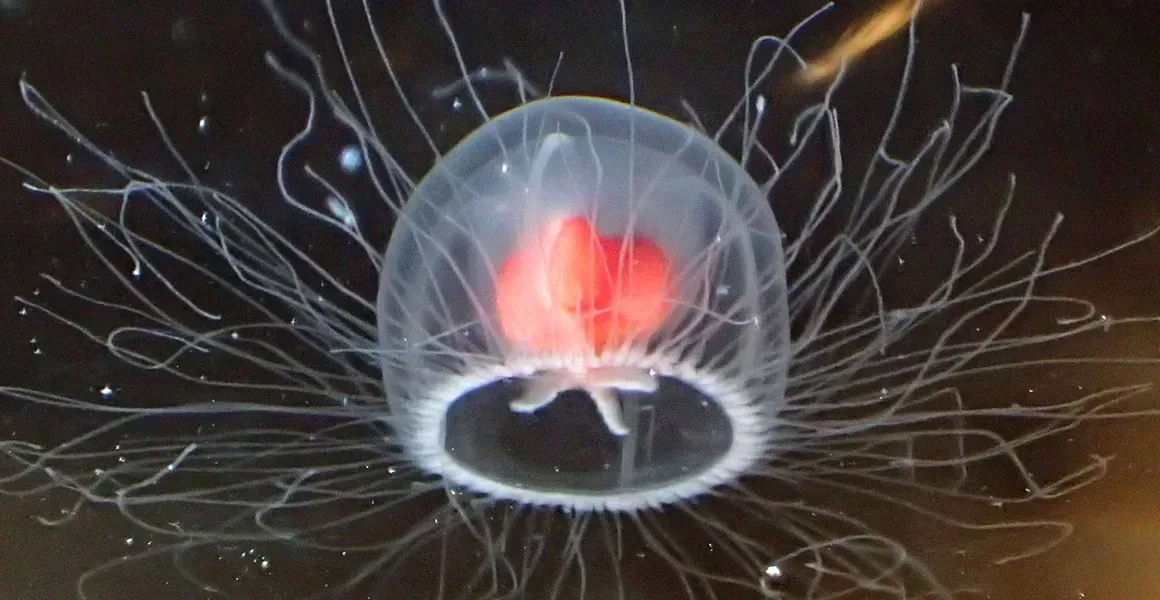
Imagine hitting a reset button on your life whenever things get rough. That’s basically what the tiny jellyfish Turritopsis dohrnii does. Instead of dying when it’s stressed, injured, or starving, it can reverse its aging process and return to its earlier life stage, like a butterfly turning back into a caterpillar. In biological terms, it transforms its adult cells back into a juvenile form, a trick called transdifferentiation.
This is not normal. Most animals follow a one-way street from birth to death, but this jellyfish turns that street into a loop. It doesn’t mean it can never die – predators can still eat it, and disease or bad luck can wipe it out – but individual jellyfish can, in theory, dodge natural aging again and again. Scientists study Turritopsis because its trick hints that aging might not be as rigid as we once believed. It thrives not by being big or strong, but by quietly cheating time itself.
The Regenerating Axolotl That Grows Back Almost Anything
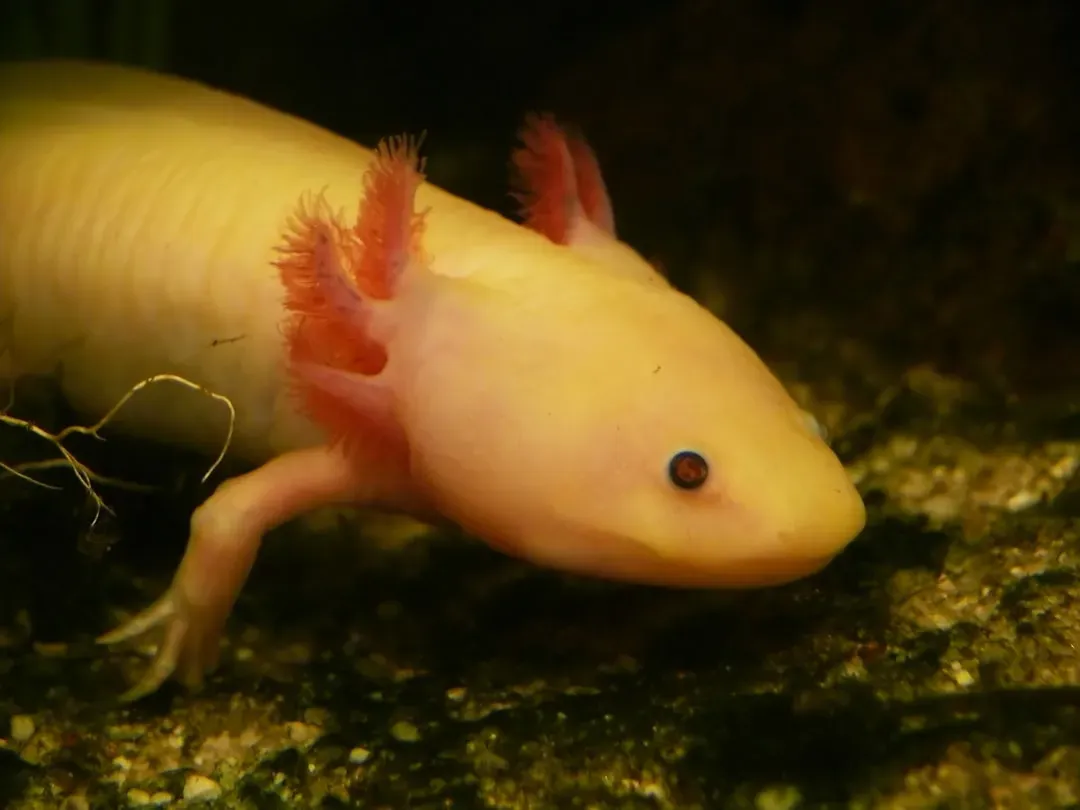
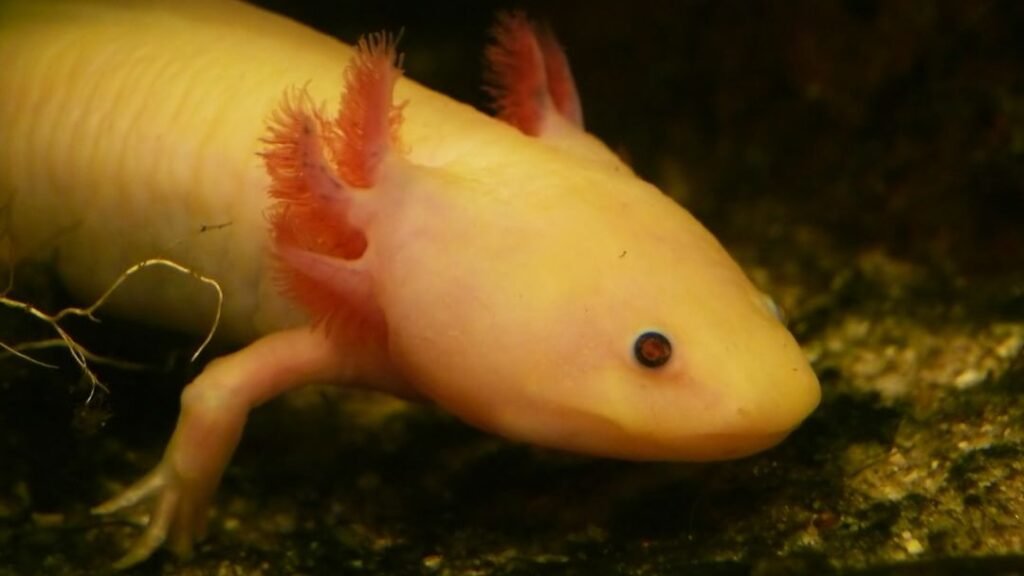
If you’ve ever wished you could undo an injury, the axolotl feels like it wandered out of a science fiction movie. This salamander can regrow entire limbs, repair its spinal cord, restore pieces of its heart, and even rebuild parts of its brain. Where humans form scar tissue, axolotls create fresh, functional body parts, as if someone hit “undo” on physical damage.
What makes this even stranger is that axolotls do this over and over without showing the usual trade‑offs we’d expect, like rampant tumors or malfunctioning tissues. Their cells can revert to a more flexible, stem‑cell-like state and then rebuild whatever’s missing with surprising precision. In the wild, this gives them a serious survival advantage: a lost leg to a predator is an inconvenience, not a death sentence. For scientists and doctors, the axolotl is like a living blueprint for next‑level healing, hinting at future therapies for human injuries that today seem permanent.
The Hydra That Refuses to Age Like Normal Animals
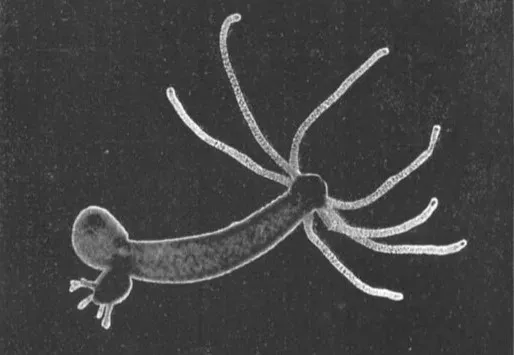
The tiny freshwater hydra looks unimpressive at first glance – just a small tube with tentacles – yet it’s one of the most unsettling organisms we know. Unlike most animals, hydra show almost no clear signs of aging under stable conditions. When researchers keep them in favorable environments, many individuals simply don’t get weaker or more fragile over time in the usual way. Statistically, their risk of dying doesn’t steadily increase with age like it does in humans or most mammals.
Hydra pull this off because their bodies are powered by continuously active stem cells that constantly replace old or damaged cells. It’s like having an internal repair crew working full‑time, never calling it quits. Biologists sometimes call this state “biological immortality,” not because they can never die, but because aging itself doesn’t seem to be what kills them. In nature, predators, food shortages, or harsh conditions eventually take them out, but as long as life is good, hydra just… keep going. They thrive by making aging itself almost irrelevant.
The Rule-Breakers That Rewrite What “Normal” Even Means
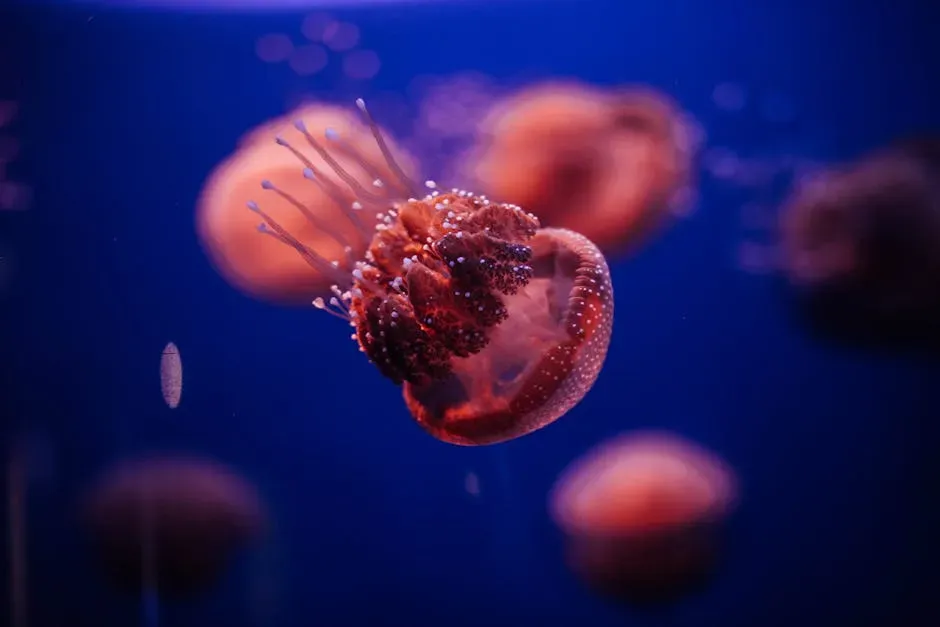
Put these animals side by side and a clear pattern jumps out: they win not by following the standard rules of biology, but by twisting them. The immortal jellyfish dodges aging by rewinding its life, hydra and axolotls rebuild themselves instead of accepting damage, tardigrades and rock‑dwelling worms survive by nearly stopping time, and an oxygen‑free jellyfish lives where most animals would suffocate. Each one has turned a supposed limit of life into a loophole.
They remind us that what we call “normal biology” is really just the version of life we happen to see most often, not the only way things can work. For medicine, aging research, and even space travel, these misfits are goldmines of ideas, pointing to ways life can resist damage, delay death, or endure the unendurable. The more we study them, the more the old lines between possible and impossible start to blur. Which of these rule‑breakers surprised you the most?