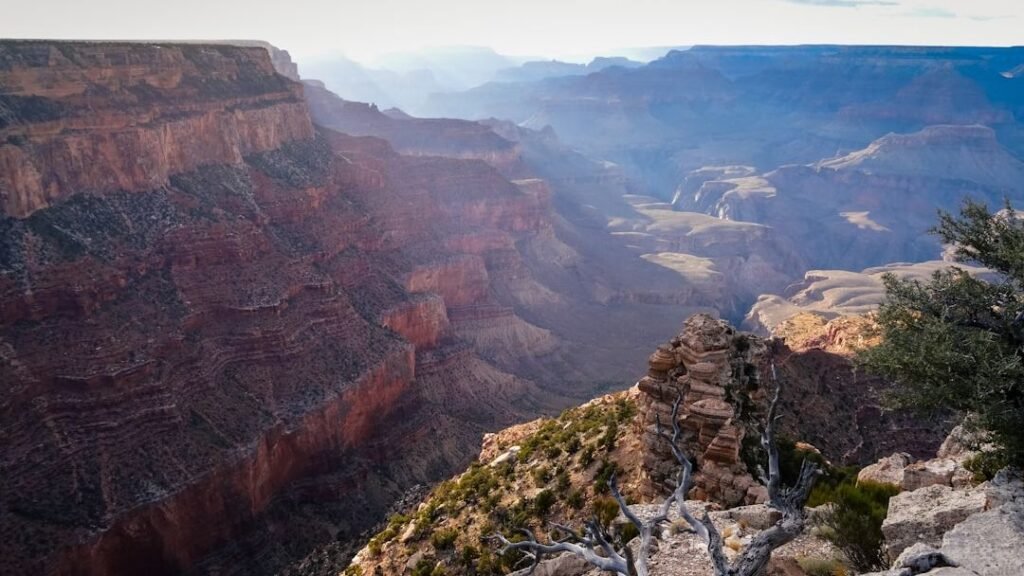
You can stand on the rim of the Grand Canyon, stare for miles across its painted walls, and still miss the most astonishing thing about it: you’re looking at nearly two billion years of Earth’s memory, stacked in stone. It’s like someone sliced open the planet and left the diary pages fluttering in the desert air, daring us to read them.
Most of us see the obvious drama – the sheer cliffs, the dizzying drop, the endless sunsets. But tucked inside those layers are vanished oceans, buried mountains, mass extinctions, and gaps in time so huge they make human history feel like a typo. Once you start to understand what the rocks are actually saying, the canyon stops being just a beautiful view and turns into something far more unsettling and inspiring: proof that the world has been many different worlds before ours.
The Basement Rocks: A Nearly Two-Billion-Year-Old Underworld
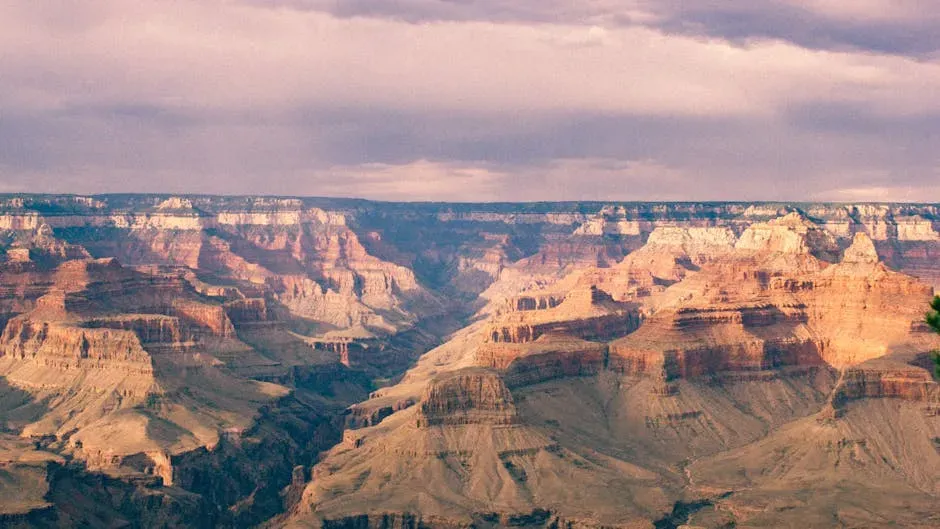
Deep at the bottom of the Grand Canyon, below all the famous striped walls, lies something almost nobody notices: jet‑dark, crumpled rocks known as the Vishnu Schist. These “basement” rocks are close to two billion years old, formed when ancient volcanic islands and crustal fragments collided and were squeezed, baked, and twisted miles underground. Standing beside them feels like standing next to the burned‑in foundation stones of the continent itself.
These ancient rocks are cut by lighter‑colored bands of granite that once intruded as molten magma, freezing in place like pale lightning bolts through charcoal. Together, they tell a story of a young, violent Earth with erupting volcanoes, moving plates, and collisions powerful enough to reshape coastlines. When you imagine that everything above them – all those glorious red, cream, and tan layers – came later, you start to grasp just how deep time runs beneath your feet in the canyon’s shadows.
The Missing Millions: The Great Unconformity’s Vast Gap in Time
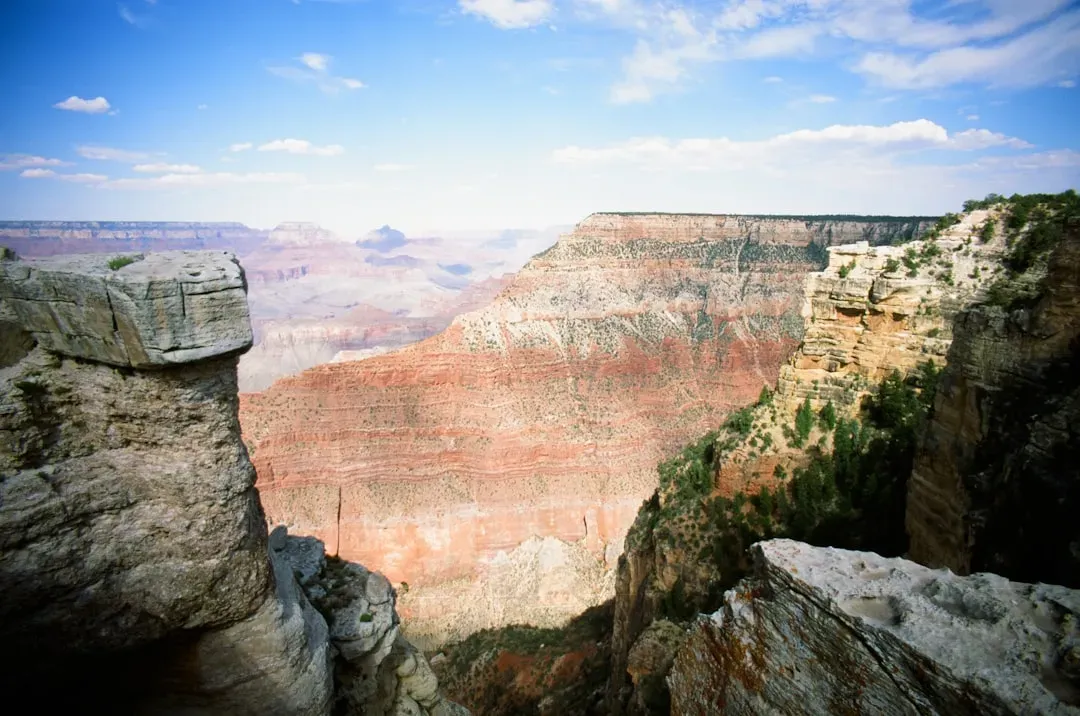
One of the strangest secrets of the Grand Canyon isn’t what you see, but what’s gone. In certain spots, horizontal layers of ancient sandstone rest flat on those crumpled basement rocks, and between them is a silent gap of hundreds of millions of years known as the Great Unconformity. Entire mountain ranges rose and vanished, oceans came and went, life evolved and disappeared – and there’s almost no local rock record left to show it.
Geologists are still arguing over exactly what erased that immense chunk of history. Some see clues in worldwide glaciations that might have ground down enormous thicknesses of rock; others suspect long periods of uplift and relentless erosion under open sky. Either way, you’re looking at a literal break in the timeline, like pages torn from a book. For me, that missing interval is weirder and more haunting than any cliff or canyon view, because it reminds you that even the rocks we trust as memory can forget.
Ancient Seas and Shifting Shorelines Written in Stone
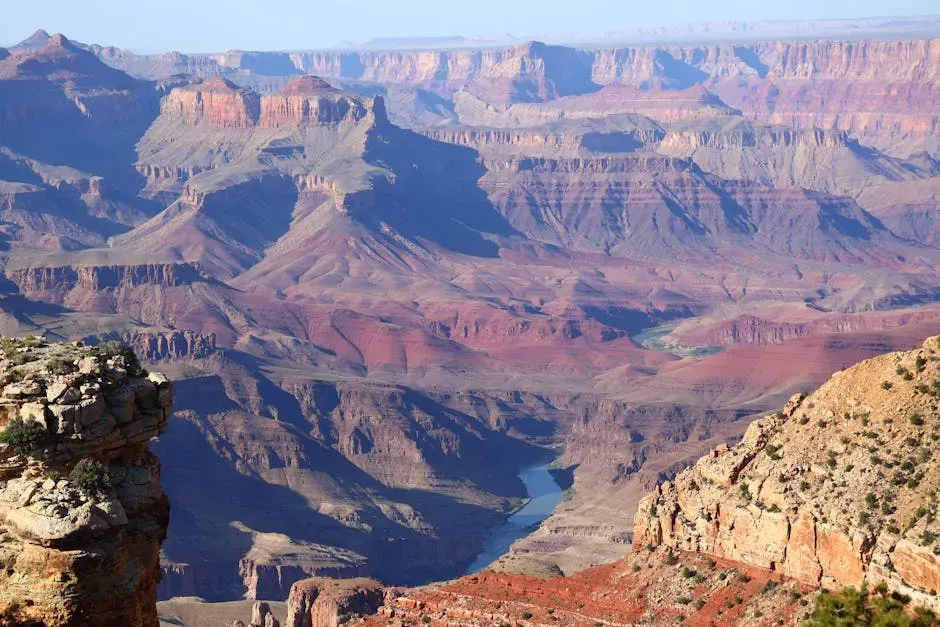
Higher up in the canyon walls, the mood changes from chaos to calm as you move into the flat-lying sedimentary layers. Here, the rocks become soft‑colored storytellers of quieter times, when this region sat beneath warm, shallow seas and broad coastal plains. Fine-grained limestones formed from the remains of marine life, while sandstones record ancient beaches where waves once lapped and tides rolled in and out.
You can trace old shorelines by studying how grain sizes change, how cross‑beds lean, and where marine fossils suddenly appear or vanish. Some layers show ripple marks and mud cracks that look like they were made last week, frozen in mid‑drying as the shoreline shifted. It’s wild to think that where tourists now hike under a burning desert sun, waves once washed over a tropical seafloor full of creatures that would have seemed completely alien to human eyes.
Fossils of Lost Worlds: Creatures That Ruled Before Dinosaurs
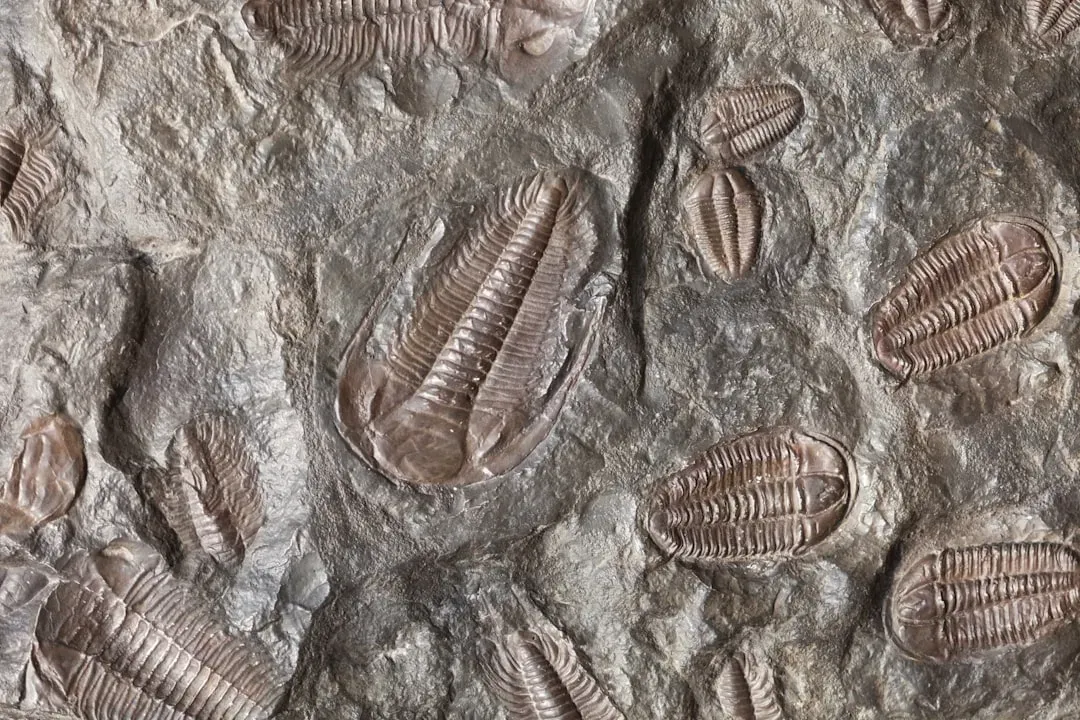
People often assume the Grand Canyon is a dinosaur graveyard, but its rock record is mostly older than the classic dinosaur era. Instead, it holds traces of stranger, earlier worlds: trilobites scuttling across seafloors, brachiopods clinging to ancient reefs, and other marine invertebrates that flourished hundreds of millions of years before anything walked on land. In some limestone beds, the rock is basically a compressed pile of shells and skeletons from ancient oceans long gone.
Higher in the sequence, especially in younger formations near the rim, there are footprints and plant impressions that whisper of the first big experiments in life on land. You see the vestiges of swampy coastal plains, primitive forests, and early reptiles making hesitant steps away from the water. These fossils are not just curiosities; they mark major evolutionary leaps, showing how life slowly learned to breathe air, grow tall, and roam far from the safety of the sea.
Carving the Canyon: Rivers, Uplift, and a Timeline Under Debate
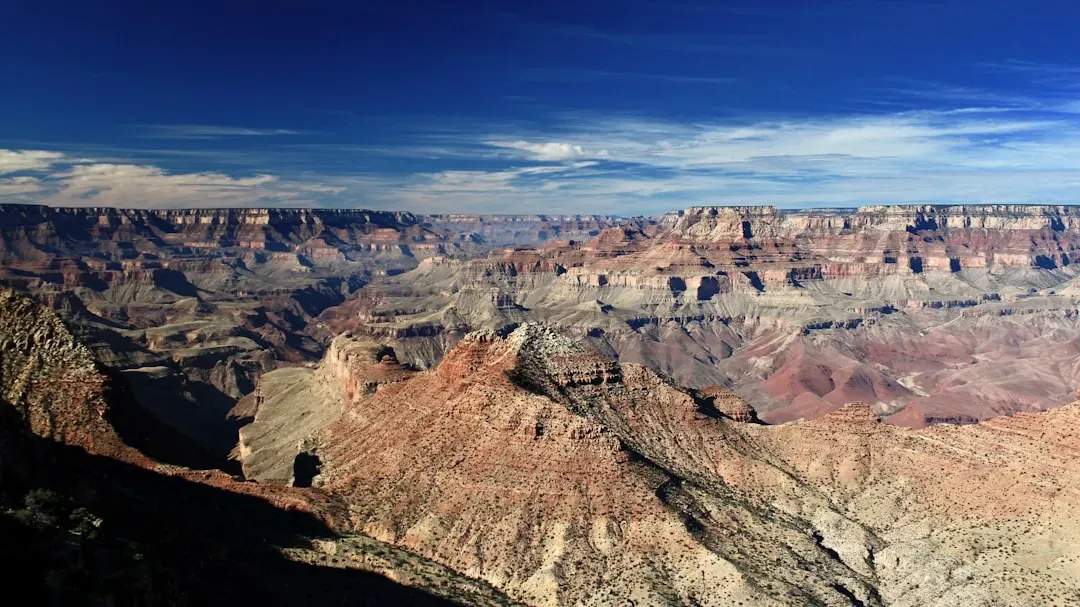
One of the hottest debates about the Grand Canyon is surprisingly basic: when did the main canyon we see today actually form? The traditional view argues that most of the carving happened within the last six million years as the Colorado River sliced down through the uplifted Colorado Plateau, deepening and widening its course. That’s incredibly fast, geologically speaking, like a buzz saw suddenly turned on high after a long period of relative calm.
But newer research hints at something more complicated, with older ancestral canyons cut by earlier rivers that were later linked together and deepened by the modern Colorado. In other words, parts of the canyon may be much older than the iconic whole. Tectonic uplift raised the entire region, giving the river fresh height to cut down into, and then erosion did the rest, grain by grain, flood by flood. The idea that the canyon’s shape is a patchwork of different ages only makes it more intriguing, like a puzzle that was assembled over multiple episodes rather than in one clean sweep.
Indigenous Knowledge: Human Stories Layered on the Stone
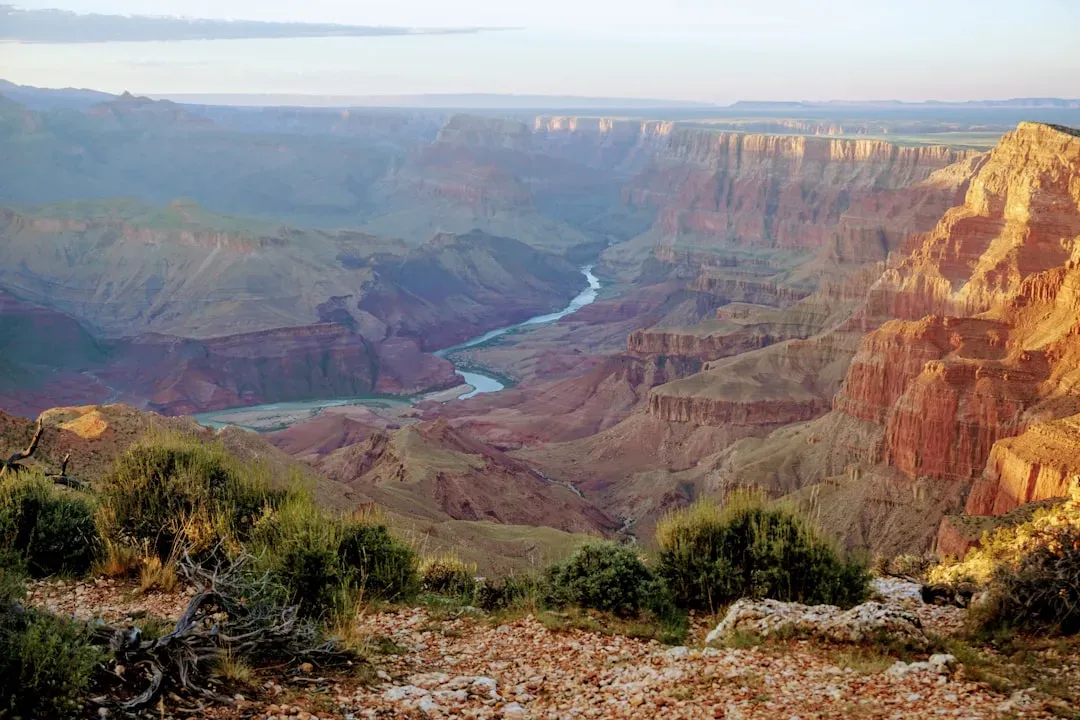
Long before scientists showed up with rock hammers and dating techniques, Indigenous peoples lived with, traveled through, and told stories about the Grand Canyon. For many Tribal Nations, the canyon is not just a geological feature but a sacred place tied to origin stories, migrations, and living traditions. The layers and cliffs hold meaning that can’t be captured in a lab report or a stratigraphic chart.
Human presence in and around the canyon stretches back thousands of years, visible in cliff dwellings, rock art, and ancient campsites tucked into side canyons and alcoves. These traces show how people adapted to a harsh but resourceful environment, understanding water sources, seasonal changes, and the subtle patterns of the land. To me, the human stories don’t compete with the geological ones; they’re another layer on top, reminding us that the canyon’s meaning isn’t just about what happened millions of years ago, but also about how people continue to relate to it now.
Modern Pressures on an Ancient Landscape
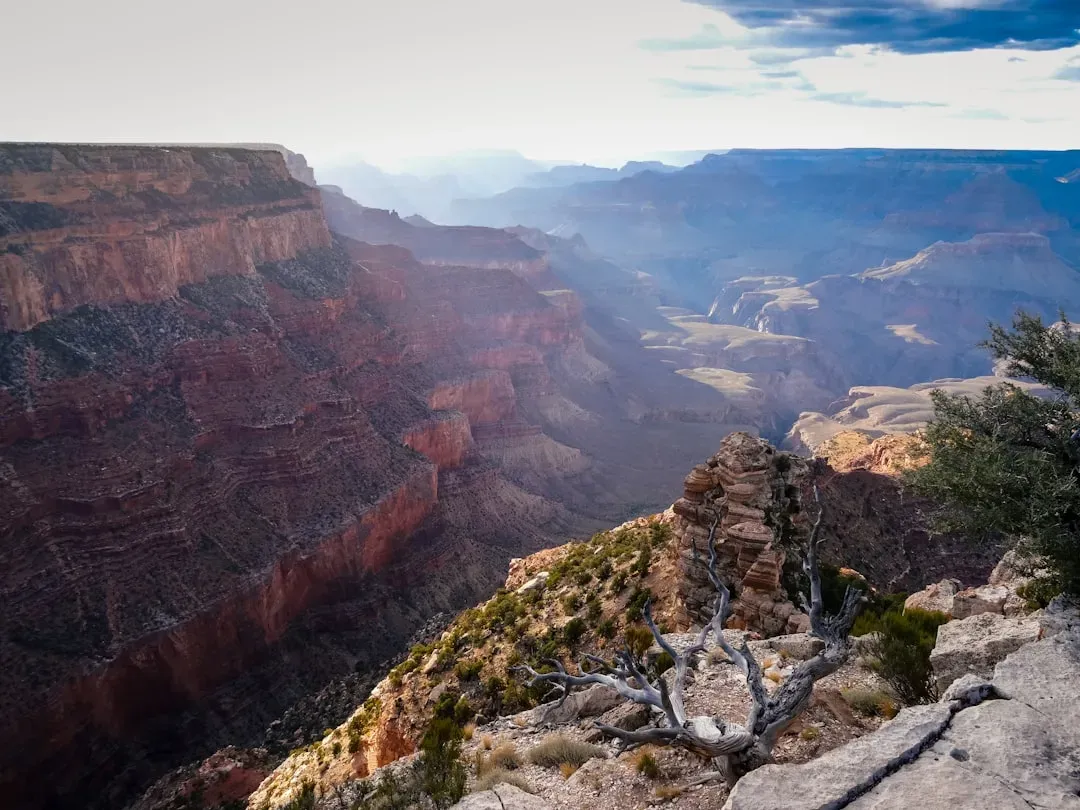
For a place that feels timeless, the Grand Canyon is under very present, human‑driven pressure. Tourism brings millions of visitors every year, which is both a blessing and a strain; trails wear down, infrastructure expands, and the quiet corners grow harder to find. At the same time, development plans around the rim, including mining interests and groundwater pumping, raise serious questions about how much stress this ecosystem and its communities can handle.
The Colorado River itself is being stretched thin by drought, warming temperatures, and heavy water demands from cities and agriculture across the Southwest. That river is the sculptor that carved the canyon, and now we’re putting it under immense pressure, sometimes reducing its flow and altering its natural cycles. When you realize how long it took for the canyon to form and how quickly we can change it, it becomes harder to treat it as just a backdrop for vacations. It starts to feel more like a fragile archive we’re responsible for not erasing.
Conclusion: Listening to the Canyon’s Quiet Warnings
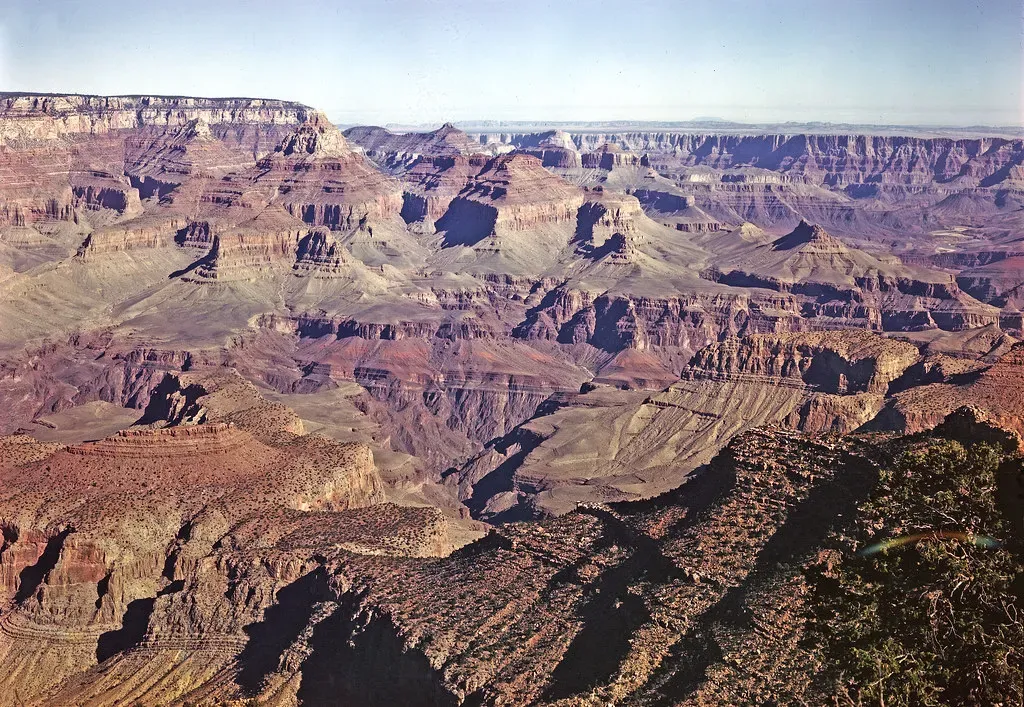
Once you know how to read the Grand Canyon’s ancient layers, it becomes impossible to see them as just stripes of color. They’re records of lost oceans, vanished landscapes, and life forms that had their moment and then were gone, leaving only a thin trace in stone. The Great Unconformity’s missing time, the folded basement rocks, the fossil‑rich limestones – all of them are reminders that the Earth has been endlessly rewriting itself long before humans arrived.
There’s a strange comfort and a sharp warning in that realization. Comfort, because it puts our brief lives and current crises into a much bigger frame; warning, because it shows how quickly conditions can shift, how entire chapters can disappear. Standing on the rim, you’re looking at both survival and disappearance, both resilience and loss. In a way, the canyon is asking us a quiet question: now that you’ve seen what time can do, what kind of layer do you want us to leave behind?