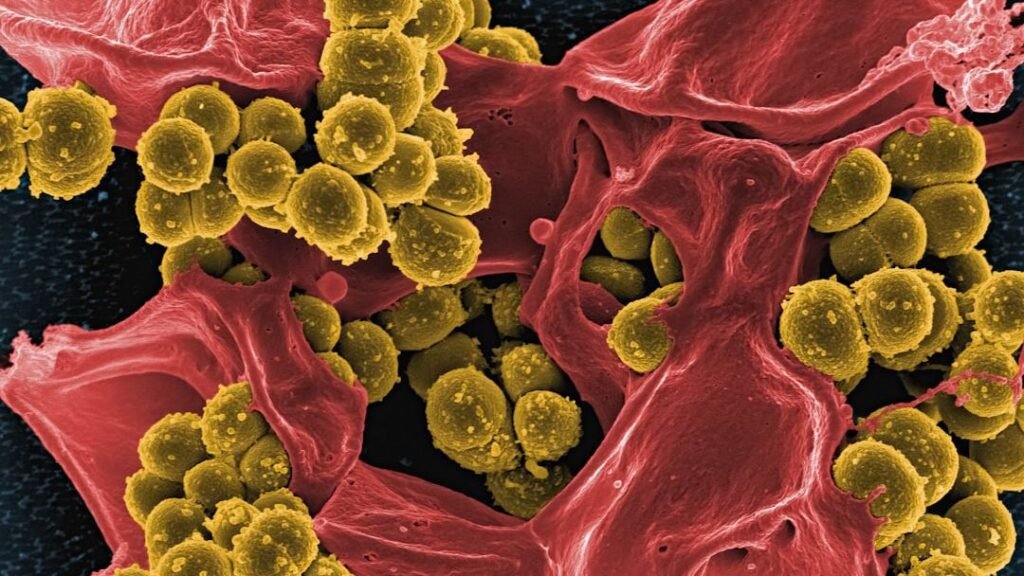
If you really knew how hard your body works to protect you every second, you’d probably apologize for every late night, skipped meal, and extra drink. Your immune system isn’t just a single thing you “boost” with vitamins; it’s a wild, layered defense force that is constantly predicting, attacking, cleaning up, and even remembering threats you’ll never consciously notice. Most of the time, when you say you “caught something,” you actually won a quiet war without even realizing a battle took place.
I still remember reading, years ago, that your body kills off potentially cancerous cells every single day, and feeling a little stunned, like I’d just been introduced to a secret guardian I’d taken for granted. Since then, whenever I get a mild fever or feel wiped out for a day, I don’t just think “I’m sick” – I think “something inside me is fighting for my life right now.” Let’s walk through some of the most surprising, behind-the-scenes ways your body fights disease, many of which are working for you this very second.
Your Skin Is an Active Security System, Not Just a Covering

It’s easy to think of skin as a passive layer, like a raincoat, but it behaves more like a high-tech airport security system. The outermost layer is made of tightly packed, dead cells filled with a tough protein that microbes can’t easily chew through. On top of that, the skin’s surface is slightly acidic and oily, which makes it a pretty hostile place for most bacteria and viruses that try to land and invade.
Even the bacteria that live on your skin, your skin microbiome, are quietly helping to defend you by competing with harmful microbes for space and resources. When you get a small cut, a whole emergency protocol kicks in: blood clots to seal the breach, immune cells rush to the scene, and new skin cells start growing to patch the barrier. It’s not glamorous, but every time a scrape heals without turning into a nasty infection, that’s your skin and its backup systems doing their job better than you probably give them credit for.
Your Mucus Is a Sticky, Intelligent Trap

Mucus has terrible PR. We mostly think of it as that gross stuff we blow into tissues when we’re sick, but it’s actually one of the most underappreciated defense tools your body has. The mucus lining your nose, throat, and lungs is packed with antibodies and antimicrobial molecules that can neutralize many threats before they ever reach your bloodstream. Tiny hairs in your airways, called cilia, move in coordinated waves to sweep trapped particles upward and out, like a microscopic conveyor belt cleaning your pipes.
When you inhale dust, pollen, viruses, or bacteria, a lot of them get stuck in this sticky layer instead of landing directly on delicate tissues. That annoying cough or need to clear your throat is often your body literally ejecting unwanted guests from the system. It’s not pretty, but it’s effective, and in a way, that runny nose you complain about is proof that the trap has been sprung and the intruders caught.
Your Stomach Acid Works Like a Chemical Furnace

Every time you eat, you’re not just feeding yourself, you’re inviting an entire crowd of microbes to the party. Your stomach responds by unleashing a bath of extremely strong acid that most of them simply can’t survive. This acidic environment acts like a chemical furnace, breaking down food while also destroying many bacteria, parasites, and viruses that hitch a ride on what you swallow. Without it, something as simple as eating a salad or drinking unfiltered water would be a much riskier gamble.
The acid isn’t working alone either. Digestive enzymes and bile further down the line help damage microbial structures and make it harder for would-be invaders to get a foothold in your intestines. There’s a reason medical treatments that reduce stomach acid can sometimes increase infection risk: that hostile acid bath is an essential defense line. When you think about how varied and messy our diets can be, it’s a bit shocking how rarely food actually makes us seriously ill, and a lot of that credit goes to this invisible chemical shield.
Your Gut Microbiome Fights Like a Hidden Army
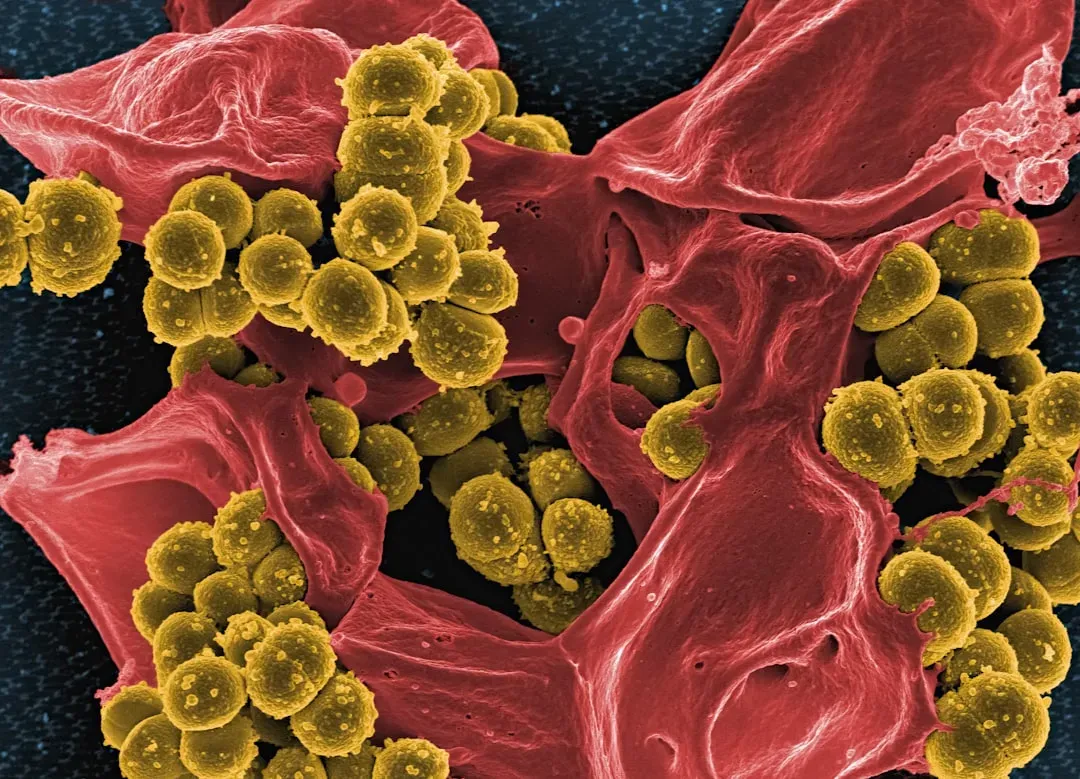
Your intestines are home to trillions of microbes, and while that might sound like a horror story, these tiny residents are some of your strongest allies. They compete with harmful bacteria for food and space, produce substances that can inhibit or kill pathogens, and help train your immune system to tell the difference between friend and foe. In a way, your gut is less like a quiet tube and more like a bustling city whose residents keep the peace just by going about their business.
When this microbial balance is disrupted, for example after a long course of certain antibiotics or a very poor diet, infections can slip in more easily and inflammation tends to rise. On the flip side, diets rich in fiber from plants help feed beneficial gut microbes, and these microbes produce molecules that calm inflammation and support the gut lining. It’s wild to realize that the way you eat can shift which microscopic “neighbors” thrive inside you and whether they’re able to keep troublemakers under control.
Your Innate Immune Cells Attack Within Minutes
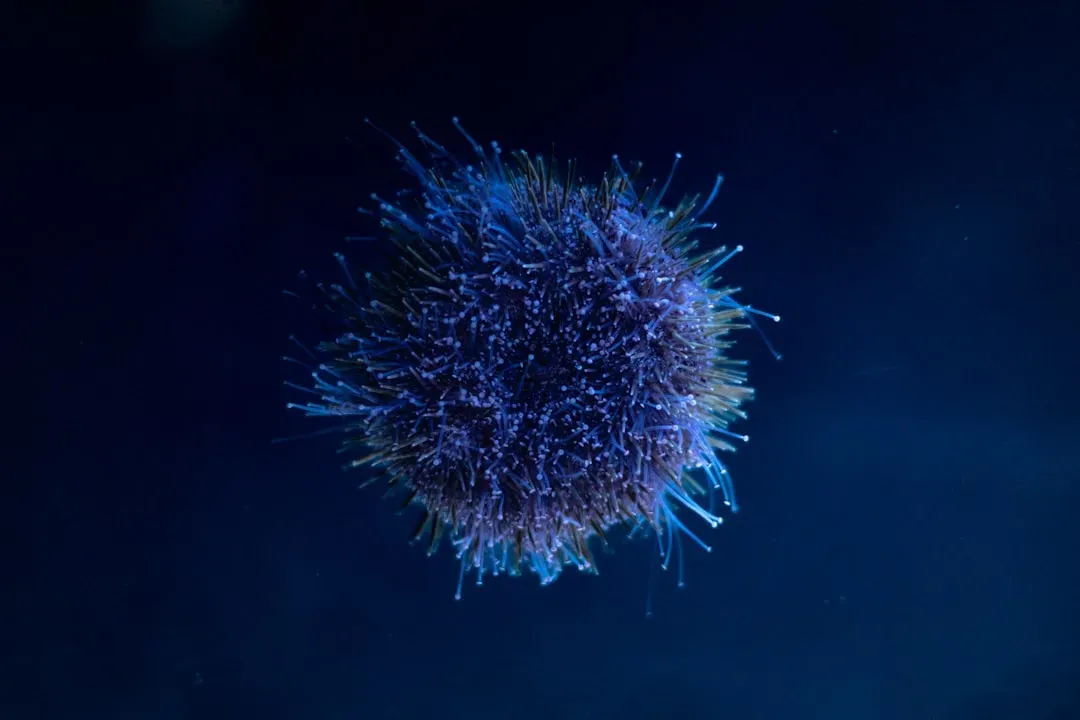
The moment something suspicious shows up in your body, a rapid-response team called the innate immune system gets to work, often within minutes or hours. Cells like neutrophils and macrophages patrol your tissues, hunting for anything that looks out of place, from bacteria to damaged cells. When they find an invader, they can swallow it whole, release toxic chemicals to kill it, or call in more reinforcements using signaling molecules. It’s fast, ruthless, and happens long before you’d ever be able to name a symptom.
Sometimes, the redness, warmth, and swelling you see around a small cut are not the infection getting worse, but your innate immune system turning the area into a battleground. Blood vessels widen, more immune cells flood in, and the tissue becomes harder for microbes to spread through. You might feel sore or tired as this process unfolds, but that discomfort is often a sign that the early defense forces are doing their job. Without that instant response, even ordinary scrapes or minor exposures could spiral into something much more dangerous.
Your Adaptive Immune System Learns and Remembers
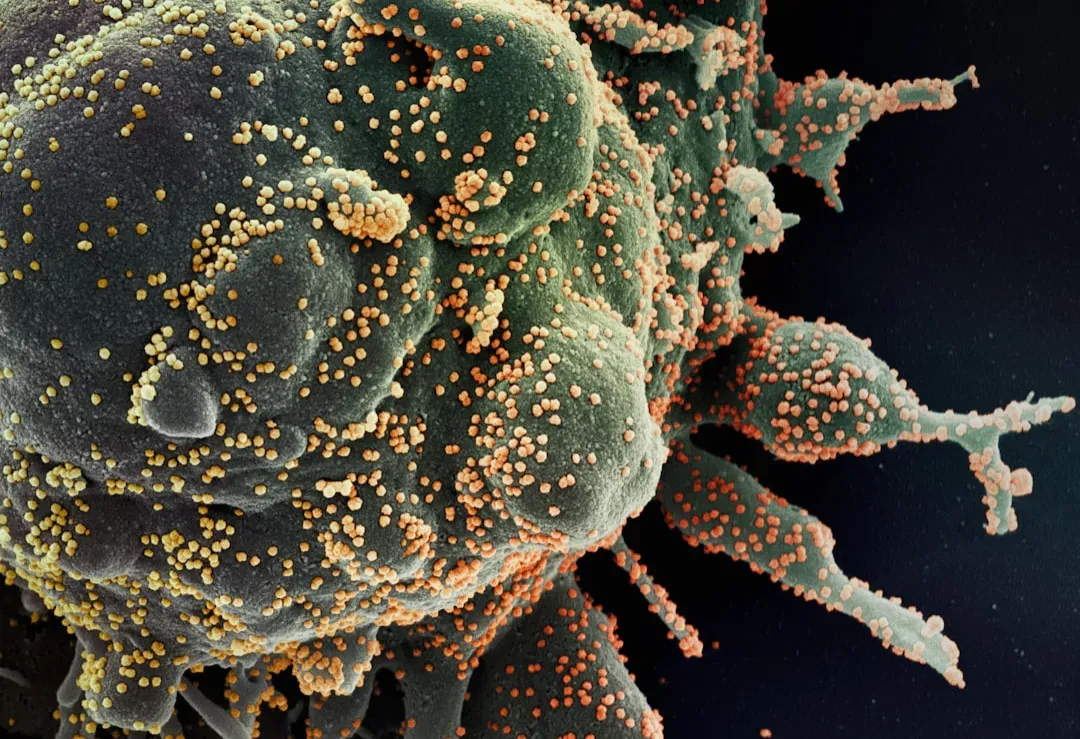
If the innate system is your body’s basic alarm, the adaptive immune system is the specialized detective and memory archive. Cells called B cells and T cells take longer to ramp up, but once they recognize a specific virus or bacterium, they tailor a precise attack against it. B cells can produce antibodies that latch onto invaders like little flags, marking them for destruction or blocking them from entering your cells. T cells can directly kill infected cells, making it harder for viruses to replicate and spread.
The most impressive part is the memory these cells create afterward. Once your body has fought off a particular pathogen, some of those B cells and T cells stick around as memory cells, sometimes for years. The next time that same germ shows up, the response is faster and stronger, often stopping the infection before you feel truly sick. This is also the basic idea behind modern vaccines: they safely “teach” your adaptive system what a threat looks like so you’re ready when the real thing appears.
Your Body Uses Fever and Inflammation as Tactical Weapons

Inflammation works in a similar way: it looks and feels unpleasant, but it’s the body’s way of rushing resources to a threatened area. Blood vessels open up, fluid and immune cells pour into tissues, and chemical signals coordinate the attack on harmful agents. The problem comes when inflammation becomes chronic and sticks around long after a threat is gone, contributing to health issues over time. Still, in the short term, that stiff joint or sore throat can be a sign that your body is actively fighting the good fight, not passively breaking down.
Your Cells Quietly Eliminate Potentially Dangerous Cells Every Day
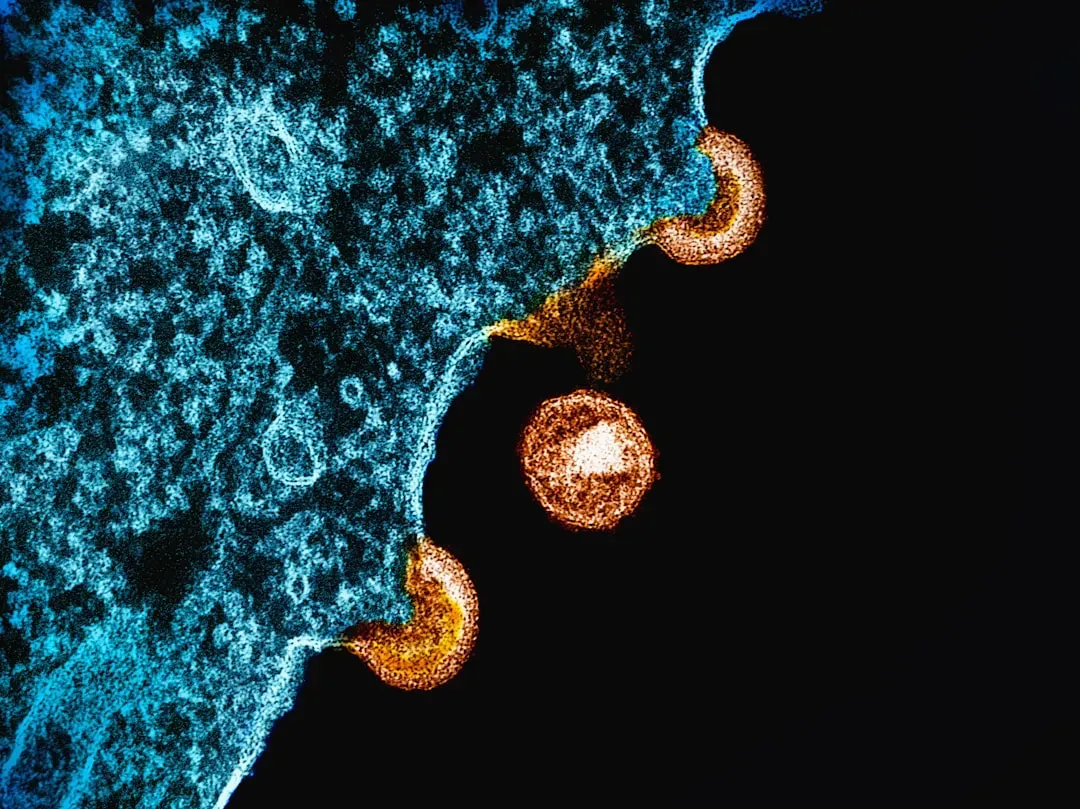
One of the most mind-blowing defenses is something you never feel: your body constantly scans its own cells for signs they’re becoming dangerous, especially in ways that could lead to cancer. Cells carry internal damage sensors and repair mechanisms, and if the damage is too severe or suspicious, they can trigger a self-destruct program. On top of that, immune cells patrol for cells that look abnormal on their surface, targeting them for removal. It’s like having internal inspectors and demolition crews working around the clock.
Scientists estimate that potentially threatening cells arise in the body on a regular basis, but most are dealt with long before they can form a noticeable tumor. Lifestyle habits, environmental exposures, and age can all influence how well this surveillance and cleanup process works. Still, the basic fact remains: your default state is not “vulnerable and waiting to get sick,” but “constantly monitored and actively protected.” The real surprise is not that disease sometimes happens, but that, given how complex we are, it doesn’t happen far more often.
Conclusion: Your Body Is Fighting for You All the Time

Your skin, mucus, stomach acid, gut microbes, immune cells, fever, inflammation, and cellular self-destruct programs are all parts of a surprisingly elegant defense network. Most of the time, you only notice this system when something feels wrong, like a sore throat, a runny nose, or an achy body. But behind those uncomfortable moments, there’s usually a smart, coordinated response trying to protect you from something far worse. You walk around each day inside a living fortress that is constantly adjusting, learning, and repairing itself.
That doesn’t mean you’re invincible, but it does mean your baseline isn’t weakness, it’s resilience. Sleep, a varied diet, movement, and stress management don’t magically “boost” your system; they just stop getting in its way so it can do what it’s already trying to do. Next time you feel a little off or notice your body responding to something, it might be worth pausing for a second to appreciate the quiet war being fought on your behalf. Knowing all this, does it change the way you see what your body is doing for you right now?