Giant Mirrors Poised to Outshine the Moon (Image Credits: Unsplash)
Scientific communities raised alarms this week over ambitious space projects that threaten to transform the night sky forever. A startup’s proposal for tens of thousands of giant mirrors in orbit and SpaceX’s filing for one million AI data centers have drawn sharp rebukes from astronomers. These initiatives, aimed at boosting solar power and computing capacity, could flood the heavens with artificial light, complicating observations and diminishing a natural wonder enjoyed for millennia.[1][2]
Giant Mirrors Poised to Outshine the Moon
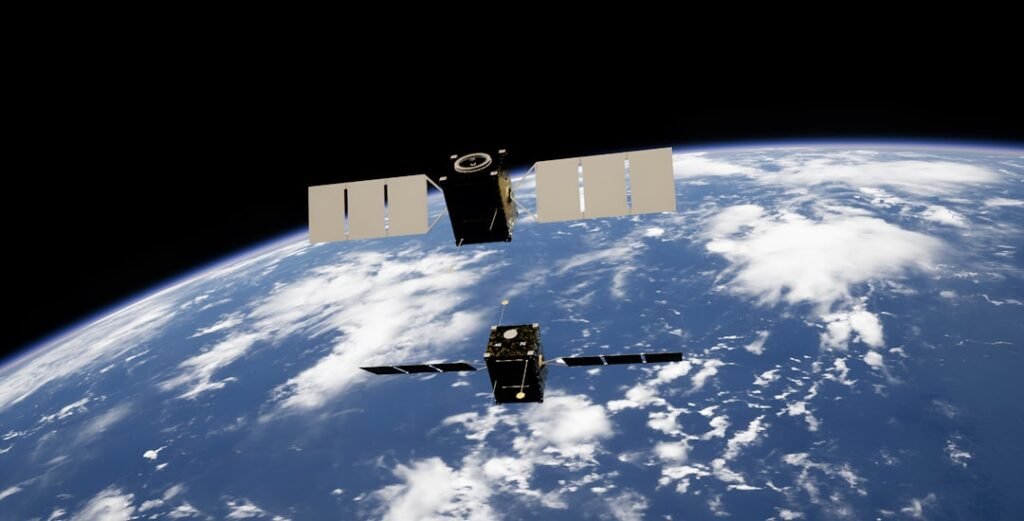
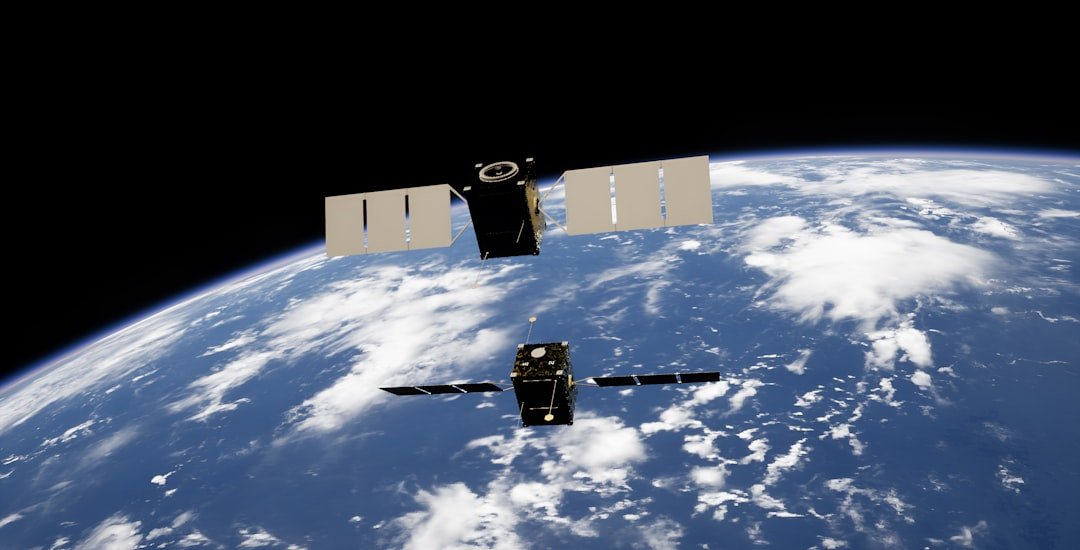
California-based Reflect Orbital outlined plans to launch 50,000 mirrors, each spanning 180 feet across, into low Earth orbit. The company, led by former SpaceX intern Ben Nowack, intends for these reflectors to beam sunlight down to ground-based solar farms during nighttime hours. Such illumination would extend energy production but at a steep cost to celestial viewing.[1]
Directly overhead, a single mirror would shine several times brighter than a full moon, according to Robert Massey, deputy executive director of the Royal Astronomical Society. Viewed at an angle, it would rival Venus, the brightest planet. Streams of these satellites would create relentless streaks across the sky, potentially tripling overall sky brightness globally. Dark sky preserves, vital for amateur and professional stargazers alike, would face unprecedented interference.[1]
SpaceX’s Vast AI Network Envisions Orbital Computing Hubs
SpaceX submitted a request to the U.S. Federal Communications Commission for one million satellites serving as orbiting data centers to power artificial intelligence applications. Elon Musk highlighted the need for space-based computing to overcome terrestrial limitations like energy demands. These satellites would orbit higher than current Starlink models, remaining visible longer each night.[1][2]
Though individually dimmer than the mirrors, their sheer numbers would produce thousands of star-like trails visible to the naked eye. Telescopes already capture streaks from existing constellations, but this scale would overwhelm instruments. Simulations predict more naked-eye visible satellites than stars in many sky regions, altering views worldwide.[2]
Telescopes Under Siege: Quantified Threats to Observation
Astronomers detailed severe operational disruptions in filings to regulators. The European Southern Observatory reported potential losses of 10% of pixels per image from SpaceX satellites alone, escalating to 30% for certain studies. Mirror reflections would demand tripled exposure times, rendering faint cosmic targets undetectable.[1]
Olivier Hainaut, an ESO astronomer, emphasized that such losses exceed acceptable thresholds, where weather already claims about 10% of observing time. Light pollution researcher Fabio Felchi called for strict caps on orbital satellites, akin to terrestrial pollutant limits. The influx would not only hinder science but disrupt ecosystems and cultural connections to the stars.[1]
- Sky brightness increase up to three times from mirrors.
- Thousands of persistent satellite trails in telescope images.
- Loss of 10-30% data in professional observations.
- Global impact, including dark sky sanctuaries.
- Risks to wildlife navigation and human heritage.
Calls for Regulation Amid Fast-Tracked Approvals
The Royal Astronomical Society and others filed objections, decrying the FCC’s rapid processing without comprehensive environmental reviews. John Barentine, a dark sky consultant, noted the burden shifts to opponents to prove harm, inverting standard safeguards. Astrophysicist Noelia Noel described the moment as pivotal for balancing innovation with preservation.[1]
Past collaborations mitigated some Starlink effects, but these proposals ignore such efforts. International bodies like the ITU face similar filings, underscoring the need for global standards. Without intervention, orbital crowding could accelerate debris risks and atmospheric changes from re-entries.[2]
Key Takeaways
- Reflect Orbital’s 50,000 mirrors risk moon-like glare across night skies.
- SpaceX’s million data centers could outnumber visible stars with trails.
- Astronomers urge FCC and global regulators to enforce environmental assessments.
These protests highlight a growing tension between technological leaps and the irreplaceable value of unspoiled darkness. As filings progress, decisions will shape humanity’s view of the universe for generations. How can innovation coexist with cosmic heritage? Tell us in the comments.