When most people think about endangered animals in America, their minds jump straight to the bald eagle or the grizzly bear. Iconic, powerful, instantly recognizable. Yet the real extinction crisis unfolding right now in the United States is far quieter, far stranger, and honestly far more alarming than most people realize. Hiding in desert caves, coastal prairies, and mountain sinkholes are creatures most Americans have never heard of, hanging on by the thinnest of threads.
There are over 1,300 endangered or threatened species in the US today, according to the Environmental Protection Agency. Most will never make the evening news. They have no celebrity spokespeople, no viral social media campaigns. They’re just quietly disappearing. So let’s shine a light on ten of them before it’s too late.
1. The Devils Hole Pupfish – A Fish Living in a Single Cave
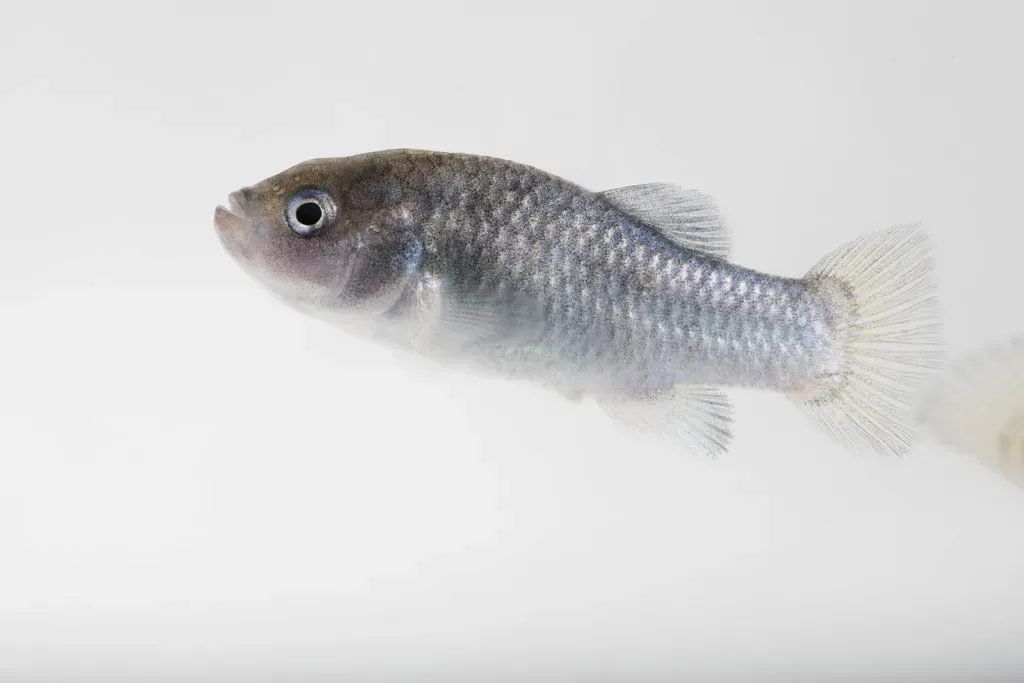
Imagine your entire species living in a space roughly the size of a large kitchen table. That’s exactly the reality for the Devils Hole pupfish. The Devils Hole pupfish is found only in the upper reaches of a single deep limestone cave in the Mojave Desert in Nevada, and the entire species lives on a shallow rock shelf measuring just over 11 by 16 feet, making this the smallest known range of any vertebrate species on the planet. It sounds almost fictional. It isn’t.
Confined to a single deep limestone cave, these fish live in water that hovers around 93 degrees Fahrenheit year-round, with food resources so scarce that they are always on the edge of starvation, and with oxygen levels so low that most other fish would die immediately. If that weren’t alarming enough, in spring 2025, the population suddenly declined to only 38 individuals due to two earthquakes in December 2024 and February 2025, prompting the introduction, for the first time, of 19 captive-bred fish. You can barely fit the entire species in a single fish tank.
2. The Red Wolf – The World’s Most Endangered Canid
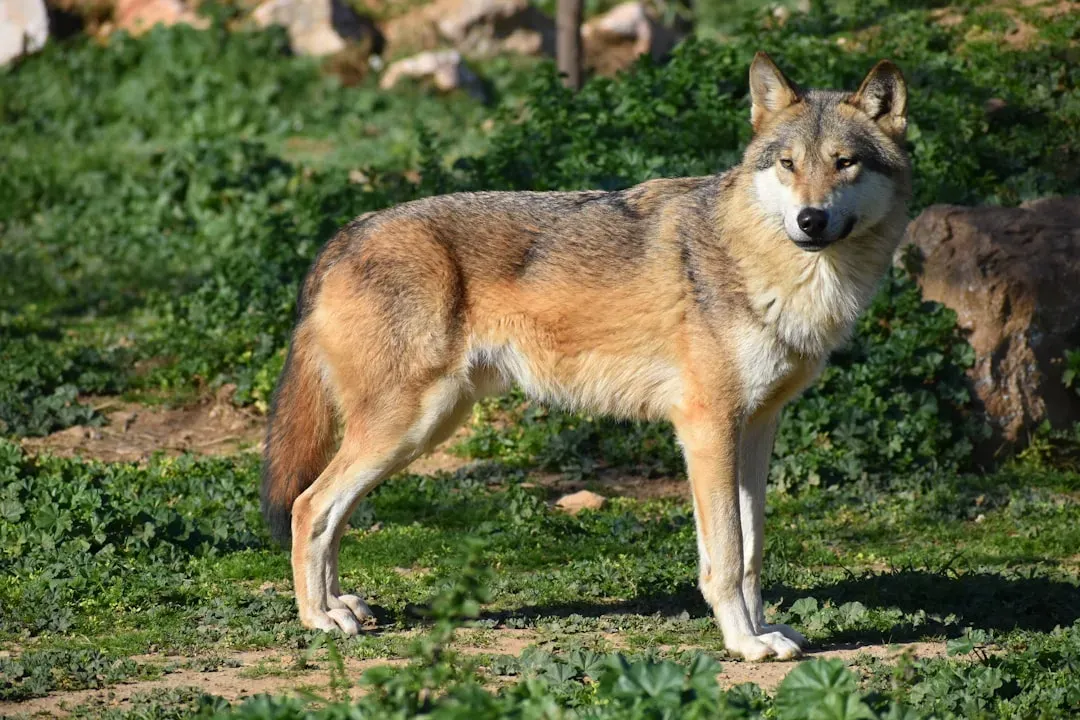
The red wolf holds the heartbreaking title of being the world’s most endangered canid. You’d think that sort of record would earn it more public attention. Think about how well you know wolves in general, the gray wolf, the timber wolf, the Arctic wolf. Yet the red wolf, native to the American Southeast, is so close to gone that most people have never once heard its name.
Red wolves were declared extinct in the wild in 1980 but were reintroduced to North Carolina in 1987. The International Union for Conservation of Nature now categorizes red wolves as critically endangered, and as of 2025, their population is still decreasing, with just 20 to 30 mature individuals left in the wild. Red wolves face several threats including hybridization with coyotes, and illegal killing continues, particularly when wolves come into conflict with landowners. The math here is terrifying. A single bad season could wipe out an entire species.
3. The Attwater’s Prairie Chicken – From a Million to Barely Anything
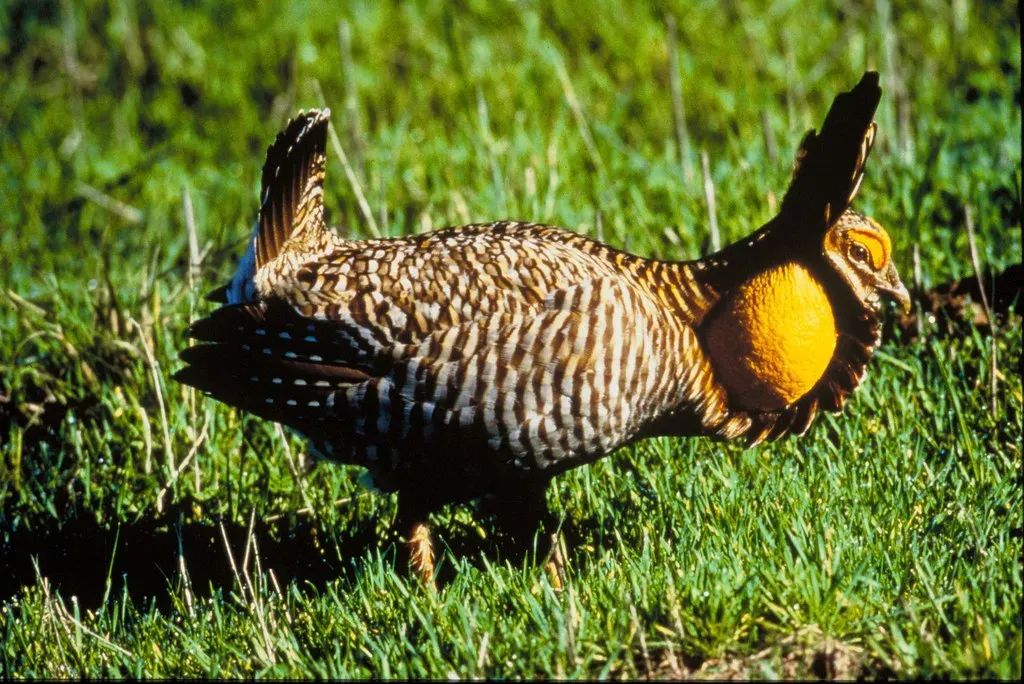
In 1900, up to one million Attwater’s prairie chickens inhabited the coastal grasslands, and loss of habitat is believed to be the prime reason for their decline. That kind of population collapse, from a million to near-nothing within a single century, is the sort of thing that should stop you cold. The Attwater’s prairie chicken is possibly the most endangered bird in North America. Even whooping cranes, a notoriously endangered waterfowl, have more wild numbers than prairie chickens.
After Hurricane Harvey flooded the bird’s habitat in 2017, that number dipped to just 26. There’s a thin sliver of hope though. Thanks to a robust captive-breeding program started in the 1990s, more than 4,500 prairie chickens have been released back into the wild, and in 2021 the population reached a nearly thirty-year high of 178. Still, a single storm season can undo years of painstaking conservation work. Every rainy season is a gamble with this bird’s entire existence.
4. The North Atlantic Right Whale – Giants Disappearing Quietly
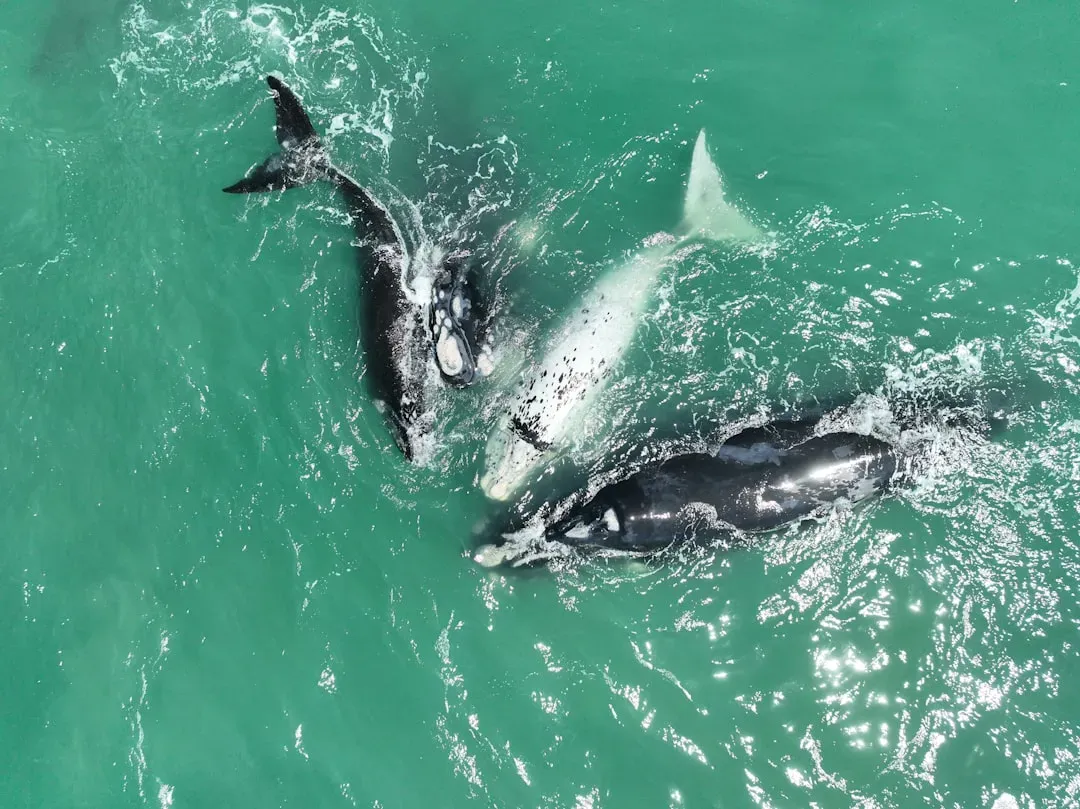
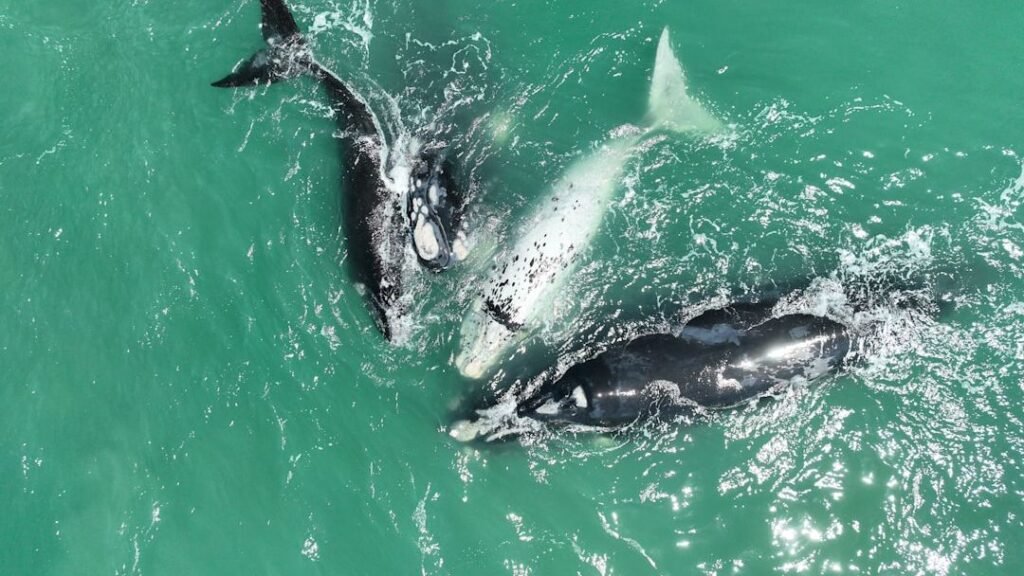
You’d think a creature the size of a school bus would be hard to lose. The North Atlantic right whale proves otherwise. The North Atlantic right whale is a huge, slow-swimming baleen whale that can grow up to 15 meters long and weigh 70,000 kilograms. These whales live in the Atlantic Ocean, swimming in deep waters when searching for food and moving to shallower areas when calving. Slow, enormous, and predictable in their movements, they were always easy targets for whalers. Now, different human threats have taken over.
The IUCN classes North Atlantic right whales as critically endangered. As of 2025, only around 370 North Atlantic right whales are left, with just 70 reproductive-age females. Key threats include vessel strikes and entanglement in fishing gear. With only 70 females capable of reproducing, you’re essentially dealing with the population genetics of a single small town. Whales are coming into contact with humans and fishing activity more regularly because climate change has shifted their usual habitats, increasing the danger members of the species face.
5. The Florida Panther – A Ghost Cat of the Everglades
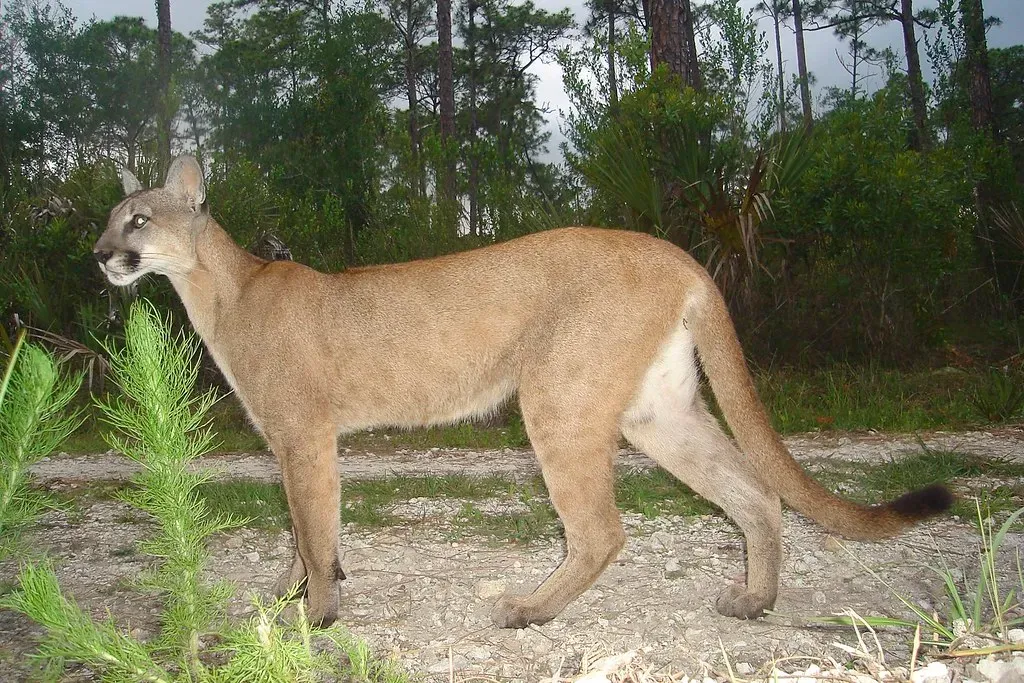
Most people who live in Florida have never seen one. That’s partly because you’d have to be extraordinarily lucky, and partly because there are so few left. The Florida panther is federally listed as an endangered species under the Endangered Species Act of 1973. The wildcat, once ranging throughout the southeastern US, now survives only in a tiny area of South Florida, where only 120 to 230 individuals continue to roam in the wild as a result of habitat destruction and widespread urbanization.
Think of it this way: the entire remaining population of Florida panthers could fit inside a mid-sized college auditorium. Every road crossing is a potential death sentence for these cats. Vehicle strikes represent one of the most persistent and tragic causes of mortality, effectively turning Florida’s highways into a gauntlet for survival. Conservation corridors and wildlife underpasses are being built, but urbanization presses relentlessly inward. The math of land development versus panther habitat is not working in the panther’s favor.
6. The Mojave Desert Tortoise – A Survivor Losing Its Ancient Battle
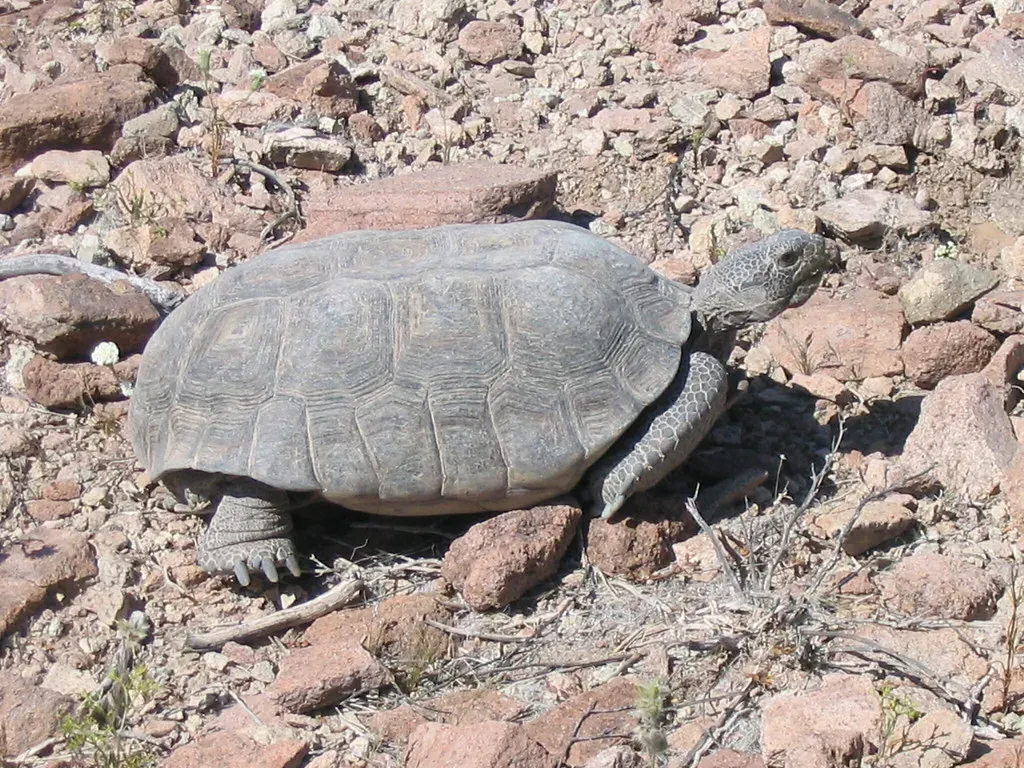
The Mojave Desert tortoise has survived in the Mojave Desert for millions of years. Millions. Let that sink in. These animals outlasted ice ages, geological upheaval, and mass extinctions. Yet in just a few decades of human expansion, they’ve been pushed to the edge of oblivion. Mojave Desert tortoises are herbivores that feed on grasses, wildflowers, herbs, shrubs, and even cacti, and they spend much of the year in hibernation, retreating to underground burrows to avoid extreme desert temperatures.
The IUCN lists the Mojave Desert tortoise as critically endangered, with their population severely fragmented and adult numbers having decreased by 36 percent between 2001 and 2020. That’s more than a third of the adult population gone in less than two decades. Threats include off-road vehicle use, solar energy development, drought intensified by climate change, and a respiratory disease sweeping through isolated populations. A species that survived for millions of years shouldn’t be losing this battle. Yet here we are.
7. The Salt Creek Tiger Beetle – America’s Most Endangered Insect
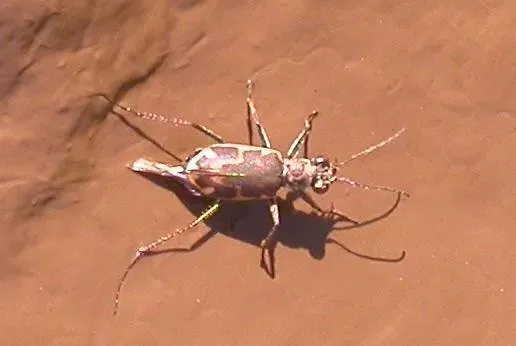
Most people hear “endangered species” and picture a majestic mammal or a soaring bird. Rarely do they think of a tiny beetle. Yet insects form the foundation of entire food webs, and when they collapse, everything above them follows. The Salt Creek tiger beetle represents one of America’s most endangered insects, with fewer than 500 individuals remaining in Nebraska’s saline wetlands. These small predatory beetles control pest populations and indicate ecosystem health, yet development threatens their specialized habitat.
Here’s the thing about highly specialized insects: their extinction is like pulling a load-bearing wall out of a building. The whole structure is at risk. The Salt Creek tiger beetle exists only in a narrow strip of naturally occurring saline wetlands in Lancaster County, Nebraska. That habitat is considered one of the rarest ecosystems in the country. Once it’s gone, there is nowhere else for this beetle to go. No backup plan. No alternative address. Just gone.
8. The American Burying Beetle – A Vanishing Undertaker
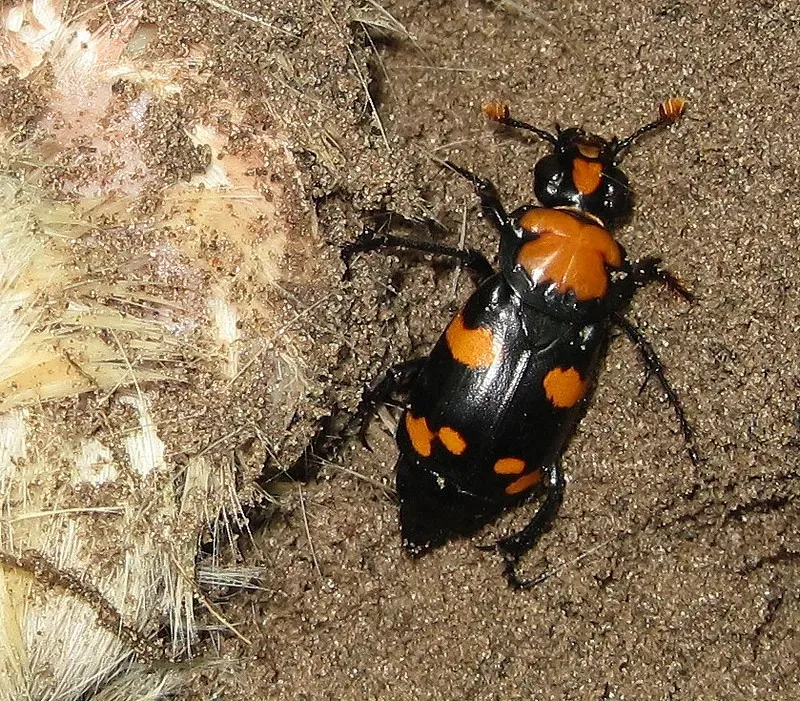
The American burying beetle, once found in 35 states, now exists in just a handful of isolated populations. That’s one of the most dramatic range contractions of any insect in North American history. The burying beetle is classified as critically endangered by the IUCN and was historically found across Arkansas, Kansas, Massachusetts, Nebraska, Ohio, Oklahoma, Rhode Island, South Dakota, and Texas. These beetles are nature’s undertakers, burying small animal carcasses to use as breeding chambers for their larvae.
Biologists aren’t entirely sure what has led to their rapid decline, but it is possible that it has been caused by declines in other species that they rely on to eat. That’s actually a fascinating and deeply unsettling concept. It’s not just one species disappearing, it’s an entire chain of dependencies unraveling simultaneously. When the animals that the beetle buries also decline, the beetle starves. Ecosystem collapse doesn’t happen with a bang. It happens like this, quietly, one link at a time.
9. The Attwater’s Prairie Chicken’s Texas Neighbor – The Houston Toad
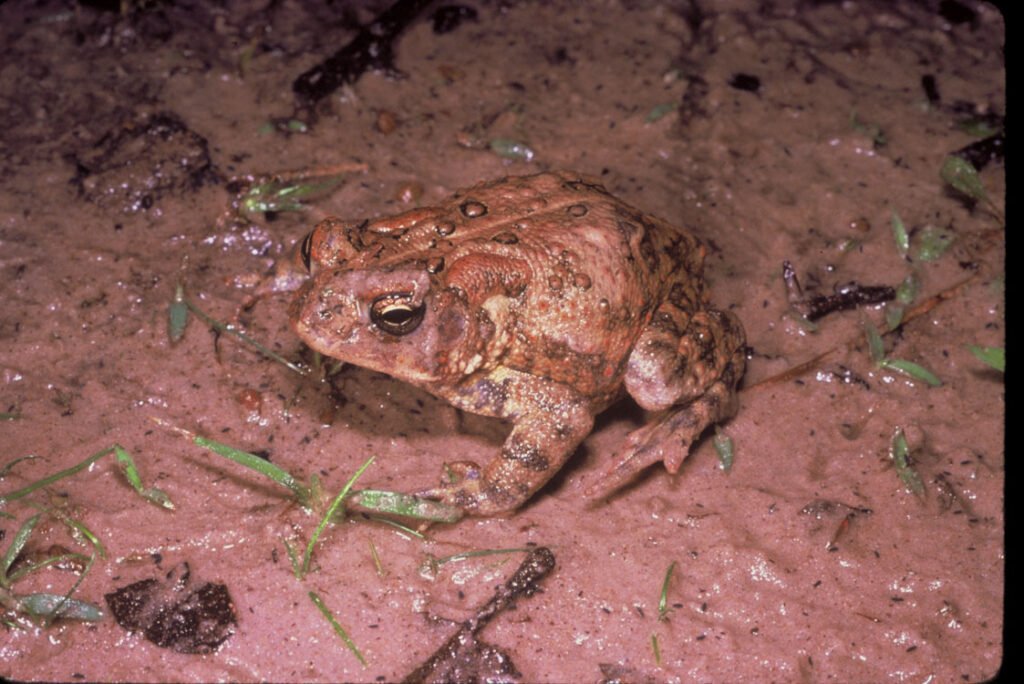
The Houston toad might be the most perfectly named endangered species in America. A creature so unremarkable looking that most people would step right past it without a second glance. Yet this small brown toad carries enormous ecological significance. The Houston toad’s sensitivity to environmental changes makes it an early warning system for habitat degradation, and when these toads disappear, it often precedes broader ecosystem collapse affecting more visible species.
Think of the Houston toad as a biological smoke detector. When it stops calling, it means the environment around it has already been badly compromised. Found only in a small number of Texas counties, it faces threats from severe drought, habitat loss from urban sprawl around the Houston metro area, and introduced predators. The Houston toad’s sensitivity to environmental changes makes it an early warning system for habitat degradation, and when these toads disappear, it often precedes broader ecosystem collapse affecting more visible species. Ignoring this small toad is like ignoring a smoke alarm because you don’t smell anything yet.
10. The Mississippi Sandhill Crane – A Wet Prairie’s Last Guardian
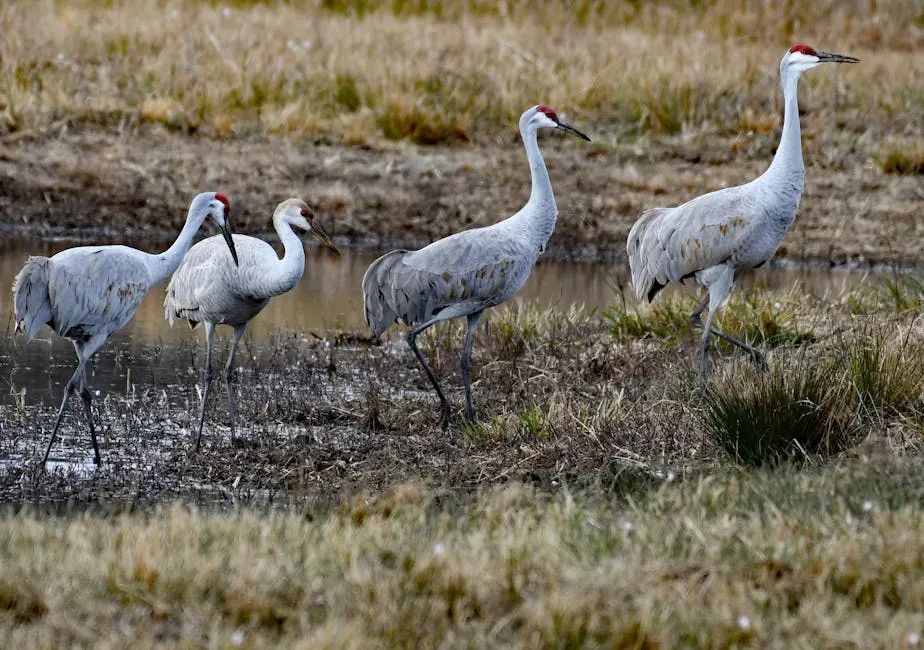
With fewer than 100 individuals in the wild, Mississippi sandhill cranes depend on vanishing wet pine savanna habitat. Wet pine savannas are themselves one of the most endangered ecosystems in North America, which means this crane is facing a double threat. Not only is the bird itself in decline, but the very land it needs to survive is being lost at an alarming rate to development and fire suppression. It’s a bird tied to a disappearing world.
The Mississippi sandhill crane is a distinct subspecies found only in the Gulf Coast region of Mississippi, not to be confused with its more numerous whooping or sandhill crane cousins. Captive breeding and reintroduction programs have kept the species from total collapse, but the wild population remains dangerously small. Climate change has emerged as an increasingly severe threat to wildlife, with rising temperatures, changing precipitation patterns, and more frequent extreme weather events disrupting ecosystems that species depend on, and some animals simply cannot adapt quickly enough to these rapid changes. For a bird this dependent on a specific and fragile habitat type, that is not a small problem.
Conclusion – The Crisis Hiding in Plain Sight
Throughout its history, the Endangered Species Act has proven to be incredibly effective in stabilizing populations of species at risk, preventing the extinction of many others, and conserving the habitats upon which they depend. That’s genuinely good news. The system, when properly funded and enforced, works. But here’s the uncomfortable truth: the ten species on this list exist in a world where funding is fragile, political will is inconsistent, and public awareness is almost nonexistent.
The creatures described here aren’t just curiosities. They’re indicators, alarm bells, and anchors in ecosystems we all ultimately depend on. This intricate relationship demonstrates how the loss of even one obscure species can trigger cascade effects throughout ecosystems. You don’t have to be a conservation biologist to care about that. You just have to recognize that every thread pulled from the web of life puts the rest of it at risk, including us.
The Devils Hole pupfish living in a pool no bigger than a kitchen table. The red wolf clinging to survival in a single county in North Carolina. The Attwater’s prairie chicken dancing its ancient mating ritual on a scrap of Texas grassland that’s shrinking every year. These are not small stories. They’re urgent ones. The question isn’t whether these species deserve to survive. The question is whether we’ll act before we even know what we’ve lost. What do you think – should these lesser-known species get the same attention and resources as the iconic ones? Tell us in the comments.