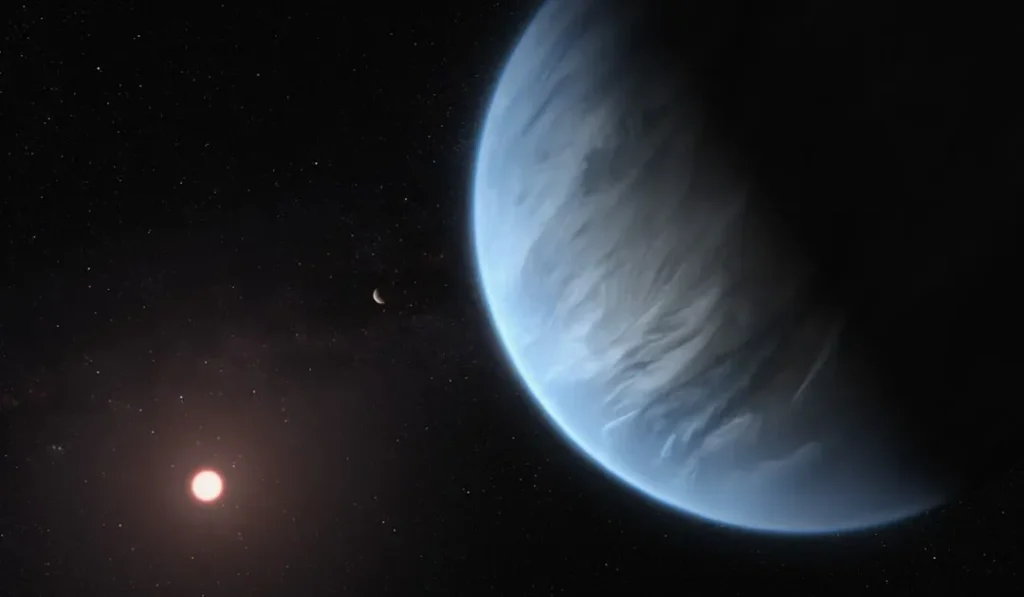

Are we truly alone in this vast, incomprehensibly enormous universe? It’s a question that has haunted humanity for centuries, whispering its way from ancient philosophers into the most advanced research labs on Earth. Honestly, the more scientists look, the more they realize just how little they actually know – and how thrillingly wide open the possibilities still are.
What makes this moment so extraordinary is that we are no longer just guessing in the dark. Space telescopes, deep-ocean analog research, planetary probes, and computational models are all converging on the same burning question. The answers they’re starting to sketch out are more surprising, more strange, and more exciting than most people realize. So let’s dive in.
Theory 1: Panspermia – Life Hitchhiked Across the Cosmos on Rocks and Comets
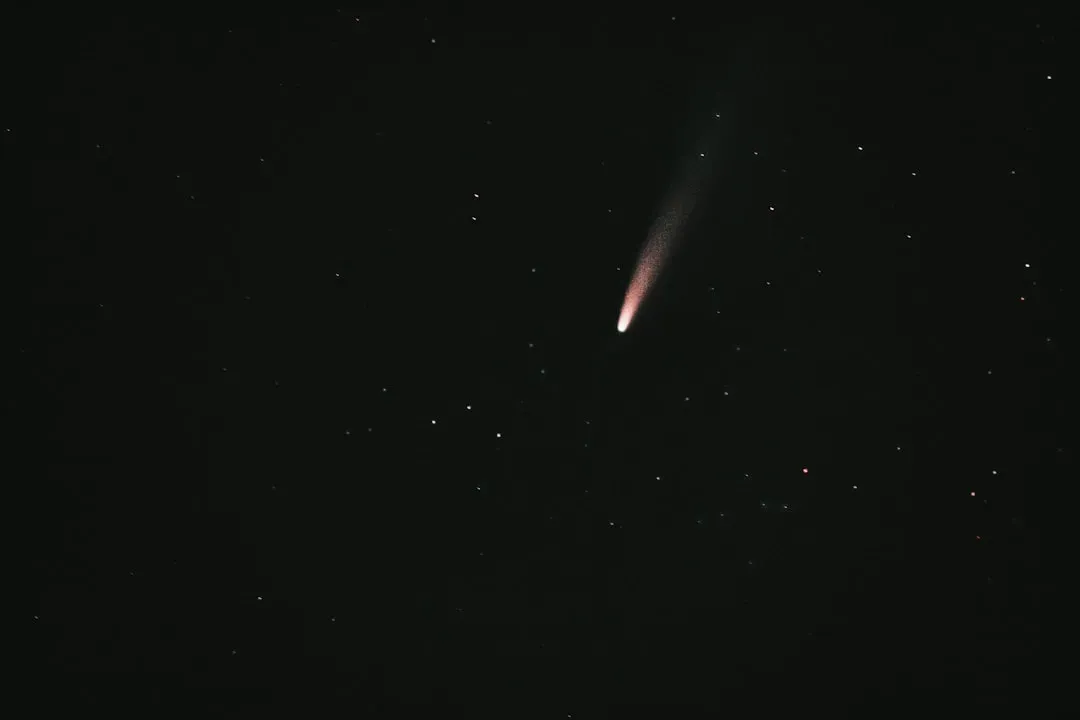
Let’s start with the one that sounds the most like science fiction but has genuine scientific legs. Panspermia is a hypothesis proposing that life on Earth originated from microorganisms or chemical precursors arriving from outer space, and it includes naturalistic forms where life was ejected from its original location and arrived here by chance, as well as directed forms suggesting intelligent beings intentionally seeded Earth with life. Think of it like cosmic mail delivery – a package of biological building blocks hurled through space and landing on early Earth.
The theories generally propose that microbes able to survive in outer space can become trapped in debris ejected after collisions between planets and small solar system bodies, then transported by meteors between bodies in a planetary system or even across planetary systems within a galaxy – with panspermia studies concentrating not on how life began but on methods that may distribute it throughout the universe. What’s increasingly compelling is the growing evidence: organic compounds such as sugars, amino acids, and nucleobases have been found in meteorites and other extraterrestrial bodies, and similar compounds have been formed in the laboratory under outer space conditions.
Proponents of cometary panspermia argue that the speed at which life emerged on Earth, combined with the exceedingly long odds of the random assembly of self-replicating molecules, would make the spontaneous appearance of life on Earth nothing short of miraculous. It’s hard to say for sure, but that framing is genuinely hard to dismiss. While the panspermia hypothesis has historically been viewed with skepticism due to a lack of concrete evidence, recent astronomical discoveries have reignited interest in the idea, including findings of organic compounds in space and unusual traces in meteorites.
Theory 2: Hidden Oceans on Icy Moons – Life in the Dark, Under Miles of Ice
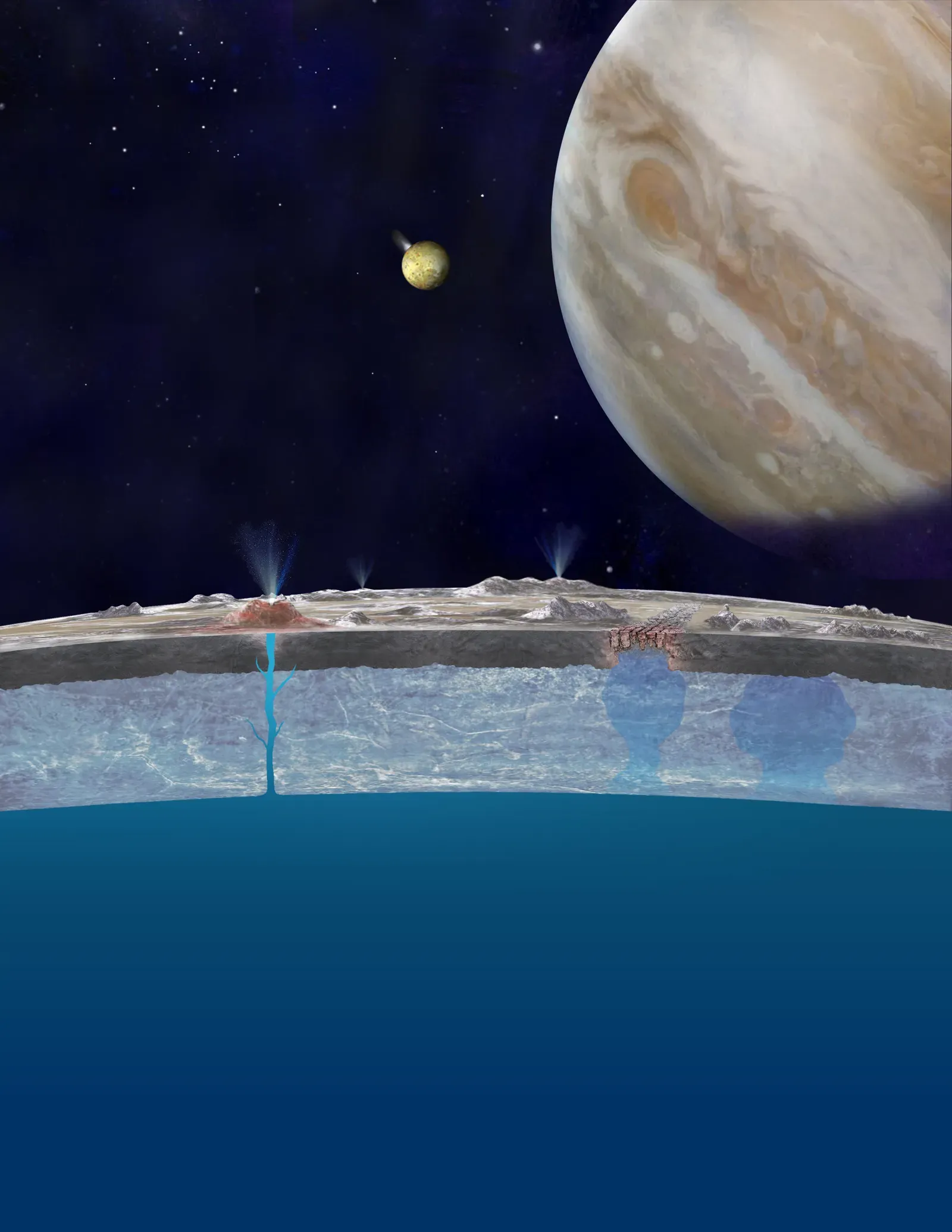
Here’s something that genuinely blew my mind the first time I really absorbed it. Right here, in our own solar system, there are moons hiding enormous liquid water oceans beneath their frozen surfaces. Two of the most promising locations for extraterrestrial life are Europa, a moon of Jupiter, and Enceladus, a moon of Saturn. These moons have thick ice crusts covering vast, liquid water oceans kept warm by tidal heating from their host planets, and scientists believe that hydrothermal vents at the bottom of these subsurface oceans could provide the necessary heat and nutrients for life to thrive, just as similar vents do on Earth’s ocean floor.
The discovery of diverse ocean worlds has significantly expanded the number of planetary bodies in the solar system that could potentially contain life, and of these, Saturn’s moon Enceladus stands out because it appears to meet all requirements to sustain life. That’s a remarkable statement from scientists who are generally cautious about such claims. This balance of heat could allow Enceladus’s subsurface ocean to remain liquid for billions of years, supporting conditions for life, and a recent study also refined estimates of ice thickness, giving scientists a clearer picture of where to search next. Meanwhile, NASA’s Europa Clipper is already on its way, with hope that the mission will finally bring concrete answers about the moon’s habitability, scheduled to reach Europa in 2030.
Finding certain kinds of amino acids on Europa or Enceladus would be a potential sign of life because they are used by terrestrial life as components to build proteins – proteins that are essential to life as they are used to make enzymes which speed up or regulate chemical reactions – and such amino acids and other compounds from subsurface oceans could be brought to the surface by geyser activity or the slow churning motion of the ice crust. You could be looking at biology being literally ejected into space for us to sample. That idea alone is worth losing sleep over.
Theory 3: Biosignatures on Distant Exoplanets – A Whiff of Life 120 Light-Years Away
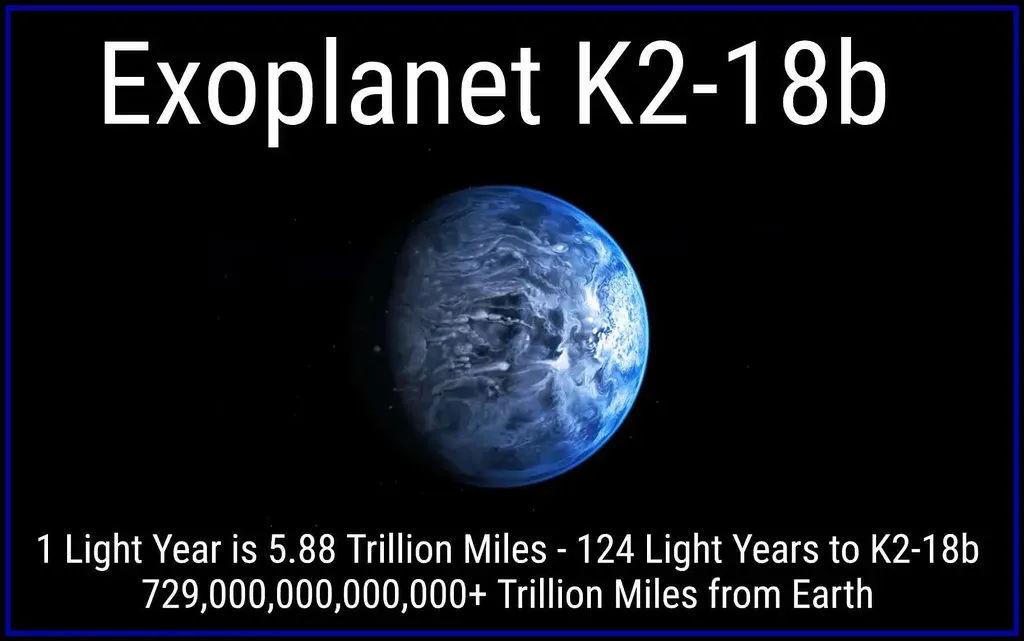
If you followed science news in 2025, you almost certainly heard about K2-18b. This was the story that set the internet on fire. A team of astronomers detected what they called the most promising signs to date of a possible biosignature on an exoplanet named K2-18b, though the study authors and other experts remained cautious and did not declare a definitive discovery. Using the James Webb Space Telescope, the team detected chemical fingerprints within the atmosphere of K2-18b that suggest the presence of dimethyl sulfide, or DMS, and potentially dimethyl disulfide, or DMDS – molecules that on Earth are only produced by microbial life, typically marine phytoplankton.
The planet is a sub-Neptune about 2.6 times the radius of Earth, with a 33-day orbit within its star’s habitable zone, and it was initially discovered with the Kepler space telescope before being later observed by the James Webb Space Telescope to study its atmosphere, where water vapor, carbon dioxide, and methane were discovered. Still, the scientific community is rightfully cautious. Other researchers challenged the team’s interpretation of the data, and one later analysis concluded that there is no evidence of DMS or DMDS in K2-18b’s atmosphere. Science, after all, is supposed to be brutal and self-correcting. The upcoming Habitable Worlds Observatory, slated for launch in the 2040s, will be the first space telescope optimized to search for biosignatures on Earth-sized planets in habitable zones, and by directly imaging exoplanets and capturing higher-resolution spectra, it will help resolve questions like those surrounding K2-18b with far greater clarity.
Theory 4: Life Could Thrive Beyond the “Goldilocks Zone” – The Habitable Zone May Be Far Too Small
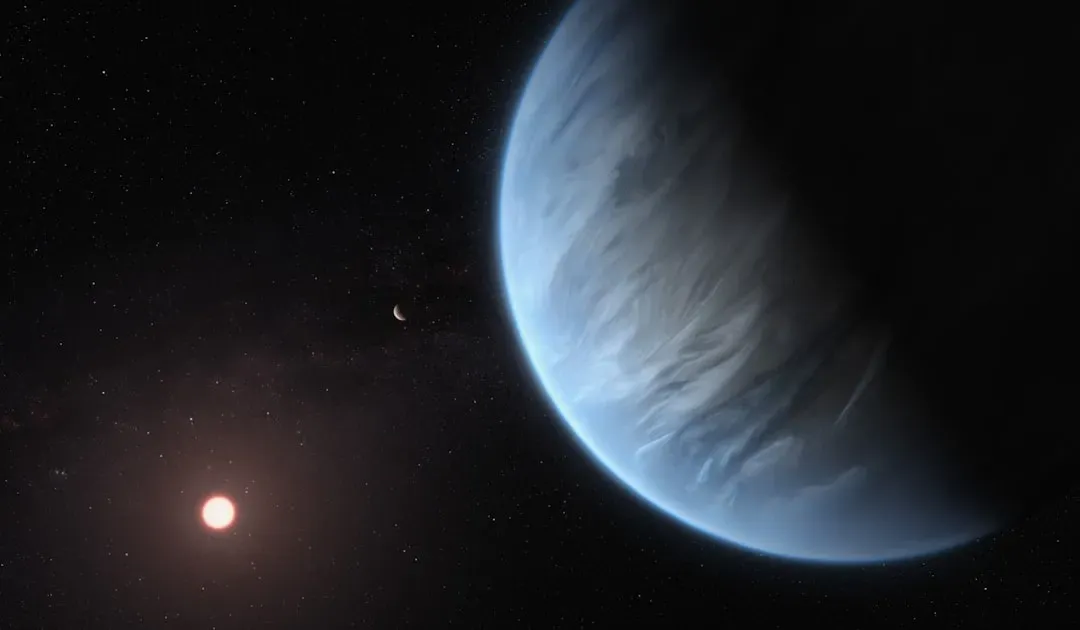
For decades, astronomers searched for life only in a very specific ring around a star – not too hot, not too cold, just right for liquid water. You might have heard this called the “Goldilocks zone.” Here’s the thing though: that idea is now being seriously challenged. Astronomers have long searched for life within a rather narrow ring around a star where a planet should be neither too hot nor too cold for liquid water, but a new study argues that this ring is too strict, finding that on tidally locked worlds that keep one face in daylight and the other in permanent night, heat may still circulate enough for liquid water to persist on the dark side, even when the planet orbits closer to cool stars than conservative climate models allow.
As of early 2026, there are over 6,000 confirmed exoplanets in thousands of planetary systems. That’s an almost absurd abundance of potential worlds. There is at least one planet on average per star, and about one in five Sun-like stars have an Earth-sized planet in the habitable zone, with the nearest expected to be within 12 light-years distance from Earth. Expanding the definition of where life could exist multiplies the opportunities astronomically. It is almost like realizing that fish don’t just live at the shore – they’re everywhere the water goes, even in places you never thought to look.
There is much historical evidence that some of the earliest and most basic forms of life on Earth originated in extreme environments, with fossil evidence and years of research marking hydrothermal vents and acidic hot springs as some of the first places life could have originated on Earth – environments that are scorching hot due to magma escaping from Earth’s mantle – and even today a diverse population of bacteria is found inhabiting the areas surrounding these hydrothermal vents, suggesting that some form of life can be supported even in the harshest of environments.
Theory 5: The Fermi Paradox and the Great Silence – Are They Hiding, or Is Nobody Home?
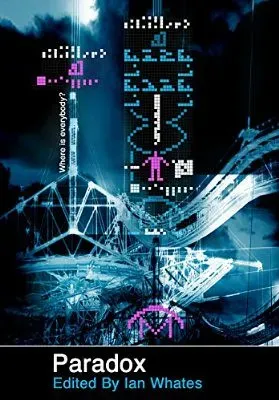
Let’s be real – this is the theory that keeps scientists up at night, and probably should keep you up too. The universe is roughly 13.8 billion years old and contains hundreds of billions of galaxies, each with hundreds of billions of stars. So why haven’t we heard from anyone? Our galaxy contains hundreds of billions of stars, making other life likely to be out there, but the Earth has had life on it for billions of years and for most of that time it was only single-celled organisms, and humans have broadcast radio signals that others might detect for less than two centuries – signals that have not traveled very far across a galaxy that is 100,000 light-years in diameter. That is a sobering way to put it into perspective.
Perhaps, as suggested by the Zoo Hypothesis, we are being observed like animals in a nature reserve, our presence noted but our solitude respected – or perhaps, as the Dark Forest Theory posits, civilizations remain silent out of fear, lest they attract the attention of hostile entities lurking in the cosmic shadows. These competing solutions to the Fermi Paradox are as philosophically unsettling as they are scientifically interesting. I know it sounds crazy, but the idea that silence itself could be a survival strategy for intelligent civilizations is genuinely chilling.
The search for extraterrestrial life has long gone back and forth between scientific curiosity, public fascination, and outright skepticism, and recently scientists claimed the strongest evidence of life on a distant exoplanet, though grandiose headlines often promise proof that we are not alone while scientists remain cautious. That tension between excitement and rigor is actually a healthy part of the scientific process. Short of an alien radio message, spectra of chemicals produced exclusively by living things may be the only evidence of life we can collect from planets light-years away, and in the last several years, scientists from a range of disciplines have started putting their heads together to think about the best ways to use biosignatures in the search for life beyond Earth.
The Search That Defines Our Generation
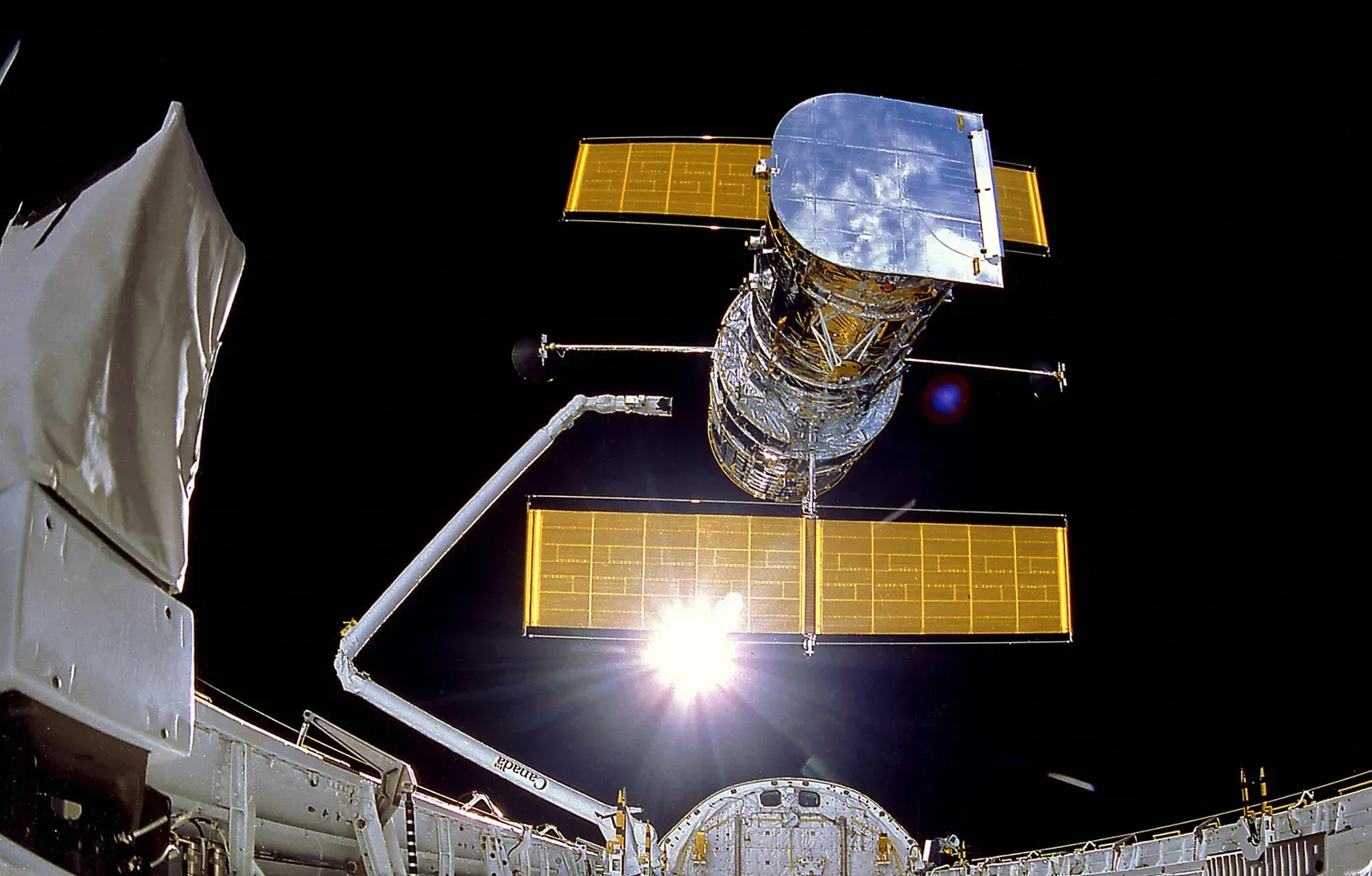
When you step back and look at all five theories together, what strikes you is not how little we know, but how much the possibilities have expanded in just the last decade. We’re no longer just staring at a blank sky and hoping. We have spacecraft headed to icy moons, a space telescope scrutinizing distant atmospheres, and mathematical models rewriting the rules of where life can exist.
The honest truth is that we may be on the verge of one of the most transformative discoveries in human history – or we may find that the universe is, in fact, hauntingly quiet around us. Either answer would be extraordinary in its own way.
What’s certain is that the science is more rigorous, the tools more powerful, and the theories more grounded in real data than ever before. Life beyond Earth may look nothing like what you’d expect, thrive in places you’d never imagine, and arrive at answers that overturn everything we think we know. What would change for you if we found it? Tell us in the comments.