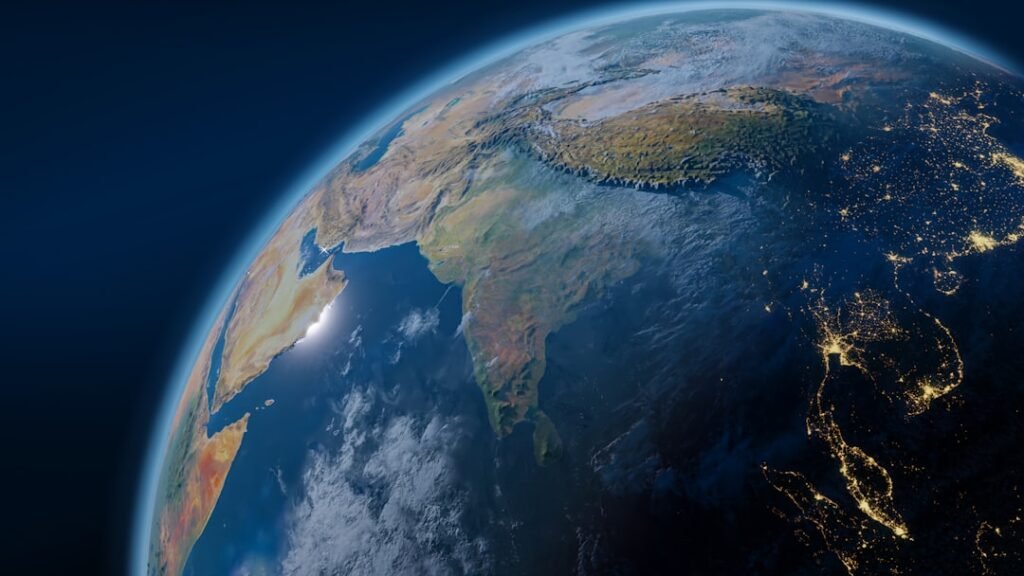
We like to think we’ve mapped and measured every corner of this planet, but the truth is quietly mind‑blowing: most of Earth is still a giant question mark. From pitch‑black ocean trenches to jungles so dense satellites can barely peek through, there are vast regions we’ve barely touched, let alone understood. For all our technology, we still live on a world that keeps its biggest mysteries tucked just out of reach.
That hidden side of Earth isn’t just trivia for nature documentaries; it changes how we think about life, risk, and even our future as a species. There could be unknown species, unimagined ecosystems, and powerful natural forces we don’t yet see coming. The more you look at the gaps in what we know, the more it feels like we’re standing in the foyer of a house and confidently saying we understand the entire mansion.
The Deep Ocean: Our Own Alien World
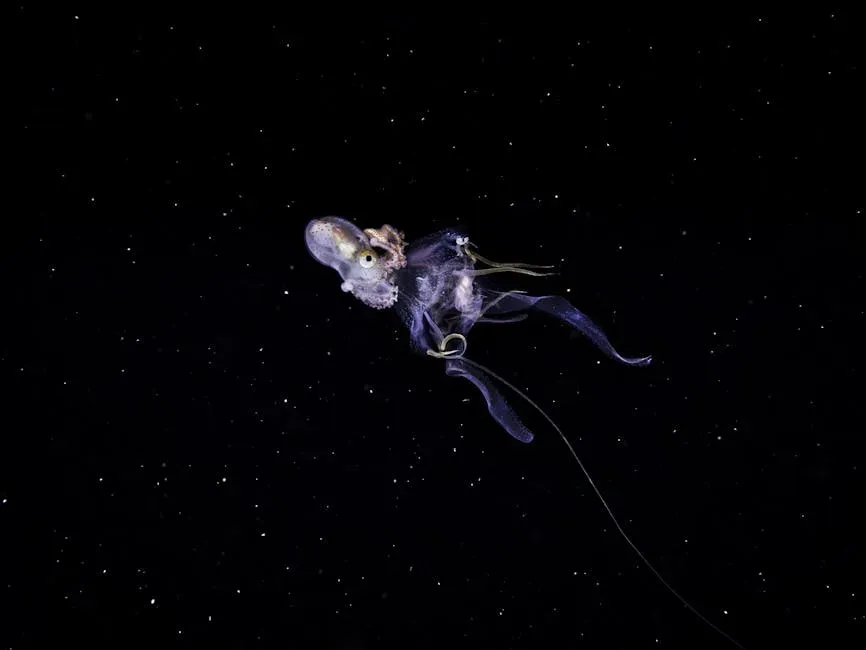
Here’s a shocking reality: the vast majority of our ocean floor has never been seen in detail by human eyes. We’ve mapped the surfaces of the Moon and Mars more precisely than we’ve mapped the seafloor of our own planet. The deep ocean, miles below the surface, is cold, dark, pressurized beyond imagination, and absolutely packed with secrets we are only beginning to touch.
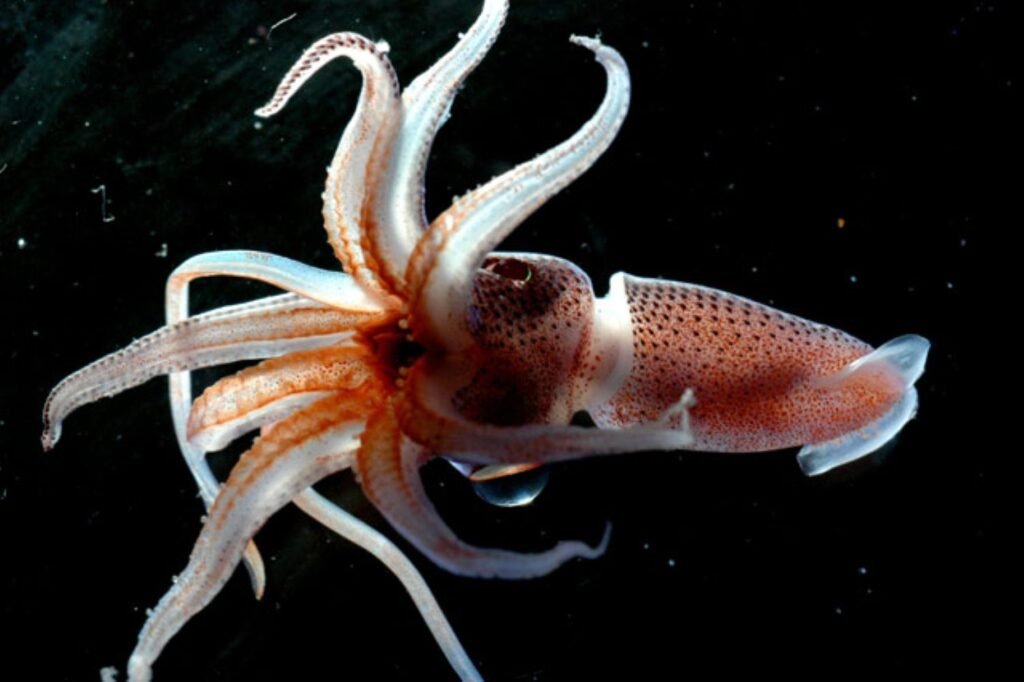
In the last few decades, submersibles and remote vehicles have stumbled across creatures that look like they belong in science fiction – transparent fish, giant squid, and glowing predators that create their own light in the blackness. Entire ecosystems thrive around hydrothermal vents, where super‑hot, mineral‑rich water gushes from the crust, and life survives without sunlight at all. Every new deep‑sea expedition seems to uncover new species or bizarre behaviors, like a reminder from the planet itself that we’re still beginners here.
The Seafloor We Still Haven’t Mapped
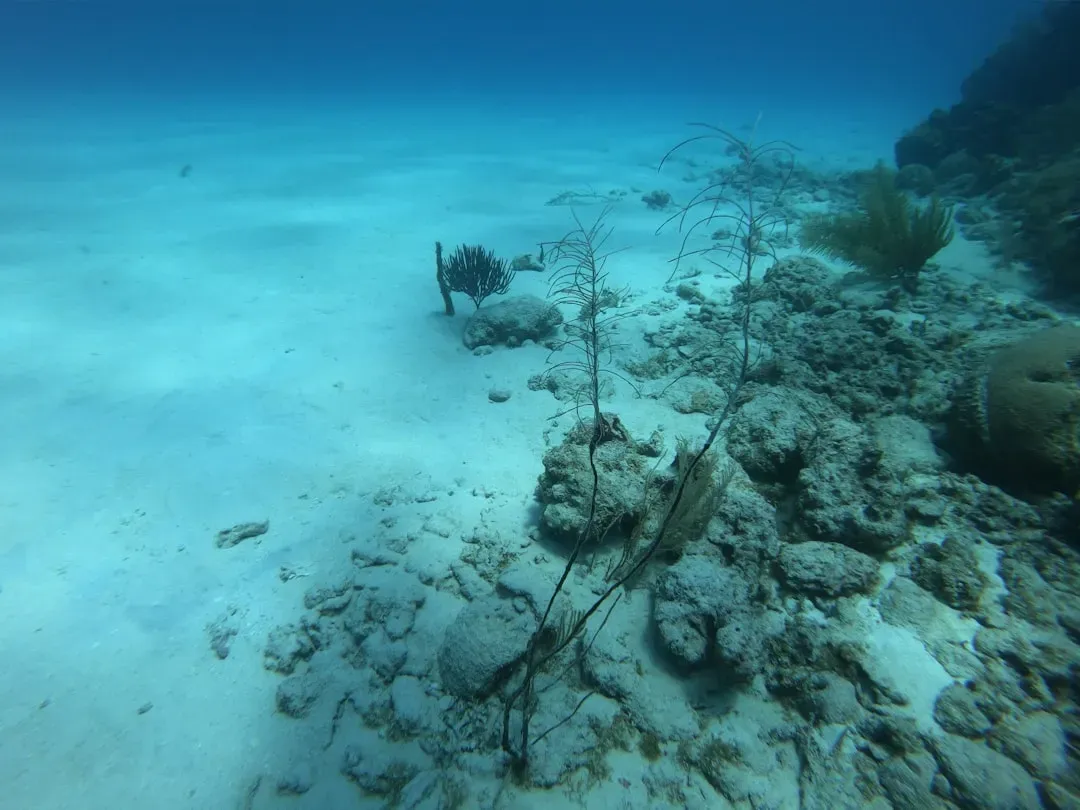
When people hear that “we’ve mapped the ocean,” what they often don’t realize is that much of this mapping is extremely low‑resolution, built from satellite measurements of tiny changes in sea level. It’s enough to give us the rough outlines of mountain chains and trenches, but it’s like trying to understand a city with a blurry, zoomed‑out photo. Detailed, high‑resolution maps exist only for a relatively small portion of the seafloor, mostly along coasts and busy shipping lanes.
This lack of detail matters more than it might sound. Underwater landslides, hidden faults, and seamounts we haven’t charted can all influence tsunamis, submarine cables, climate patterns, and even where life can thrive. Think of the seafloor as the foundation of the world’s largest machine – the ocean – and we’re still guessing at the layout of many of its parts. Until we map it properly, we’re flying half‑blind over the majority of our own planet.
Uncharted Caves and Underground Worlds
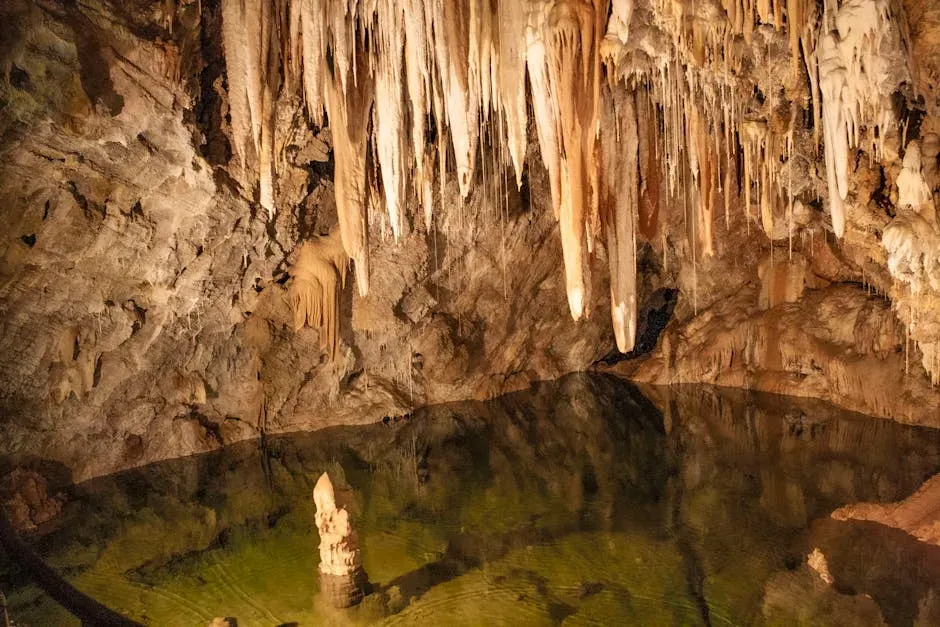
Deep under our feet, there are labyrinths of caves, sinkholes, and flooded passageways that humans have barely entered. Some of the largest cave systems on Earth were only fully mapped in the last few decades, and new extensions keep being discovered. In many regions, explorers crawl through narrow rock tunnels not even knowing whether they’ll open into a chamber the size of a cathedral or just a dead end.
These underground worlds are not just empty spaces; they often host completely isolated ecosystems, with creatures that never see daylight and evolve in slow, strange ways. Some caves contain ancient climate records locked inside mineral formations – like rocky time capsules of rainfall, drought, and temperature swings going back tens of thousands of years. Every new passage surveyed can rewrite what we think we know about Earth’s history and about how life adapts in the most extreme hiding places.
Hidden Life in Rainforests and Remote Wilderness
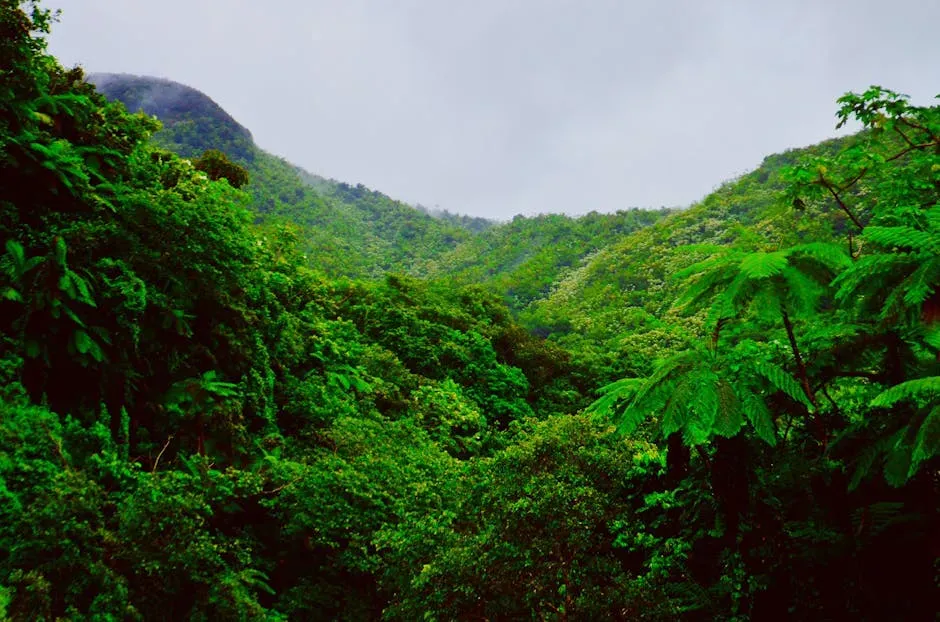
Even on land, where we feel most at home, huge stretches remain essentially unknown on the ground. Dense tropical rainforests, remote mountain valleys, and isolated plateaus still hold species that science has not yet documented. Field biologists regularly report new insects, amphibians, plants, and even occasional mammals from areas that had never before been thoroughly explored.
There’s an uncomfortable twist here: we’re destroying many of these wild places faster than we’re studying them. Roads, logging, mining, and agriculture can erase entire habitats before we’ve even taken a proper inventory of what lives there. It’s like burning a library before anyone has read half the books. In these remote pockets, Earth is still writing stories we haven’t had time to discover, while our actions quietly tear pages out of the manuscript.
The Mystery Under the Ice
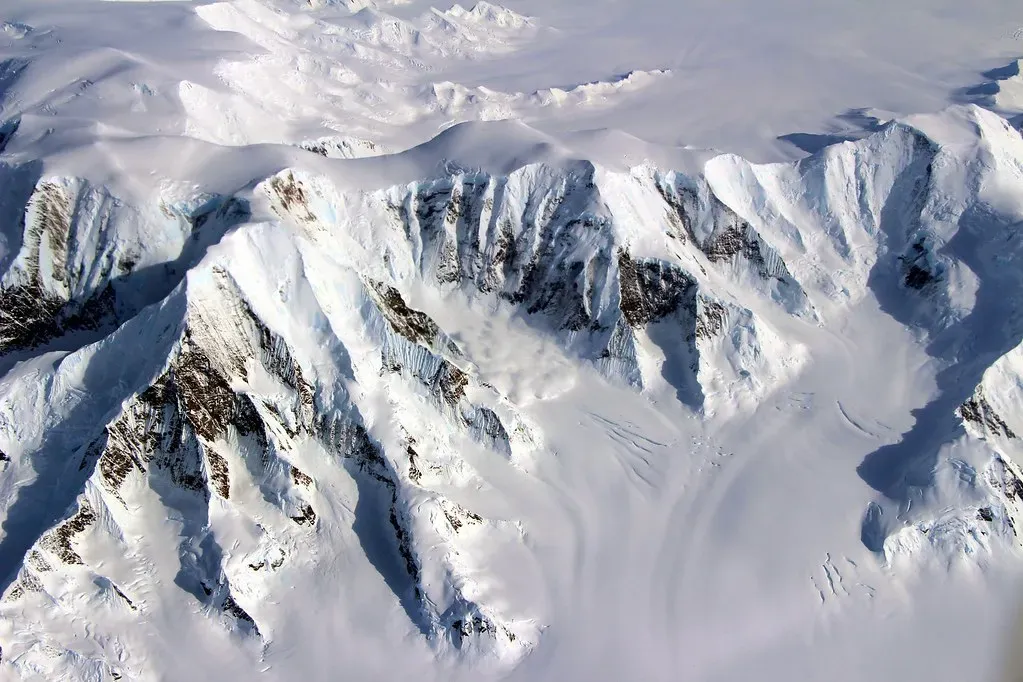
At the poles, thick sheets of ice conceal landscapes that hardly anyone has seen directly. In Antarctica, satellites and radar have revealed buried mountain ranges, deep valleys, and subglacial lakes sealed under ice for hundreds of thousands of years. These lakes are dark, pressurized worlds where any form of life would have evolved in total isolation from the surface conditions we know.
Scientists have drilled into a few of these hidden lakes and found signs of microbial life that survive in bitter cold and darkness, feeding on minerals and chemicals instead of sunlight. Beneath the ice, water channels and cavernous spaces may be constantly reshaped as the ice slowly flows and melts from below. These frozen secrets don’t just matter for curiosity; they influence how ice sheets melt, how sea levels change, and how stable our climate really is over the long haul.
The Dynamic Interior: Unknowns Beneath Our Feet
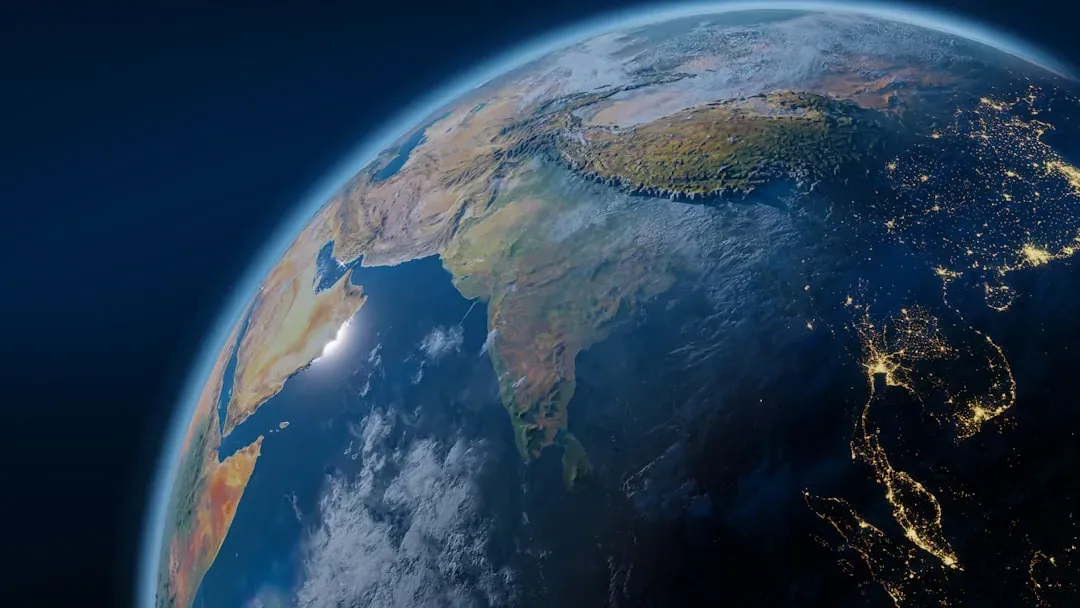
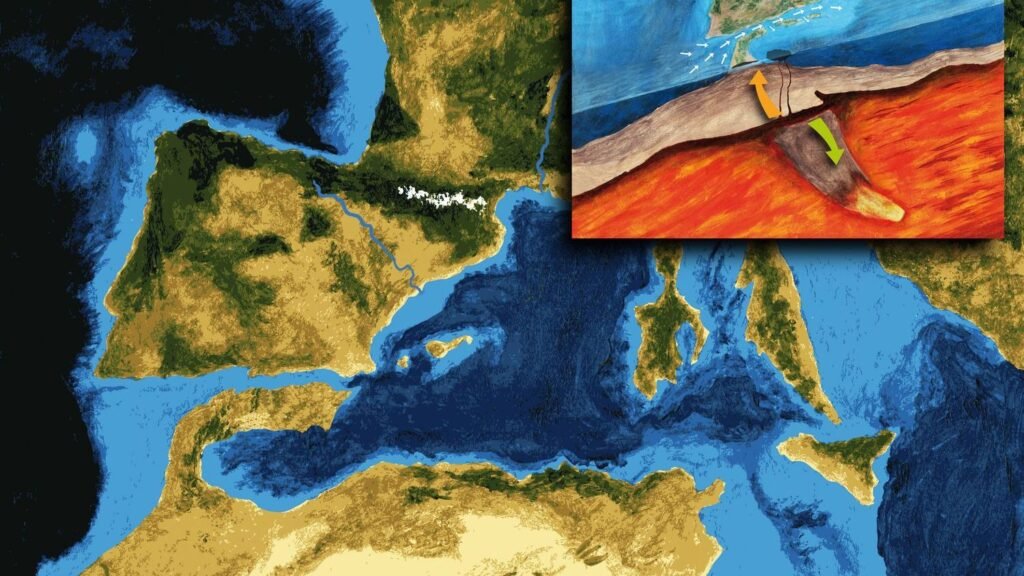
We live on a thin, brittle crust floating over a churning interior, yet our direct access to that interior is incredibly limited. The deepest human‑made boreholes barely scratch into the crust compared with the thousands of kilometers down to Earth’s core. Most of what we think we know about the mantle and core comes from indirect measurements, like how seismic waves travel through the planet after earthquakes.
This means fundamental questions are still open: how exactly heat moves through the mantle, how stable the core’s flow really is, and what triggers shifts in Earth’s magnetic field. Those invisible processes beneath us drive continental drift, volcanic eruptions, and the slow rearrangement of oceans and mountains. In a way, we’re living on the outer shell of a machine whose internal gears we’ve never actually seen, trusting models built from echoes and clues rather than direct observation.
The Limits of Our Maps and Our Imagination
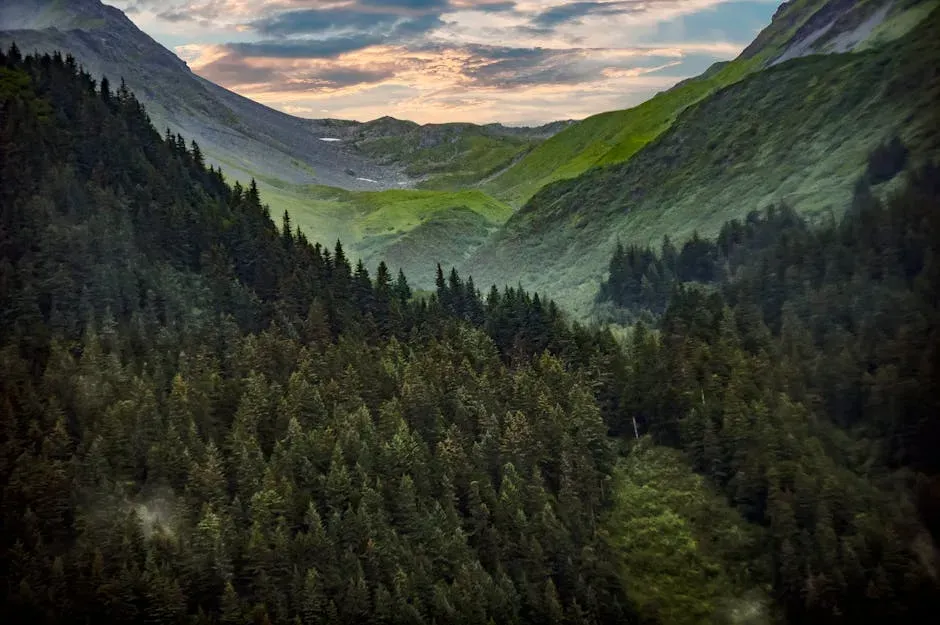
We love clean lines on a map, boundaries neatly drawn, names on every mountain and ridge, but reality is much messier. Between the deep ocean, underground networks, frozen landscapes, and remote wilderness, a huge portion of Earth is either poorly mapped, barely sampled, or not studied at all. Our sense that the planet is “known” comes more from confidence than from actual coverage.
Personally, that gap between what we think we know and what we actually know feels both humbling and strangely hopeful. It means there are still places where discovery is real, not just a metaphor – places where someone can find a species, a cave, or a landscape that no human has ever documented. For all our satellites, sensors, and models, Earth still has secrets it’s not ready to give up easily. How different would we treat this planet if we truly accepted how much of it is still a mystery?