
Imagine standing at the edge of a vast canyon, shouting into the darkness, and hearing not just one echo, but thousands coming back at different times, in different tones, from different directions. That’s what the modern universe feels like to astronomers in 2026: a gigantic echo chamber, where light, radio waves, gravitational waves, and even particles are carrying delayed whispers from events that happened millions or billions of years ago. We used to think of space as mostly empty; now it feels noisy, layered, and almost hauntingly alive with aftershocks of cosmic history.
Over the last decade, astronomers have realized that a huge part of their job is not just “looking” but “listening” – picking out faint, delayed signals buried in a sea of noise and connecting them back to the violent or subtle events that created them. These echoes are letting us test ideas that once sounded like pure science fiction: colliding black holes, exploding stars leaving afterglows for decades, or mysterious radio pulses flickering in microseconds. It’s a bit like learning that your quiet old house has been creaking, whispering, and humming the whole time – you just never had the right ears to hear it.
The Cosmic Microwave Background: The Oldest Echo We Know
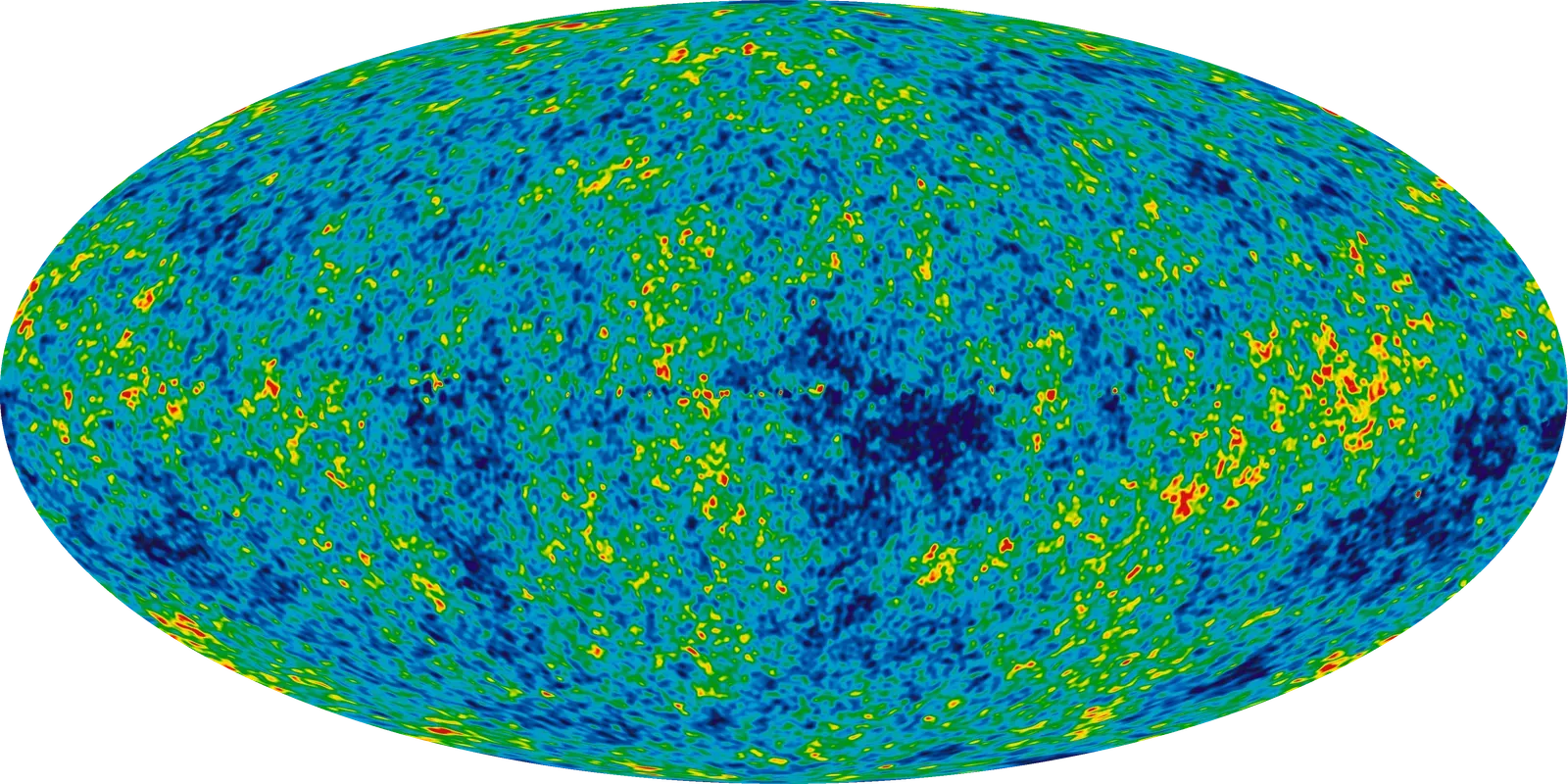
One of the most stunning echoes in all of science is the cosmic microwave background, often called the afterglow of the Big Bang. It’s a faint bath of microwave radiation that fills the entire sky, coming from every direction, like a soft hiss on a detuned analog TV. This light has been traveling for about thirteen and a half billion years, stretched out as the universe expanded, turning from a blazing white-hot glow into a chilly, almost invisible microwave whisper.
What makes this echo so powerful is that it carries a baby picture of the universe: tiny temperature lumps and bumps that show where matter was just a little denser or thinner. Those small differences grew into galaxies, clusters, and the grand cosmic web we see today. Satellite missions over the last few decades have mapped this echo in ridiculous detail, and by 2026, those maps are precise enough that tweaking the numbers is like adjusting the settings on a cosmic blueprint: the age of the universe, the amount of dark matter, the role of dark energy. When people say we “know” these numbers, what they really mean is: we read them off from this ancient echo in the sky.
Gravitational Waves: Ripples That Ring Like Distant Bells
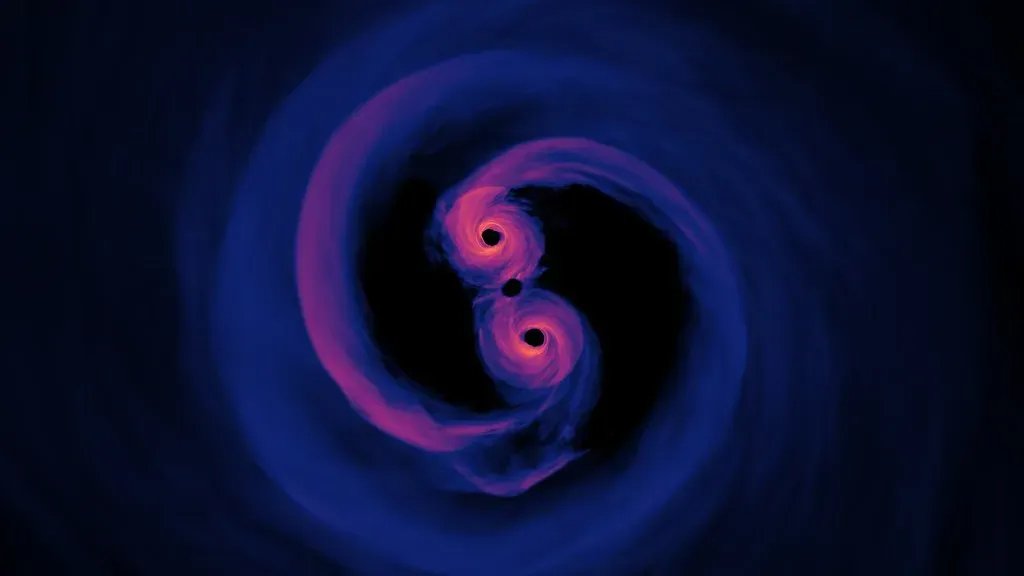
If the cosmic microwave background is the universe’s oldest glow, gravitational waves are more like its sudden, sharp bell rings. These are ripples in spacetime itself, produced when massive objects like black holes or neutron stars crash into each other. Detectors on Earth listen for incredibly tiny distortions in distance – changes smaller than the width of a proton – as those waves wash through our planet. When the first detection happened a decade ago, it proved that what Einstein had predicted was not just math on paper but a real, physical echo you could record.
Since then, global networks of detectors have been upgraded and new observatories planned, turning gravitational-wave astronomy into a fast-growing field instead of a one-off miracle. By now, astronomers are not just catching single events but building catalogs of cosmic collisions, like a library of recorded chimes from distant galaxies. Each “ring” tells us about the masses, spins, and distances of the objects involved, and sometimes reveals weird surprises: black holes heavier than expected, or mergers happening in dense star clusters. It’s as if the universe has started playing us its own soundtrack of catastrophes, and we’re finally learning to separate the instruments.
Fast Radio Bursts: Mysterious Flashes That Keep Coming Back
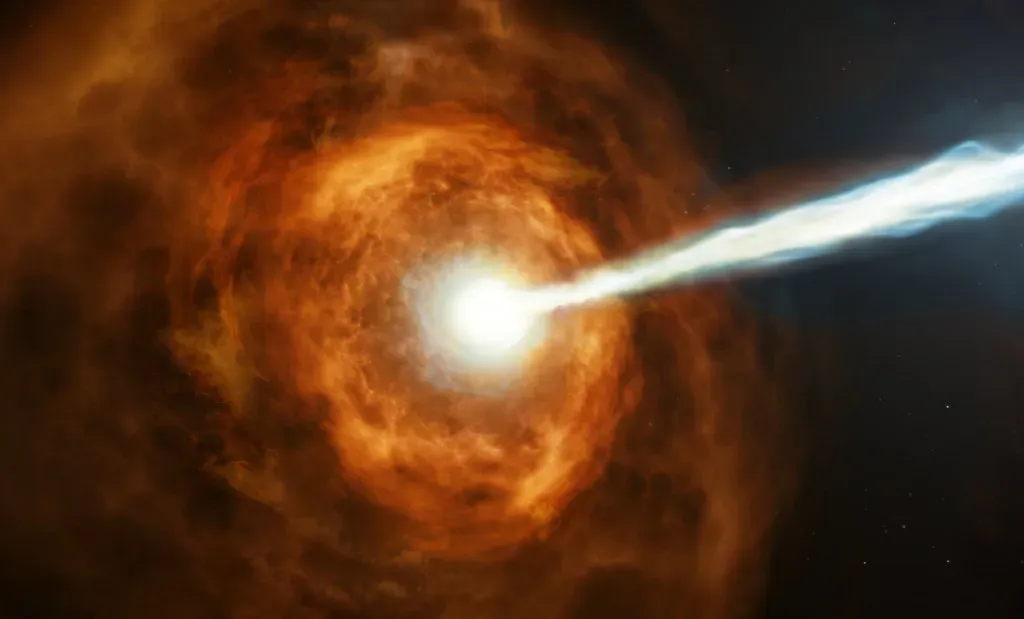
Then there are fast radio bursts, which feel almost like prank calls from the cosmos. These are extremely bright, extremely short flashes of radio waves, lasting just milliseconds, but carrying more energy than entire stars can produce over long stretches of time. For years after the first ones were noticed, nobody knew what caused them, and that mystery only grew as more and more were found randomly popping up in radio telescope data. The really wild twist came when astronomers realized some of these bursts repeat, like cosmic lighthouses that flare up over and over again from the same spot in the sky.
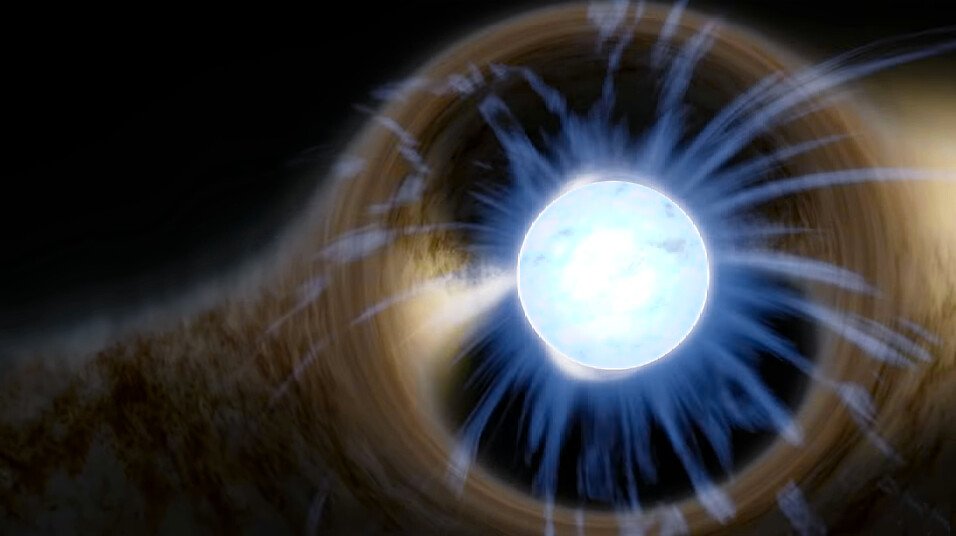
By 2026, the leading idea is that many fast radio bursts come from magnetars, which are neutron stars with mind-bending magnetic fields. These stars can crack or flare, releasing bursts that shoot through space and reach us as radio echoes, often delayed and distorted by gas and plasma along the way. New telescopes that can watch huge swaths of the sky at once are now catching thousands of these events, allowing researchers to trace how their signals scatter, slow, or brighten as they travel. Those tiny delays and distortions are not just noise; they are clues about the invisible matter between galaxies, turning every burst into an echo probe of the cosmic outskirts.
Light Echoes From Exploding Stars
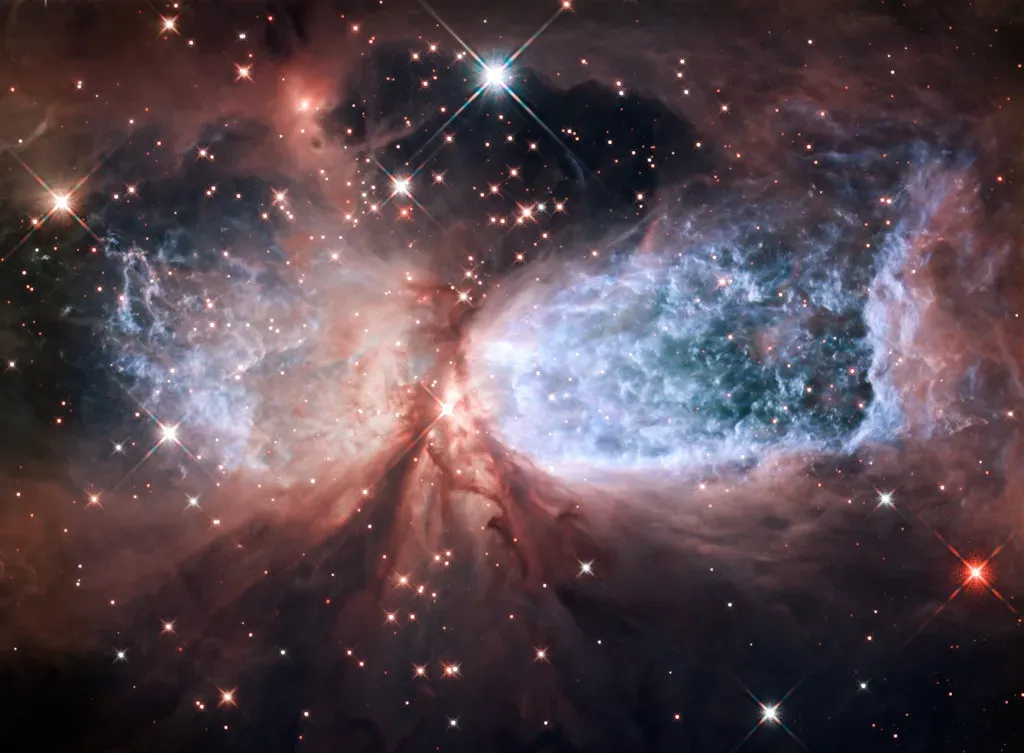
Exploding stars, or supernovae, don’t just give off one clean flash; their light can bounce around on interstellar dust and come back to us again and again. These are called light echoes, and they can appear years or even decades after the original explosion, like the universe replaying a memory on a dusty mirror. Astronomers have actually seen expanding rings and arcs of reflected light around old supernova remnants, where the original flash lit up surrounding dust clouds in slow motion. It’s an eerie feeling: the star is long gone, but its last shout is still bouncing around space.
What makes light echoes especially useful is that they let scientists “rewind” past events that weren’t recorded well the first time. If a supernova went off before modern telescopes were watching, its reflected light can still be collected and analyzed to figure out what kind of star died, and how. In some cases, echoes have even helped reconstruct spectra – the fingerprints of chemical elements in the explosion – from old events in our own galaxy and neighboring ones. It’s a bit like listening to a performance via the sound bouncing down a hallway after the show has ended, and still being able to guess what instruments were on stage.
Pulsars and Magnetars: The Universe’s Metronomes and Sirens
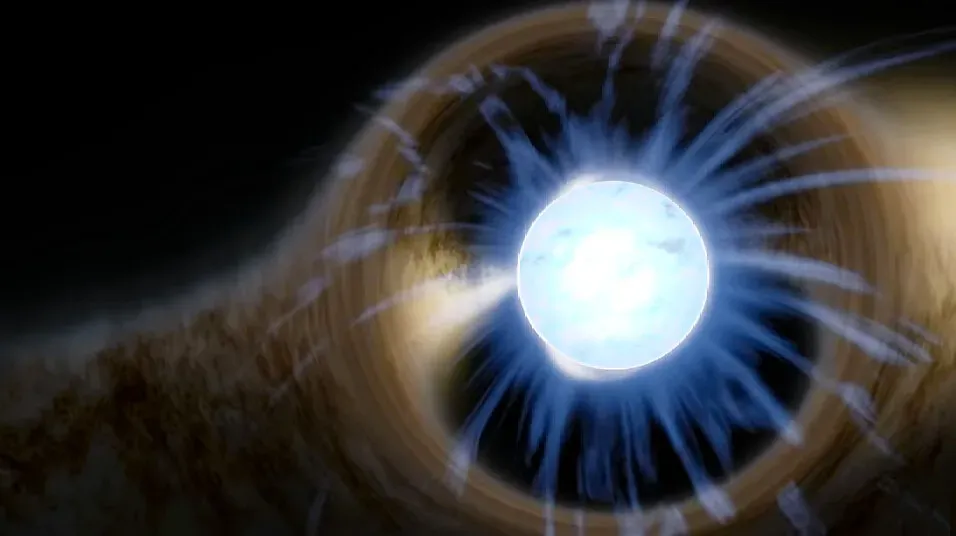
Pulsars are rapidly spinning neutron stars that sweep beams of radio or X-ray light across space, so that from Earth they look like lighthouses blinking with astonishing regularity. Some spin hundreds of times each second, and their pulses arrive so steadily that astronomers use them as cosmic clocks. Over time, though, careful monitoring shows tiny shifts and delays in those ticking signals, as if the universe is gently tugging at the timing. These minuscule changes are echoes of gravitational pulls, interstellar gas, and even passing gravitational waves from supermassive black holes in far-off galaxies.
Magnetars are the more chaotic cousins of pulsars, flaring with bursts of high-energy radiation when their crust cracks under the strain of their own extreme magnetic fields. When those flares happen, the surrounding space lights up in X-rays and gamma rays that can echo around nearby material. What looks like a simple spike in a graph can, on closer inspection, contain multiple peaks and tails, each one representing a different delayed path the light took. Together, pulsars and magnetars turn the galaxy into a mixed orchestra of regular ticks and sudden shrieks, and astronomers are using those signals to map invisible structures, test gravity, and understand some of the strangest matter nature can create.
Hidden Echoes in Data: When Noise Turns Out to Be a Signal
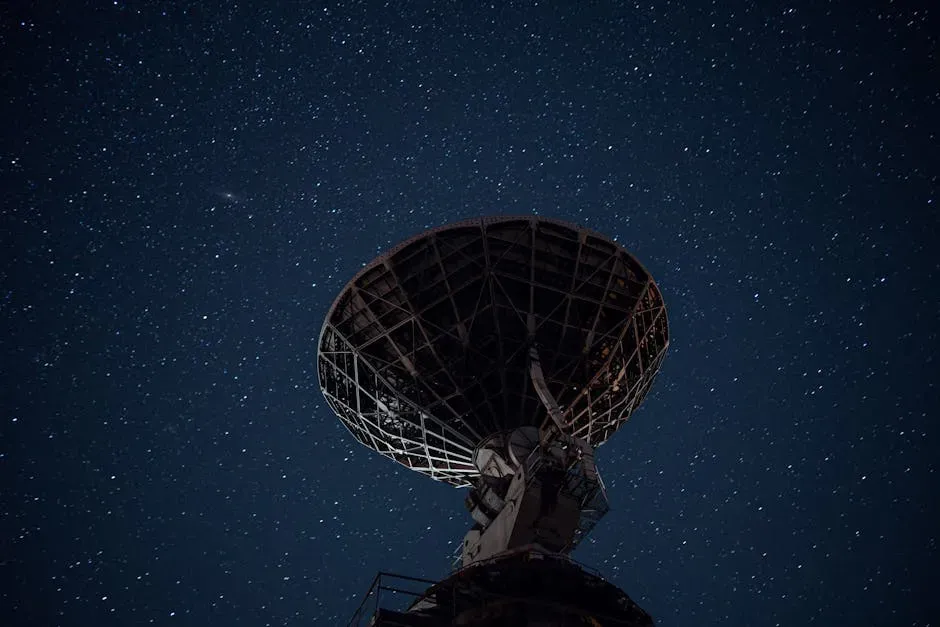
One of the most surprising lessons from the last few years is that many of the universe’s most interesting echoes were hiding in plain sight as “noise” in old data. Fast radio bursts were first noticed in archival observations long after the fact. Gravitational-wave events have been re-found in earlier stretches of data that initially looked too messy to be useful. Even exoplanet discoveries have occasionally turned up when astronomers re-analyzed star brightness records with more sensitive algorithms and realized subtle, repeated dips were the echoes of planets passing in front of their stars.
This shift has turned astronomy into a kind of detective work where the archives matter almost as much as the latest telescope. Machine learning tools, pattern-recognition algorithms, and clever statistical tricks are being let loose on decades of recordings, searching for repeating patterns, delayed signals, or correlated blips across different instruments. In some cases, a signal that looks like a one-time oddity in one dataset lines up perfectly with an anomaly in another, revealing a multi-messenger echo of the same cosmic event. It’s humbling and a little thrilling to realize how many whispers from the universe we missed simply because we did not yet know how to listen.
The Future of Listening: Giant Arrays and Space-Based Ears
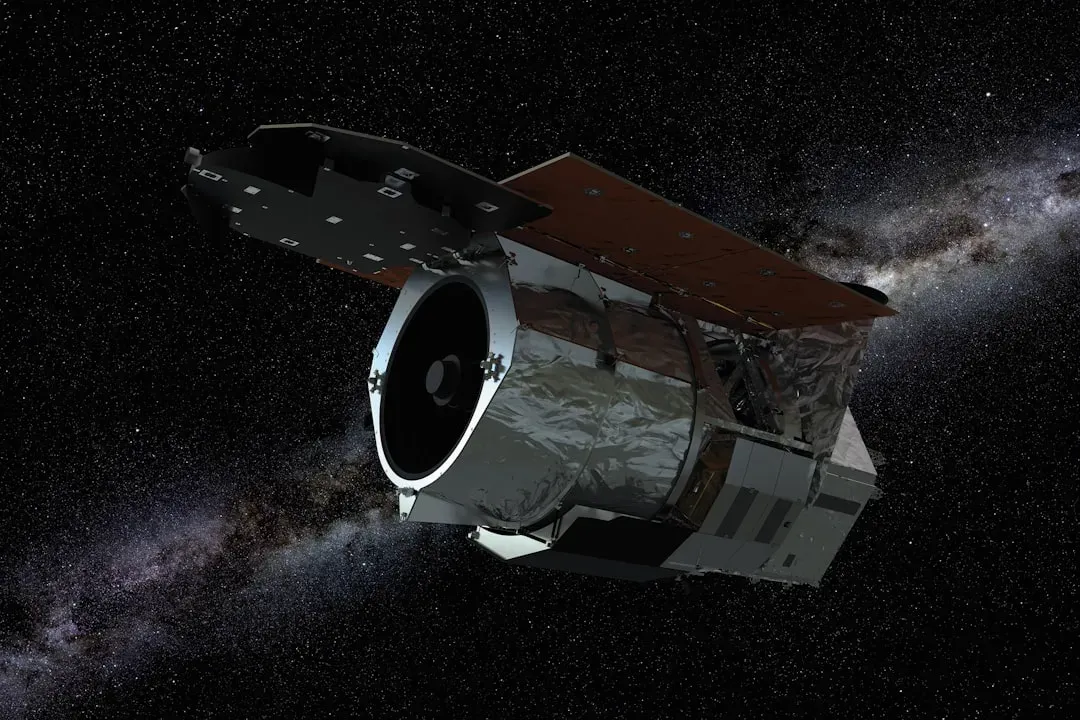
The next era of astronomy is being built around the idea that we should not just stare deeper, but listen wider and longer. Enormous radio arrays spread across continents, upcoming space-based gravitational-wave detectors, and high-energy observatories in orbit are all designed to capture faint, long-lasting, or extremely low-frequency echoes that ground-based instruments cannot reach. Some of these systems will literally use the Earth’s orbit, or constellations of satellites, as the “arms” of their detectors, turning our planet’s path around the Sun into part of a giant microphone. The goal is to catch signals from supermassive black hole mergers, relic waves from the very early universe, and other whispers that are currently beyond our reach.
At the same time, there’s a push to observe the sky continuously, rather than taking brief snapshots: telescopes that scan the entire sky every few nights, radio arrays that monitor thousands of sources simultaneously, and networks that automatically alert each other when something flares, flickers, or rings. This always-on, multi-messenger approach means that when a cosmic event happens, we can record not just the first shout but the whole echoing aftermath across the spectrum. It’s a bit like going from a single security camera to a city full of microphones, cameras, and motion sensors all comparing notes. The more we listen, the clearer it becomes that the universe is not quiet at all – it’s just that, for most of our history, we were almost completely deaf to its echoes.
Conclusion: Living in a Universe That Remembers
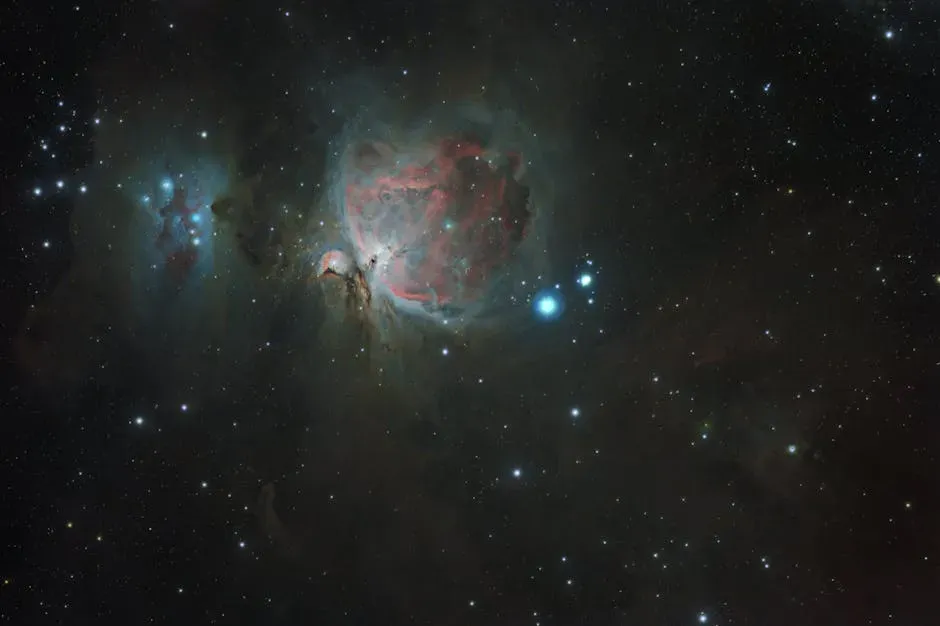
When you zoom out from all these different signals – microwaves from the Big Bang, ripples from black hole mergers, flashes from magnetars, glimmers from long-dead supernovae – a strange picture emerges: the universe has an incredible memory. Every dramatic event leaves not just one signature, but layers of echoes that spread outward and linger for ages, waiting for someone with the right tools to notice. In a way, the cosmos is constantly keeping a kind of diary, written in light, gravity, and particles, even if the entries are scattered in time and buried in static.
As scientists in 2026 refine their instruments and methods, they’re learning to read more of that diary, turning faint murmurs into clear stories about how the universe grew, changed, and occasionally tore itself apart. For me, the most striking part is that these echoes don’t just tell us about distant galaxies or exotic objects; they also reveal how limited our own perception has been, and how much richer reality becomes when we add new senses. Once you know that space is full of these delayed messages, it’s hard to look up at the night sky the same way again. How many echoes are washing over us right now that we still don’t know how to hear?