
You drink it every day. You swim in it, cook with it, and honestly couldn’t survive more than a few days without it. Yet most of us know surprisingly little about water beyond “H2O” and that boiling point we memorized in middle school. It turns out that water is one of the most scientifically bizarre substances on the planet, full of contradictions, paradoxes, and downright impossible-sounding behaviors.
Honestly, the more you dig into the real science of water, the more it starts to feel like a magic trick dressed up in chemistry class clothes. There are facts about this humble liquid that will genuinely make you stop and stare at your glass like it owes you an explanation. Let’s dive in.
1. Water Is the Only Common Substance That Exists Naturally in All Three States on Earth
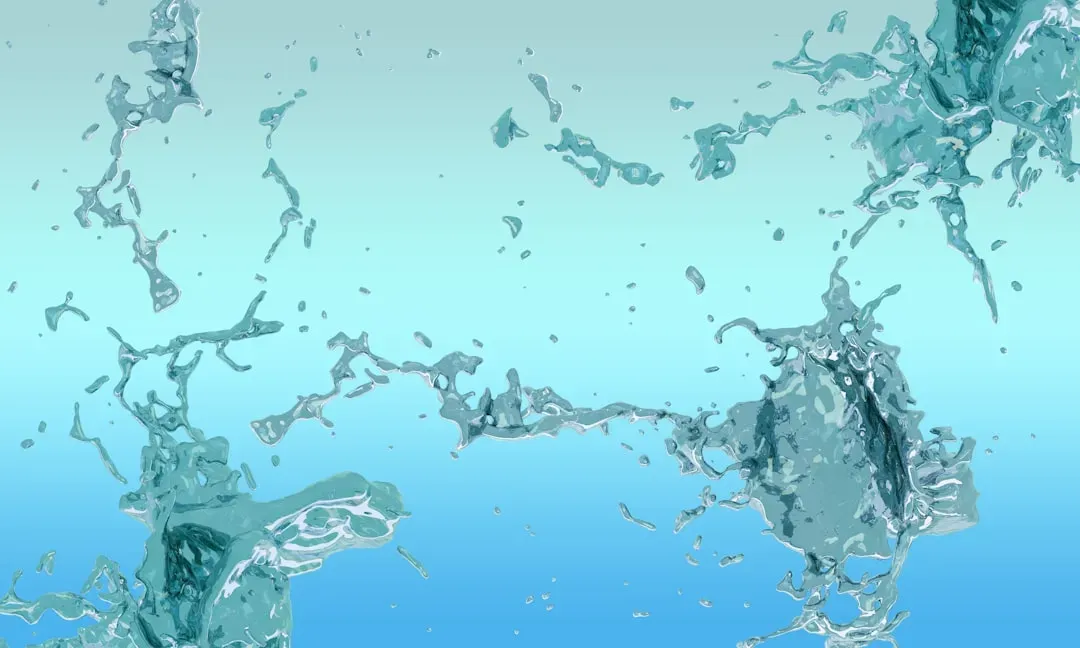
Think about your morning on a cold winter day. Snow blanketing the ground outside, water running from your tap, steam rising from your coffee. That’s water playing three roles at once. It is the only substance naturally present on Earth simultaneously in three distinct states or forms: solid, liquid, and gas.
What makes this even more remarkable is that these transitions happen under the relatively narrow temperature and pressure conditions found on Earth’s surface. Water is the only substance that exists naturally in all three states of matter: liquid, solid, and gas, and temperature or pressure changes cause water to shift between these forms, which is crucial to Earth’s water cycle. No other common substance pulls off this triple act so effortlessly in everyday environments.
2. Ice Floats – and That Quirk May Have Saved All Life on Earth
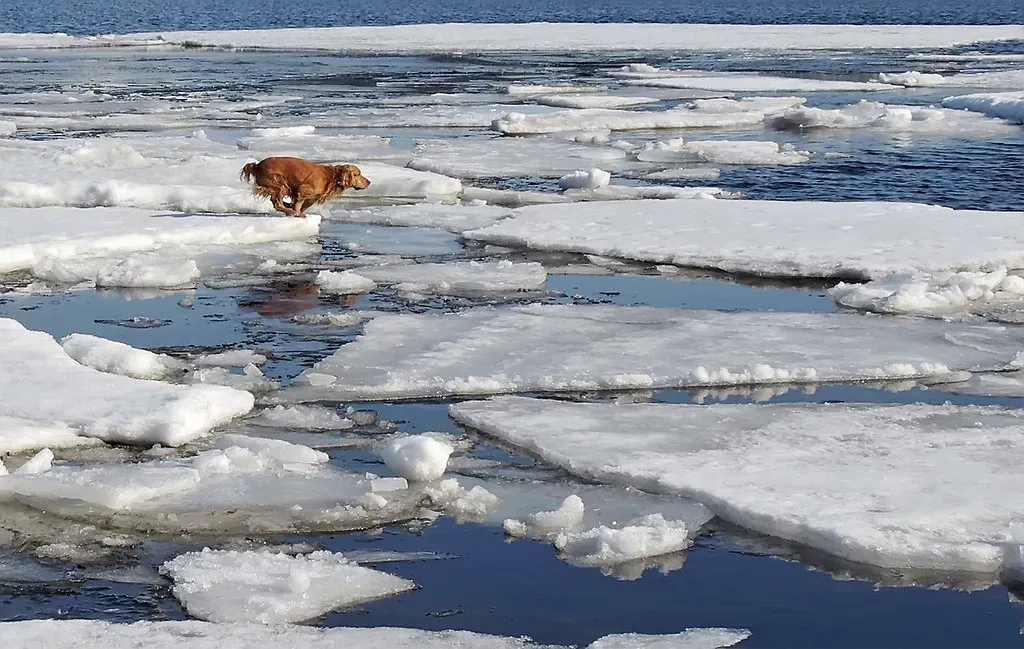
Here’s the thing: most solids sink in their own liquid. That’s just how chemistry works. Usually when solids form, atoms get closer together to form something denser, which is why most solids sink in water. But water molecules form rings when water freezes, and all that space makes ice less dense than liquid water. This is why it floats.
This isn’t just a cool party trick. It’s ecologically critical. During the winter when lakes begin to freeze, the surface of the water freezes and then moves down toward deeper water. If ice was not able to float, the lake would freeze from the bottom up, killing all ecosystems living in the lake. However, ice floats, so the fish are able to survive under the surface of the ice during the winter. The surface of ice also shields lakes from the cold temperature outside and insulates the water beneath it. Imagine an ice age that froze lakes from the bottom up. Nothing would have survived.
3. Hot Water Can Freeze Faster Than Cold Water
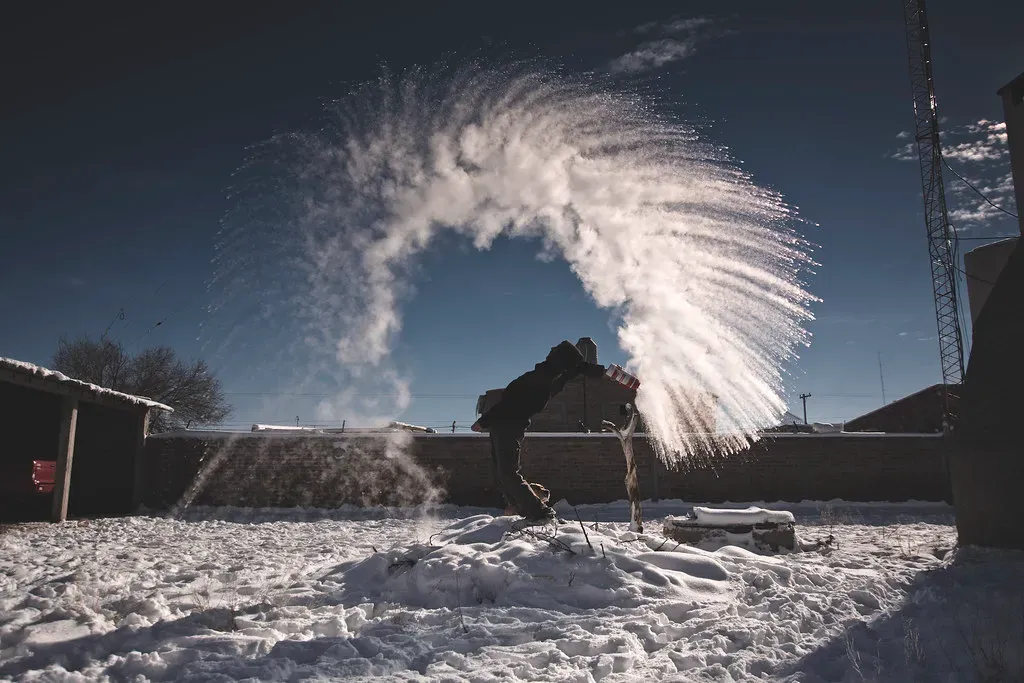
I know it sounds crazy, but this is real. Understanding why hotter water can freeze faster than colder water, a phenomenon known as the Mpemba effect, is important for gaining deeper insights into systems far from equilibrium. It defies common sense so thoroughly that people dismissed it for centuries.
Known as the Mpemba effect, under certain conditions, hot water can freeze more quickly than cold water. The exact reasons remain a subject of scientific debate, but possible explanations include evaporation, convection currents, and differences in dissolved gases. This counterintuitive phenomenon still puzzles researchers today. Scientists have been debating the precise mechanism for decades, and the fact that it still isn’t fully resolved should tell you something about just how strange water truly is.
4. Pure Water Does Not Actually Conduct Electricity
You’ve been warned your whole life to keep water away from electricity. That warning is correct in practice, but slightly misleading in terms of the science. Water and electricity don’t mix, right? Well actually, pure water is an excellent insulator and does not conduct electricity. The thing is, you won’t find any pure water in nature, so don’t mix electricity and water.
The real conductor is what’s dissolved inside water, not the water molecule itself. The water we encounter in everyday life, like tap water, is an excellent conductor of electricity. This is because the water we use at home contains dissolved salts and minerals, such as calcium, magnesium, and sodium, which give it the ability to conduct electricity. These elements allow electrons to flow through the water, making it a much more efficient conductor than pure water. So technically, you’re afraid of dissolved minerals, not water itself. Still, please keep your toaster away from the bathtub.
5. Water Is Literally an Ancient Relic – You May Have Shared a Drink With a Dinosaur
Here’s a thought that might stick with you the next time you take a sip. Matter can’t be created or destroyed; it just cycles through different states of being. This also applies to water, which is still “matter” whether in solid, liquid, or gaseous form. By extension, this means that water can’t be destroyed. The water that was on Earth millions of years ago is still here today, which is why you might have shared a drink with a dinosaur.
The scale of this is staggering. Over a span of 100 years, a water molecule typically spends 98 years in the ocean, 20 months as ice, about two weeks in lakes and rivers, and less than a week in the atmosphere. The water molecule in your coffee this morning may have been inside a glacier for thousands of years before ending up in your cup. It has lived a very long and eventful life.
6. Water Has Over 60 Properties That Set It Apart From Other Liquids
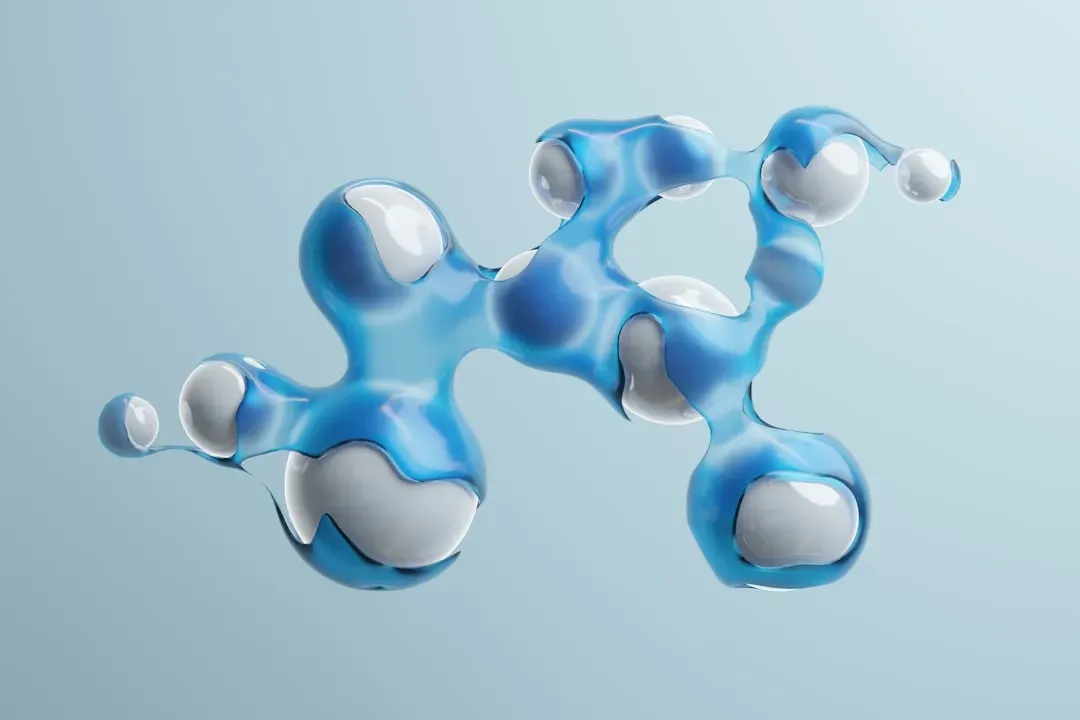
Most people think water is simple. It isn’t. Water, the most commonplace of liquids, is also the strangest. It has at least 66 properties that differ from most liquids, including high surface tension, high heat capacity, high melting and boiling points, and low compressibility. That’s not a description of an ordinary molecule. That’s a description of something deeply weird.
Many of these strange behaviors come down to hydrogen bonding, the powerful magnetic-like attraction between water molecules. Given the low molar mass of its constituent molecules, water has unusually large values of viscosity, surface tension, heat of vaporization, and entropy of vaporization, all of which can be ascribed to the extensive hydrogen bonding interactions present in liquid water. Think of it like this: water molecules are like tiny magnets constantly clinging to each other, and that clingy behavior is what gives water all its strange and life-sustaining powers.
7. Water Is the Greatest Solvent in the Known Universe
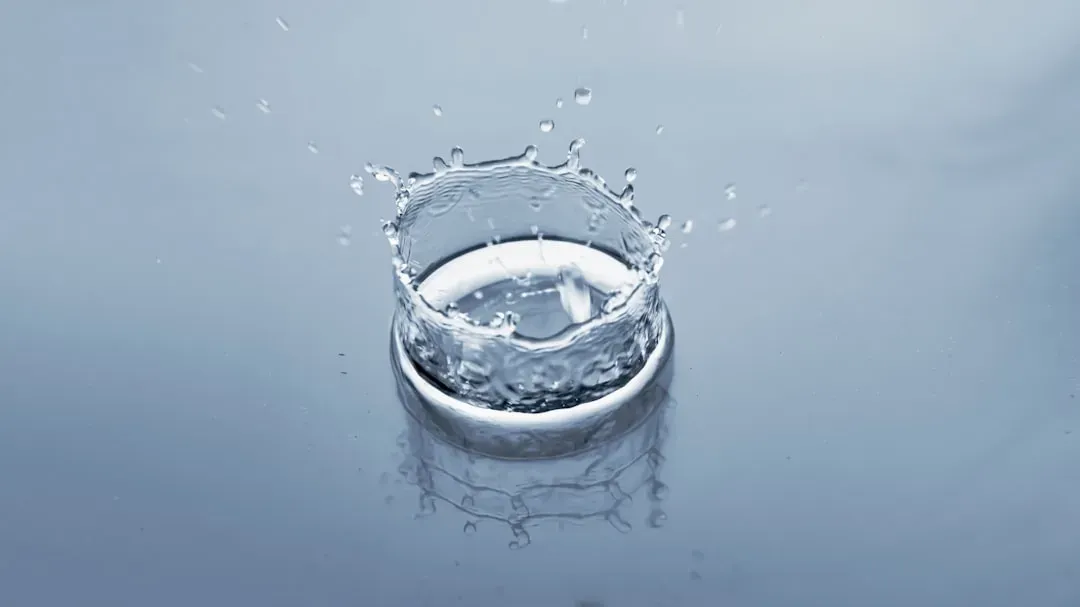
Water has earned a very impressive nickname in scientific circles. Water is a polar inorganic compound that at room temperature is a tasteless and odorless liquid, and it is described as the “universal solvent” and the “solvent of life.” That title isn’t handed out easily.
We need to take the statement “water is the universal solvent” with a grain of salt. Of course it cannot dissolve everything, but it does dissolve more substances than any other liquid, so the term fits pretty well. Water’s solvent properties affect all life on Earth, so water is universally important to all of us. Without this dissolving power, nutrients couldn’t travel through your bloodstream, plants couldn’t absorb minerals from soil, and oceans couldn’t support the chemistry needed for life. Basically, dissolving things is water’s superpower.
8. Water Has a Remarkably High Heat Capacity That Regulates Earth’s Climate

Ever notice how the beach sand burns your feet but the ocean water next to it stays cool? That isn’t random. Another remarkable property of water is its extremely high capacity to absorb heat without a significant increase in temperature. The summer sun at the beach will increase the temperature of the sand to the point that it is too hot to walk on; however, the water is cool to the touch. Both the sand and the water absorb the same amount of heat energy, but the temperature of the sand is higher than the water temperature.
This same principle operates on a planetary scale. It takes water a long time to heat up and a long time to cool down. In fact, the specific heat capacity of water is about five times more than that of sand. This explains why land cools faster than the sea. Coastal cities enjoy milder climates because of this. The ocean is, in effect, the world’s most massive air conditioner, and it runs entirely on the physics of a single molecule.
9. Water Should Technically Be a Gas at Room Temperature
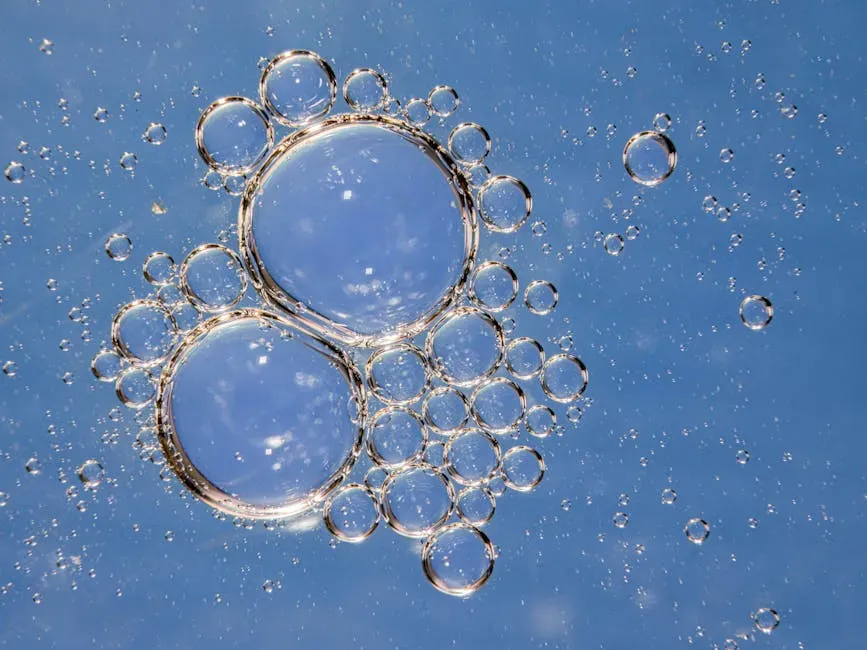
This one genuinely blew my mind when I first read it. Based on where water sits in the periodic table, it has no business being a liquid at the temperatures we experience on Earth’s surface. Water should be a gas at room temperature. All similar molecules, such as hydrogen sulphide and ammonia, are gases. The stickiness of water molecules holds them together as a liquid.
Water has unusually high boiling and freezing point temperatures compared to other compounds with similar molecular structure. All other compounds with similar molecular structure are gases at ordinary temperatures. However, due to the polar nature of the water molecule and hydrogen bonding, the boiling point of water is a remarkable 100 degrees Celsius and the freezing point is 0 degrees Celsius. The most similar compound, hydrogen sulfide, boils at minus 60 degrees Celsius. Without hydrogen bonding bending the rules, Earth would have no liquid water, no oceans, and no life. We are all here because of a chemical anomaly.
10. Water Is One of the Most Abundant Molecules in the Universe

You might assume water is exclusive to Earth. Not even close. Water is the most abundant substance on the surface of Earth and the only common substance to exist as a solid, liquid, and gas on Earth’s surface. It is also the third most abundant molecule in the universe, behind only molecular hydrogen and carbon monoxide. The cosmos is, in a very real sense, drenched in it.
While most of Earth’s water formed with the planet, some may have come from icy asteroids crashing to Earth. Water has also been detected on the Moon and other planets such as Mercury, Mars, and Saturn. Scientists even believe that there is a hot ocean under the ice crust of Saturn’s moon Enceladus, probably sitting on a bed of rock, and since a hydrothermal vent at the bottom of one of Earth’s oceans is thought to be the best candidate for where life started on our planet, astrobiologists think Enceladus is a good place to look for alien life. Water isn’t just sustaining life here. It might be the key to finding it somewhere else entirely.
Conclusion: The Ordinary Miracle in Your Glass
Water is everywhere, and maybe that’s why we stop noticing it. But the science tells a completely different story. This is a substance that defies chemical logic, bends physical rules, insulates frozen lakes from the inside, dissolves nearly everything it touches, and floats when it should sink. It should be a gas but isn’t. It absorbs heat without flinching and keeps planets livable because of it.
Let’s be real: if water were discovered for the first time today, it would be front-page news across every science journal on the planet. We take it for granted precisely because it is so fundamental to our existence. Next time you fill a glass from the tap, take a second to appreciate the fact that you are holding one of the universe’s most chemically bizarre and biologically essential substances in your hand.
Water is not ordinary. It never was. Did you expect something you sip every day to be this extraordinary?