You don’t have to travel to another planet to find conditions that seem completely incompatible with life. Right here on Earth, there are places so extreme that it is genuinely hard to believe anything could survive them, let alone thrive. Volcanic ocean floors. Deserts where it hasn’t rained in years. Ice plains where winds howl at terrifying speeds. Yet somehow, something always lives there.
What makes this even more remarkable is how these animals don’t just endure their environments. They master them. The level of biological ingenuity on display across our planet is almost humbling, honestly. So if you’ve ever wondered what life looks like at its absolute limits, prepare yourself. Let’s dive in.
Freezing Solid and Coming Back to Life: The Wood Frog’s Icy Trick
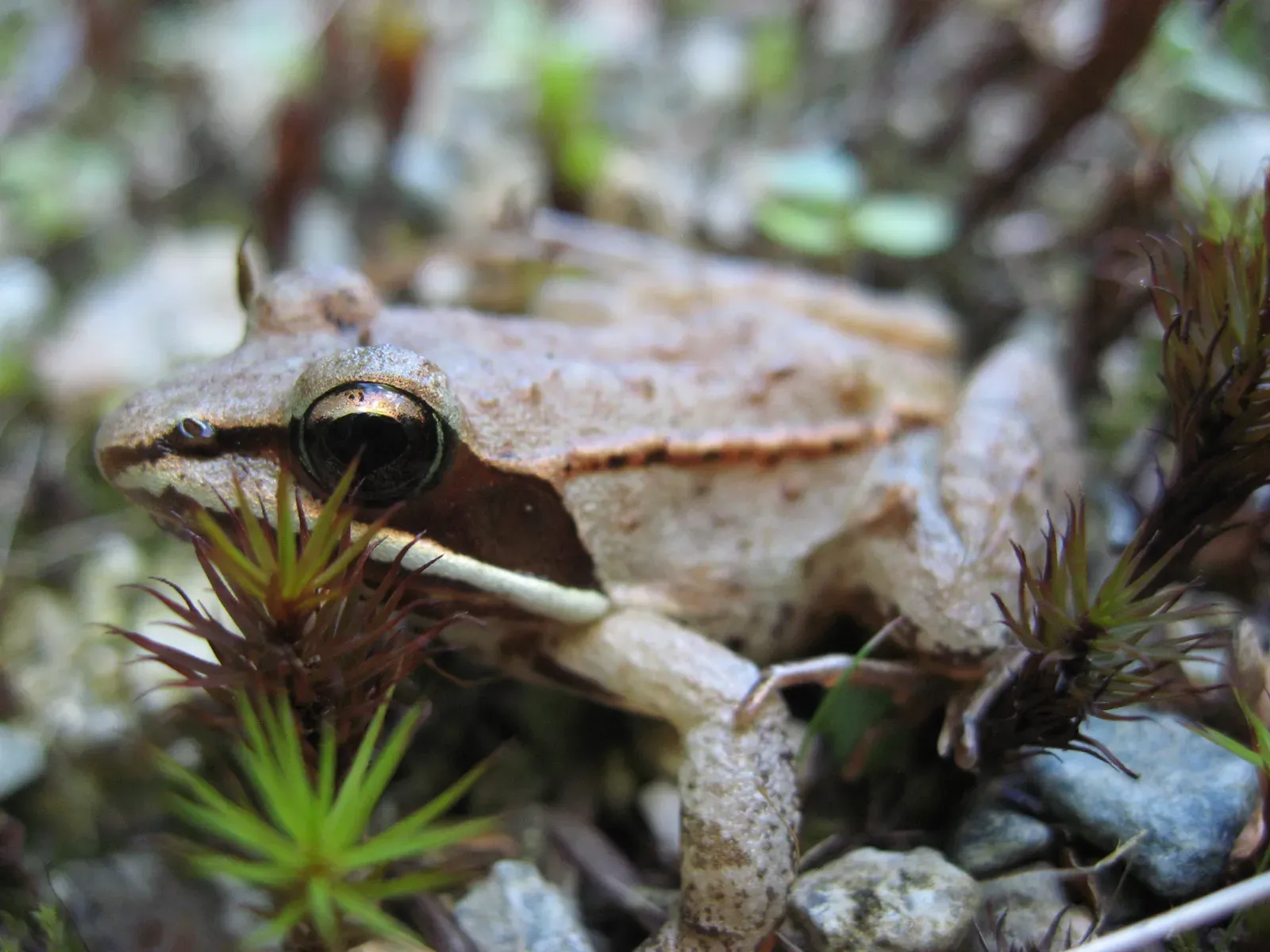
Most animals that live in cold regions do everything possible to avoid freezing. The wood frog does the exact opposite. When temperatures grow chilly, the wood frog adapts by letting itself freeze, remaining in a unique form of suspended animation until the spring thaw. Think about what that actually means. No heartbeat. No breathing. Entirely frozen solid. This isn’t fiction. It’s one of the most jaw-dropping tricks in the animal kingdom.
It can survive being frozen by accumulating glucose, a cryoprotectant, in its tissues. That glucose essentially acts like biological antifreeze, protecting cells from the damage that ice crystals would normally cause. It’s a bit like how you’d add salt to a road in winter, except far more elegant, and happening at a microscopic level inside a living creature. Wood frogs in Alaska can survive being frozen for up to eight months each year, which is honestly mind-bending when you stop to think about it.
The Camel’s Desert Survival Machine: Built for Punishment
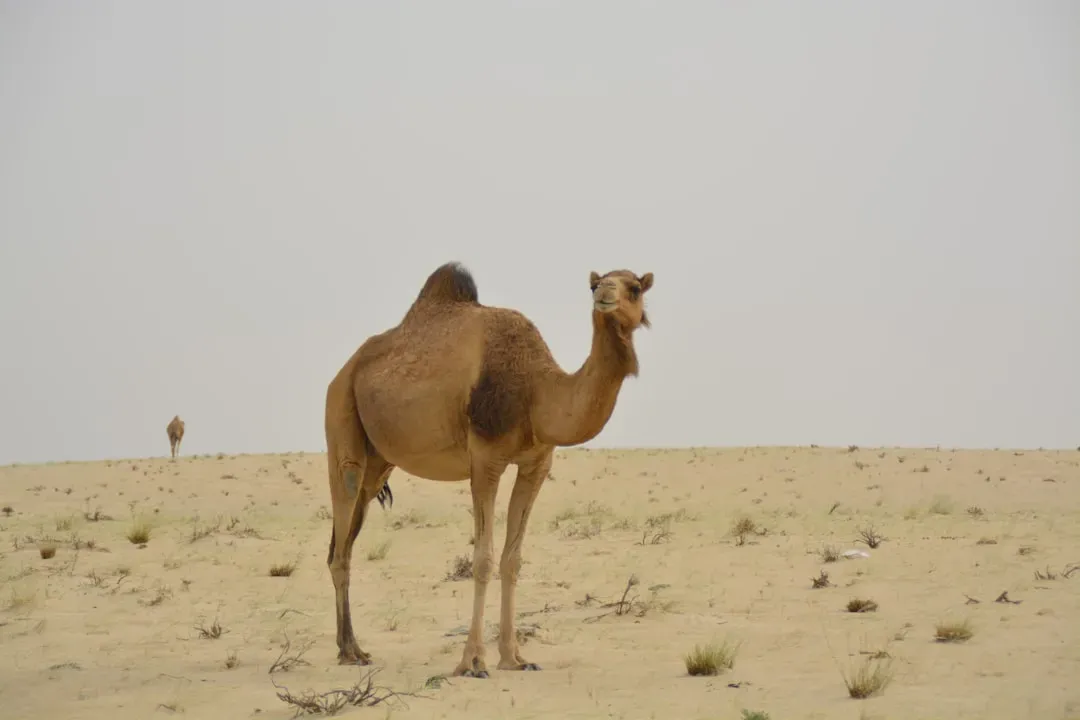
Let’s be real, camels have been misunderstood for far too long. Most people think those humps store water. They don’t. The humps store fat, and that fat can be metabolised into both energy and water, providing camels with essential resources in arid environments. It’s a bit like carrying your own fuel tank and a kitchen on your back at the same time. Remarkably efficient.
Known as the “ships of the desert,” camels can survive temperatures as high as 120°F (49°C) and go a week or more without consuming water. Beyond the hump, they also produce highly concentrated urine to minimize water loss, and their oval-shaped red blood cells remain functional even during severe dehydration, unlike those of most other mammals. Camels store up to 36 kg of fat in their humps, producing around 10 liters of water through metabolic breakdown. That’s not just survival. That’s sophisticated biological engineering refined over millions of years.
Emperor Penguins: Strength in Numbers Against Antarctic Fury
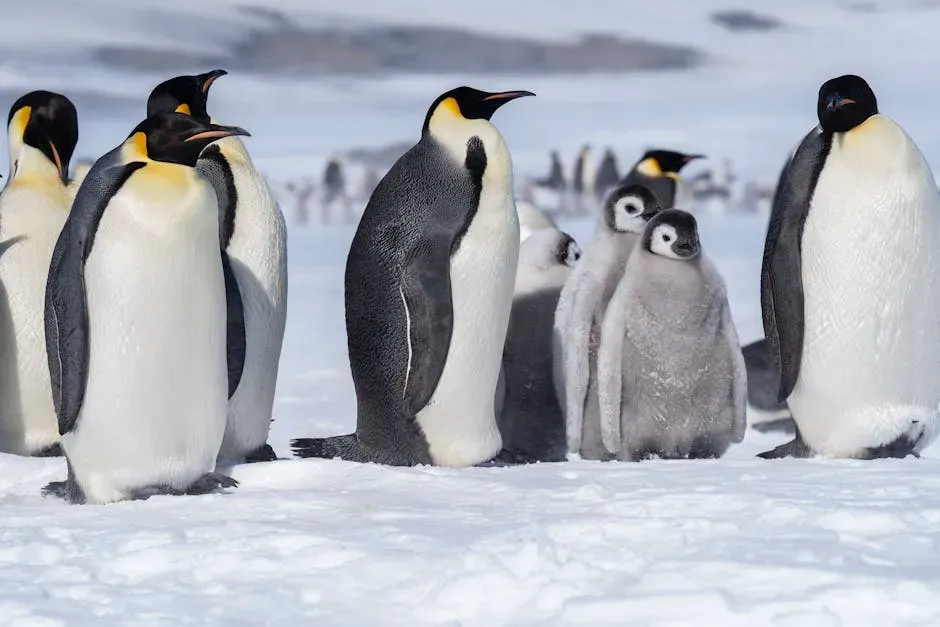
Antarctica is brutal. There’s simply no softer way to say it. Emperor penguins must endure temperatures as low as -50°C and extreme wind speeds of up to 200 kilometres per hour. They don’t migrate away from this. They breed right in the middle of it. They’re the only species of penguin that breeds during the Antarctic winter, which takes a kind of stubborn toughness that’s almost hard to admire without flinching.
These hardy penguins have many features that help them endure, including a double layer of feathers as well as small bills and flippers to prevent heat loss. Still, their greatest weapon isn’t physical. It’s social. Emperor penguins form counter-rotating huddles that reduce wind chill by up to 50°C and allow individuals to conserve energy during long Antarctic winters. The penguins take turns being in the warm center and the exposed outer ring, so no single individual bears the brunt of the cold for too long. That’s not instinct. That’s community.
The Tardigrade: Nature’s Nearly Indestructible Microscopic Animal
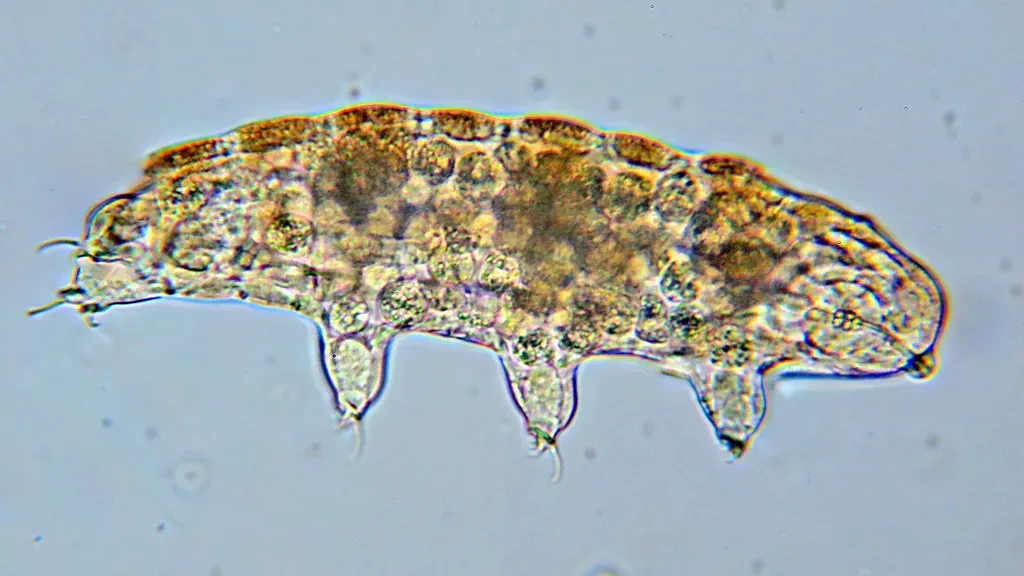
Here’s the thing about tardigrades: they make every other organism on this list look slightly fragile. Also known as water bears, these bizarre eight-legged creatures have been found in deserts, glaciers, hot springs, and at the top of the world’s highest mountains. They’re microscopic, roughly the size of a grain of sand, yet they appear capable of surviving almost anywhere.
Tardigrades enter a process called cryptobiosis, desiccating nearly all of their body water to survive vacuum exposure. In that state, they essentially stop being a living thing in any conventional sense and become more like a dormant biological capsule waiting to restart. There might even be tardigrades on the Moon, thanks to the crash landing of an Israeli lunar probe that carried tardigrades as part of its payload. I know it sounds crazy, but the universe may genuinely have a tiny, almost invincible, eight-legged passenger at this very moment.
Deep-Sea Survivors: How Life Thrives in the Crushing Darkness Below
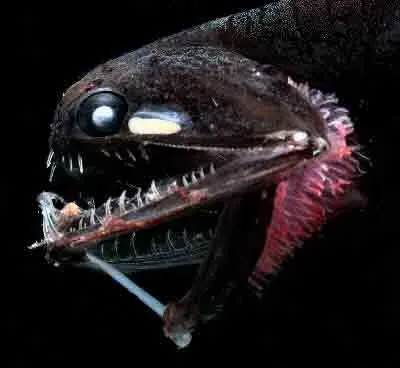
Temperatures plunge below freezing in polar waters, hydrostatic pressures in the deep sea crush unprotected structures, and hydrothermal vents spew fluids exceeding 350°C loaded with toxic chemicals. You’d think nothing could survive such an environment. Yet the deep sea is teeming with life, and the strategies these creatures use are unlike anything you’ll find on the surface. Many deep-sea animals use bioluminescence to attract prey or communicate in an environment where sunlight is completely absent.
Others, like yeti crabs, cultivate symbiotic bacteria to obtain nutrients directly from their environment. It’s a fascinating partnership, essentially growing your own food on your own body. Meanwhile, Arctic deep-sea species rely on scavenging to survive, feeding on dead animals, organic matter, and other detritus that sinks from upper ocean layers. The lack of sunlight prevents photosynthesis, so there is little plant life or primary production. This opportunistic feeding strategy is crucial in such a nutrient-poor environment. Life down there isn’t waiting for anything. It takes what it can, whenever it can.
The Arctic Fox: A Masterclass in Polar Engineering
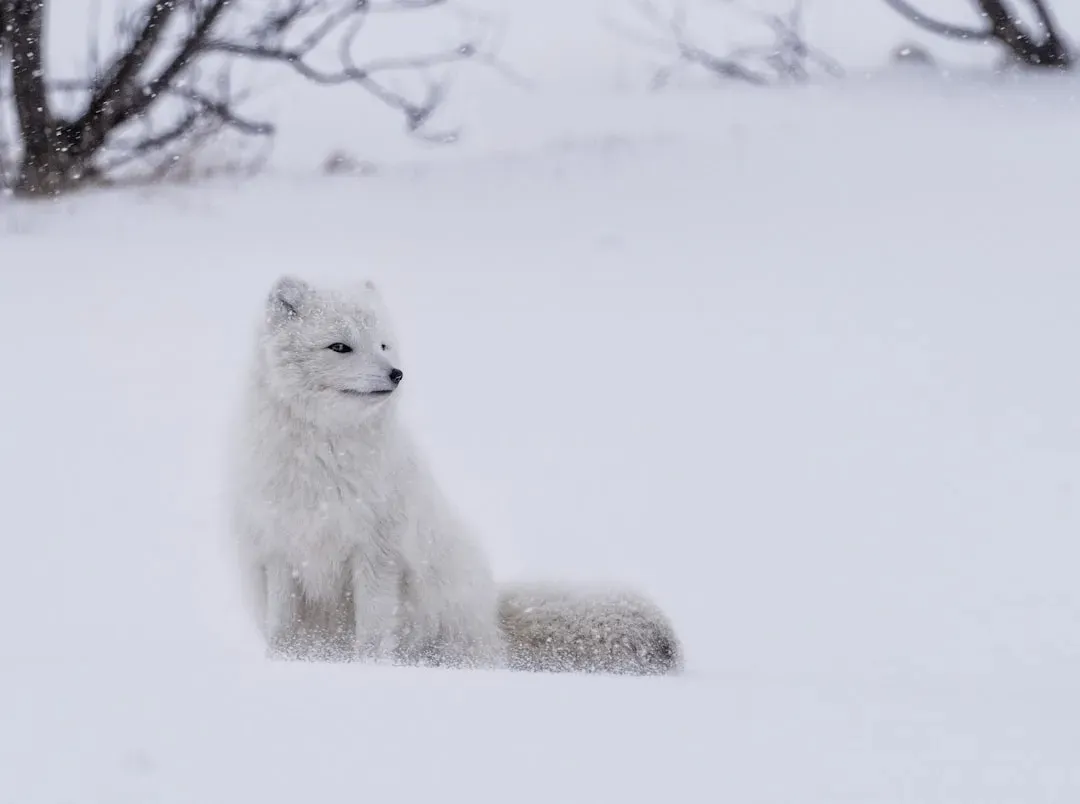
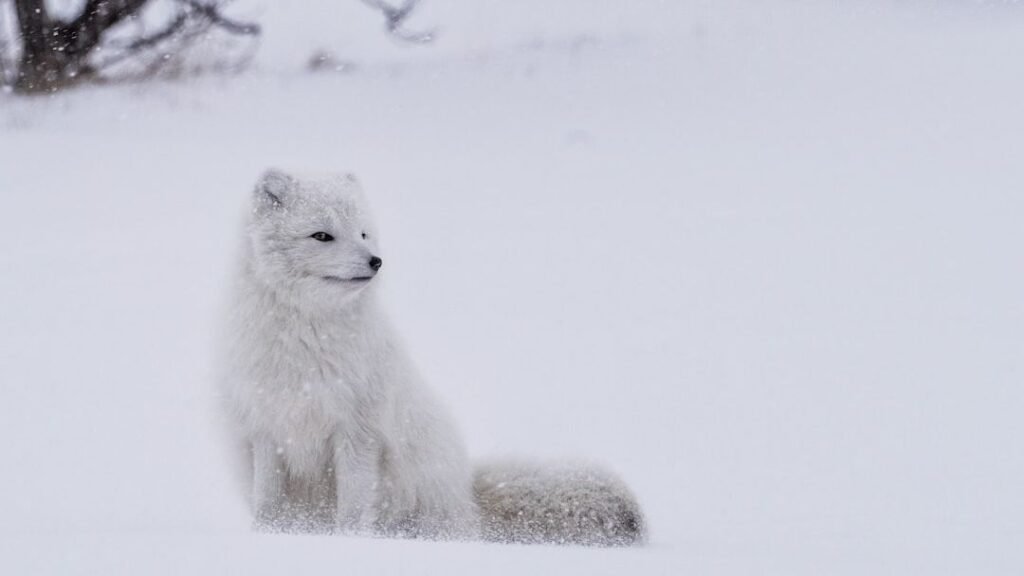
The Arctic fox might look deceptively cute, but don’t be fooled. This animal is one of the most finely tuned cold-weather survivors on the planet. Arctic foxes preserve roughly nine-tenths of their leg warmth through countercurrent heat exchange, while dense fur traps an insulating air layer equivalent to R-5 insulation. They also change fur density seasonally. That seasonal coat shift is like wearing a different wardrobe each season, except the fox’s body manages it automatically, completely without thinking about it.
Beyond its extraordinary physical insulation, the Arctic fox is also a clever strategist when it comes to food. The fox engages in hoarding behaviour in the summer, and has been observed storing food, with one cache containing as many as 136 seabirds. That’s essentially meal prep on an extreme level. Many Arctic animals will also limit physical activity to conserve their energy and reduce their resting metabolic rate, and the Arctic fox is no exception. Every calorie counts when you’re living at the edge of the world.
Conclusion: Nature’s Most Brilliant Engineers
It’s hard not to feel a deep sense of wonder after going through these six examples. Animal adaptations in extreme environments demonstrate evolutionary precision, enabling life from the Mariana Trench’s depths to the Atacama Desert’s hyperarid soils receiving just 1 mm of rain yearly. These aren’t flukes or accidents. They are the result of millions of years of relentless pressure, testing, and refinement.
The unique and often surprising adaptations animals reveal how species can evolve over time to meet the challenges of their environment, and they offer fascinating insights into the incredible toughness and tenacity of life. What’s perhaps most humbling is that we’re still discovering new species and new survival mechanisms all the time. The natural world hasn’t finished surprising us yet. Which of these six adaptations left you the most speechless? Drop your thoughts in the comments below.