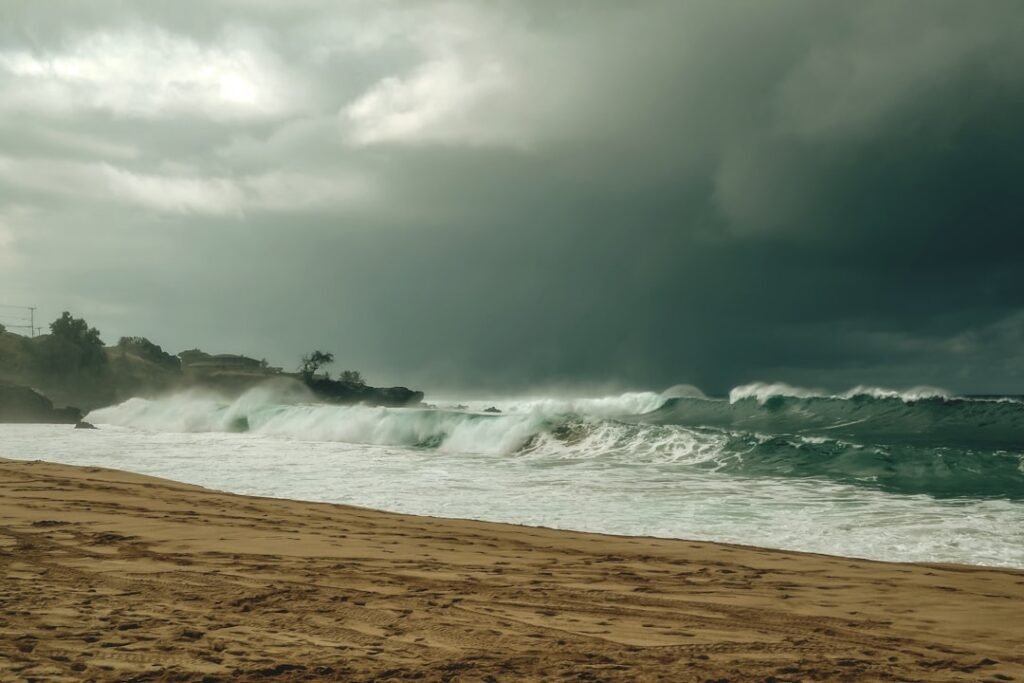
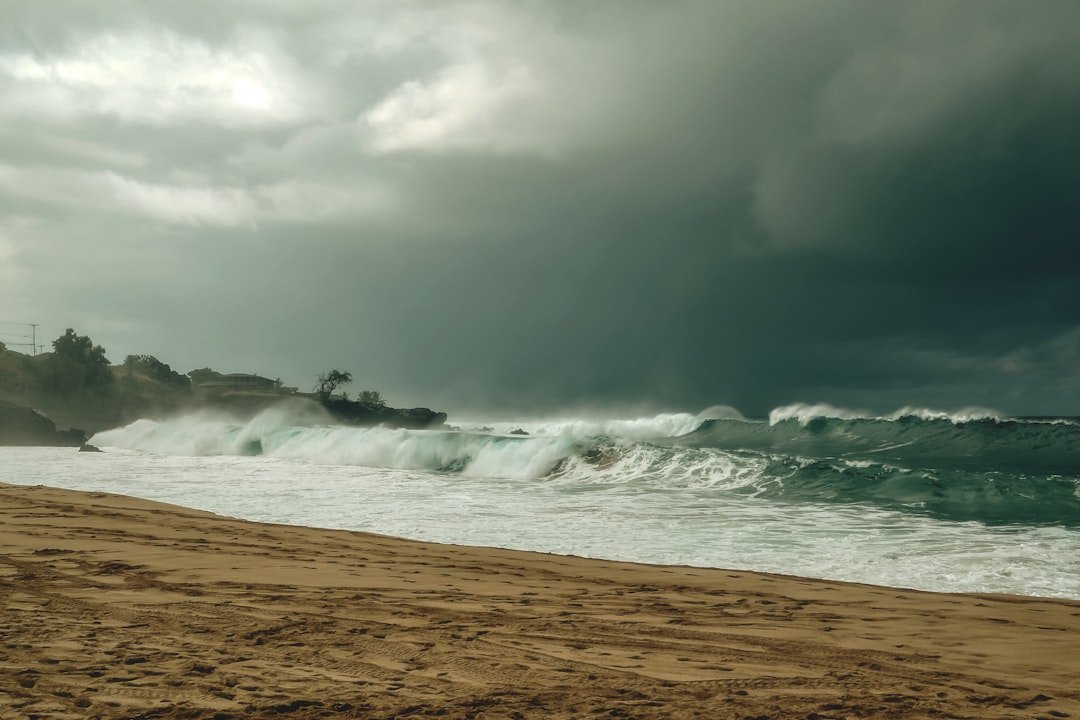
North Shore Evacuations End After Tense Standoff (Image Credits: Unsplash)
Oahu – Thousands of residents returned home on Saturday afternoon after officials lifted evacuation orders triggered by severe flooding. The Kona Low storm, which battered the island with record rainfall, shifted toward Maui, where authorities elevated alerts for vulnerable areas. With waters receding on Oahu but more rain forecast statewide, emergency teams emphasized caution amid ongoing risks.[1][2]
North Shore Evacuations End After Tense Standoff
More than 5,500 people on Oahu’s North Shore faced mandatory evacuations starting Friday morning as flash floods overwhelmed communities in Waialua and Haleiwa. The orders stemmed from threats to the Wahiawa Dam’s structural integrity and the risk of Farrington Highway failing, which could have stranded residents and blocked rescuers. Heavy rains, falling at rates of 1 to 3 inches per hour, swelled streams like the Anahulu River and Kaukonahua Stream, prompting swift action from Honolulu officials.[3]
Rescue teams pulled over 230 people from floodwaters statewide, including more than 200 from the hardest-hit North Shore zones. By 2:41 p.m. on March 21, conditions improved enough to lift all remaining orders, allowing evacuees to return. Shelters, such as those at Waialua High and Intermediate School, closed by evening, though Kaneohe District Park stayed open longer. Officials warned returnees to watch for debris, unstable structures, and contaminated floodwater.[2][4]
Cleanup Uncovers Widespread Destruction
Residents emerged Sunday to scenes of devastation, shoveling thick mud from homes and businesses while assessing irreplaceable losses. In Otake Camp, receding waters exposed a house swept into a bridge and cinder block walls toppled by the torrent. One family, the Luceros, discovered over a foot of water in their stilted home, ruining antiques and mementos from Jasmine Lucero’s late father, a military veteran.[4]
Honolulu Mayor Rick Blangiardi surveyed the damage from a helicopter and confirmed numerous homes had been destroyed, upending lives across the North Shore. Power outages lingered in some spots, and a boil-water advisory took effect from Mokuleia to Turtle Bay due to potential system contamination. Hawaiian Electric advised checking for water in electrical panels before restoring power, stressing that water and electricity do not mix. Cleanup crews worked tirelessly, but saturated ground raised fears of renewed flooding from even light additional rain.[3]
Maui Raises Defenses Against Approaching Deluge
As Oahu caught its breath, Maui Emergency Management Agency upgraded advisories to warnings for flood-prone zones including Iao Valley, parts of Kihei, and neighborhoods in Lahaina. Retention basins neared capacity, with crews pumping excess water to avert overflows along streams like the Waihee River and Ukumehame Gulch. Flash flood warnings extended through midnight on March 21, covering Kahului, Wailuku, Paia, and West Maui, where rain rates hit 1 to 3 inches per hour.[3][5]
Evacuation warnings urged preparation but stopped short of mandatory orders, targeting areas mauka of Honoapiilani Highway and below Ka Lai Ola in Lahaina. Shelters reopened at Baldwin High School in Wailuku and the Lahaina Civic Center, offering cots, food, and water. Officials differentiated levels clearly: advisories signal alertness, warnings potential threats to life and property, and orders imminent danger. A flood watch persisted through Sunday afternoon, heightening concerns in already saturated regions.[2]
Storm’s Reach Tests Hawaii’s Resilience
The Kona Low marked Hawaii’s worst flooding in over 20 years, with impacts rippling to Molokai, Lanai, and beyond. Flash flood warnings blanketed these islands, closing roads like Kamehameha V Highway on Molokai and flooding low-lying spots. Statewide, the National Weather Service forecasted scattered thunderstorms into the weekend before conditions eased Monday.[3]
Safety measures dominated updates:
- Avoid streams, rivers, and flooded roads, even if they appear shallow.
- Report downed power lines and hazards immediately.
- Boil water for drinking in affected Oahu zones until cleared.
- Prepare emergency kits with medications, pet supplies, and bedding for potential shelter use.
- Monitor alerts via apps like Genasys Protect or HNL Alerts.
Emergency leaders praised first responders’ efforts while cautioning that vulnerable areas remained primed for trouble.[2]
Key Takeaways
- Oahu’s evacuations lifted March 21, but cleanup reveals destroyed homes and ongoing advisories.
- Maui faces elevated warnings for Lahaina, Kihei, and Iao Valley due to full basins and heavy rain.
- Statewide flood watch ends Sunday; 233 rescues highlight the storm’s severity.
Hawaii’s island communities demonstrated remarkable grit through the storm’s pivot, but the threat lingers as rain bands persist. Officials called this a reminder of nature’s power in paradise. What impacts have you seen from the Kona Low? Share in the comments below.