If you could hear the Earth breathe, it might sound a lot like your own lungs: slow, rhythmic, and full of pauses that only make sense when you zoom out. We like to think our lives are fast and modern and totally separate from rocks and mountains, but that’s an illusion; we’re wired into the same deep rhythms that shape continents and carve valleys. Our bodies, our moods, even our routines echo patterns the planet has followed for billions of years.
I remember standing on a cliff once, looking at layers of rock stacked like a history book, and suddenly realizing: this isn’t just geology, it’s autobiography. Not just Earth’s, but ours too. The same way we go through seasons, setbacks, and renewal, the planet cycles through upheaval and calm, erosion and rebuilding. Once you see that parallel, it’s hard to unsee – it’s like discovering that the pulse in your wrist is tuned to something far bigger.
The Planet’s Pulse: Seasons and Our Emotional Tides
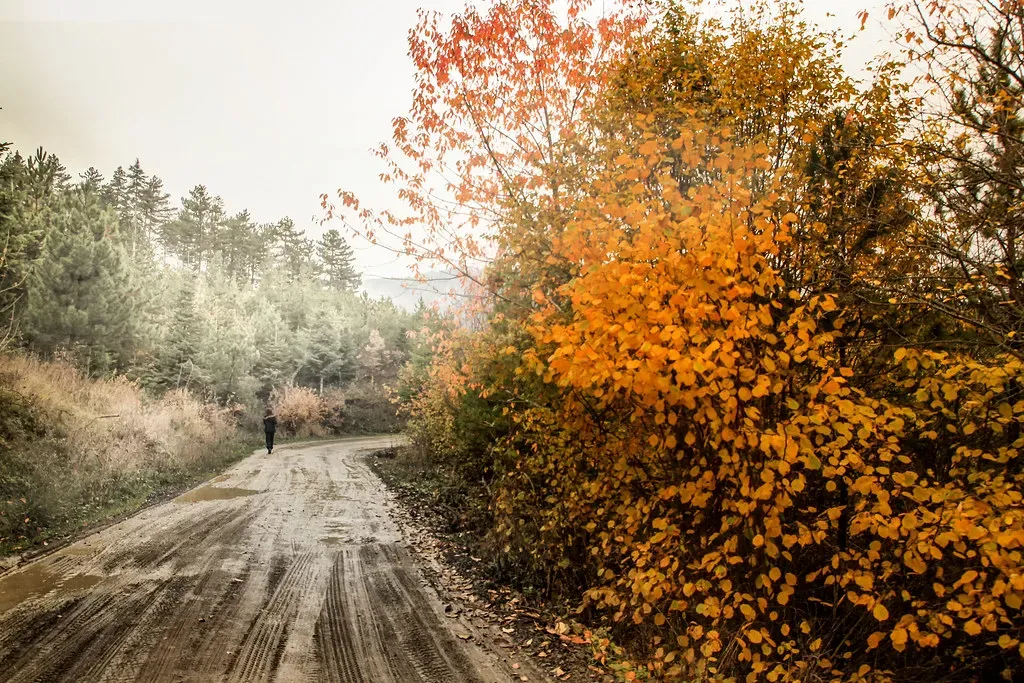
Have you ever noticed how your mood seems to shift with the seasons, even if you don’t want it to? The Earth tilts, sunlight changes, temperatures rise and fall, and our bodies quietly respond to this cosmic choreography. Longer days often bring more energy and optimism, while the shortened light of winter can make everything feel heavier and slower, almost like we’re moving through emotional molasses.
On a planetary level, seasons are the Earth’s regular inhale and exhale: plants burst to life, oceans exchange gases with the atmosphere, and weather systems shuffle energy around the globe. In a similar way, we have emotional seasons – periods of expansion and periods of retreat, times we’re social and loud and times we’re quiet and reflective. The mistake is believing that only the “summer” states are valuable. Just as winter is vital for resetting ecosystems, our low-energy phases are often when deep healing, reflection, and unseen growth actually happen.
Mountain Building and Personal Growth: Slow, Messy, and Worth It
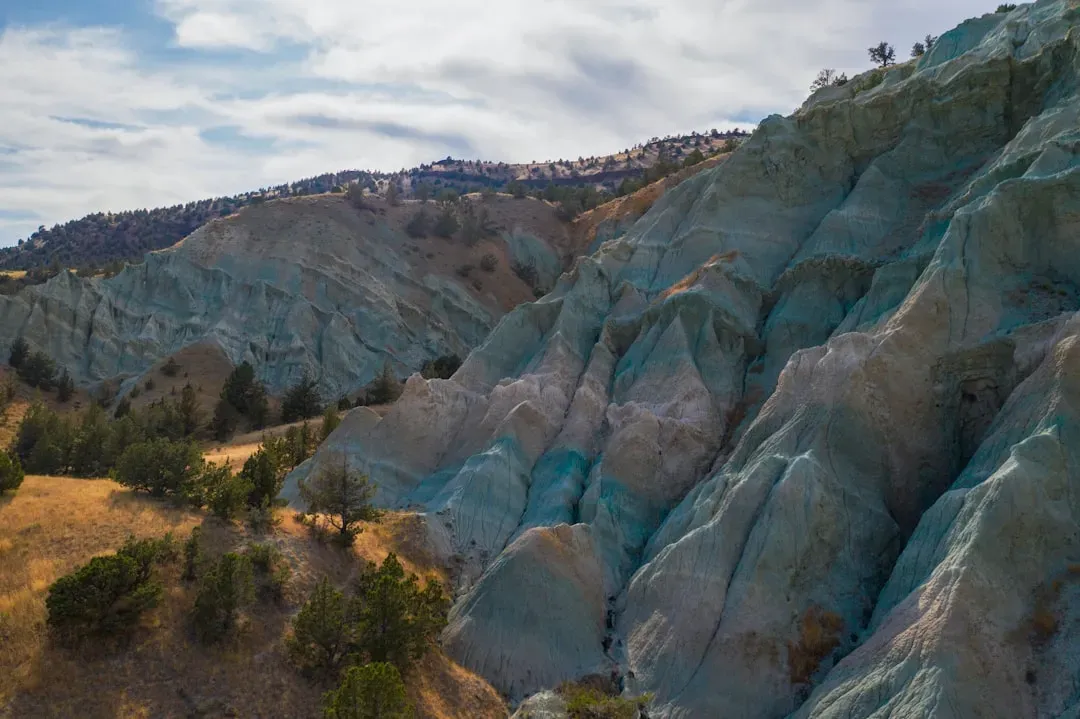
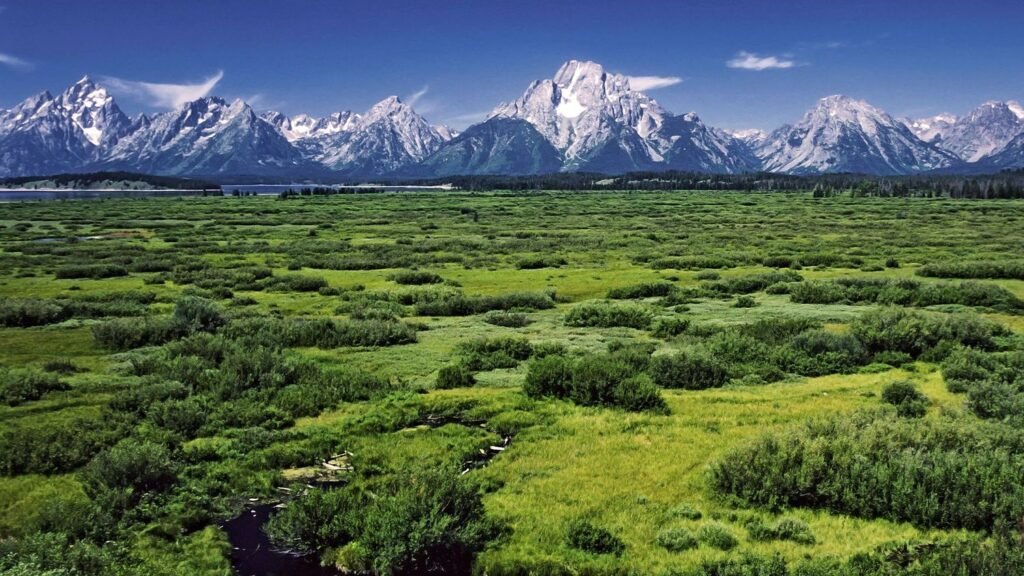
Mountains feel eternal, but they’re really the result of violent, grinding collisions over absurdly long stretches of time. Tectonic plates crash together, rocks get folded and shoved skyward, and what eventually looks like a calm, majestic peak was once chaos and pressure and unimaginable force. Nothing about that process is smooth or quick; it’s slow, stubborn, and often invisible from day to day.
Personal growth works the same way, no matter how many “overnight success” stories we’re fed. Behind every big transformation is a long, sometimes painful period of pressure: difficult conversations, failures, uncertainty, and the uncomfortable work of changing habits. We like the finished “mountain” version of ourselves – the confident, capable, resilient person – but we often resist the collisions it takes to get there. The Earth quietly reminds us that the tallest peaks are born from the hardest pushes, and that slow progress is still progress, even when we can’t see it yet.
Erosion and Letting Go: When Losing Is Actually Healing
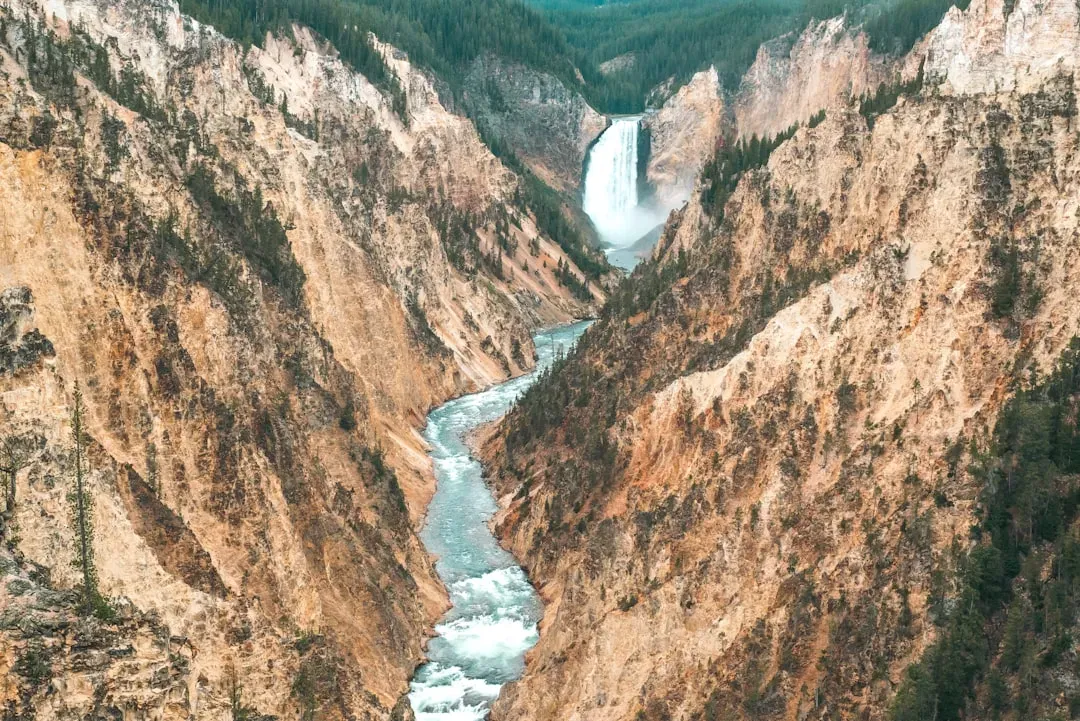
Erosion sounds negative at first, like the land is being stolen away grain by grain, but in reality it’s one of the most important healing tools the planet has. Rivers grind down jagged rocks into smooth pebbles, cliffs crumble and become fertile soil, and old landforms give way so new landscapes can emerge. The sharp, harsh edges don’t disappear overnight; they’re worn down patiently, almost lovingly, by wind, water, and time.
In our lives, letting go can feel like erosion. Relationships that once felt solid break apart, old identities wear thin, and the stories we’ve told ourselves for years finally crack. It can feel like we’re losing pieces of who we are, when in truth those pieces are just being re-shaped into something softer, more generous, and more usable. Just like the Earth turns broken rock into rich valleys, our losses can become the ground on which new parts of our life finally take root.
Earthquakes and Life’s Sudden Shocks
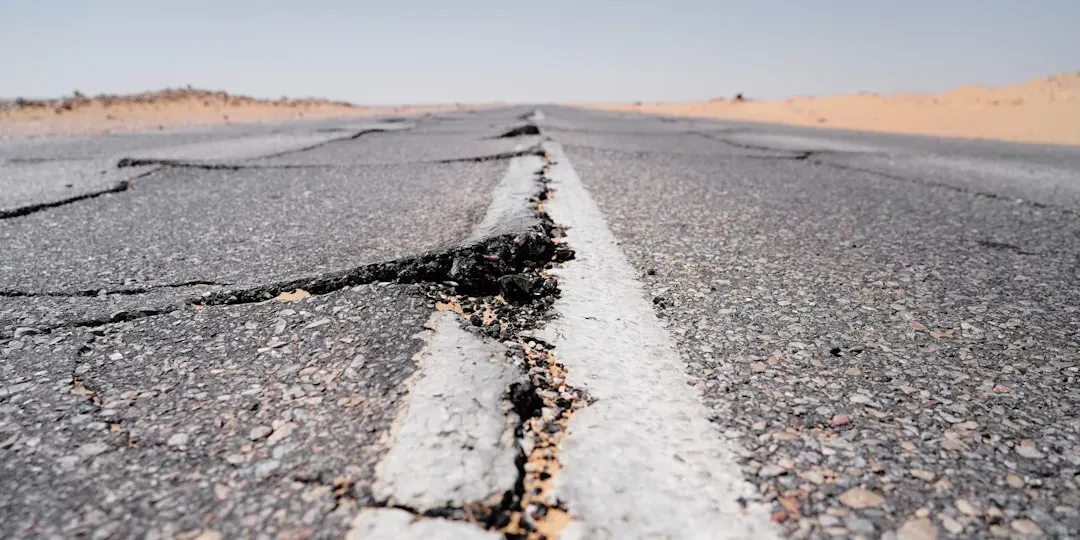
Most of the time, tectonic plates move slowly – so slowly that we barely notice. Then, every now and then, they slip abruptly and an earthquake hits, rearranging landscapes in a few terrifying seconds. What looked completely solid and stable suddenly cracks, shifting buildings, roads, and lives. The energy was there all along; it just released in a dramatic burst instead of a gentle slide.
We experience our own emotional earthquakes: job losses, breakups, illnesses, sudden revelations that split our life into “before” and “after.” Often, those moments feel random or cruel, but like tectonic stress, they’ve usually been building for a while – ignored problems, avoided truths, or growing misalignments that finally demand attention. While earthquakes are destructive, they also reset fault lines and relieve pressure; our personal crises can do something similar, forcing us to rebuild with more honesty and alignment than before.
Rock Cycles and Identity: We’re Always Being Recreated
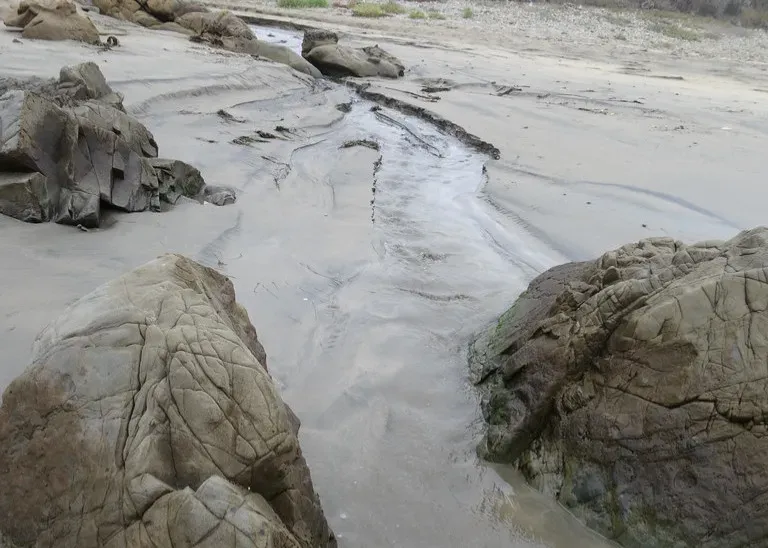
The rock cycle is one of Earth’s most patient magic tricks. Solid rock melts into magma deep underground, then cools into new formations, which later get broken down into sediment, compacted, and turned into yet another kind of rock. Over and over, the same basic material is recycled into different shapes and structures, constantly reinventing itself without ever truly disappearing.
Our identities follow a similar pattern, even though we pretend they’re fixed. Who you were at ten, twenty, or forty is not who you are now, and that’s not a failure – it’s the point. Experiences heat us up, break us down, scatter our assumptions, and then compress us into new versions of ourselves. We might cling to old labels or roles, but like rocks trying to stay the same in the middle of a volcano, resistance just makes the process more painful. The rock cycle quietly proves that changing form is not losing yourself; it’s how you stay alive to your own story.
Carbon Cycles and the Breath We Share
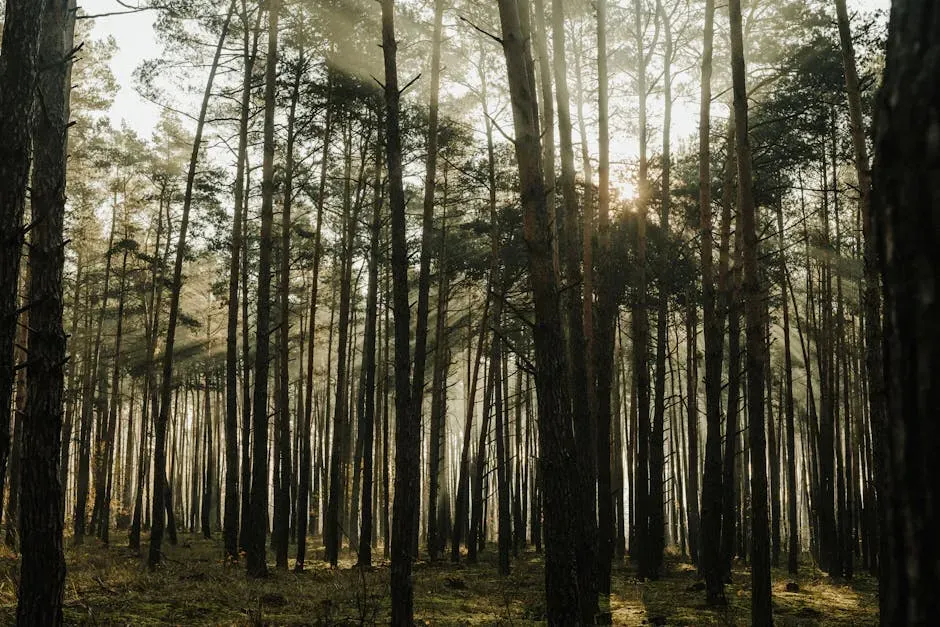
The carbon cycle is the Earth’s respiratory system. Carbon dioxide moves between the atmosphere, oceans, plants, soils, and rocks in a slow but steady dance that makes life possible. Plants draw in carbon, animals exhale it, oceans absorb and release it, and over long stretches, even rocks lock it away. When this cycle is balanced, the planet stays within a temperature range that supports complex life.
Our own breathing is a tiny mirror of that global exchange. With every inhale and exhale, we’re participating in the same carbon story that forests, plankton, and ancient limestone are part of. In the last two centuries, humans have disrupted that balance by burning fossil fuels and clearing forests, releasing huge amounts of stored carbon in a very short time, and the climate impacts are all around us. Realizing that our breath and the planet’s “breath” are connected turns climate change from an abstract issue into something intimate: how we live, consume, move, and vote is literally shaping the air future generations will inhale.
Geological Time and Our Fear of Slowing Down
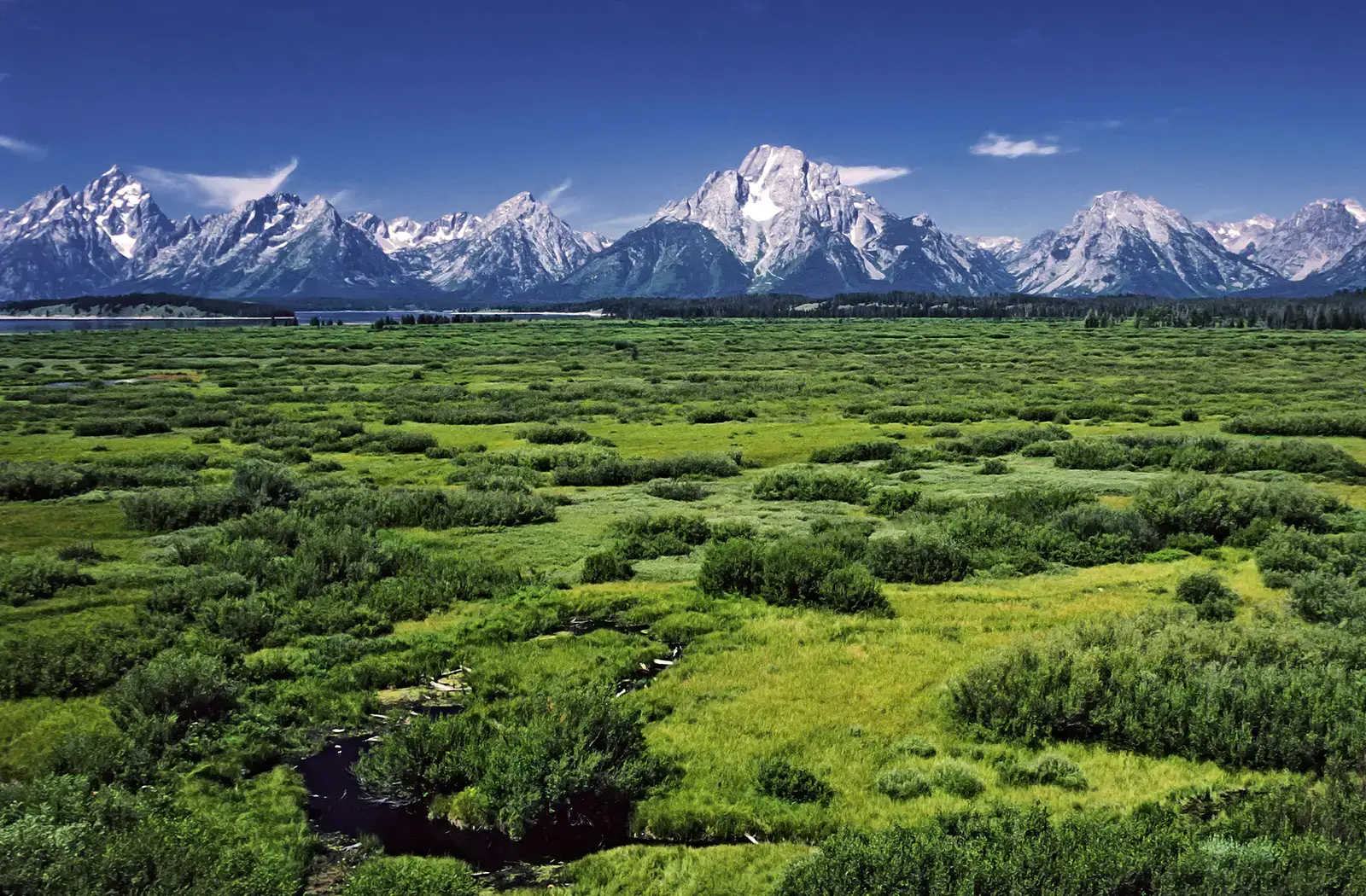
Geologists think in timescales that make our daily rush look a bit absurd: millions of years here, hundreds of millions there, whole mountain ranges rising and vanishing before the clock even breaks a sweat. The Earth isn’t lazy; it’s deliberate. It moves at the pace required for real transformation, even if that pace feels unbearably slow to creatures who measure success by weeks or fiscal quarters.
We, on the other hand, often panic if something takes longer than a few months: learning a skill, healing from heartbreak, changing careers, rebuilding after burnout. But when you remember that valleys and coastlines and coral reefs took ages to become what they are, it becomes slightly easier to forgive yourself for not having everything figured out yet. There’s a kind of relief in aligning with geological time for a moment, in accepting that deep, meaningful change is allowed to be gradual. If the Earth can take its time to become itself, maybe we’re allowed that same grace too.
In the end, noticing is less about poetry and more about permission. The planet shows us that chaos can lead to structure, loss can lead to richness, and slowness can be its own form of power. When you feel behind, broken, or stuck, it might be worth asking: am I failing, or am I just in the middle of a longer cycle than I expected?