
Every cell in your body is carrying a time capsule. Hidden inside your DNA is a record of long-forgotten migrations, ancient encounters, disasters survived, and near-misses that could have ended our story before it really began. When scientists read those genetic breadcrumbs today, they’re not just studying molecules – they’re reconstructing a planet-sized road trip that started hundreds of thousands of years ago and never truly stopped.
What makes this story so wild is how ordinary it feels on the surface. You wake up, make coffee, check your phone – meanwhile, your genes are quietly whispering about deserts crossed, ice ages endured, and distant cousins you share with people on the other side of the world. Once you start to see humanity through that lens, borders feel thinner, history feels closer, and the idea of “us” and “them” starts to break down in a surprising, powerful way.
The African Origin: Where Our Genetic Story Begins
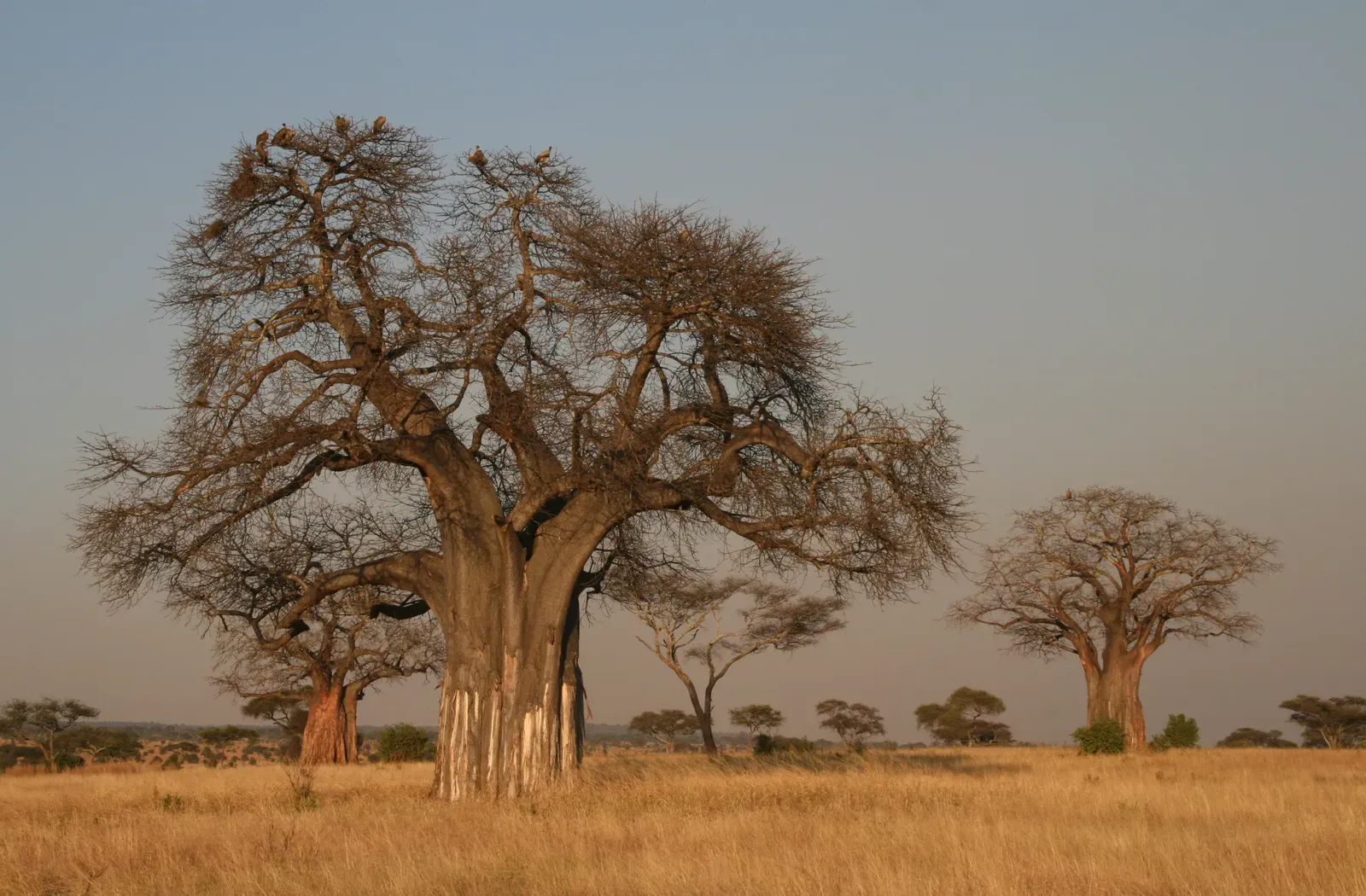
Imagine trying to trace your family tree and discovering it doesn’t just go back a few hundred years, but hundreds of thousands. Our DNA points strongly to a common origin in Africa, where anatomically modern humans first appeared. Genetic variation is highest among African populations today, which fits a simple idea: the place that’s had humans the longest has had more time to accumulate small changes in DNA.
One detail that still hits me emotionally is that every person alive shares distant ancestors from those early African groups. When you strip away language, culture, politics, underneath all that we’re branches of the same ancient tree. I sometimes think of it like an old baobab with massive roots in Africa, and every continent today is just another limb reaching out. Different climates, different histories, but the same original trunk, quietly holding us together.
Out of Africa: Following the First Great Migrations
Sometime roughly between sixty and forty thousand years ago, small bands of humans began leaving Africa, and our DNA still carries the fingerprints of that decision. These weren’t armies or empires; they were small groups walking along coastlines, following rivers, and probably chasing food and favorable weather. In our genes, scientists can see how some branches of humanity split and moved into the Middle East, then fanned out into Europe, Asia, and eventually beyond.
What surprises many people is just how tiny those groups may have been. Our global population today grew from what was, at some points, a surprisingly small number of founders. To me, that makes the world feel strangely intimate. When I look at a map, I can almost picture a handful of people standing at the edge of a shoreline long ago, not knowing they were about to populate entire continents, while leaving a faint trail in the DNA we still carry.
Neanderthals, Denisovans, and the Ghosts in Our Genes
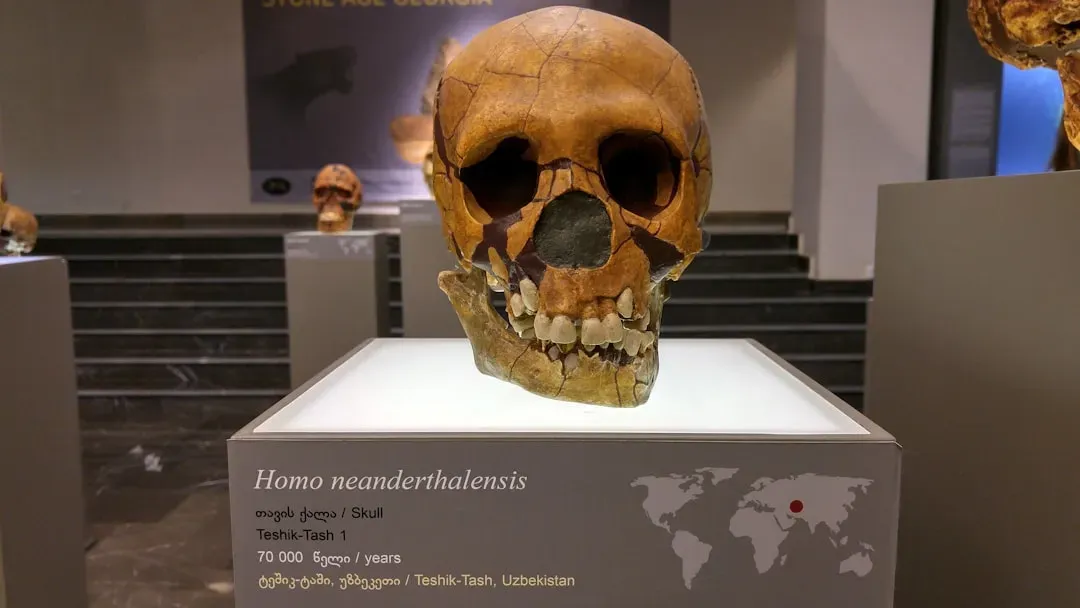
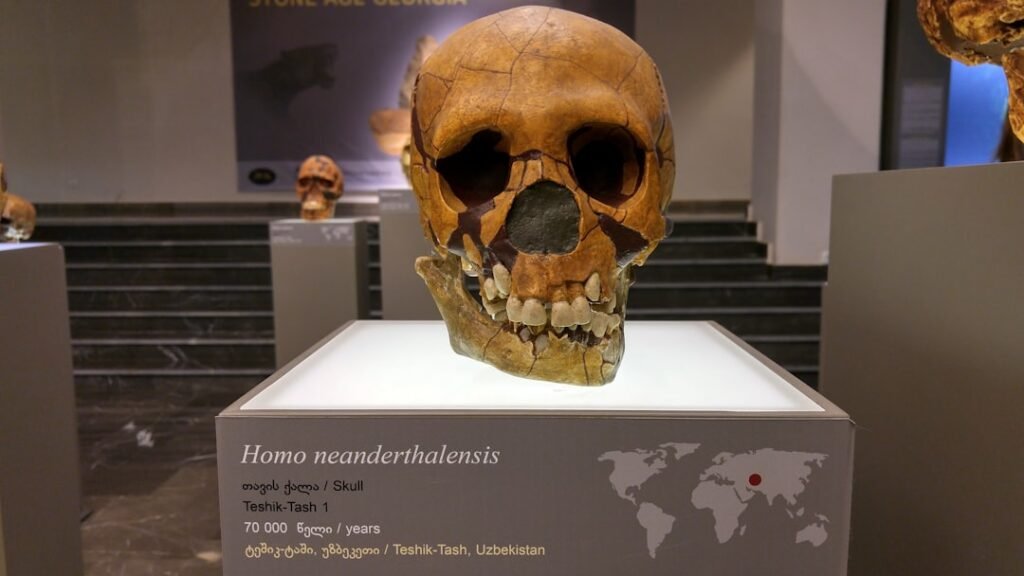
For a long time, the story was told like a simple replacement: modern humans emerged, spread out, and “replaced” other human groups like Neanderthals. Then genetic testing flipped the script. Many people today, especially those with ancestry from Europe or Asia, carry small amounts of Neanderthal DNA, and some populations in Oceania carry noticeable traces of Denisovan DNA. That means our ancestors didn’t just replace these groups; they met them, lived with them, and had children together.
This changes how we think about “us” and “them” in the ancient world. Instead of clean lines and clear categories, the genetic story looks more like a watercolor painting where the colors blend at the edges. Even more intriguing, some of this inherited DNA seems to have helped us adapt to new environments, influencing things like immune responses or how our bodies handle high altitudes. In a way, parts of those other humans live on in us, turning the idea of being “purely” anything into a myth that never really matched our shared biological reality.
Bottlenecks, Disasters, and the Times We Almost Vanished
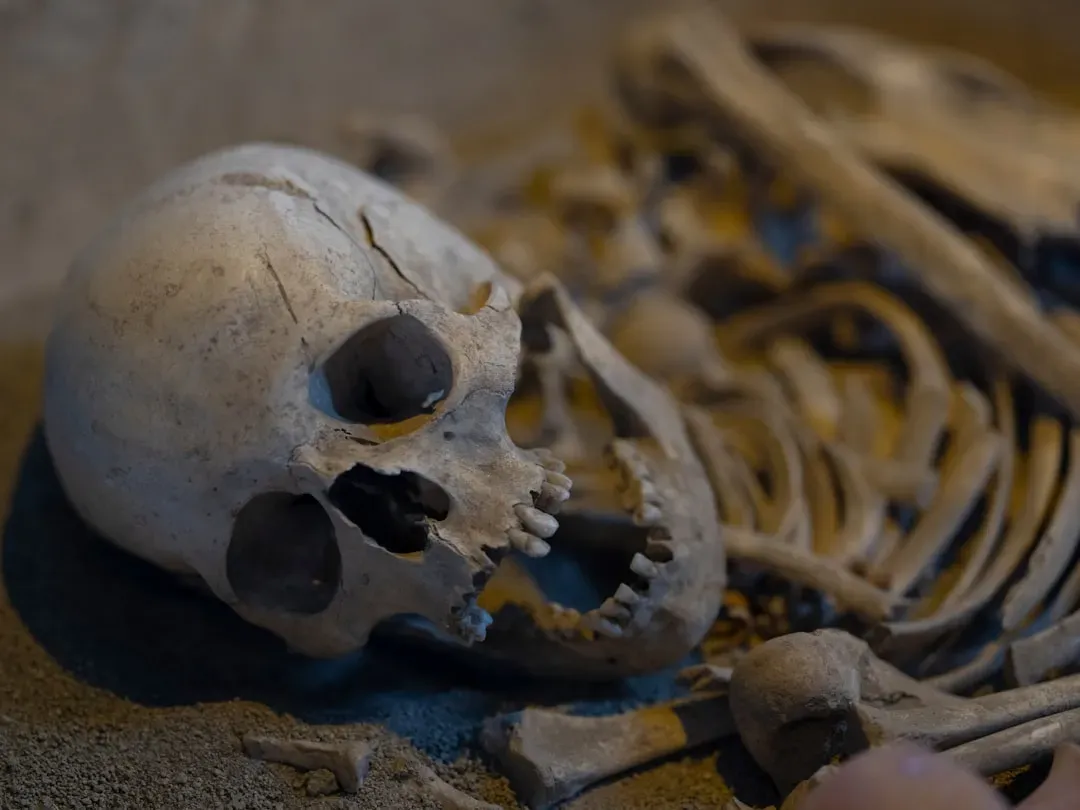
Our DNA doesn’t just record where we traveled; it also hints at how close we came to not making it at all. When genetic diversity suddenly narrows in the record, it suggests that our ancestors went through “bottlenecks,” times when the human population became very small. Some scientists think events like volcanic eruptions, harsh climate shifts, or long droughts may have nearly wiped us out, leaving only a relatively small number of survivors to carry our story forward.
It’s strange to realize that your entire existence might depend on a few hundred or a few thousand ancient people managing to scrape by somewhere harsh and unforgiving. When I hear modern talk about human dominance, I remember that our history includes moments where we were anything but secure. That fragility is written into our genes and makes our current global sprawl feel less like an inevitability and more like a lucky break that could easily have gone another way.
Crossing Oceans and Ice: DNA Clues from the Far Edges of the Map
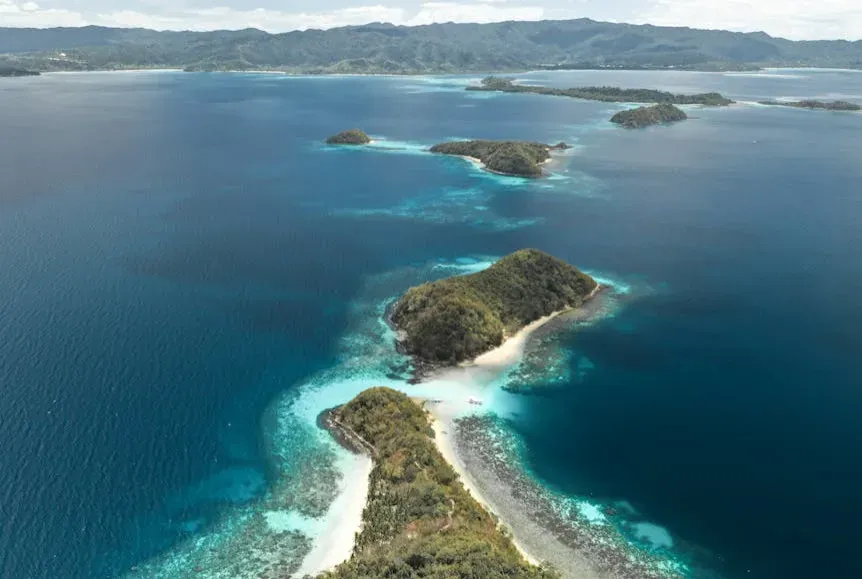
The peopling of places like the Americas and remote Pacific islands reads almost like a dare. Genetic studies suggest that the ancestors of Indigenous peoples in the Americas moved from Siberia into the Americas, likely by way of northern routes that were once more connected by land or ice. Their DNA forms distinctive branches on the human family tree, reflecting long isolation and adaptation to new landscapes, from frozen tundra to tropical forests.
In the Pacific, DNA helps reconstruct epic voyages over open ocean, long before compasses or maps. When researchers compare the genes of people living on different islands today, they can see patterns of movement that match what archaeologists find in tools and pottery. To me, that combination of paddling across huge stretches of water and leaving faint genetic breadcrumbs behind is one of the most quietly astonishing things humans have ever done. It’s like the planet was a blank canvas, and our ancestors just kept saying, “Let’s see what’s over there.”
Hidden Mixtures: How Modern Populations Reflect a Tangled Past
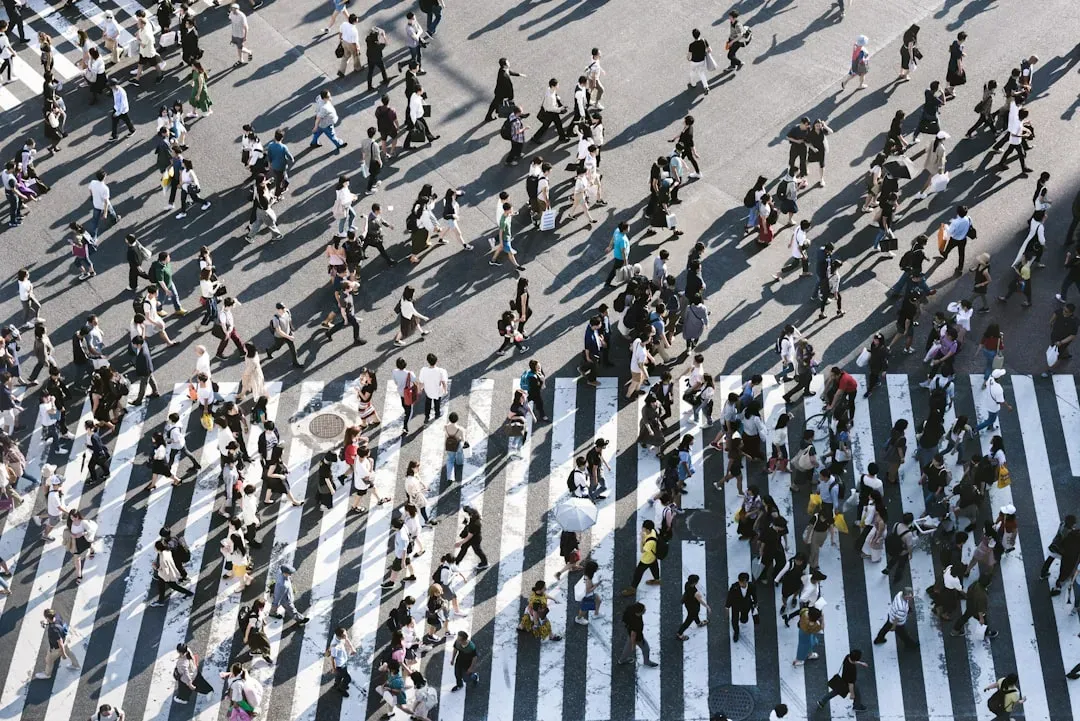
Many people take DNA ancestry tests hoping to see clear, tidy percentages that confirm a simple identity, but the science often tells a messier, more interesting story. Most populations around the world are products of repeated mixing – trade routes, invasions, migrations, marriages, and quiet, everyday movement over thousands of years. Genetic studies keep revealing unexpected links, like shared ancestry between peoples who live far apart today but once crossed paths in older eras.
What I find both humbling and liberating is that no one’s genes map perfectly onto modern political borders or fixed labels. Our DNA doesn’t care about flags or passports; it traces older, slower currents of movement and connection. In a world that often pushes people to explain who they are in one or two words, the genetic reality is closer to a patchwork quilt stitched from many times and places. Instead of undermining identity, that complexity can make it richer and more honest.
The Future of Our Genetic Map: Ethics, AI, and What Comes Next
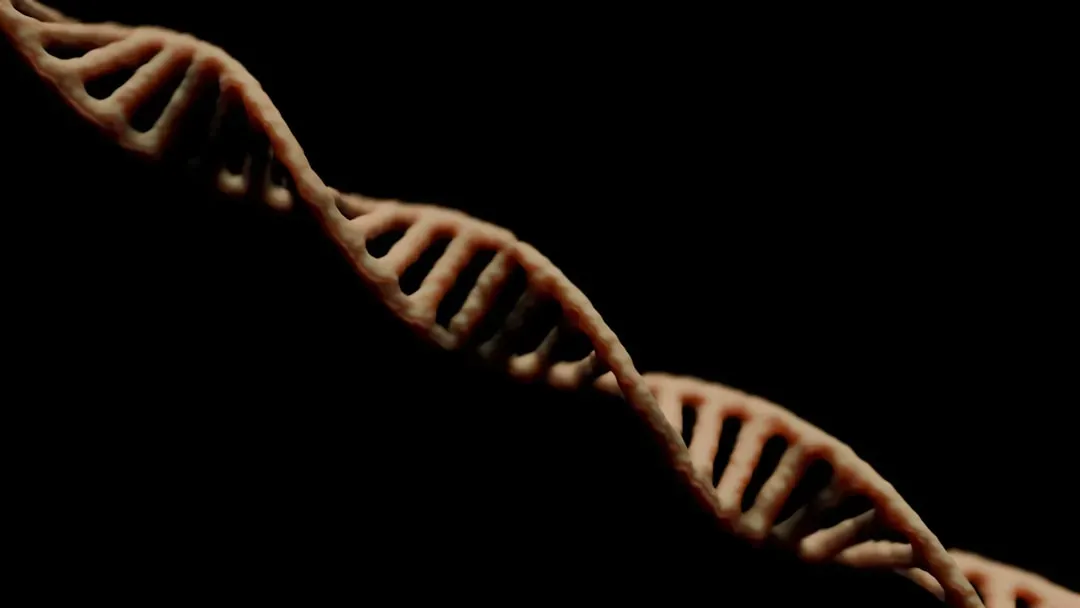
The tools used to read our ancient journey are getting sharper every year. Scientists are sequencing older and more fragile DNA from fossils, using artificial intelligence to detect patterns, and combining genetic data with climate models and archaeology. That means our picture of how humans moved and mixed is constantly being updated, sometimes overturning theories that seemed solid just a decade ago. The story in our DNA isn’t frozen; it’s being reinterpreted as we learn more.
At the same time, there’s a serious ethical side to all this. Genetic data is deeply personal and carries the histories of entire communities, especially Indigenous and marginalized groups who’ve often been studied without real consent or benefit. As we keep tracing humanity’s journey, there’s a growing push to do it with more respect, transparency, and collaboration. The past lives in our cells, but what we decide to do with that knowledge now will shape how future generations understand who they are and where they came from.
Conclusion: One Long Journey, Many Paths
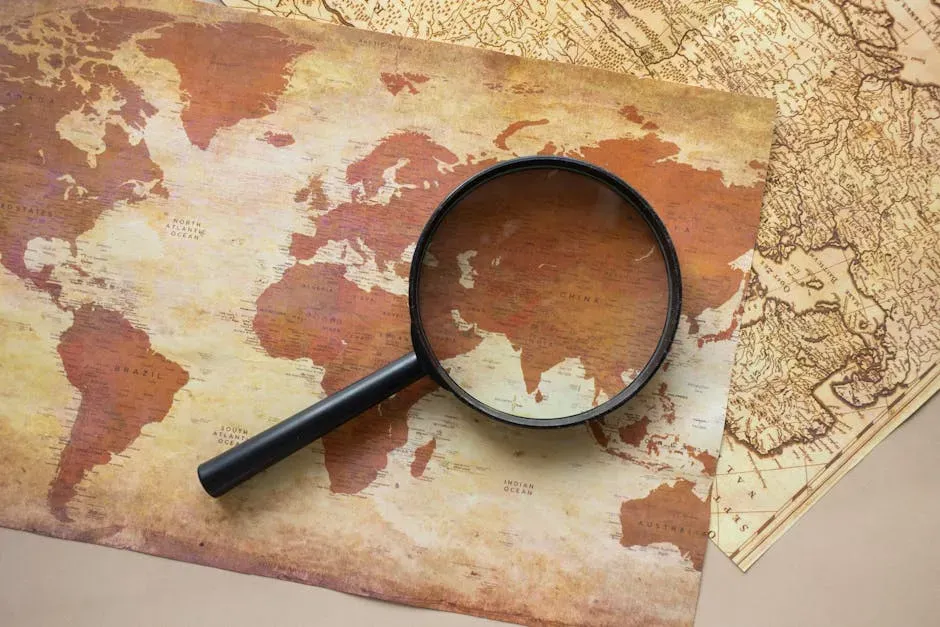
When you zoom out, the story written in our DNA is both incredibly grand and surprisingly intimate. It stretches from early humans in Africa to people stepping onto tiny islands in the middle of the ocean, from chance meetings with Neanderthals to quiet families surviving hard winters that almost erased us. Yet it all funnels down into ordinary lives today: you sitting here reading this, carrying an ancient record in every cell without ever having asked for it.
That record doesn’t divide us as neatly as we sometimes like to pretend; it keeps reminding us how often our paths have crossed, intertwined, and doubled back. The next time you see a world map, it might be worth imagining the invisible threads of shared ancestry and migration silently crisscrossing it, binding people and places in ways we’re only just beginning to understand. Knowing that your own DNA is one small chapter of that sprawling, unfinished saga, what part of the journey do you find yourself wondering about most?
Jan loves Wildlife and Animals and is one of the founders of Animals Around The Globe. He holds an MSc in Finance & Economics and is a passionate PADI Open Water Diver. His favorite animals are Mountain Gorillas, Tigers, and Great White Sharks. He lived in South Africa, Germany, the USA, Ireland, Italy, China, and Australia. Before AATG, Jan worked for Google, Axel Springer, BMW and others.