If you think superheroes only exist in comics and movies, wait until you hear what real animals can do. Out in the wild, creatures are bending physics, rewriting biology, and casually surviving situations that would wipe us out in seconds. Some regrow entire body parts, others turn into living antifreeze, and a few can basically pause death like it’s a weekend nap.
What always strikes me is how these adaptations aren’t flashy tricks designed to impress us; they’re desperate, brilliant answers to hard problems: staying alive, finding food, avoiding becoming food. The more you look at them, the more you see a kind of rough, ruthless creativity in nature. Let’s dive into ten of the strangest, most jaw-dropping animal upgrades evolution has ever rolled out.
Tardigrades: The Almost Unkillable Micro-Animals
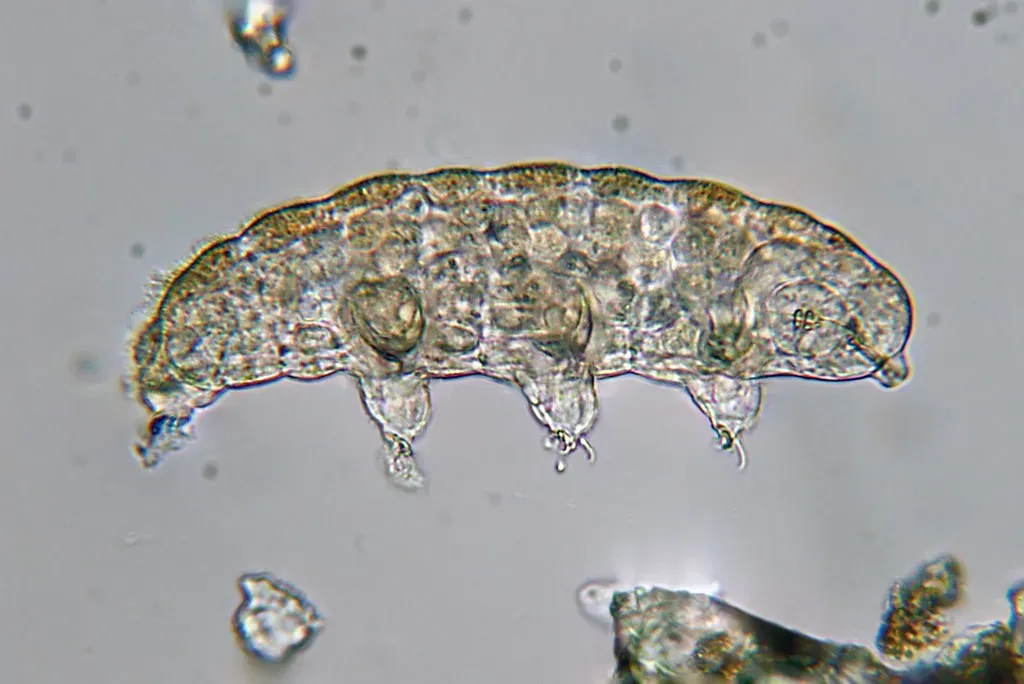
Tardigrades, often called water bears, look cute under a microscope, but their abilities are downright unsettling. These tiny creatures can survive extreme radiation, crushing pressure in the deep ocean, and even the vacuum of space. When conditions turn deadly, they enter a survival mode called a “tun” state, shriveling up, drying out, and slowing their metabolism to something close to zero.
In this state, tardigrades can stay dormant for years, then “come back to life” when water returns, as if someone hit an internal restart button. Scientists have found that they protect their DNA with special proteins, basically wrapping their genetic material in biological bubble wrap. To me, tardigrades feel like nature’s backup plan: if almost everything else goes down, these tiny survivors are still there, quietly waiting.
Axolotls: The Masters of Regeneration
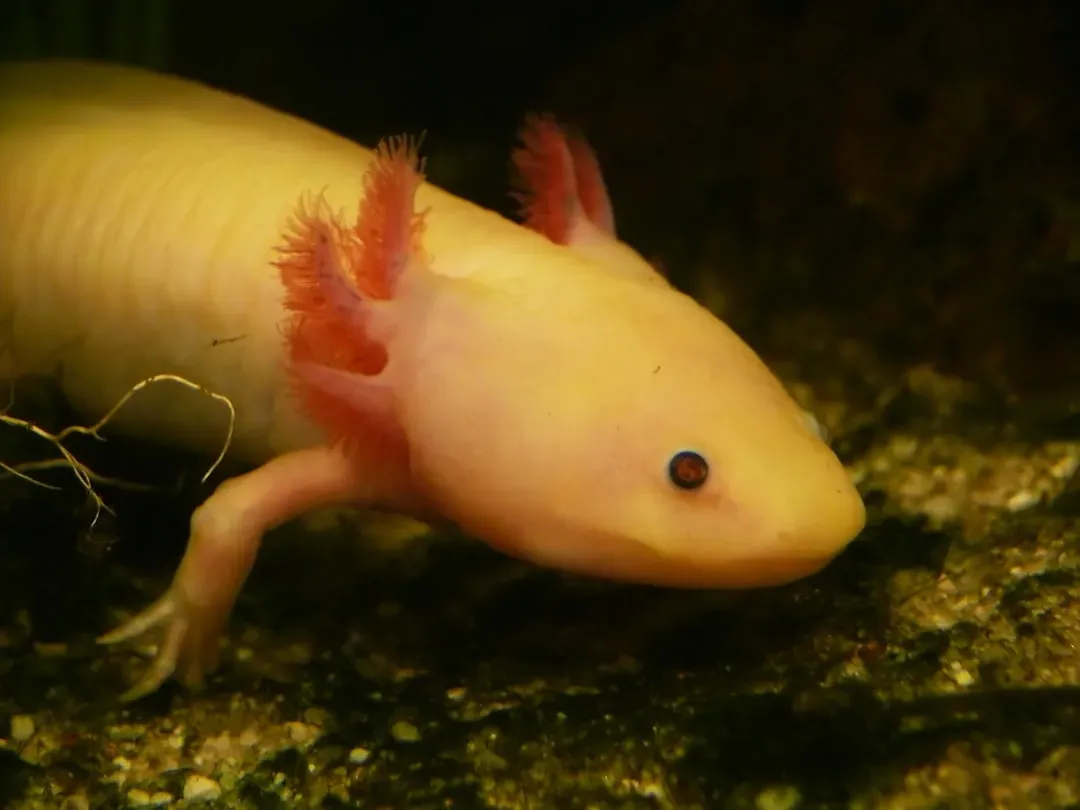
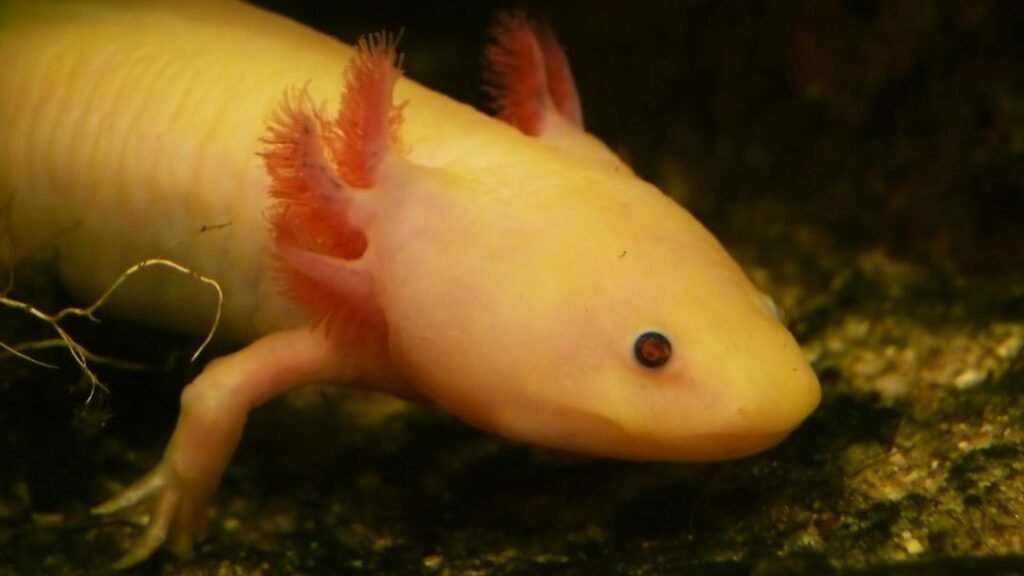
Axolotls, those permanently smiling salamanders from Mexico, have a talent that sounds almost mythical: they can regrow entire limbs, parts of their spinal cord, pieces of their heart, and even parts of their brain. If an axolotl loses a leg, it doesn’t scar over like we would; instead, a special cluster of cells forms at the injury site and starts rebuilding the missing structure, almost like hitting undo on an injury. Even more wild, they do this over and over without the usual cancer risk that comes with rapid cell growth.
Researchers are obsessed with axolotls because they offer a living blueprint for regeneration that our bodies only hint at in small ways. The hope is that understanding their cellular “instructions” could one day help humans repair damaged tissue more effectively. Every time I read about them, I can’t shake the thought that axolotls are casually walking around with a power medicine has been chasing for decades.
Mantis Shrimp: Eyes That Put Science Fiction to Shame
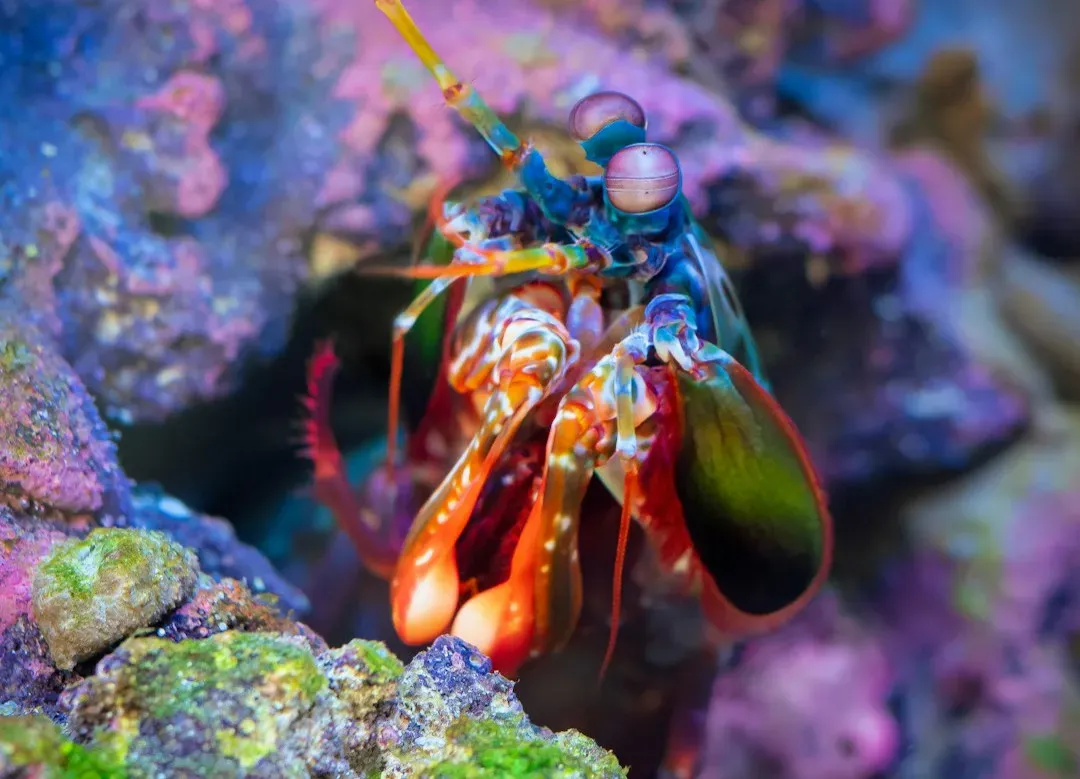
The mantis shrimp might be the most visually gifted animal on Earth, to the point where our own eyesight feels embarrassingly basic by comparison. Humans have three types of color receptors in our eyes; mantis shrimp have up to sixteen, including ones tuned to ultraviolet and polarized light. That means they can see patterns and contrasts completely invisible to us, a hidden visual language woven into the ocean around them.
Their eyes are also mounted on stalks and move independently, scanning their world with a weird, robotic precision. This super-vision helps them strike prey with terrifying accuracy using their ultra-fast, club-like appendages. I like to imagine the mantis shrimp’s world as a neon, layered reality that we’re simply not built to perceive, like walking through a city where most of the signs are written in a color we can’t see.
Archerfish: Sharpshooters That Hunt With Water Bullets
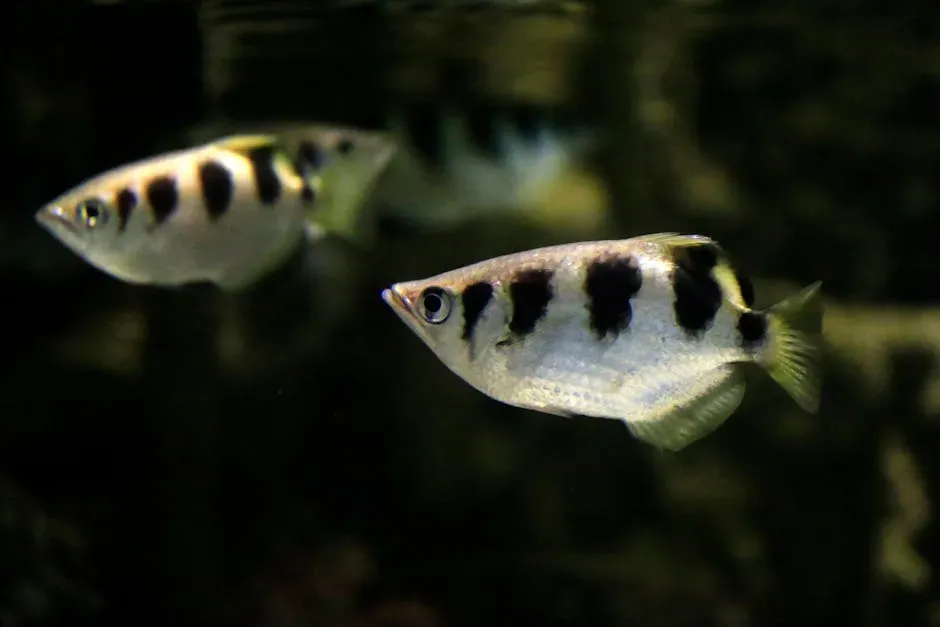
Archerfish have turned spitting into a high-precision hunting strategy. They feed on insects and small critters that rest on branches above the water, but instead of leaping out, they shoot them down. By snapping their gill covers and tongue in just the right way, they create a focused jet of water that hits their target like a tiny, liquid projectile.
What’s even more astonishing is how they compensate for the way light bends at the water’s surface. They somehow “know” how to adjust the angle of their shot so the water jet lands exactly where the insect really is, not where it appears to be. Experiments suggest they learn and refine this skill, almost like practice at a shooting range. It’s one of those moments where a fish suddenly looks less like a simple creature and more like a patient, calculating hunter.
Wood Frogs: Animals That Freeze Themselves Alive
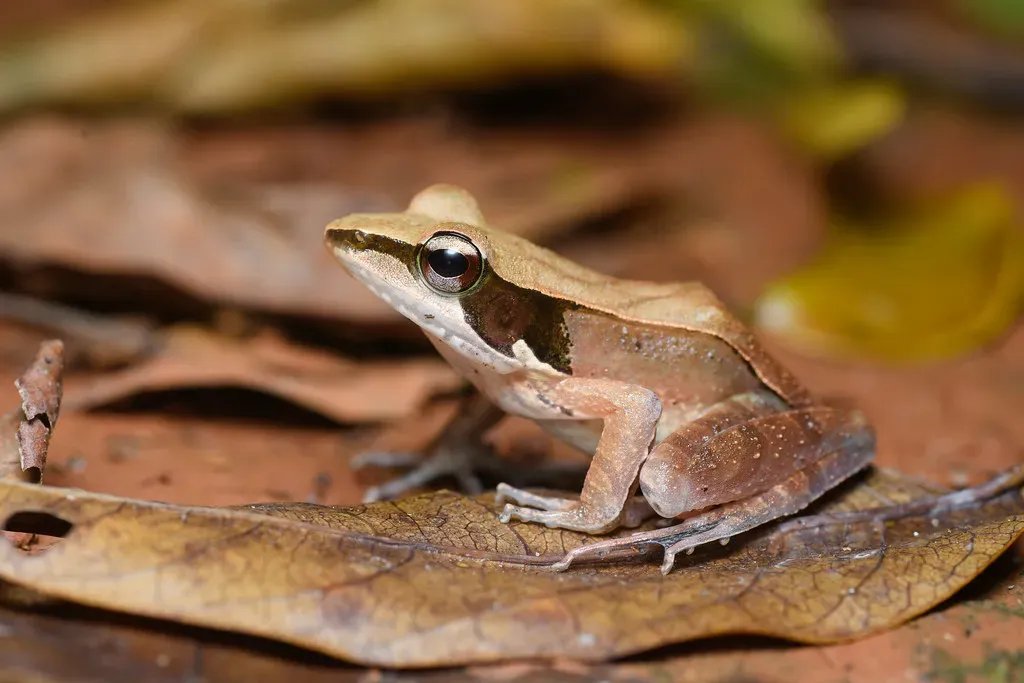
In the forests of North America, wood frogs pull off a winter trick that sounds like a horror story turned survival manual. When temperatures plunge, they actually freeze solid: their heart stops beating, their blood stops flowing, and ice forms around their organs. Instead of dying, they rely on natural antifreeze – mainly glucose and other compounds – that floods their cells and prevents them from bursting.
For months, they stay like this, half-buried in leaf litter, stiff as a rock and seemingly lifeless. When spring warmth returns, they thaw, their heart starts beating again, and they hop off as if they just woke from a nap instead of a frozen coma. I remember the first time I saw a video of this; it felt like watching a resurrection scene, except it was just normal life for them. It’s hard not to see the medical possibilities hiding inside that frog’s quiet superpower.
Pistol Shrimp: Creatures That Shoot Sonic Bubbles
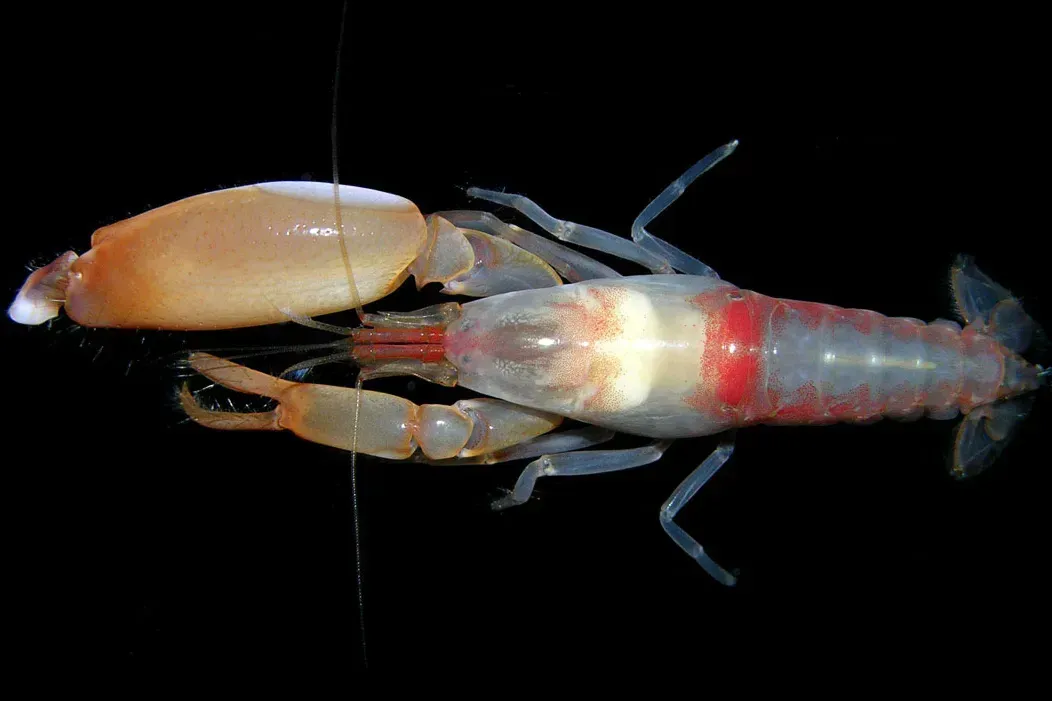
The pistol shrimp looks harmless, but one of its claws is basically a living stun gun. When it snaps this enlarged claw shut, it shoots out a superfast jet of water that forms a cavitation bubble. As this bubble collapses, it creates a tiny shockwave and a burst of heat that, for a brief moment, can reach temperatures comparable to the surface of the sun, though on a microscopic scale.
The result is a powerful underwater “crack” that can stun or even kill small fish and other prey. The noise is so loud, in shrimp terms, that large groups of pistol shrimp can create enough background sound to interfere with sonar. I love that something this tiny wields physics like a weapon, turning water, pressure, and speed into a kind of pocket-sized artillery.
Leaf-Tailed Geckos: The Disappearing Lizards
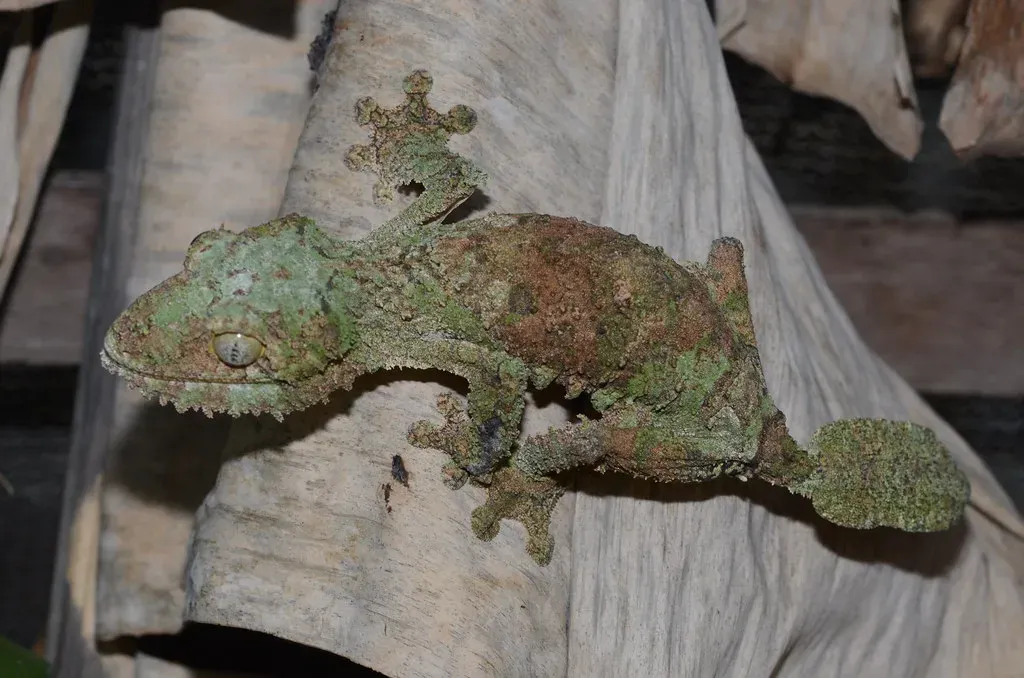
Leaf-tailed geckos from Madagascar have camouflage so convincing it borders on unsettling. Their bodies mimic dead leaves, complete with jagged edges, subtle color variations, and even markings that look like mold or bite holes. When they cling motionless to tree trunks or branches, they practically dissolve into the background, only giving themselves away if they blink or move.
They even flatten their bodies against surfaces to reduce their shadow, which is the kind of detail that feels almost too smart for a lizard. Predators scanning the forest for a meal often overlook them entirely, tricked by what looks like a pile of plant debris. Seeing photos of these geckos is like playing a visual hide-and-seek game where you’re almost always losing. It’s nature’s graphic design skills turned up to maximum stealth.
Naked Mole-Rats: Pain-Resistant, Cancer-Defying Underground Dwellers
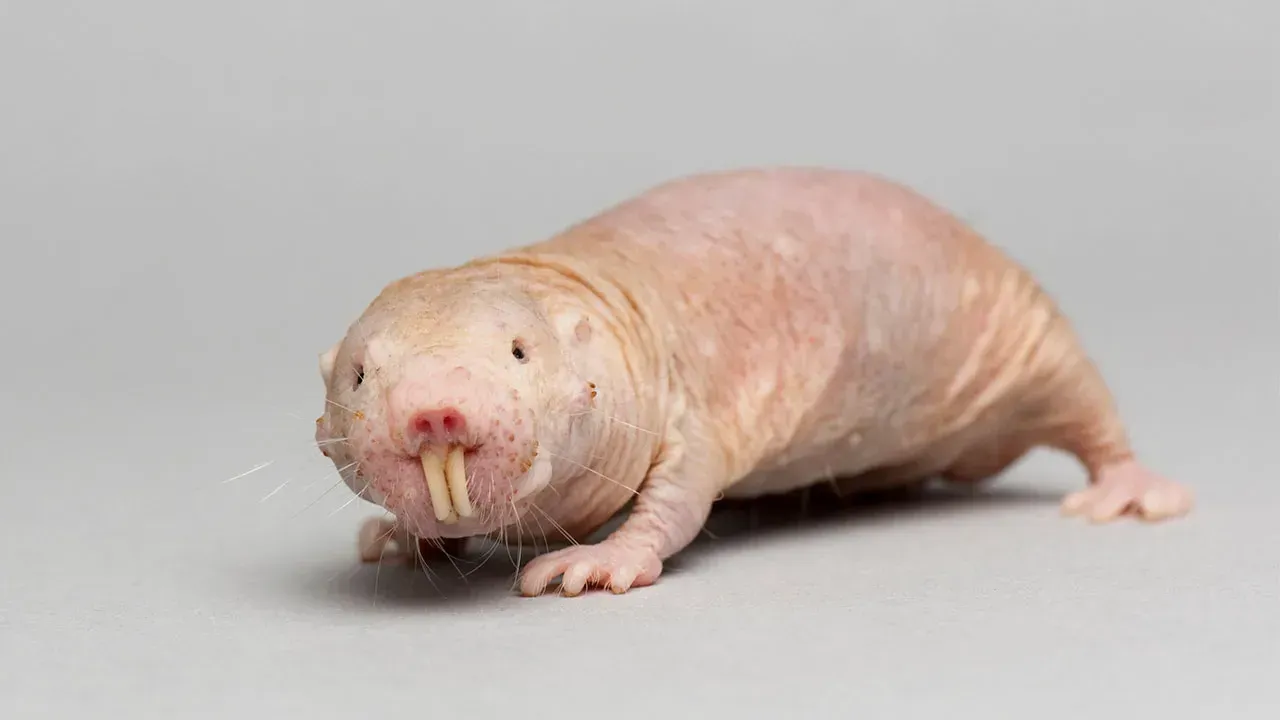
Naked mole-rats might be some of the strangest mammals alive, and not just because they look like wrinkled, pink sausages with teeth. They live almost entirely underground in large colonies, with a social structure more like ants or bees than typical mammals. What really stands out, though, is their biology: they barely feel certain kinds of pain, they tolerate very low oxygen levels, and they have an extraordinary resistance to cancer.
Scientists studying naked mole-rats have found that their cells produce unique substances and follow unusual rules that seem to suppress tumors and slow aging. They also live far longer than other rodents of similar size, sometimes reaching ages that would be the human equivalent of a person thriving past one hundred. To me, they’re like a weird, blunt reminder that evolution will happily break the “standard settings” of mammals if it helps a species survive its particular lifestyle.
Bombardier Beetles: Insects With Chemical Cannons
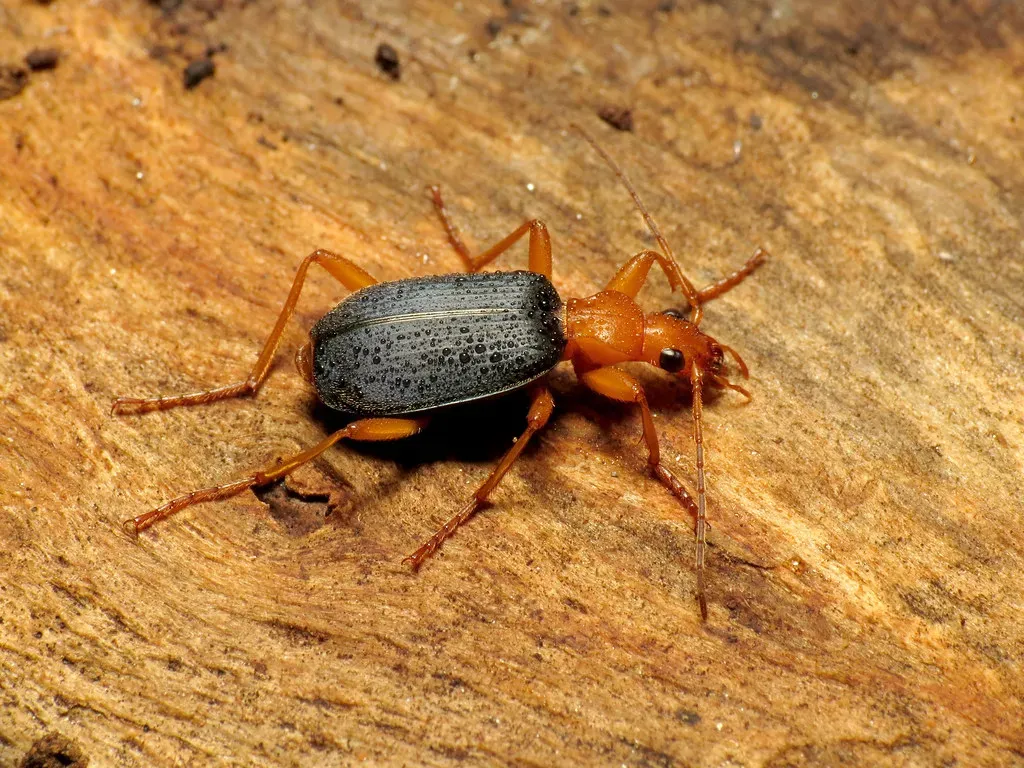
Bombardier beetles have turned their rear end into a miniature chemistry lab and defense system. When threatened, they mix two separate chemical compounds stored in different chambers inside their body. As these chemicals combine, they trigger a reaction that heats the mixture and creates a hot, noxious spray that the beetle blasts out with impressive accuracy.
This boiling, irritant cloud is enough to make many predators instantly reconsider their menu choices. The beetle can even aim the spray in different directions, like a tiny turret, making it hard for attackers to find a safe angle. I find it fascinating that something we might brush off as “just a bug” is carrying around a controlled, repeatable chemical reaction more sophisticated than many science fair projects.
Immortal Jellyfish: Creatures That Can Rewind Their Life Cycle
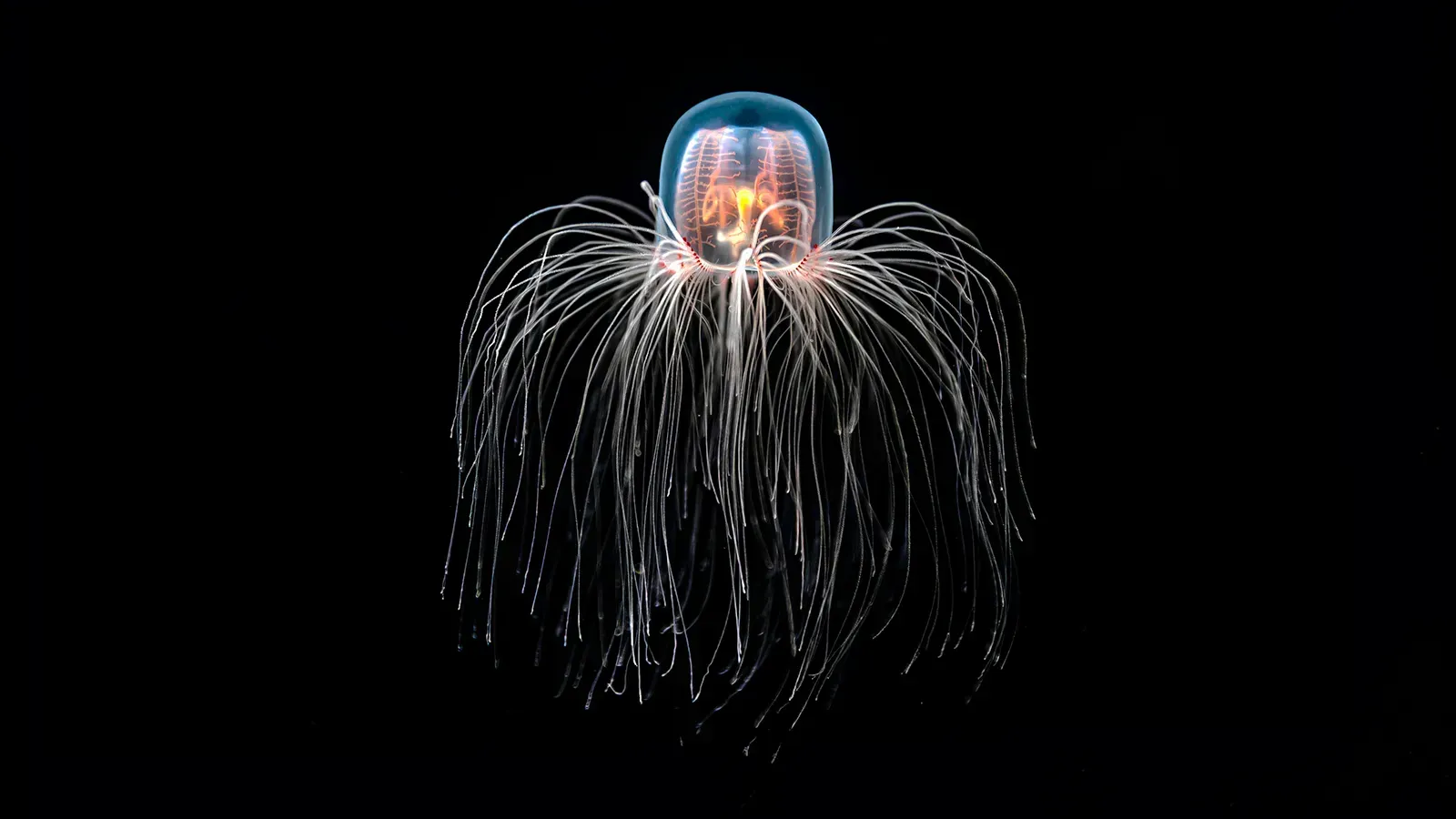
The so-called immortal jellyfish, Turritopsis dohrnii, has a life trick that seems to mock the entire idea of aging. When faced with severe stress, injury, or starvation, instead of dying, it can revert its mature body back into a younger, polyp-like stage. It’s as if a fully grown adult suddenly turned back into a child, cells and all, and started life over again.
This reversal process lets the jellyfish potentially cycle between youth and maturity multiple times, at least in theory, making true “old age” a fuzzy concept for them. In the wild, of course, they can still be killed by predators or disease, so they’re not invincible, just biologically flexible in a way that feels almost unfair. Every time I think about them, I wonder how many more hidden tricks life has worked out in the depths of the ocean that we still barely understand.
From camouflage that renders creatures nearly invisible to survival tactics that defy extreme environments, these remarkable adaptations reveal just how inventive life on Earth can be. Each example highlights the power of evolution to solve challenges in ways that often seem almost unbelievable, reminding us that nature is both a master engineer and an endless source of wonder. As we continue to study and protect these species, their extraordinary traits not only deepen our understanding of biology but also inspire a greater appreciation for the delicate balance that sustains life across the planet.