
There’s something unnerving about realizing entire civilizations once thrived, laughed, fought, loved, and dreamed, only to vanish so completely that we argue today about where they even were. These weren’t tiny village communities, either; they were complex societies with cities, laws, religions, and trade networks that stretched over mountains and oceans. Then, within a few generations, they were gone, leaving behind ruins, half-buried artifacts, and a lot of unanswered questions.
What scares me a little is how fragile greatness looks in hindsight. A drought here, an invasion there, one really bad century, and what once felt unstoppable becomes a riddle for archaeologists thousands of years later. As we walk through these ten vanished civilizations, you’ll see patterns: climate chaos, shifting trade routes, internal collapse, and sometimes mysteries that still refuse to be pinned down. It’s like looking at alternate endings for humanity, and it’s hard not to wonder where our own story is heading.
The Indus Valley Civilization: The Silent Cities of Harappa and Mohenjo-daro
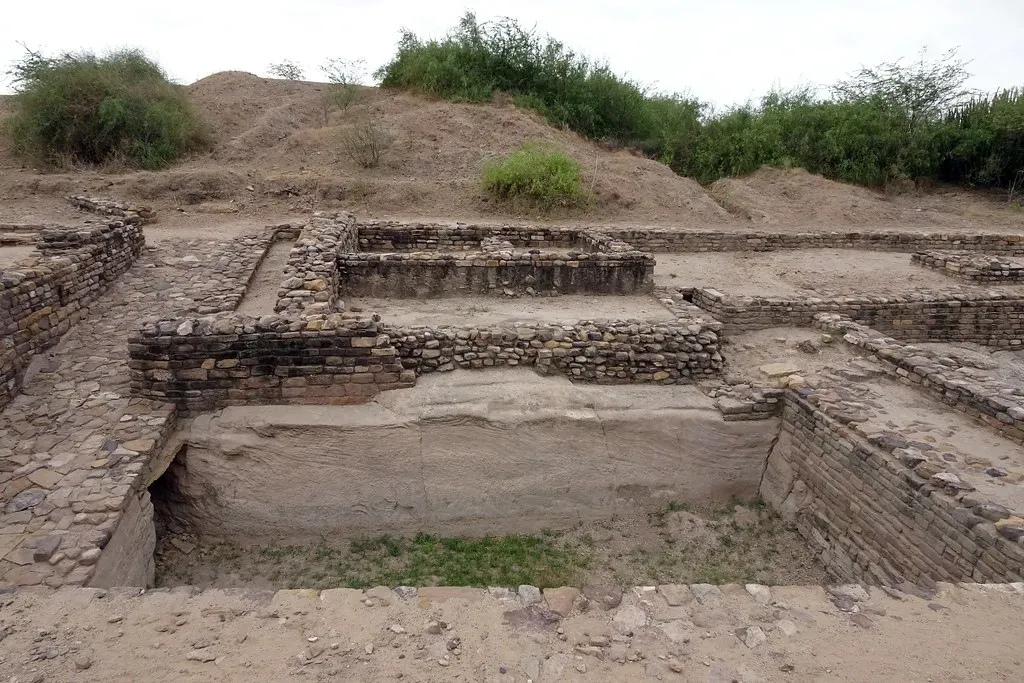
Imagine entire cities laid out with clean, straight streets, sewage systems better than some modern towns, and huge public baths, yet almost nothing in the way of royal palaces or giant temples. That’s the Indus Valley Civilization, centered in what is now Pakistan and northwest India, which flourished roughly between the early third and mid-second millennium BCE. Harappa and Mohenjo-daro were planned cities with brick houses, standardized weights, and evidence of organized trade with Mesopotamia across long distances.
And then, bit by bit, the cities emptied. There’s no clear evidence of massive war or a single cataclysmic event, just gradual decline: changing river courses, possible droughts, and shifts in trade routes that might have strangled their economy. Some researchers think environmental changes pushed people eastward toward the Ganges plain, fragmenting the once-unified culture into smaller regional communities. Their writing system, still undeciphered, is like a muted voice trapped in stone seals, which makes their disappearance feel even more haunting. A civilization sophisticated enough to design entire cities functioned like a quiet machine, and then simply faded into dust.
The Minoans: The Lost Masters of the Mediterranean
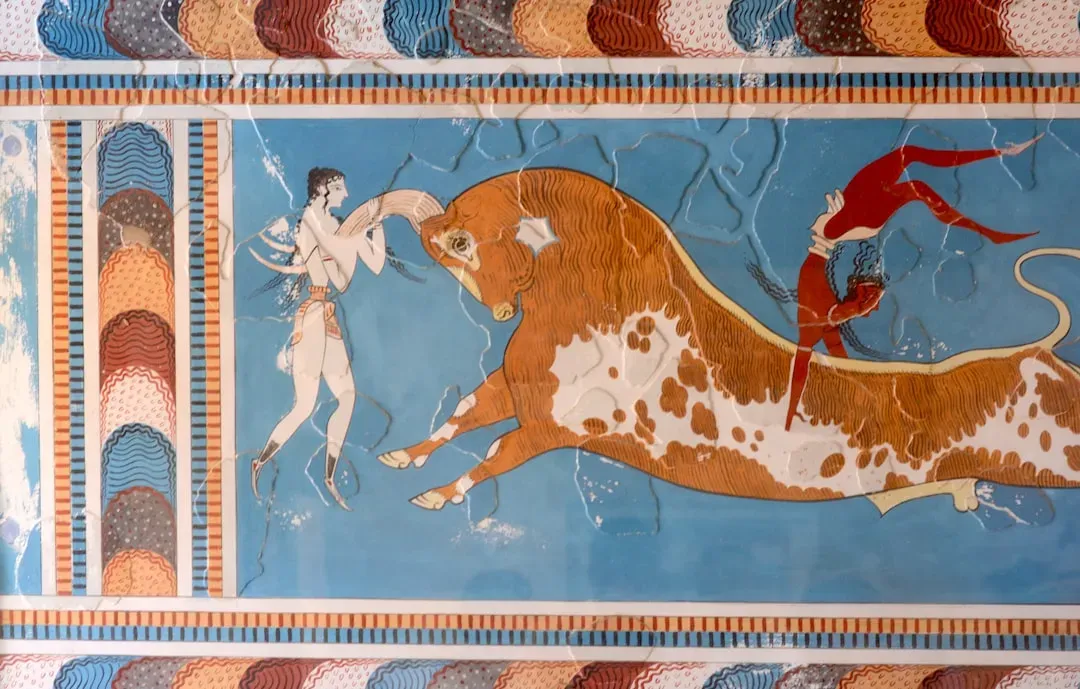
On the island of Crete, long before classical Greece, the Minoans built sprawling palaces like Knossos that almost feel like labyrinths come to life. Their art shows lively scenes of dancing, bull-leaping, and colorful seafaring life, with none of the endless war scenes you see in some other ancient cultures. They traded across the eastern Mediterranean, influencing places like mainland Greece and even parts of the Near East, and for a time they were arguably the naval superpower of their world.
But around the mid-second millennium BCE, the Minoan world began to unravel. A massive volcanic eruption on the nearby island of Thera (modern Santorini) devastated the region: ash, tsunamis, and long-term climate impacts probably hammered their farms and ports. Even if it didn’t wipe them out in one go, it likely weakened them enough that emerging Mycenaean Greeks eventually took over. What ended as a cultural takeover looks, from a distance, like a slow erasure: written records shift, artistic styles change, and the once-independent Minoan civilization dissolves into someone else’s story.
Nabatea: The Vanished Kingdom Behind Petra’s Rose-Red Walls
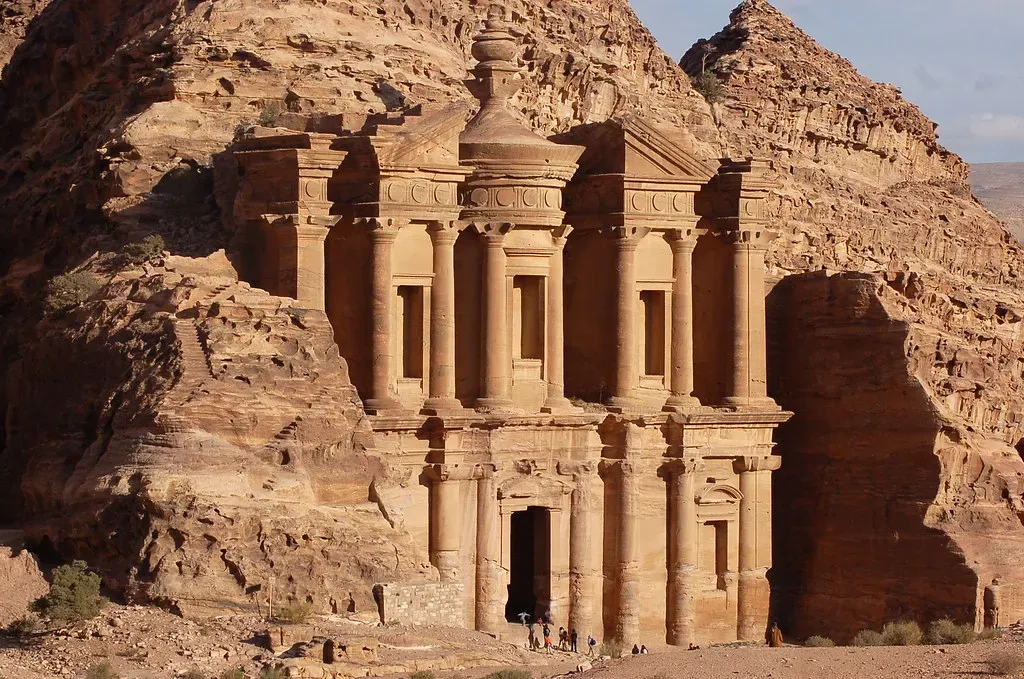
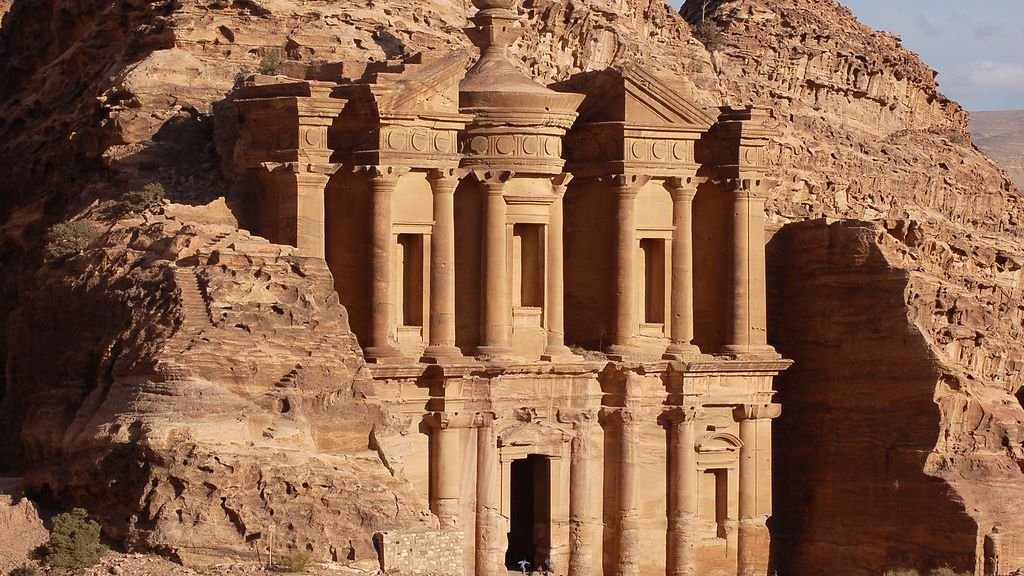
If you’ve seen photos of Petra’s rock-cut facades glowing red at sunset, you’ve seen the ghost of Nabatea. The Nabataeans were an Arab people who built a wealthy kingdom by controlling trade routes connecting Arabia, the Levant, and the Mediterranean, especially in the last centuries BCE and the first centuries CE. They carved entire tombs, temples, and monumental façades directly into the sandstone cliffs, turning their capital Petra into one of the most surreal cities ever created.
For a while, their strategy worked so well that they became indispensable middlemen for spices, incense, and luxury goods. But when the Romans annexed Nabatea in the second century CE and sea routes became more important than desert caravans, their power base quietly crumbled. Trade patterns shifted, Petra’s importance collapsed, and the Nabataeans were gradually absorbed into the wider Roman and later Byzantine worlds. Their language and culture blurred into others, leaving behind magnificent stone architectures but almost no living descendants who still call themselves Nabataean.
The Maya Collapse: When Great Cities Fell Silent
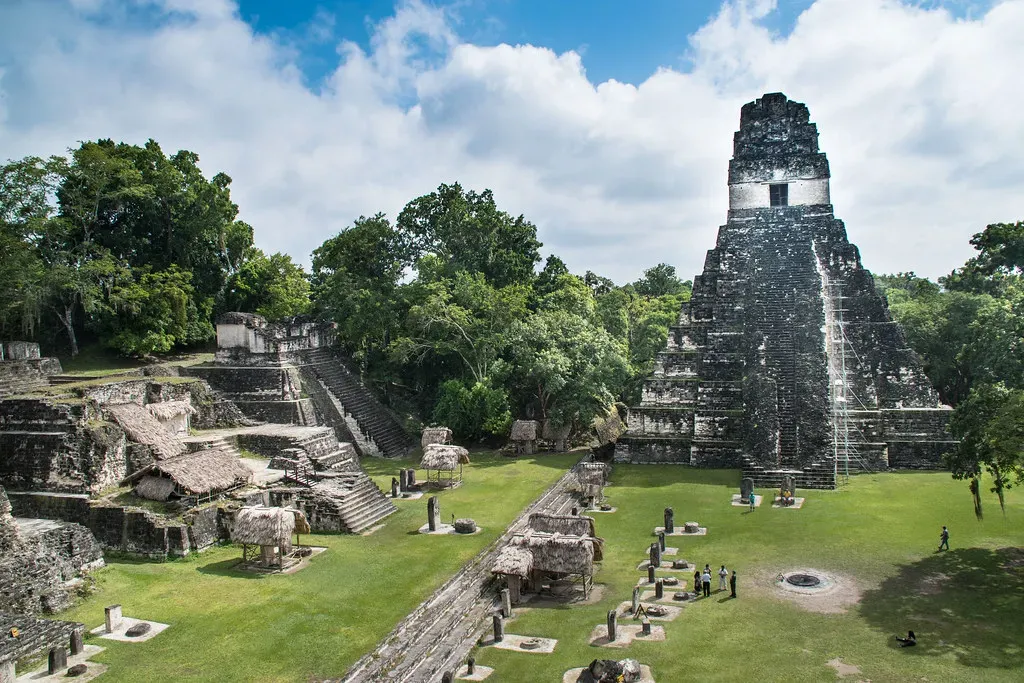
In the tropical forests of present-day Mexico, Guatemala, Belize, and Honduras, the Maya built tall stepped pyramids, elaborate observatories, and cities that rivaled anything on earth at the time. Their calendars were so precise that they tracked celestial movements with stunning accuracy, and their carved stelae and codices show kings, rituals, and a sophisticated writing system. During the so‑called Classic Period, their urban centers like Tikal, Palenque, and Copán were vibrant political and religious hubs.
Then, starting around the late eighth and ninth centuries CE, many of the great lowland cities were abandoned over the span of a few generations. Evidence suggests a brutal cocktail of prolonged drought, overused farmland, political infighting, and warfare that drained resources and shattered stability. People didn’t vanish biologically – the descendants of the Maya still live across the region today – but the monumental city-based civilization collapsed and never returned to its former scale. Walking through those jungle-covered plazas now, with trees growing out of old staircases, you get the eerie sense of a culture that pushed its environment and its politics just a bit too far.
The Ancestral Puebloans: The Cliff Dwellers of Mesa Verde and Chaco
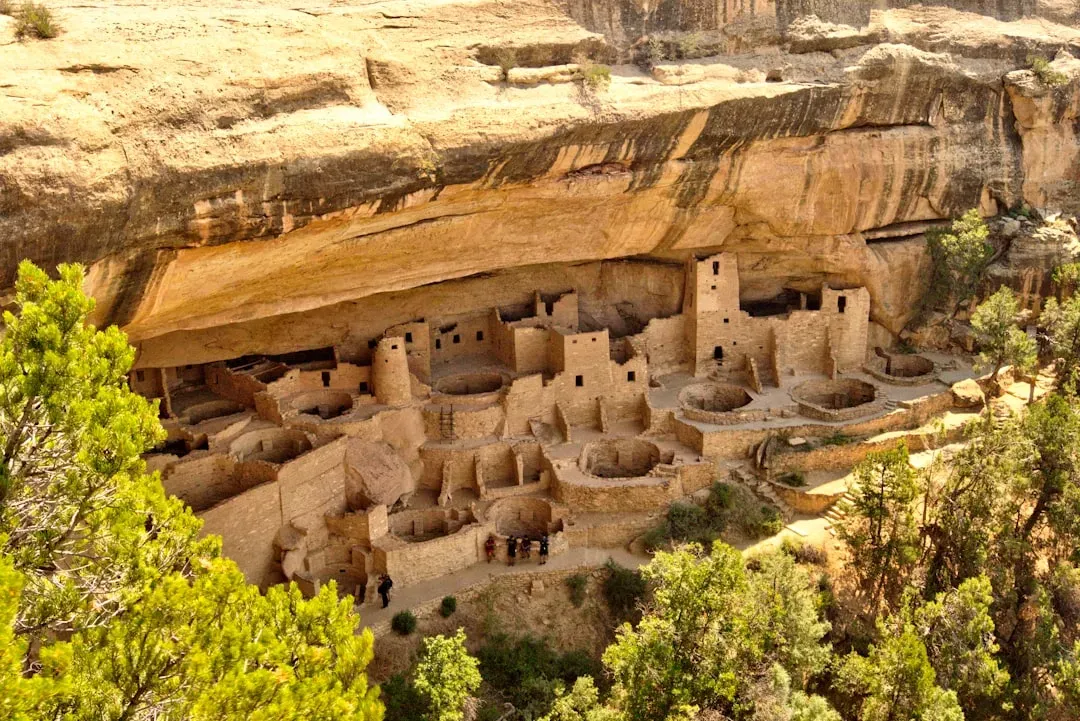
Across the Four Corners region of the modern United States, the Ancestral Puebloans (often called the Anasazi in older texts) created complex societies in what looks, at first glance, like an unforgiving desert. They built multi-story stone structures, intricate kivas, and huge great houses in places like Chaco Canyon, and later clung to sheer cliffs in astonishing dwellings like those at Mesa Verde. Roads, trade in turquoise and pottery, and shared architectural styles point to a connected regional culture that flourished for centuries.
By the late thirteenth century, many of the monumental sites in the region were abandoned, with populations shifting south and east. Droughts, crop failures, and resource stresses likely pushed communities past a breaking point, and there is also evidence of social tension and possibly conflict. Their descendants live on today among modern Pueblo peoples, but the big stone complexes were left behind like empty shells. Seeing grain storage rooms still intact while doorways open into thin air is a jarring reminder that even carefully adapted desert societies can hit limits they can’t escape.
The Hittites: The Forgotten Superpower of Bronze Age Anatolia
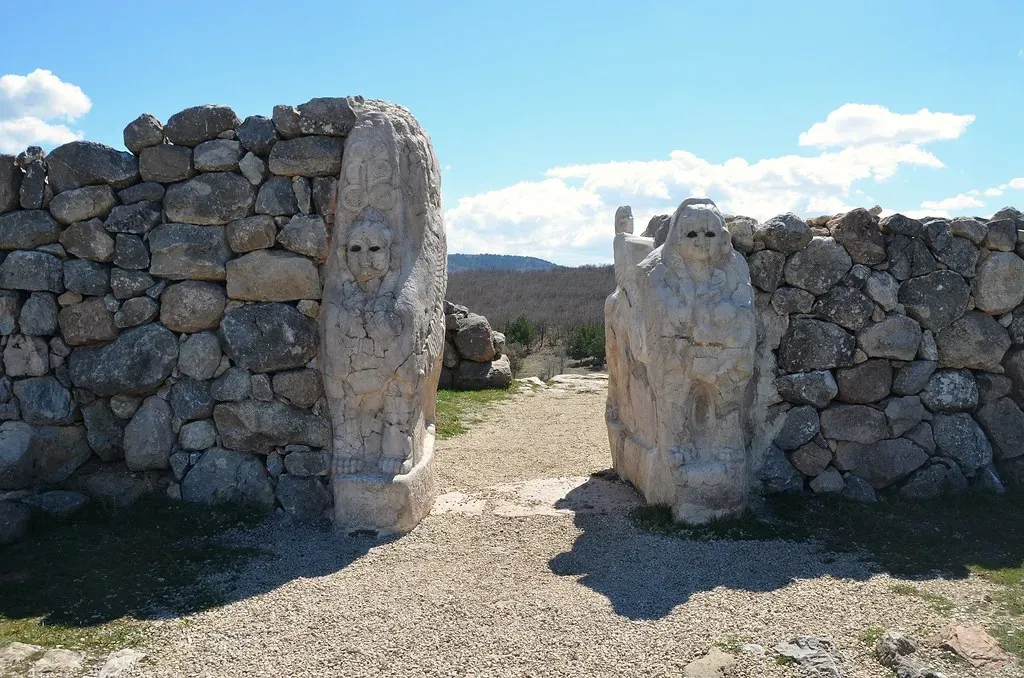
In what is now central Turkey, the Hittites once stood toe-to-toe with Egypt, Babylon, and other Bronze Age giants as one of the region’s main military and political powers. They had an organized legal system, chariots that terrified enemies on the battlefield, and a capital at Hattusa fortified with massive walls and decorated gates. For a long time, their very existence was barely remembered until archaeological excavations in the late nineteenth and early twentieth centuries revealed a forgotten empire.
Around the early twelfth century BCE, their world imploded during the wider Bronze Age collapse that shook the eastern Mediterranean. Trade networks broke down, some cities were burned, and a mix of invasions, internal rebellion, and extended drought likely overwhelmed Hittite power. Hattusa itself was abandoned, and smaller Neo-Hittite states survived only on the margins before being swallowed by Assyria and others. A civilization that once negotiated major treaties with Egypt vanished so thoroughly that, for centuries, almost no one knew its name.
The Olmec: The Enigmatic “Mother Culture” of Mesoamerica
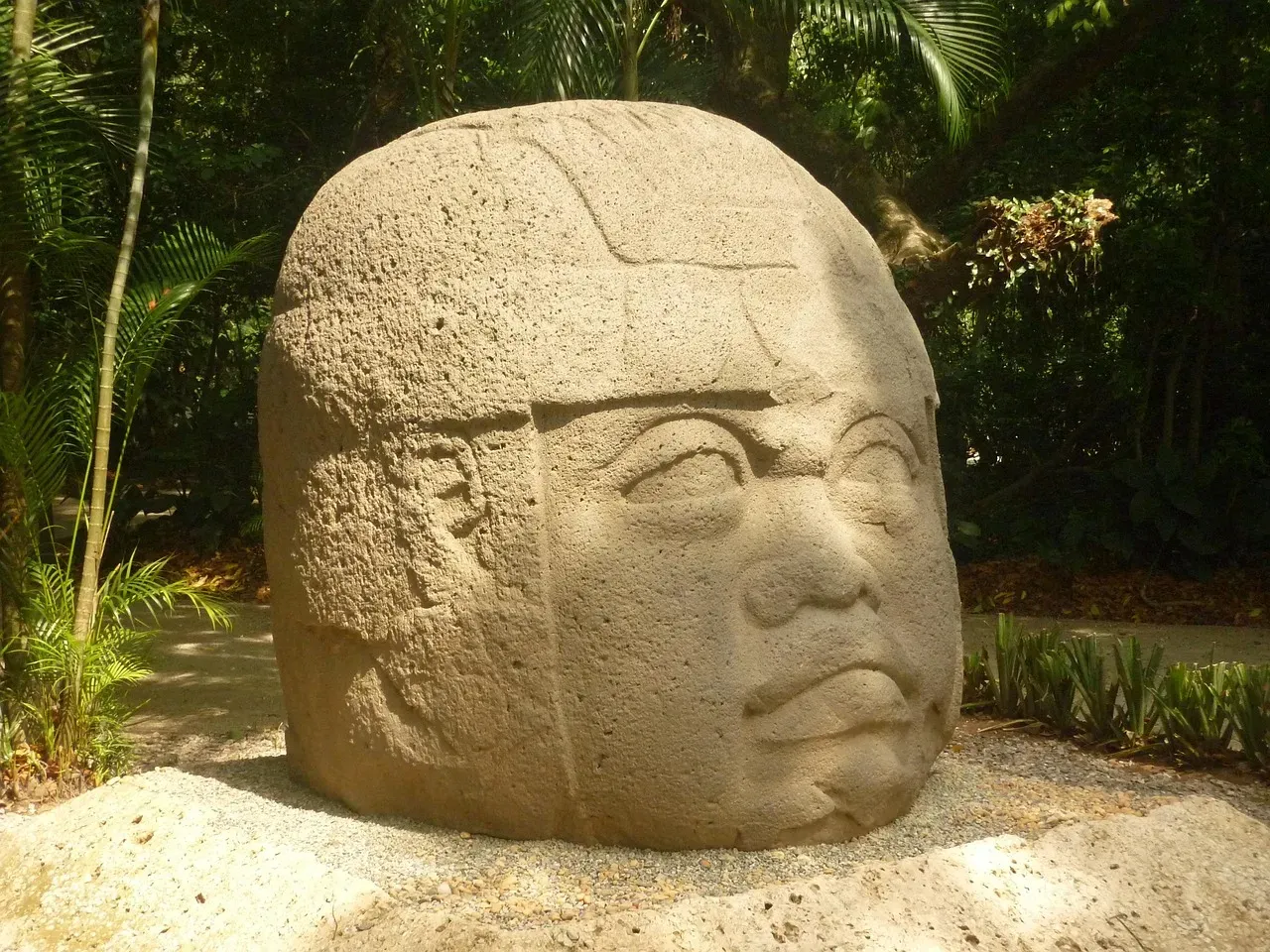
Long before the Aztec and even before the classic Maya, the Olmec flourished along the Gulf Coast of what is now Mexico, in regions of Veracruz and Tabasco. They’re best known for their colossal stone heads, some taller than a person, with striking, individualized facial features that look like snapshots of rulers or important figures. Archaeological finds suggest the Olmec developed early forms of writing, calendrical systems, and religious symbols that influenced later Mesoamerican cultures.
Yet by roughly the middle of the first millennium BCE, their major centers such as San Lorenzo and La Venta declined and were eventually deserted. Environmental changes, shifts in river systems, or social upheaval may have disrupted agriculture and trade, undermining elite power. Rather than a dramatic wipeout, it seems more like their political and ceremonial hubs lost importance while their cultural ideas spread and were absorbed by neighboring peoples. The Olmec disappeared as a distinct, nameable civilization, but their fingerprints remain all over later Mesoamerican art, rituals, and iconography.
The Mycenaeans: The Heroic Age That Crashed
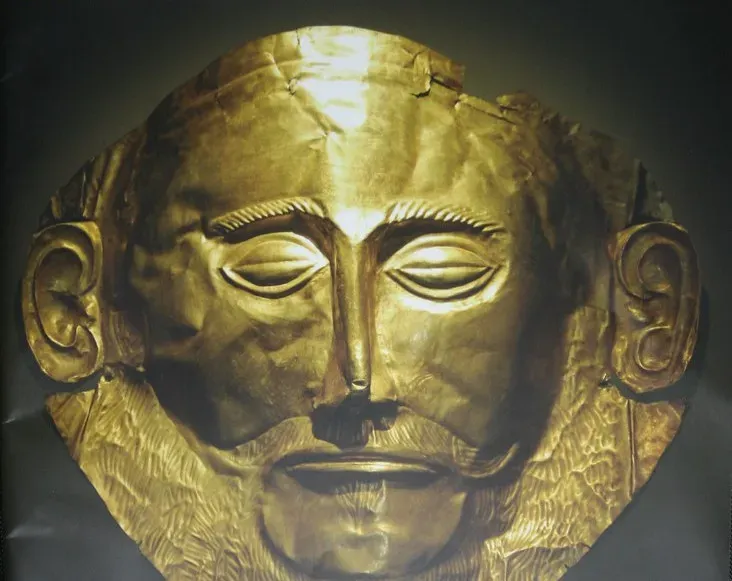
If you think of warriors with boar-tusk helmets, fortified palaces, and tales that feel like the backdrop to early Greek epics, you’re basically picturing the Mycenaeans. Centered on mainland Greece, in places like Mycenae, Tiryns, and Pylos, they built huge palatial complexes and left behind Linear B tablets documenting administrative details of their world. They traded across the Mediterranean and may well be the culture remembered, in heavily mythologized form, in stories about a great war at Troy.
Yet around the same time the Hittites disappeared, many Mycenaean palaces were burned, abandoned, or dramatically reduced. Explanations range from earthquakes and climate shocks to sea raiders, internal revolts, or a tangled combination of all of the above. Greece then entered a period often described as a dark age, with less writing, fewer grand buildings, and smaller, more isolated communities. The heroic age of palaces and international diplomacy fractured, leaving behind broken walls and scattered treasures for later Greeks to turn into legend.
Cahokia: The Lost City Beside the Mississippi
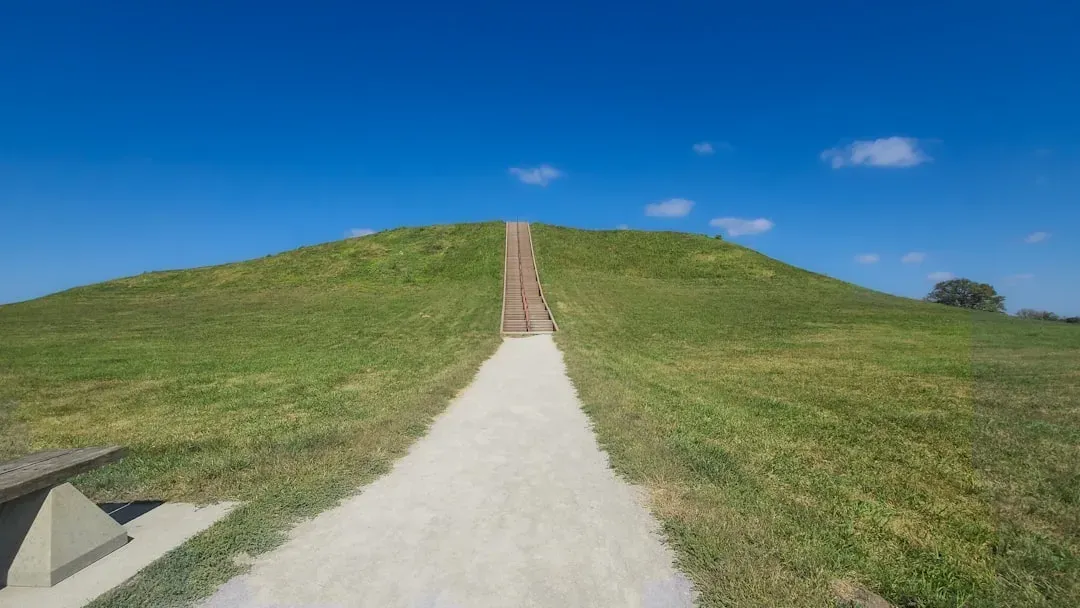
Near modern-day St. Louis, in the floodplain of the Mississippi River, sat one of the largest pre-Columbian cities north of Mexico: Cahokia. At its height roughly a thousand years ago, it had enormous earthen mounds, including a central one as tall as a modern ten-story building, plazas, wooden palisades, and suburbs spreading across the landscape. Archaeologists think it may have housed tens of thousands of people, with evidence of complex social hierarchies, long-distance trade, and intensive agriculture based on maize.
Then, just a few centuries later, Cahokia was essentially empty. Changing climate patterns, flooding, deforestation, soil depletion, disease, and social tension have all been proposed as contributing factors, possibly working together. What’s striking is how thoroughly this massive urban experiment disappeared from local memory by the time Europeans arrived, leaving only mounds that people often misunderstood. Standing on those earthworks now, looking out over highways and power lines, it’s jarring to realize that a city once rivaled some medieval European towns here, then slipped almost entirely out of the historical record.
Rapa Nui (Easter Island): Statues Without a Story
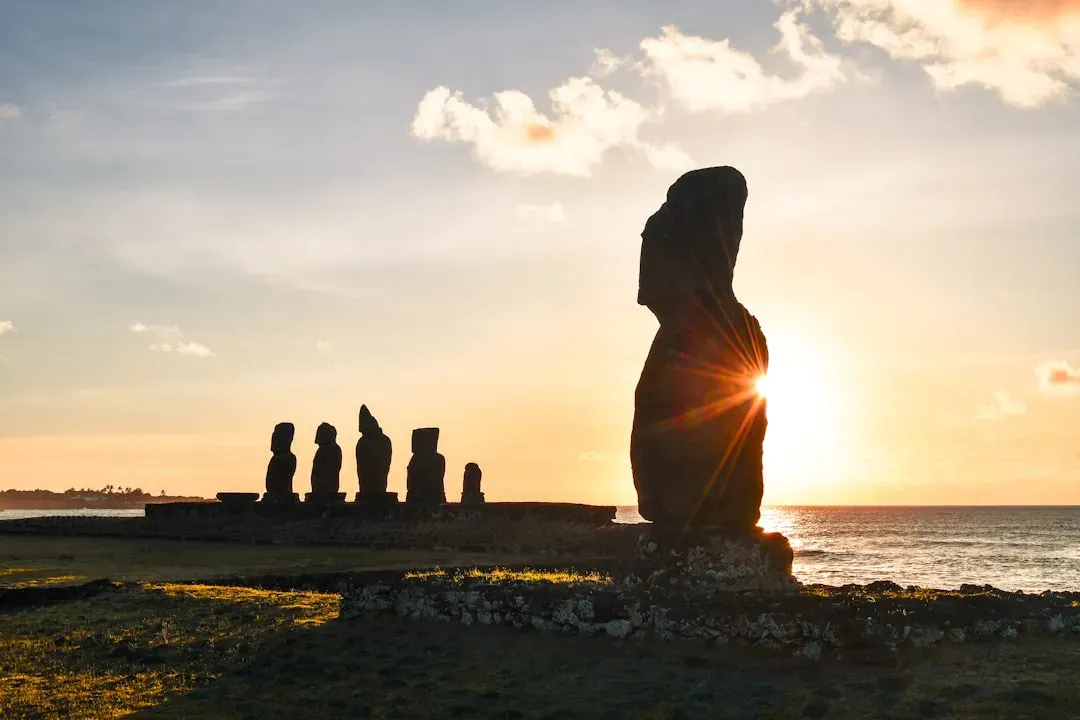
Far out in the Pacific, one of the most remote inhabited islands on Earth became home to the people of Rapa Nui, known to the outside world as Easter Island. They carved and transported hundreds of massive stone statues, the moai, across rough terrain, raising them on platforms that turned parts of the island into a surreal landscape of silent guardians. This was a complex society with clans, religious traditions, and impressive stonework, developed in almost total isolation from the rest of the world.
By the time European ships reached the island in the early modern era, the society that built the largest moai had already transformed dramatically, with signs of population decline and intense resource stress. Deforestation, soil erosion, conflict, and later, devastating impacts from outside contact including disease and slave raids all contributed to the collapse of the original social order. The descendants of the island’s people are still there, but much of the oral history that might have explained the full story of the statues and their builders has been lost or fragmented. What remains are towering figures staring inland, as if watching over a civilization that unraveled long before the wider world knew it existed.
Conclusion: Vanishing Acts on the Stage of Time
Looking across these vanished civilizations, the pattern is as unsettling as it is familiar: climate shifts, environmental strain, disrupted trade, political breakdown, and sometimes just terrible luck. None of these societies expected to become a mystery in a future they couldn’t imagine; each one probably felt, at its peak, like the center of the world. Ruins and artifacts make their accomplishments look distant and exotic, but under the stone and pottery were ordinary human worries – food, security, power, status – that still drive us today.
What lingers is the feeling that disappearance is less about a single dramatic event and more about long chains of decisions, pressures, and tipping points that only look obvious in hindsight. When we look at our own cities and systems, with their vulnerabilities and blind spots, these lost worlds stop feeling like ancient curiosities and start looking like quiet warnings. If so many great civilizations could vanish into dust and memory, how sure are we that ours will be any different?