Across the United States, some of the most remarkable animals on Earth are hanging on by a thread. Many of them are so rare that most people will never see one in the wild, yet entire teams of biologists, tribal nations, local communities, and government agencies are fighting every day to keep them from disappearing forever. It’s a strange mix of heartbreak and hope: heartbreaking to see how close we’ve pushed them to the edge, hopeful because in many cases we still have just enough time to pull them back.
What makes this fight so intense is that it’s not happening somewhere far away on a distant continent; it’s happening in rivers, forests, deserts, and coastlines that millions of Americans drive past or vacation near every year. These stories are not just about animals, but about how we choose to live on the land we share with them. Some of these species are slowly recovering. Others are still sliding downward. All of them show how messy, complicated, and surprisingly inspiring conservation in the United States can be in 2026.
1. Red Wolf: The Ghost of the American South
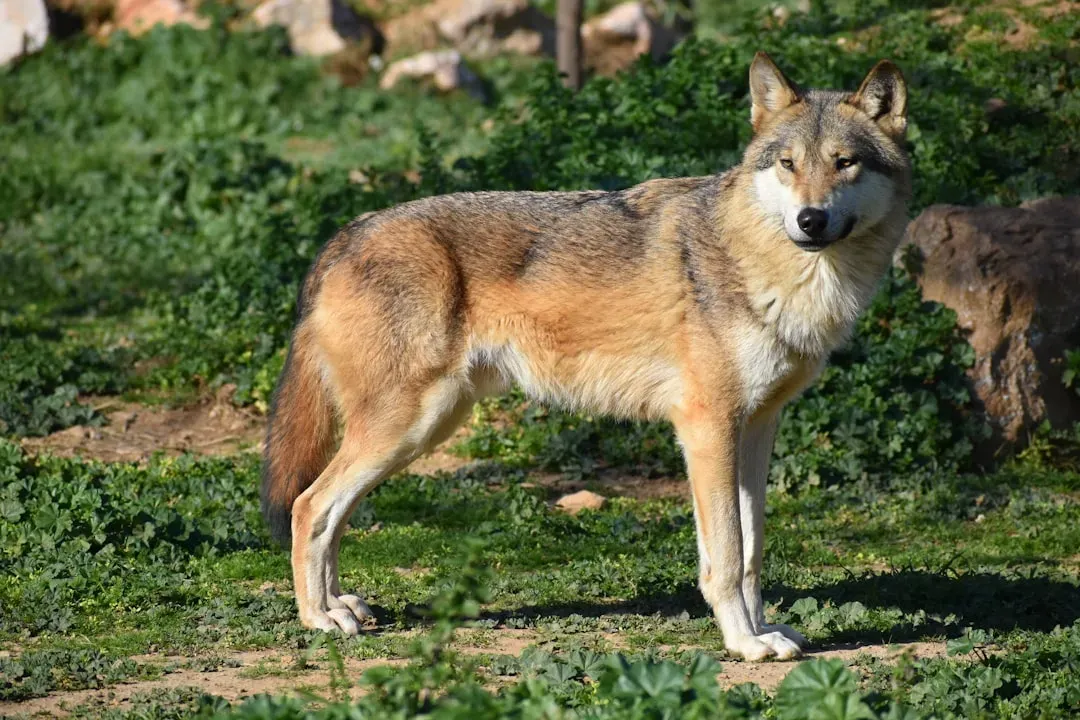
The red wolf once roamed much of the southeastern United States, from Texas to the Atlantic Coast, but today it is one of the world’s most endangered wild canids. Almost all truly wild red wolves now survive in and around eastern North Carolina, where a small, fragile population is trying to reestablish itself. For years, the numbers in the wild dropped to fewer than a couple dozen, mostly because of habitat loss, conflicts with people, and interbreeding with coyotes. It’s hard to wrap your head around the fact that an entire species is surviving at numbers smaller than a typical high school classroom.
Conservation efforts have focused on captive breeding, carefully monitored releases into the wild, and working with local landowners to reduce conflict. Biologists track wolves with radio collars, move individuals to maintain genetic diversity, and sometimes bring in new animals from zoos to strengthen the wild population. A lot of the work is very practical and not glamorous at all: talking to hunters, responding to complaints, and even posting road signs to reduce vehicle collisions. Some people in the region deeply oppose the program, while others have grown protective of “their” wolves, showing how emotions can run high around predators. The red wolf’s story is still very uncertain, but its continued presence in the wild at all is the result of decades of stubborn, often controversial, conservation work.
2. California Condor: America’s Giant Comeback Bird
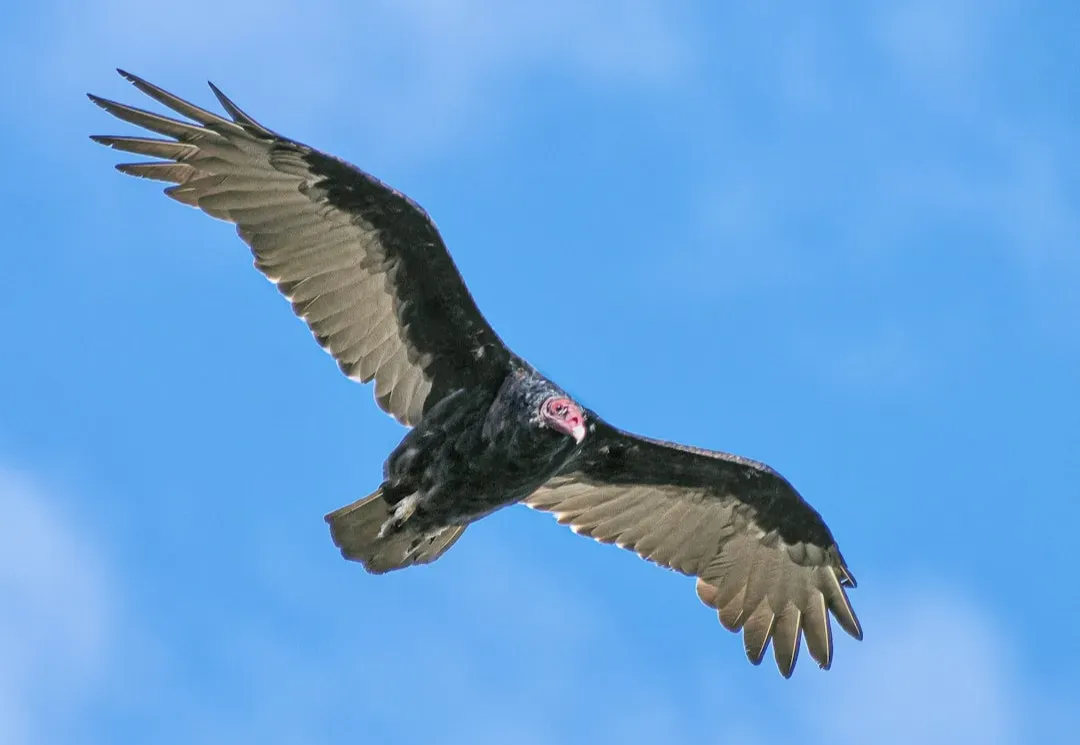
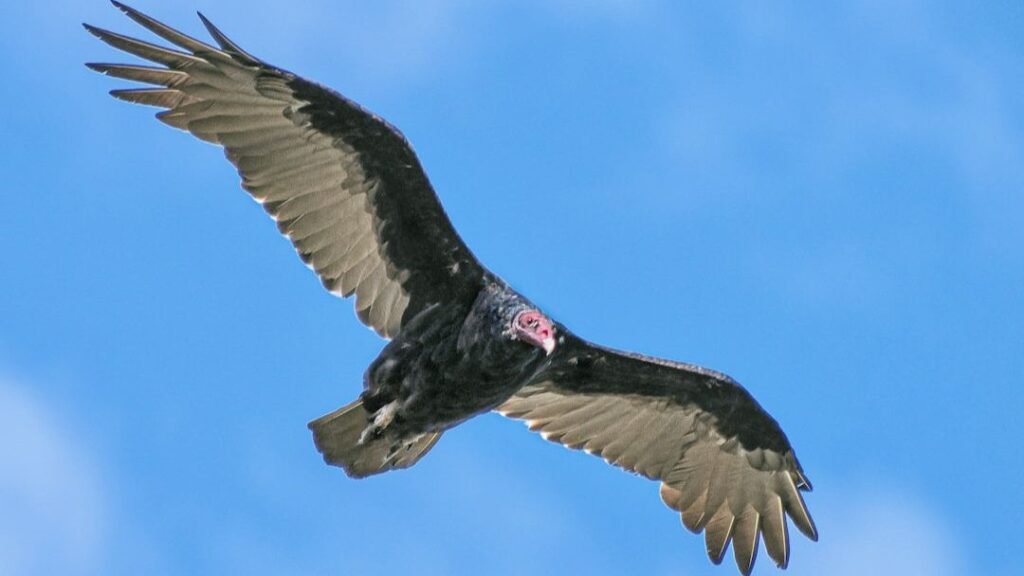
The California condor is enormous, with a wingspan wider than the height of many people, and not long ago it was completely gone from the wild. In the late twentieth century, every remaining condor was captured to start an emergency captive-breeding program because the wild population had dropped to fewer than three dozen birds. Today, condors soar again over parts of California, Arizona, Utah, and Baja California, thanks to painstaking work by zoos, federal agencies, and tribal nations. Seeing a condor in flight feels almost prehistoric, like watching a living relic glide through the sky.
Despite this progress, the species is still on a knife edge, and one of the biggest ongoing threats is lead poisoning from spent ammunition in carcasses and gut piles. Condors feed on dead animals, and tiny fragments of lead can be enough to sicken or kill them, so conservation efforts have pushed for lead-free ammunition in condor territory. Biologists also routinely trap condors to test their blood, treat poisoning, and fit tracking transmitters. Tribal partners, particularly in the Southwest, have been central in reintroducing the condor to ancestral lands and weaving cultural values into modern recovery plans. The fight for the condor shows both how close we came to losing a species entirely and how relentless long-term commitment can slowly reverse the tide.
3. Florida Panther: A Big Cat Trapped by Roads
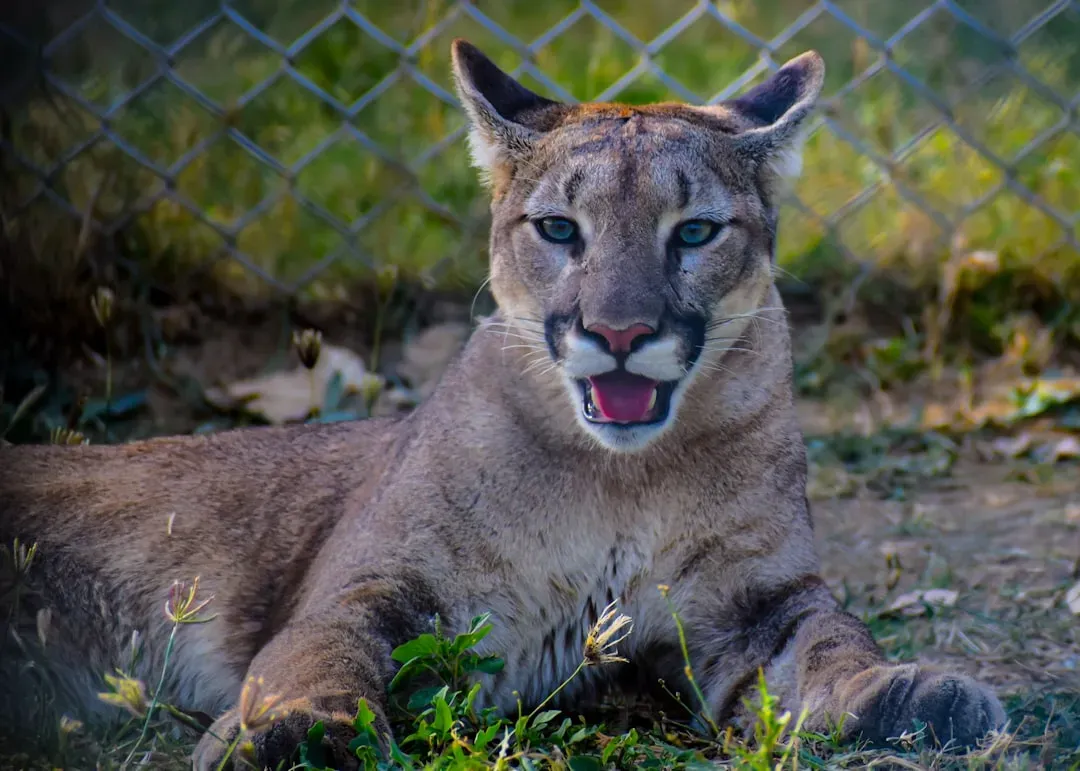
The Florida panther is a subspecies of the cougar, and it is now confined mostly to southern Florida, especially around the Everglades and nearby forests and swamps. For decades, panthers were hammered by habitat loss, hunting, and a shrinking gene pool that led to serious health problems. By the early 1990s, only a few dozen were believed to survive in the wild, and many showed signs of inbreeding, like heart defects and kinked tails. I remember seeing a road sign warning “Panther Crossing” on a trip to Florida years ago and feeling both excited and a little sad, knowing an animal that once ranged widely was now squeezed into a corner edged by highways.
Conservationists responded by introducing a small number of Texas cougars in the 1990s to improve genetic diversity, and that controversial decision helped the population slowly climb. Today, there are more panthers than there were a few decades ago, but they still face major threats from vehicle collisions, new development, and habitat fragmentation. Wildlife crossings, such as underpasses and overpasses paired with fencing, have become one of the most important tools to reduce road deaths. Land protection in key corridors that connect wild areas is another crucial strategy, since a large cat needs room to roam and find mates. The Florida panther’s future will depend on how Florida balances rapid growth with the space a top predator needs to survive.
4. Hawaiian Monk Seal: Survival in a Changing Ocean
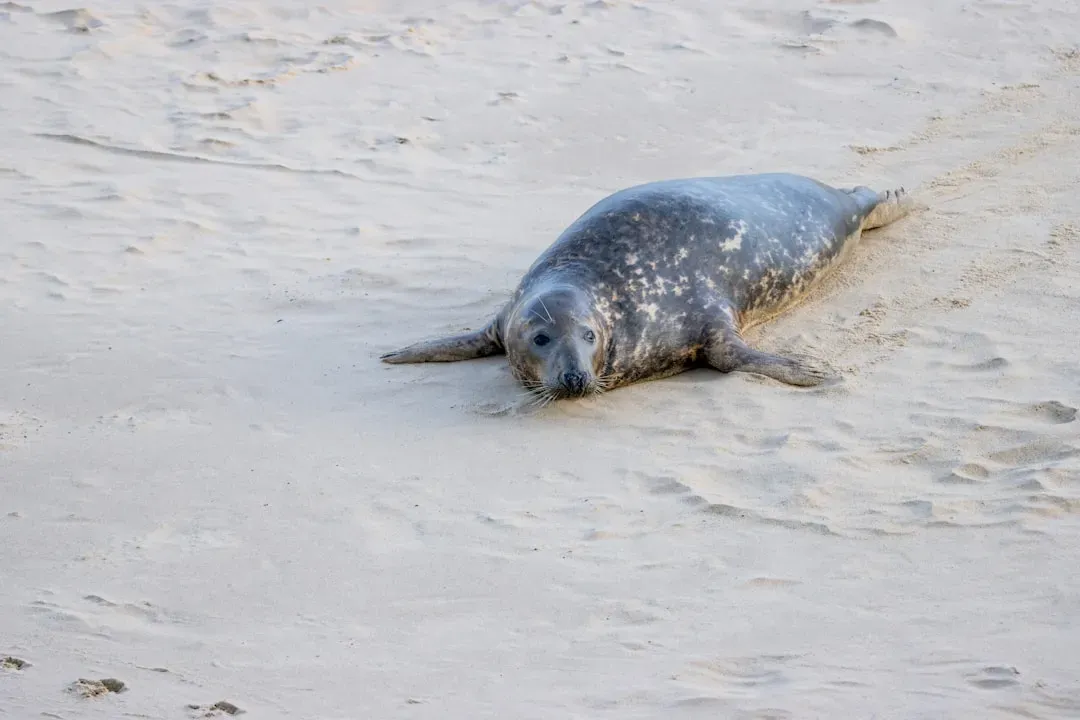
The Hawaiian monk seal is one of the few seal species found in tropical waters, and it is found only in Hawaii, making it both biologically unique and extremely vulnerable. Its population dropped sharply in the twentieth century due to hunting, entanglement in fishing gear, loss of prey, and disturbance on beaches where it rests and raises pups. While some subpopulations in the remote Northwestern Hawaiian Islands have been particularly stressed, more monk seals have been showing up around the main Hawaiian Islands in recent years. For many residents and visitors, seeing one asleep on the sand with its flippers tucked in feels like a small miracle.
Conservation teams have taken a very hands-on approach, including rescuing injured or underweight seals, removing hooks and nets, and even temporarily moving young animals to safer nursery areas. On popular beaches, volunteers and staff rope off resting monk seals and talk with the public about keeping a respectful distance, turning simple encounters into teachable moments. Efforts to protect critical habitat, manage fisheries sustainably, and reduce marine debris are all part of a larger plan to give the species room to recover. Climate change adds new pressure by altering prey availability and changing beach conditions, so managers are having to plan not just for today’s threats but for tomorrow’s. The monk seal’s story captures how saving a marine mammal now means thinking about the entire ocean system it depends on.
5. North Atlantic Right Whale: A Giant on a Collision Course
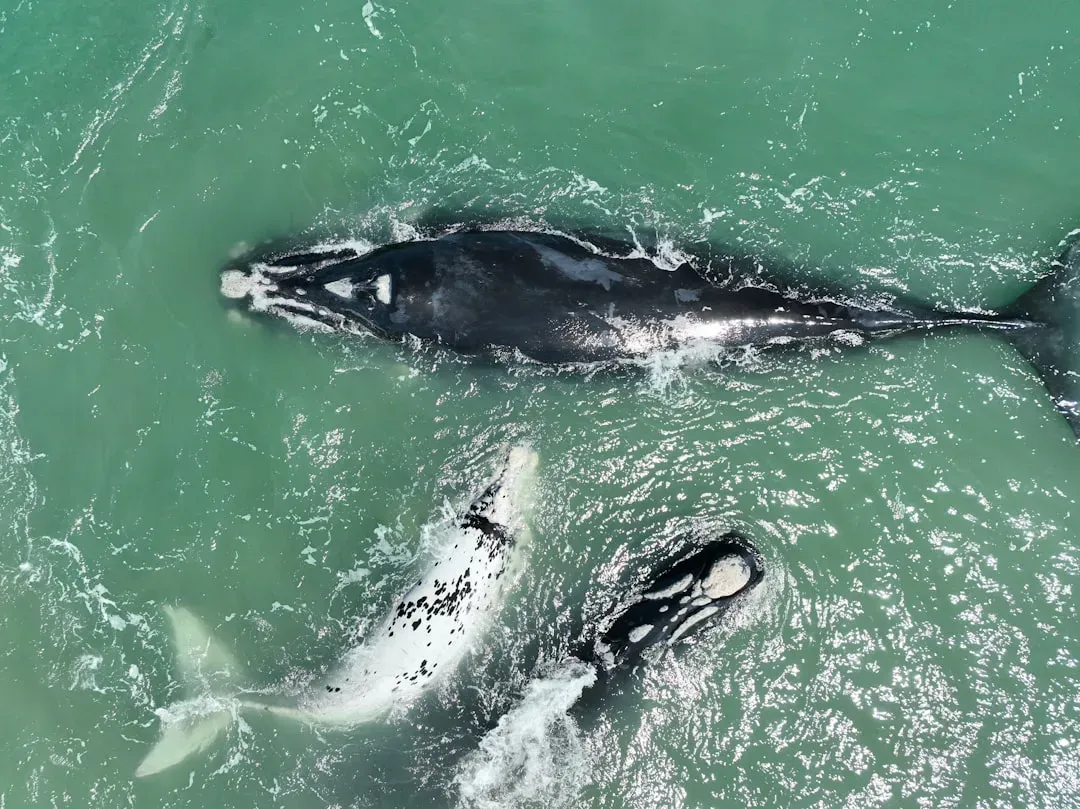
The North Atlantic right whale is one of the most endangered large whales on the planet, and while it spends much of its life in Canadian waters, US coasts are central to its survival. These whales migrate along the Eastern Seaboard and use waters off the southeastern United States as important calving grounds. In recent years, the total population has hovered around only a few hundred individuals, with far fewer breeding females, and the trend has been worrying. Two of the biggest threats are entanglement in fishing gear and vessel strikes, both of which can badly injure or kill whales that surface unexpectedly in busy shipping lanes.
US conservation efforts have leaned heavily on regulating ship speeds in certain zones, altering shipping routes, and changing how and where fishing gear is used. There has been a push toward ropeless or “on-demand” gear in some fisheries, where lines are deployed only when needed, reducing the maze of ropes in the water. Detection systems that use acoustic buoys and observation networks help issue dynamic protections when whales are spotted in an area. These measures are controversial and often economically painful for coastal communities and industries, which leads to heated debates about how far protections should go. The right whale’s fate is a stark reminder that even the biggest animals on Earth can be quietly undone by everyday human activity if we do not deliberately adjust course.
6. Desert Tortoise: Slow Life in a Fast-Developing West
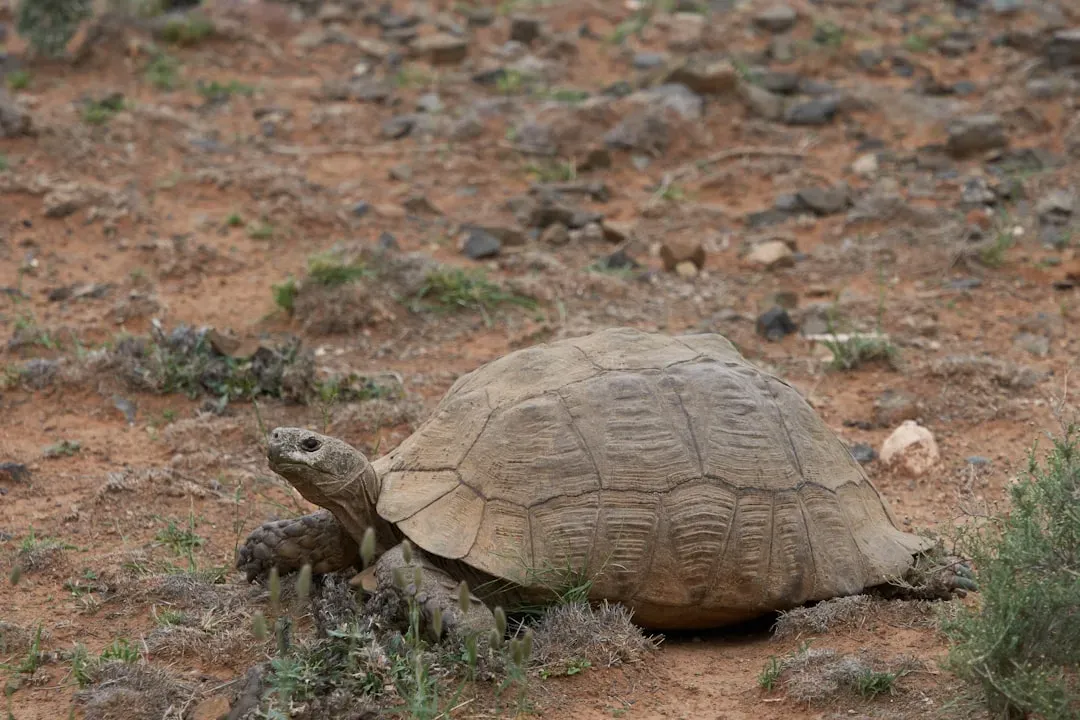
The Mojave desert tortoise lives a life defined by patience, spending much of its time in burrows to escape the heat and emerging to feed when conditions are right. This slow, steady lifestyle worked well for thousands of years, but modern pressures in the American Southwest have made survival far more complicated. Urban growth, off-road vehicle use, military training areas, energy development, and disease have all chipped away at tortoise populations. When you stand in the desert and look around at the open space, it’s easy to underestimate how many layers of human use overlap there now.
Conservation efforts involve designating critical habitat, rerouting or managing off-road vehicle access, and carefully relocating tortoises when development projects go forward. Translocation is tricky, though, because moving tortoises can stress them and increase risks from predators or disease, so biologists often debate when it is truly justified. Long-term monitoring, fencing along some roadways, and public education about leaving wild tortoises alone are also key parts of the strategy. At the same time, there is a push to plan large-scale solar and wind projects in ways that avoid the most sensitive areas, which can be a difficult balancing act. The desert tortoise’s struggle shows how even relatively tough, long-lived animals can be overwhelmed when changes to their landscape come too fast.
7. Loggerhead Sea Turtle: Ancient Navigator in Modern Waters
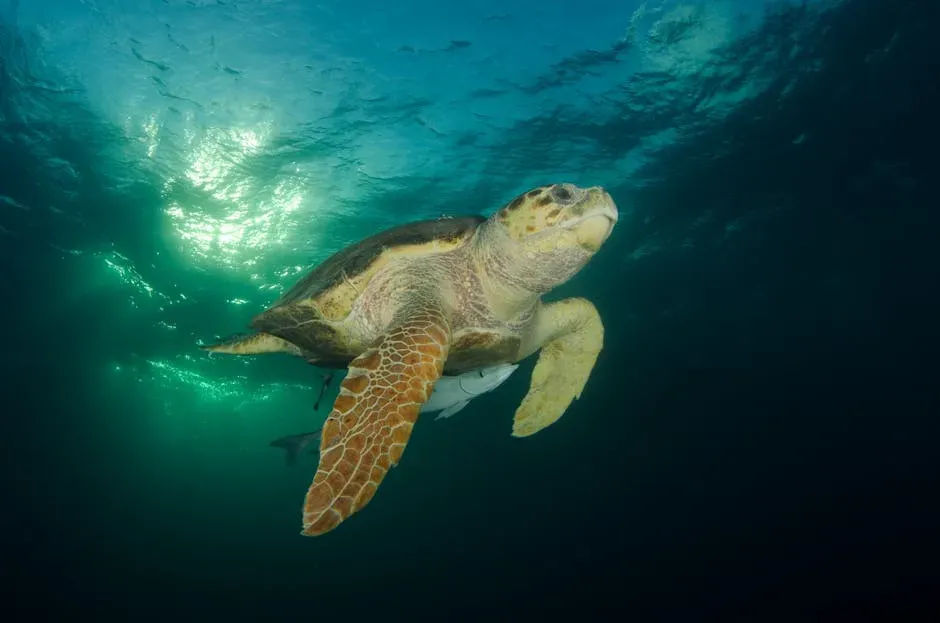
Loggerhead sea turtles have nested on US beaches, especially along the Southeast and Gulf coasts, for far longer than humans have walked those shores. Females return to lay eggs on the same general beaches where they hatched, dragging themselves up the sand at night to bury their clutches before slipping back into the waves. They face threats at every stage, from eggs being eaten by predators or crushed by vehicles to hatchlings being disoriented by beachfront lighting and adults being caught in fishing gear. Coastal development has also narrowed or altered many nesting beaches, squeezing turtles between rising seas and buildings.
US conservation efforts for loggerheads have focused on protecting nesting beaches, reducing artificial light, and requiring turtle excluder devices on many shrimp trawlers so turtles can escape nets. Volunteer groups walk beaches during nesting season to mark and sometimes relocate nests at risk from flooding or heavy traffic. In some areas, beach towns dim or shield lights during peak hatchling times, turning the shore into a darker, safer runway leading to the ocean. There is also growing work on climate-related impacts, since warmer sand temperatures can skew the sex ratio of hatchlings and rising seas can wash away nests. Loggerheads remind us that saving a species that spends most of its life at sea can start with simple steps taken on a strip of sand in the middle of the night.
8. Monarch Butterfly: A Small Icon with a Massive Migration
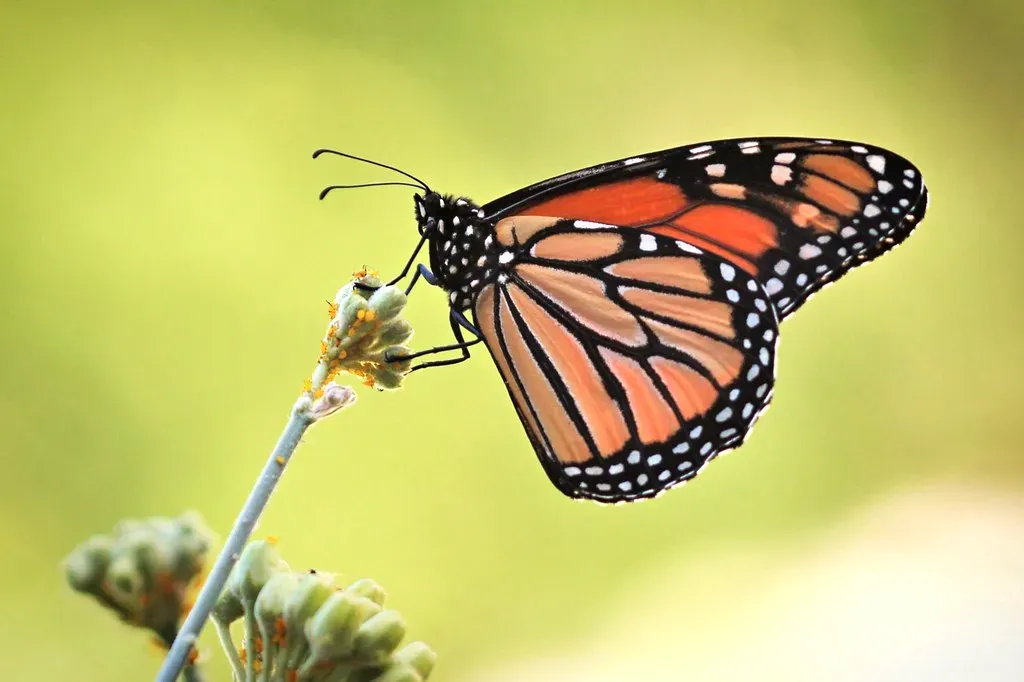
The monarch butterfly may be small and delicate, but its migration is one of the most astonishing journeys in the natural world, spanning thousands of miles between breeding grounds in the United States and overwintering sites in Mexico and along the California coast. Over the past few decades, monarch numbers in some regions have plunged, with western populations falling especially sharply. Loss of milkweed plants along migration routes and in breeding areas, widespread pesticide use, habitat conversion, and climate shifts have all played a role. When I started paying attention to monarchs in my own neighborhood, I realized how rarely I saw them compared with childhood memories, and that personal gap made the data feel very real.
Unlike many species on this list, monarch conservation in the US stretches far beyond government agencies and into backyards, schoolyards, and roadside ditches. Efforts include planting native milkweed and nectar plants, adjusting mowing schedules along highways, and working with farmers and ranchers to keep patches of habitat on working lands. Some states and federal programs now offer incentives or guidance to landowners who want to help monarchs, turning casual interest into practical action. Scientists and community volunteers tag butterflies, track migration timing, and monitor population trends to see how well these efforts are working. The monarch’s story shows how a species can become a symbol that mobilizes millions of small, local decisions, each one a tiny piece of a much larger safety net.
Conclusion: Holding the Line at the Edge
These eight species, from the towering California condor to the palm-sized monarch butterfly, sit at very different corners of the American landscape, yet their stories keep overlapping in familiar ways. Habitat loss, collisions with our vehicles and ships, industrial fishing, sprawling development, pollution, and climate change form a repeating pattern of pressure. At the same time, so do the tools we use to push back: protected areas, smarter infrastructure, community engagement, tribal leadership, science-based rules, and, just as crucial, everyday choices by people who might never meet a biologist but still decide to help. The tension between what we take and what we protect runs beneath every one of these efforts.
Conservation in the United States in 2026 is not simple or tidy; it is a long, uneven push against decline, full of arguments, compromises, and occasional breakthroughs. Some of these animals are slowly turning a corner, others are still sliding toward oblivion, and in each case the outcome depends on decisions being made right now. Whether it is a road underpass for panthers, lead-free ammunition for condors, quieter seas for right whales, or milkweed in a backyard for monarchs, the future rests on how seriously we treat the last narrow margin of time we have. When you think about these creatures standing at the brink, what part of that margin feels like it might be yours to hold?