
Imagine waking up one day to find your entire city empty. No people. No noise. Just silence where thousands once lived, traded, and thrived. That is exactly what archaeologists have been confronted with, time and again, as they dig into the ruins of civilizations that simply stopped existing. No dramatic last stand. No written farewell. Just gone.
What causes a highly advanced society to disappear? Is it nature turning against the people who depend on it? Is it war, political collapse, or something altogether more mysterious? History is filled with these haunting question marks, and honestly, the more we learn, the more perplexed we become. Let’s dive in.
The Indus Valley Civilization: The Greatest Urban Ghost Town on Earth
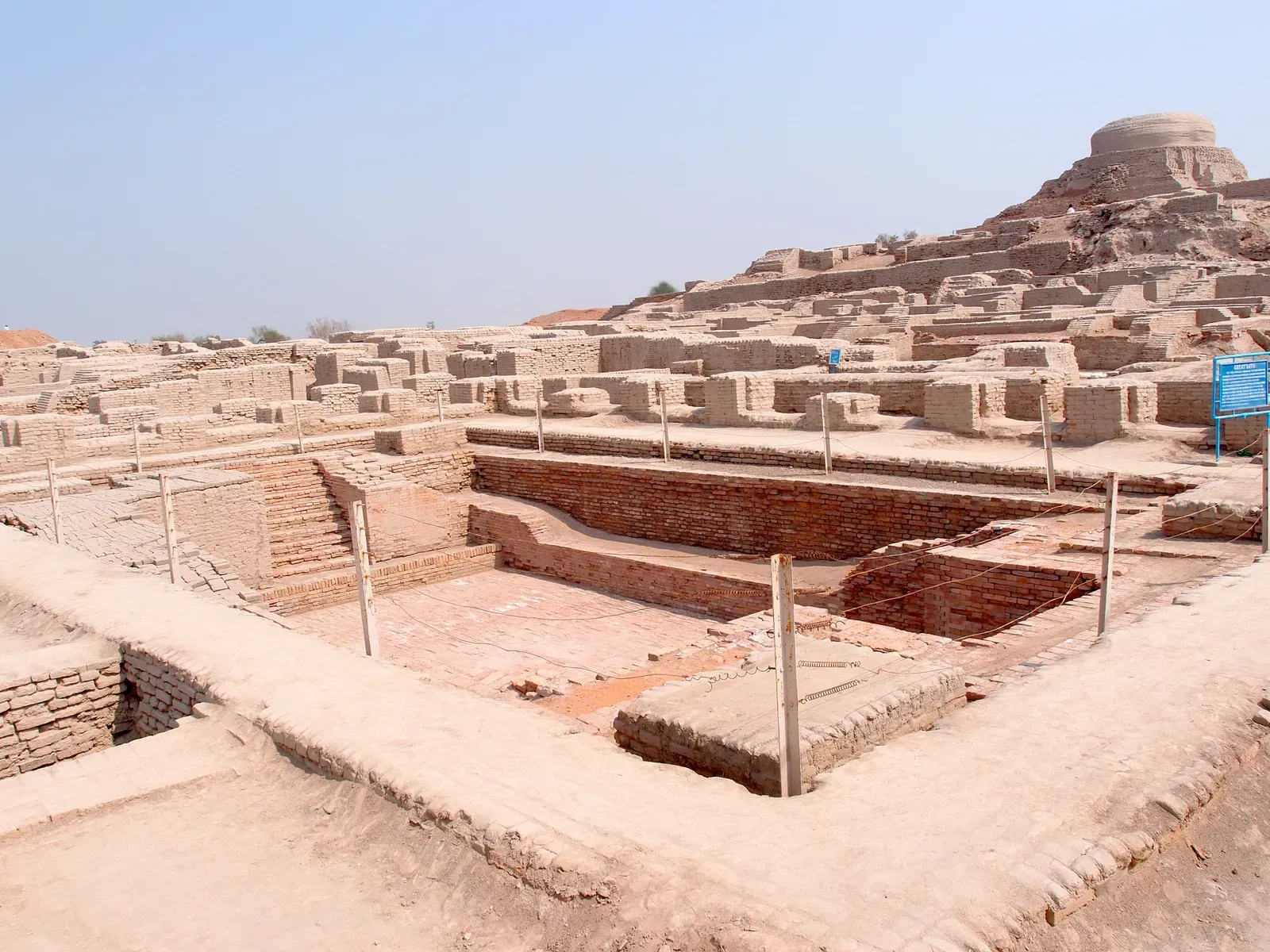
You might think that a civilization spanning nearly 400,000 square miles across modern-day India, Pakistan, and Afghanistan would be impossible to erase. Yet the Indus civilization, also known as the Harappan civilization, was one of the largest in ancient history, containing as many as five million people, and it vanished in a way that still keeps researchers up at night. Think about that for a moment. Five million people. Gone.
A sophisticated and technologically advanced urban culture is evident in the Indus Valley, making them the first urban center in the region. The high degree of forward-looking urban planning demonstrates the existence of well-organized local governments that placed a high value on public health and hygiene. They had grid-planned streets, indoor plumbing, and drainage systems that predated those of ancient Rome by thousands of years. You’d think a society that advanced would leave behind a clearer story of what went wrong.
When the Rains Stopped: The Climate Collapse Theory
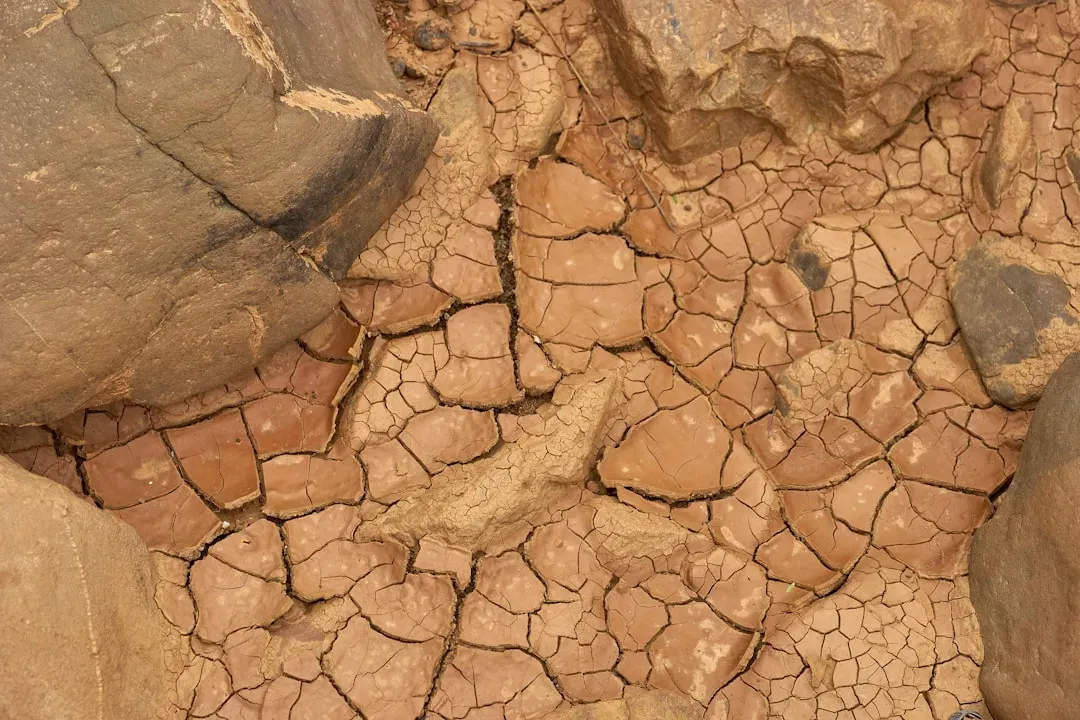
Recent research suggests that the monsoon cycle essentially stopped for two centuries, making agriculture nearly impossible. For a civilization built entirely around river flooding and seasonal rain patterns, this would have been like pulling the plug on an entire way of life. Crops failed. Granaries emptied. Cities that once buzzed with trade fell eerily silent.
A series of century-scale droughts may have quietly reshaped one of the world’s earliest urban civilizations. New climate reconstructions show that the Indus Valley Civilization endured repeated long dry periods that gradually pushed its people toward the Indus River as rainfall diminished. These environmental stresses coincided with shrinking cities, shifting settlements, and eventually widespread deurbanization. It wasn’t a single catastrophe. It was a slow, relentless suffocation. Hard to escape. Even harder to fight back against.
The Maya: A Rainforest Empire That Burned Itself Down
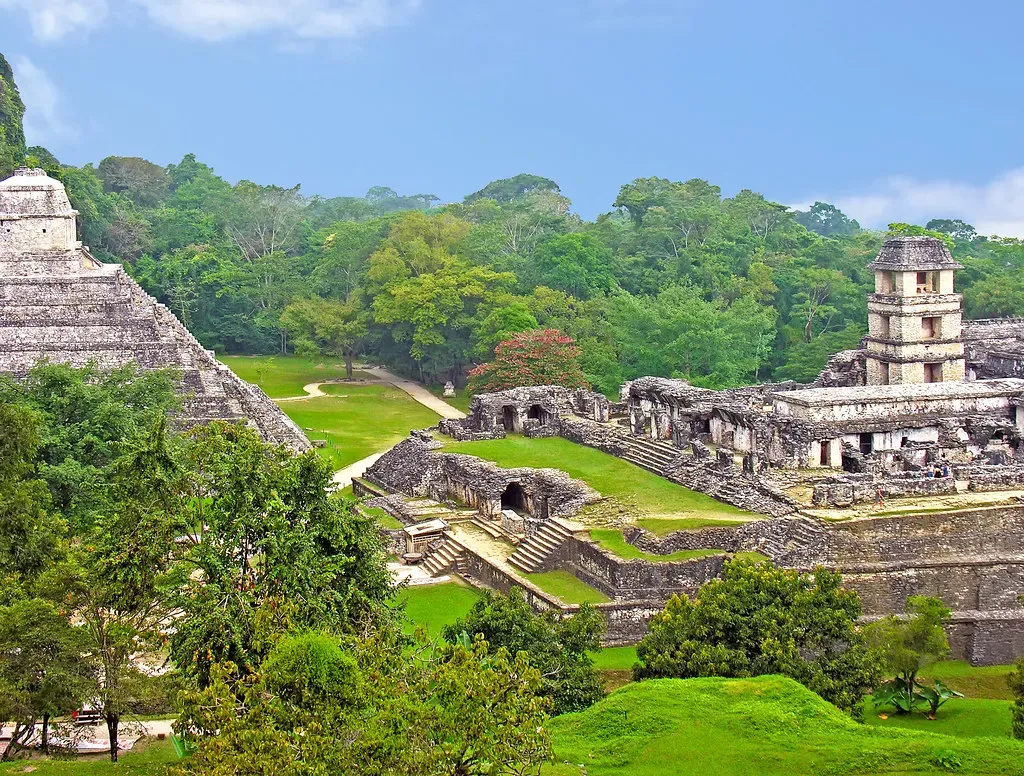
Arguably the New World’s most advanced pre-Columbian civilization, the Maya carved large stone cities into the jungles of southern Mexico and Central America. Known for their hieroglyphic writing, as well as their calendar-making, mathematics, astronomy and architecture skills, the Maya reached the peak of their influence during the so-called Classic Period, from around A.D. 250 to A.D. 900. They weren’t a primitive people. They were astonishing. Some of their mathematical and astronomical achievements rival anything happening in Europe at the same time.
It’s long been one of ancient history’s most intriguing mysteries: Why did the Maya, a remarkably sophisticated civilization made up of more than 19 million people, suddenly collapse sometime during the 8th or 9th centuries? Although the Mayan people never entirely disappeared, dozens of core urban areas in the lowlands of the Yucatan peninsula, such as Tikal, went from bustling cities to abandoned ruins over the course of roughly a hundred years. Let’s be real. A hundred years sounds like a long time. In civilizational terms, it’s the blink of an eye.
Drought, Deforestation, and a Perfect Storm of Destruction
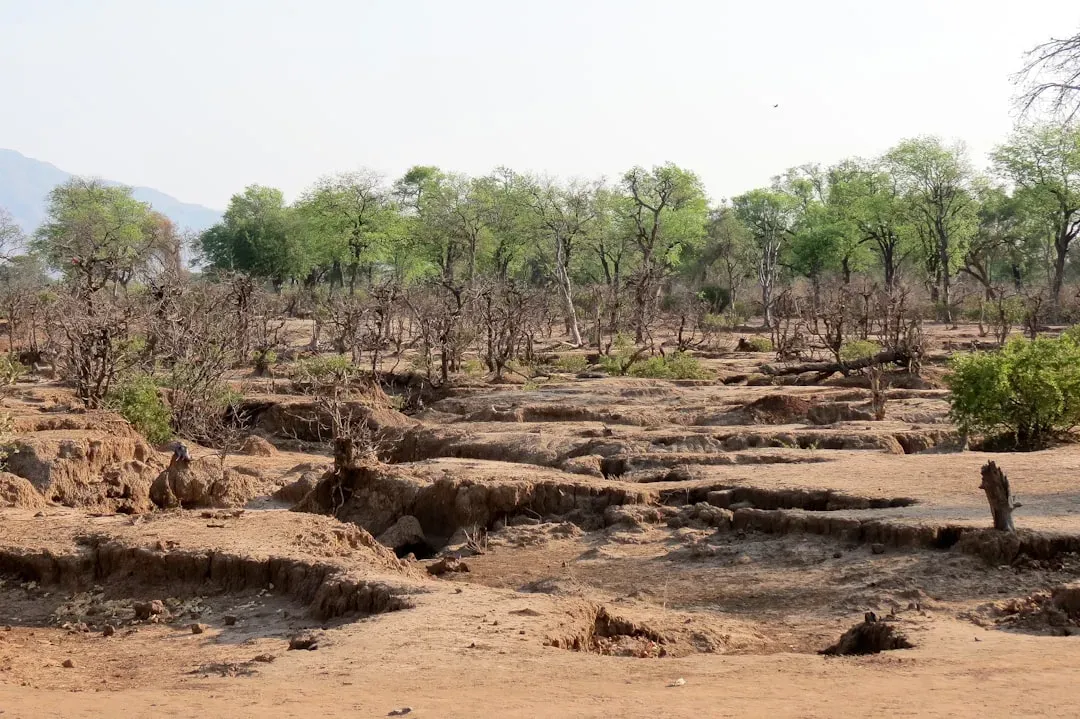
The rapid deforestation exacerbated an already severe drought. In simulation models, deforestation reduced precipitation by five to 15 percent and was responsible for roughly 60 percent of the total drying that occurred over the course of a century as the Mayan civilization collapsed. In other words, the Maya didn’t just fall victim to nature. They helped create the very conditions that destroyed them. The trees they cut down to build temples and cook food robbed the land of its ability to hold moisture.
The continuing deforestation over hundreds of years slowly put more and more stress on water availability. Once deforestation became near total and a natural drought of sufficient severity came along, the Maya could no longer adapt, and the resulting water shortages led quickly to extreme social unrest and political instability that in turn induced almost complete collapse of their civilization. It’s a sobering parallel to some conversations we’re having about our own world right now. Honestly, the echoes are uncomfortable to ignore.
The Minoans: Europe’s First Great Civilization, Lost to Fire and Conquest
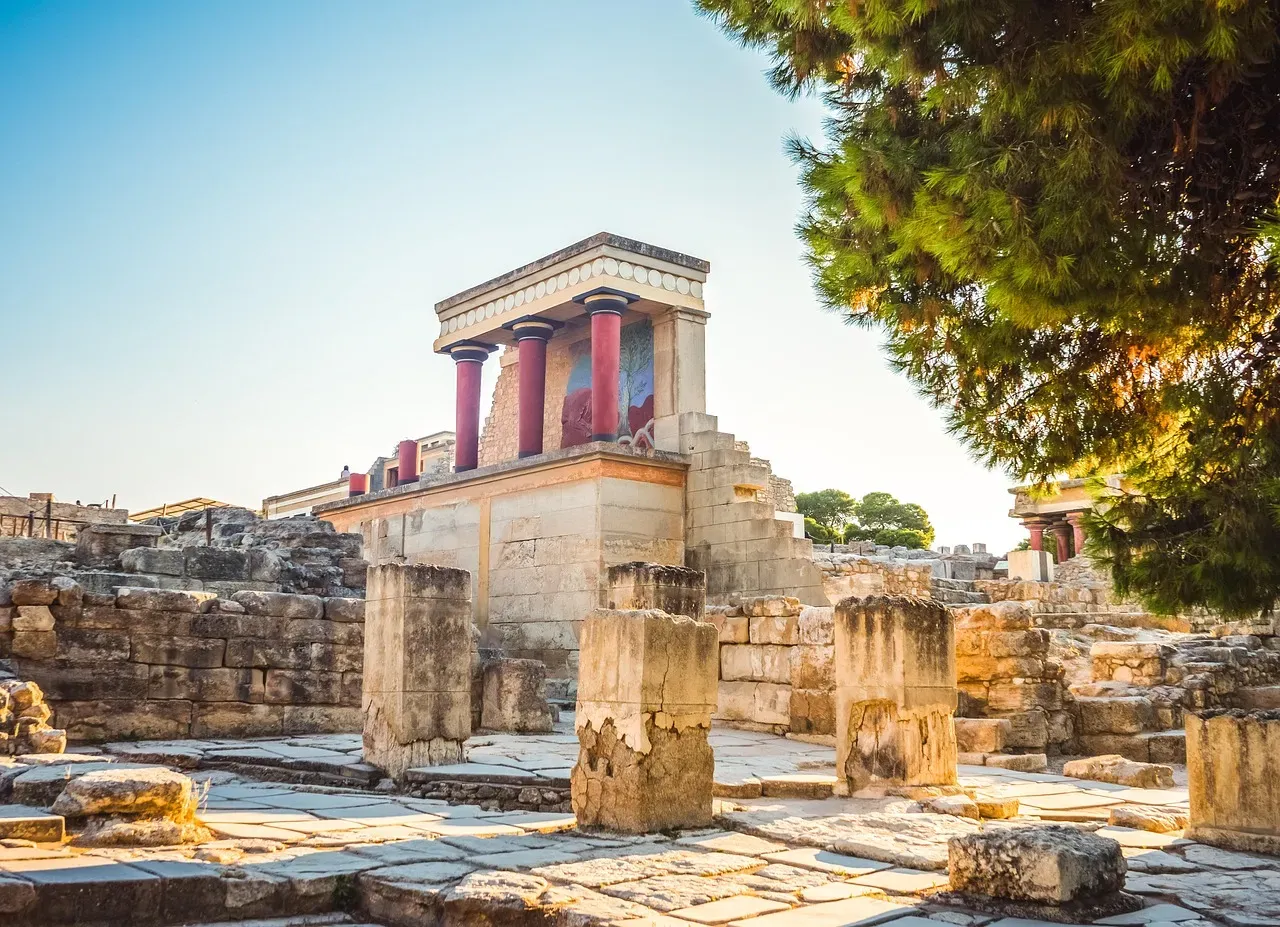
The first known civilization in Europe, the Minoans, inhabited Crete from 3000 to 1000 BC. Their culture focused on social organization, art, and commerce. They were seafarers, traders, and artists. Their structures showcased advanced architecture and vibrant frescoes, reflecting a sophisticated society with complex religious and economic systems. The Minoans were also adept seafarers, establishing trade networks across the Mediterranean. For their era, they were the closest thing to a superpower in the known world.
The Minoan eruption was a catastrophic volcanic eruption that devastated the Aegean island of Thera, also called Santorini, circa 1600 BC. It destroyed the Minoan settlement at Akrotiri, as well as communities and agricultural areas on nearby islands and the coast of Crete with subsequent earthquakes and tsunamis. With a Volcanic Explosivity Index of 7, it resulted in the ejection of approximately 28 to 41 cubic kilometers of dense-rock equivalent, making the eruption one of the largest volcanic events in human history. Still, the story doesn’t end there. The Mycenaean conquest of the Minoans occurred in Late Minoan II period, not many years after the eruption, and many archaeologists speculate that the eruption induced a crisis in Minoan civilization, which allowed the Mycenaeans to conquer them easily.
The Ancestral Puebloans: Cliff Cities Abandoned Overnight
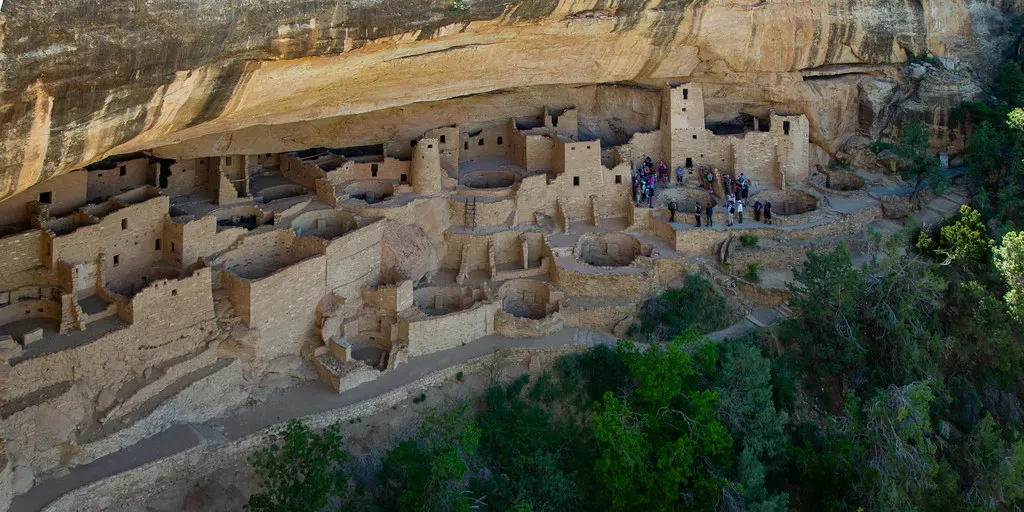
The Ancestral Puebloans, sometimes called the Anasazi, constructed elaborate cliff houses amid the dry deserts of the American Southwest. Built into the sheer rock walls, these buildings offered protection from the elements and a tactical advantage over potential attackers. From around 900 to 1300 CE, this civilization absolutely thrived, even developing advanced agricultural techniques and crafting beautiful pottery that still captivates archaeologists today. Standing before those cliff dwellings today, you feel something primal. Someone chose to build a home in a rockface. Someone else decided, one day, to leave it forever.
The civilization that we call “Anasazi” left behind incredible pueblo cities cut into the sides of cliffs throughout the American Southwest. What they did not leave behind was a reason for their decline, or even their actual name. Whatever they were called, the Ancestral Puebloans once built great cities across the areas of Utah, Arizona, New Mexico, and Colorado, but by the end of the 13th century, the cities were largely abandoned. Popular theories about the decline of the Puebloans include drought, famine, war, and, of course, something to do with aliens. The alien theory is obviously not taken seriously by researchers, but it tells you something about how baffled even ordinary people are by this disappearance.
The Rapa Nui: An Island That Ate Itself
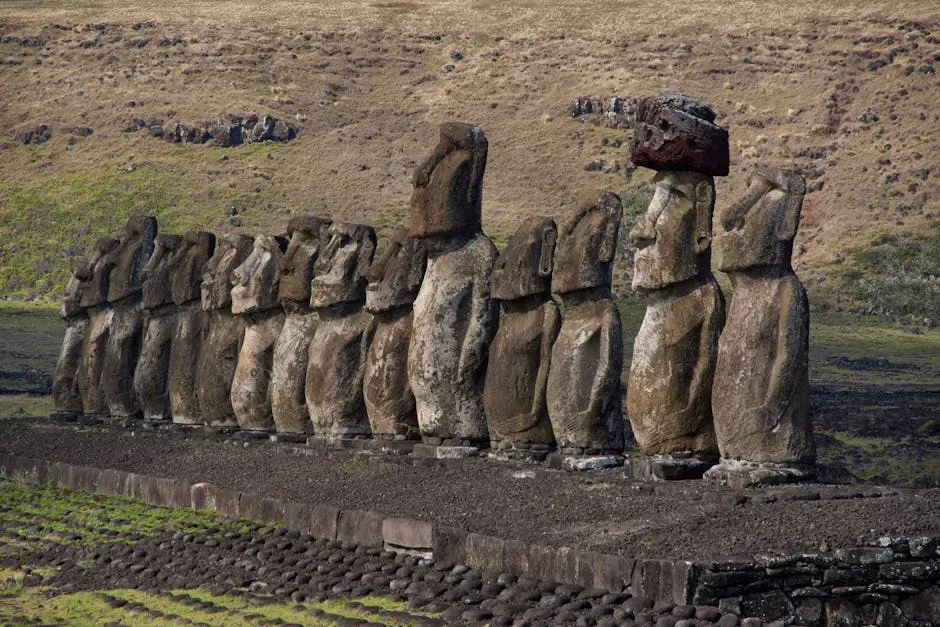
The remote island now known as Easter Island was once a thriving hub of commerce that sat along a heavily trafficked trade route through the Southern Pacific Ocean. Settled by a small group of Polynesian sailors sometime in the 9th century AD, it is estimated that the island referred to as Rapa Nui by its native inhabitants had a population reaching 15,000. Fifteen thousand people on a remote island in the middle of an ocean. That is remarkable. That also requires an enormous amount of resources.
By analyzing charcoal fragments and the pollen in sediment cores, scientists have since discovered that Easter Islanders cut down almost every last tree, and that rats ate the trees’ seeds before the forest could re-germinate. This ecological catastrophe, which eliminated the ability to make rope or seagoing canoes and reduced the populace to burning grass for fuel, may have then ushered in a period of mass starvation and civil war. The arrival of Europeans only added to the decimation, starting in 1722 when the first Europeans to set foot on Easter Island immediately shot to death several islanders. By the 1870s, several waves of smallpox, along with a major Peruvian slave raid, had reduced the number of natives to roughly 100. A population of 15,000, reduced to 100. It’s almost impossible to comprehend.
What These Vanished Worlds Are Telling Us

Here’s the thing that unites nearly all of these collapsed civilizations. None of them fell because of one single thing. Most civilizations come to an end either due to a spectacular catastrophe or in an unremarkable slow decline that takes decades, if not centuries, to reach its final state. The scary truth is that the slow kind is often more devastating, because it creeps up on a society that keeps believing things will somehow get better.
Climate change for the Harappan wasn’t an insurmountable challenge that caused instantaneous civilization collapse. Their societal decisions and governance had a significant bearing on the impacts of a changing climate. The same goes for the Maya, the Rapa Nui, and arguably the Minoans too. Every one of these societies made choices, sometimes brilliant, sometimes catastrophic, that shaped their fate. It wasn’t purely destiny. It was decision. And that, honestly, is the most haunting takeaway of all.
Conclusion: History’s Greatest Unsolved Warnings
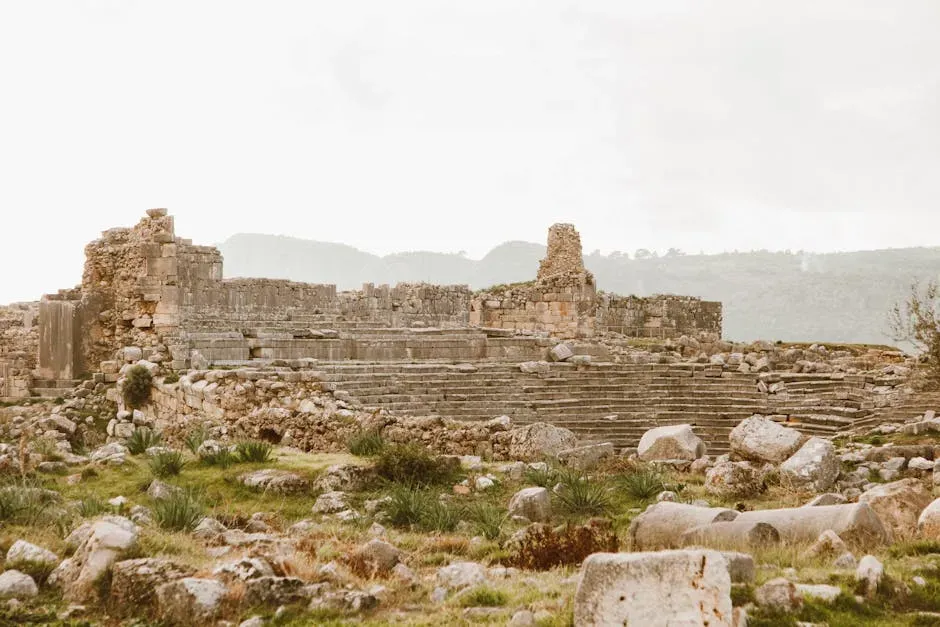
You’ve just traveled across continents and millennia, and what you’ve seen isn’t just a collection of fascinating ruins. You’ve seen a pattern. Civilizations that stretched the limits of their environment, that outgrew their water supply, or were slowly weakened until one final blow finished them off. These are just a few of the once-great cities and civilizations that have disappeared seemingly overnight throughout the history of the world. For all that we seem to know the history of our planet, every day new mysteries are uncovered, and each answer seems, sometimes, to only beget more questions.
The Indus Valley people built sewage systems thousands of years before Europe. The Maya understood the cosmos with breathtaking precision. The Minoans painted frescoes of leaping dolphins and acrobatic athletes that still leave visitors speechless. All of them gone. Not because they were weak, but often because they were stretched too thin, too dependent on conditions that eventually shifted beneath their feet. I think there’s a mirror in all of this, if you’re willing to look into it.
Every lost civilization once believed it was permanent. None of them were. What do you think we can learn from their silence? Share your thoughts in the comments.