
You’ve probably heard someone say they have a “sixth sense.” A gut feeling. An instinct. Something unexplainable. Honestly, that’s charming – but compared to what some creatures in the animal kingdom are walking, swimming, and flying around with every single day, human sensory abilities are almost laughably modest.
Although we humans have a pretty rounded collection of senses, they are by no means the best out there. Having five senses at our disposal seems great – until you realise many animals have either bettered these senses or created entirely new ways of experiencing the world around them. We’re talking about senses so precise, so alien, and so jaw-dropping that no superhero movie has come close to doing them justice. So, let’s dive in.
1. Mantis Shrimp – The Ultimate Vision Machine
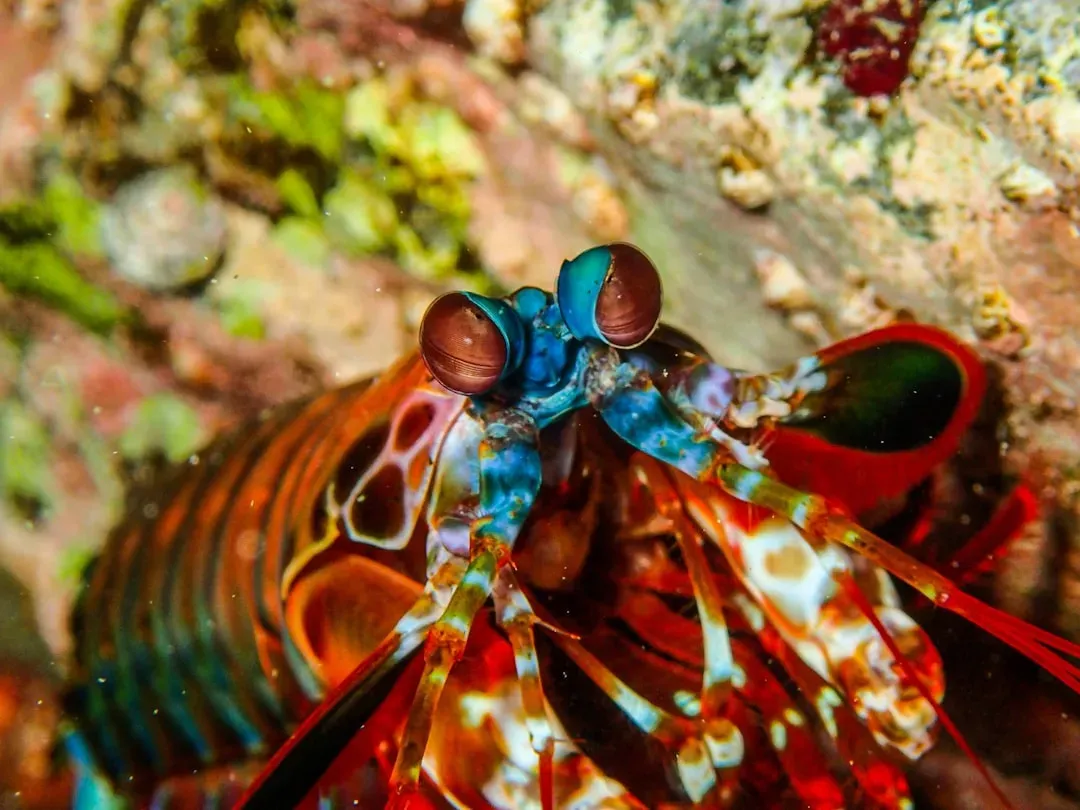
If you think you see the world in vivid colour, the mantis shrimp is here to completely humble you. Humans can process three channels of colour (red, green and blue), while mantis shrimps perceive the world through twelve channels of colour, and can detect UV and polarised light – aspects of light humans can’t access with the naked eye. That’s not a small upgrade. That’s like comparing a black-and-white television to an IMAX screen with channels you didn’t even know existed.
These marine crustaceans hold the world record for the most complex visual system. They have up to sixteen photoreceptors and can see UV, visible and polarised light. In fact, they are the only animals known to detect circularly polarised light, which is when the wave component of light rotates in a circular motion. Even more astonishing, the mantis shrimp’s ability to naturally see polarised light has inspired many scientists and opened the door for new uses in research and technology. Some scientists have used the mantis shrimp’s ability as a model to aid doctors in cancer detection, because cancerous cells react differently to polarised light than regular cells. A tiny shrimp helping beat cancer. Who could have guessed?
2. Bat – Nature’s Living Sonar System
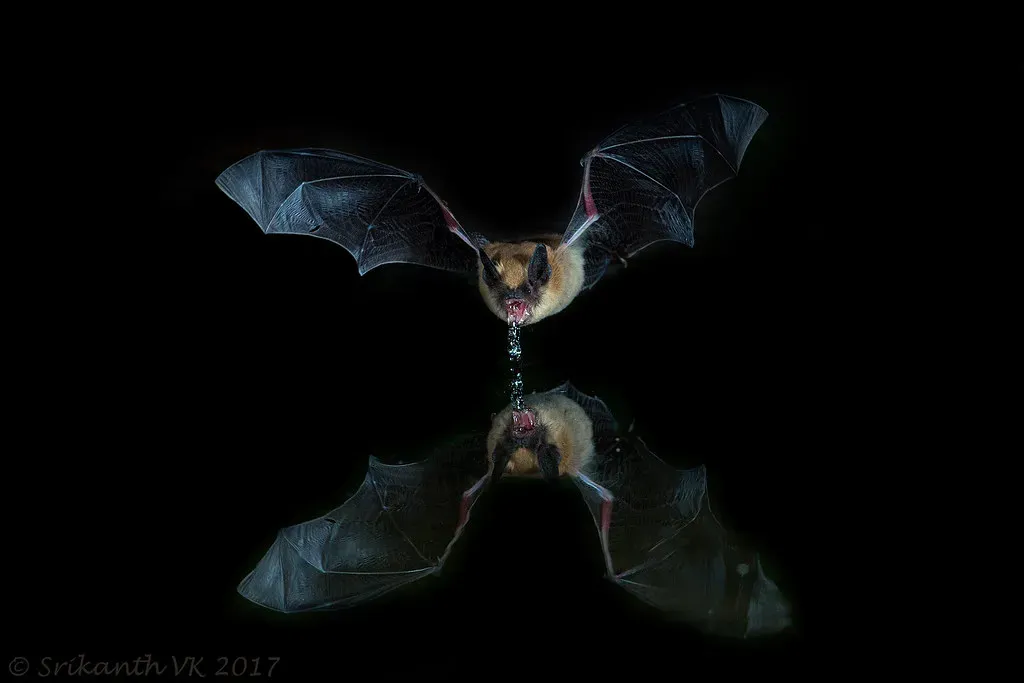
Let’s be real – bats have a PR problem. Most people think of them as creepy creatures of the night. But if you zoom in on what they are actually doing up there in the dark, you’d be amazed. Bats use echolocation to navigate and find food in the dark. To echolocate, they send out sound waves from the mouth or nose. When the sound waves hit an object, they produce echoes that bounce back to the bats’ ears. Bats listen to the echoes to figure out where the object is, how big it is, and its shape.
Here’s where it gets genuinely wild. Using echolocation, bats can detect objects as thin as a human hair in complete darkness, and can find insects the size of mosquitoes. Think about that for a second – flying at speed, in total darkness, locating something the width of a single hair. Bat calls can range from 9 kHz to 200 kHz, frequencies far beyond what your ears could ever register. Some bat species have evolved specialized nose structures, like leaf-nosed bats, that help focus their sound emissions for even greater precision – an extraordinary sensory adaptation that has allowed bats to dominate the nocturnal flying niche for over 50 million years.
3. Dolphin – Seeing With Sound Underwater
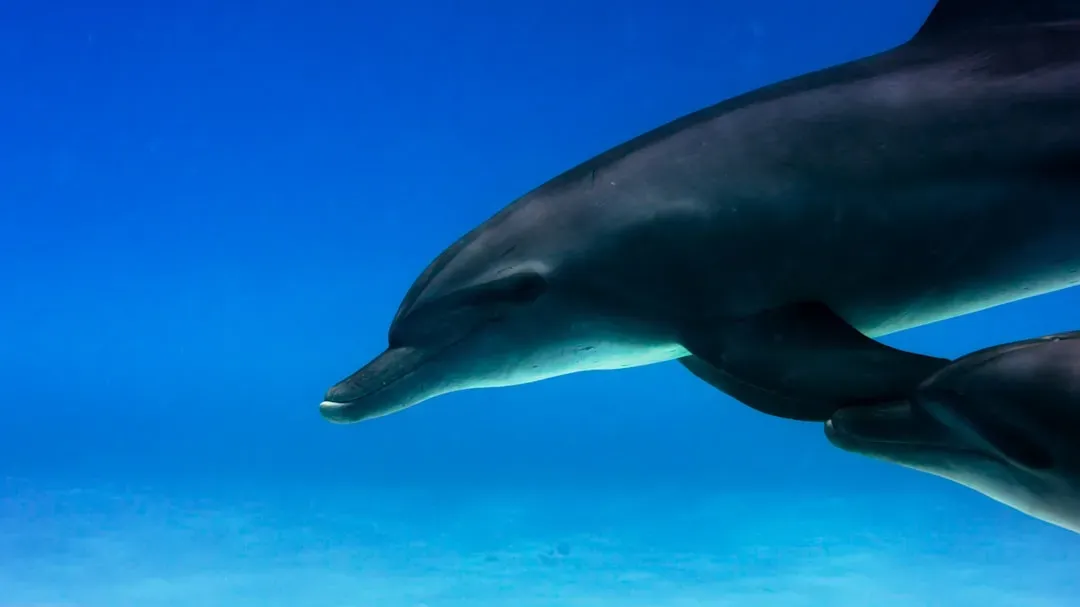
Dolphins are undeniably charming animals. Playful, intelligent, social. But the real magic isn’t their personality – it’s what they can “see” with their ears. Dolphins and other animals such as porpoises, bats, and whales share a unique way of “seeing” the world through echolocation, also called sonar. In other words, dolphins can emit and receive the echoes of sound waves that bounce off any objects near them in the water.
Dolphins utilise echolocation to perceive their surroundings underwater. By emitting clicks and interpreting the echoes that bounce back, they can locate objects and prey with astonishing precision. They can even determine the size, shape, and material of objects using sound. Their hearing range extends up to 150 kHz, vastly exceeding the human limit of 20 kHz. Think of it like a living, organic submarine sonar. A bottlenose dolphin can locate potential prey from an impressive distance of 361 feet (110 meters) away. That’s roughly the length of a football field – detected purely through sound.
4. Eagle – Eyes That Defy Human Logic
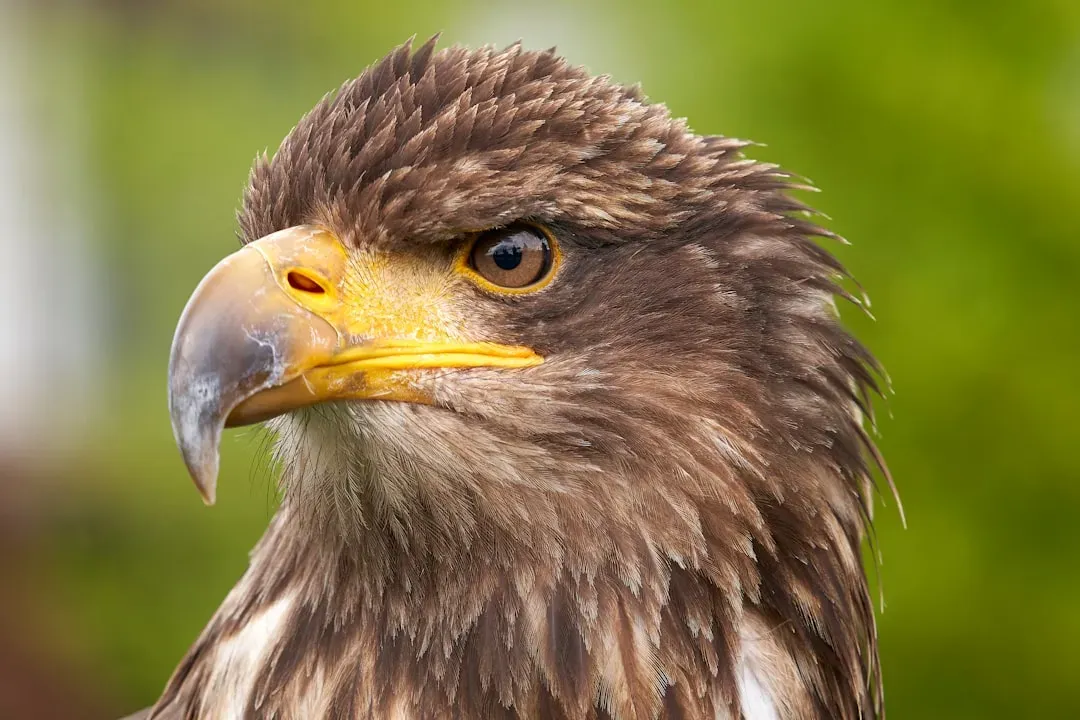
You’ve heard the phrase “eagle-eyed.” There’s a very good reason that expression exists and it has nothing to do with flattery. Eagles are renowned for their incredible vision, which far surpasses human eyesight. An eagle’s eye is equipped with a second fovea, allowing it to spot prey from nearly two miles away, even in bright or low light conditions. That is, essentially, a superpower packed into a bird’s skull.
Their eyesight is calculated to be four to eight times more powerful than that of humans. Eagles have a higher number of light-sensitive cells and a wider field of view, allowing them to detect movement from incredible distances. Imagine sitting at one end of a city block and being able to read the expression on someone’s face at the other end. Their eyesight is so sharp that they can detect a rabbit moving on the ground from high altitudes, enabling them to hunt with extraordinary precision, even in challenging light conditions. Honestly, it makes human sunglasses seem a bit embarrassing by comparison.
5. Shark – An Electric Sixth Sense
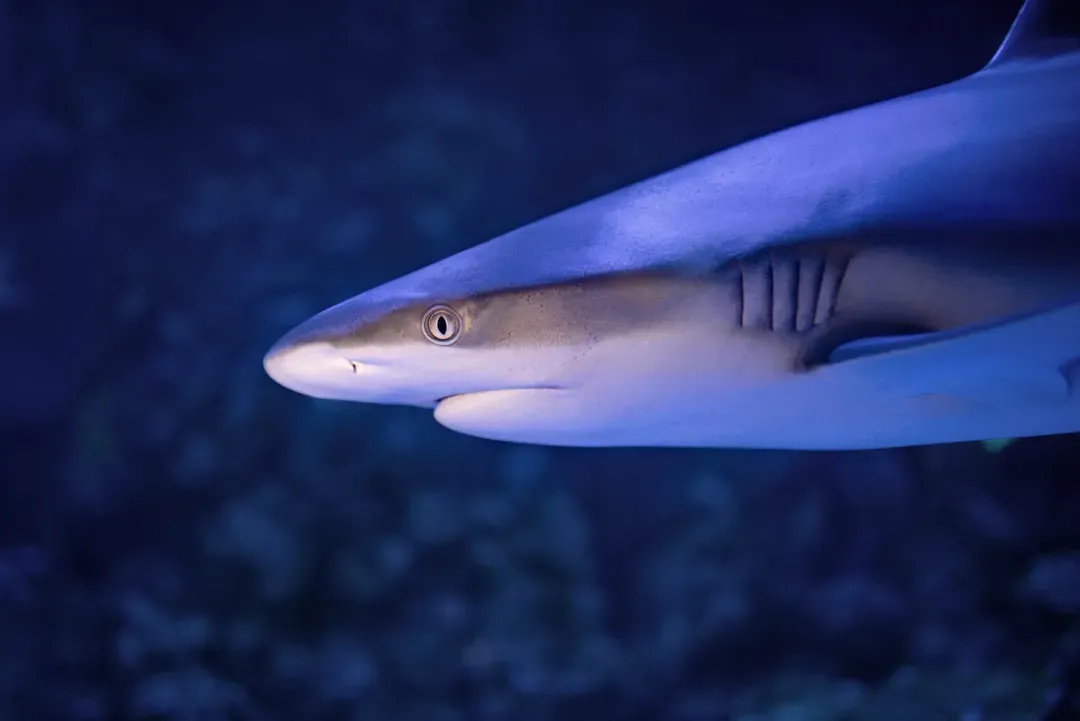
Sharks already have a fierce enough reputation without us adding to it. But here’s something that might genuinely give you chills. Electroreception is the ability to detect electrical fields in the environment. It’s a genuine sixth sense that humans completely lack, used by hundreds of species to find food, navigate, and communicate. Sharks are the most famous example, capable of sensing voltage changes as small as 0.05 microvolts per centimeter.
Sharks possess one of the animal kingdom’s most sensitive electroreception systems through specialized organs called ampullae of Lorenzini. These jelly-filled canals opening through pores in the shark’s snout can detect electric fields as weak as five nanovolts per centimeter. This extraordinary sensitivity allows sharks to detect the minute electrical fields generated by the muscle contractions of prey animals, even when hidden under sand or murky water. A flatfish perfectly camouflaged on the ocean floor, motionless and invisible, still betrays itself electrically with every heartbeat. There is simply no hiding from a shark. None.
6. Elephant – The Master of Smell and Seismic Hearing
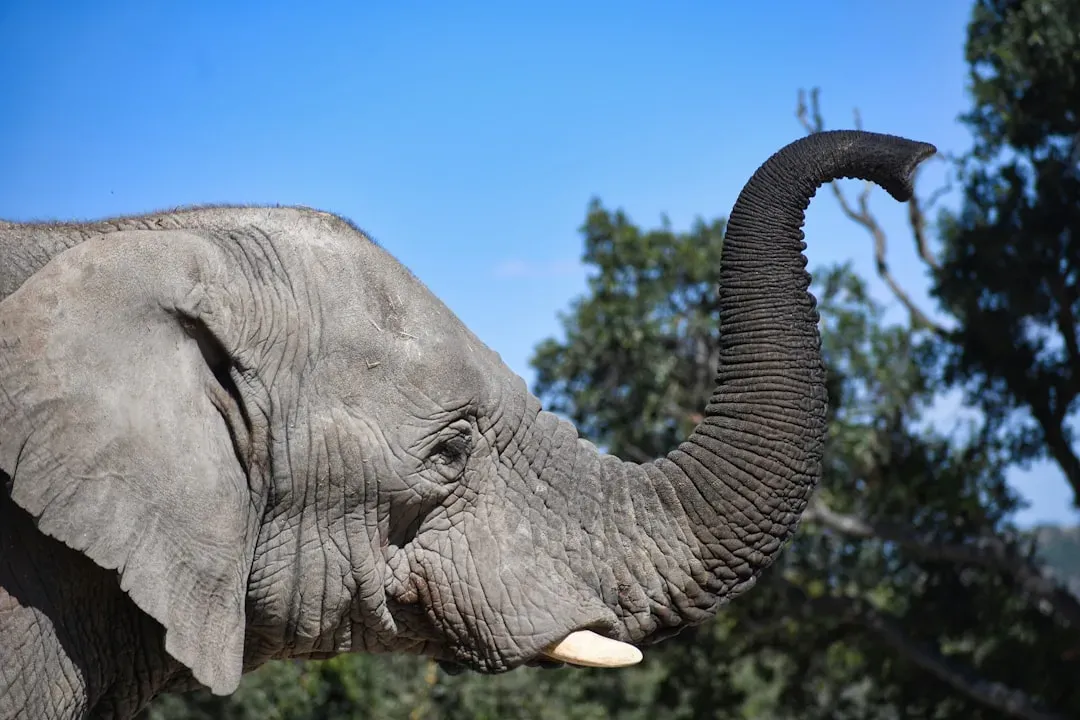
Elephants are enormous, yes. Emotional, absolutely. But their sensory abilities go way beyond what you’d expect from even these extraordinary animals. The African bush elephant has the best nose in the whole animal kingdom. Thanks to 2,000 powerful sensors in its trunk, compared to the meager 1,000 sensors found in dogs – humans only have 400 scent receptors. Each elephant has thousands of sniffer sensors in its nose, allowing it to smell water from 10 to 12 miles away. Water. From miles away. Let that sink in.
Their hearing is equally mind-bending. Elephants can hear sounds up to five miles away. Their large ears help them pick up low-frequency sounds. Elephants are also acutely aware of vibrations. They use seismic activity generated by their trunks and feet to communicate with one another about predators, territory and mating preferences. So while you’re trying to read a text message, an elephant might be “hearing” the footsteps of another herd miles away through the ground. It’s hard to say for sure, but that might be the most impressive long-distance communication in all of nature.
7. Pit Viper Snake – Built-In Thermal Imaging
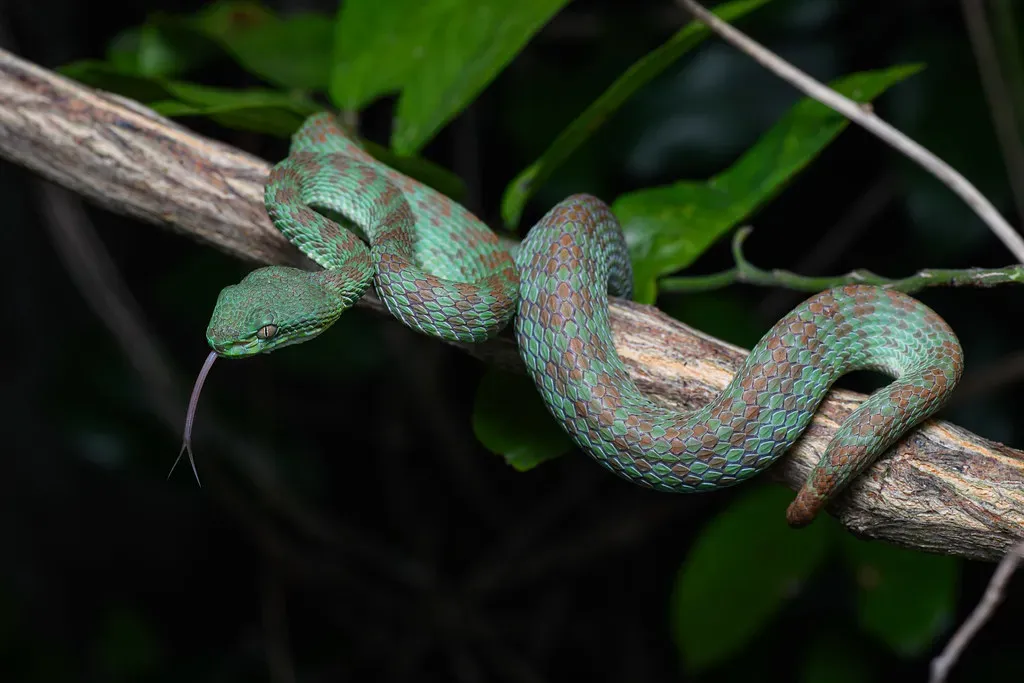
There’s something almost sci-fi about the way certain snakes hunt. They don’t just smell and see their prey. They feel its warmth – without touching it. Certain species of snake can do this without needing specialist equipment; they simply have holes below their eyes called pit organs which house receptors that can detect heat emitted up to a metre away. Think of it as having a built-in thermal camera installed in your face.
Snakes have this so-called sixth sense. Hunter snakes like vipers, pythons, and boas can still accurately find their way through the dark. This is because snakes can detect the infrared thermal radiation emitted by the bodies of the animals they prey upon. Even blinded snakes can still accurately prey on other animals, thanks to infrared radiation. The viper uses a sense of touch called “thermoception” to register the infrared aura radiating from its warm-blooded prey. Scientists found that the heat-sensing molecules in the snake’s pit organs are much like ones present in our skin – those of the snake are so sensitive, they detect the heat of a mouse up to one metre away.
8. Platypus – The Electric Bill Hunter
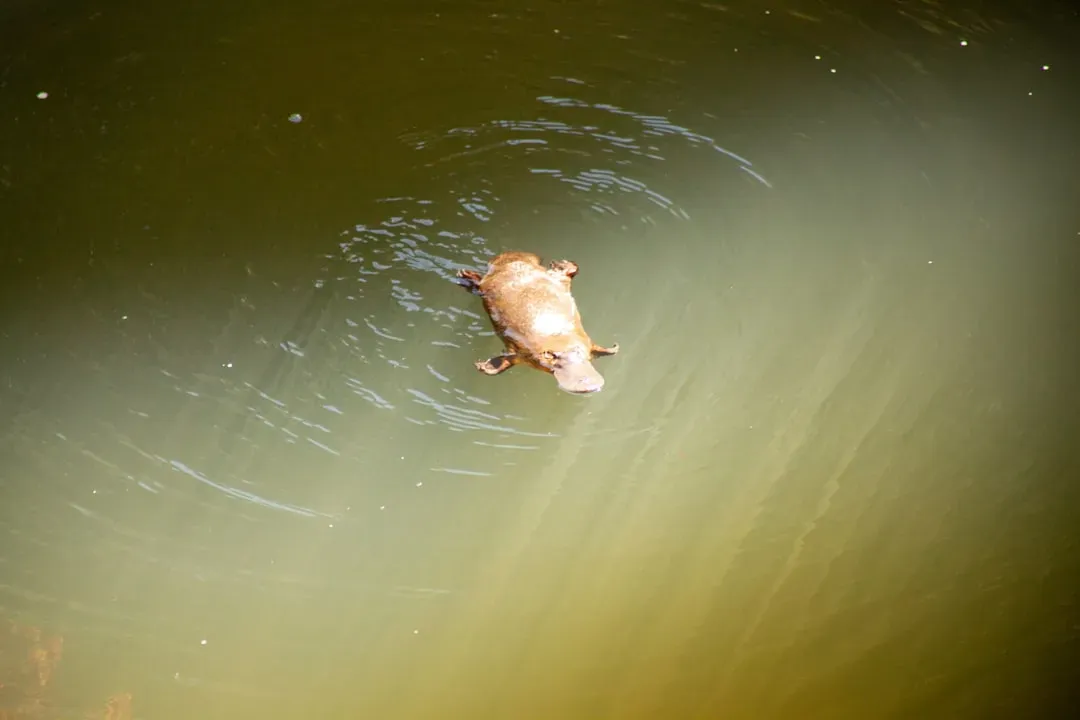
Few animals on Earth are as genuinely strange as the platypus – and I mean that as the highest possible compliment. The duck-billed platypus, already famous for its unusual appearance and egg-laying mammal status, possesses one of the animal kingdom’s most sophisticated electroreception systems. Their distinctive bill contains thousands of specialized electroreceptors that can detect the tiny electrical fields generated by the muscle contractions of prey animals. When hunting, platypuses close their eyes, ears, and nostrils, relying entirely on electroreception to locate prey in murky waters.
This sense is so refined that they can detect electrical fields as weak as 50 nanovolts per centimeter. This remarkable ability evolved independently from similar systems in sharks and certain fish species, representing a case of convergent evolution. The platypus hunts by sweeping its bill through river-bottom mud to detect the tiny electrical pulses generated by the muscle contractions of shrimp, insect larvae, and small crustaceans. Completely blind to the world around it while diving, the platypus navigates and hunts purely on electric feeling. That is wild on every possible level.
9. Star-Nosed Mole – The World’s Fastest Forager
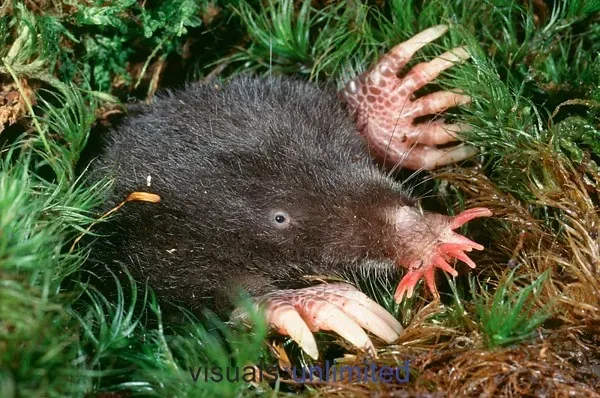
You might take one look at the star-nosed mole and think it’s something out of a science fiction movie. That bizarre, tentacled nose? It’s not just for show. The star-nosed mole possesses one of the most unique sensory tools in the animal kingdom. Its nose, fringed with twenty-two pink appendages, is covered with over 25,000 sensory receptors known as Eimer’s organs. This hyper-sensitive structure allows the mole to detect and interpret the faintest tactile signals, enabling it to identify and devour prey in under a quarter of a second, making it one of the fastest foragers known. Its brain processes touch faster than the human visual system processes sight.
Star-nosed moles have 22 tiny trunks containing a total of nearly 100,000 nerve fibers – six times as many touch receptors as on a human hand. As the mole burrows, the tentacles sweep ahead like a high-speed broom, faster than a human eye can detect. Living primarily underground in wet, low-visibility environments, these moles use their nasal stars to create a detailed tactile map of their surroundings, effectively “seeing” with touch. Research has shown that their brain devotes an unusually large amount of neural tissue to processing information from these touch receptors, demonstrating how evolution has optimized this species for its subterranean lifestyle.
10. Catfish – Tasting the Entire World
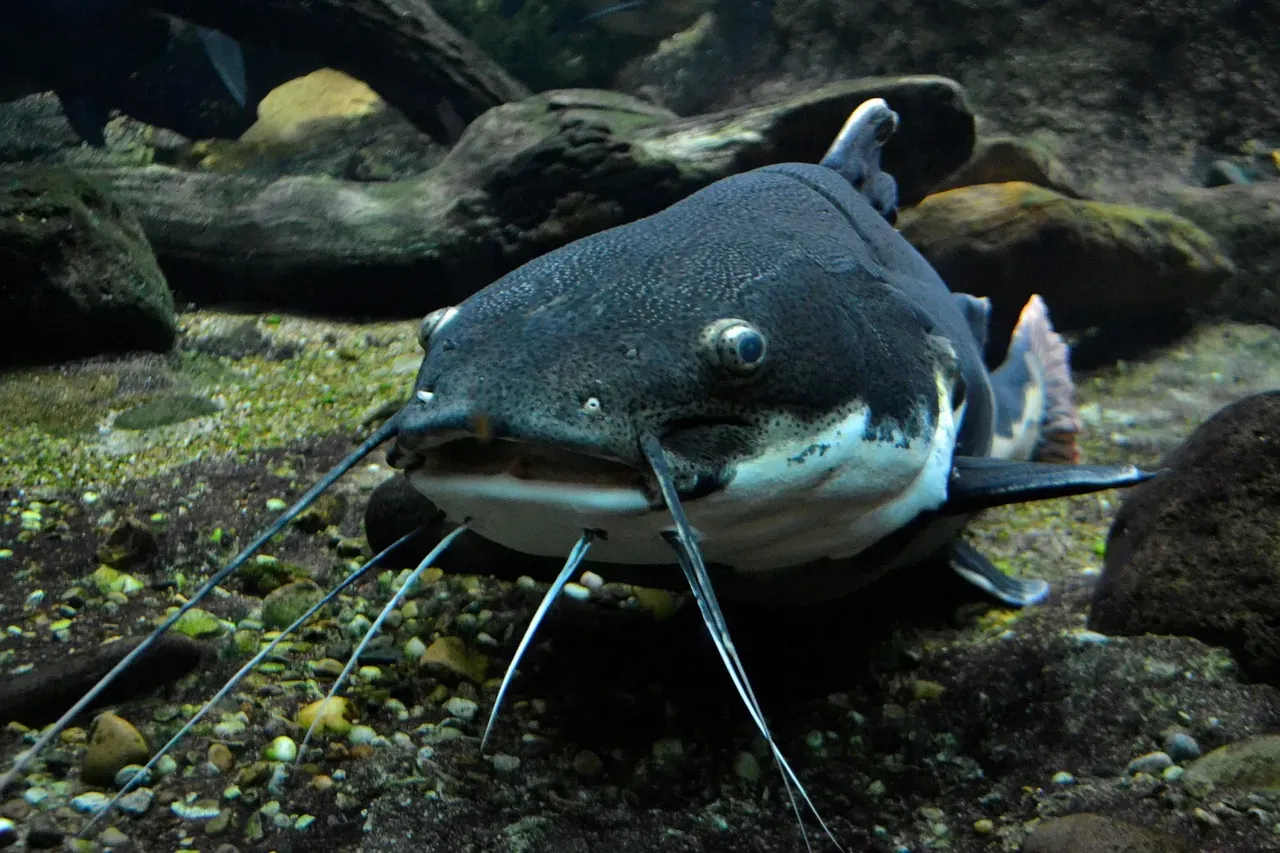
Imagine being able to taste everything around you – not just with your mouth, but with your entire body. That’s the daily reality for the catfish. Catfish have evolved a remarkable method of taste detection by having taste buds not just in their mouths, but all over their bodies. This adaptation enables them to taste their surroundings and find food in the murky waters where they often reside. With around 100,000 taste buds, the catfish’s skin is an extraordinary sensory organ.
This fish with cat-like whiskers has up to 175,000 taste-sensitive cells in its entire body, compared to an average person with only 10,000 taste buds. Along with its four pairs of whiskers, these taste cells help the fish taste its food and locate any prey nearby. This extraordinary sensory feature allows catfish to “taste” their environment and locate food effectively, even in the murky, muddy waters they often inhabit. Their whisker-like barbels act like mobile taste and touch probes. Think of the catfish as a swimming tongue with fins. I know it sounds crazy, but that’s basically exactly what it is.
Conclusion: Nature’s Sensory Hall of Fame

Here’s the thing – every single animal on this list evolved its extraordinary senses not to impress us, but simply to survive. Animals have evolved unique abilities to survive and thrive in their environments. Over millions of years, through the process of natural selection, creatures have developed fascinating skills to find food, avoid predators, and adapt to different climates and terrains. There was no design meeting, no blueprint. Just millions of years of pressure, adaptation, and breathtaking biological creativity.
The animal kingdom reveals a stunning diversity of sensory adaptations that challenge the limits of human perception. From the seismic listening of elephants and the echolocation of bats to the infrared vision of snakes and the electroreception of platypuses, these super senses offer a glimpse into alternate realities shaped by evolutionary pressures. Each adaptation serves a vital role in the survival and success of these species. They remind us that human senses represent just one narrow way of experiencing the world – and that nature has crafted countless other ways to see, hear, feel, and navigate reality.
Next time you watch a bat zigzag through the night sky or a shark glide silently through dark water, remember: you’re watching a sensory system so sophisticated that human engineers are still trying to replicate it. Nature beat us to it by millions of years. What animal on this list surprised you the most? Tell us in the comments below!