Deserts are among the most hostile places on Earth. Temperatures that scorch by day and plunge by night, landscapes almost entirely devoid of water, and food that’s scarce at the best of times – you’d think nothing could truly call such a place home. Yet life, as it almost always does, finds a way.
What’s truly mind-blowing is that it’s not just surviving that these animals have mastered. Many of them are thriving, and the mechanisms they’ve developed to do so are nothing short of biological marvels. Some drink water from fog. Others pull moisture through their skin without taking a single sip. A few haven’t drunk water in their entire lives. Let’s dive in and meet nine of the most extraordinary desert survivors on the planet.
1. The Namib Desert Beetle: Nature’s Master Fog Harvester
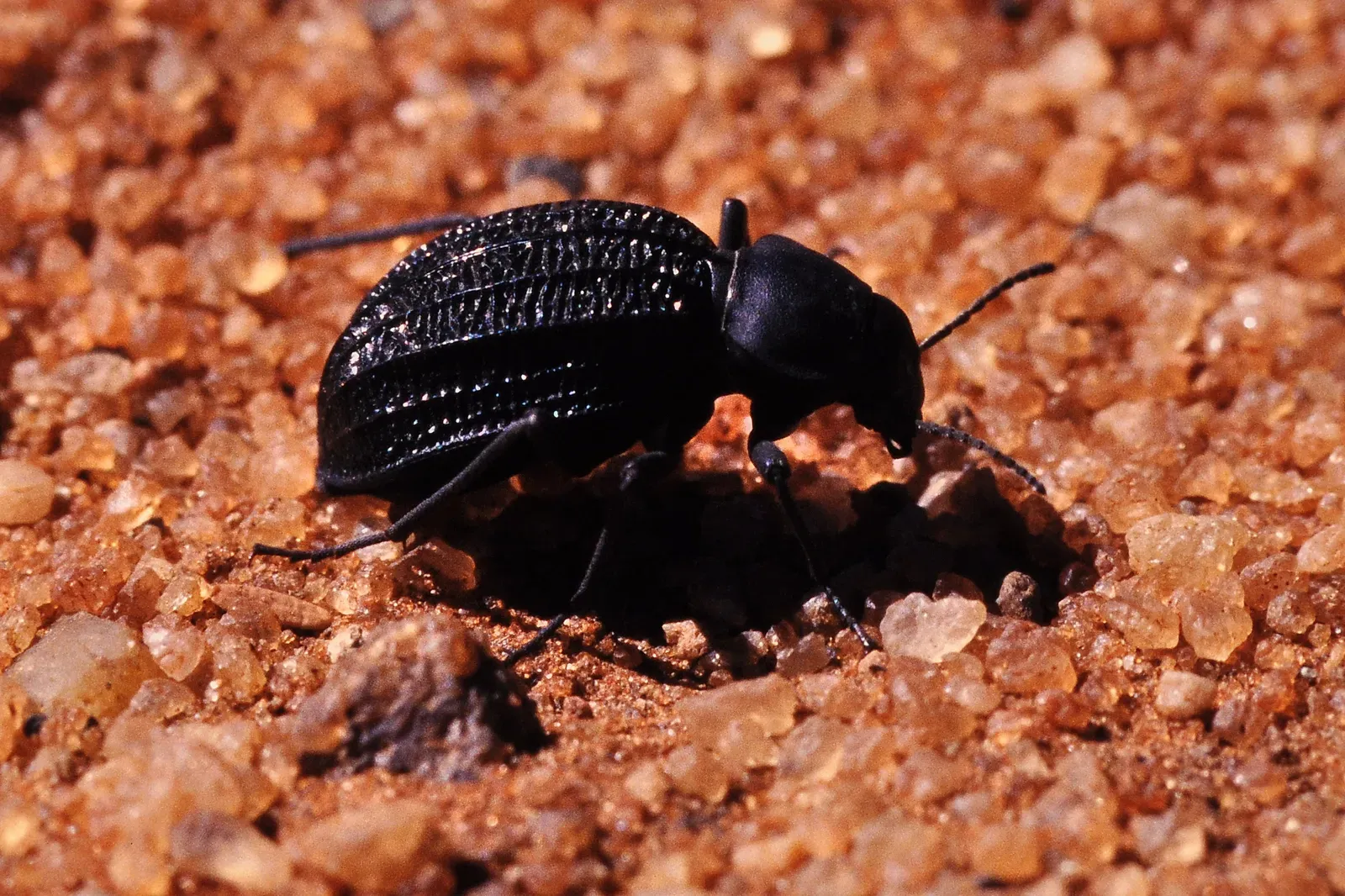
Here’s the thing – when you live in one of the driest places on Earth, you have to get creative. The Namib Desert in Africa has very little fresh water to speak of, but due to its proximity to the sea, it receives a daily dose of fog in the cool hours of the early morning. The Namib Desert beetle, specifically the darkling beetle, has turned this atmospheric quirk into its personal water supply. What it does next is genuinely astonishing.
Stenocara gracilipes, native to the Namib Desert in southern Africa, lives in one of the most arid areas on Earth, receiving only about 1.4 centimetres of rain per year. It survives by collecting water on its bumpy back surface from early morning fogs, standing on a small ridge of sand using its long, spindly legs, and facing into the breeze with its body angled at 45 degrees, catching fog droplets on its hardened wings. Long-term studies on the population density of darkling beetles in the Namib Desert clearly show that the fog-collecting beetles are still present in great numbers during periods of low rainfall. Nature’s own fog-catching device, built into the body of a beetle smaller than your thumbnail. Honestly, it’s incredible.
2. The Thorny Devil: A Lizard That Drinks Through Its Skin
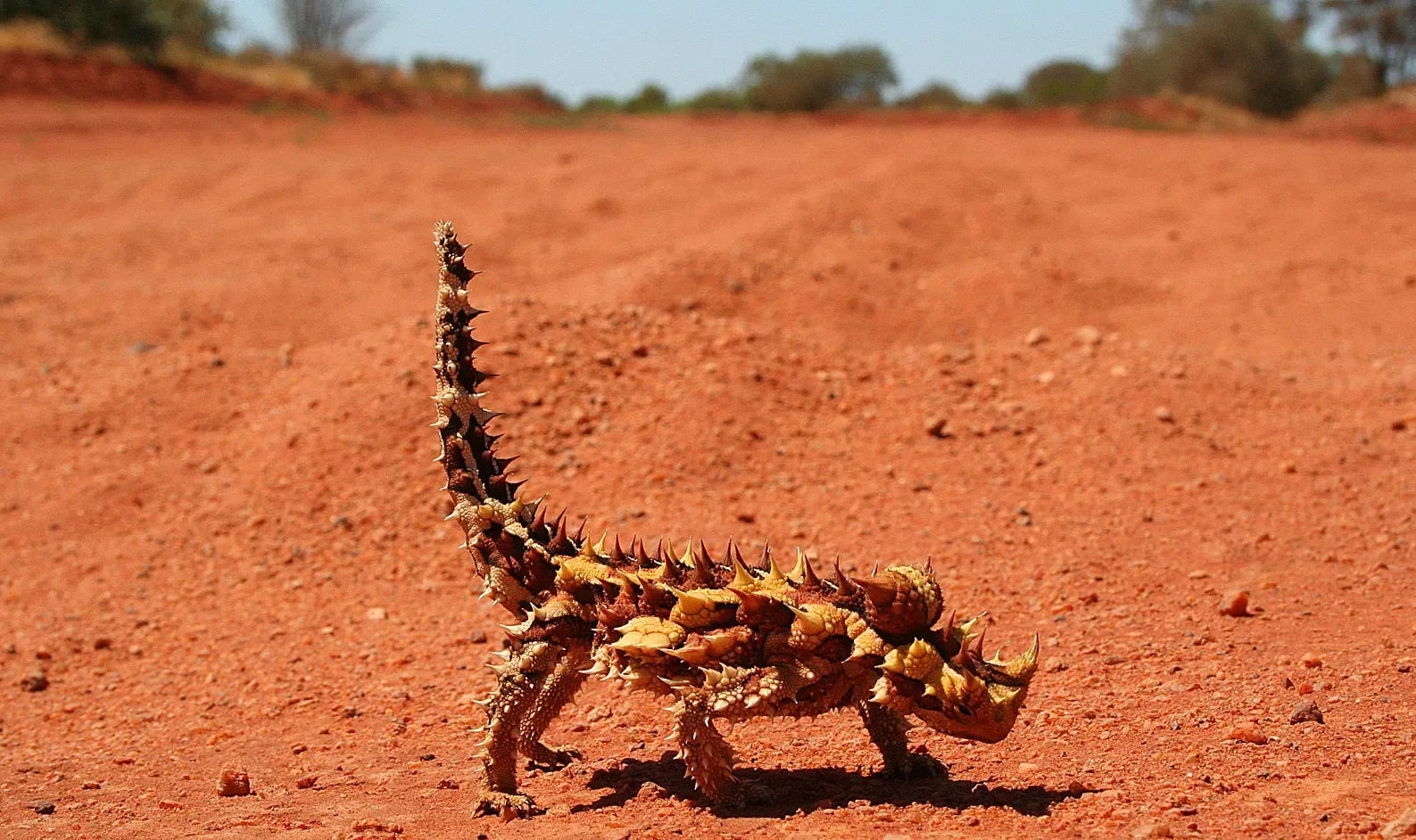
Imagine waking up thirsty in the middle of Australia’s outback, and instead of reaching for a glass, you simply walk over to a patch of damp sand and let your skin do all the work. That’s essentially the reality for the thorny devil. The Australian thorny devil, Moloch horridus, has remarkable adaptations for inhabiting arid regions. Its microstructured skin surface, with channels between overlapping scales, enables it to collect water by capillarity and passively transport it to the mouth for ingestion.
The skin is covered in a network of microscopic, moisture-attracting grooves between its scales that channel water through capillary action directly to its mouth. This allows the lizard to absorb water from various sources, including dew that condenses on its body during cool mornings, rainfall, or even moisture from damp sand. Think of it like a living paper towel, except far more sophisticated. The thorny devil can gather all the water it needs directly from rain, standing water, or from soil moisture, against gravity, without using energy or a pumping device. No sipping, no searching for a puddle. Just standing on the right patch of ground and letting physics do the work.
3. The Fennec Fox: Big Ears, Bigger Survival Instincts
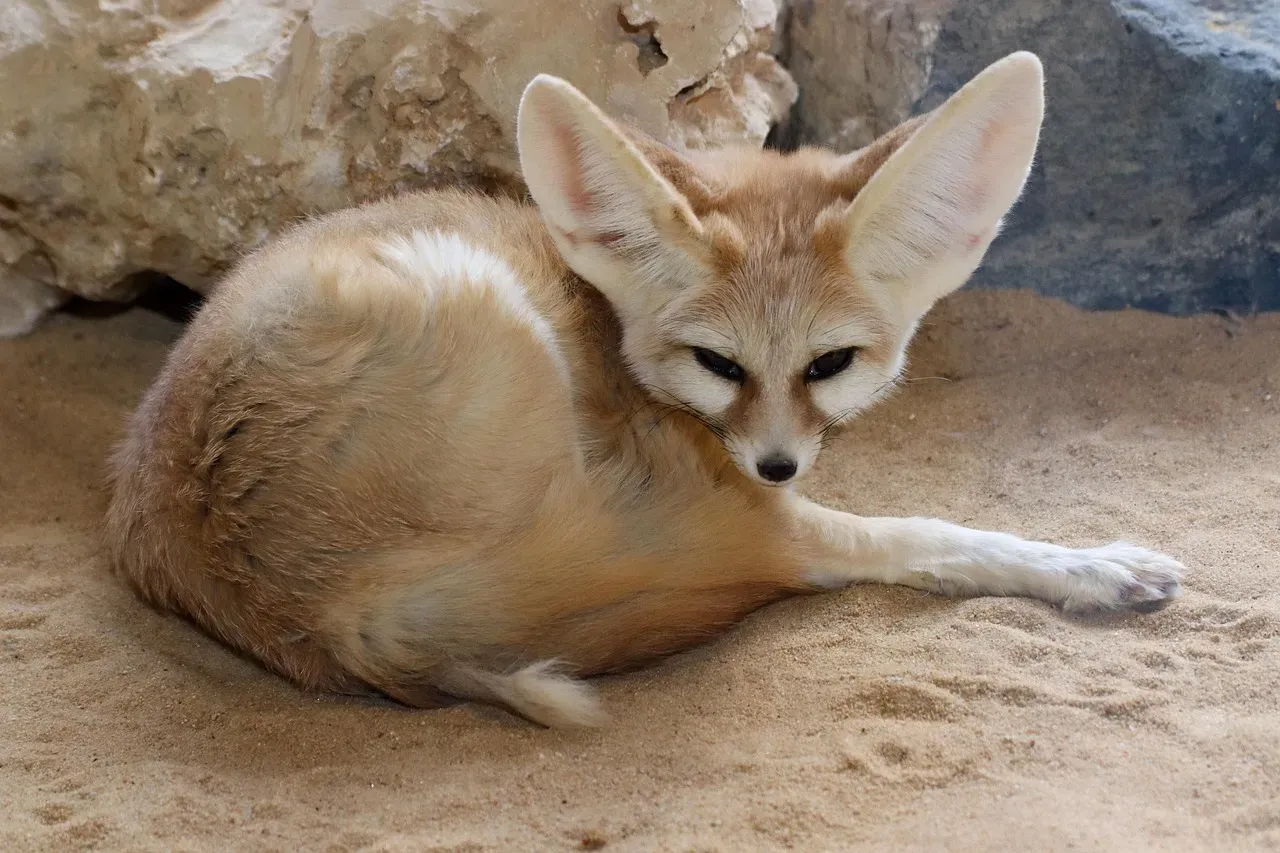
You’ve probably seen pictures of the fennec fox. Those enormous ears look almost cartoonish, like someone drew them twice as large as they should be. But here’s what those ears are really doing. Its unusually large ears serve to dissipate heat and listen for underground prey. The ears provide an expansive surface area of exposed skin loaded with blood vessels, essentially working like a radiator on legs. It’s the same principle as those large ornate fins you see on old muscle cars, just evolved over millions of years.
Fennec foxes are most recognizable by their large ears, reaching 4 to 6 inches in length. Those ears not only help them listen for prey underground but also serve to dissipate excess heat of the desert. They have a thick, sandy-colored coat that keeps them warm at night and reflects the sunlight during the day. They even have fur on their feet that protects their footpads from the scorching ground. The fennec fox also has large, dense kidneys that help store water in times of scarcity. Every single part of this small fox has been shaped by the relentless pressure of the desert into something perfectly tuned for survival.
4. The Kangaroo Rat: The Desert Creature That Never Drinks Water
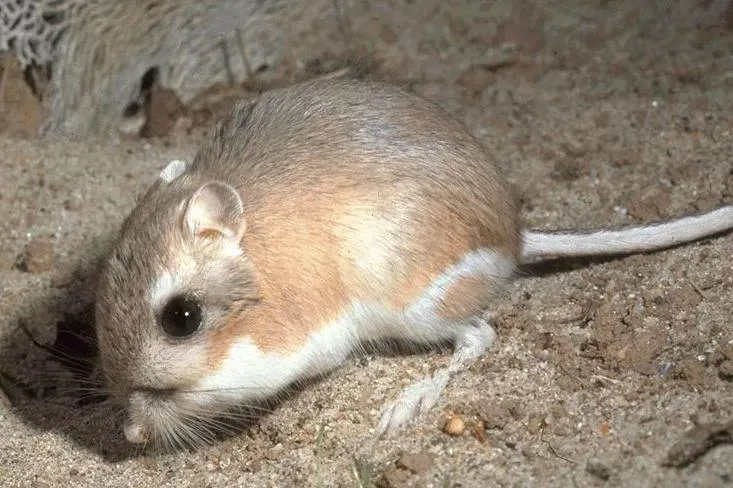
I know it sounds crazy, but the kangaroo rat of North America’s deserts genuinely does not need to drink water – ever. Some rodents, such as pocket mice and kangaroo rats, are completely independent of any free water or even of moist food. The kangaroo rat is probably the best known of these. It eats primarily dry, high-carbohydrate seeds; one gram of grass seed produces one half gram of oxidation water. The rat, in effect, manufactures its own water from the chemistry of digestion. That’s not a figure of speech – it’s literal metabolic alchemy.
Certain desert mammals, such as kangaroo rats, live in underground dens which they seal off to block out midday heat and to recycle the moisture from their own breathing. These ingenious rodents also have specialized kidneys with extra microscopic tubules to extract most of the water from their urine and return it to the bloodstream. Much of the moisture that would be exhaled in breathing is recaptured in the nasal cavities by specialized organs. Kangaroo rats actually manufacture their water metabolically from the digestion of dry seeds. These highly specialized desert mammals will not drink water even when it is given to them in captivity. That last fact absolutely floors me every time.
5. The Dromedary Camel: The Desert’s Ultimate Long-Haul Machine
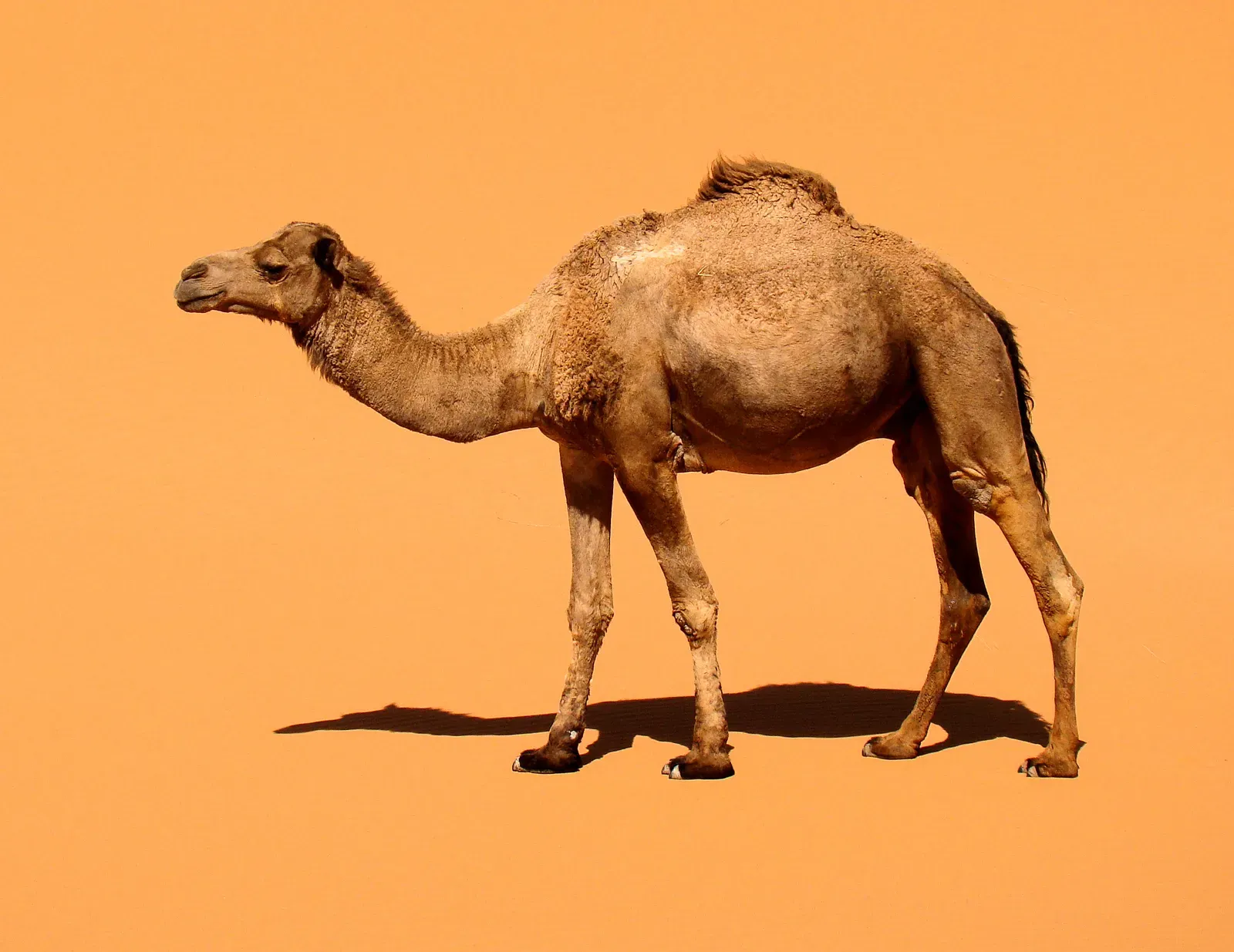
No list of desert survivors would be complete without the camel, and for good reason. The camel’s adaptations go way beyond the famous hump, which most people already know stores fat, not water. The camel, often referred to as the “ship of the desert,” has several adaptations that enable it to survive in the desert. Its hump stores fat, which can be broken down into water and energy during long periods without food or water. Think of the hump as an emergency fuel tank that the body can tap into whenever the desert becomes truly punishing.
Camels have the ability to drink large amounts of water at once, rehydrating quickly after long periods of dehydration. Their thick fur insulates them from the desert heat during the day and cold at night. Camels can intake large quantities of water – up to 40 gallons in one session – allowing them to rehydrate quickly and endure long dry spells. That’s roughly the equivalent of a bathtub full of water consumed in one sitting. There’s also something deeply intelligent in how the camel’s body tolerates a wide range of internal body temperature swings that would be dangerous for most other mammals. The desert made this animal, and the camel made the desert habitable.
6. The Gila Monster: Slow, Deadly, and Brilliantly Efficient
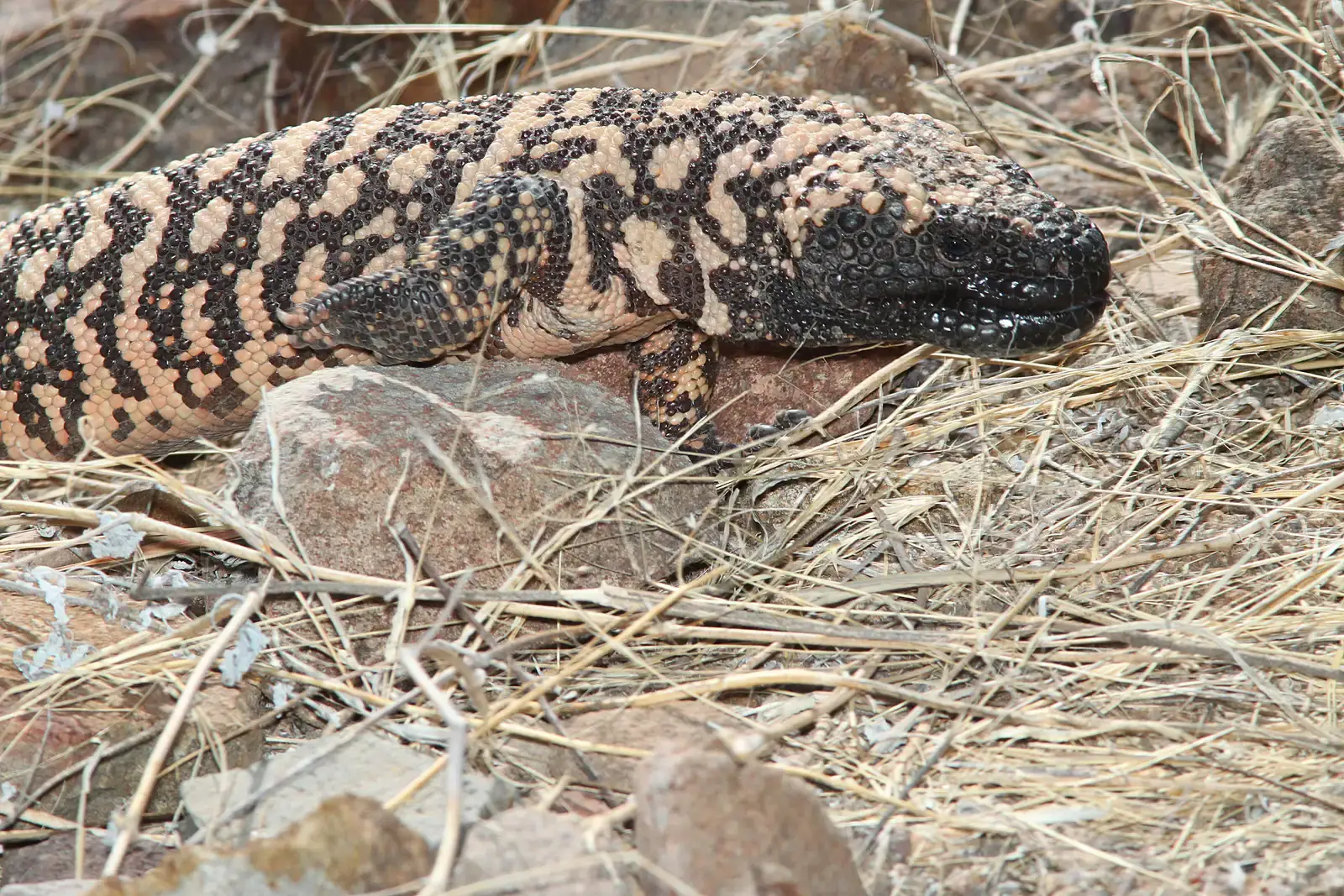
The Gila monster doesn’t look like a survivor. It moves slowly. It spends most of its time underground. Its metabolism is almost alarmingly sluggish. Yet all of that, it turns out, is exactly the point. It is a nocturnal creature, spending the hottest parts of the day in burrows or under rocks. It has a slow metabolism, which helps it conserve energy and survive long periods without food. In a place where energy is precious and meals are rare, being slow is not a weakness. It’s a strategy.
The Gila Monster – one of only two venomous lizards in the world – spends most of its life underground and can go months between meals by living off fat stored in its tail. This is a handy little survival trick during the dry season in their Sonoran Desert habitat. The slow metabolism helps conserve energy when food is scarce, allowing animals like the Gila monster to survive longer periods between meals. It’s the biological equivalent of putting a car into extreme eco mode. Everything slows down, every calorie is hoarded, and the animal simply waits out the worst that the desert can throw at it.
7. The Spadefoot Toad: The Amphibian That Defies the Desert
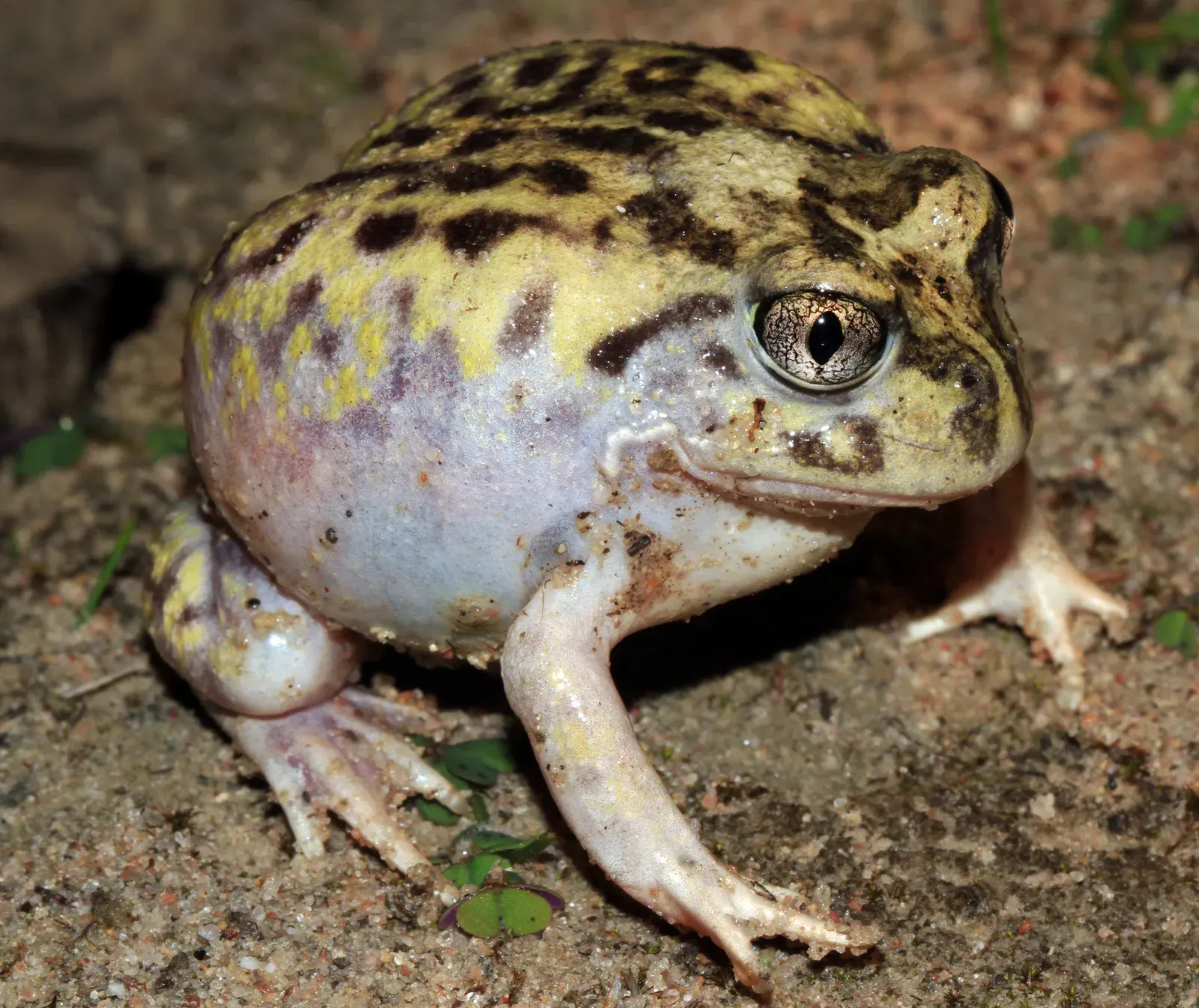
Uploaded by SunOfErat, CC BY 2.0)
An amphibian surviving in a desert sounds like a bad joke. These are creatures built for moisture, for ponds, for wet feet. Yet the spadefoot toad has somehow cracked the code. The spadefoot toad is an amazing adaptable species that can be found living in deserts all over the world. These amphibians have unique spade-shaped feet which allow them to dig deep into sand and soil, up to two meters, in search of food and water. Additionally, spadefoot toads can go into a state of suspended animation for extended periods of time, allowing them to conserve energy when water or food resources are scarce.
The spadefoot toad remains dormant underground for most of the year, emerging only after heavy rains to breed. This strategy ensures that their offspring have ample water and food resources to survive the initial stages of life. The desert spadefoot evolved an accelerated development rate – from egg to toadlet in less than two weeks. In southeastern California, where summer rainfall is less dependable, spadefoots emerge during the first storm, travel to ponds, call and breed, and gorge on lipid-rich, swarming termites, often in a single night. Speed-running an entire life cycle in a matter of days is a level of biological urgency that’s almost impossible to wrap your head around.
8. The Arabian Oryx: A Desert Antelope Built Like a Thermostat
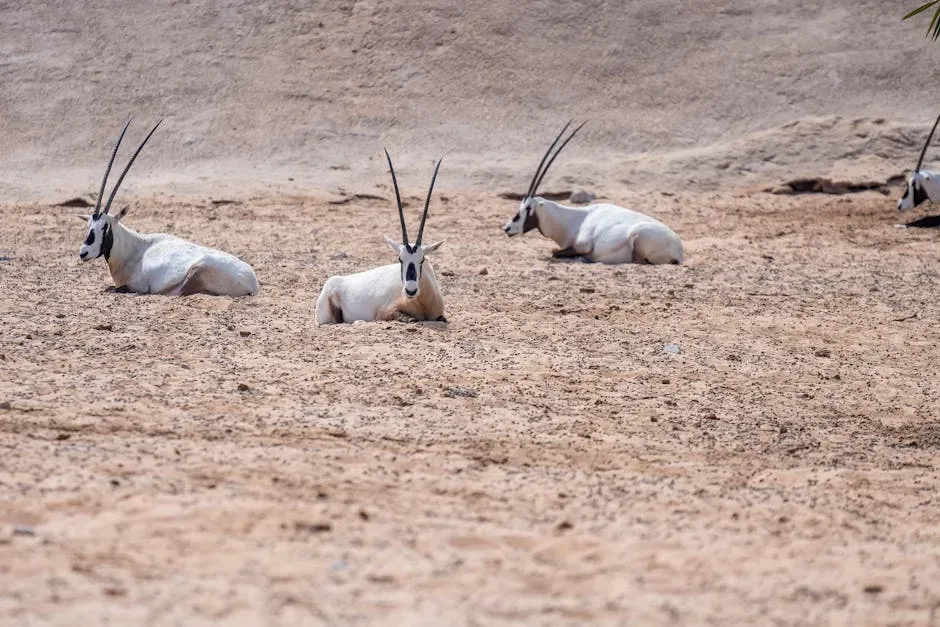
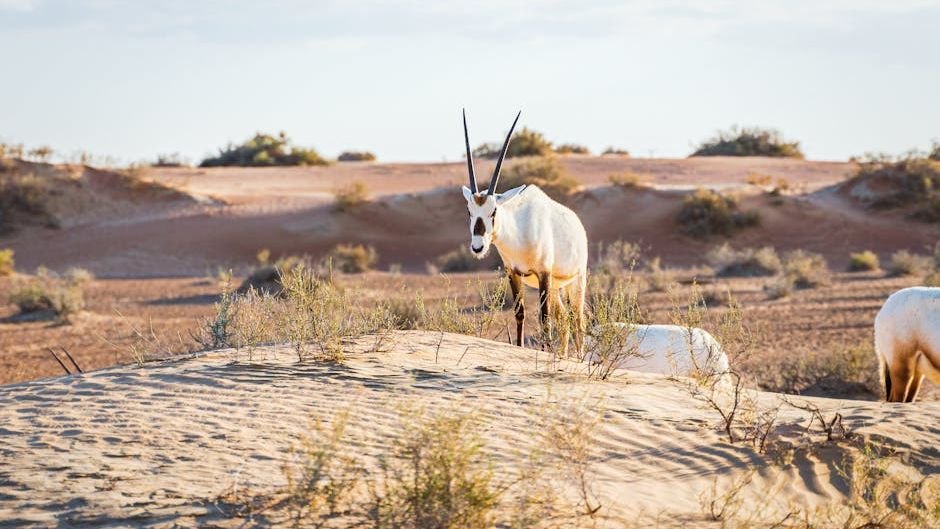
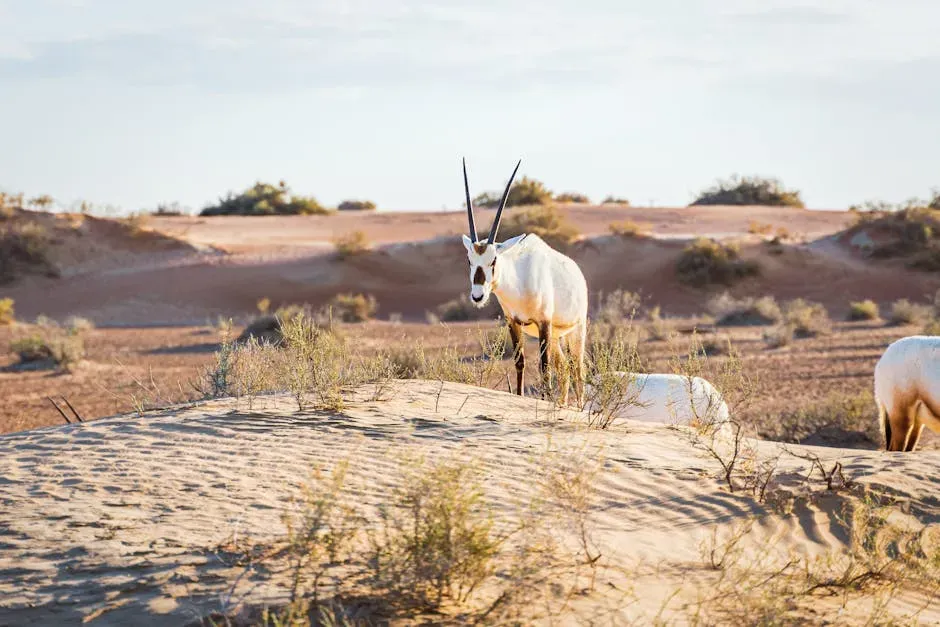
The Arabian oryx looks almost too elegant for the punishment of the desert. Its pale coat, long curved horns, and graceful frame seem more suited to a wildlife documentary than a place where water essentially doesn’t exist. Yet this animal has evolved an extraordinary internal system for beating the heat. The Arabian oryx is highly adapted to desert conditions, capable of surviving without water for months at a time. It obtains most of its moisture from the plants it eats and conserves water by lowering its metabolic rate during the hottest parts of the day. The oryx can also raise its body temperature to reduce the need for sweating, thus conserving precious water. Its pale coat reflects sunlight, minimizing heat absorption.
This type of oryx is easily recognized by its long, curved horns and white coat with a reddish-brown neck and chest, which reflect the sun’s heat and help keep the animal cool. It is adapted for desert life, feeding on hardy grasses, leaves, and herbs and is capable of going long periods without water. Raising its own body temperature might sound counterintuitive, but it’s genius: by allowing its body to warm up rather than spending water through sweat to cool down, the oryx saves every precious drop of moisture for what actually matters. It’s temperature management as an art form.
9. The Scorpion: An Ancient Survivor With a Nearly Indestructible Body
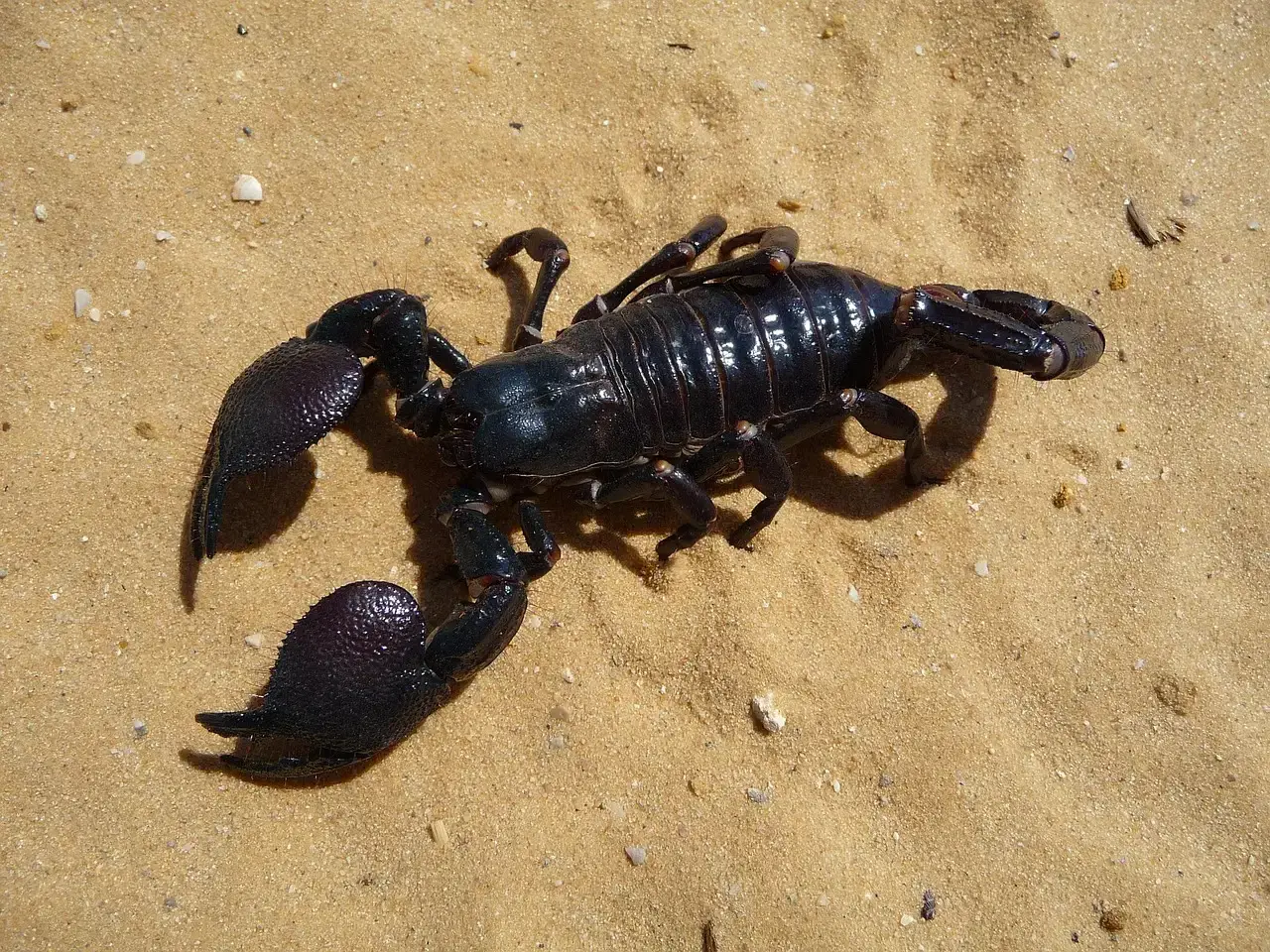
Scorpions have been crawling across deserts for hundreds of millions of years, and that kind of staying power doesn’t happen by accident. Scorpions are small arachnids with pincers and a stinger that can inject venom. They come out at night to hunt for insects and other tiny creatures. That strict nighttime schedule is a survival decision made at the evolutionary level. Avoiding the blazing daytime heat isn’t laziness – it’s millions of years of tested wisdom.
Scorpions have a thick outer layer that reduces water loss and allows them to survive in the hot, dry desert environment. Their exoskeleton essentially functions as a waterproof suit, sealing in precious moisture with remarkable efficiency. Scorpions have a fascinating trick: they glow under ultraviolet light. This glow allows scientists to find them in the dark, though researchers still debate the full purpose of this fluorescence in the wild. Whether it plays a role in detecting moonlight and adjusting behavior, or serves some other function entirely, one thing is certain: the scorpion is a creature that has done almost everything right for a very, very long time. In a desert full of extraordinary survivors, the scorpion might just be the most battle-tested of them all.
Conclusion
What unites every single one of these animals is the same relentless, uncompromising pressure: survive or disappear. The desert doesn’t offer second chances, and yet, across millions of years, these creatures found answers. Some grew specialized skin. Others rewired their metabolism. A few simply changed their relationship with time, disappearing underground and waiting the worst of it out.
The more you learn about desert adaptations, the more the desert stops looking like a place of death and starts looking like one of the most creative laboratories evolution has ever run. These animals are proof that where there is pressure, life will always find a way to push back – often in ways that leave even the most seasoned scientists genuinely amazed.
What surprises you most about these extraordinary survivors? Drop your thoughts in the comments – we’d love to know which adaptation you find the most mind-bending.