
For most of the twentieth century, people were told a simple story about the Amazon: endless jungle, a few scattered tribes, and soil too poor to support anything like a real city. The idea that advanced civilizations could have thrived there sounded like romantic fantasy, more Indiana Jones than serious science. Yet over the last two decades, that story has started to crack, and the latest discoveries are now blowing it wide open.
Using new technology, digging into dark, fertile soils, and re-reading old colonial accounts with fresh eyes, researchers are painting a radically different picture of the Amazon’s past. Instead of an untouched wilderness, they’re seeing a carefully engineered landscape, shaped by millions of people over thousands of years. The newest evidence isn’t just surprising; it’s forcing us to rethink what we thought we knew about “civilization” itself.
The Shocking Discovery: Cities Hidden Beneath the Canopy
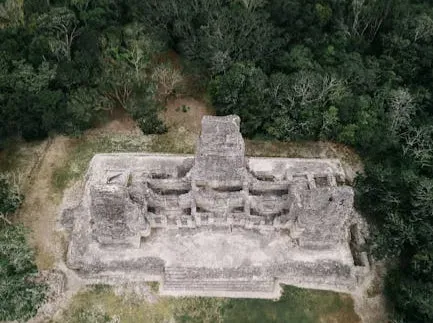
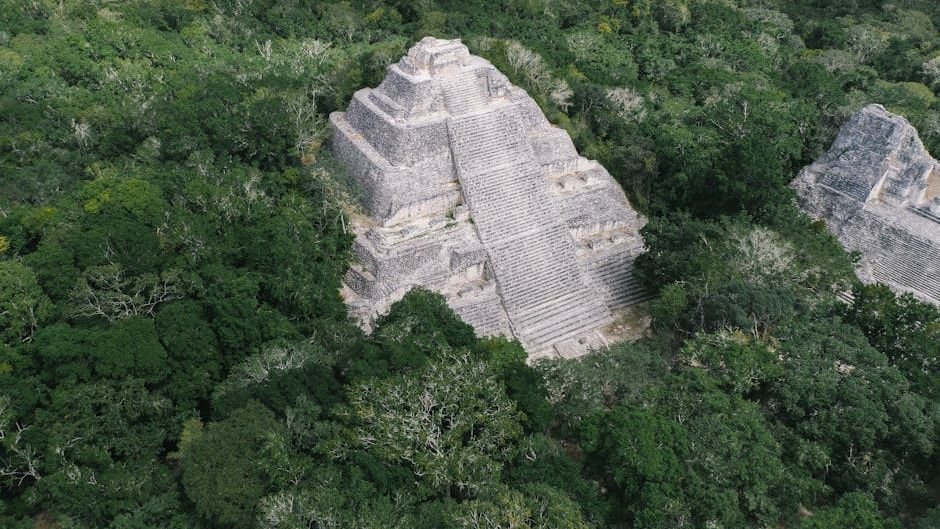
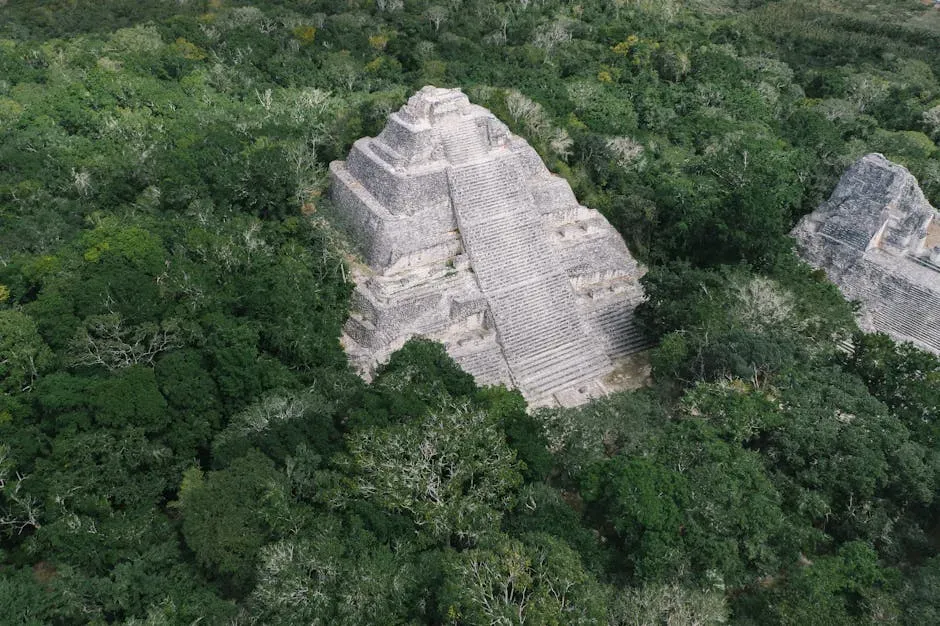
Imagine flying over a sea of trees and discovering, beneath what looks like untouched jungle, traces of vast settlements, avenues, and geometric structures stretching for miles. That’s essentially what’s been happening in parts of the Amazon, especially in regions of Brazil, Bolivia, Ecuador, and Colombia. Scientists are finding what look like the ghostly footprints of ancient urban networks, long swallowed by the forest. The scale alone is startling: some complexes cover areas comparable to medium-sized modern cities.
These findings are not tiny villages clinging to rivers, but interconnected centers linked by straight roads and canals, with carefully planned layouts. The latest work suggests that, at their peak, these regions may have supported populations in the hundreds of thousands, maybe even more, living in sophisticated, densely populated landscapes. For a place once written off as inherently hostile to large-scale agriculture and permanent settlement, that’s a staggering reversal. It’s like suddenly discovering that the Sahara Desert once held skyscrapers.
How Laser Technology (LiDAR) Pulled Cities Out of the Jungle
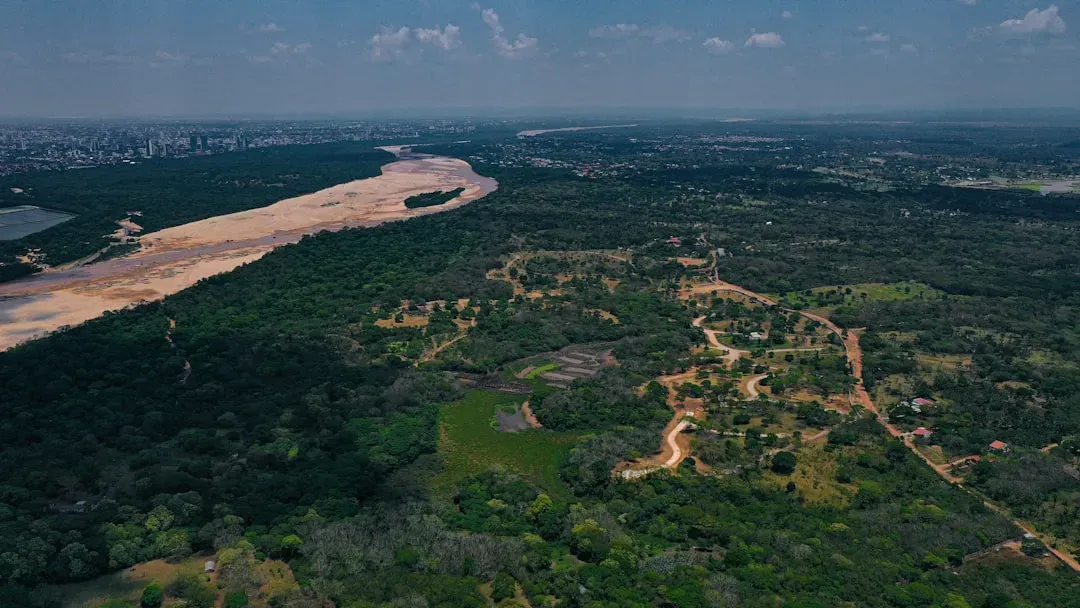
The real turning point has been the use of laser-based remote sensing called LiDAR, fired from planes or drones flying above the forest. LiDAR beams can “see” through gaps in the canopy and bounce off the ground, allowing researchers to digitally strip away vegetation and reveal the shape of the land below. When teams first ran LiDAR surveys over parts of the Amazon, they expected to confirm a few known ruins. Instead, they started seeing massive networks of platforms, plazas, pyramidal mounds, and causeways that no one knew were there.
LiDAR doesn’t just reveal single sites; it shows patterns across entire regions, like veins running through a leaf. In some areas, scientists have mapped large, grid-like road systems and clusters of settlements that appear to form urban clusters rather than isolated villages. The geometry is hard to ignore: recurring rectangles, circles, and straight lines that don’t happen by accident in nature. It’s like turning on a blacklight in a dark room and watching hidden writing suddenly glow across every surface.
Mysterious Geoglyphs and Massive Earthworks
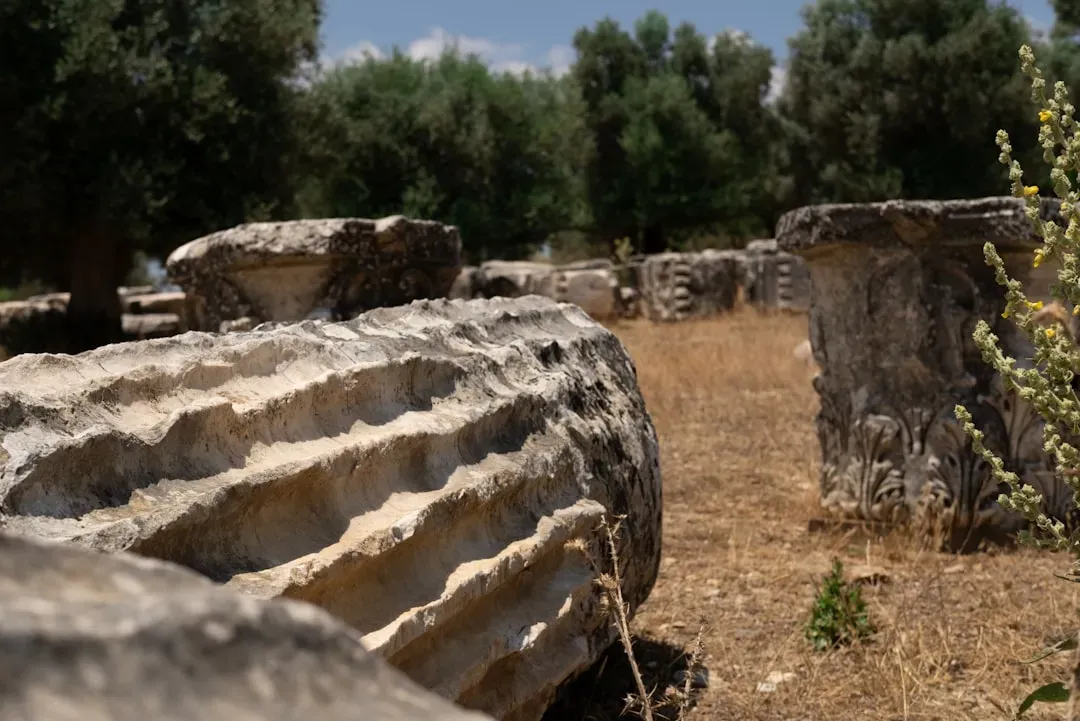
Long before LiDAR, farmers clearing land in the southwestern Amazon started noticing strange shapes emerging from the soil: huge circles, squares, and complex geometric patterns carved into the earth. These geoglyphs, some as long as several football fields, had been hidden under the forest canopy for centuries. Once satellite images and aerial photos became easier to access, researchers realized there were not just a handful of these structures but hundreds, possibly thousands, spread over wide areas. The sheer density suggests a major social and cultural effort behind their construction.
These earthworks weren’t random trenches; they seem to have been carefully planned, with standardized shapes and alignments that may have had ceremonial, astronomical, or political significance. In some cases, they cluster around raised platforms and mounds, hinting at elite residences or communal buildings. Even more intriguing, the geoglyphs often sit where the forest today looks “old” and undisturbed, reminding us that what appears natural can hide layers of human history. The forest is not just a backdrop; in many places, it might be the result of ancient design decisions.
Dark Earth and Engineered Soils: The Secret of Amazonian Agriculture
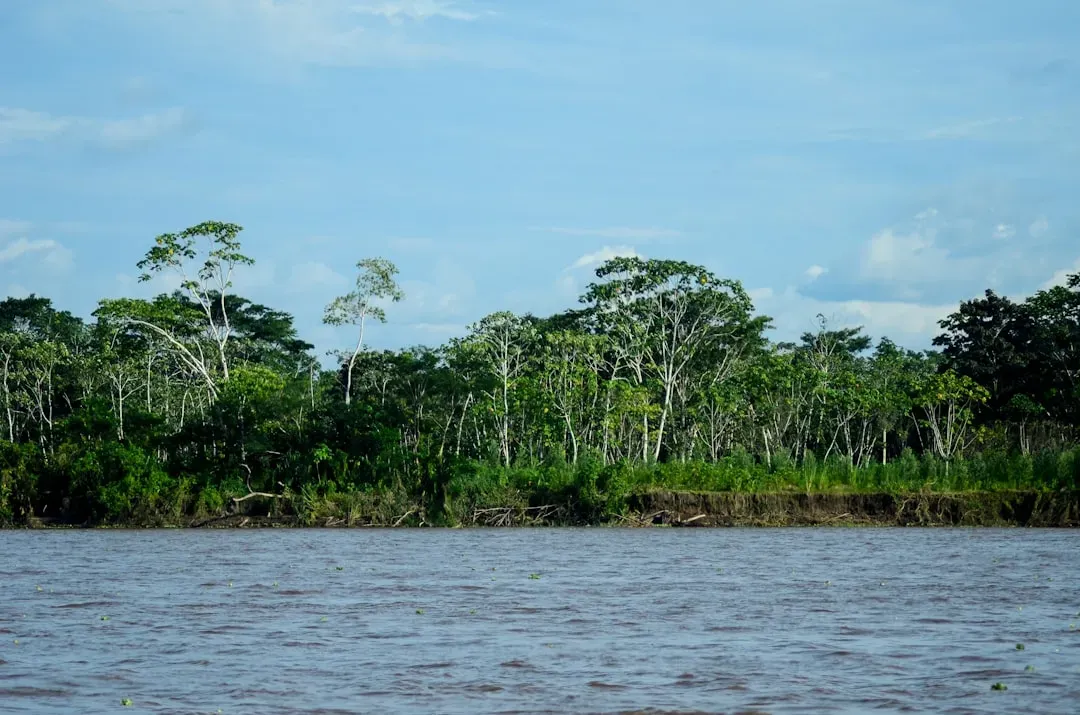
One of the big myths about the Amazon has been that its soils are too poor to support dense populations and large-scale agriculture. In many spots, that’s still true: the nutrients wash out quickly in heavy rains, making long-term farming difficult. But scattered across the basin, archaeologists and soil scientists have found patches of remarkably fertile, charcoal-rich earth called Amazonian dark earth, often known by the Portuguese name terra preta. These soils are not natural accidents; mounting evidence shows they were deliberately created by people adding charcoal, bones, and organic waste over generations.
Dark earth can hold nutrients far better than typical Amazon soils and remains fertile for centuries, maybe even longer. In effect, ancient communities seem to have invented a kind of low-tech, long-lasting soil enhancement that modern agriculture still struggles to replicate sustainably. This engineered soil would have allowed people to grow more food in smaller areas, support larger populations, and reduce the pressure to constantly move and clear new forest. It subtly flips the script: instead of humans being at the mercy of the jungle, they were reshaping it from the ground up.
Population Estimates That Rewrite History
For decades, standard history books said that pre-Columbian populations in the Amazon were relatively small, often suggesting only a few million people lived across the entire basin. Now, with evidence of extensive settlements, vast earthworks, and engineered soils, researchers are redoing the math. Various studies suggest that, before European contact and the wave of disease and violence that followed, tens of millions of people may have lived in the Amazon region. That would put it on par with some of the largest population centers anywhere in the world at the time.
Some archaeologists argue that these societies were not just large but deeply organized, with regional trade, complex social hierarchies, and shared cultural practices across wide distances. If that picture holds up, it means that what we have been calling “pristine rainforest” is, in many areas, the regrowth of landscapes once carefully managed and inhabited. The collapse of those populations, driven largely by epidemics, would have allowed the forest to close back over roads, plazas, and fields within a few generations. In that sense, the modern jungle is both a thriving ecosystem and a living tomb.
Rethinking “Wilderness”: The Amazon as a Human-Made Forest
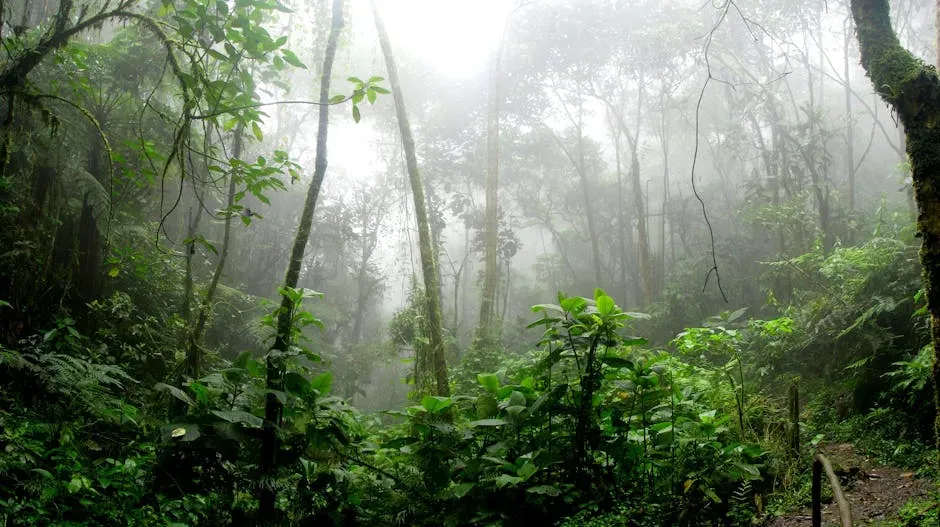
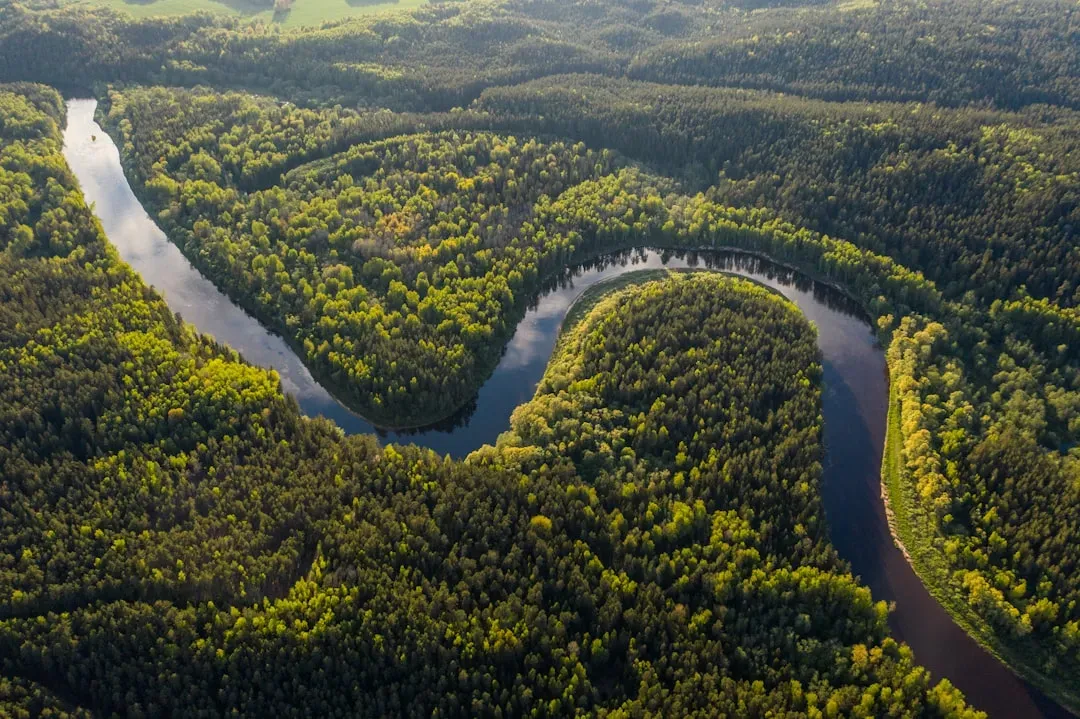
These discoveries are challenging a powerful idea: that the Amazon is a pure, untouched wilderness, separate from human history. Instead, more researchers now see it as an “anthropogenic forest” in many regions, meaning shaped and influenced by humans over long periods. People managed tree species, encouraged useful plants, cut canals, built fish ponds, and maintained mosaics of forest and field. It’s as if the rainforest, or at least large portions of it, is a massive, ancient garden that kept growing long after its original gardeners vanished.
This doesn’t mean the Amazon is artificial or that modern deforestation is harmless. If anything, it highlights how delicate the balance is and how easily it can be broken. Ancient communities worked within ecosystems over centuries, often increasing biodiversity and productivity, while today’s clear-cutting and industrial extraction can destroy soils and species in a single season. The evidence of lost civilizations becomes a kind of warning: humans and the forest can live in partnership, but when that relationship is pushed too far, entire ways of life can disappear almost without a trace.
What These Lost Civilizations Mean for the Future
The story unfolding in the Amazon isn’t just about the past; it’s quietly reshaping how scientists, governments, and local communities think about the future. If large, complex societies once lived there without turning the region into a wasteland, we have something to learn about long-term sustainability, land management, and resilience. Their strategies for building soils, diversifying crops, and working with seasonal flooding could offer inspiration for today’s climate-stressed world. It doesn’t mean copying their systems exactly, but it does mean taking them seriously as sophisticated innovators, not primitive people trapped in a harsh jungle.
There’s also a more personal impact: this kind of research changes how we see Indigenous communities still living in the Amazon today. Instead of viewing them as remnants of a simple past, it underlines their connection to deep, complex histories and knowledge systems that survived centuries of upheaval. The forest around them may be holding the last clues to entire civilizations that once thrived there. As LiDAR scans expand, as more careful excavations are done, and as local knowledge is taken more seriously, we’re likely to find that the Amazon’s greatest secrets are not just in its animals and plants, but in the civilizations that helped shape them.