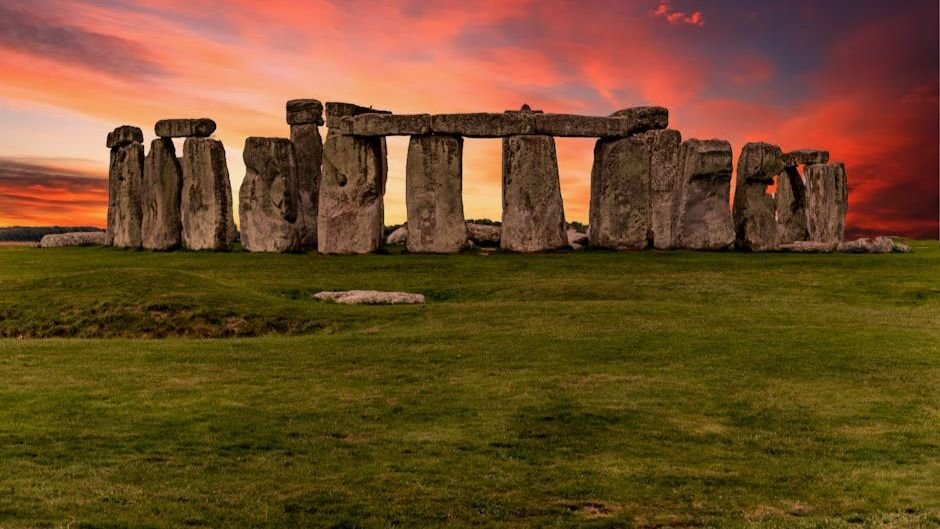

Across windswept cliffs, quiet pastures, and forest edges from Portugal to Scandinavia, enormous stones rise out of the ground like frozen questions. They were dragged, raised, and aligned by people with no metal tools, no wheels, and no writing, yet they left behind monuments that still shape the landscape thousands of years later. When you stand beside one of these stones, it’s hard not to feel a mix of awe and discomfort, like you’ve stepped into a conversation that began long before you were born.
These megaliths are more than mysterious tourist spots; they’re some of the clearest clues we have about how early European societies thought, organized themselves, and related to the sky, the dead, and each other. Archaeology in the last few decades has completely changed the story, replacing old clichés about “primitive stone worshippers” with something far richer and more surprising. Hidden in their shapes, alignments, and burials is a picture of ancestors who were inventive, deeply social, and far more connected to their world than we often give them credit for.
The First Stone Builders: Who Were They Really?
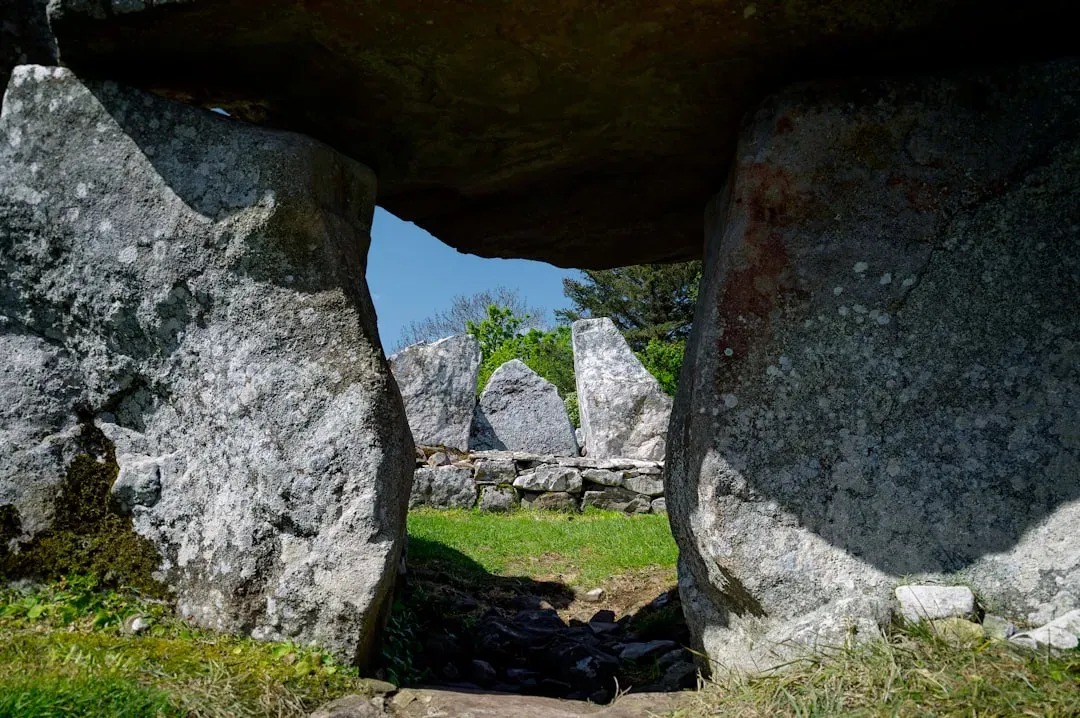
It’s easy to imagine megalith builders as a single mysterious “stone cult,” but archaeology paints a far more complex picture. The earliest large stone tombs in Atlantic Europe seem to appear around seven thousand years ago, roughly at the same time farming communities were spreading along the coasts. These weren’t small, scattered bands of hunter‑gatherers; they were settled groups clearing fields, herding animals, and investing an enormous amount of labor in shared monuments that they probably expected to last for generations.
Excavations and ancient DNA from burial chambers show that many of the people buried in these tombs were related, but not always in simple, straight family lines. In some monuments, men from the same paternal line dominate; in others, you see a blur of multiple families and outsiders brought into the group. That suggests these communities cared about ancestry, but also about alliances, adoption, and perhaps even chosen membership. Rather than a single “mysterious people,” what we see is a patchwork of local farming societies using stone to tell their own stories about who belonged and who came before.
Stones for the Dead: Megaliths as Collective Tombs
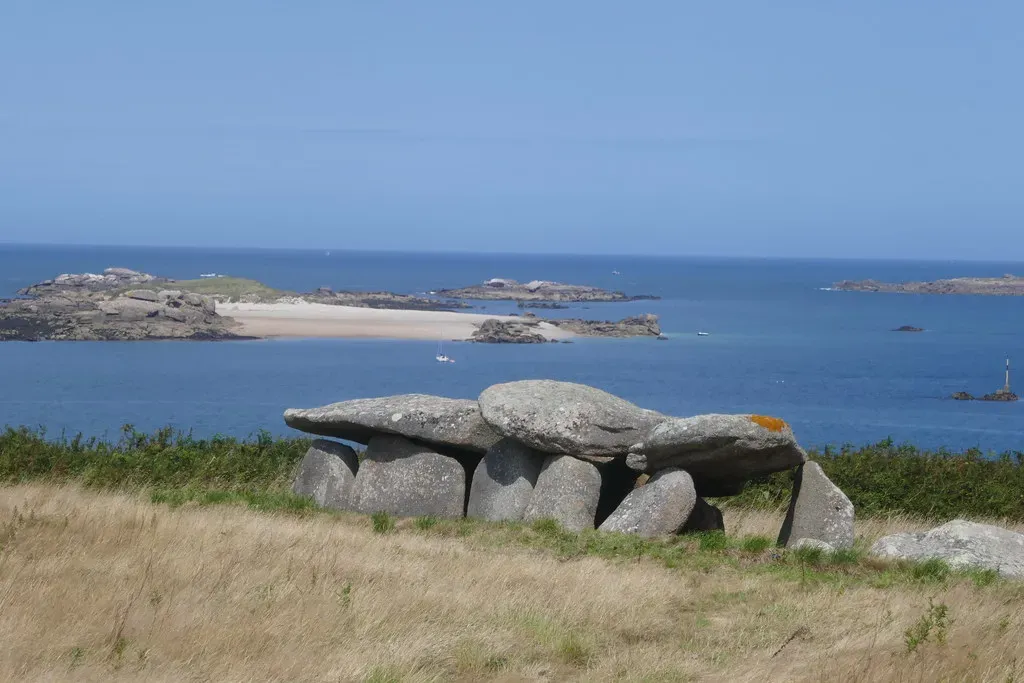
Many of the most famous European megaliths are not lone standing stones but stone-built passage graves and chambered tombs, often buried under earth mounds or cairns. Inside these structures, archaeologists have found the remains of dozens, sometimes hundreds, of individuals laid down over long periods. These weren’t private graves for elite rulers; they were shared spaces, used again and again, suggesting that identity was rooted in the group and in a long chain of ancestors, not in a single powerful individual.
The bones in these tombs often show signs of careful treatment: rearranged skeletons, selected skulls or long bones placed deliberately, and layers of burials that suggest rituals repeated over centuries. Grave goods like stone axes, beads, pottery, and animal remains hint at gifts to the dead or to whatever force the living believed controlled the boundary between life and death. When you put all this together, the picture that emerges is one of communities who saw death not as a sharp end, but as a return to a shared house of memory, literally built out of stone.
Temples of the Sky: Cosmic Alignments and Ancient Astronomy
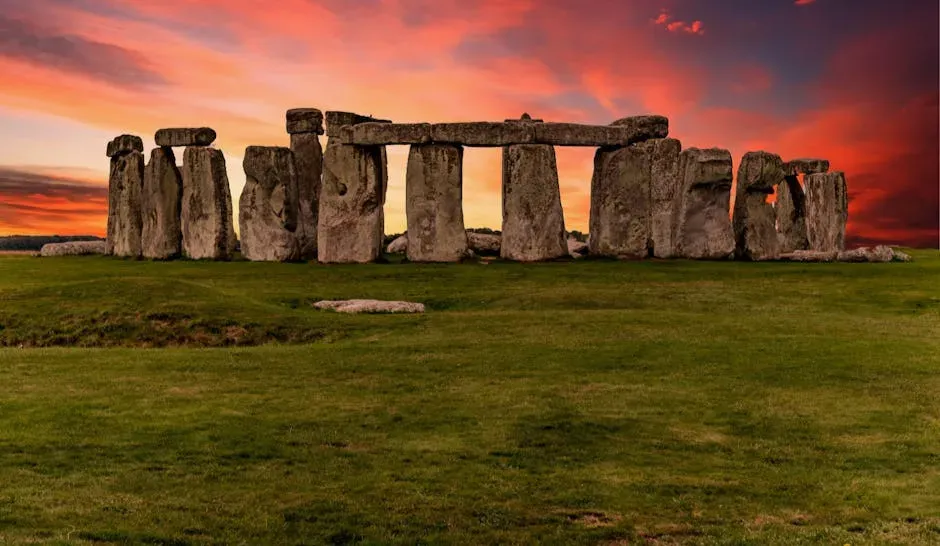
One of the most striking things about many megalithic sites is how obsessively they speak to the sky. Stone circles, rows, and passage tombs across Europe line up with the rising or setting sun at solstices and equinoxes, or with the Moon at key points in its long cycle. These alignments aren’t random; they repeat across regions and often required very precise observation of the horizon over years, if not generations. The builders clearly paid close attention to where and when light appeared, and they encoded that knowledge into architecture.
In some passage graves, the effect is dramatic: on just one or two days of the year, the rising sun shoots down a long stone corridor to light up the inner chamber, transforming a dark tomb into a glowing, almost theatrical stage. This isn’t the kind of thing you do by accident. It suggests that for these communities, moments like midwinter sunrise or midsummer sunset were not just pretty sights; they were turning points in the year that connected living people, ancestors, and the rhythms of the world in a single, carefully timed act.
Engineering Without Wheels: How They Moved Mountains of Stone
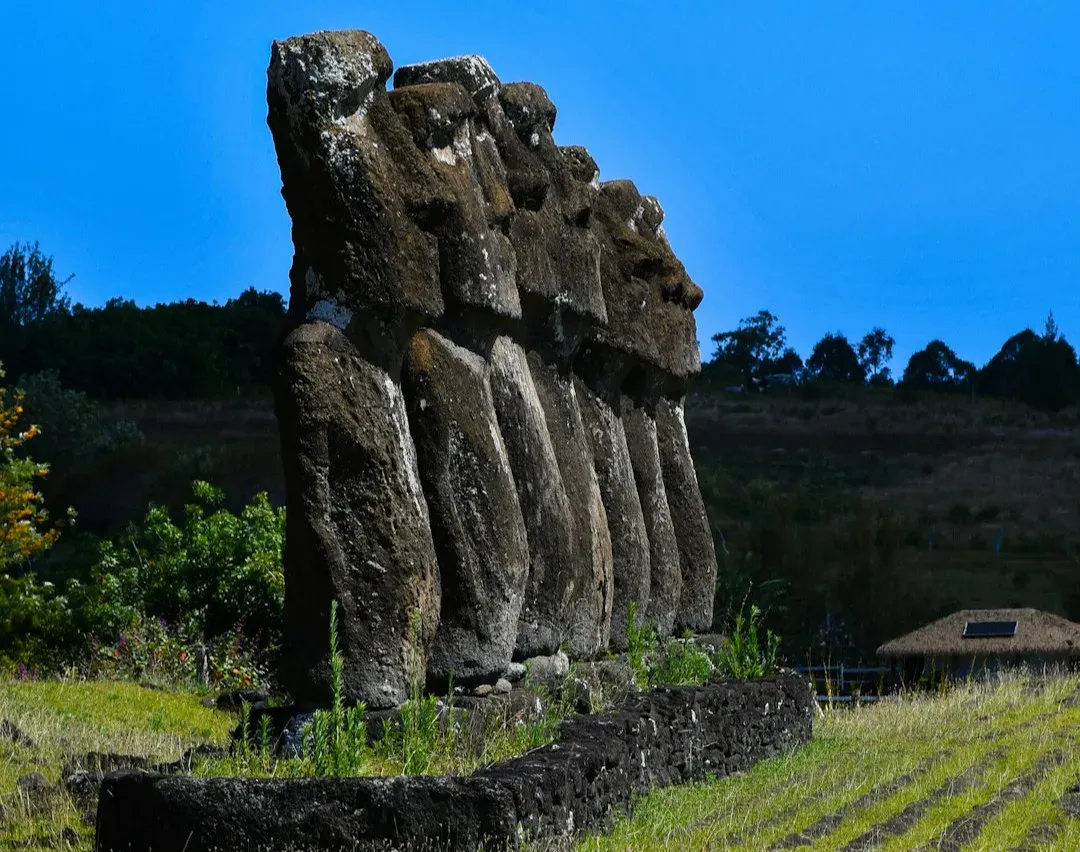
The stones themselves can feel almost impossible: slabs weighing as much as several fully loaded trucks, hauled across hills, bogs, and rivers without the benefit of metal cranes or even simple wheeled carts. Yet experiments and traces at sites show that people moved them with wooden sledges, rollers, ropes made from plant fibers or animal hides, and clever use of water and gravity. It wasn’t magic; it was patient, coordinated labor, likely involving dozens if not hundreds of people pulling in rhythm over days or weeks.
Some quarries for megaliths have been found many kilometers from the final monument, proving that distance didn’t scare these builders. The act of moving the stone may have been as important as raising it, a kind of communal pilgrimage where the entire community took part in a physically demanding, emotionally charged project. Just imagining the shouts, songs, and effort it took to inch a stone along a muddy track gives a different view of these societies: not small and fragile, but confident and stubborn enough to reshape the land with their own hands.
Communities, Cooperation, and the Birth of Social Hierarchy
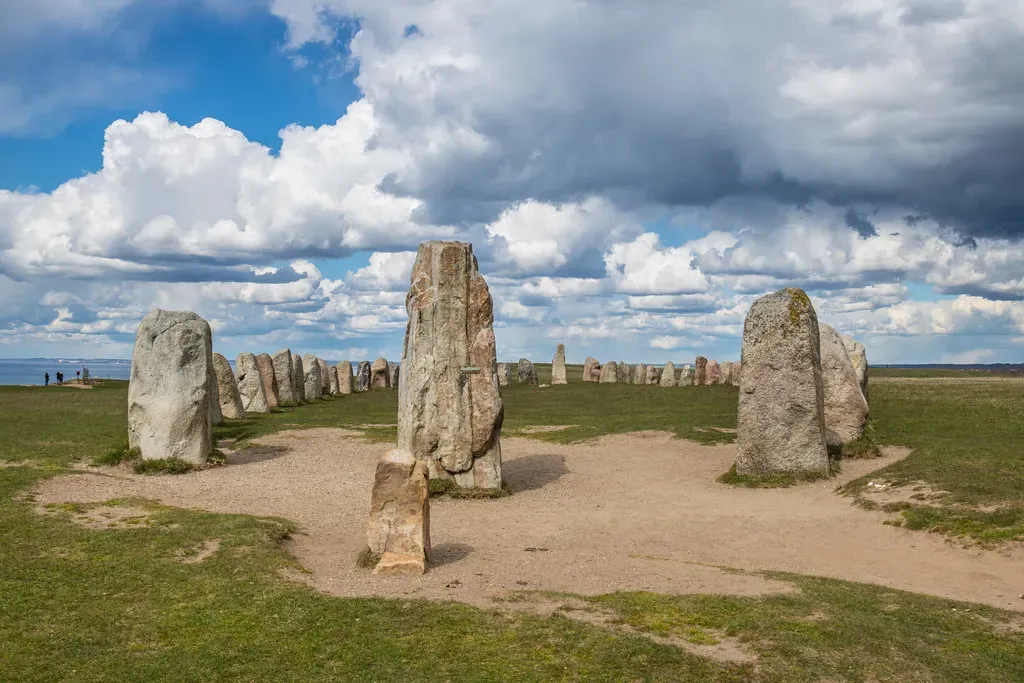
One of the biggest clues megaliths give us is about how our ancestors organized themselves socially. You don’t build a multi-ton stone monument by accident or on a whim; you need planning, agreements, and rules about who does what and when. That kind of large-scale, repeated cooperation suggests some form of leadership and coordination, even if it wasn’t the rigid state-level hierarchy we see in later civilizations. The monuments themselves may have helped create that structure by giving people a shared goal and a shared story of origin.
At the same time, not all megaliths are equal. Some regions are packed with elaborate tombs and stone circles, while nearby areas have only simple markers or none at all, hinting at differences in wealth, influence, or ritual importance. Within tombs, a few individuals sometimes receive more prestigious positions or richer offerings, suggesting the early seeds of social inequality. Megaliths, in other words, show us communities learning how to balance cooperation and status, creating physical stages where both unity and emerging hierarchy could be performed in stone.
Over generations, these monuments likely became anchors for identity and territory, marking who controlled fertile valleys or coastal routes. By investing so heavily in a single place, communities tied their lineage and rights to a landscape feature that could not easily be moved or ignored. In that way, megaliths weren’t just about the past; they were tools for negotiating power, land, and belonging in the present.
Shared Ideas Across a Continent: Networks, Travel, and Cultural Exchange
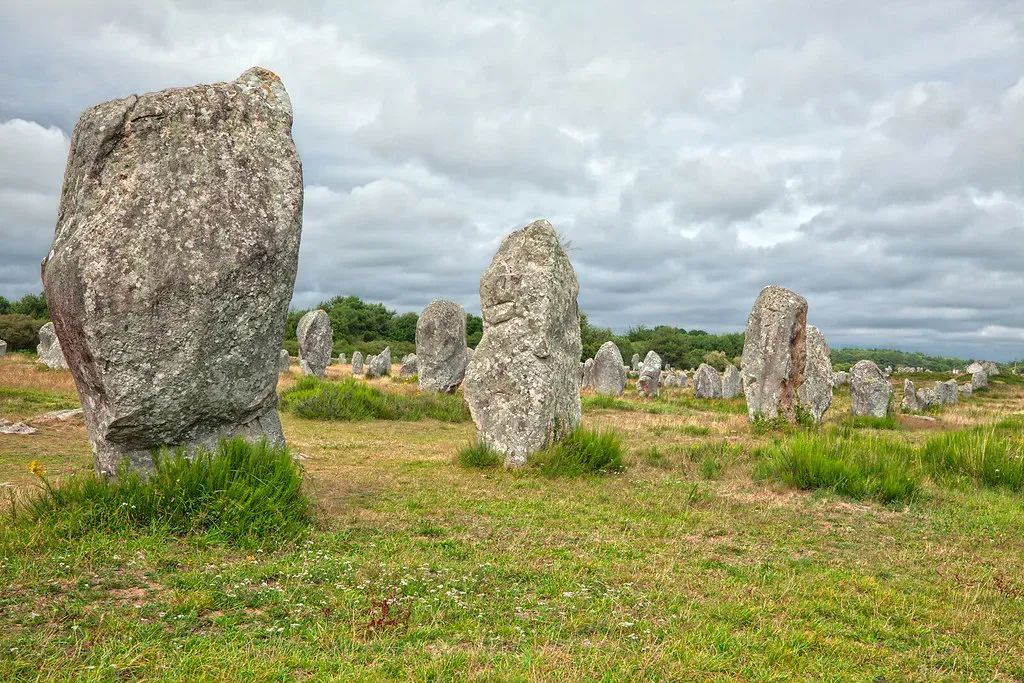
When you map out megalithic sites from Iberia to Scandinavia, patterns start to jump out. Certain designs of tombs, such as long barrows or passage graves, appear in multiple, widely separated regions, often within a fairly tight time window. That doesn’t happen if everyone is inventing things in total isolation. Instead, it suggests that ideas, techniques, and perhaps even ritual specialists were moving along coasts and river routes, creating overlapping networks long before formal trade roads or written records.
Artifacts found inside some megaliths, such as exotic stone tools, beads made from distant shells, or pottery styles from other areas, reinforce this picture of contact. People weren’t just trading goods; they were sharing visions of how to treat the dead, how to watch the sky, and how to define community through stone. The megaliths of Europe, viewed this way, are like regional dialects of a broader architectural language, each community speaking in its own accent but still taking part in a shared conversation that stretched across landscapes and centuries.
Changing Meanings: From Sacred Centers to Silent Ruins
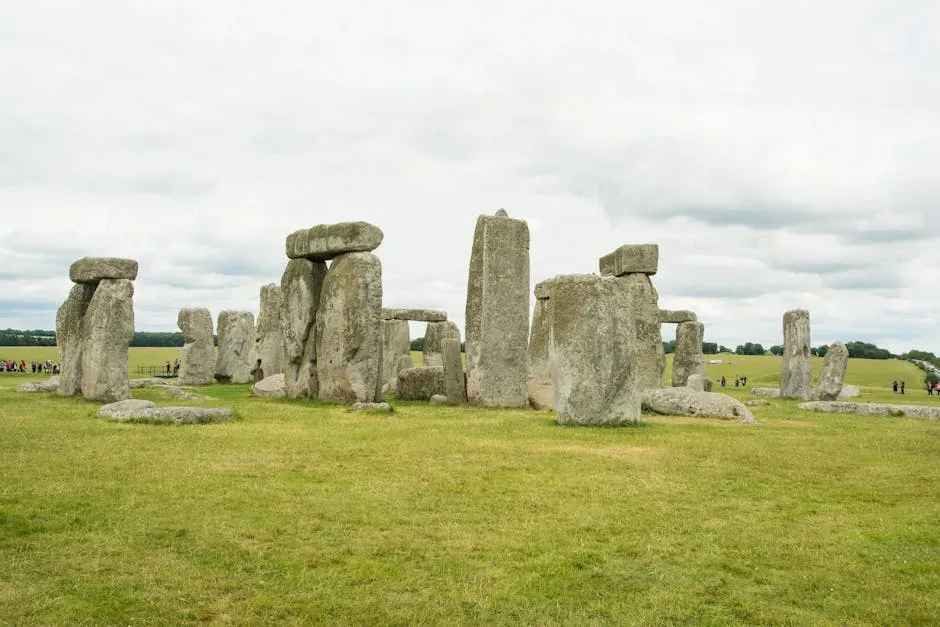
Megaliths didn’t freeze in time after they were built; their meanings shifted as new people moved in, climates changed, and old traditions faded or evolved. Some monuments were rebuilt, expanded, or altered, with new entrances cut or extra stones added, hinting that later generations tried to update old structures to fit new beliefs. In other cases, burials stopped, and the monuments were repurposed as landmarks, meeting places, or boundaries, still meaningful but no longer used as they once were.
Eventually, many of these sites fell into silence and partial ruin, half-buried or overgrown, leaving later historic societies to reinterpret them all over again. Folktales turned them into homes of giants, frozen armies, or cursed gatherings, a kind of cultural echo of their original sacred weight. What this long arc shows is that our ancestors were not stuck in a single way of seeing the world; they reimagined even their deepest monuments as times changed. The stones stayed in place, but the stories wrapped around them shifted, layer by layer, until only the bare outlines remained visible to us.
Conclusion: What the Stones Still Whisper to Us Today
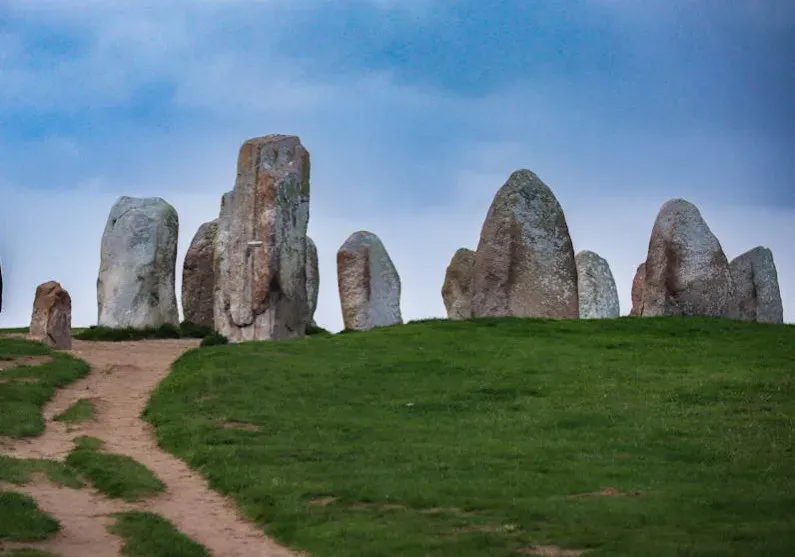
When you pull all the clues together, the megaliths of Europe reveal ancestors who were far from simple: they were farmers, engineers, sky-watchers, negotiators of power, and careful keepers of memory. They lived close to the edge of what was materially possible with stone, wood, and muscle, yet they chose again and again to use that effort to anchor their dead, their seasons, and their identities in monuments meant to outlast them. These stones aren’t random leftovers; they’re deliberate statements that life, death, land, and sky were all woven together in ways that mattered enough to carve into the bedrock of their world.
Standing beside a solitary menhir or inside a dim stone chamber today, you’re not just looking at the past, you’re sharing a space intentionally designed to make people feel small, connected, and aware of forces bigger than themselves. In a strange way, that experience hasn’t changed much in thousands of years, even if the languages and myths around it have dissolved. The stones remind us that humans have always tried to make sense of time, belonging, and loss by building things that might last longer than a single lifetime. When you next see one of these ancient giants, what do you think it says about what people most feared losing and most hoped to remember?