

Imagine waking up one day to find that your compass, the same tool sailors have trusted for centuries, is calmly pointing in the opposite direction. North has become south, south has become north, and the invisible magnetic shield wrapping our planet is in the middle of a massive reshuffle. It sounds like the setup for a disaster movie, but magnetic reversals are a very real part of Earth’s history – and another one will almost certainly happen again.
The twist is this: a magnetic flip is both less apocalyptic and more fascinating than most people think. It won’t knock the planet off its axis, but it will mess with radiation, animals that navigate by magnetism, and a lot of our technology. To understand what’s really at stake when north becomes south, we have to look deep under our feet, high into space, and honestly at our own dependence on fragile electronic systems.
What Earth’s Magnetic Field Actually Is (And Why It Matters)
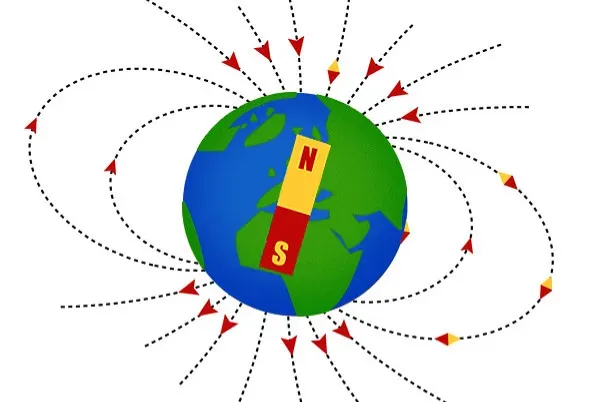
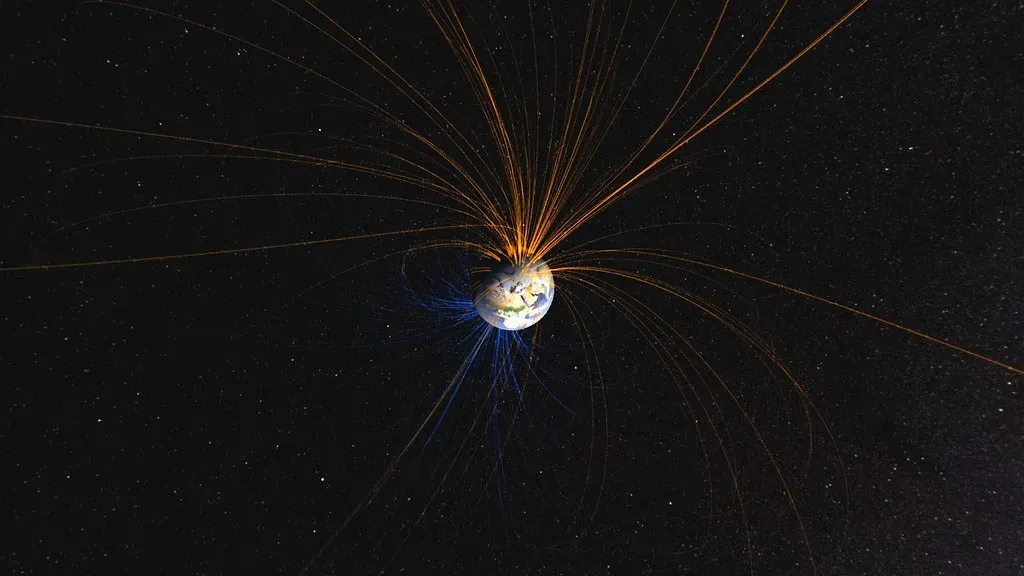
Earth’s magnetic field isn’t some decorative feature of the planet – it’s more like a force field that quietly keeps life safer than we realize. Generated by the churning, electrically conducting liquid iron in the outer core, this field extends far into space, forming a protective bubble that deflects much of the charged particle radiation streaming from the Sun. Without it, the surface would be blasted by solar and cosmic radiation at levels that would make our current worries look small.
This invisible shield also gently organizes the flow of particles into striking phenomena like the auroras, which paint the polar skies with glowing curtains of light. On a more everyday level, the field gives our compasses something to lock onto and provides an orientation reference that many animals and even some bacteria have evolved to sense. It’s strange to realize how much of our modern world and much of the natural world quietly leans on something we can’t see, can’t touch, and mostly forget is even there.
How Magnetic Reversals Happen Deep Inside the Earth
The idea of the poles flipping can feel like magic, but it’s really a side effect of a messy, turbulent system at the planet’s core. The geodynamo – those complex flows of molten metal thousands of kilometers below us – is not a perfect, stable machine; it’s more like a pot of soup constantly stirred, sloshing and swirling in changing patterns. When the structure of that flow changes enough, the global magnetic field can weaken, distort, and eventually reorganize with the opposite polarity.
Paleomagnetic records preserved in volcanic rocks and seafloor crust show that this has happened many times over hundreds of millions of years. On average, full reversals appear every few hundred thousand years, but the timing is wildly irregular; sometimes they’re frequent, sometimes there are long quiet stretches. The transition itself probably takes somewhere between a few hundred years and a few thousand, which in human terms is slow-motion, but geologically it’s like a sudden mood swing. We are not talking about a switch you flip overnight, but a long, messy, in-between state where the field looks patchy, complex, and weak.
Signs the Field Is Changing Right Now
Over the last two centuries, scientists have measured a noticeable weakening of Earth’s magnetic field, especially pronounced in a region called the South Atlantic Anomaly, stretching roughly from South America to southern Africa. In that area, the field is significantly weaker than the global average, and satellites passing overhead are more vulnerable to charged particle hits that can glitch electronics and damage instruments. This odd patch has grown and shifted over recent decades, which has fueled speculation that we might be entering the early stages of a reversal or at least a major reorganization.
At the same time, the north magnetic pole itself has been wandering faster than usual, racing from northern Canada toward Siberia at tens of kilometers per year. That movement has already forced regular updates to navigation models used in everything from smartphone apps to commercial aircraft. None of this proves that a full flip is imminent – in fact, many geophysicists emphasize that the field has wobbled and weakened before without fully reversing. But it does show that our magnetic environment is not fixed, and that we are already living through a period of noticeable change.
Would a Magnetic Reversal Be a Global Catastrophe?
When people hear “magnetic poles reversing,” it’s easy to jump straight to visions of oceans sloshing over continents and cities collapsing overnight. That’s not how this works. The magnetic field is tied to the motion of the core, not to the planet’s rotation itself, so gravity, day length, tides, and the position of the geographic poles stay essentially the same. There is no credible evidence that mass extinctions or sudden global die-offs have reliably lined up with past reversals in the geological record.
That doesn’t mean it would be a non-event, but it does mean it’s not the planet-wide reset button some fear. The main concern is that during a long transitional phase, the field becomes weaker and more chaotic, allowing more radiation to reach low-Earth orbit and possibly the upper atmosphere. That could create serious headaches for our technology and for certain types of high-altitude or high-latitude exposure, but it is not the kind of thing that sterilizes the planet. Life has cruised through many reversals before, and it didn’t even leave much of a mark in the fossils.
Radiation, Atmosphere, and Human Health

One of the more unsettling aspects of a weakened magnetic field is that it lets more high-energy particles slip closer to the planet. Satellites and astronauts are on the front line here – they already deal with bursts of radiation during strong solar storms, and a weaker field would likely make such spikes more common and more intense. Satellite electronics are especially vulnerable, with increased chances of bit flips, instrument malfunctions, and shortened lifespans, which could ripple out into communication, weather forecasting, and military systems.
For people on the ground, the story is more nuanced. Earth’s atmosphere itself is a powerful shield, absorbing a large chunk of incoming radiation even without help from magnetism, so everyday radiation levels at sea level would probably not skyrocket. However, those who fly frequently on polar routes or work in aviation could see their long-term exposure rise, and power grids might face more frequent geomagnetic disturbances. It’s less about instant, dramatic harm to individuals and more about a slow, statistical nudge in risks and a greater strain on the infrastructure we rely on.
Navigation, Wildlife, and a World That Depends on Direction
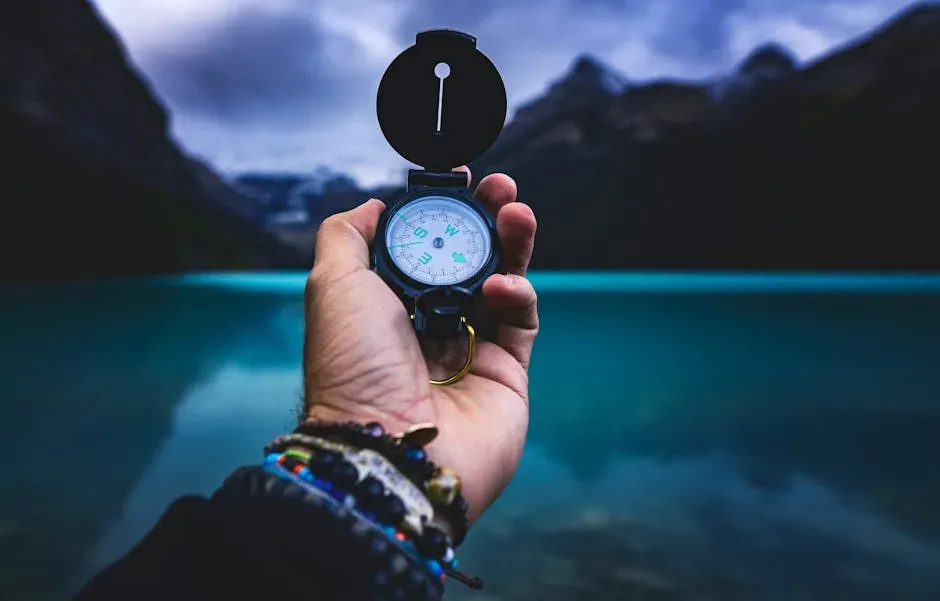
Humans have leaned on compasses for centuries, and even in the age of GPS, a lot of navigation systems still quietly reference Earth’s magnetic field. During a reversal, the field wouldn’t just weaken; it would likely break into multiple poles and strange local patterns, making simple compass-based direction much less reliable. Aviation, military operations, and certain kinds of drilling and surveying would all have to lean harder on alternative reference systems and more frequent calibration.
Then there’s the rest of the animal kingdom. Many migratory birds, sea turtles, salmon, and even some insects appear to have a built-in sense of magnetism that helps them navigate vast distances. Past reversals clearly did not wipe these animals out, so they either adapt behaviorally or rely on backup cues like stars, smells, and landmarks. Still, a long period of magnetic chaos could disrupt migration routes, breeding patterns, and survival rates in subtle but wide-reaching ways, especially when layered on top of climate change and habitat loss.
How We Might Prepare for the Next Flip
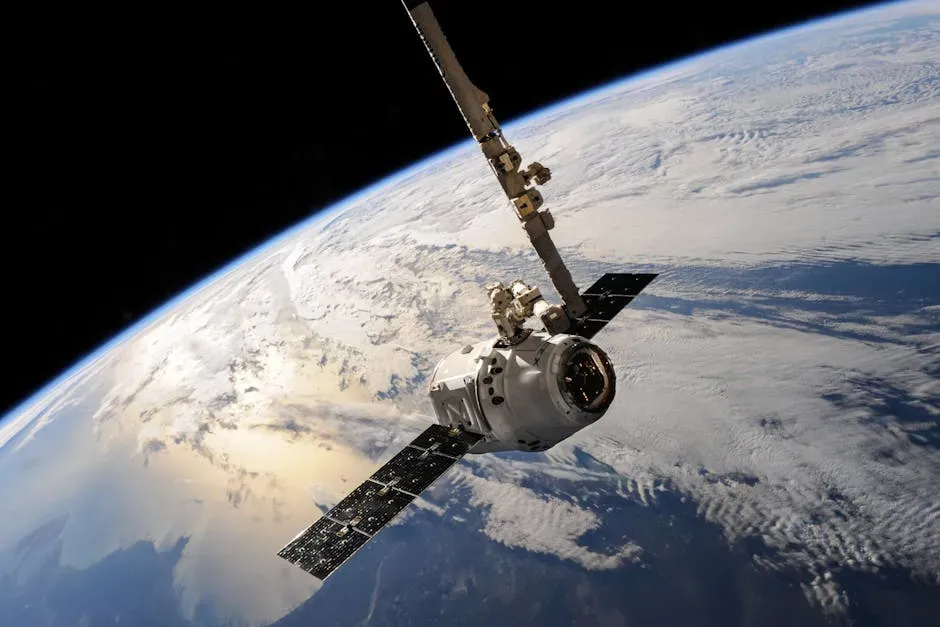
If a reversal is less a sudden disaster and more a long, messy era of increased stress on our systems, then preparation looks a lot like building resilience. Satellite designers can harden electronics, add better shielding, and plan for more frequent safe modes when radiation spikes. Power grid operators can develop protocols to handle geomagnetically induced currents, including better monitoring of space weather and more flexible ways to redistribute load when storms hit. Those measures are already underway in many countries because even today’s magnetic environment occasionally delivers damaging solar storms.
On the scientific side, improving our models of the core, expanding ground-based observatories, and maintaining a robust fleet of space-based monitors will help us track changes in the field with more confidence. That knowledge gives engineers, airlines, and governments the lead time to adjust navigation standards, flight routes, and safety recommendations. We might not be able to stop the poles from flipping, but we can control whether that flip becomes a crisis or just another demanding engineering and social challenge that we rise to meet.
Conclusion: Living With a Restless Planet
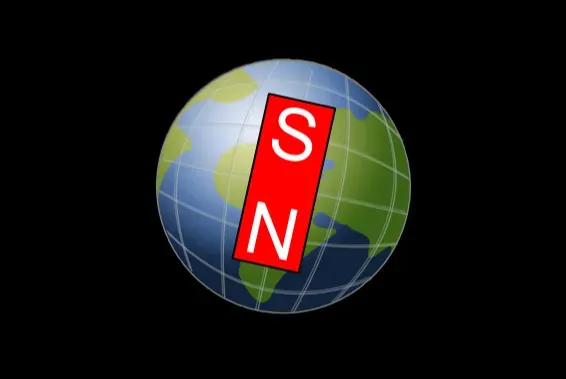
The idea that north could become south and south could become north hits a nerve because it reminds us how provisional our sense of stability really is. The ground feels solid, the sky looks calm, and the compass seems trustworthy, yet beneath and above all of that is a restless, dynamic system that has been changing constantly for billions of years. Magnetic reversals are one more example that our planet is not a static stage set; it’s a living machine, and we happen to be building our entire technological civilization on top of it.
When the next reversal comes – whenever that is – it’ll test our infrastructure, our planning, and our ability to act on long-term risks instead of only reacting to short-term crises. But it won’t be the end of the world, just another demanding chapter in our relationship with a complicated planet. Knowing that, the real question becomes less “Will the flip destroy us?” and more “Will we be ready to adapt when north finally becomes south?”